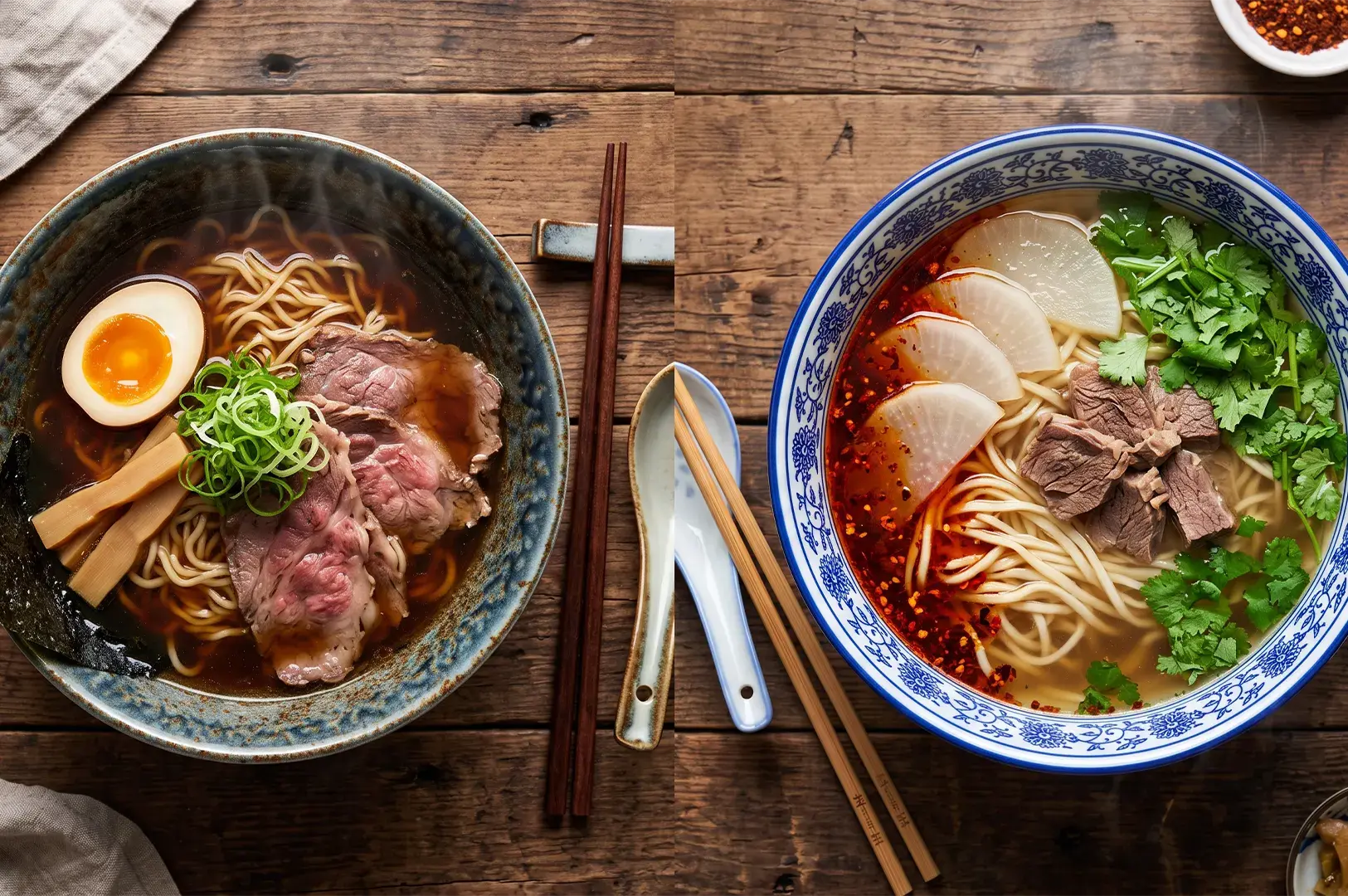
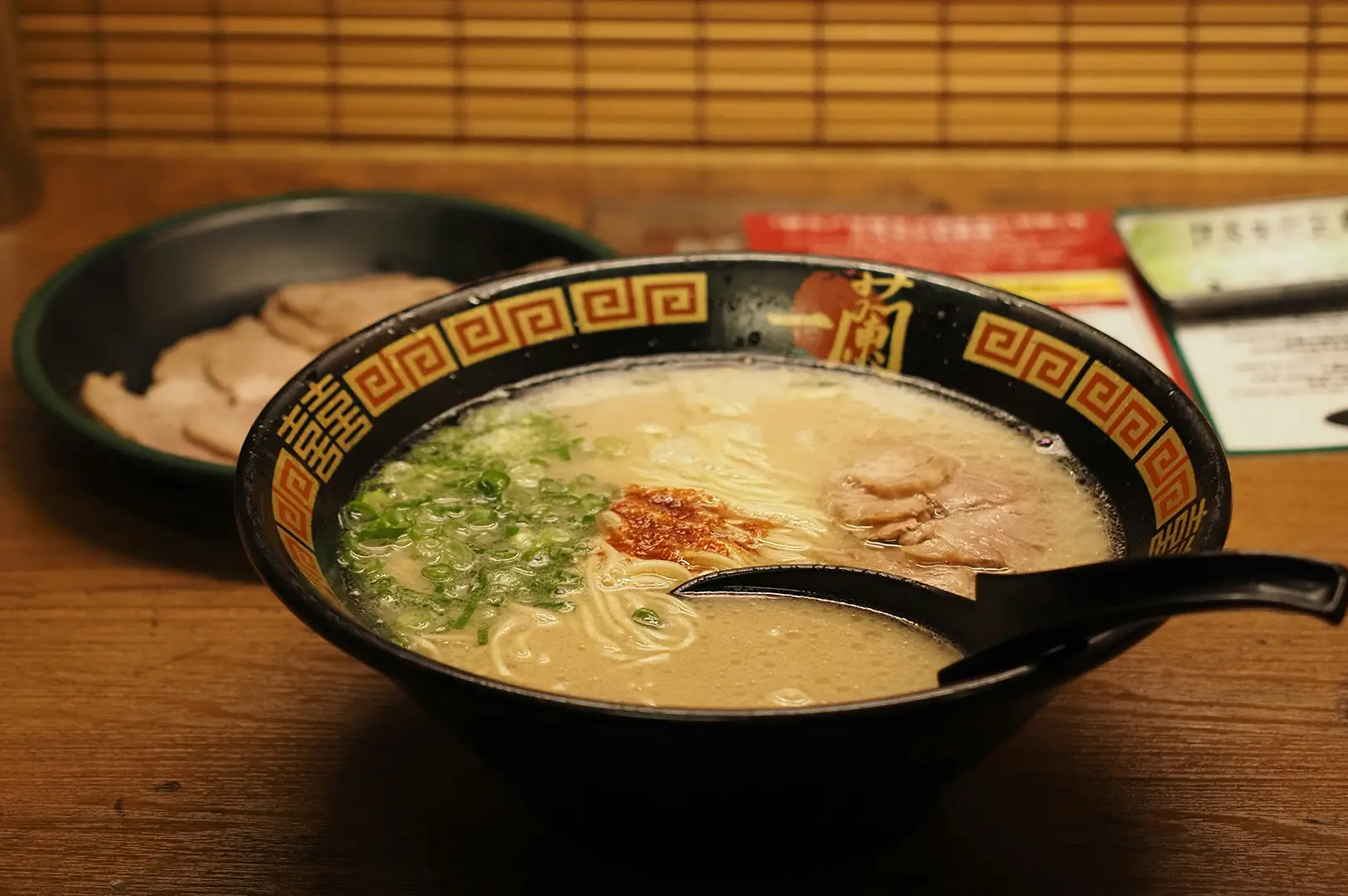
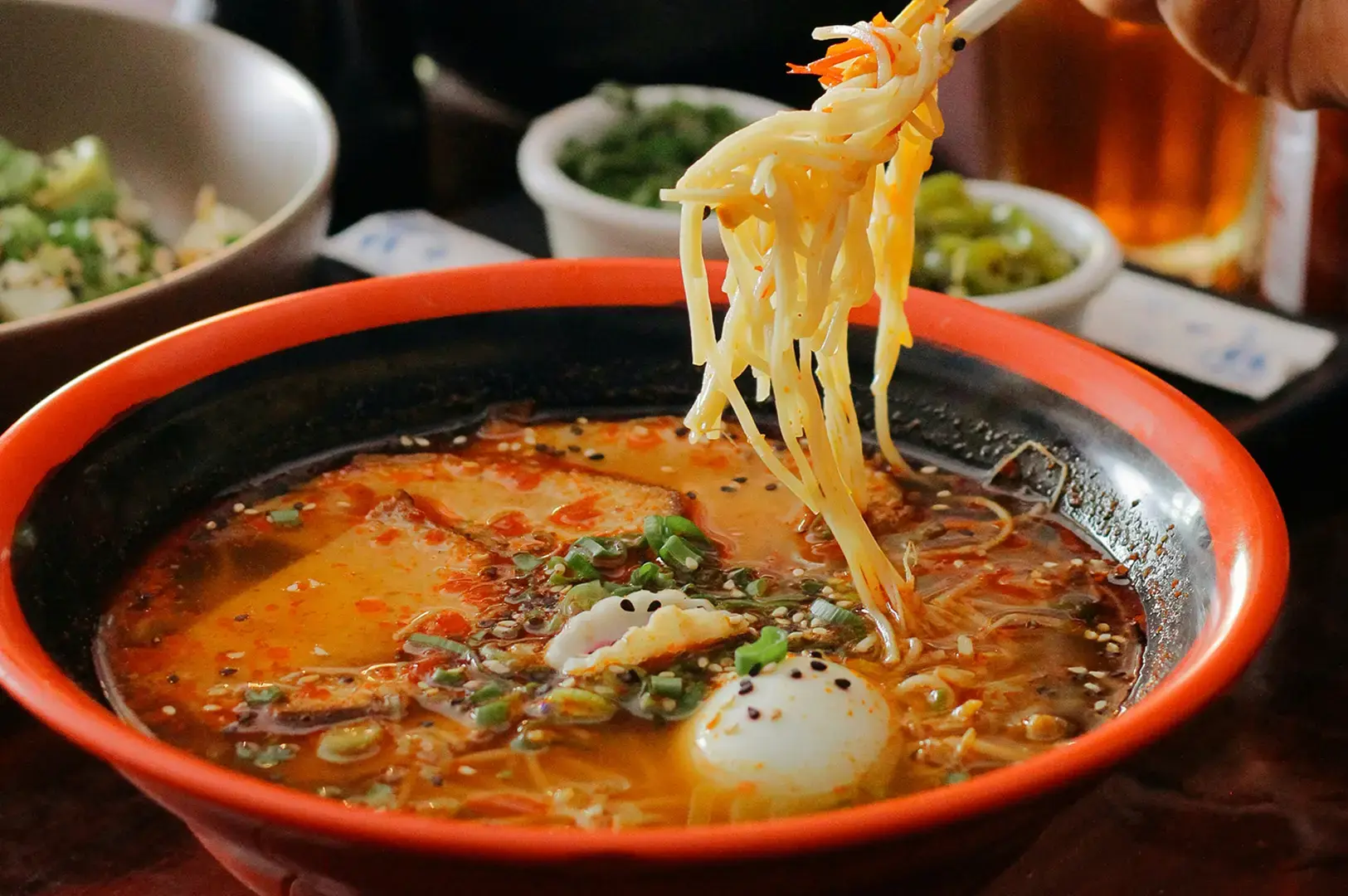
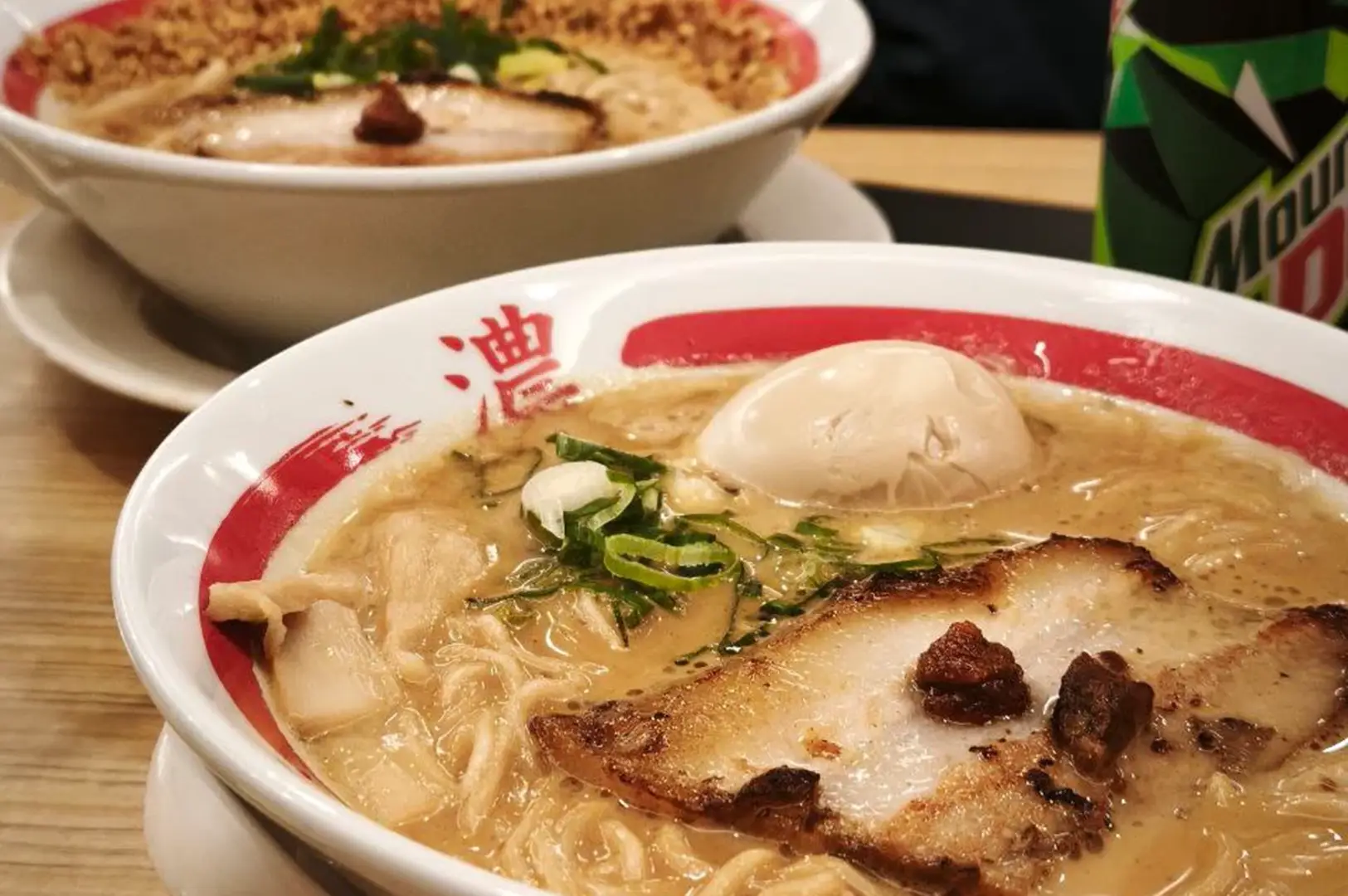
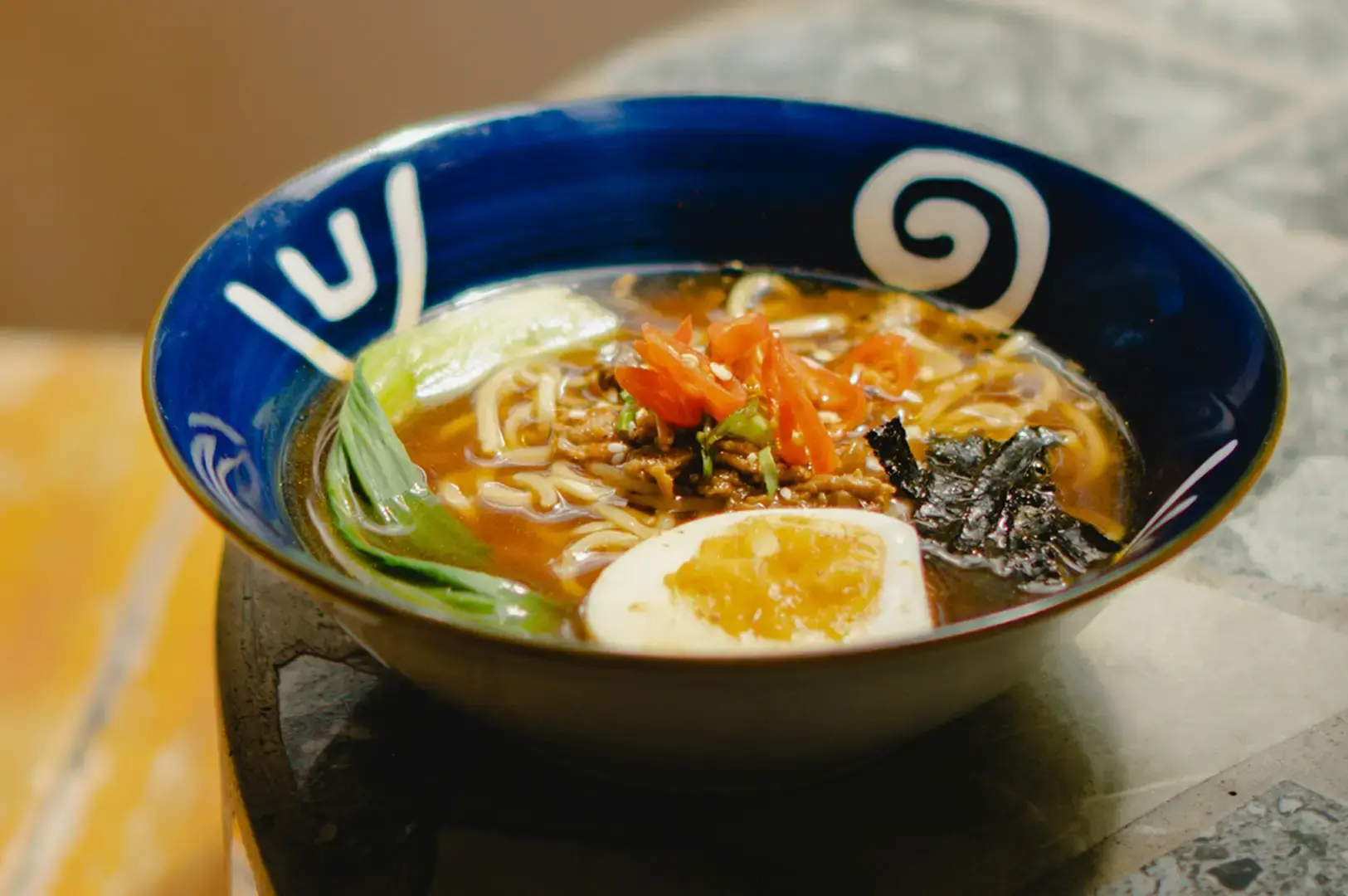
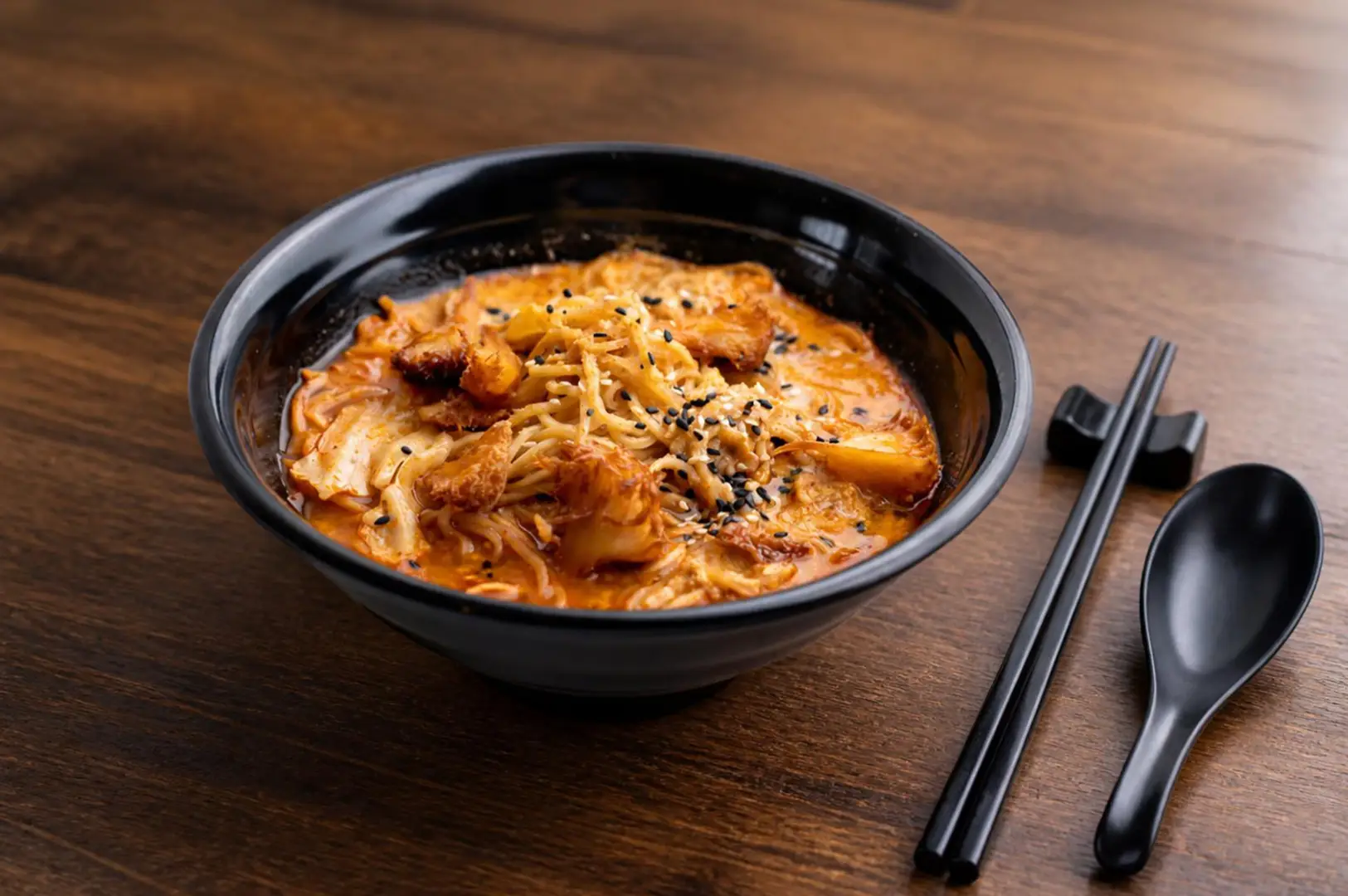
Ramen is often defined by its rich broth, tender chashu, and the perfect egg. But if you really think about it, there’s one element that carries the entire bowl: the noodles. I remember the first time I had a bowl where the noodles weren’t just an afterthought but an integral part of the experience. They were the thread that pulled everything together, turning an average bowl into something extraordinary.
The truth is, making perfect ramen noodles is an art. It’s not as simple as boiling water and tossing in noodles. The process involves precision, patience, and a deep understanding of dough. Over the years, I’ve learned what it takes to create a noodle that’s not just a filler but a key player in the ramen experience.
Hydration: The Secret to Texture
The journey begins with hydration, and it’s the first step that many don’t give enough credit to. Ramen noodles aren’t just flour and water thrown together. The balance between the two is crucial; too much water and you get mushy noodles that collapse into the broth, too little and they’re brittle, breaking apart in the bowl.
I’ve stood beside chefs kneading dough, watching their hands work in a rhythm: folding, pressing, and letting the water gently penetrate the flour. They aren’t rushing it. They know the dough needs time to rest so the water can work its magic. This delicate balance is what gives the noodles their signature texture, and each ramen shop has its own method, just as the broth’s richness plays a crucial role in elevating the overall ramen experience. It’s something that can’t be rushed; it’s the foundation of every great bowl.
Kneading: The Perfect Balance of Strength and Precision
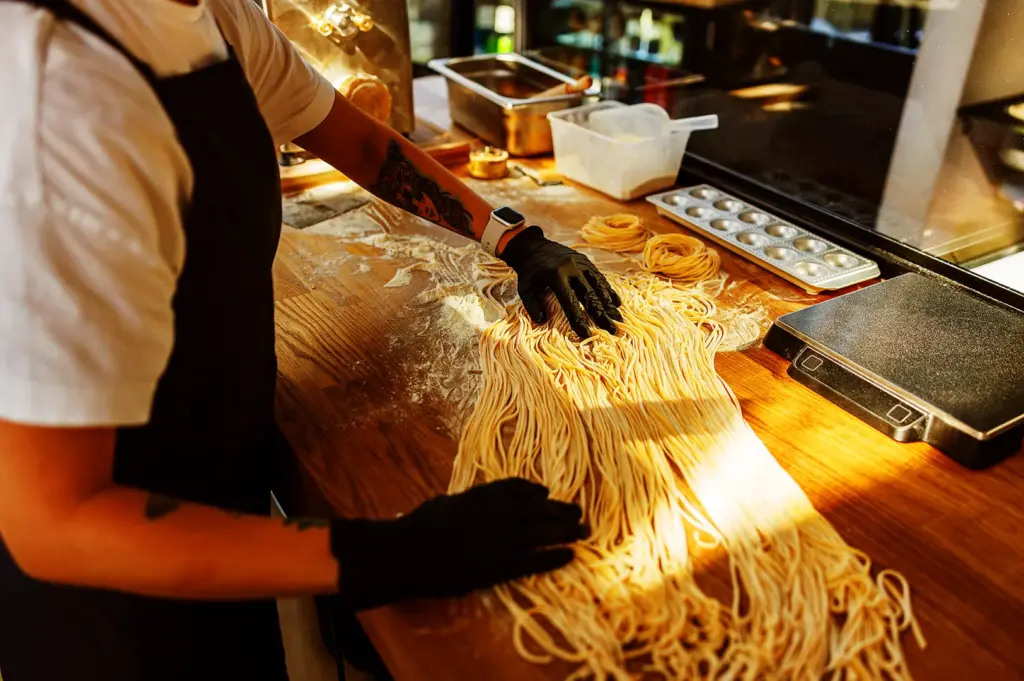
Once the dough is properly hydrated, it’s time for kneading: a step that requires more than just muscle. It’s a process of folding and pressing, creating elasticity without overworking the dough. Too much kneading and you end up with tough, chewy noodles. Too little, and the noodles lack the spring that makes each bite satisfying.
I’ve watched noodle makers who approach kneading like musicians playing a familiar tune. Their hands move with the precision of a well-rehearsed routine. There’s a quiet hum to it, a rhythm that’s almost meditative. The dough sounds as if it’s singing, each press telling a story. It’s this balance: strength without force that separates good noodles from great ones.
Cutting: Consistency Is Everything
Once the dough has rested and been kneaded to perfection, it’s time to cut the noodles. The thickness is key. Thicker noodles tend to pair with heavier, richer broths, while thinner noodles are suited to lighter broths. But cutting them is about more than just size—it’s about consistency.
I’ve seen chefs slice each noodle with precision, ensuring every strand is the same thickness, the same length. There’s no room for error. Even the slightest variation can change the way the noodles cook and ultimately how they interact with the broth. This consistency is what creates that perfect bite, that uniform texture that elevates the bowl. It’s a subtle touch, but it matters more than you’d think.
Boiling: The Final Moment of Truth
Then comes the boiling; perhaps the most crucial step of all. Noodles aren’t boiled to perfection by simply tossing them into water and waiting. The timing here is everything. If you pull them too early, they’ll be undercooked, too firm to bite. If you leave them too long, they’ll collapse into a mushy mess.
I’ve been in kitchens where chefs stand over the pot, eyes glued to the noodles, waiting for that precise moment when they’re ready. They don’t rely on timers; they rely on instinct, experience, and an understanding of what each batch of noodles needs. That perfect moment when the noodles have just the right amount of bite is something you can’t rush; it’s a true test of the chef’s skill.
Perfect Noodles, Perfect Bowl
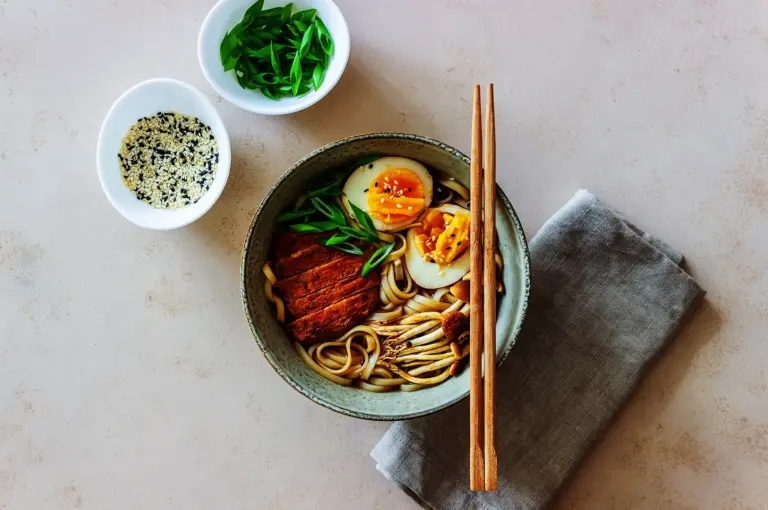
Creating perfect noodles isn’t just about following steps; it’s a practice of patience, precision, and deep respect for the craft. The noodles, often the unsung heroes in ramen, are what bring the entire bowl together. Each step—the hydration, kneading, cutting, and boiling has to be executed with intention and care. It’s a dance, a delicate balance, that elevates an average bowl into something truly remarkable.
So, next time you take a bite of ramen, pay attention to the noodles. They might just be the most important part of the bowl. At Ramen Tale, we explore how these unsung heroes play a pivotal role in elevating ramen to an art form, showcasing the passion and precision that go into every bowl.