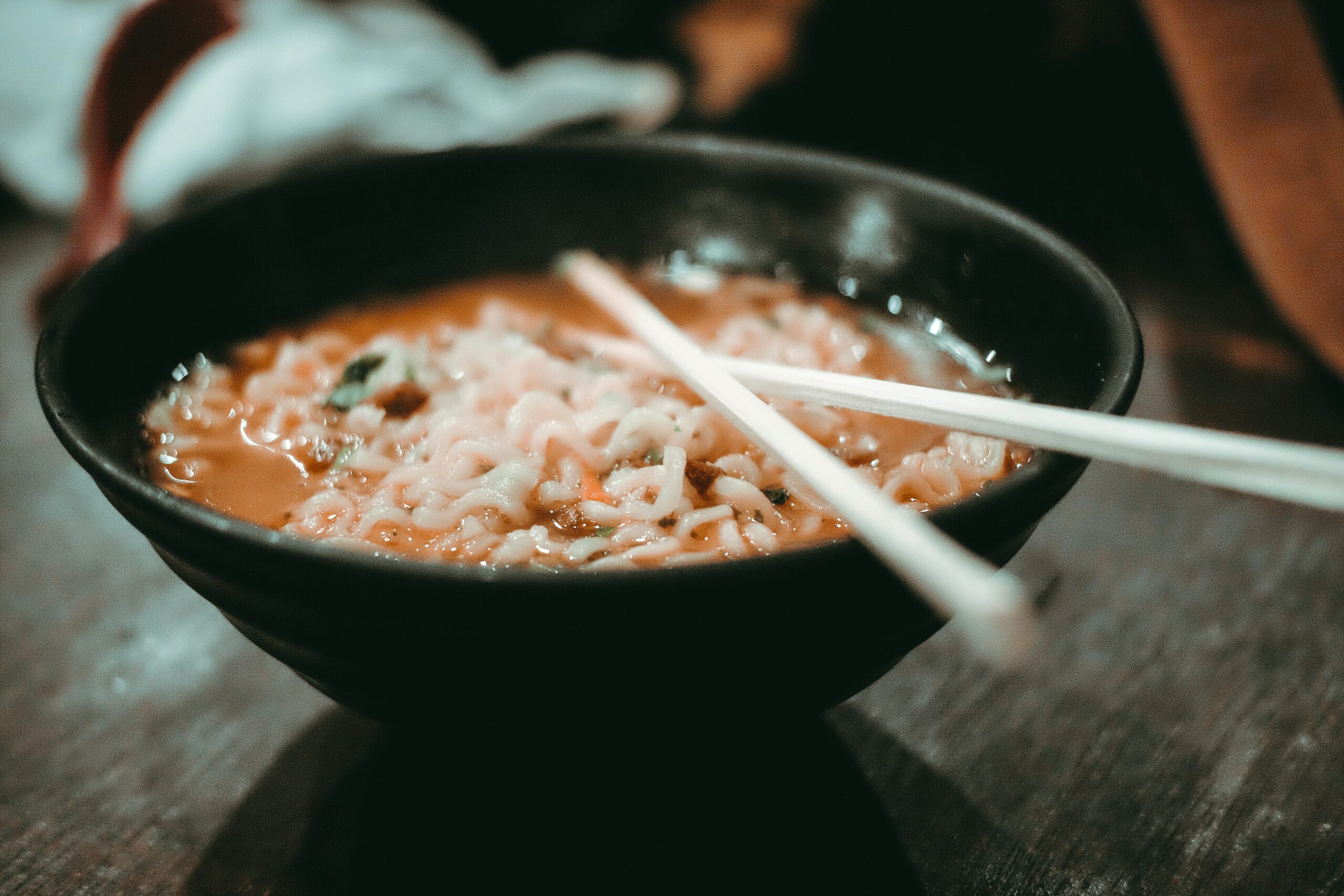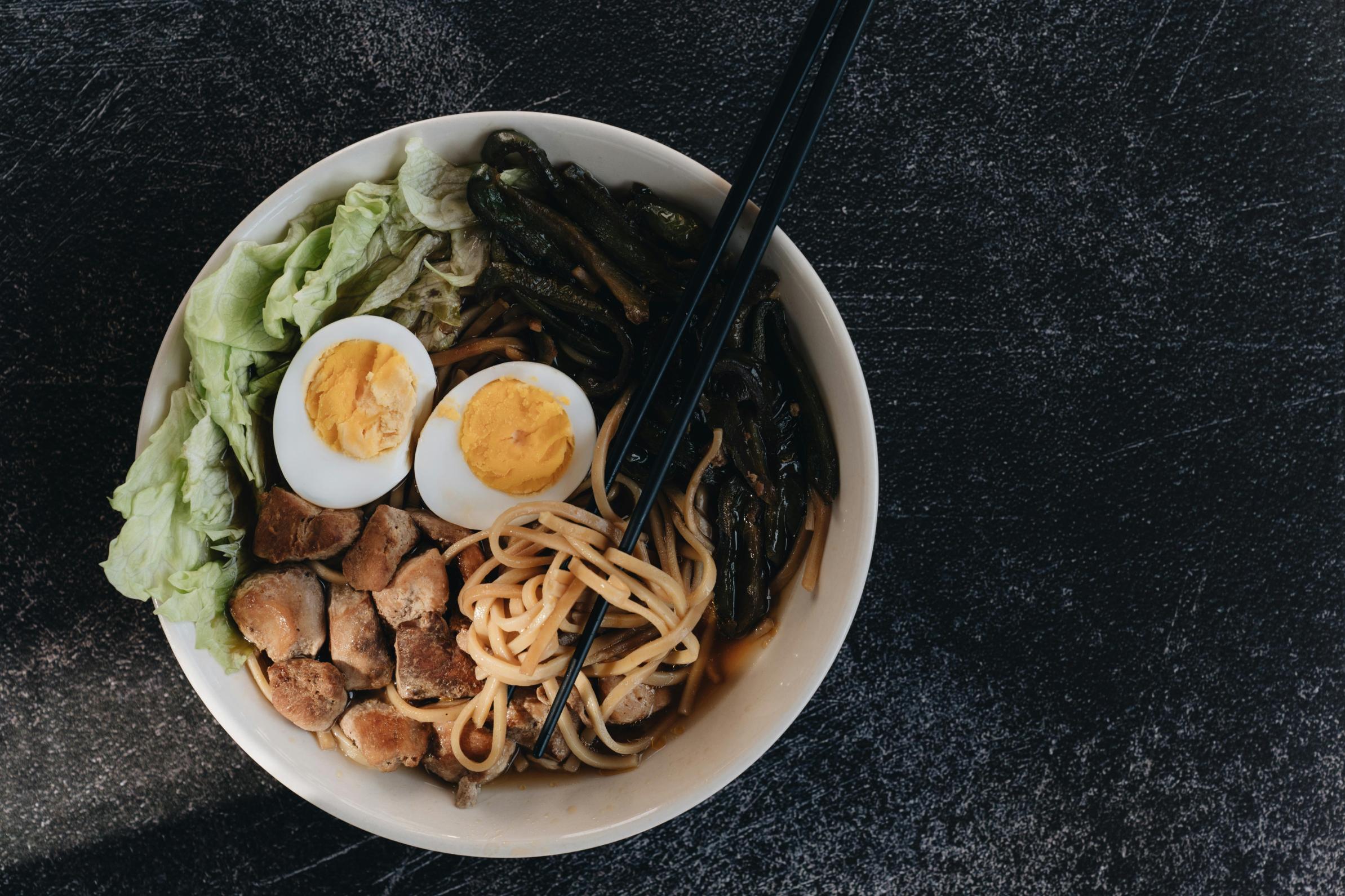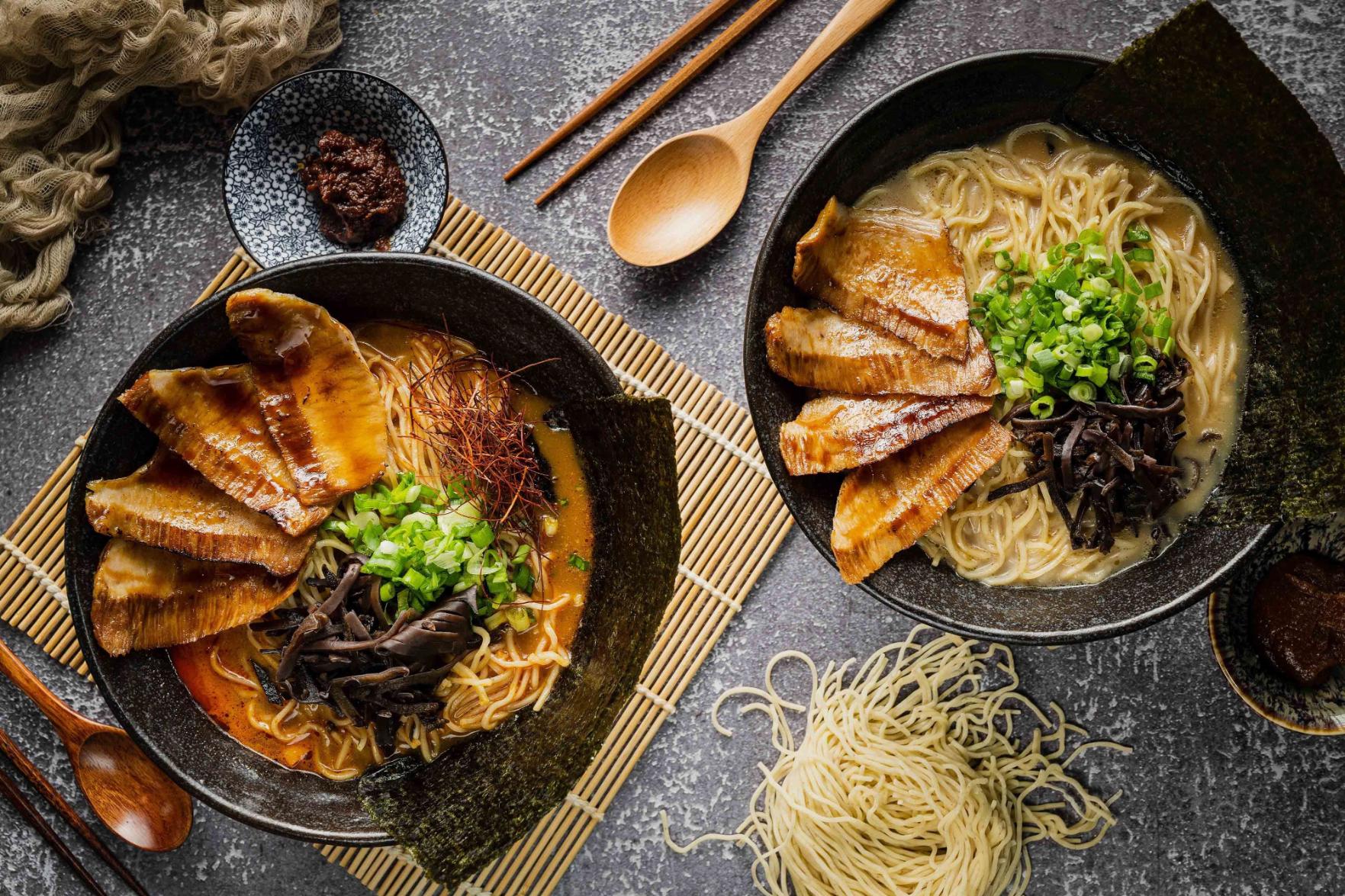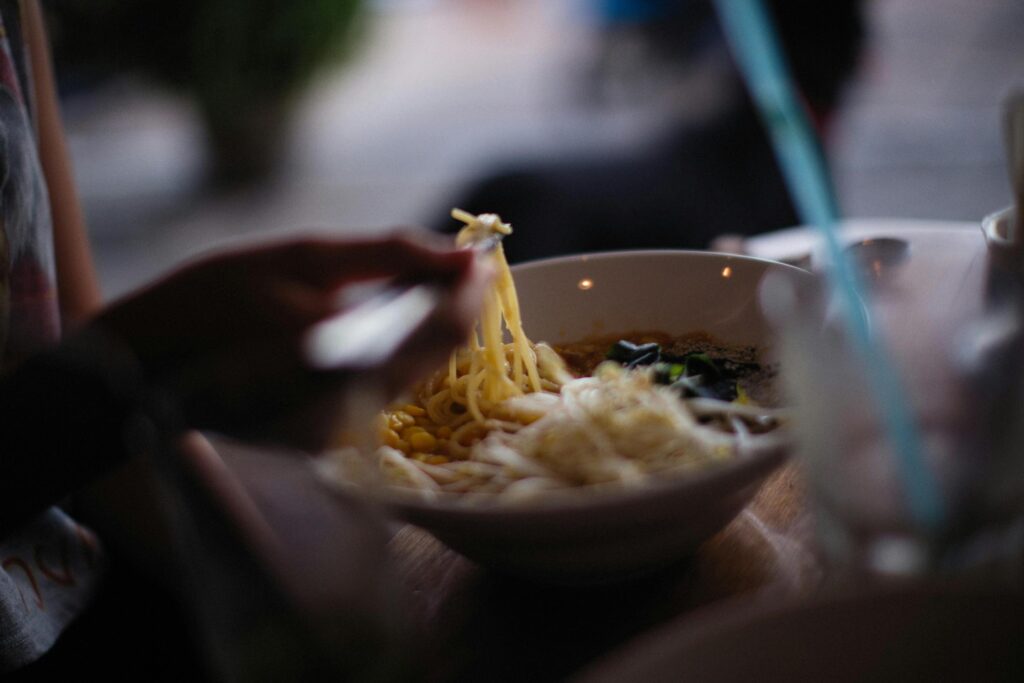
This article dives deep into the components and processes that create the signature richness in ramen broth. Richness is not just the intensity of flavor but a combination of body, depth, aroma, and mouthfeel that makes ramen noodle soup such a satisfying experience. At the heart of every good ramen bowl is the broth, which serves as the foundation of the dish, determining its overall flavor and character. Understanding how to make ramen broth provides essential knowledge for both enjoying and creating this delicious Japanese food.
In this review recipe, we’ll explore the role of key ingredients like pork bones and chicken bones, the science behind collagen extraction, and the importance of time and technique. We’ll also share insights into crafting homemade broth, from a good tonkotsu ramen broth to a lighter chicken broth recipe. Whether you’re making ramen broth for the first time or perfecting your tonkotsu ramen recipe, this direction will help you master the art of a flavorful broth and a balanced ramen soup base.
Chicken Broth Recipe and Pork Bones: The Foundations of Ramen Broth
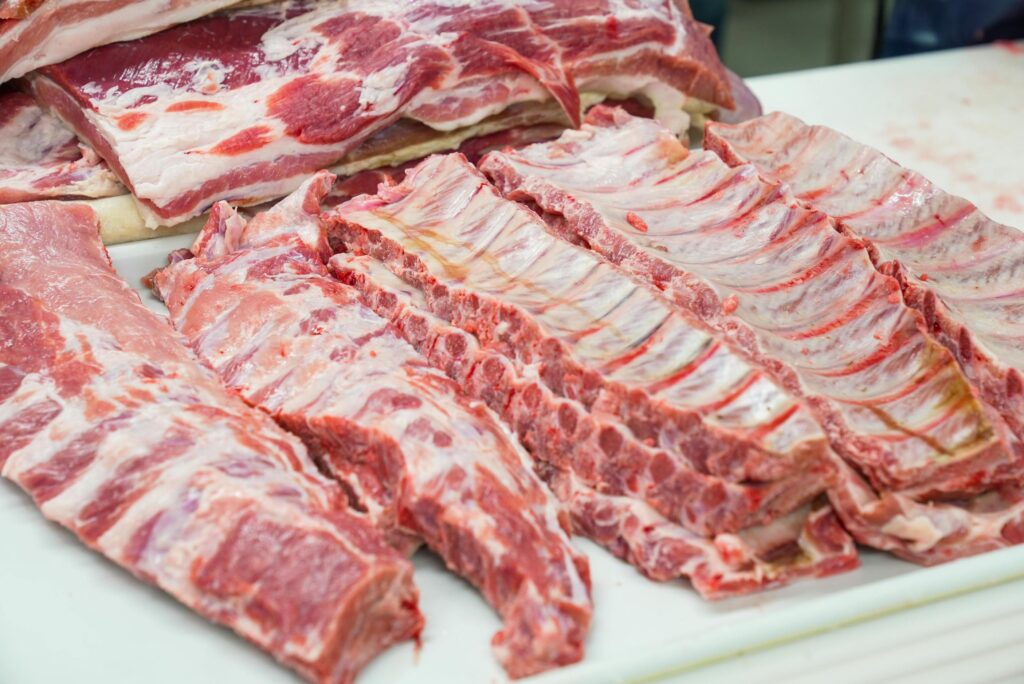
The selection of bones is critical when preparing ramen broth. Whether you’re crafting a tonkotsu broth, chicken broth recipe, or a blend of both, the type of bones you choose defines the flavor, texture, and richness of the final soup base. Here’s a breakdown of common ingredients and their unique contributions:
Pork Bones (Tonkotsu Ramen Broth): The cornerstone of tonkotsu ramen broth, pork leg bones, neck bones, and pig’s trotters are rich in marrow and collagen, which create the creamy, opaque texture that characterizes this style. When boiled over high heat in a large stock pot or pressure cook method, these bones release gelatin and fat, producing a hearty soup base with deep flavor. Recipes often use tonkotsu ramen soy sauce (shoyu tare) to elevate the taste.
Chicken Bones and Chicken Carcass: Chicken carcasses, chicken feet, and chicken wings are excellent for lighter broths like a chicken carcass broth recipe. These bones create a clean broth with a clear, gelatinous texture and natural sweetness. Chicken broth is ideal for when you want a refined ramen soup, such as a classic shoyu ramen seasoned with miso tare or soy sauce. Adding chicken feet helps increase collagen, enhancing the mouthfeel of the broth.
Fish-Based Components: Bonito flakes, sardines (niboshi), and kombu are often added to enhance umami in Japanese recipes. While not collagen-rich, they contribute aromatic depth and complexity, often used in combination with animal-based broths.
Mixed-Bone Approaches: Many modern ramen shops combine pork and chicken bones to achieve a balanced broth. This method combines the robust depth of tonkotsu broth with the smoother texture of chicken broth, offering a versatile base for a variety of ramen noodle soup styles.
When making ramen broth, it’s important to keep all the bones submerged in cold water during the cooking process to ensure maximum extraction of nutrients and flavors.
This balance of strength and subtlety is something we often explore in our features; see more stories in Ramen Tale, where we document how different kitchens interpret broth across Singapore and Malaysia.
Collagen, Gelatin, and the Mouthfeel of a Good Tonkotsu Ramen Broth and Homemade Broth
A flavorful broth is more than just about taste—it’s about texture. The silky, lip-coating sensation of good ramen comes from gelatin, which forms when collagen in pork leg bones, chicken feet, and neck bones breaks down during cooking. This process, known as gelatinization, is what gives a homemade broth the viscosity that clings to noodles and toppings.
To achieve this texture:
Use a large pot or Dutch oven to simmer bones gently over medium heat for clear broths or boil vigorously over high heat for creamy broths like tonkotsu.
Skim off excess fat and coagulated blood during cooking to maintain a clean broth.
Use a fine mesh strainer or food processor for removing impurities and ensuring a smooth, cohesive soup.
The balance of saturated fat, monounsaturated fat, polyunsaturated fat, and water-soluble proteins also plays a role in the final mouthfeel. A well-made broth should feel substantial without being greasy or containing unhealthy trans fat. Tonkotsu broth, for example, achieves its signature richness through the emulsification of fat and gelatin, resulting in a creamy soup that feels satisfying but not overly heavy.
Time and Heat: Essential Ingredients in Every Broth Recipe
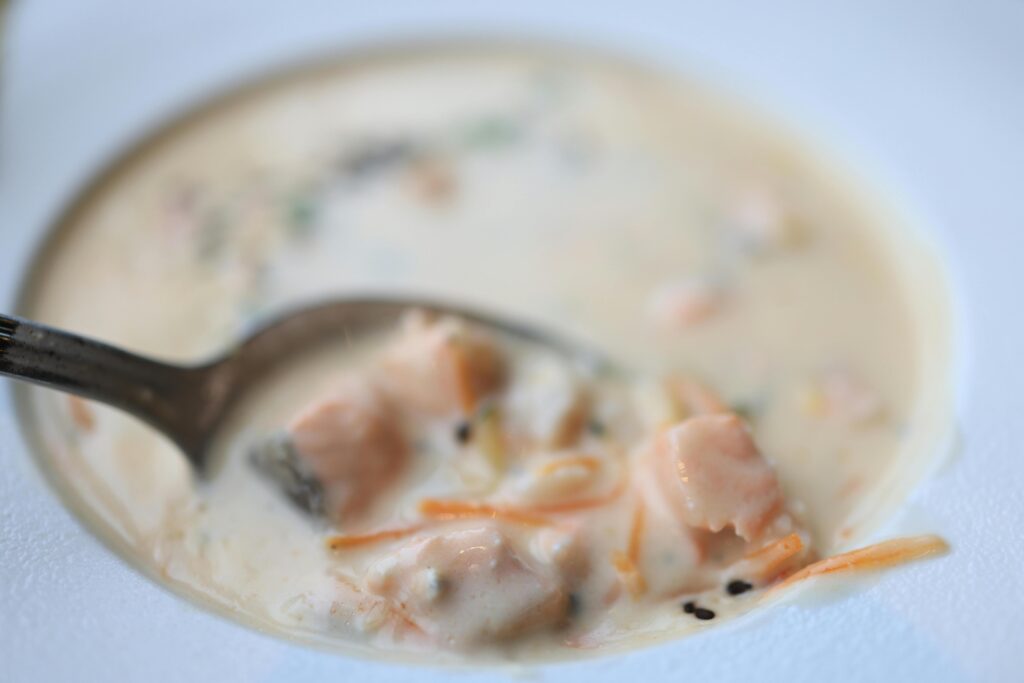
Time and heat control are as important as any ingredient in ramen cooking. Whether you’re preparing a quick chicken broth recipe in an Instant Pot or developing the depth of a good tonkotsu ramen broth over 12+ hours in a slow cooker, the cooking duration and method affect the final flavor and texture.
Clear Broths: For lighter broths like chicken carcass broth recipes, simmer gently over low to medium heat for several hours to extract collagen without emulsifying fat. This creates a clean broth ideal for shoyu ramen or miso-based ramen noodle soup.
Creamy Broths: Richer broths like tonkotsu require a rolling boil at medium-high heat to break down fats and emulsify them with gelatin, creating the thick, milky texture of tonkotsu ramen.
Overcooking can result in muddy flavors or oxidized fats, so it’s essential to monitor the broth carefully. The key is to strain the broth at the right time using a fine mesh strainer or cheesecloth to achieve a flavorful and balanced soup. Once cooked, a cooled broth can be refrigerated, allowing excess fat to solidify on top for easy removal before reheating.
Essential Techniques and a Few Tricks for Making Ramen Broth
Mastering a good broth recipe requires attention to detail and a few tricks:
Blanching Bones in Cold Water: Begin by blanching pork leg bones, chicken carcasses, or chicken wings in cold water to remove impurities and coagulated blood. This step ensures a clean broth with no off-flavors.
Skimming Impurities and Excess Fat: Throughout the cooking process, skim off scum and excess fat to maintain clarity and refinement.
Pressure Cook for Efficiency: Using a pressure cooker can significantly reduce cooking time while still delivering a rich, flavorful broth.
Additions for Flavor: Incorporate ingredients like shiitake mushrooms, dried kombu, or green onions to enhance the natural sweetness and umami of the broth.
Cooling and Storing: For the best results, cool the broth and remove the solidified fat layer before reheating.
Use of a Food Processor: To make tare or seasoning sauces, a food processor can help blend ingredients smoothly for balanced flavors.
Adjusting Seasoning: Sometimes, you may need to add more salt or other seasonings to taste to perfect your broth.
Following the required recipe ratings and feedback can also help refine your technique and recipe balance.
Building a Complete Ramen Bowl with Delicious Japanese Food
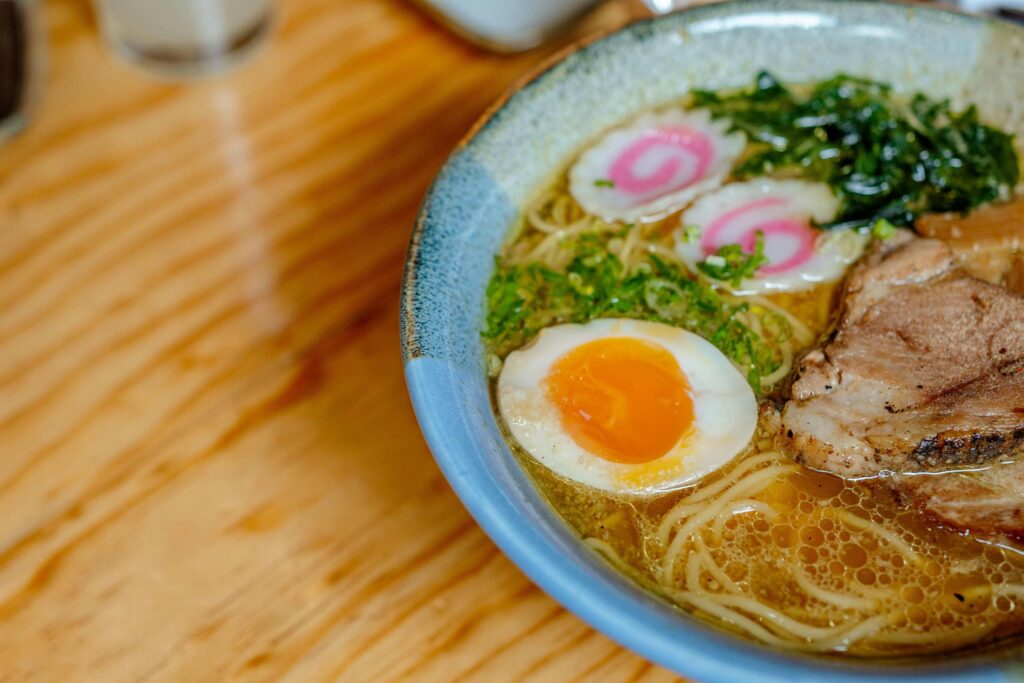
Richness in ramen broth must balance with other elements in the bowl. To create a delicious ramen noodle soup, consider these components:
Noodles: The thickness and texture of ramen noodles should complement the broth. Creamy tonkotsu ramen pairs well with thick, chewy noodles, while lighter broths like chicken broth work with thinner noodles.
Toppings: Ramen eggs, green onions, black garlic oil, and other toppings add layers of flavor and aroma to the bowl.
Seasoning: A good tare, such as miso tare or soy sauce, amplifies the broth’s depth.
Serving: Serve immediately in a large ramen bowl to preserve the broth’s temperature and consistency.
Nutrition Serving: Consider the nutritional profile of your ramen bowl, balancing fats like saturated, monounsaturated, and polyunsaturated fats, and minimizing trans fat for a healthier meal.
Conclusion: Crafting a Good Ramen Broth
Making ramen broth is both an art and a science. From selecting the right bones to balancing fat and gelatin, every step contributes to the final flavor and texture. Whether you’re following a chicken broth recipe, experimenting with tonkotsu ramen, or trying a unique fusion of flavors, the key to good ramen lies in technique, balance, and care.
For home cooks, a few tricks such as blanching bones, simmering slowly over medium heat, and using a fine mesh strainer can elevate a homemade broth to the level of what you’d find at top ramen shops. With patience and practice, you’ll be able to create a rich, flavorful broth worthy of any ramen ya.
So grab your stock pot or Dutch oven, gather some pork bones, a whole chicken, and your favorite Japanese recipes, and start making ramen broth that you’ll love to share. Don’t forget to consult the recipe card for detailed steps and tips to perfect your broth every time.
Discover how ramen transcends flavor to evoke memory and place in Yokohama Ramen Singapore: A Tale of Where Broth Meets Memory.