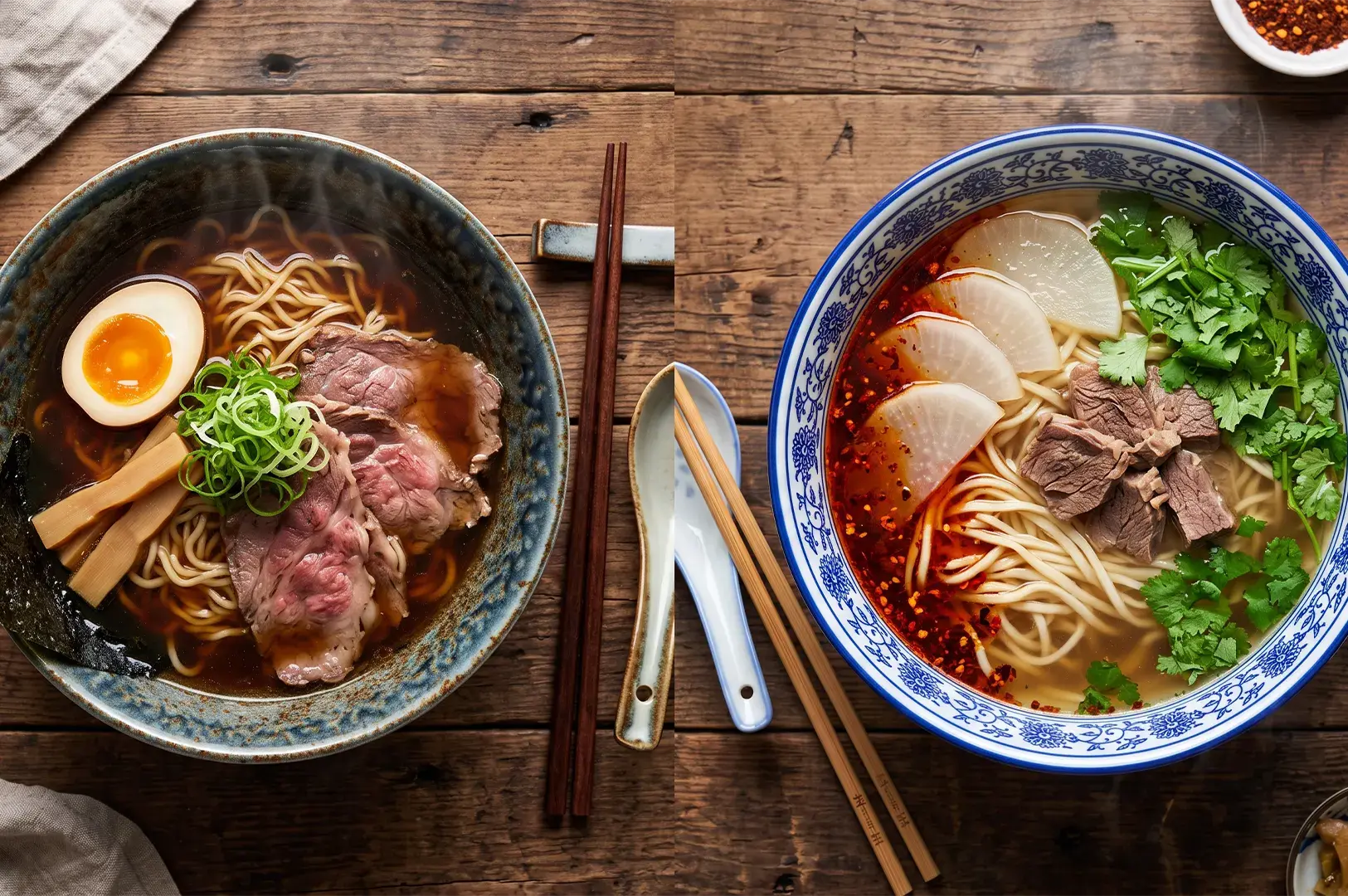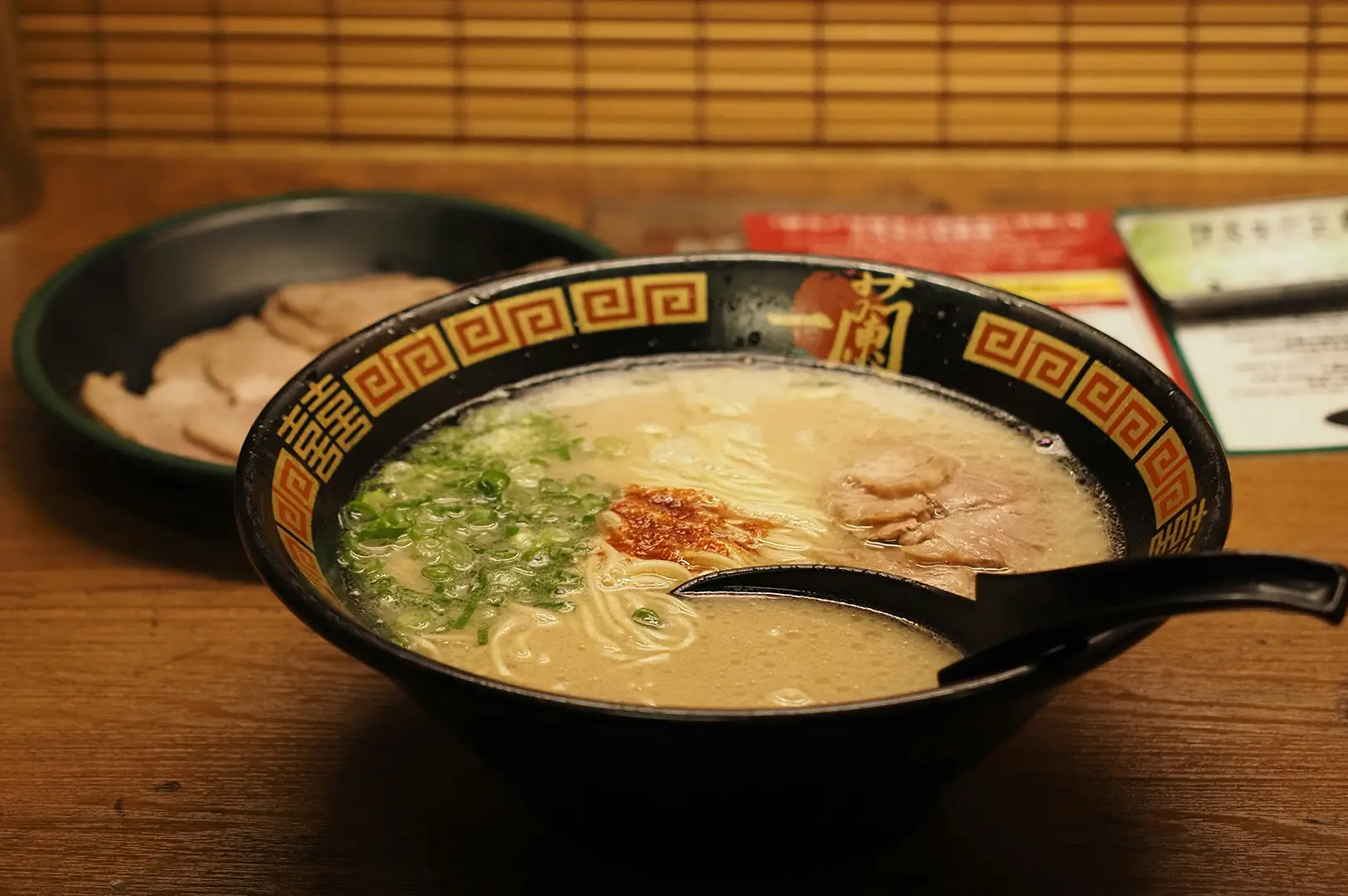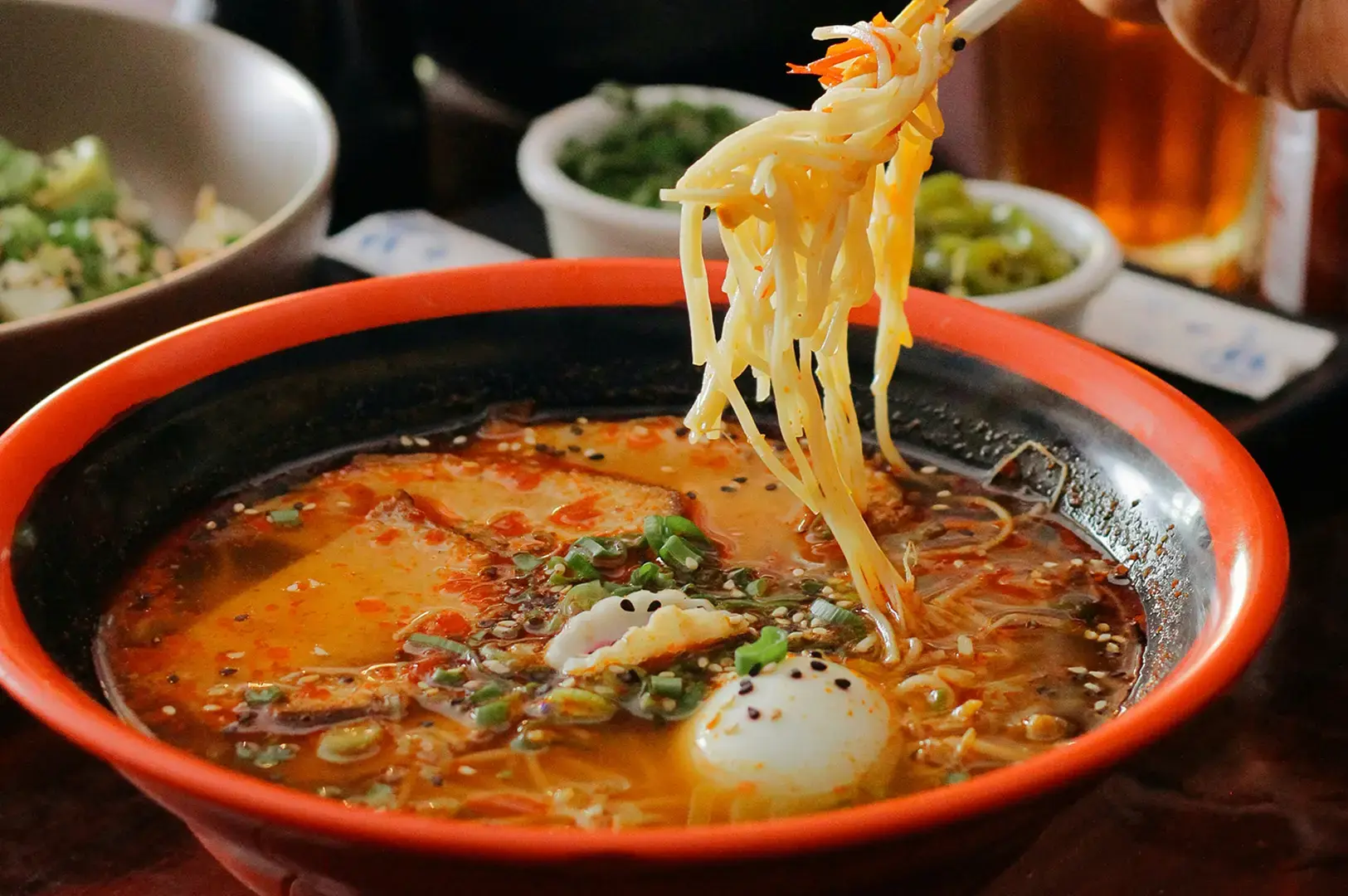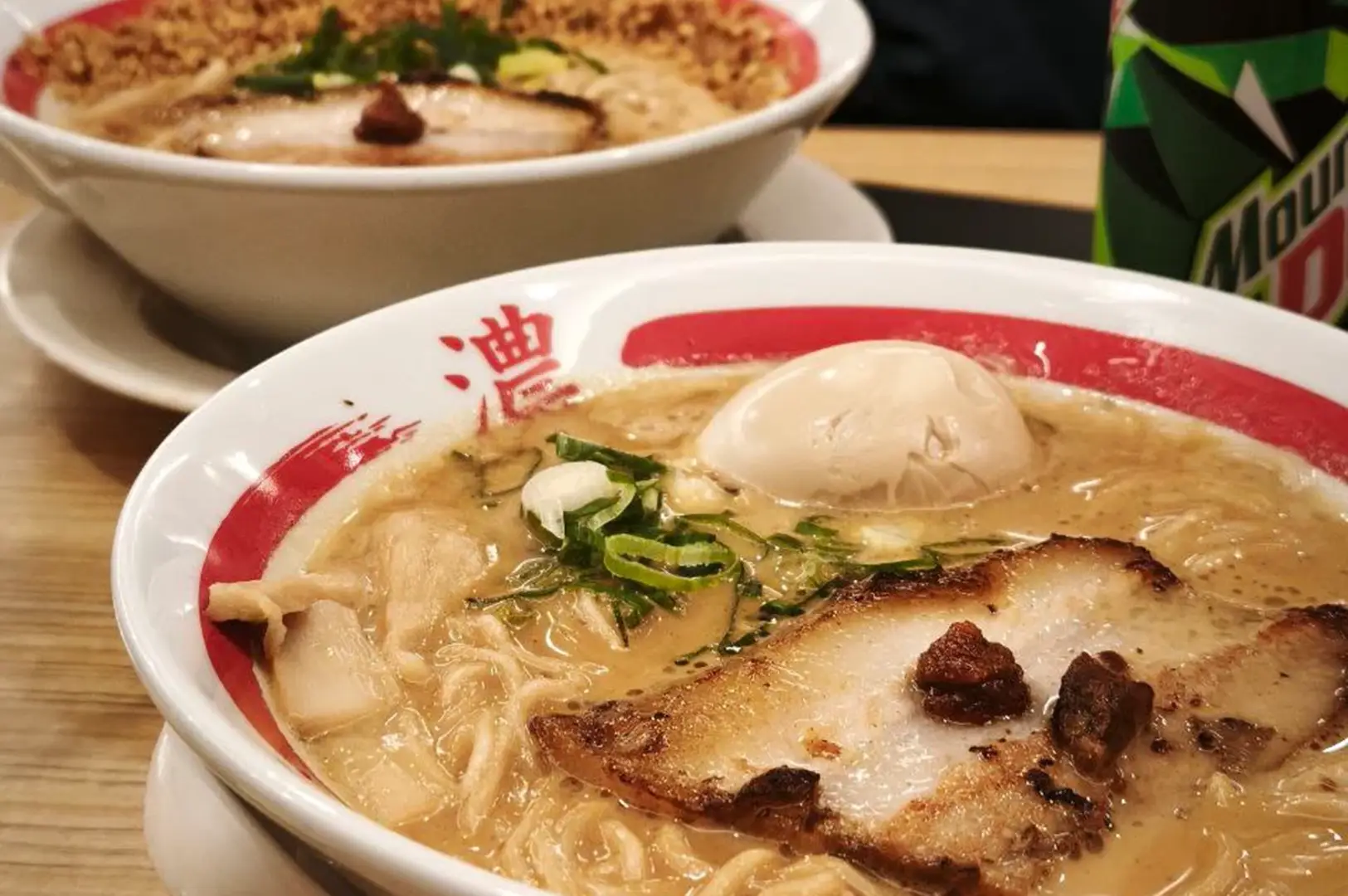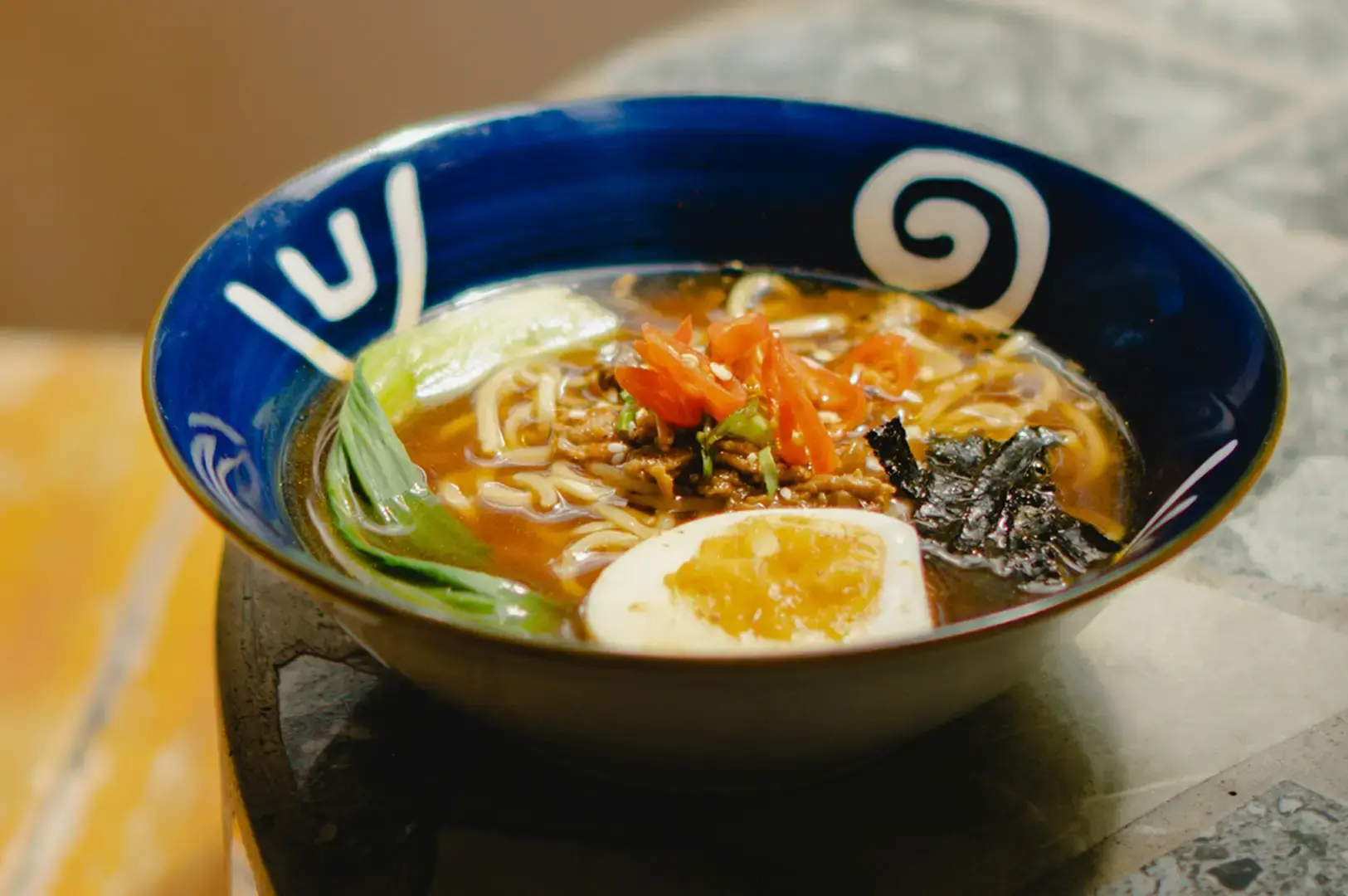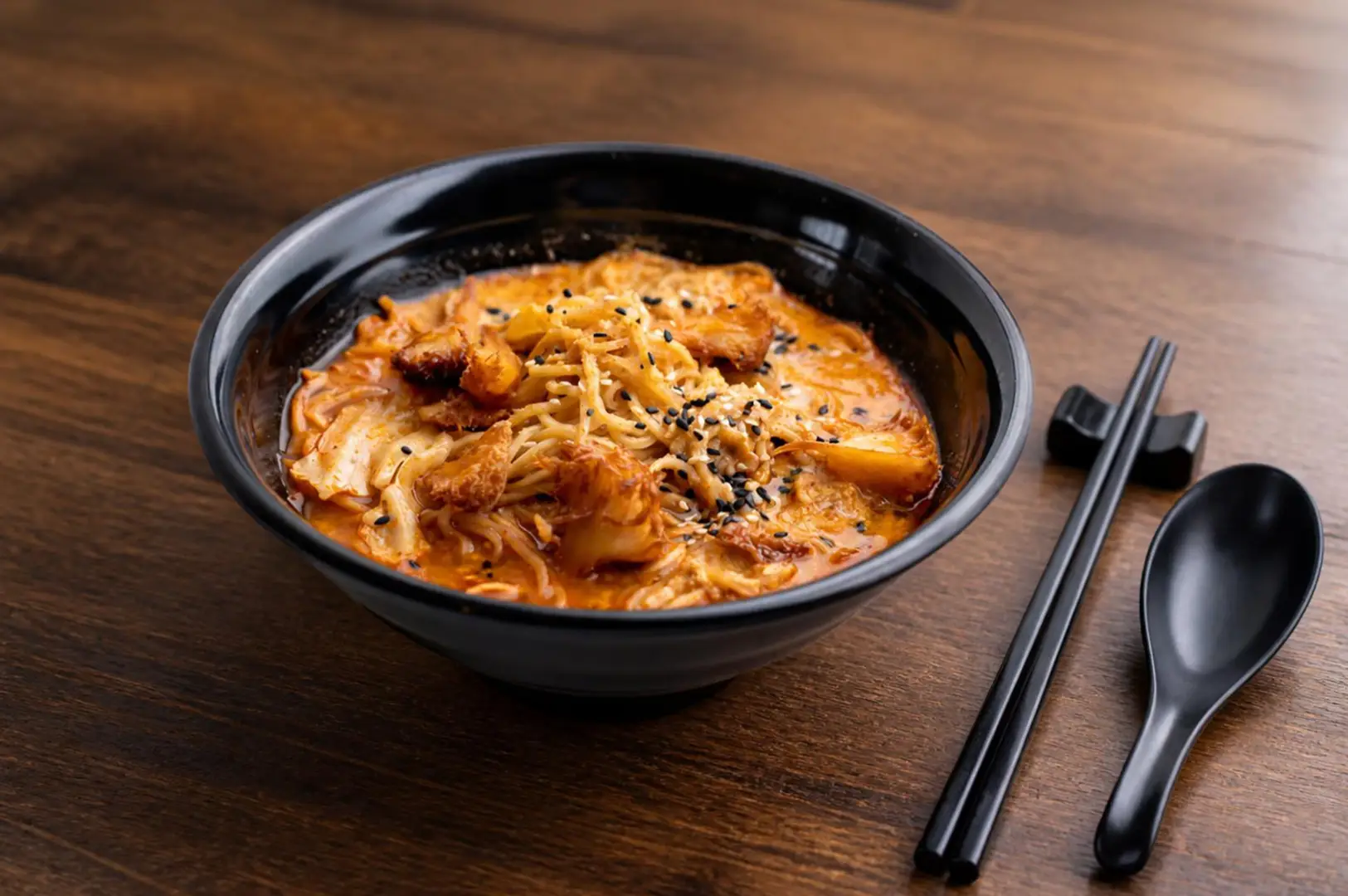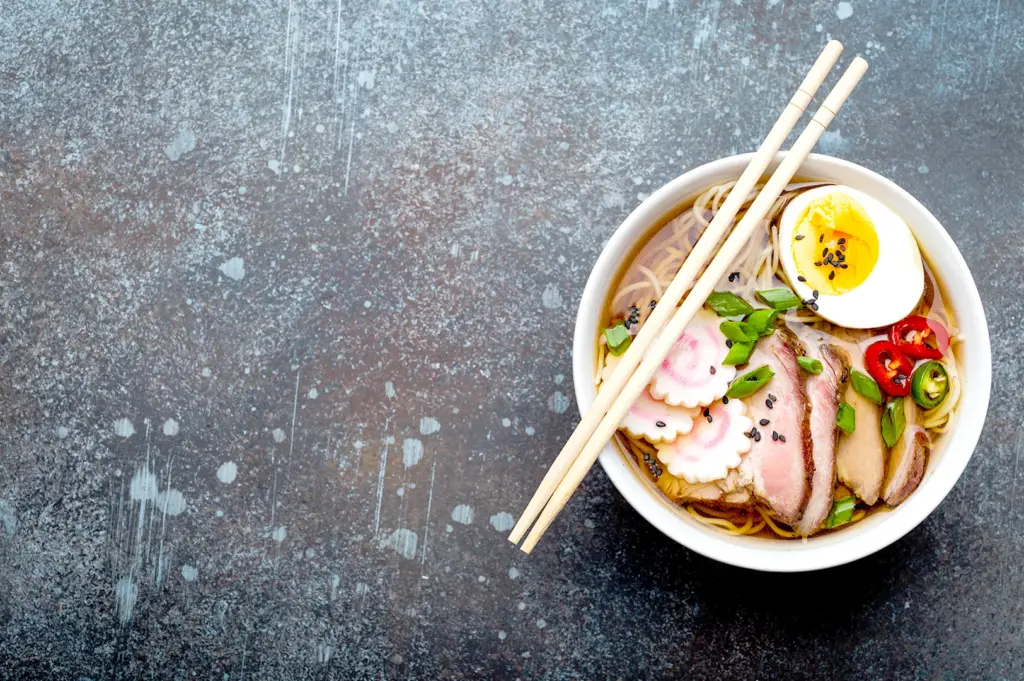
The last bowl of ramen has been served. The roar of the dinner rush has subsided into the quiet, rhythmic clatter of cleaning. In the kitchen of a Japanese ramen shop, a different scent begins to fill the air, one that is not of simmering pork bones or sharp shoyu. It’s a fragrance that is thick, spiced, and deeply comforting: the unmistakable aroma of Japanese Curry Rice.
For hours, the chefs have operated with precision, timing noodle batches to the second and arranging toppings with artistic care. Their work is a performance of technical skill, a daily devotion to perfecting a single, iconic dish. But now, as the shop doors close, their focus shifts. The meal they prepare for themselves is not another bowl of Japanese ramen. It is something simpler, slower, and, in many ways, more personal.
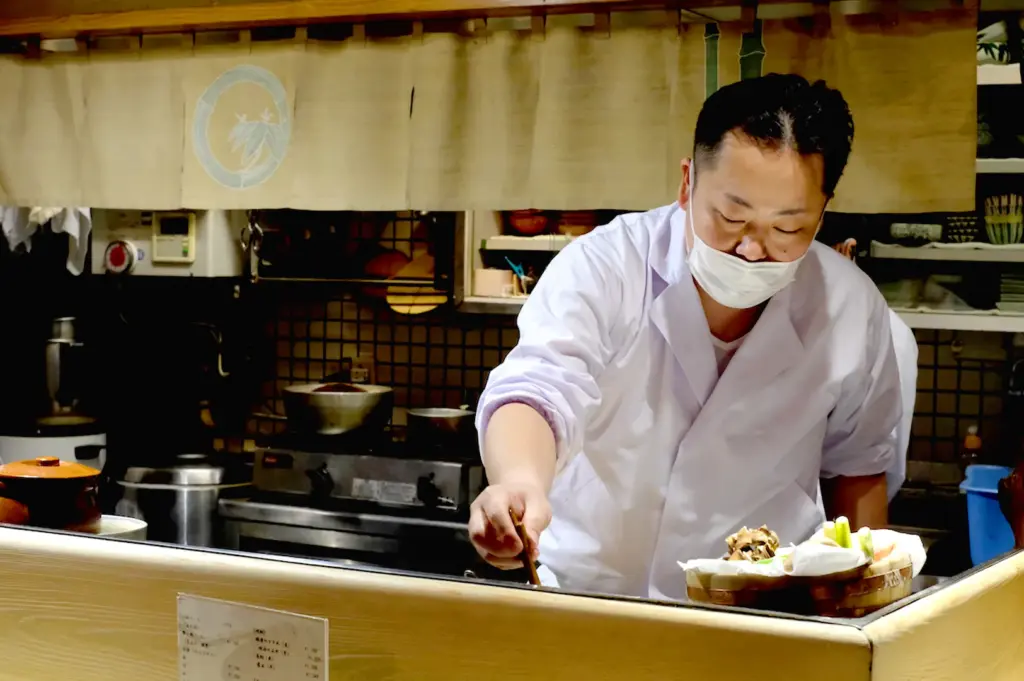
The Kitchen Table: A Tradition of Staff Meals
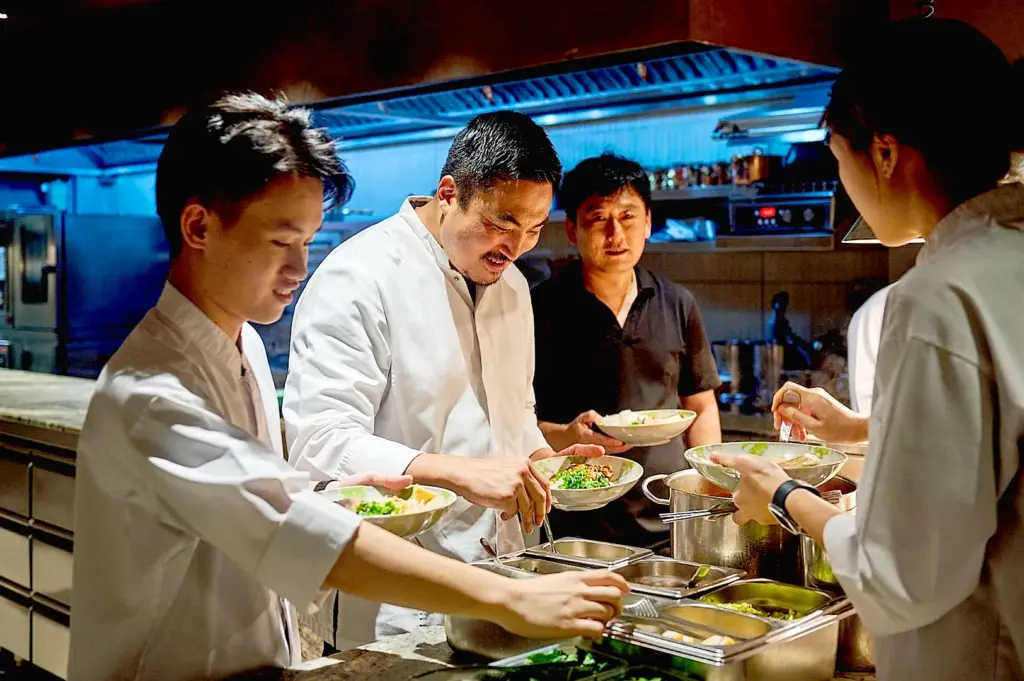
In the world of professional kitchens, the staff meal, or makanai, holds a special significance. It is more than just sustenance; it is a ritual. It is the moment when the hierarchy of the kitchen momentarily dissolves, and the entire team gathers to eat as a family. These meals are often created from leftover ingredients or less-premium cuts, a testament to the culinary ethos of resourcefulness and waste-avoidance.
The makanai serves as a moment of communion. After the high-pressure performance of service, it is a time to decompress, share stories, and build the camaraderie that is essential for a kitchen to function as a cohesive unit. The choice of what to cook for this meal is telling. It is rarely the complex, plated dishes served to customers. Instead, it is almost always a form of comfort food; a dish that soothes and restores.
Why Chefs Turn to Curry
After spending a twelve-hour day immersed in the world of Japanese ramen (tasting broth for salinity, checking the texture of ramen noodles, and smelling the rich aroma of pork fat), chefs often crave something completely different. This phenomenon, known as palate fatigue, is common in the culinary world. The senses, having been saturated with one set of intense flavors from varieties like shio ramen, miso ramen, shoyu ramen, tonkotsu ramen, and even spicy minced meat toppings, seek contrast.
Japanese Curry Rice provides the perfect antidote. Its flavor profile is a world away from ramen, offering a unique taste of delicious Japanese food that resets the palate.
A Different Richness
While ramen broth is rich with umami from bones and dashi, Japanese curry offers a richness derived from a slow-simmered curry roux, caramelized vegetables like onions and carrots, and warm spices including curry powder.
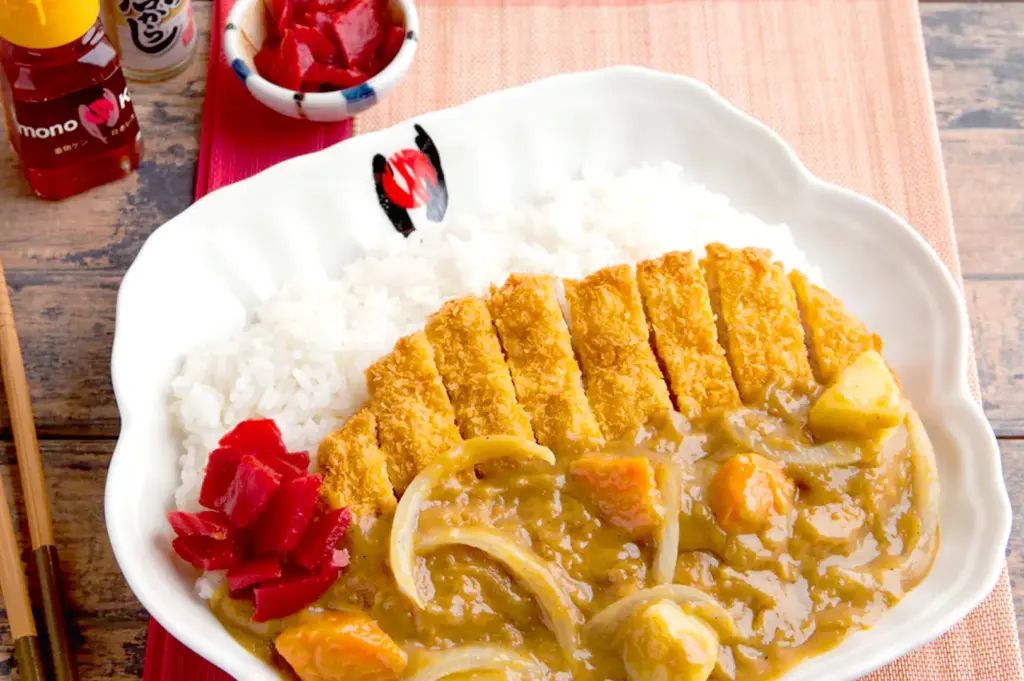
The thick noodles of ramen contrast with the fluffy cooked rice served with the curry, often accompanied by a crispy chicken cutlet in the beloved katsu curry style. The Japanese version of curry, including popular store Japanese curry brands like Vermont Curry (I personally LOOK for this brand when cooking), balances medium hot spice levels with a comforting sweetness.
Texture and Form
The combination of a thick, gravy-like curry sauce served over sticky short-grain rice is a stark contrast to the soup-and-noodle format of ramen or cold noodles enjoyed with tsukemen. It is eaten with a spoon, a more casual and comforting motion than wielding chopsticks for noodles.
Many chefs and big fans of Japanese food recipes appreciate this shift, especially after a long day handling dark ingredients and the rich saturated fat content common in ramen broths. The curry sauce often includes secret ingredients like grated apple and honey, enhancing the creamy depth without adding excess trans fat.
Aromatic Profile
The spices in Japanese curry (if I’m not wrong: a blend including turmeric, cumin, and coriander) offer a fragrant warmth distinct from the savory, oceanic, or pork-forward scents of a ramen shop. The curry sauce often includes secret ingredients like grated apple and honey, adding a sweet depth uncommon in other curries.
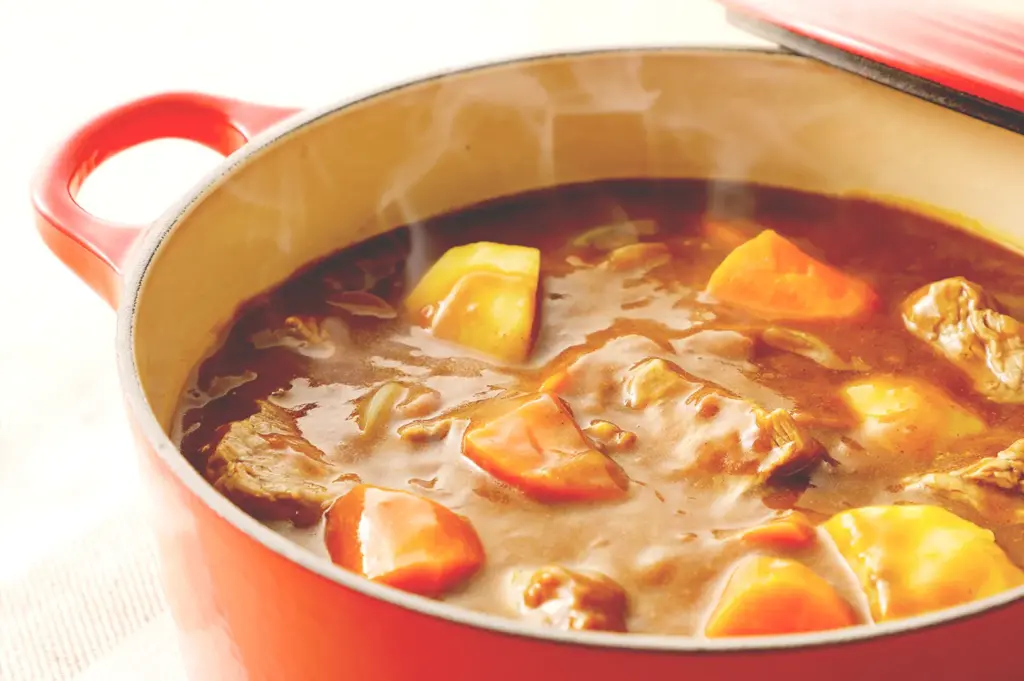
Additional flavor enhancers such as soy sauce, Worcestershire sauce, and chili oil bring complexity to the dish, reflecting influences seen in other recipes from Japanese restaurants and popularized in publications like the Japan Times.
Preparation Notes
When preparing Japanese curry, it’s common to add onion early in the cooking process to build flavor. The roux is dissolved in boiling water, and care is taken to balance the thickness and spice level, often aiming for a medium hot profile that suits many Japanese people’s tastes.
Frozen curry is also a practical option for busy kitchens, though it’s recommended to remove potatoes before freezing to maintain texture. This is one my personal go-to when I want something comforting and fast.
In sum, this dish is a restorative complement to the intricate, traditional chashu-topped ramen bowls chefs prepare daily. Whether enjoyed as a staff meal or at home, Japanese Curry Rice stands as a testament to the versatility and heart of Japanese cuisine, bridging the worlds of ramen and curry with warmth and satisfaction.
The Versatility of Japanese Recipes in Japanese Curry Rice
For chefs, a plate of Japanese Curry Rice is a reset button. It allows them to eat not as critics or recipe developers focused on spice levels or nutrition calories, but simply as hungry people in need of a satisfying meal. Whether enjoyed with a chicken cutlet, pork katsu, or other side dishes, this dish provides a comforting break from the medium heat and deep-fried textures of their daily ramen work.
This beloved dish also connects to the broader world of Japanese recipes, showcasing the versatility of house foods and the culinary heritage that includes both ramen and curry. It’s a reminder that even in the fast-paced environment of a restaurant quality kitchen, there is room for the simple, restorative pleasure of a bowl of Japanese Curry Rice.
The Anatomy of Japanese Curry
What makes Japanese Curry Rice so uniquely comforting is its character. It is not the fiery, complex curry of Thailand or the layered, aromatic curry of India. Japanese curry, or kare raisu, is its own distinct creation, a dish that is mild, sweet, and deeply savory.
Japanese Curry Roux
The foundation of the dish is the roux, a block of cooked flour, fat, and curry spices that creates the thick, rich curry sauce characteristic of Japanese curry. This roux can be a convenient store-bought curry roux or a homemade curry roux crafted for deeper flavor. Simmered alongside a medley of humble vegetables, the sauce develops a natural sweetness as the vegetables soften and release their essence.
Chicken Cutlet in Curry Sauce
Commonly, bite-sized chunks of meat such as chicken, pork cutlet, or beef are slow-cooked until tender, melding seamlessly into the thick curry sauce. The long, gentle simmer allows the flavors to harmonize, resulting in a mild, sweet, and savory taste profile that sets Japanese curry apart from other curries.
The Comfort of Home Cooking
This comforting Japanese noodle dish pairs perfectly with steamed cooked rice, making it a beloved main dish in Japanese food culture. The addition of secret ingredients like grated apple and honey enhances the creamy depth and sweetness of the curry, while optional touches such as Worcestershire sauce add umami complexity.
Truthfully, regardless if you’re cooking with store-bought curry roux or crafted from scratch, I’d like to think that this dish embodies the essence of Japanese home cooking and is a great recipe to enjoy as a satisfying weeknight dinner or a nourishing meal after a busy day.
Two Sides of Comfort
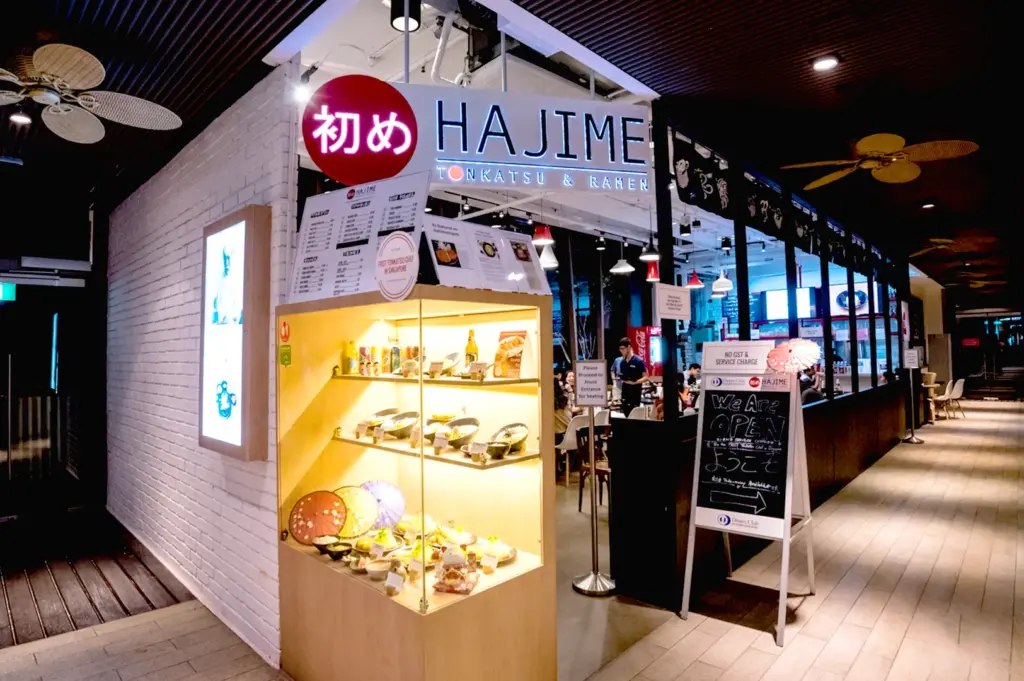
In the end, the story of Japanese ramen chefs and their love for Japanese Curry Rice is a beautiful tale of balance. These two dishes represent two different faces of Japanese comfort food.
Japanese ramen is comfort through craft. It is a dish perfected through years of dedication, a complex harmony of elements that come together to create a singular, sublime experience. It is a public-facing comfort, served with pride to paying customers.
Japanese Curry Rice is comfort through simplicity. It is a dish that is forgiving, humble, and deeply personal. It is a private comfort, shared among colleagues at the end of a long day. One is a performance; the other is a restorative ritual. Together, they reveal a more complete picture of the lives and palates of the chefs who dedicate themselves to feeding us.