The first thing you notice is usually what’s missing.
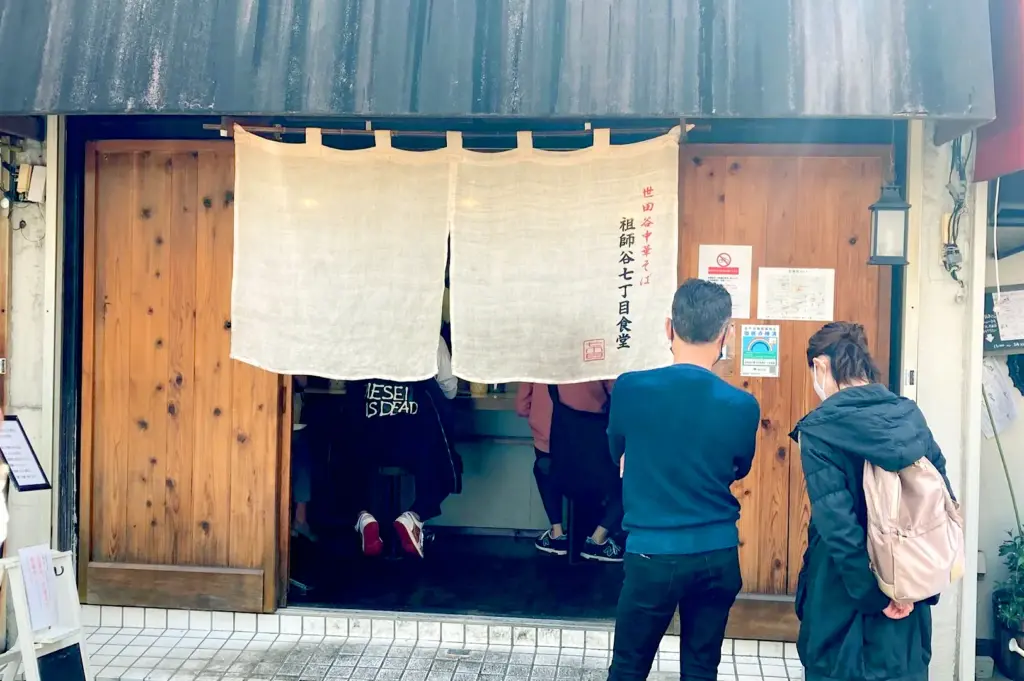
No polished wood panels. No dramatic lighting. No carefully styled bowls waiting for Instagram. Just a narrow doorway, a row of stools, and the soft roar of a broth pot working overtime.
The first time I walked into a shop like this, I actually hesitated.
It didn’t look like the kind of place people travel across the city for. The room was small. The counter had the kind of wear that comes from years of elbows leaning forward over bowls. Behind it, a cook moved quickly between steaming pots and noodle baskets, barely glancing up.
If I’m being honest, I wondered if I had made a mistake.
Then the bowl arrived.
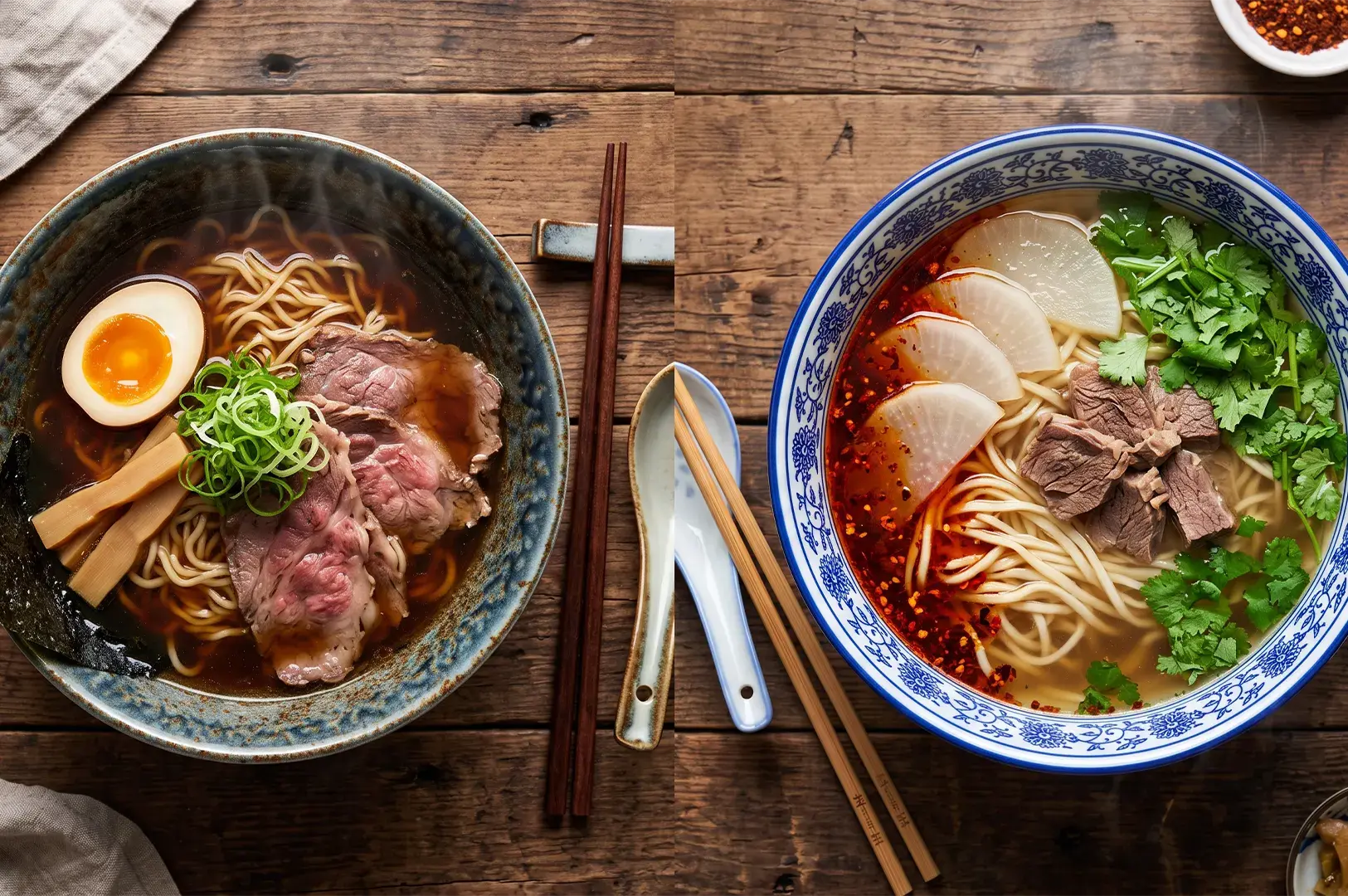
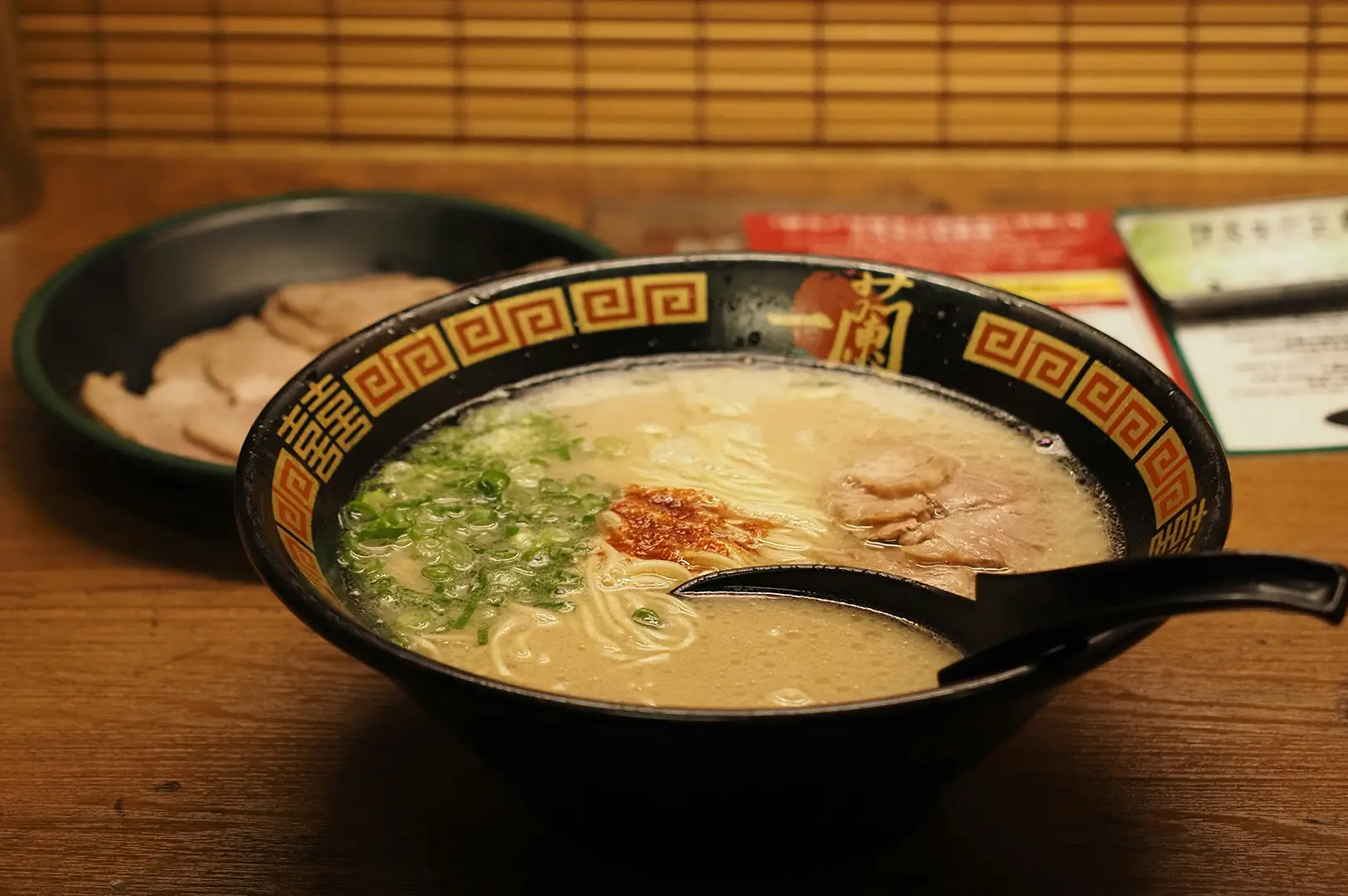
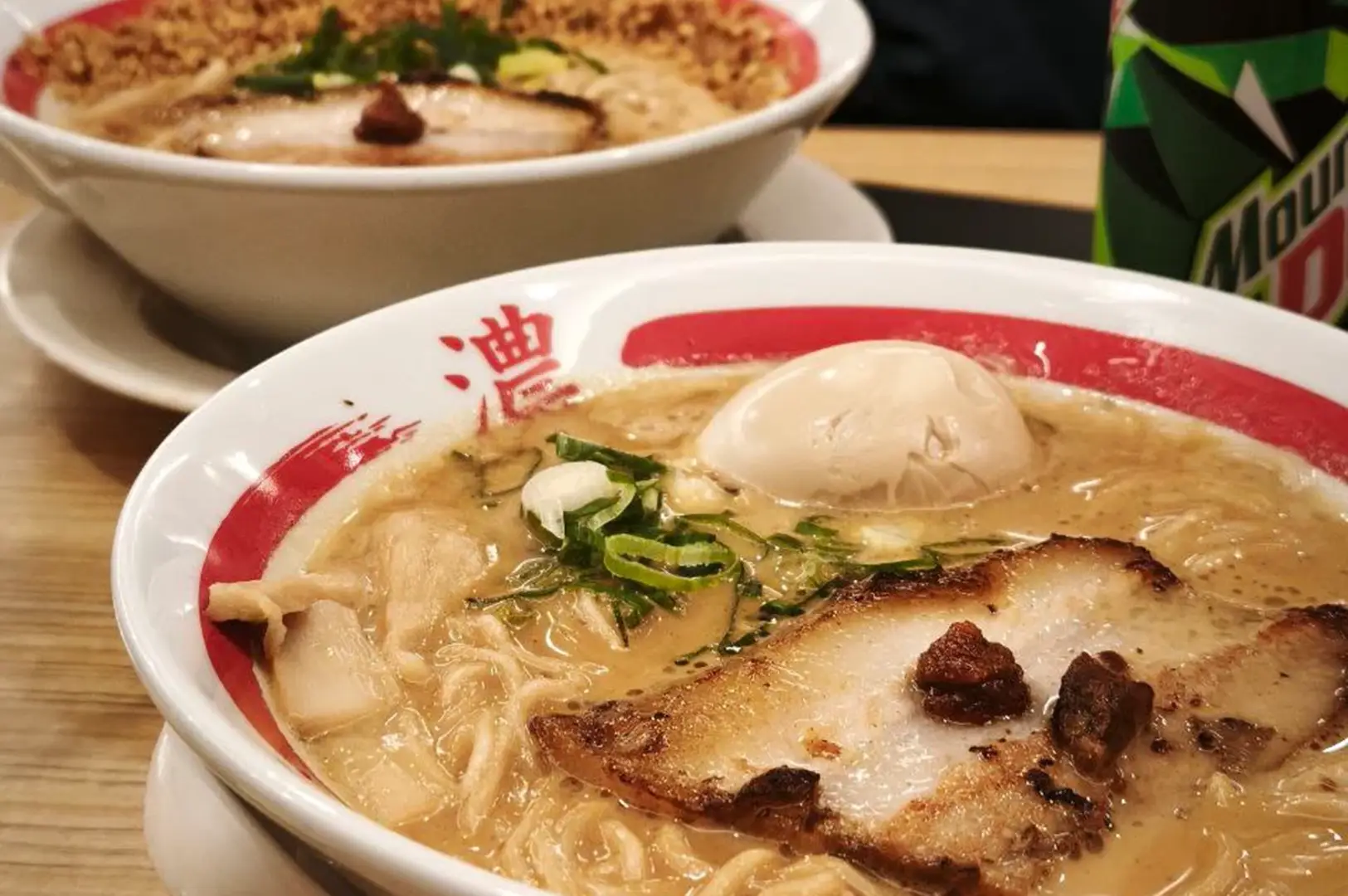
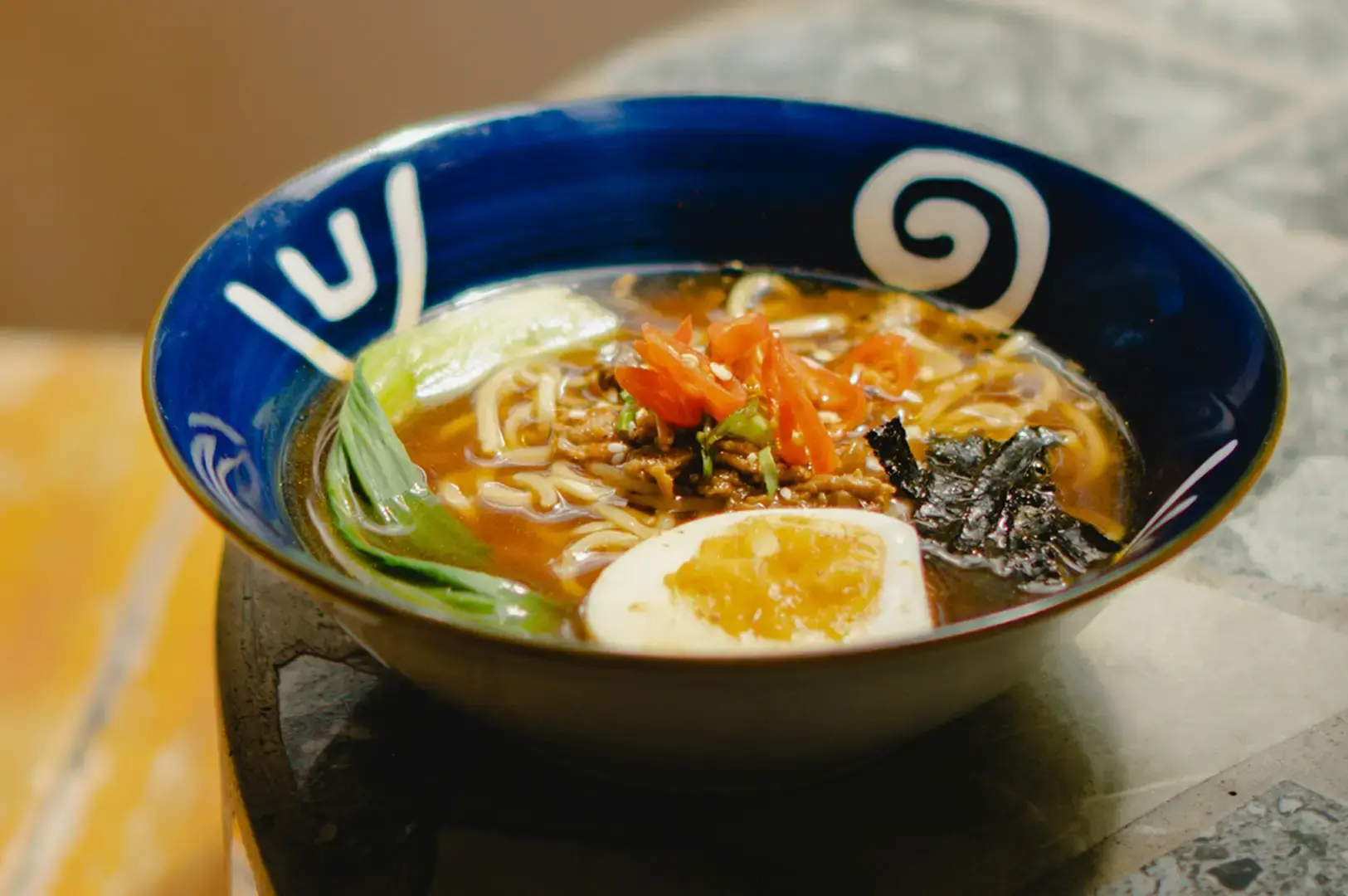
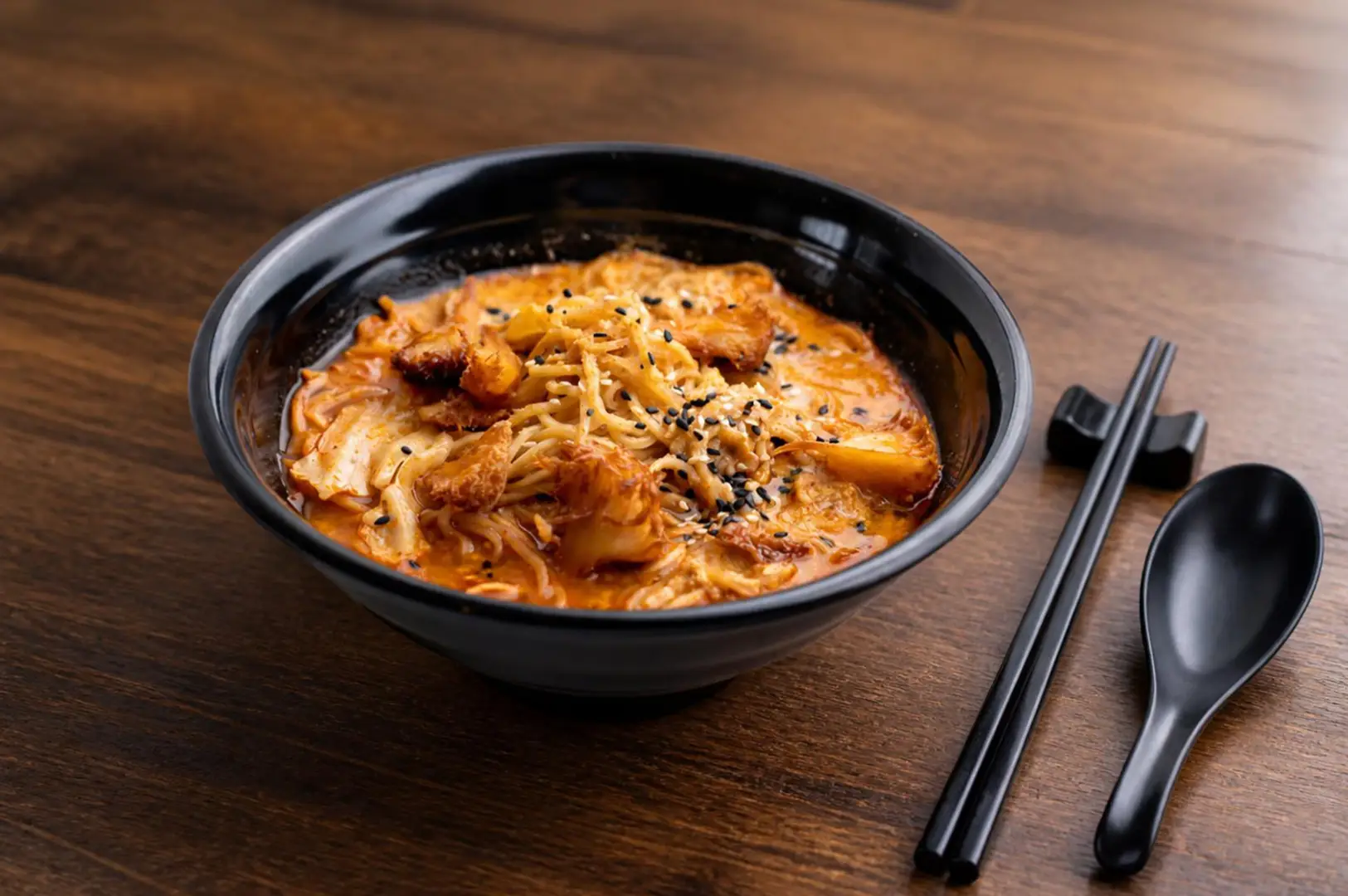
Steam lifted gently from the surface, carrying the scent of soy, pork, and something deeper that I couldn’t quite place yet. The noodles were tucked neatly under slices of chashu, the broth shimmering with tiny droplets of oil.
One sip later, the room suddenly made sense; the same feeling that started my own journey of chasing the perfect bowl of ramen.
And that was the moment I started noticing something: the best ramen shops rarely look fancy.
Where the Real Work Happens
In most restaurants, the dining room is designed to impress you.
Comfortable chairs. Warm lighting. Carefully chosen décor that tells you what kind of experience you’re supposed to have before the food even arrives.
Ramen shops operate on a completely different philosophy.
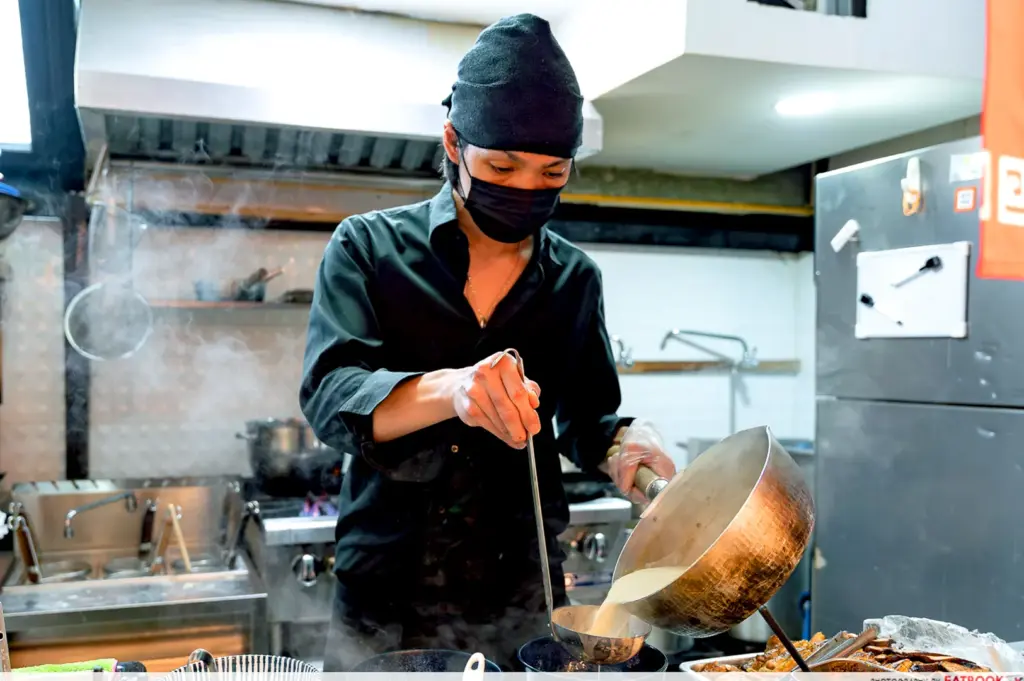
The real focus is the kitchen.
Large pots simmer for hours — sometimes all day — extracting flavor from bones, chicken, or dried seafood. Noodles cook in seconds and need to be lifted at exactly the right moment. Bowls are assembled quickly because ramen is best eaten immediately, while the broth is still alive with heat and aroma.
Everything is built around that workflow.
Counters face the kitchen so cooks can move fast. Seating is tight because space is better used for stockpots and prep stations. The room feels simple because the energy of the shop is concentrated behind the counter.
Once you realize this, the plainness stops feeling accidental.
It’s intentional.
The Short Menu Is a Clue
Another thing that surprises first-time visitors is the menu.
Sometimes it’s just a handful of options. A tonkotsu ramen. A shoyu ramen. Maybe a spicy version. Add an egg if you want.
That’s it.
But that simplicity is often a clue that the shop takes its ramen seriously.
Ramen rewards repetition. The more a kitchen focuses on a single broth, the more precisely it can control it — adjusting simmer times, salt levels, and aroma oils until every bowl comes out balanced.
When you only cook one or two things, you get very good at them.
The bowl becomes the entire identity of the shop.
The Confidence of a Plain Room
Over time, I started to notice a pattern.
Some ramen shops invest heavily in atmosphere. Bright interiors. Big menus. Long lists of toppings.
And sometimes the ramen itself feels… distracted.
Meanwhile, the bowls I remember most often came from places that looked almost modest.
A counter. A few stools. A kitchen moving with a quiet rhythm.
The cooks rarely explain what they’re doing. They just keep working — ladling broth, shaking noodles, placing toppings with the calm efficiency of someone who has done this thousands of times.
It’s a kind of quiet confidence.
The shop doesn’t need to impress you visually.
The ramen will do that.
What You Start Seeing
After enough bowls, your instincts begin to shift.
You start noticing the signs.
A focused menu.
A tight kitchen workflow.
A room that feels built around the broth pot rather than the dining tables.
None of these guarantee a great bowl, of course. But they often point you toward a shop that cares deeply about its craft.
And when that happens, the experience changes.
You stop looking for fancy restaurants.
You start looking for serious ramen.
When the Bowl Explains Everything
Now when I walk into a ramen shop that looks almost too simple, I don’t hesitate anymore.
If anything, I’m curious.
Because in ramen, the places that spend less energy on appearances often spend far more energy on the bowl itself.
The pots simmer longer. The noodles are timed more carefully. The flavors feel more intentional.
The room might not be beautiful.
But the ramen usually is.