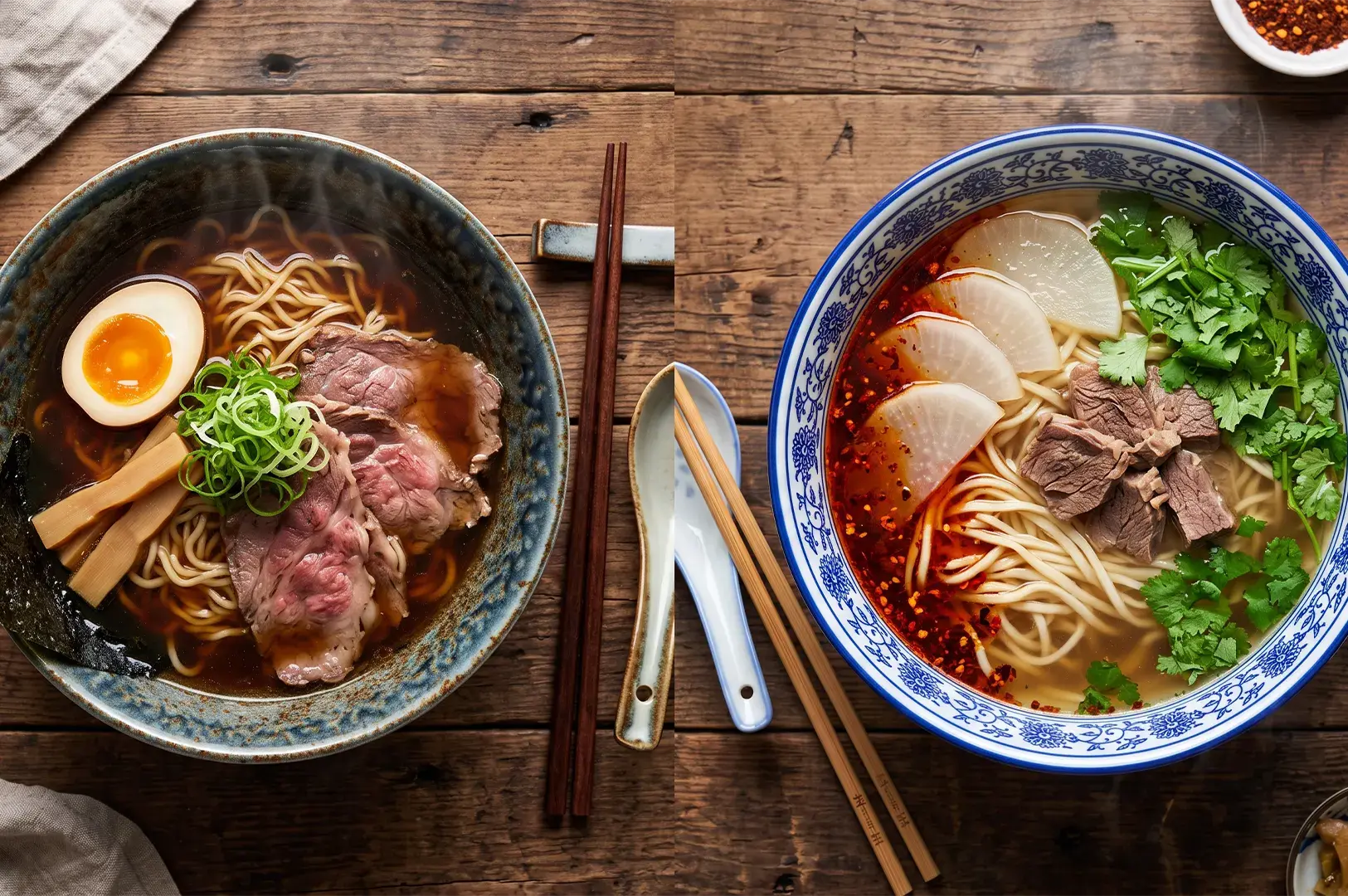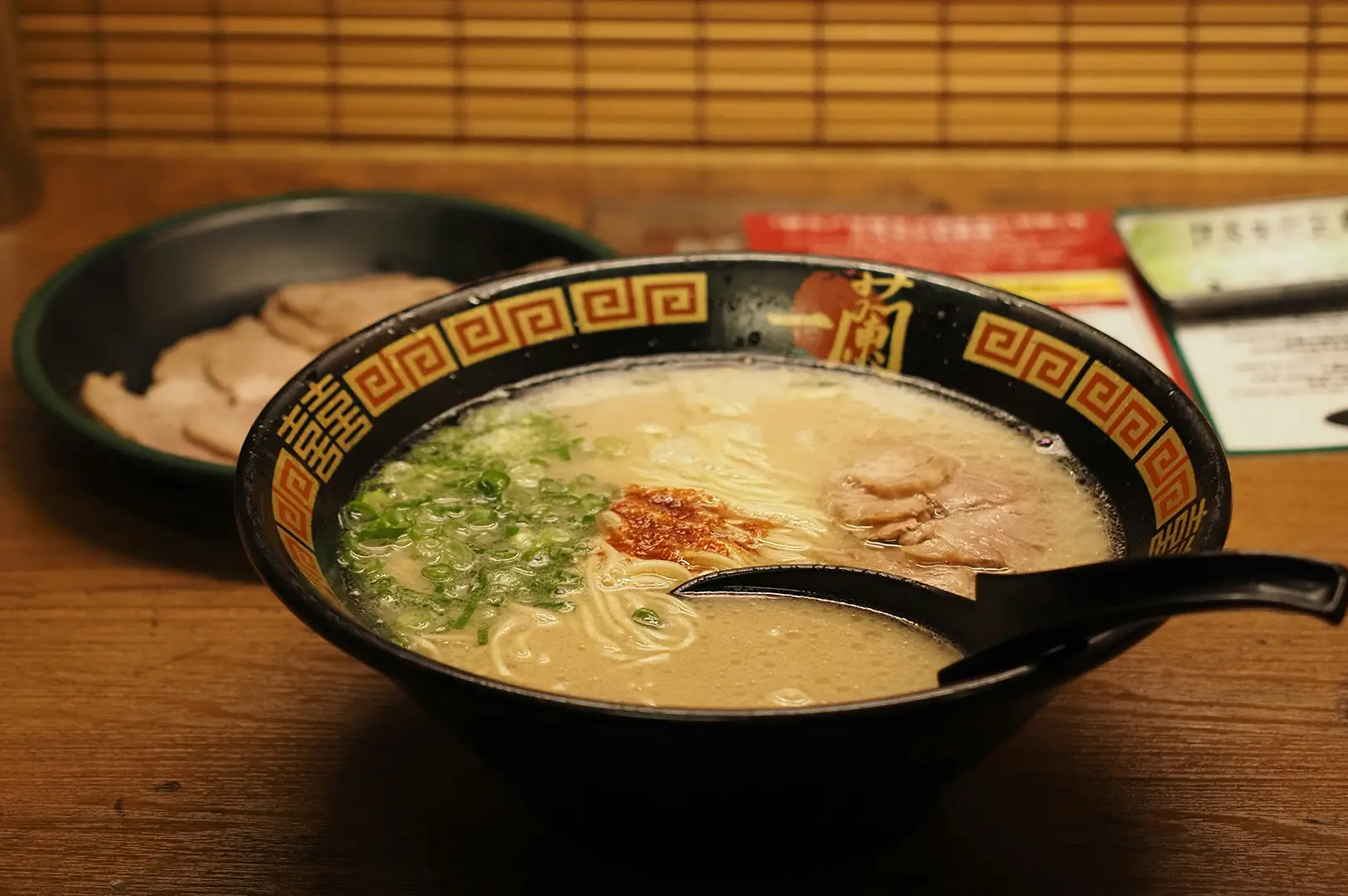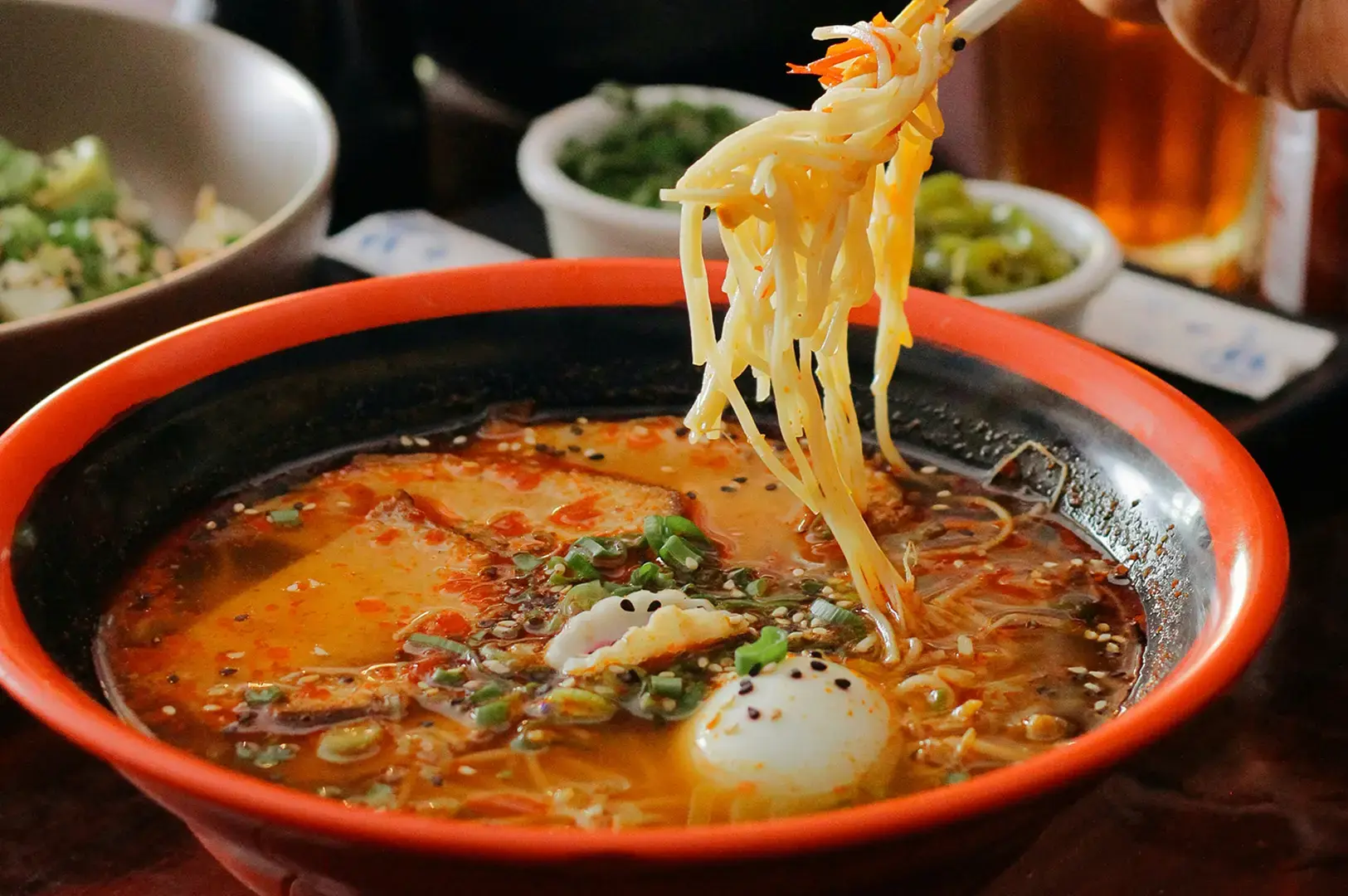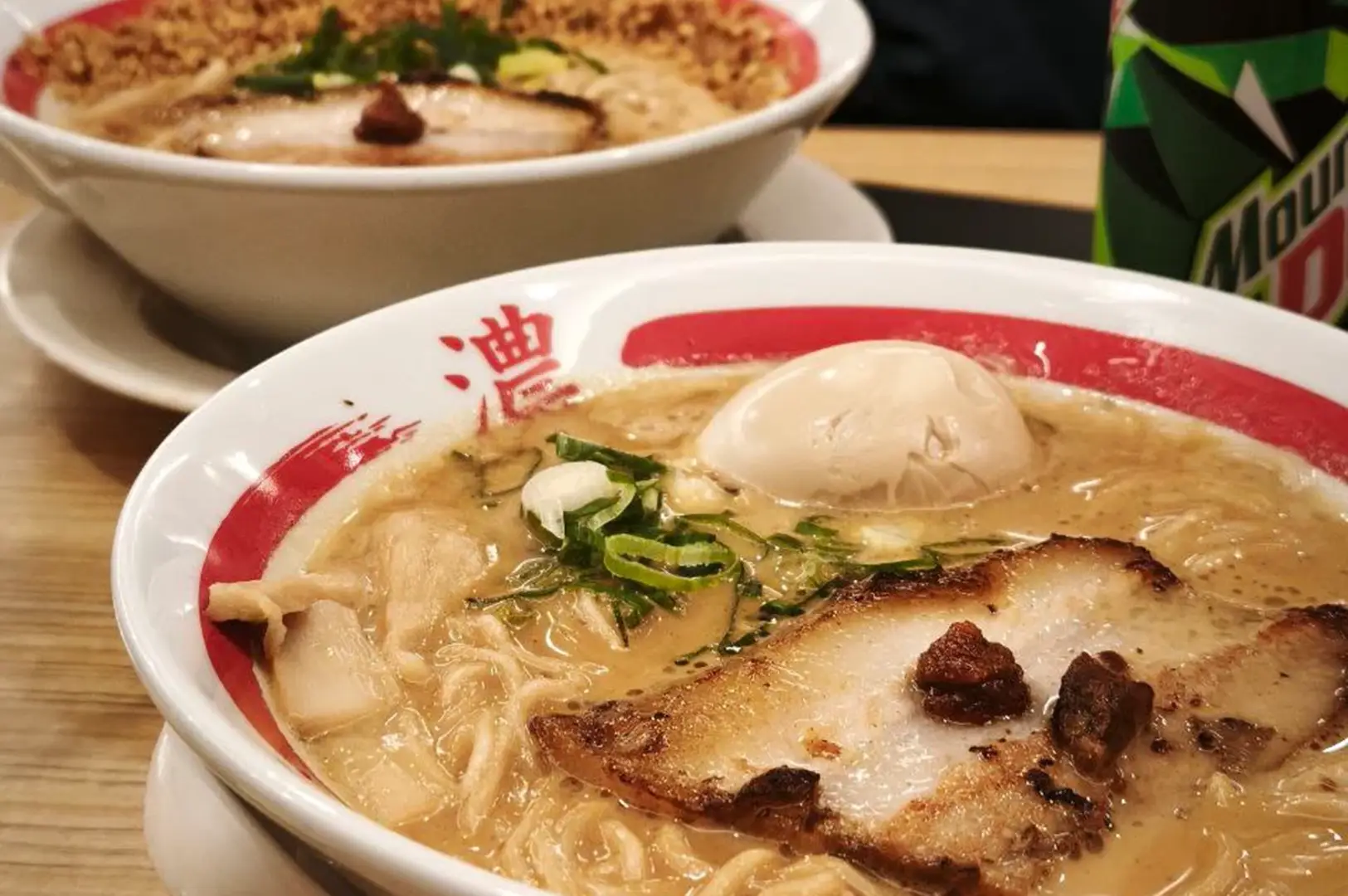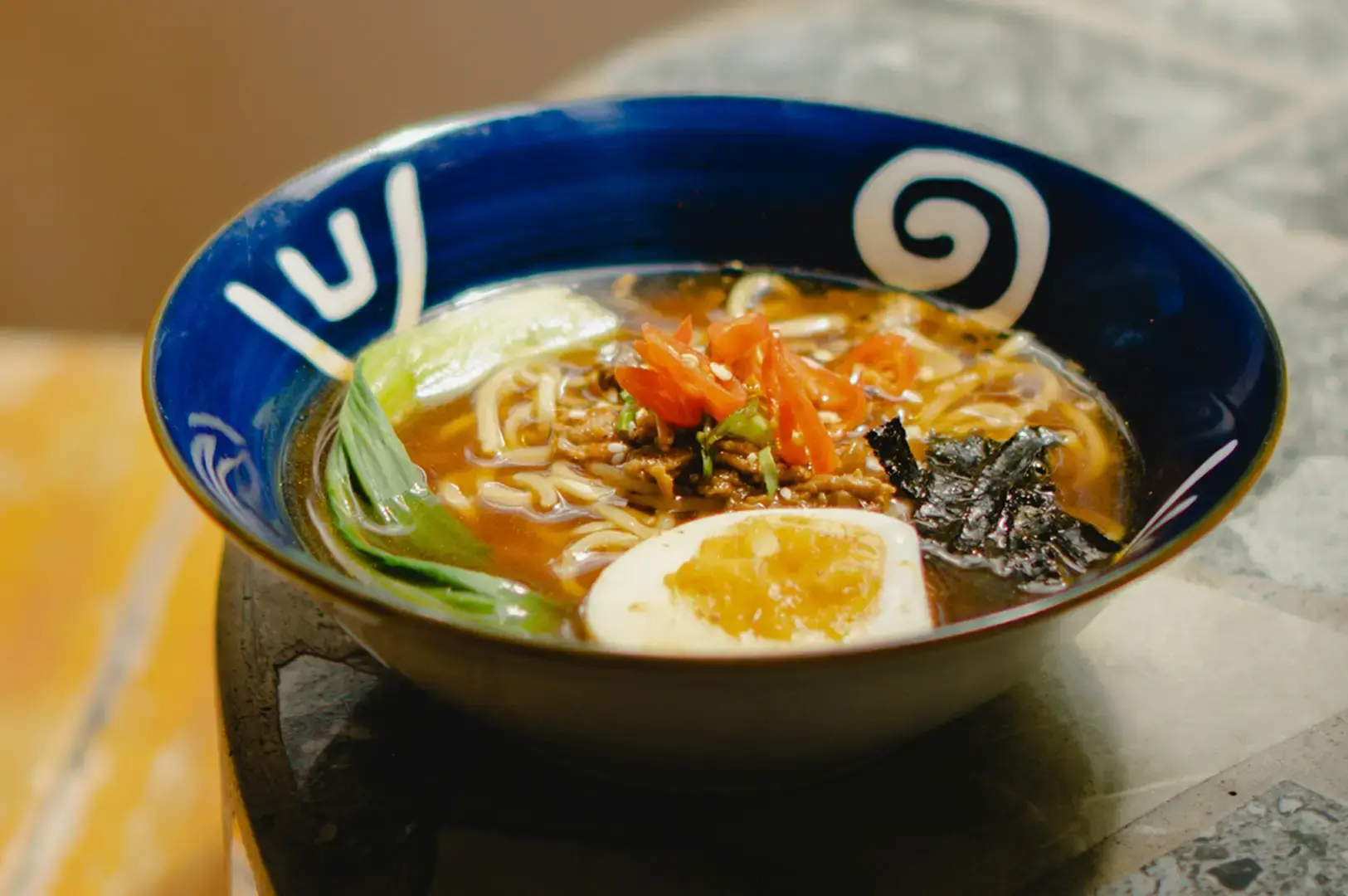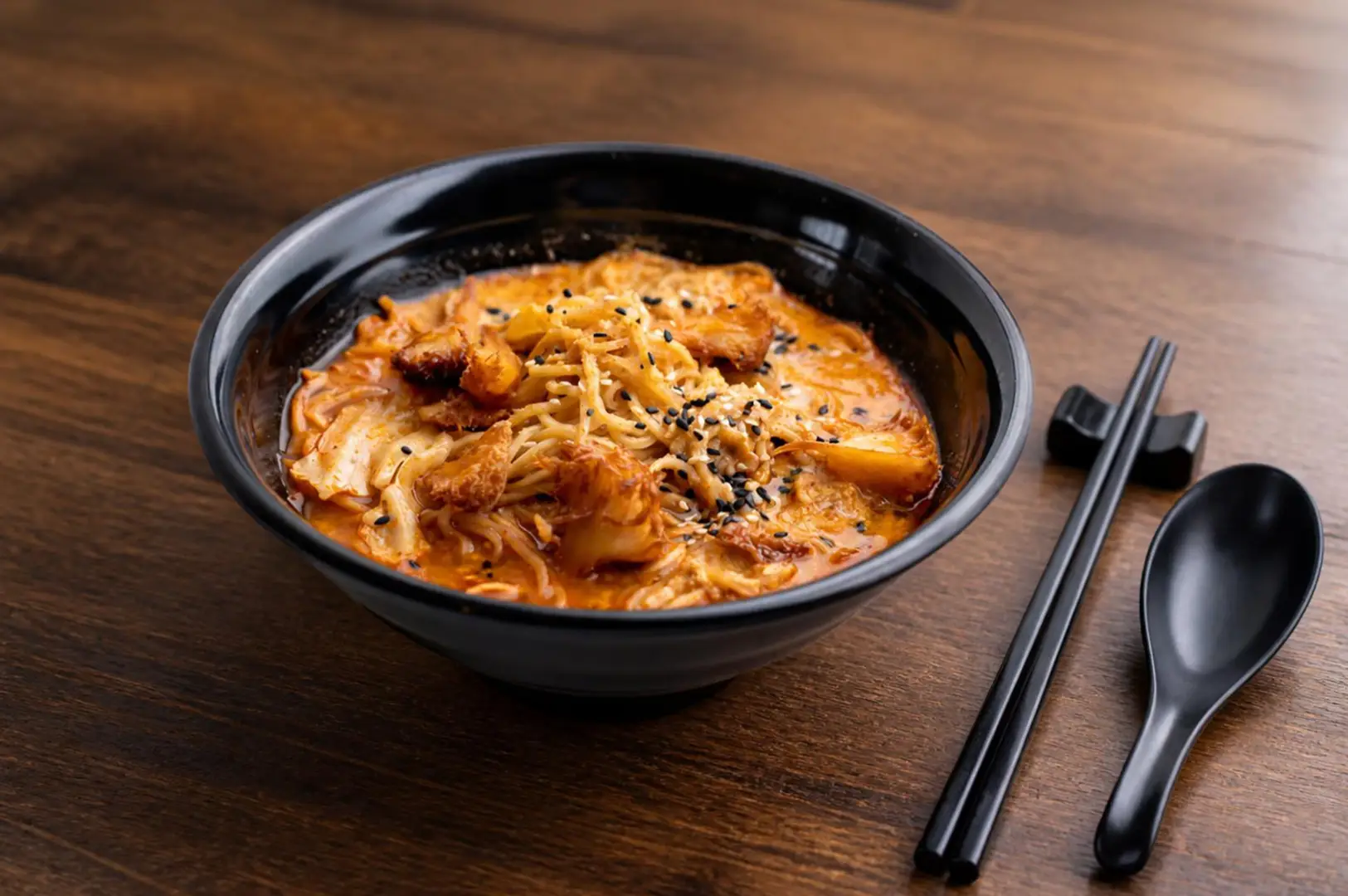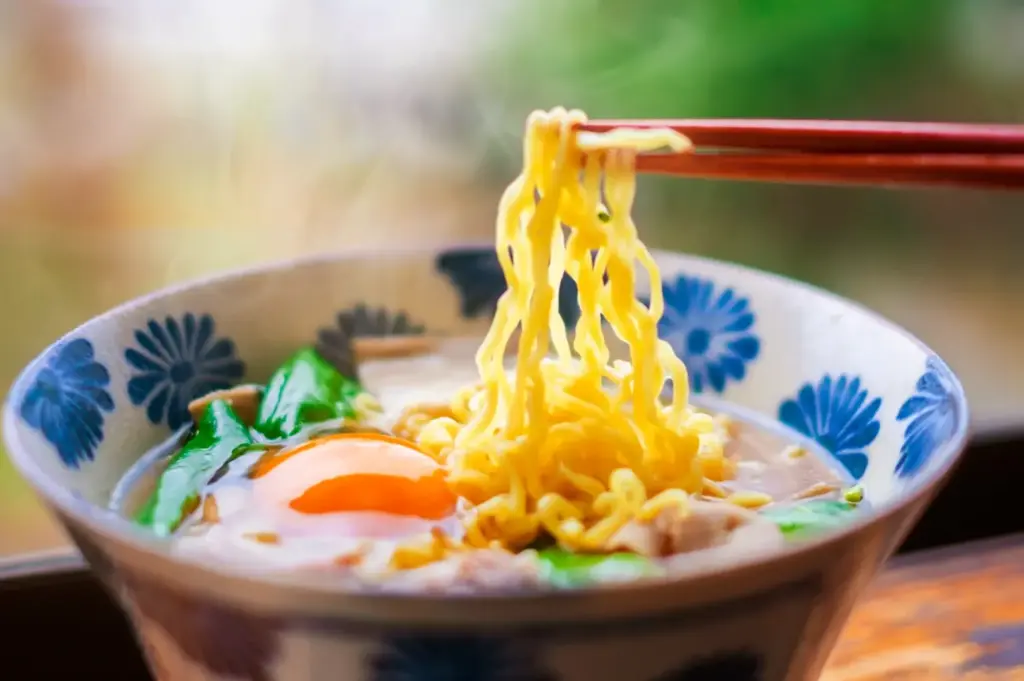
The first bowl of ramen I ever made at home was a disaster. I dropped the noodles straight into the ramen broth, thinking that was how it worked. Twenty minutes later, the soup had turned cloudy and thick with starch, the noodles had gone soft and sad, and the whole thing tasted like salty water someone had cooked pasta in. I ate it anyway, standing at the kitchen counter, a little defeated.
That was years ago. I’ve made a lot of ramen since then, and I’ve learned that a good home bowl isn’t about copying a ramen shop or relying on a flavor packet. It’s about understanding how the bowl is built. Once you know that, you can make something warm and satisfying in about half an hour, for less than the price of a food court meal. Let me walk you through it, mistakes and all.
A Practical 30-Minute Easy Chicken Ramen Recipe with Boiled Egg
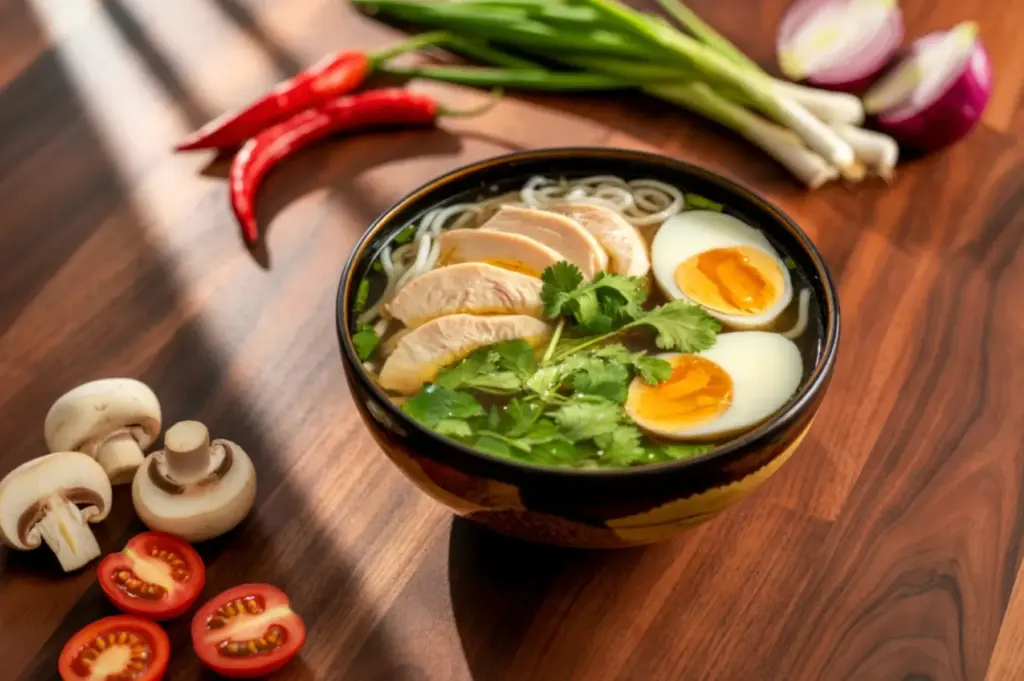
This is the bowl I make most often. It’s simple, it’s cheap, and it teaches you the structure without overwhelming you. This homemade ramen recipe uses homemade chicken stock as a base, which elevates the soup broth beyond any packaged ramen.
Easy Singapore Home Ramen Bowl
Serves: 1
Time: about 25–35 minutes
Cost: roughly S$5–S$12 depending on your protein
Ingredients:
1 portion fresh japanese noodles or rice noodles
500 ml homemade chicken stock or chicken broth
1 clove garlic, sliced, plus minced garlic for extra flavor
2 slices ginger (garlic and ginger combo is key)
A few dried shiitake or fresh mushrooms
1 tablespoon soy sauce (add a little more soy sauce if needed)
1 teaspoon miso paste (optional)
½ teaspoon toasted sesame oil
1 boiled ramen egg
Spring onions (green onions), sliced
Nori (optional)
Your protein: chicken breast, tofu, or even leftover roast meat
Optional ramen toppings: baby bok choy, bok choy, bean sprouts, toasted sesame seeds, steamed fish cake
Chili flakes or red pepper flakes for medium heat kick
Hot sauce on the side
Method:
Start the boiled ramen egg. Boil it for 6½ to 7 minutes, then drop it straight into cold water. The cold water stops the cooking and makes it easier to peel.
Build the flavorful soup broth. Heat olive oil in a pot over medium heat. Simmer the homemade chicken stock with garlic cloves, ginger, and dried shiitake mushrooms for 15–20 minutes. This small step is what lifts boxed stock into something that tastes like restaurant quality ramen.
Make the tare in the bowl. Mix the soy sauce, miso, and toasted sesame oil straight in your serving bowl. Don’t season the whole pot; season the bowl.
Cook the noodles separately. In their own pot of boiling water. Fresh japanese noodles or rice noodles usually need 1–3 minutes. Cooking separately prevents soggy noodles and keeps the broth clear.
Combine. Pour the hot broth over the tare and stir. Add the drained noodles.
Top it. Halved ramen egg, green onions, mushrooms, nori, baby bok choy or bok choy, bean sprouts, and your protein.
Add heat if you like. Sprinkle chili flakes or red pepper flakes, or add a dash of hot sauce.
Eat immediately. Ramen soup doesn’t wait for anyone.
Slurper's Tip: Pull the noodles out slightly underdone. They keep cooking in the hot broth, and there's nothing worse than perfect noodles that turn mushy by the time you sit down.
What Makes a Bowl of Ramen Different from Instant Ramen Noodles?
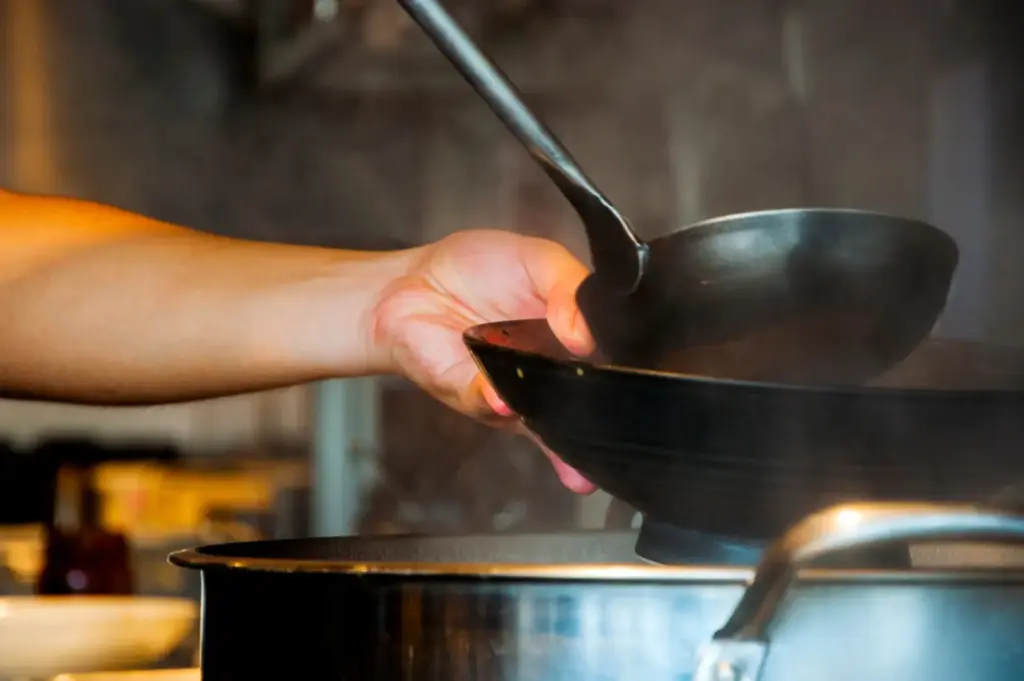
For a long time, I thought ramen was just noodles in noodle soup. It isn’t. A proper bowl of ramen has five parts working together: ramen broth, tare, aroma oil, noodles, and ramen toppings. Instant ramen collapses all of that into a flavor packet, which is why they taste flat in the same way every time.
Here’s the quick version of each part:
Ramen broth is the liquid base, usually chicken broth, beef stock, vegetable broth, pork, seafood, or mushroom.
Tare is the concentrated seasoning that sits at the bottom of the bowl. This is the part most people skip, and it’s the part that gives the bowl its direction.
Aroma oil is a small spoon of something fragrant, like toasted sesame oil, garlic oil, or chili oil.
Noodles are typically made with wheat flour and cooked separately to prevent soggy noodles.
Ramen toppings finish the bowl with texture, freshness, and richness, such as green onions, sesame seeds, steamed fish cake, and bok choy.
Once I understood these five parts, everything changed. A plain box of chicken stock stopped being the whole meal and became just one layer of it.
The Beginner Easy Homemade Ramen Formula
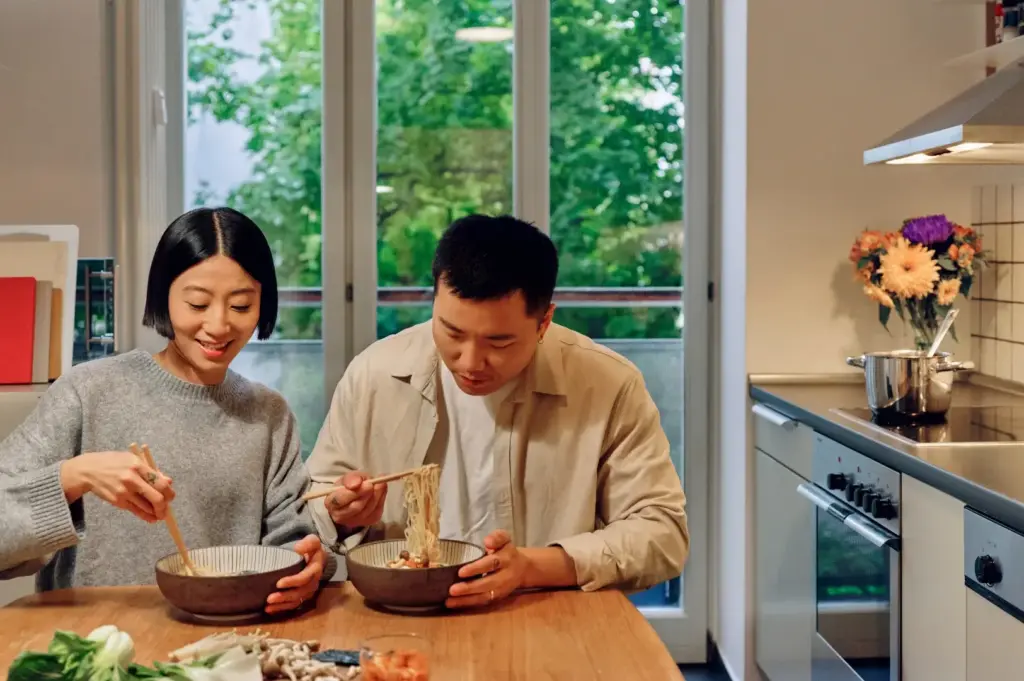
If you remember nothing else, remember this:
Broth + tare + aroma oil + noodles + toppings.
That’s the whole thing. You don’t need a 12-hour tonkotsu. You don’t need a pantry full of Japanese ingredients. You need one component from each of those five slots, and you need to keep them balanced.
I think of it like building a satay skewer or a bowl of laksa, every element has a job, and no single one should shout over the others.
Easiest Styles for Your Homemade Miso Ramen or Classic Chicken Ramen Recipe
I’d suggest picking one of these three for your first few tries. Don’t attempt tonkotsu yet. I tried early on and spent an entire Saturday boiling pork bones for a broth that still came out watery. Skip that heartbreak for now.
Easy shoyu ramen. Soy sauce–based, light, clean. This is the one I recommend first because it’s forgiving and the flavour is easy to read. Chicken broth, a soy tare, a little toasted sesame oil.
Easy miso ramen. Richer and more comforting. Miso gives you instant depth, so even a lazy broth tastes like you tried harder than you did. Good for a rainy evening.
Upgraded instant ramen. Here’s a small secret: keep the instant noodles, but throw away most of the seasoning packet. Use half of it, then build the rest of the bowl with miso or soy, a soft-boiled ramen egg, some green onions, and a spoon of garlic oil. It takes fifteen minutes and it’s a world away from the packet version.
Ramen Tale's Tip: Separate the idea of instant noodles from instant seasoning. The noodles are fine. It's the powder doing all the flat, salty work. Use less of it and season the bowl yourself.
Where to Buy Your Ramen Ingredients in Singapore for the Best Ramen Experience
You don’t need to hunt far. For most of this, a good local grocery store is enough.
FairPrice Finest and Cold Storage carry chicken broth, soy sauce, miso, eggs, ramen noodles made from wheat flour, and often fresh or dried ramen noodles. This is where I do most of my basic shopping.
Don Don Donki is my go-to when I want better noodles, proper miso, or nori that doesn’t taste like cardboard. The frozen ramen noodles there are genuinely good for the price.
Meidi-Ya and Isetan supermarket are worth a trip if you want to go deeper, better tare ingredients, kombu, bonito flakes, that kind of thing. Slightly pricier, but the quality shows.
Wet markets are where I get chicken breast, spring onions, fresh mushrooms, and prawn shells cheaply. If you have one near you, use it. The aunties will often throw in a bit of ginger or garlic cloves if you’re buying enough.
What It Actually Costs to Make Easy Homemade Ramen
Let’s be honest about money, because that matters.
A single homemade bowl runs about S$5–S$12, depending on whether you use chicken breast, tofu, or something premium. That’s cheaper than most ramen shops in town, and you control every ingredient.
The upfront cost is where people hesitate. If you’re buying the pantry from scratch, soy sauce, miso, sesame seeds, sesame oil, noodles, nori, expect a first shop of around S$25–S$60. But here’s the reassuring part: most of those bottles last for many, many bowls. The miso paste alone will see you through dozens.
For Halal-Conscious Readers: Easy Chicken Ramen Without Pork
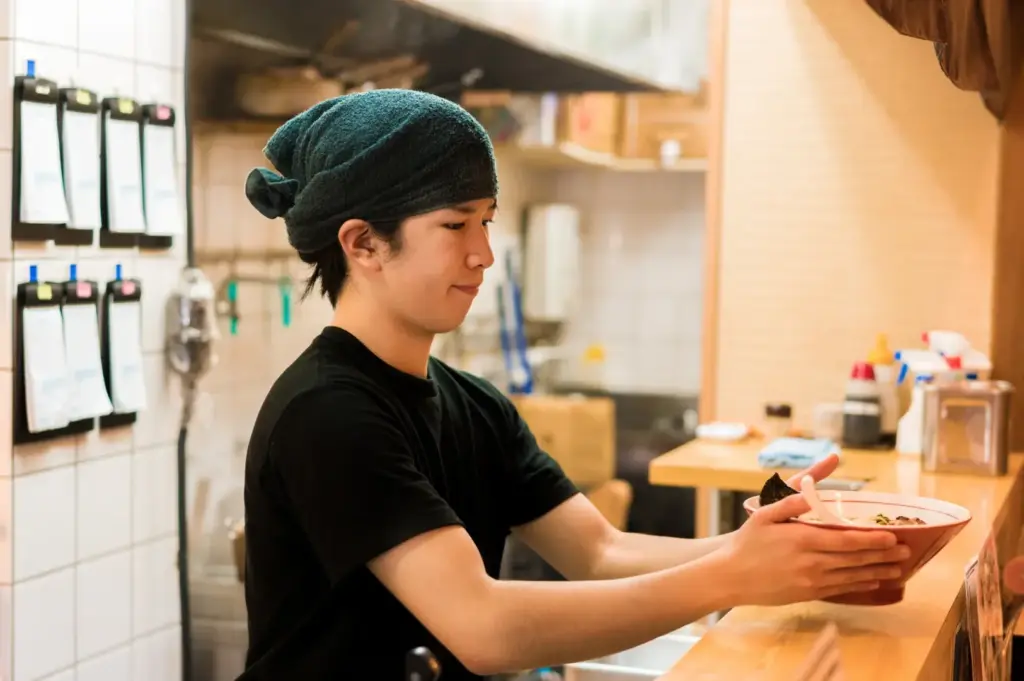
You can absolutely make great ramen without pork.
Build your broth on chicken broth, seafood, or vegetable broth instead. A mushroom and kombu broth is deeply savoury and completely meat-free. For seasoning, look for halal-certified soy sauce and miso, many brands in Singapore carry the certification clearly on the label.
Watch two things: skip pork chashu and lard, and check for alcohol in mirin or cooking sake. You can leave the mirin out entirely and use a small pinch of onion powder or sugar in your tare instead. It works fine. I’ve done it plenty of times when cooking for friends.
Common Beginner Mistakes I've Made Making Easy Homemade Ramen
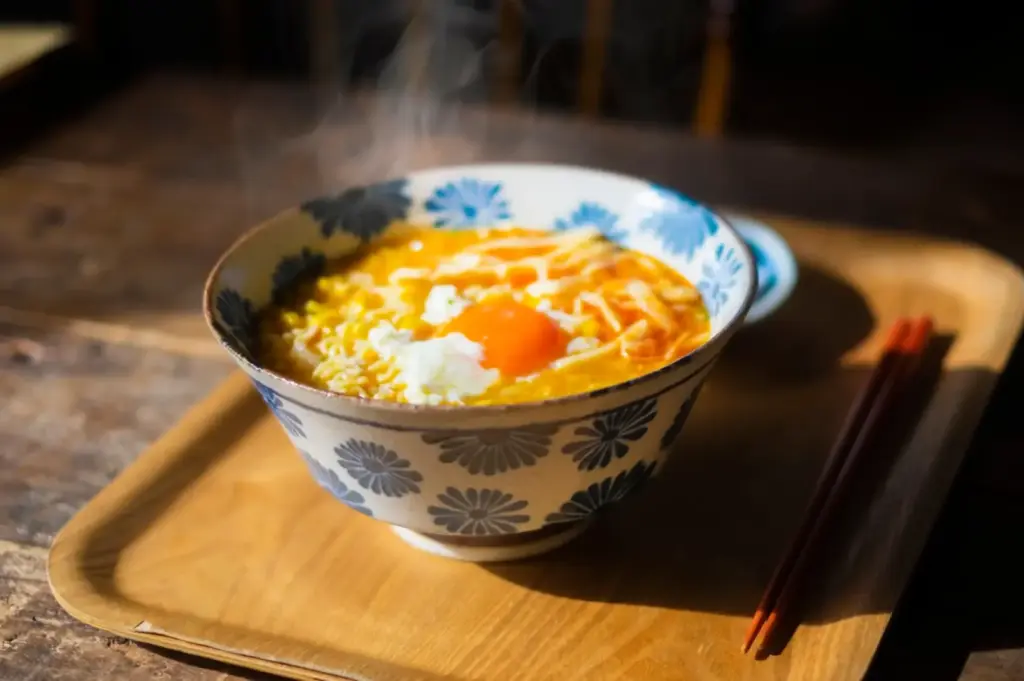
Let me save you some grief. Nearly all of these I learned the hard way.
Boiling the noodles in the broth. My original sin. It clouds the soup broth and turns the noodles to mush. Always cook them in a separate pot.
Over-seasoning. Soy sauce, miso, stock, nori, and instant powder all carry salt. I once stacked all of them and made a broth so salty I had to dilute it with plain water at the table. Add slowly. Taste as you go.
Overcooking the boiled egg. A grey, chalky yolk is a sad thing. 6½ to 7 minutes gives you that jammy centre. Set a timer, don’t trust your instinct on this one.
Too many toppings. I used to pile on everything I had in the fridge, thinking more meant better. It just made the bowl crowded and confused. Now I stick to three: ramen egg, green onions, and one protein or vegetable like baby bok choy or steamed fish cake.
Ramen Lover's Tip: Taste your broth before you add any extra salt. Between the tare, the stock, and the toppings, you're probably already there.
One Last Thing About Easy Homemade Ramen
Your first bowl doesn’t have to look like something from a counter in a high star rating restaurant in Raffles Place ramen. Mine certainly didn’t.
Start with great japanese noodles, a simple broth you’ve nudged along with a bit of garlic and ginger, a proper tare in the bottom of the bowl, one spoon of fragrant toasted sesame oil, and two or three ramen toppings that make sense together. Keep it hot. Keep it balanced. Don’t overthink it.
The whole thing takes about 25 to 35 minutes and costs less than lunch out. And the first time you taste a broth you built, layered the way it’s meant to be, that quiet little moment of “oh, I actually made this”, is worth every mushy, salty mistake that came before it.
Go make your bowl of ramen. I promise it gets easier from here. Thank you so much for reading this great recipe! Enjoy your meal prep and happy cooking with your local grocery store finds.