Uma Uma Ramen: A Fukuoka Bowl That Still Knows Its Place
The dangerous thing about familiar ramen shops is that we stop looking closely.
Uma Uma Ramen has been around long enough that it no longer feels like a discovery. It sits in the category of places people already know: dependable, accessible, easy to suggest when someone wants ramen without overthinking the decision.
But that familiarity can make us careless.
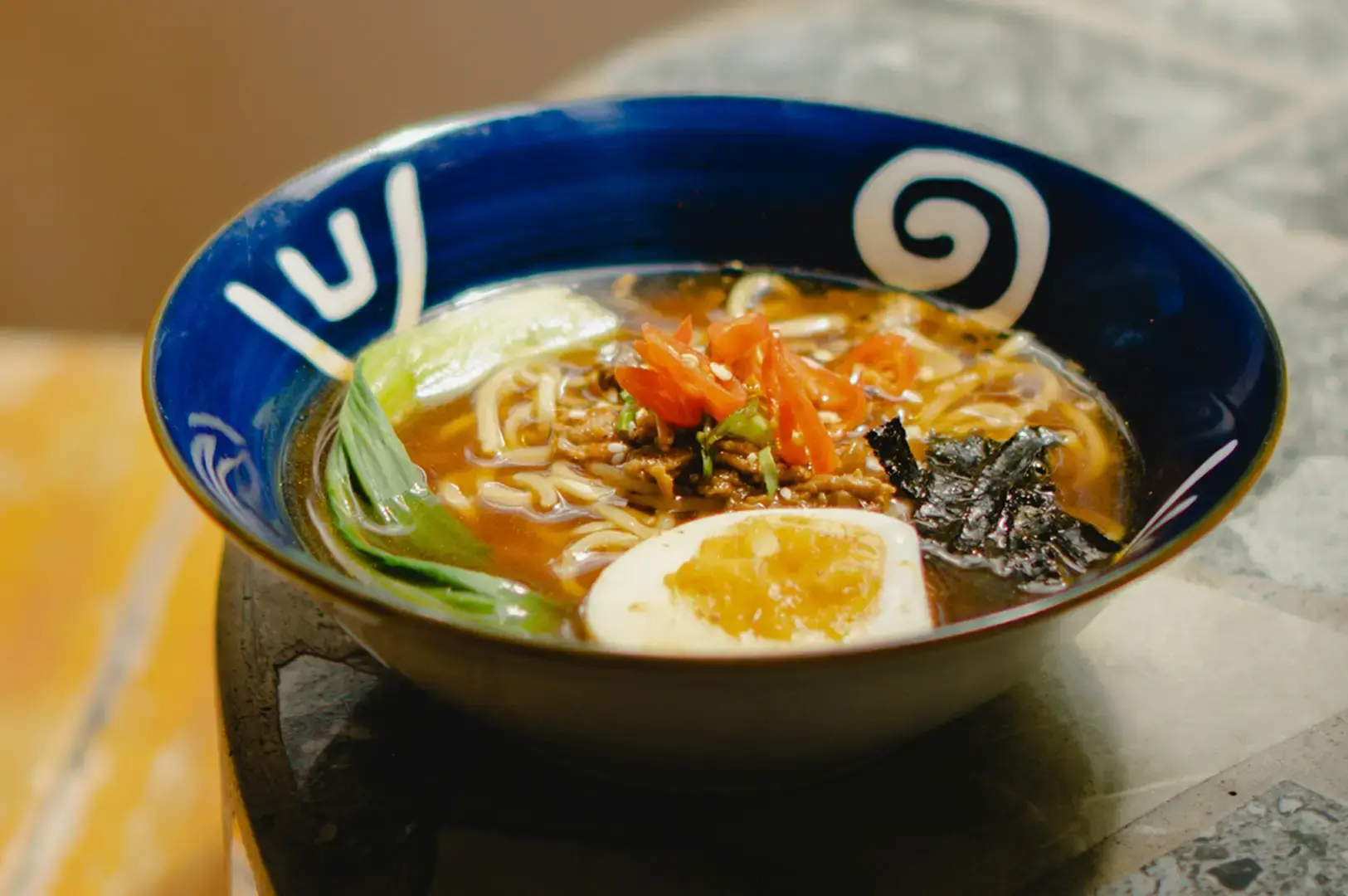
We walk in expecting comfort and miss the details that made the shop endure in the first place. The steady pull of pork broth. The thin noodles built for quick slurping. The menu that moves between classic tonkotsu and Singapore-born dry ramen without making too much noise about it.
Uma Uma does not feel like a ramen shop trying to prove itself every minute.
That may be its quiet strength.
The Weight of a Fukuoka Lineage
Uma Uma’s story begins with Fukuoka, and that matters because Fukuoka ramen has a particular logic.
It is not built for long contemplation. It is direct, pork-based, and efficient. The broth should carry depth without becoming sluggish. The noodles should move quickly. The bowl should feel satisfying before it feels decorative.
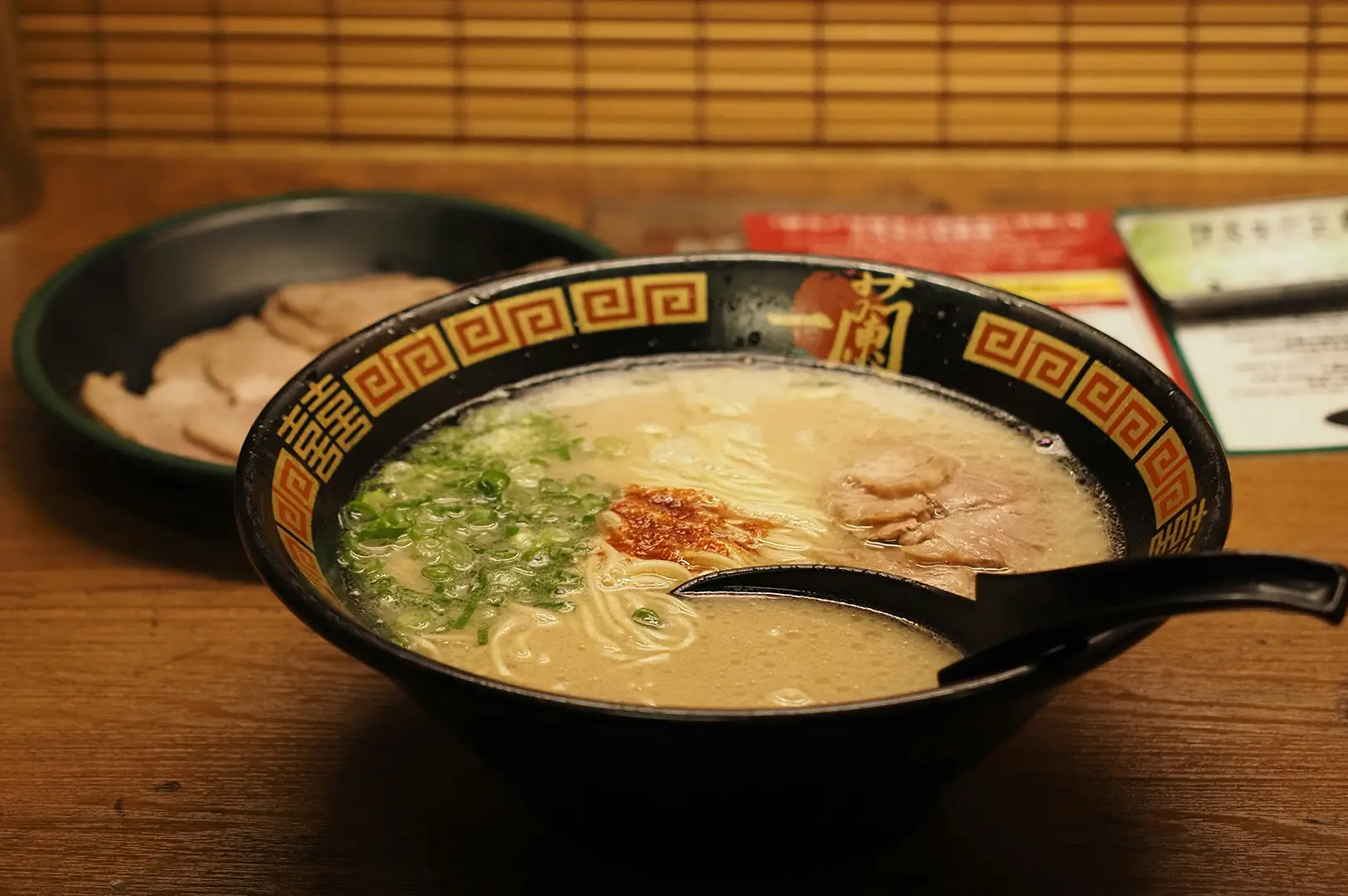
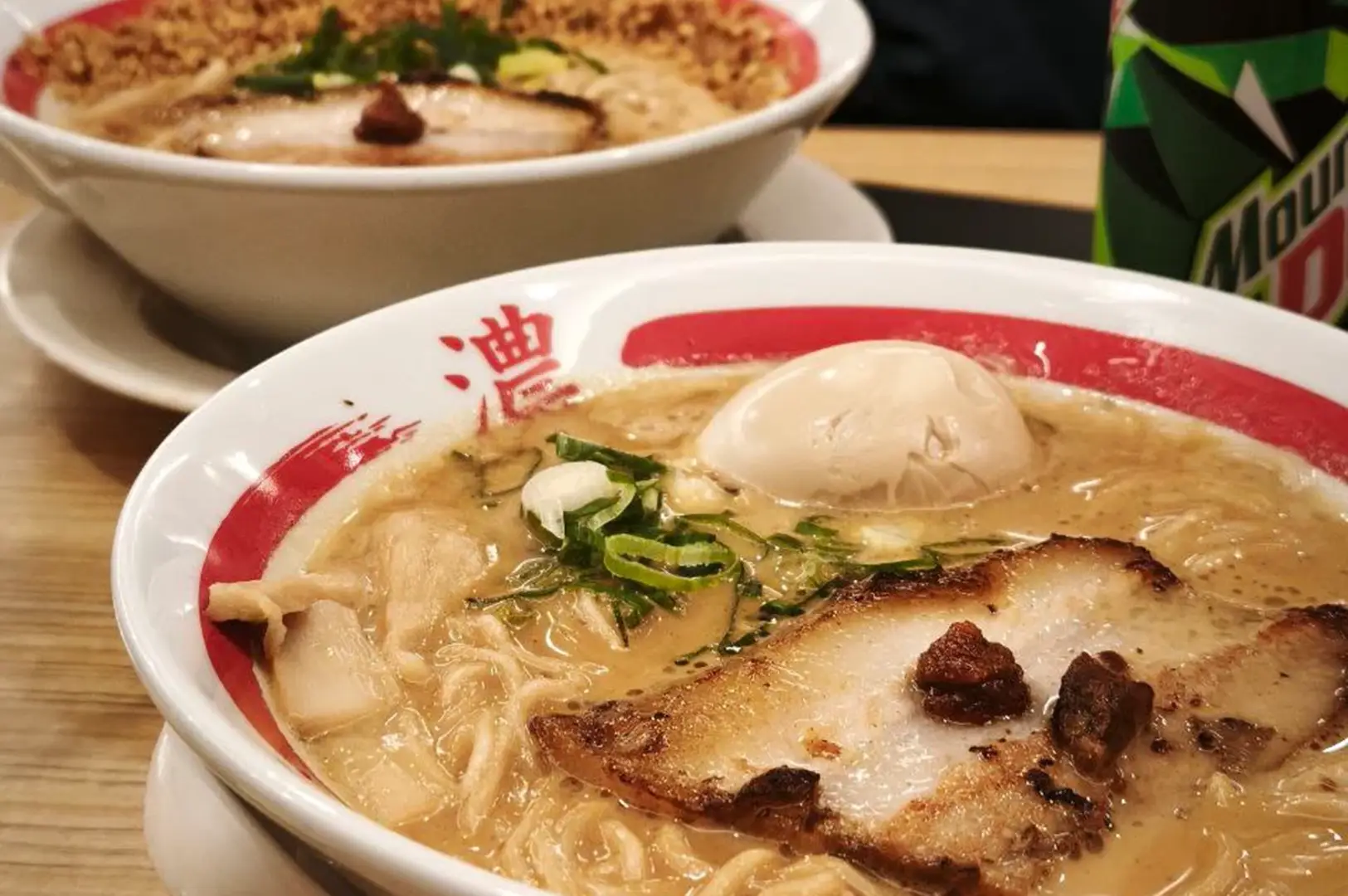
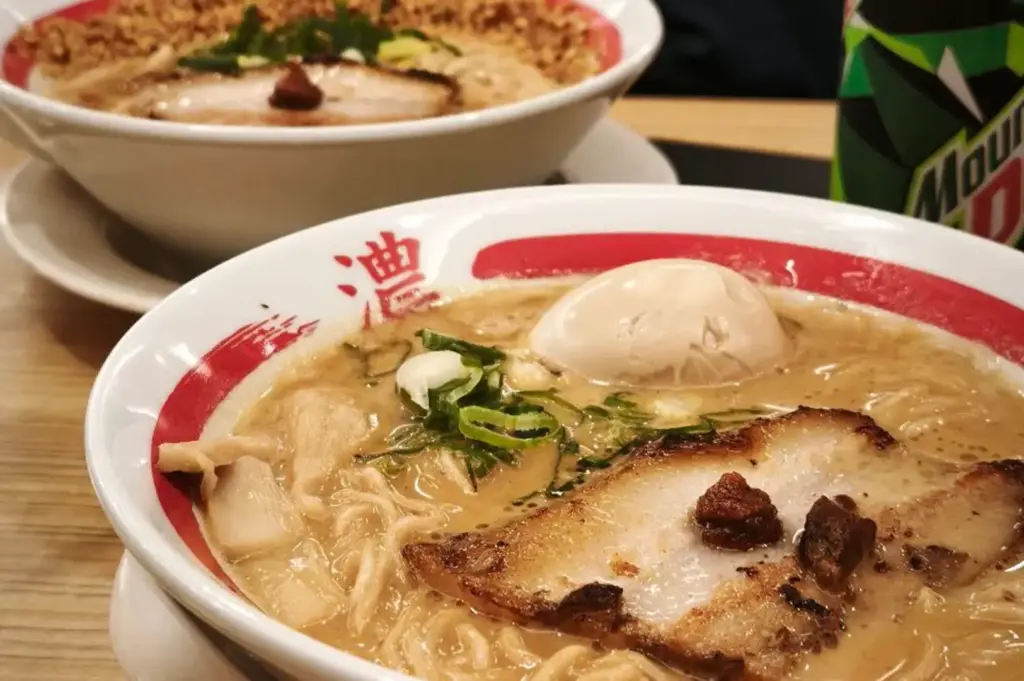
At Uma Uma, we feel that influence most clearly in the house ramen. It is not the thickest tonkotsu in Singapore, nor does it try to be the most intense. Instead, it sits in a middle space: rich enough to register, clean enough to finish.
That balance is easy to underestimate.
A heavier broth might impress faster, but it can also tire the palate. Uma Uma’s version seems more interested in rhythm than spectacle. Sip, lift, bite, repeat.
There is value in that.
The Singapore Layer
What makes Uma Uma more interesting is not only its Fukuoka identity, but the way it has adapted around Singapore.
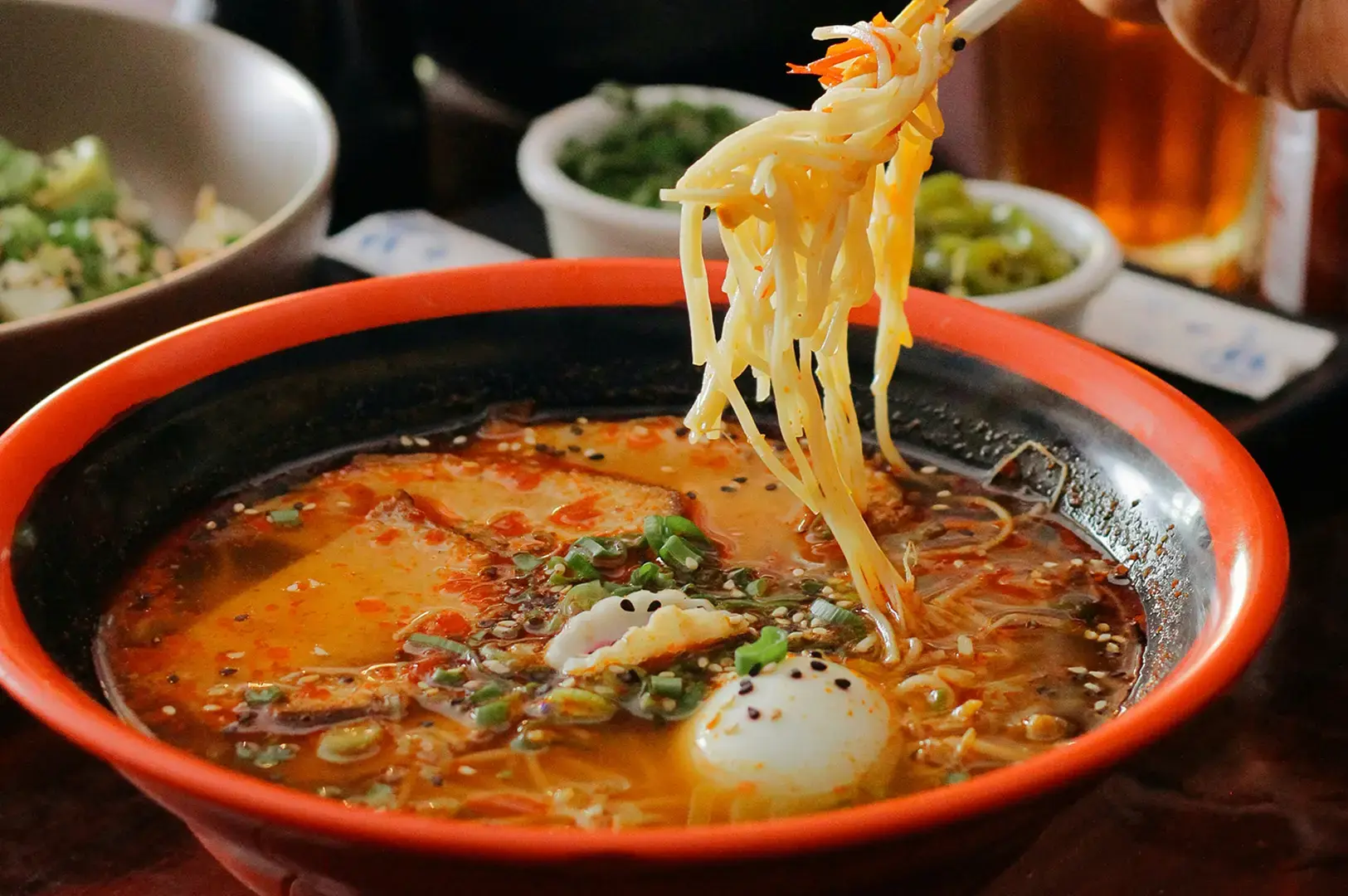
The menu no longer behaves like a purist’s list. Alongside tonkotsu, there is mazesoba, spicy ramen, garlic ramen, tan tan men, and lighter shio options. This is not unusual in Singapore, where diners often expect variety even from specialist shops.
The risk, of course, is dilution.
When a ramen shop tries to serve too many moods, the identity can blur. But Uma Uma’s broader menu also tells a story of survival in this city. Singapore rewards consistency, but it also rewards choice. A shop that lasts here often learns how to hold both.
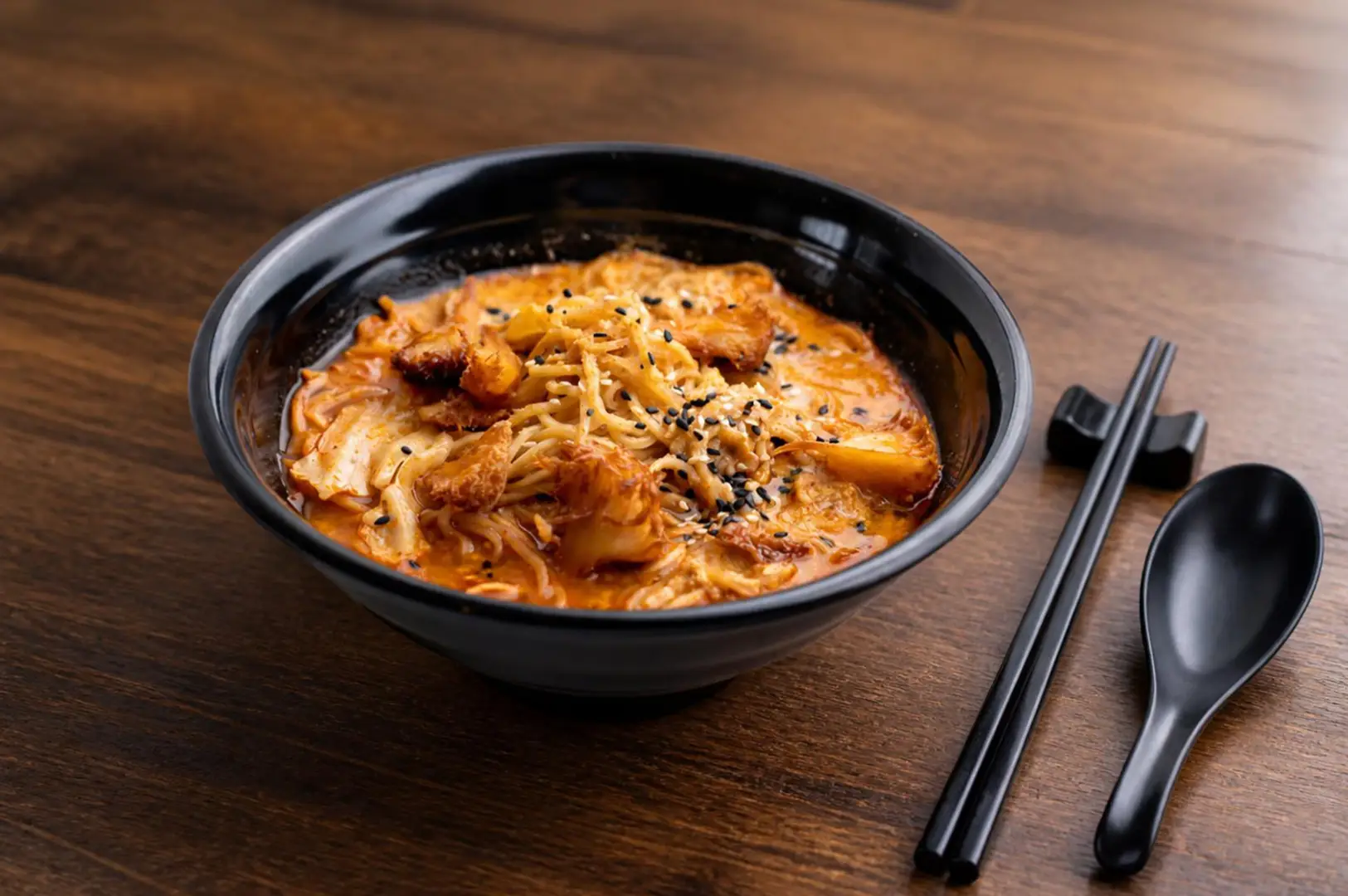
The mazesoba is especially telling. Dry ramen asks a different kind of attention from the diner. There is no broth to hide behind. Sauce, noodles, oil, and toppings must do the work directly. It feels less like a side note and more like Uma Uma understanding that Singapore diners are comfortable with noodles that carry intensity without soup.
What We Look For
At Uma Uma, we do not come looking for shock.
We look for alignment.
Does the broth have enough body? Do the noodles hold their timing? Does the seasoning stay balanced after the first few bites? Does the bowl still feel considered, even when the menu has expanded beyond one style?
The answer, at its best, is yes.
Uma Uma may not be the loudest ramen shop in Singapore anymore. It may not be the one people chase for novelty or trend. But it remains useful in a more lasting way.
It reminds us that good ramen does not always need to feel rare.
Sometimes it simply needs to return to the table with enough care, enough structure, and enough memory of where it came from.
That is where Uma Uma still works.
Not as a new discovery.
As a familiar bowl that still deserves attention.