Sanpoutei Ramen Review: The Shoyu Bowl That Refuses to Shout
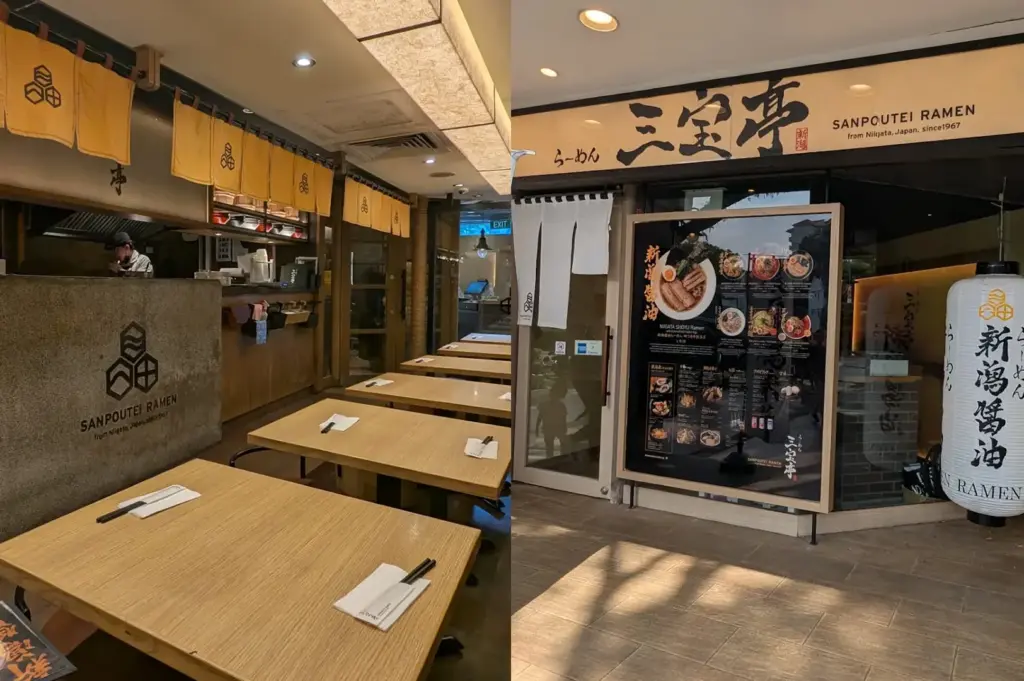
Not every serious ramen bowl arrives with weight.
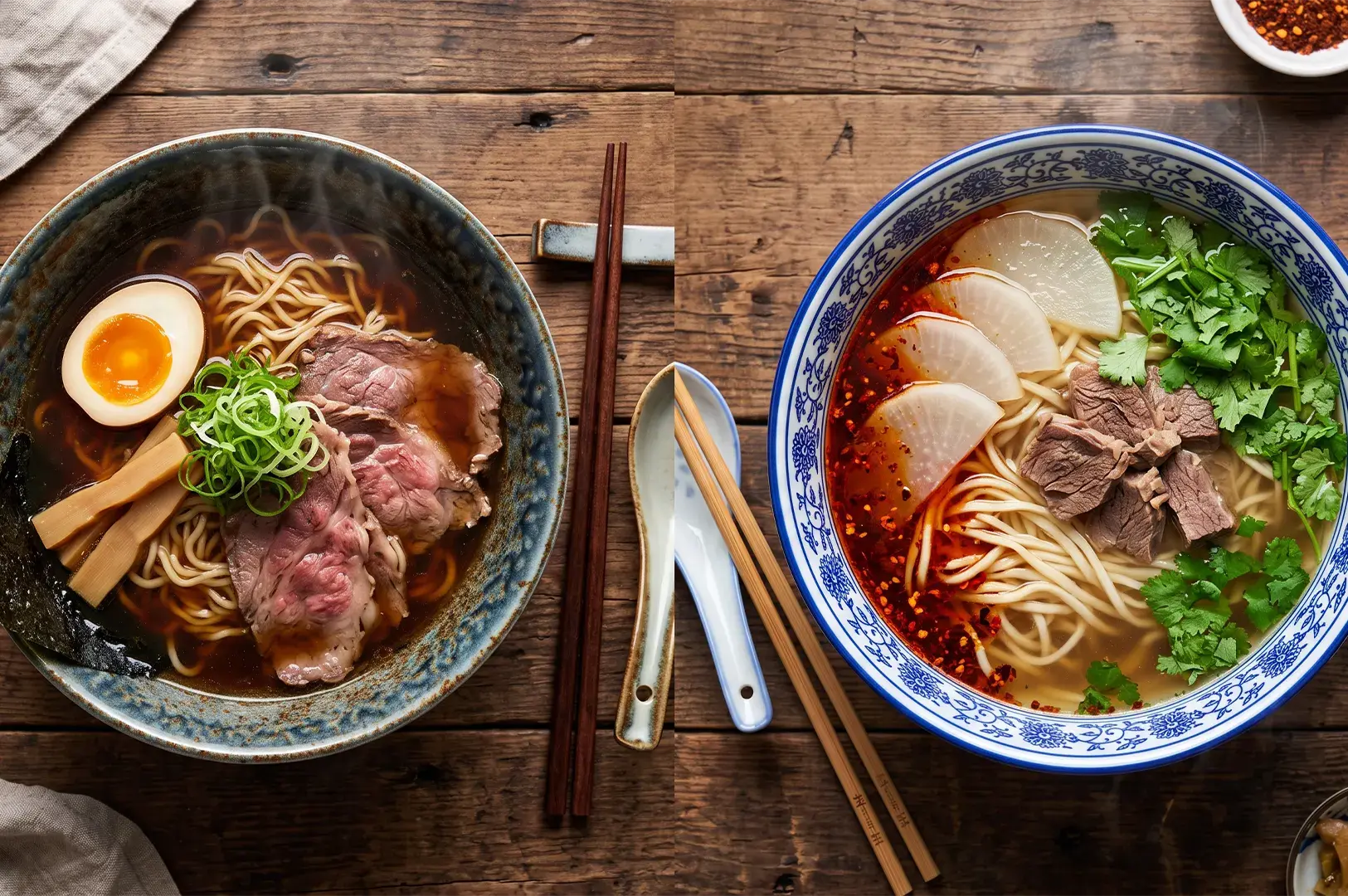
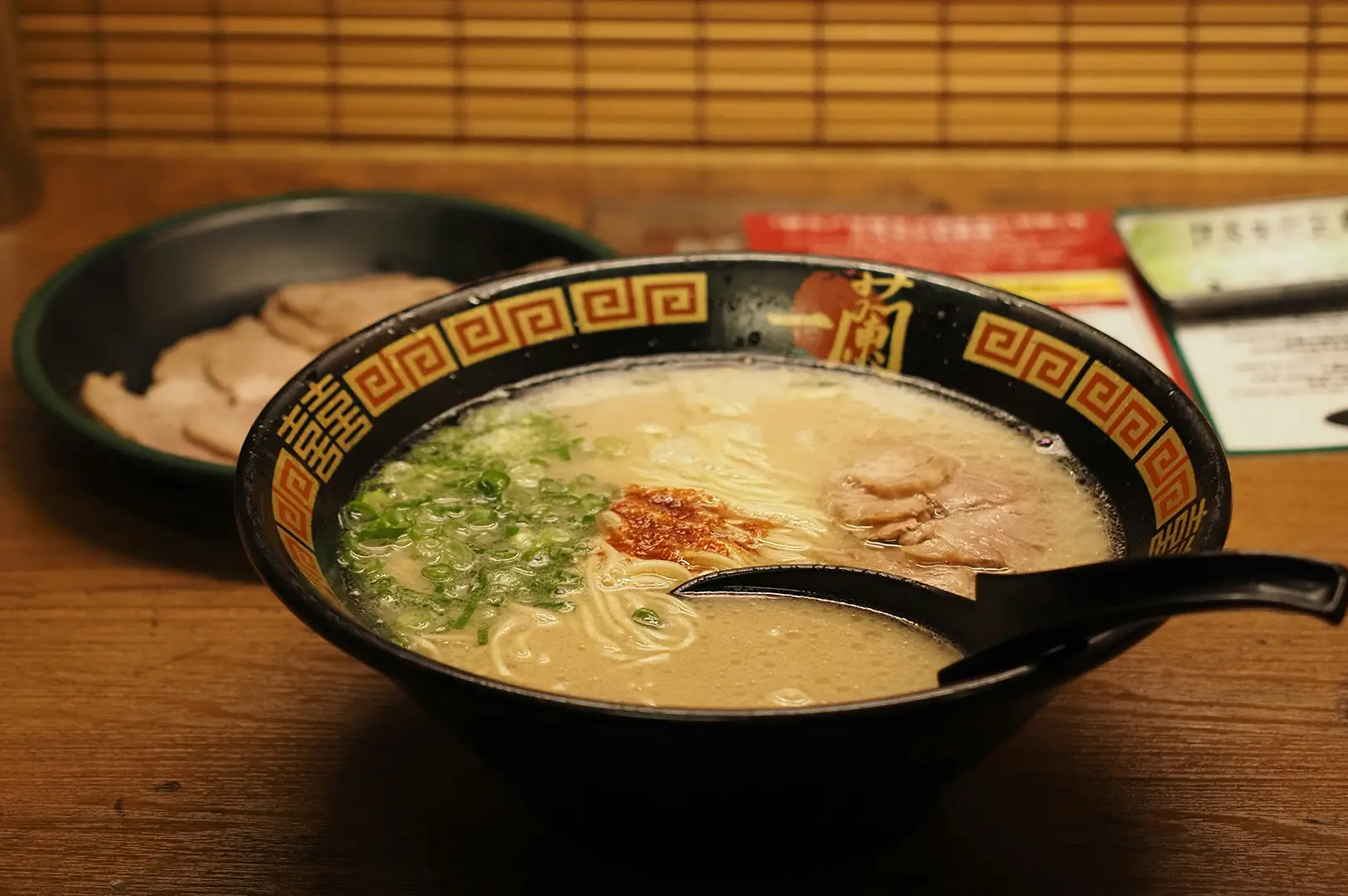
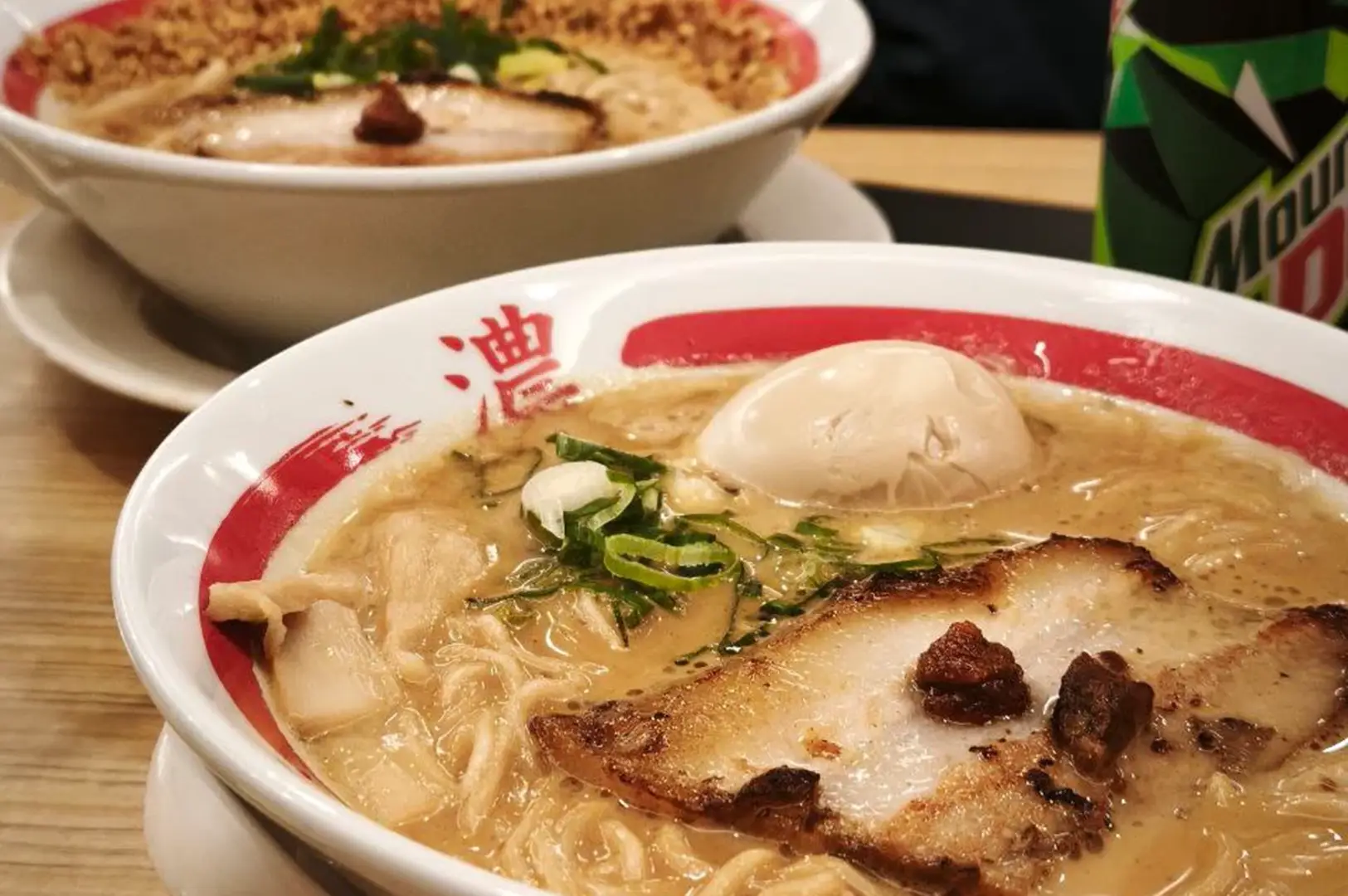
In Singapore, ramen conversations often lean toward the obvious markers of richness: cloudy tonkotsu, heavy miso, thick tsukemen, or bowls built to impress from the first spoonful. Sanpoutei Ramen makes a quieter case. Its identity begins with Niigata shoyu ramen, a style that asks diners to pay attention to clarity, balance, and restraint instead of sheer intensity.
That alone makes it worth reviewing.
Sanpoutei is not trying to be the loudest ramen shop in the city. It is trying to be specific.
A Bowl With Regional Memory
The first thing we notice about Sanpoutei is that it does not present shoyu as a basic option.
The brand traces its foundation to Niigata, and its Singapore menu places Niigata Shoyu Ramen at the front of its ramen lineup. Its official menu also includes richer choices such as miso, spicy miso, W Soup Tonkotsu, Kotteri Se Abura, tsukemen, and maze soba, but the Niigata shoyu remains the clearest expression of its identity.
That matters because ramen becomes more interesting when it carries a place with it.
A good shoyu bowl should not feel plain. It should feel edited. The broth needs enough savoury depth to hold attention, but enough restraint to let soy, stock, oil, and noodles stay distinct.
The Test of Shoyu
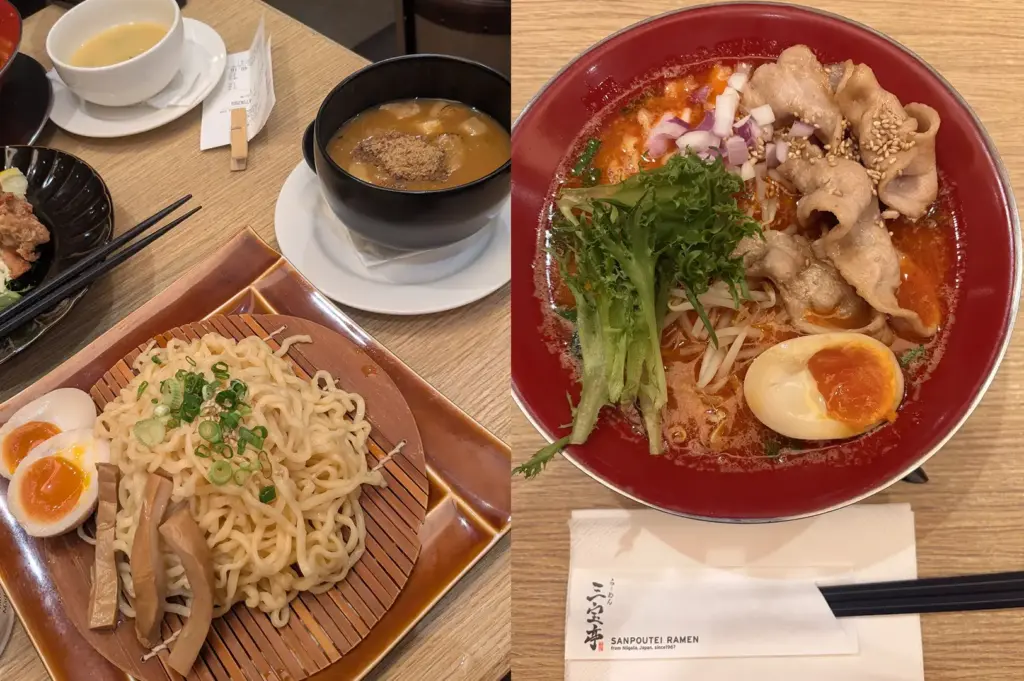
Shoyu ramen has less room to hide.
A heavy tonkotsu can cover small imbalances with fat and density. A spicy bowl can distract with heat. A shoyu broth has to stand more openly. If the seasoning is too sharp, we taste it quickly. If the stock lacks depth, the bowl becomes thin. If the oil does not carry aroma, the first sip feels flat.
This is why Sanpoutei’s shoyu direction is useful in Singapore.
It gives diners a different way to measure ramen quality. Instead of asking whether the bowl is rich enough, we ask whether it is composed enough.
Does the broth open cleanly?
Do the noodles hold their role?
Does the finish invite another sip?
Those questions suit a shop built around balance.
More Than One Kind of Comfort
Sanpoutei also understands that Singapore diners want range.
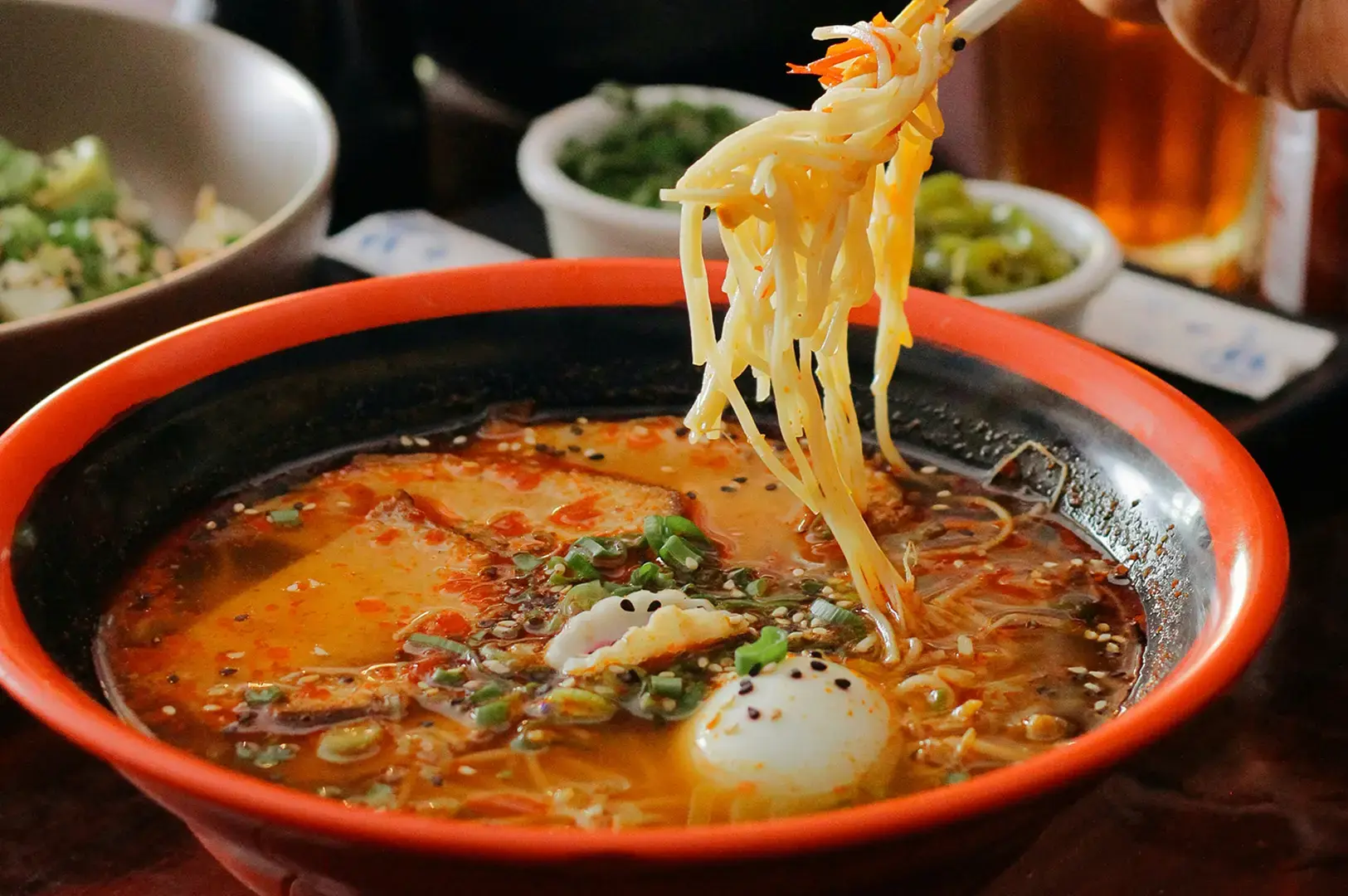
Its menu does not rely only on shoyu. The presence of miso, spicy miso, tonkotsu, se abura ramen, tsukemen, and maze soba gives the shop broader appeal without completely losing its regional center.
That range is important in a mall-heavy dining city. Some diners want clarity. Others want weight. Some come for a bowl after work; others want something richer and more filling.
Sanpoutei works because it gives options while still keeping a recognizable identity.
The Clean Assessment
Sanpoutei Ramen stands out because it reminds us that ramen does not always need to be louder to be memorable.
Its strength lies in regional character, shoyu discipline, and a menu that gives Singapore diners enough variety without abandoning its core. The best reason to visit is not spectacle. It is the chance to taste a bowl that treats restraint as a serious choice.
In a ramen scene crowded with richness, that clarity still feels valuable.
Sometimes the bowl that stays with us is not the one that shouts first.
It is the one that finishes clean.