Why Tonkotsu Ramen Is Harder Than It Looks
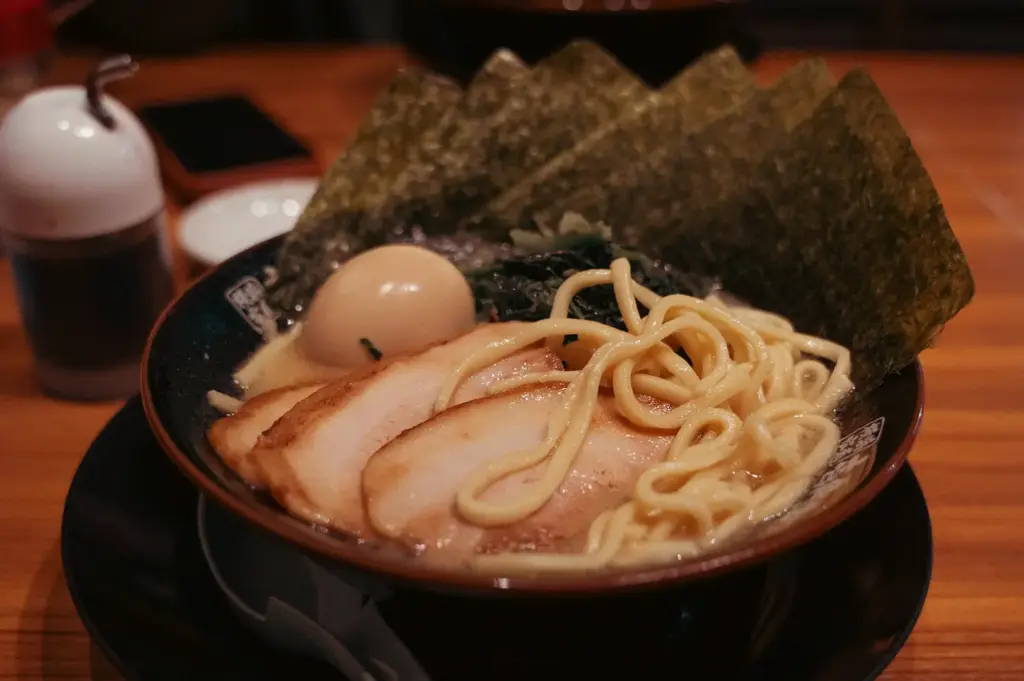
There is something almost misleading about tonkotsu ramen.
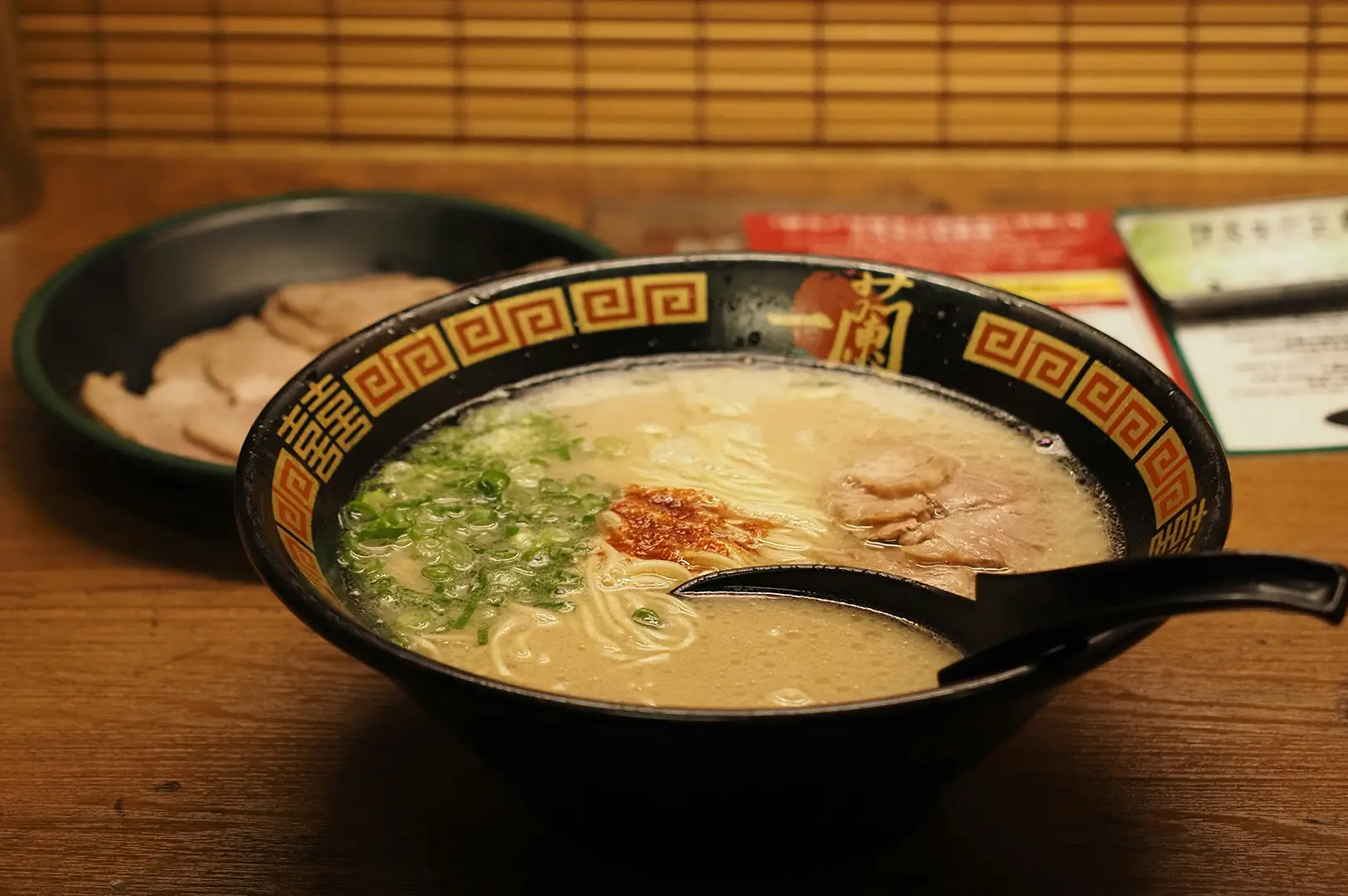
At first glance, it seems straightforward. A bowl of creamy broth. Springy noodles. A few toppings placed carefully on top. It looks comforting, familiar, and almost effortless.
But the more we look into what makes a great tonkotsu ramen work, the more complicated it becomes.
The richness that people love is not created by simply making a broth heavier. It comes from balance, patience, and understanding how each element supports the next.
Time Is One of the Main Ingredients
What makes tonkotsu ramen fascinating is how much time goes into something that disappears so quickly.
The broth requires patience. Pork bones need to be prepared properly, then simmered long enough to release their flavours and create that cloudy, creamy texture ramen lovers expect.
There is no shortcut to that process.
A few hours can create something that tastes like ramen, but the deeper character comes from allowing the ingredients to develop. The broth needs time to become more than just a combination of flavours.
It needs time to become a foundation.
Richness Is Not Just About Thickness
A common misconception is that a good tonkotsu broth should simply be as thick and creamy as possible.
But thickness alone does not make a memorable bowl.
A broth can be rich and still feel flat. It can coat the mouth without leaving much behind. The best tonkotsu broths have depth. There is pork bone richness, but also aroma, savouriness, and a finish that makes you want another sip.
That balance is what separates a satisfying bowl from one that becomes tiring halfway through.
We found ourselves thinking about this while reading more about the craft behind tonkotsu ramen and how the broth achieves its signature richness through careful preparation on Japanese Dining Singapore.
Every Component Has a Role
A great tonkotsu ramen is not carried by the broth alone.
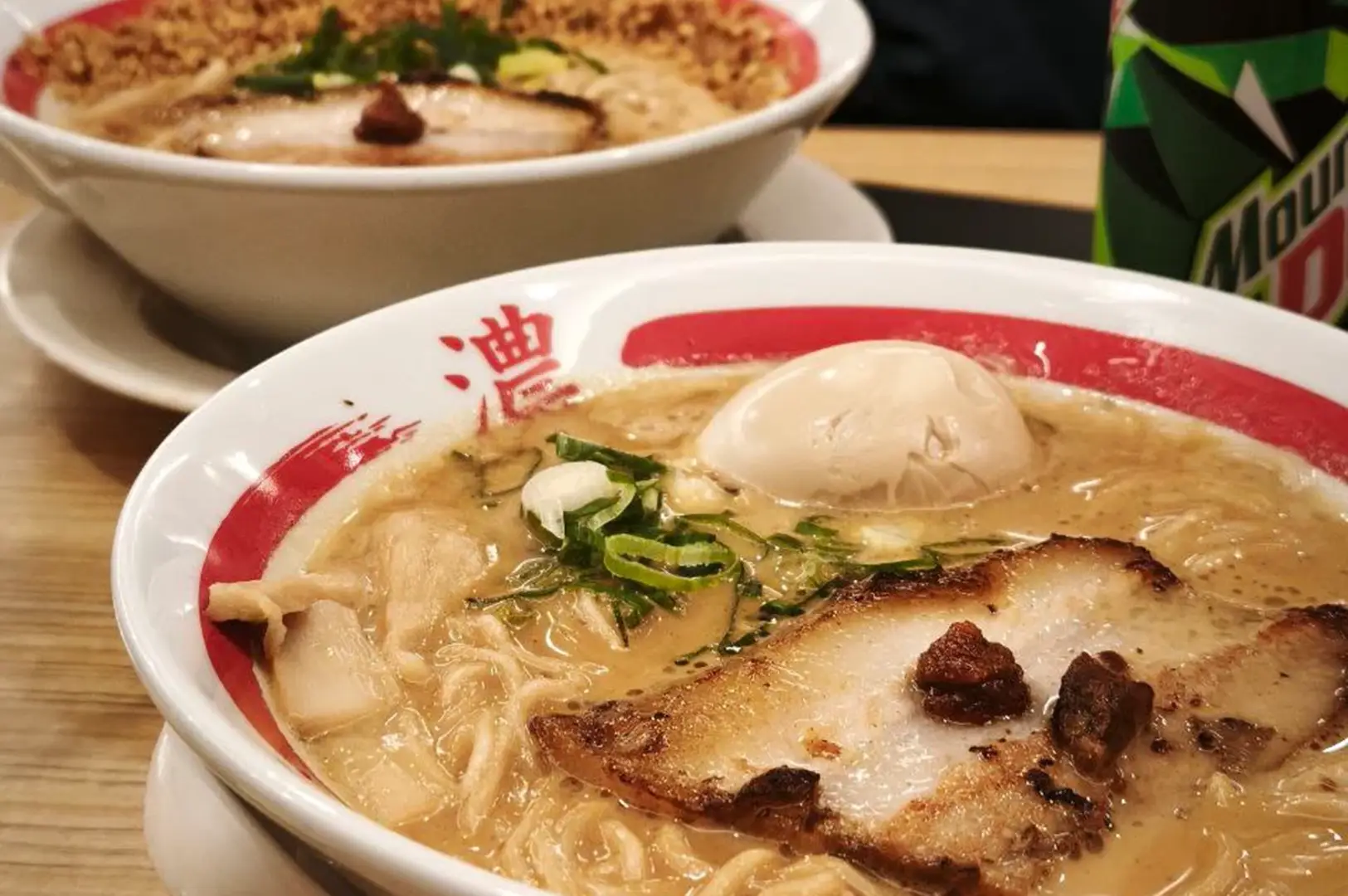
The noodles matter because they need to hold their texture against a powerful soup. The toppings matter because they introduce contrast. A slice of chashu adds richness, while something sharper or lighter helps refresh the palate.
Even the small details affect the experience.
Too much richness and the bowl becomes overwhelming. Too little and the broth loses its identity.
Ramen is not about making one element dominate.
It is about making every element work together.
The Reason Tonkotsu Remains Special
Perhaps that is why tonkotsu ramen continues to attract so many people.
It feels simple when it arrives at the table, but the simplicity hides a huge amount of craft. Every bowl represents decisions about time, ingredients, texture, and balance.
That dedication is what we trace here at RamenTale—the quiet craft and patience that turn a bowl of ramen into something unforgettable.
The best tonkotsu ramen does not ask for attention by being excessive.
It earns it quietly, one sip at a time.
That is the difference between a bowl that is merely rich and one that stays in your memory.