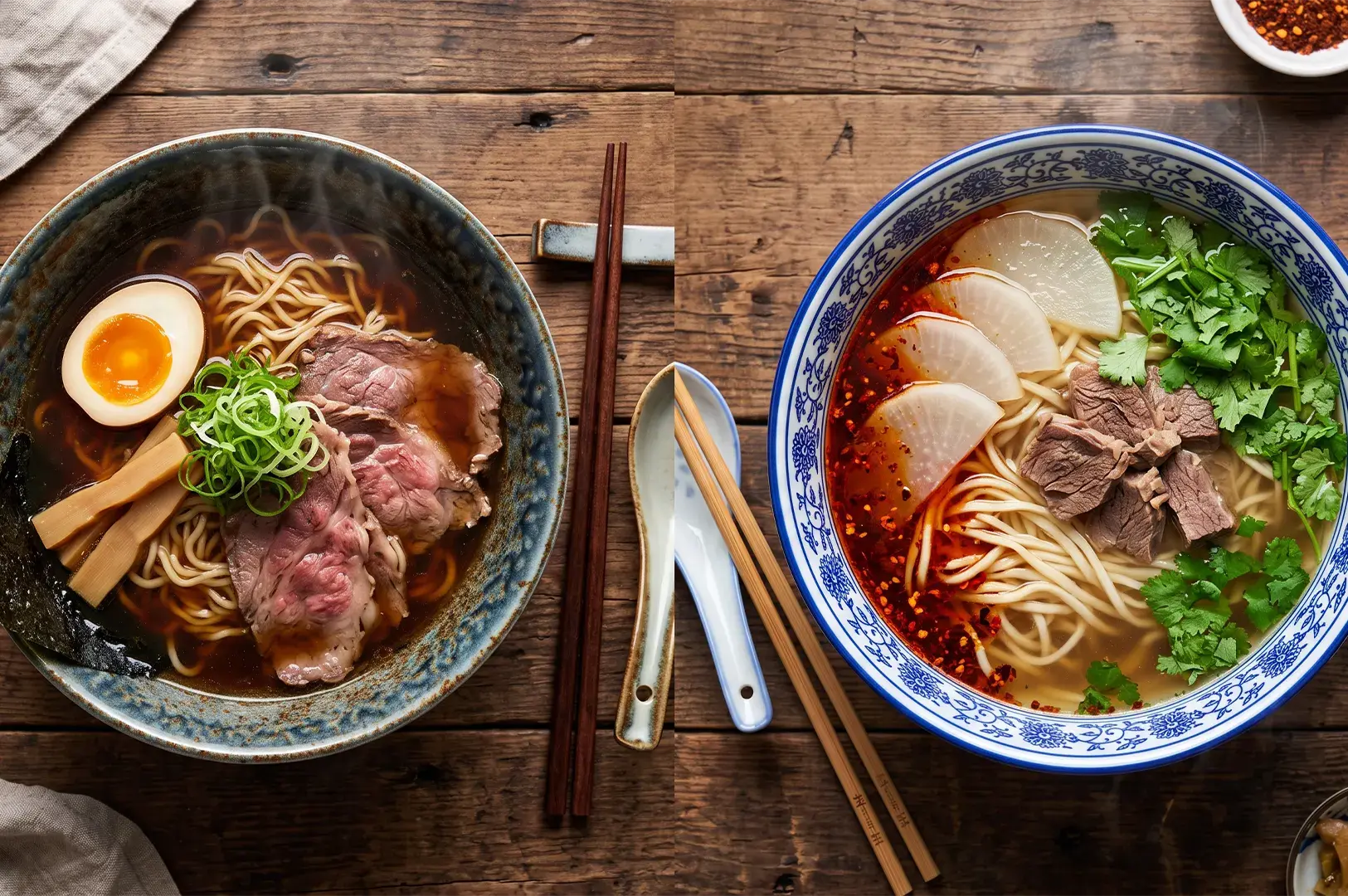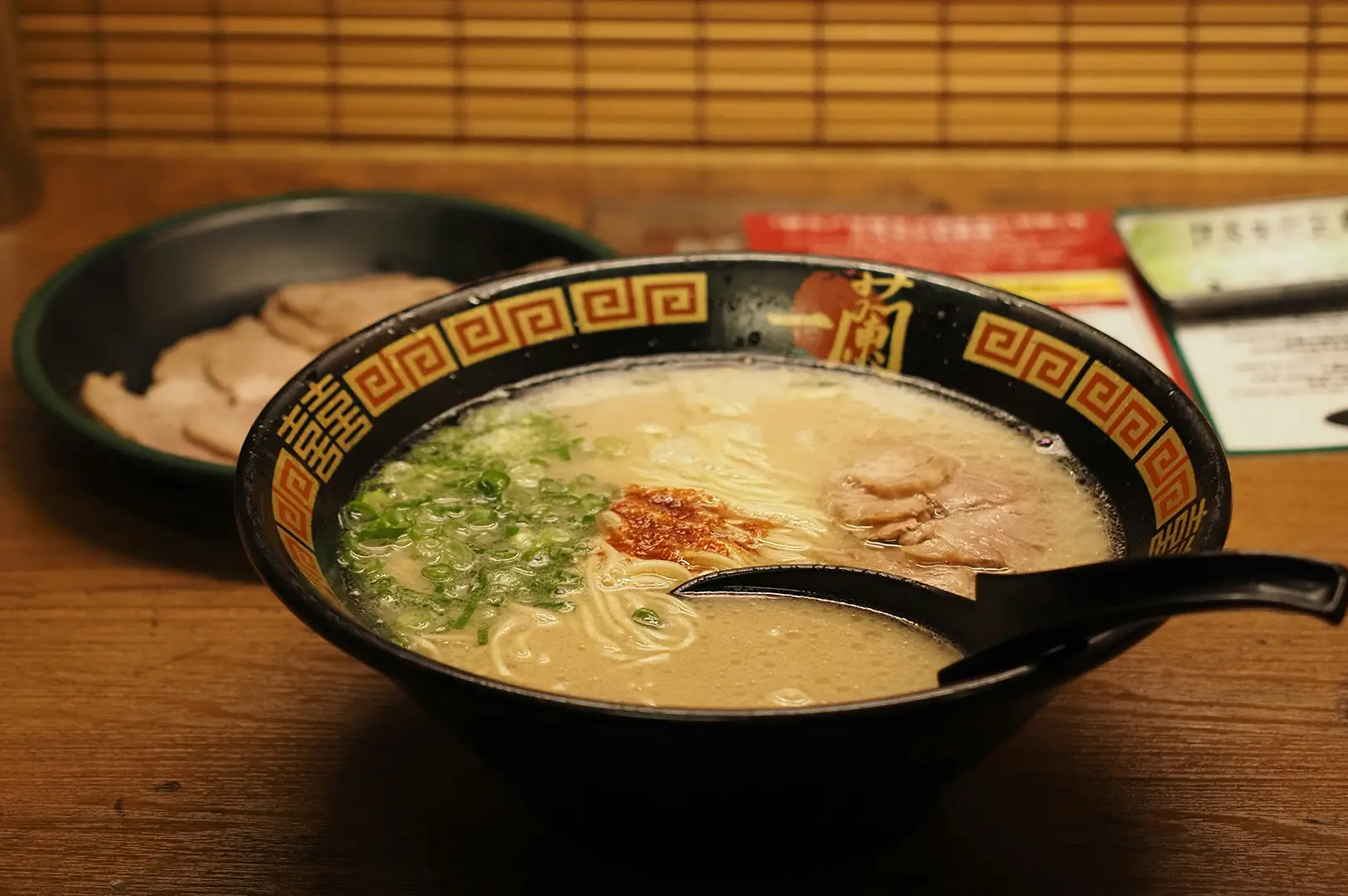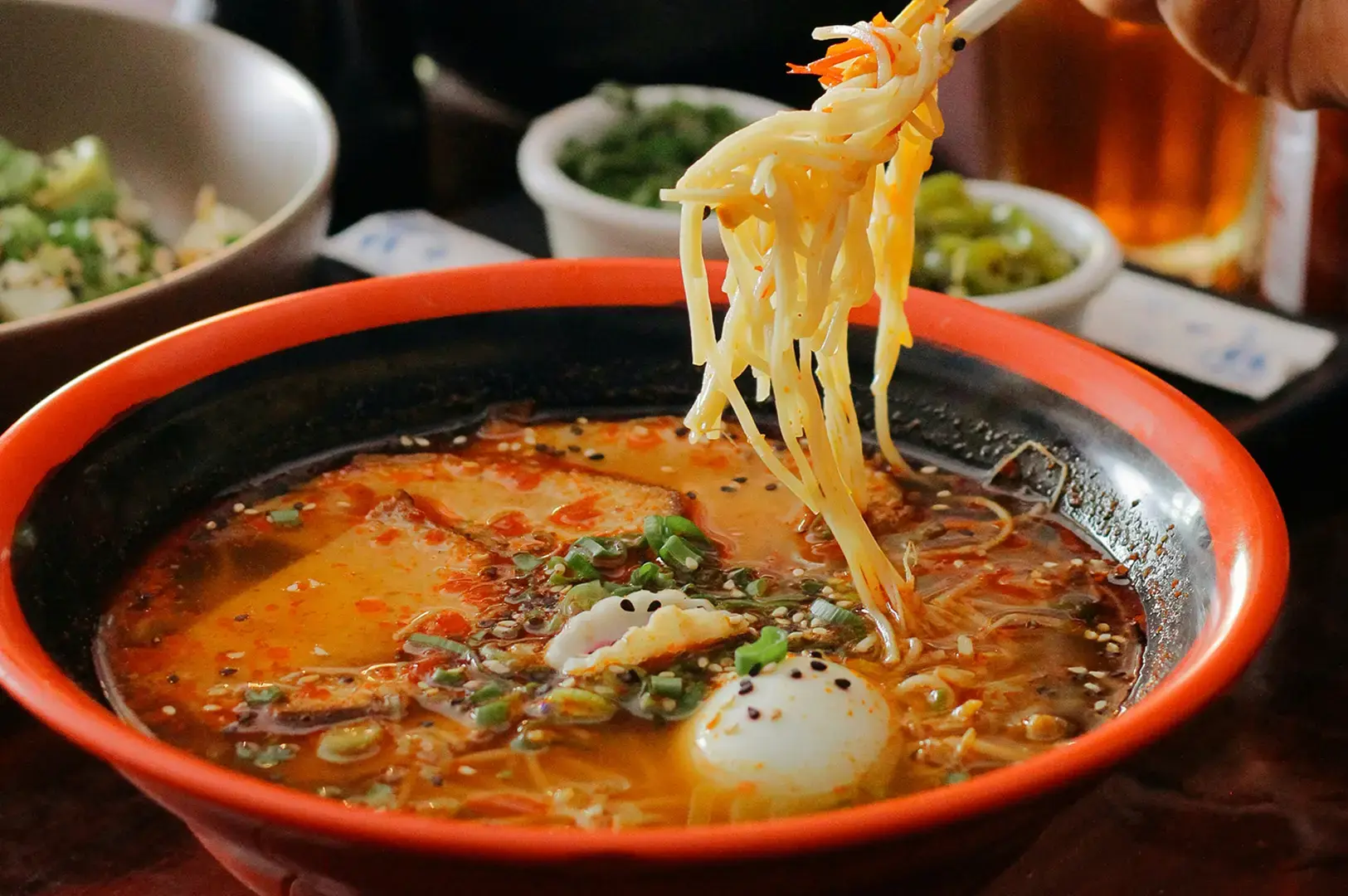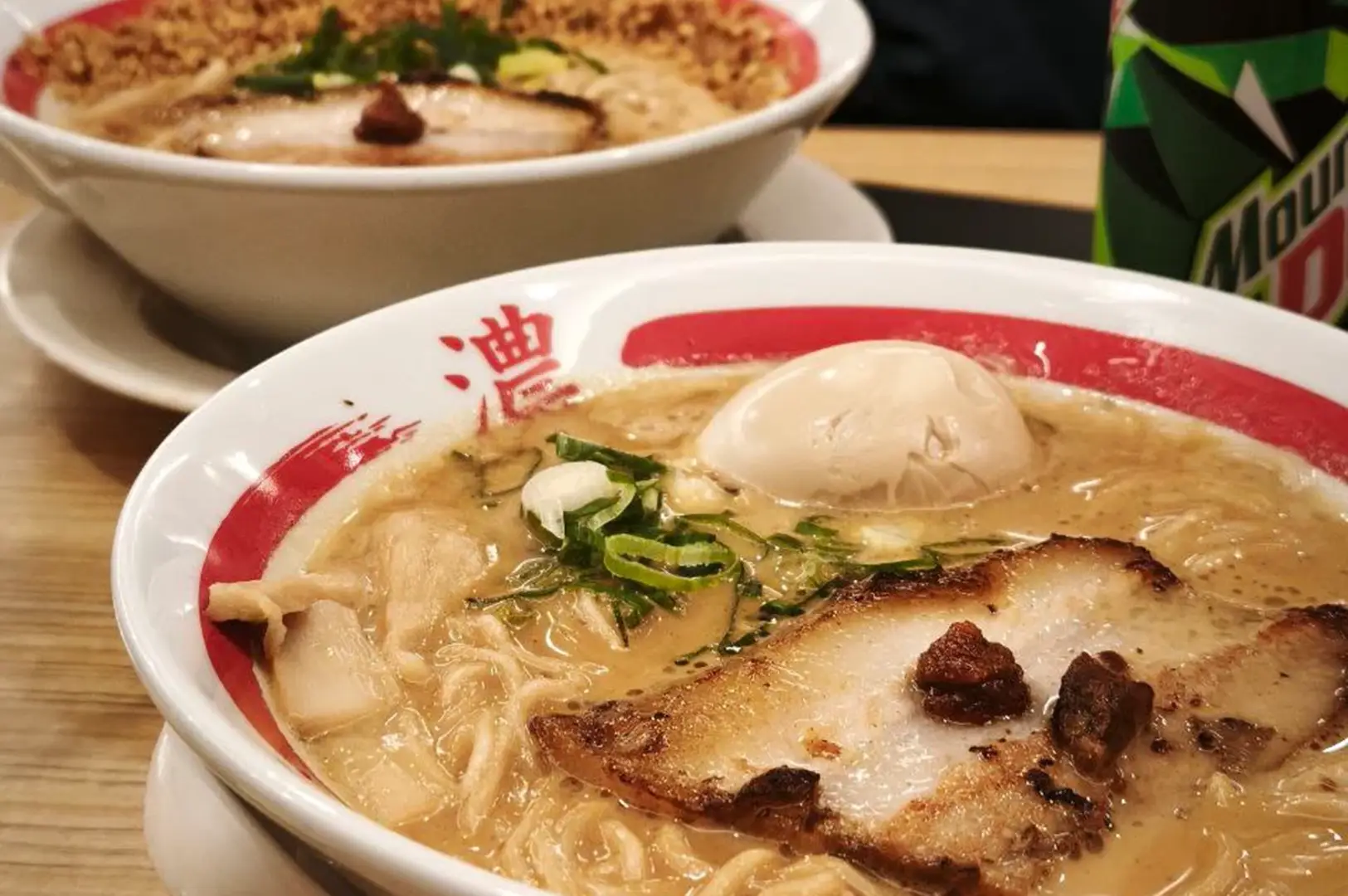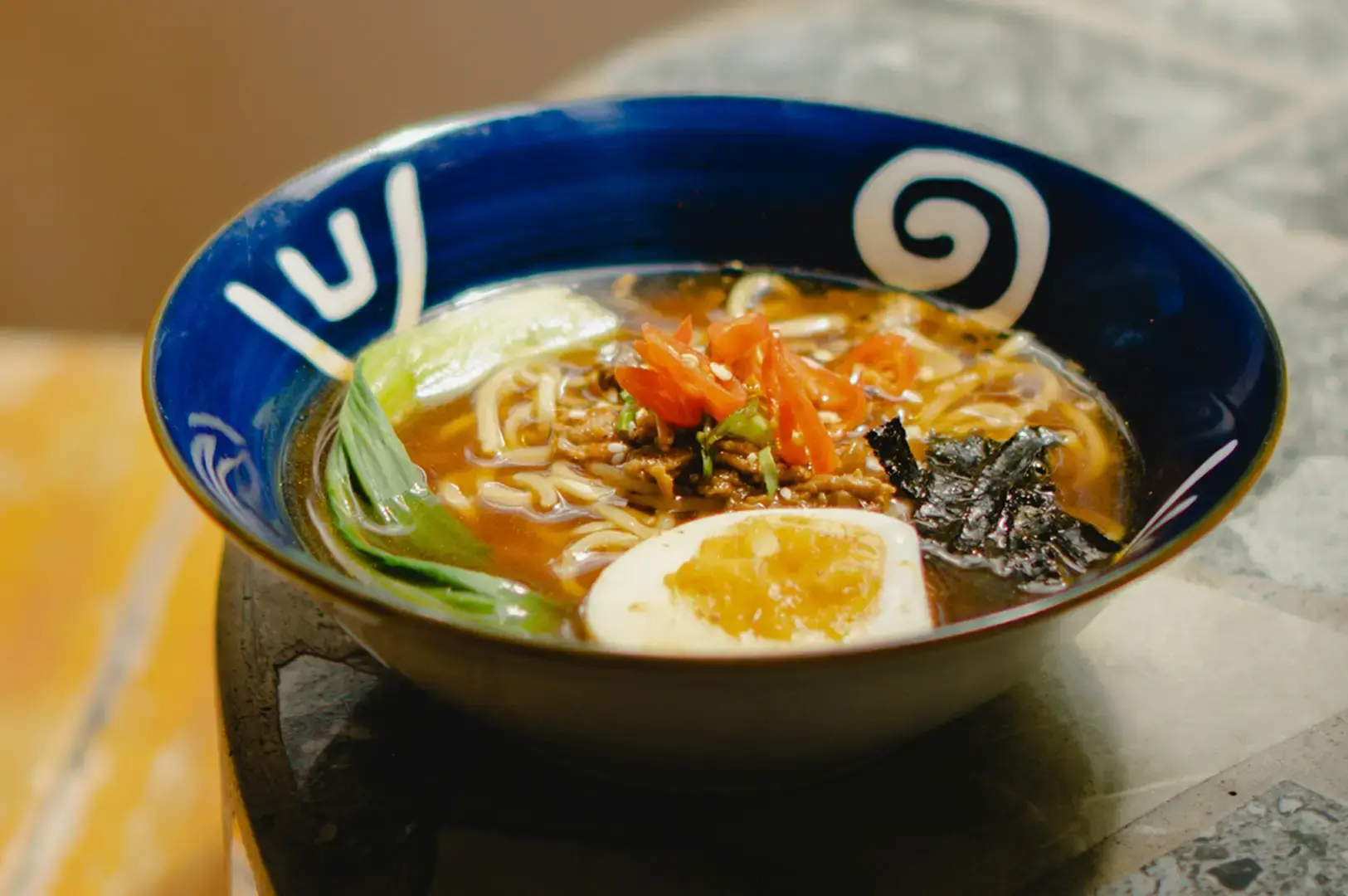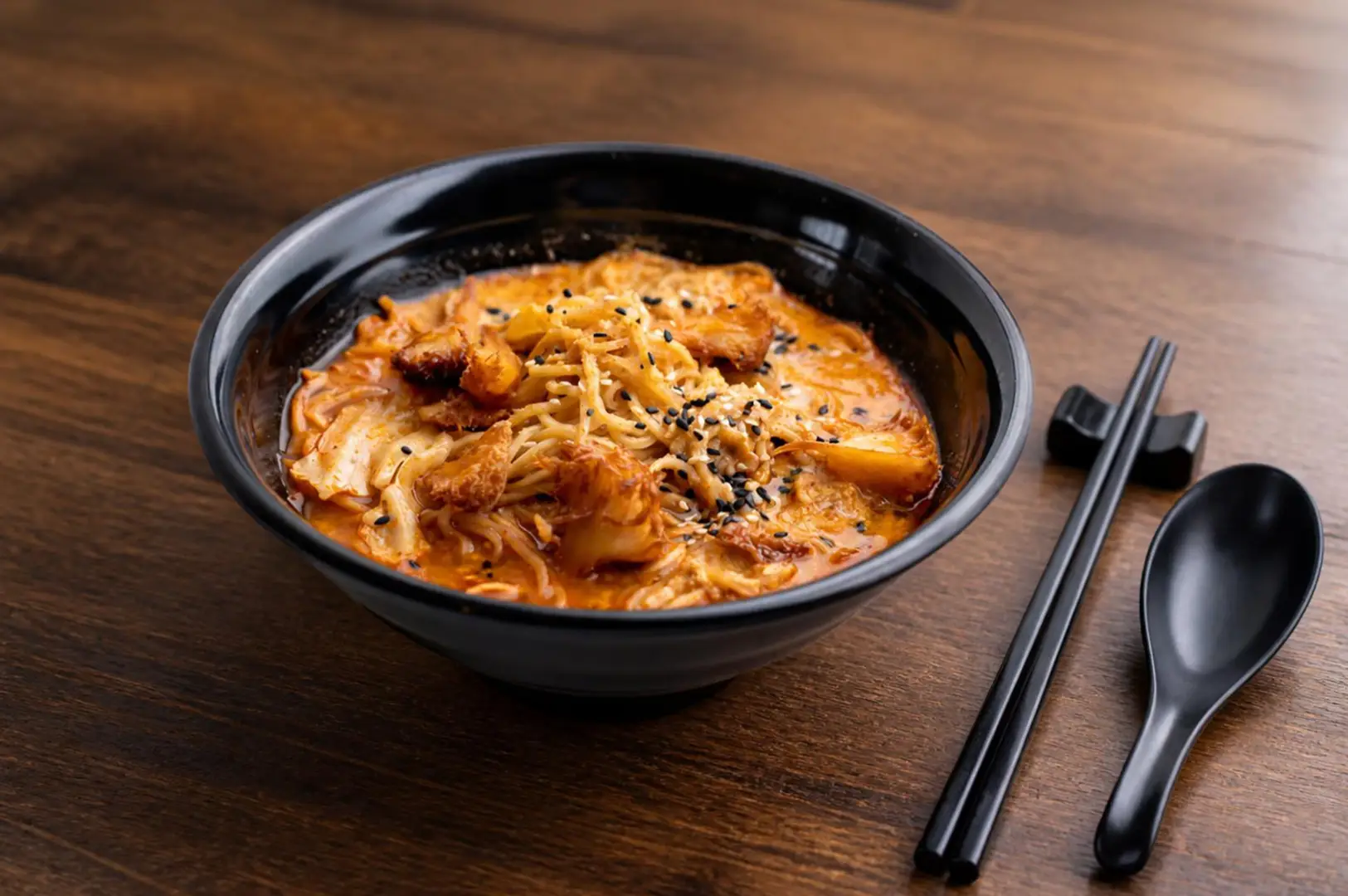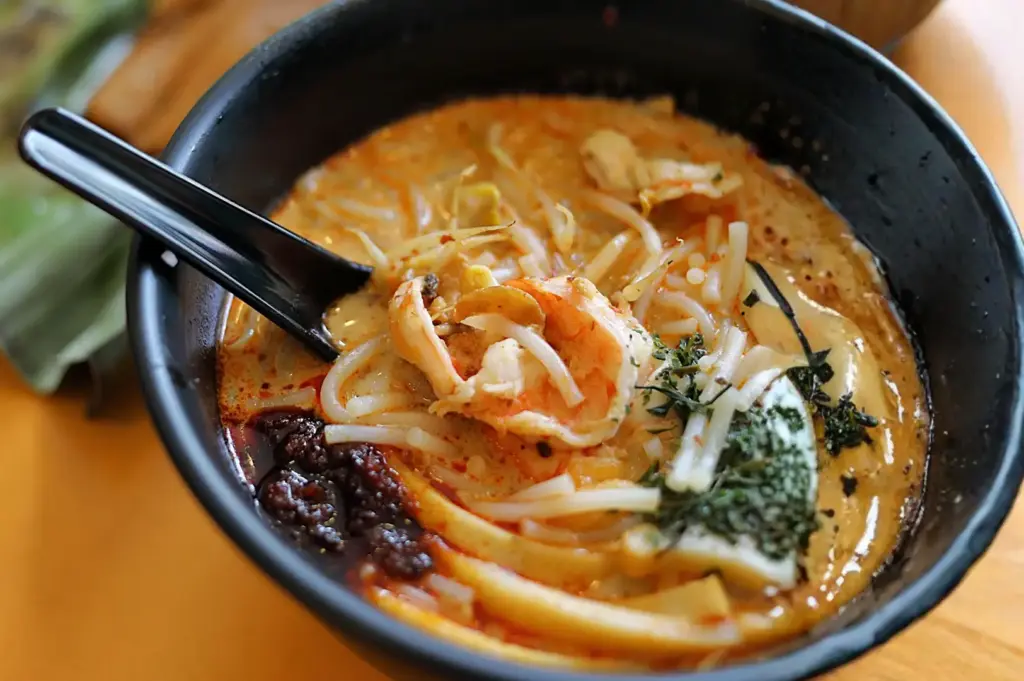
The first sip tells us more than the menu ever will.
Before the noodles loosen. Before the sambal settles. Before the toppings begin to soften into the broth. There is one clean moment when the bowl is still intact, when heat, aroma, fat, salt, and structure arrive together.
That is when Malaysian ramen reveals itself.
Not in the loudest topping. Not in the darkest broth. Not in the amount of chili oil floating on the surface.
In the first sip.
What We Taste Before We Decide
We have learned not to judge Malaysian ramen too quickly by appearance.
A bowl can look powerful and taste scattered. Coconut broth can shine under the light and still feel flat. Sambal can turn the surface red without adding real depth. A generous topping stack can distract from a weak base.
So we start with the spoon.
The first sip should tell us where the bowl is going. Does the broth have body? Does the salt land cleanly? Is the spice integrated, or does it sit separately on top? Does the aroma arrive before the heat?
A good Malaysian ramen bowl does not need to explain itself loudly. It needs to show control early.
Depth Is More Than Richness
Malaysian flavours are generous by nature. Coconut, dried shrimp, curry leaves, chili paste, garlic, shallots, seafood stock. Each can build depth. Each can also crowd the bowl.
This is why richness alone does not impress us.
A broth can be thick and still shallow. It can coat the tongue without leaving a clear finish. The first sip should have movement: a starting aroma, a middle note of broth, and a clean ending that makes the next sip feel necessary.
That sequence matters.
If everything arrives at once, the bowl becomes noise. If nothing lingers, the bowl lacks structure.
Balance Is the Real Test
The best Malaysian ramen understands restraint.
Sambal should sharpen the broth, not bury it. Coconut should soften heat, not smother the noodles. Dried seafood should add umami, not dominate the room. Aromatic oil should lift fragrance, not leave grease behind.
In the first sip, we can usually tell whether these decisions have been made carefully.
The broth either holds together or begins to separate. The flavour either has direction or starts pulling in too many directions at once.
This is also why Malaysian ramen does not need to chase Tokyo’s profile to prove itself.
Malaysian ramen works best when boldness is edited.
Aroma Comes Before Heat
We pay attention to what reaches us before the spoon does.
A serious bowl gives off aroma: toasted spice, chicken fat, prawn shell, garlic, scallion, chili oil, or coconut warmed just enough to carry fragrance.
Heat alone is not aroma.
A spicy bowl can still feel empty if the scent has no layers. The first sip should confirm what the steam promised.
The Bowl After the First Sip
Of course, ramen is not judged by one sip alone.
Noodles matter. Toppings matter. The broth changes as the bowl cools. But the first sip sets the terms. It tells us whether the kitchen has built a foundation or simply assembled intensity.
That is why we trust it.
In Malaysian ramen, the best bowl is rarely the one that attacks first.
It is the one that opens clearly, holds its balance, and gives us a reason to return to the spoon.