The mistake usually starts with good intentions.
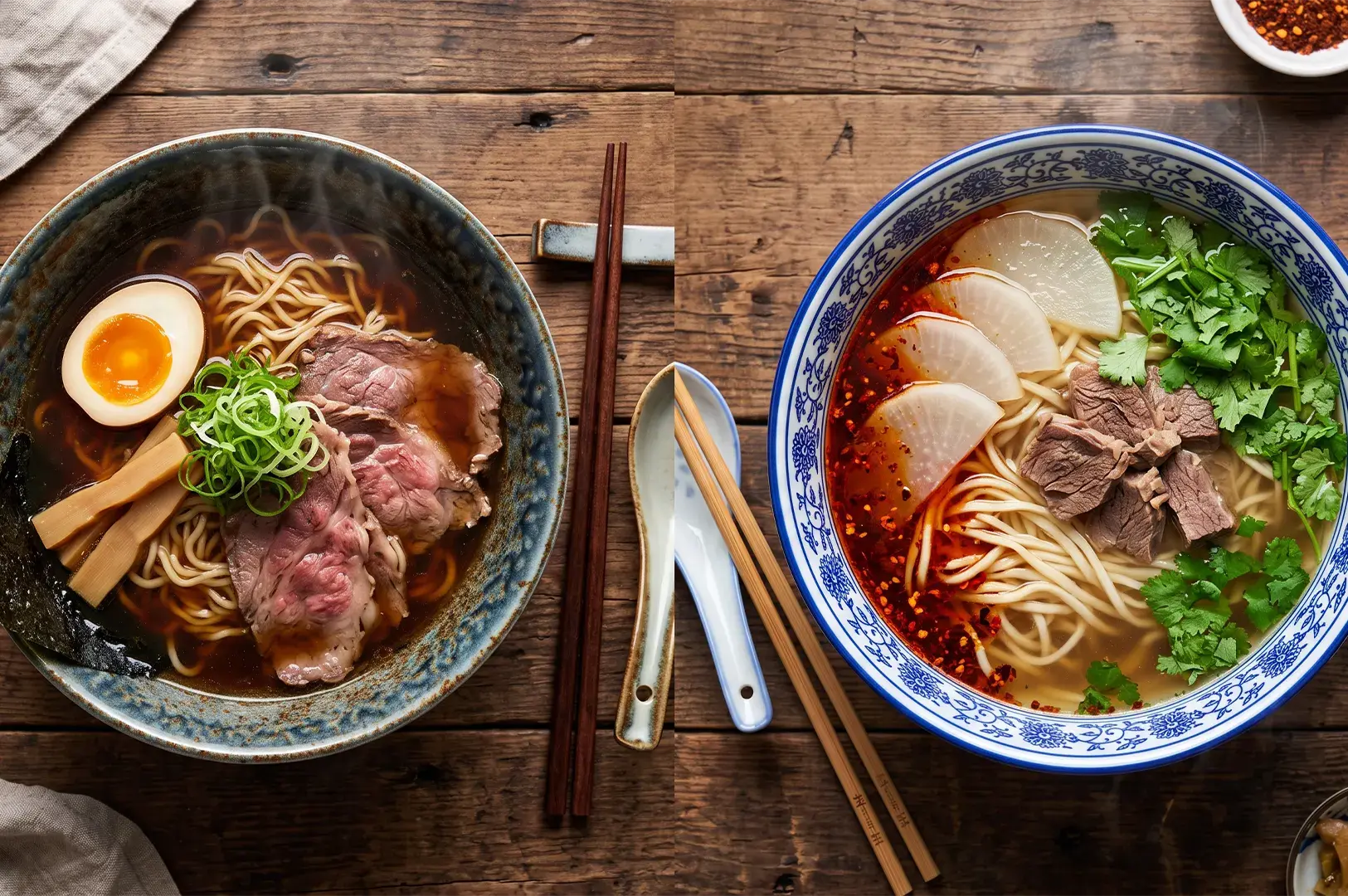
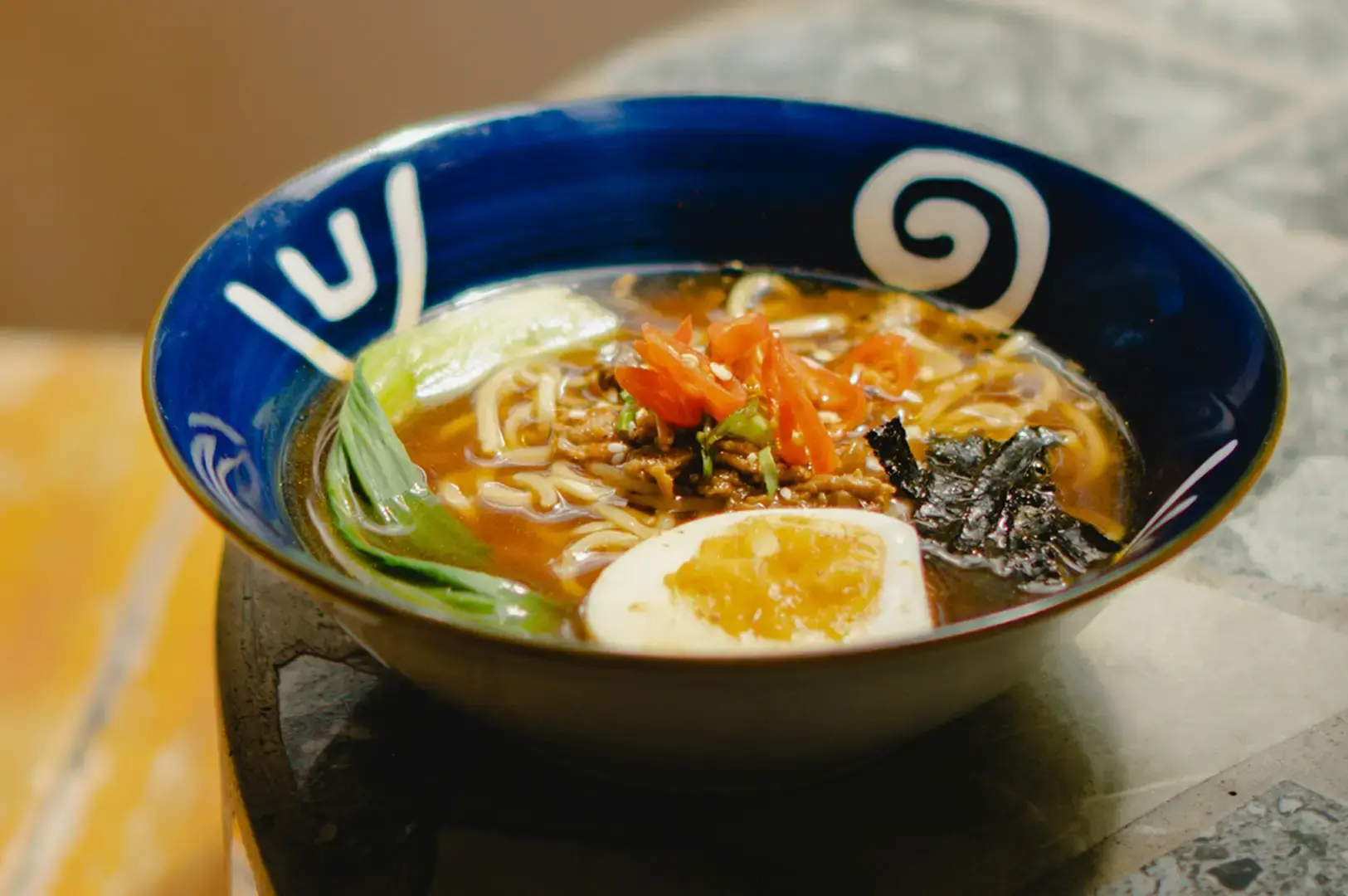
We sit down, lift the spoon, and taste a bowl trying very hard to behave like Tokyo ramen. Clear shoyu base. Careful oil. Thin noodles. Neat toppings. Everything looks correct.
But something feels off.
Not because the bowl is badly made. Often, it is technically decent. The broth is clean, the noodles are timed properly, and the seasoning lands where it should. The problem is that the bowl seems to be chasing a place it does not belong to.
Malaysian ramen becomes weaker when it tries too hard to taste like Tokyo.
It becomes more interesting when it builds its own logic.
Copying Structure Is Not the Same as Understanding It
Tokyo ramen has its own rhythm.
A good shoyu bowl relies on restraint. Chicken stock, soy tare, aromatic oil, and noodles are arranged so the broth stays clear and readable. The flavors do not shout. They unfold.
That structure works because it comes from a particular context: ingredients, climate, eating habits, and generations of refinement.
When Malaysian ramen copies only the surface of that style, it often misses the deeper point. A soy-based broth can be balanced, but if it ignores the local palate, the bowl feels distant. Technically correct, but not alive.
Ramen is not strong because it refuses change.
It is strong because it can absorb place.
Malaysian Flavor Has Its Own Weight
Malaysian ingredients do not behave quietly.
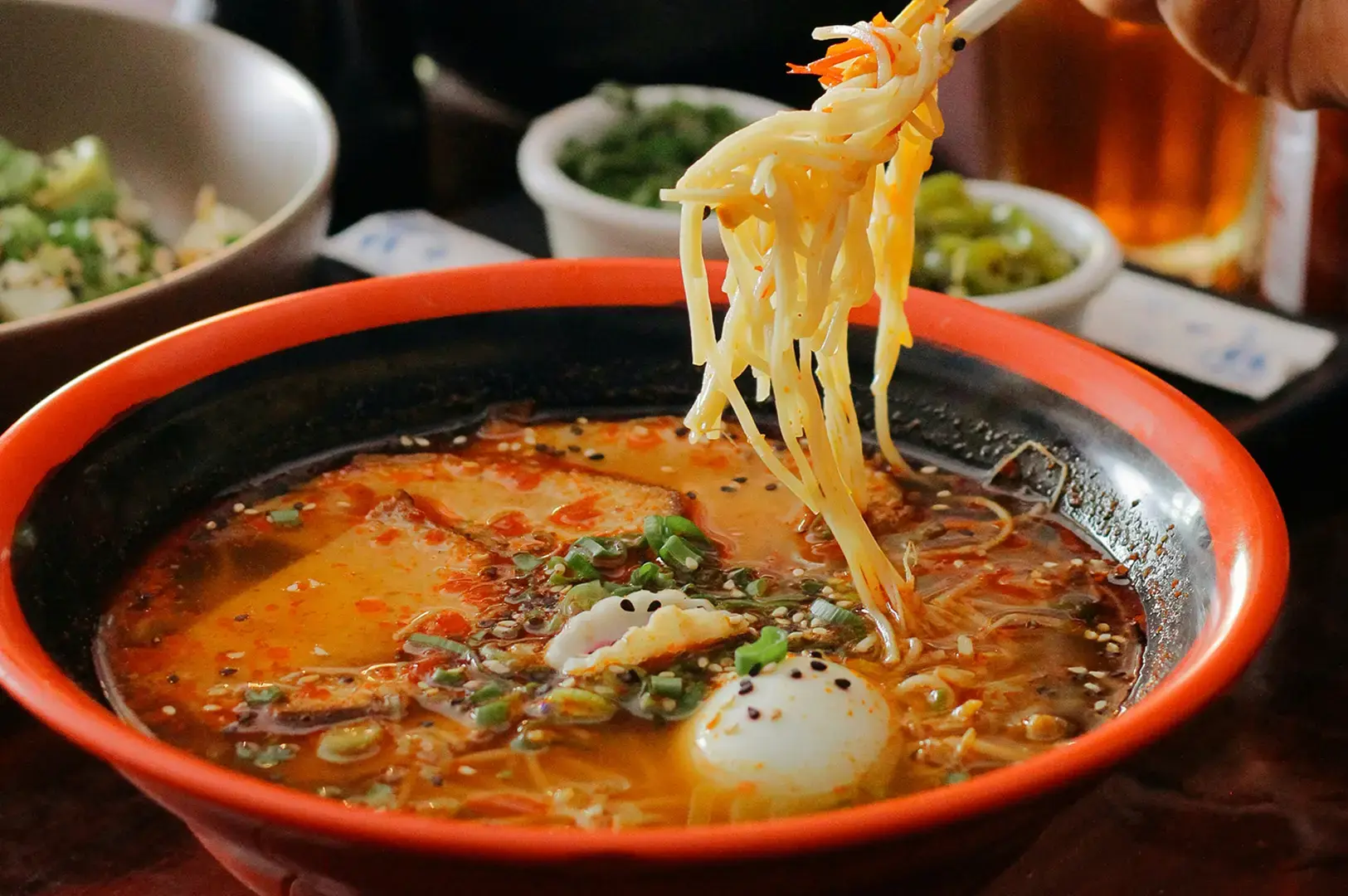
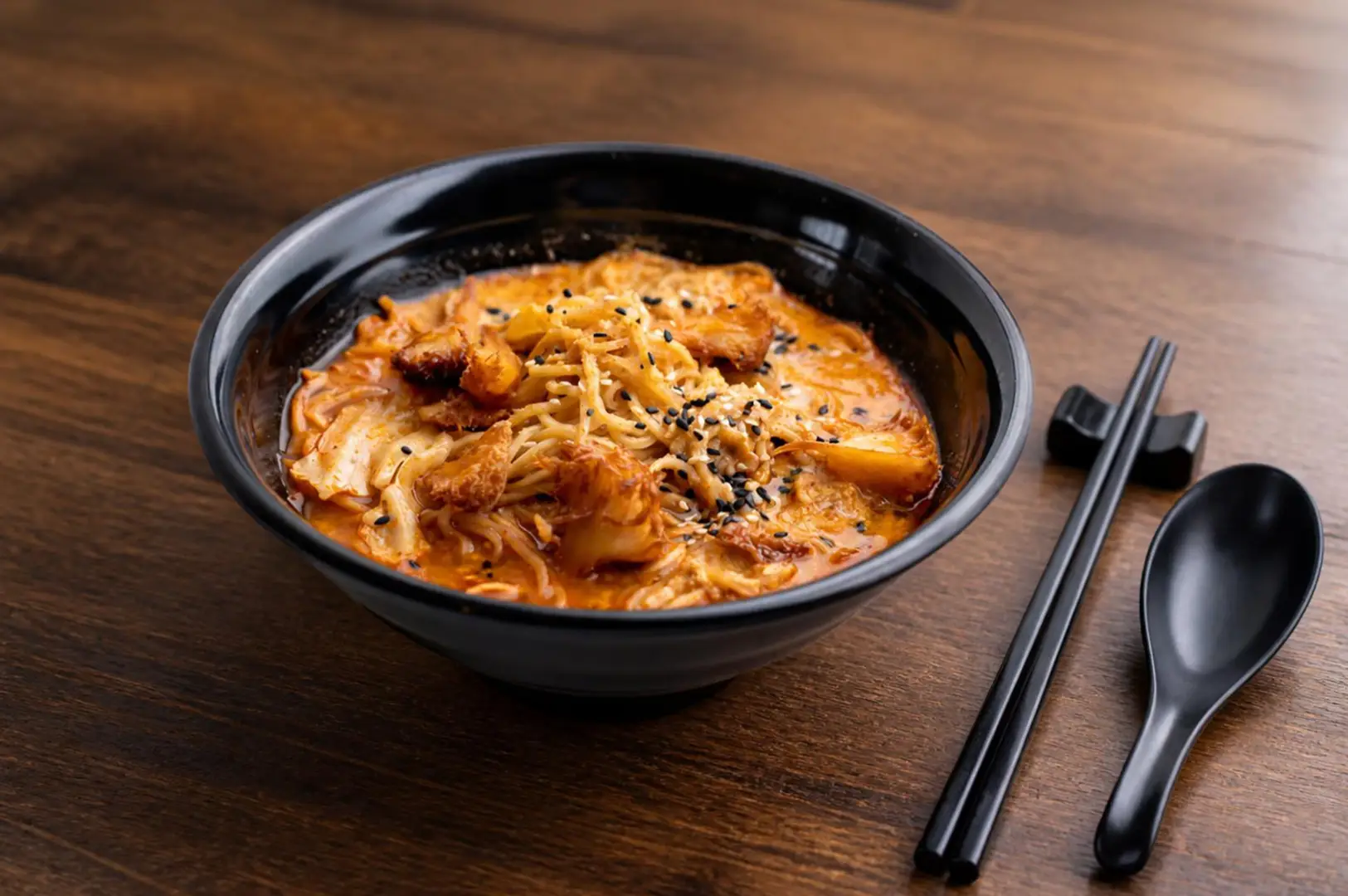
Sambal brings chili, garlic, sweetness, salt, and fermented depth. Coconut milk adds body almost immediately. Dried shrimp gives aroma and salinity. Curry paste changes the entire shape of a broth before the noodles even enter.
These ingredients need control, but they should not be treated like problems to hide.
The better Malaysian ramen bowls we have tasted do not apologize for local flavor. They organize it. Sambal may act like tare. Coconut may deepen the broth. Curry leaf or dried seafood may shape the aroma.
The goal is not to make the bowl taste Japanese enough.
The goal is to make it coherent.
The Noodles Must Follow the Place
This is where many bowls reveal themselves.
A thin noodle that works beautifully in a Tokyo-style shoyu broth may struggle in a heavier Malaysian bowl. Coconut, curry, and sambal cling differently. They coat the strands, slow the slurp, and demand more texture.
A Malaysian ramen bowl often needs noodles with more spring, more bite, and more resistance. Not thick for the sake of being thick, but strong enough to carry the broth without collapsing into it.
When the noodle matches the broth, the bowl starts to move properly.
That movement matters.
Local Does Not Mean Less Serious
There is a lazy way to talk about fusion, as if anything local is automatically a gimmick.
We do not buy that.
A Malaysian ramen bowl can be just as disciplined as a Tokyo-inspired one, but the discipline must serve a different set of flavors. The broth still needs structure. The oil still needs purpose. The noodles still need timing. The toppings still need restraint.
What changes is the logic.
And that is where Malaysian ramen has room to grow.
Not by imitating Tokyo more accurately, but by understanding ramen deeply enough to stop imitating.
The best bowls do not ask whether they taste Japanese.
They ask whether every part belongs.
That is when Malaysian ramen begins to stand on its own.