Some ramen shops arrive quietly. Mensho Tokyo does not.
By the time we sit down at Mensho Tokyo Singapore, the name already carries weight. This is not a small ramen shop trying to find its first audience. It belongs to a brand with international momentum, a ramen identity shaped in Tokyo and carried into cities far beyond Japan.
That makes the Singapore outlet interesting before the first bowl even arrives.
Because the question is not simply whether the ramen is good. The better question is what kind of ramen Mensho wants Singapore to understand.
A Different Kind of Ramen Room
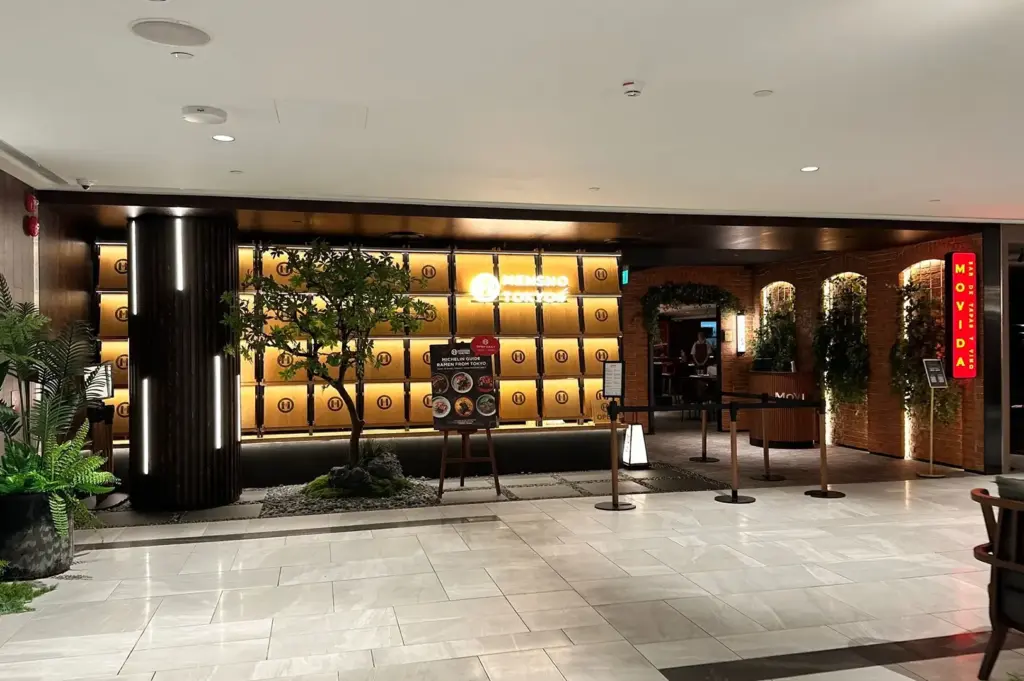
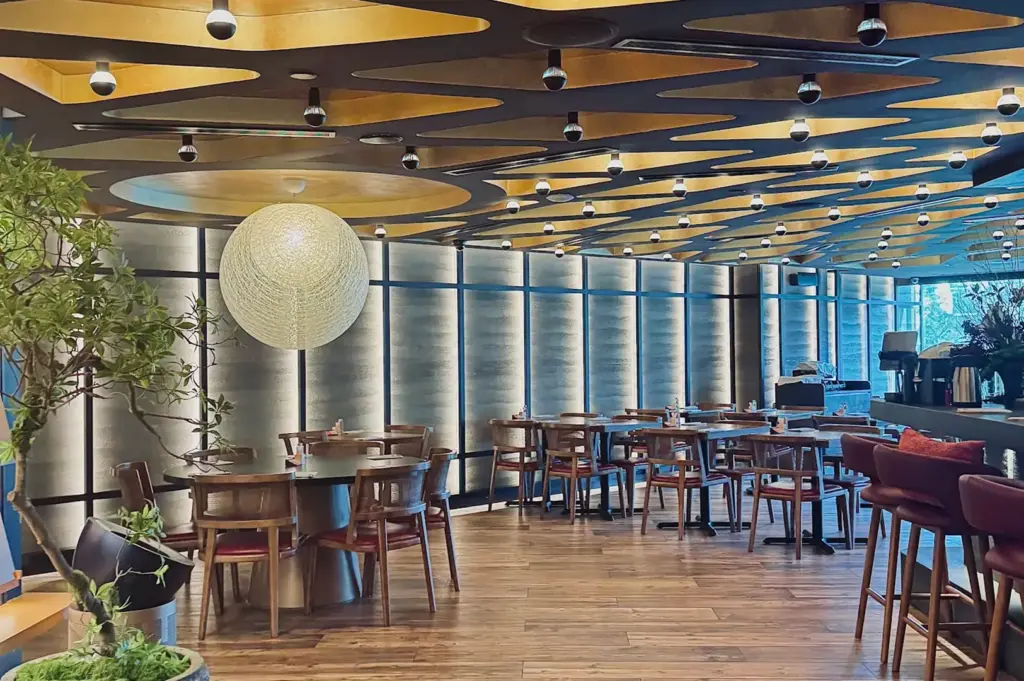
Mensho does not feel like the old image of a ramen shop: narrow counter, quiet cook, steam fogging a modest room. It feels more polished, more deliberate, and more aware of itself as a global ramen brand.
There is ambition in that.
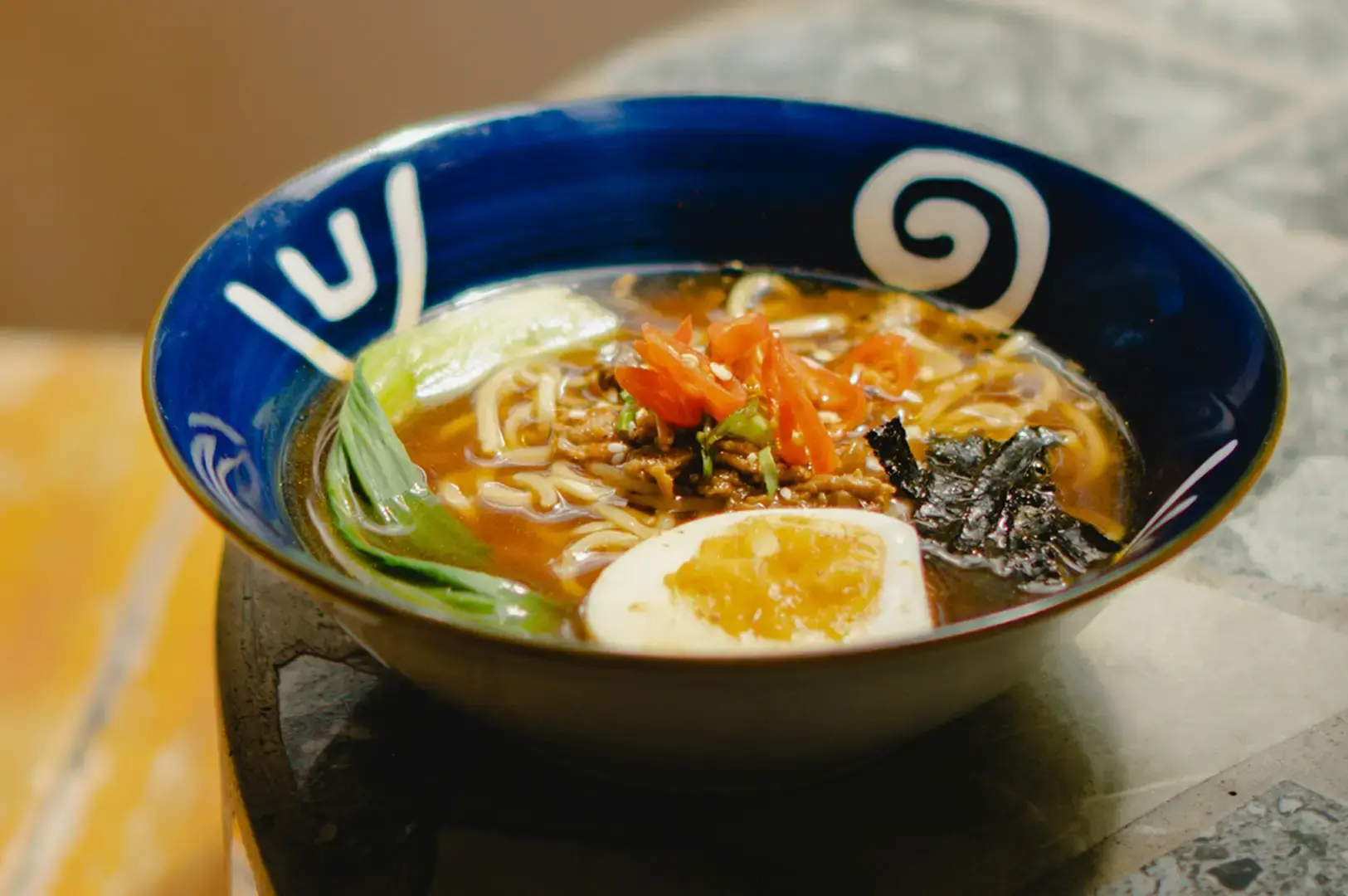
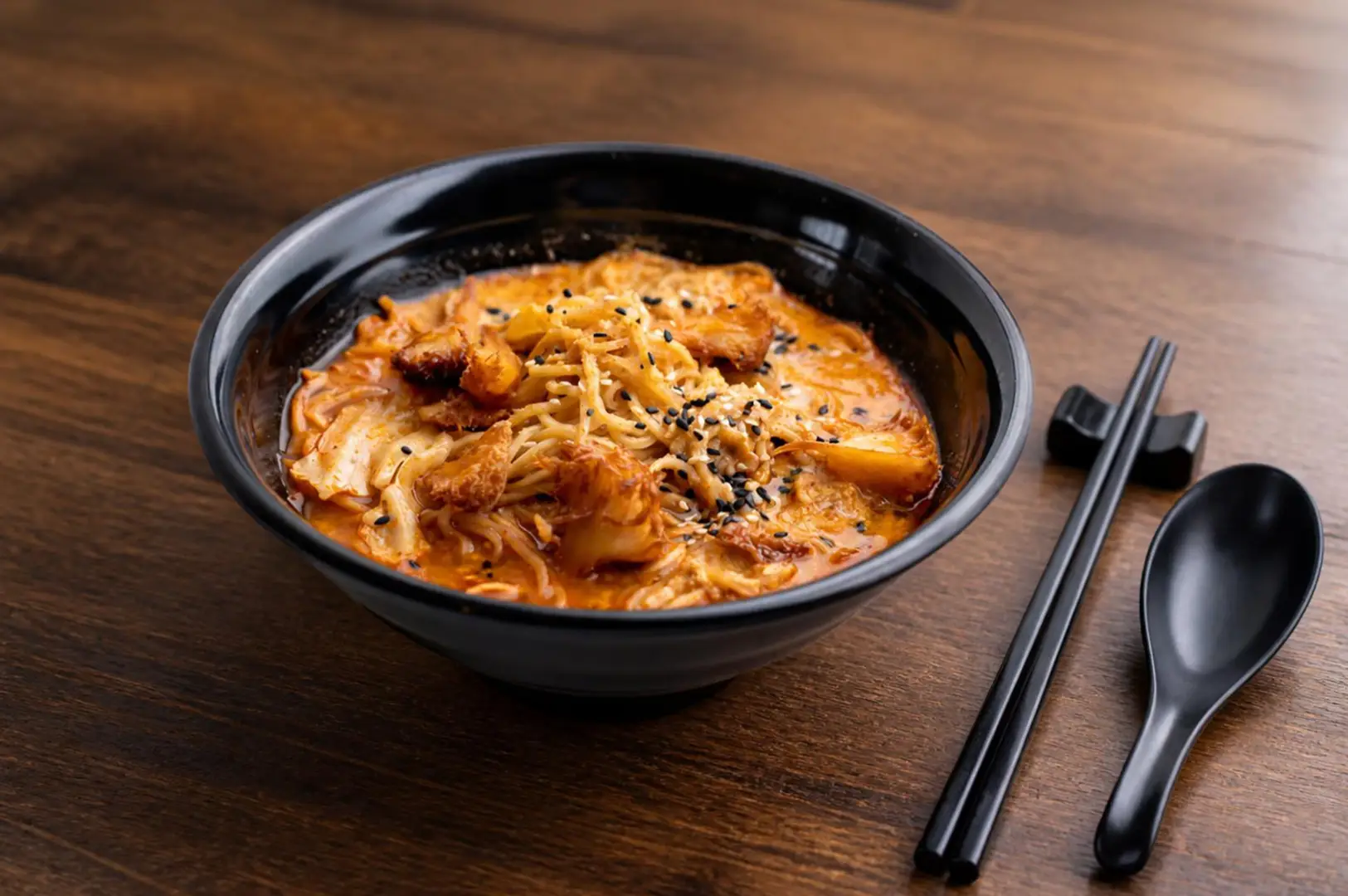
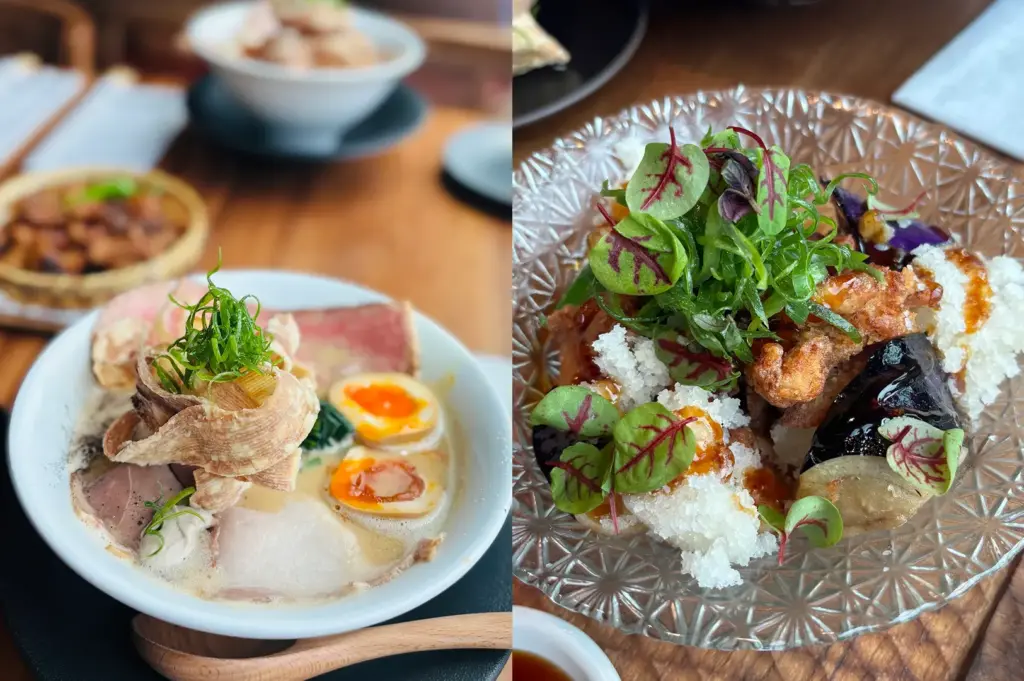
We can feel it in the way the bowls are presented, in the modern handling of ingredients, and in the sense that the menu is not trying to recreate nostalgia. Mensho’s ramen speaks a more contemporary language. It wants depth, but it also wants elegance. It wants comfort, but not without a certain edge.
For Singapore, where diners are used to both hawker practicality and polished restaurant concepts, this positioning makes sense. Mensho sits somewhere between craft and statement.
The Bowl as a Modern Argument
What Mensho brings to the table is not just broth and noodles. It brings a point of view.
Modern ramen often risks becoming too polished for its own good. When a bowl is too designed, it can lose the rough warmth that makes ramen emotionally satisfying. But when the balance works, modern ramen can show us something exciting: that tradition does not need to stand still to remain serious.
At Mensho, we look for that balance.
The broth should still carry structure. The noodles should still have purpose. The toppings should not feel decorative for the sake of photography. A modern bowl only succeeds when the ideas serve the eating experience.
That is where Mensho becomes compelling. It asks Singapore diners to see ramen not only as comfort food, but as craft with global ambition.
Why It Matters in Singapore
Singapore is a natural city for this kind of ramen.
We are used to food crossing borders. We understand Japanese dining not as something foreign anymore, but as part of our regular eating rhythm. Ramen here has moved from special-occasion craving to weekday lunch, after-work dinner, and weekend habit.
Mensho enters that scene with a different kind of confidence. It is not simply asking to be another reliable ramen stop. It is asking to be read as part of a larger ramen movement, one where Japanese technique travels, adapts, and becomes fluent in new dining cities.
That makes the Singapore outlet feel less like a copy of Tokyo and more like a chapter in a wider story.
The Clean Finish
What stays with us about Mensho Tokyo Singapore is not only the bowl itself, but the intention behind it.
This is ramen with polish, ambition, and a global frame. That may not satisfy diners who only want the intimacy of a tiny ramen counter. But for those still deciding what kind of bowl fits them best, our article Finding Your Perfect Ramen Shop offers a useful companion read. For those curious about where ramen is moving, Mensho offers something worth paying attention to.
It reminds us that ramen can still evolve without losing its center.
And in Singapore, a city built on appetite, movement, and adaptation, that feels exactly like the kind of ramen story worth telling.