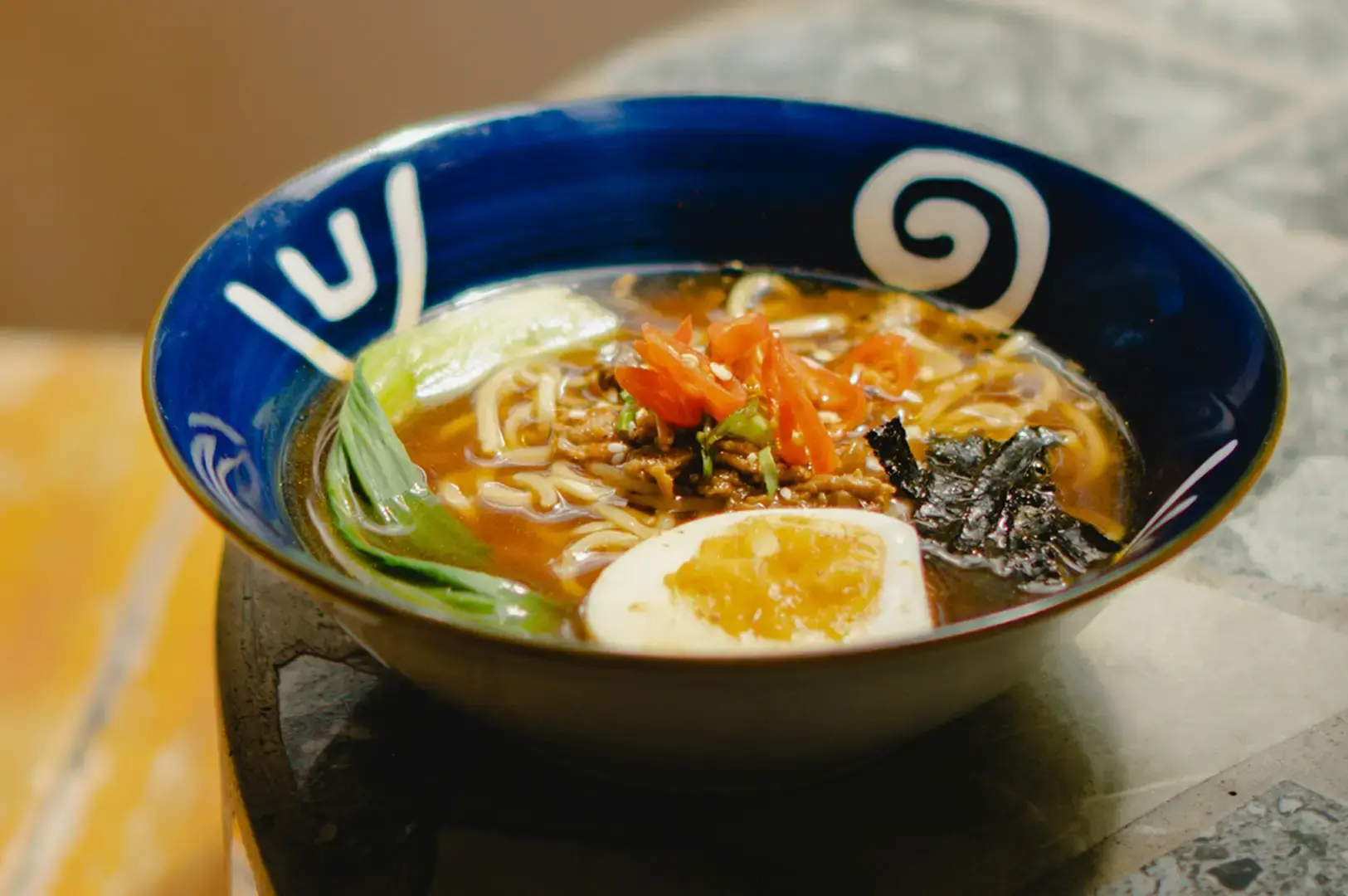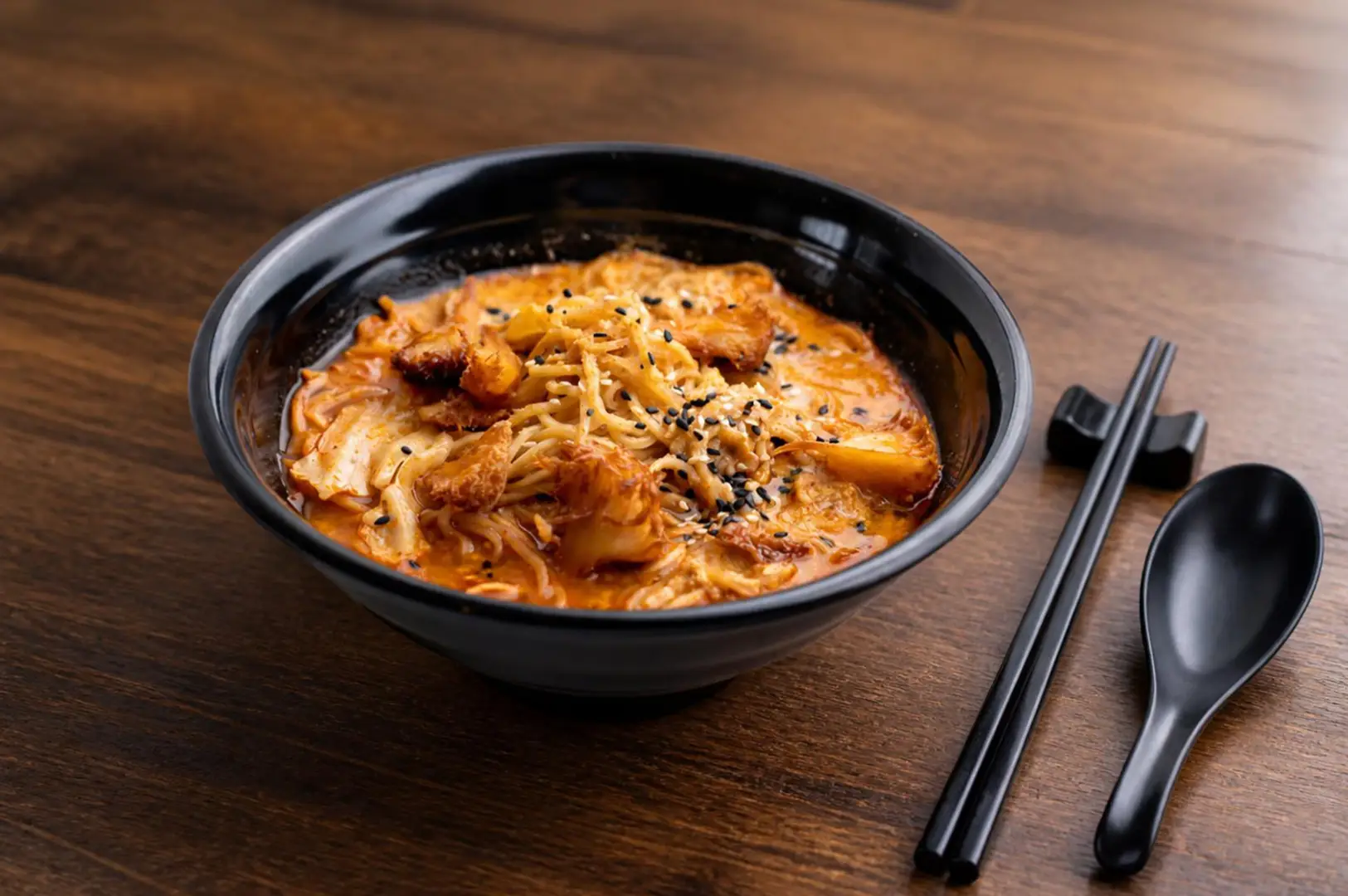
I went looking for broth, the usual broth found in ramen shops in Japan.
That was the mistake, if you can call it that. It was a Wednesday, just after the lunch rush had thinned, and I’d been craving something hot and porky, the kind of bowl that fogs your glasses on the first spoonful. I walked into Kajiken at Orchid Hotel expecting exactly that. What I got instead was a lesson in letting go and discovering the art of soupless ramen.
Arrival at Kajiken Ramen
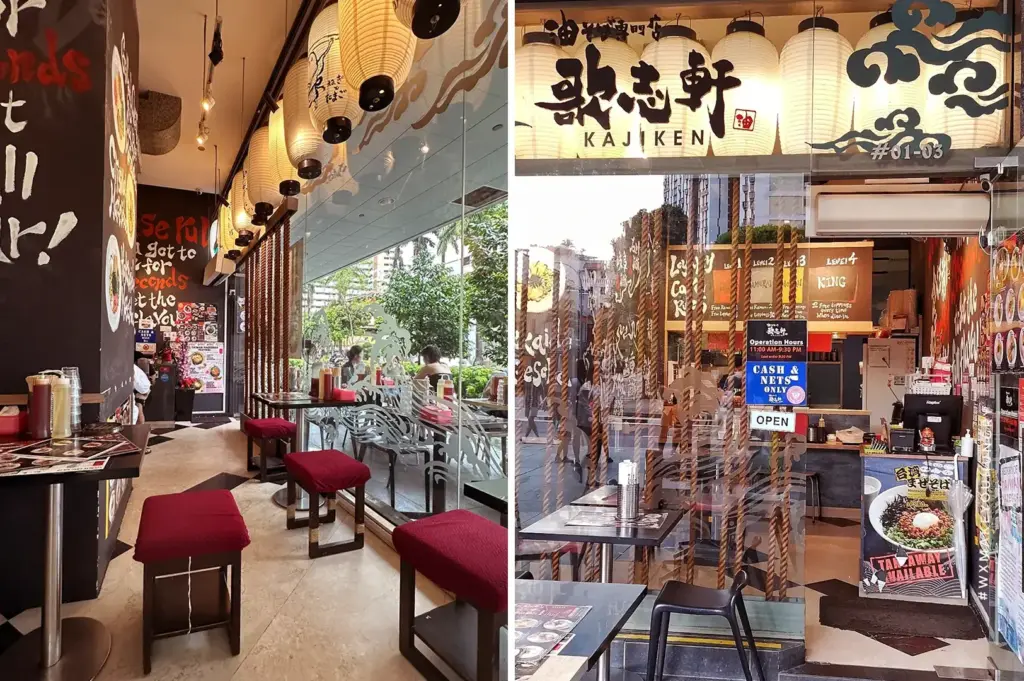
Kajiken sits tucked into the ground floor of Orchid Hotel along Tras Link, about three minutes on foot from Tanjong Pagar MRT, right in the heart of Singapore’s vibrant food scene. It’s part of that quiet little cluster of Japanese shops in the area, the kind you walk past a hundred times before you finally step in.
Address: Orchid Hotel, 1 Tras Link, #01-03, Singapore 078867
Nearest MRT: Tanjong Pagar (EW Line)
Opening Hours: 11am to 10pm daily
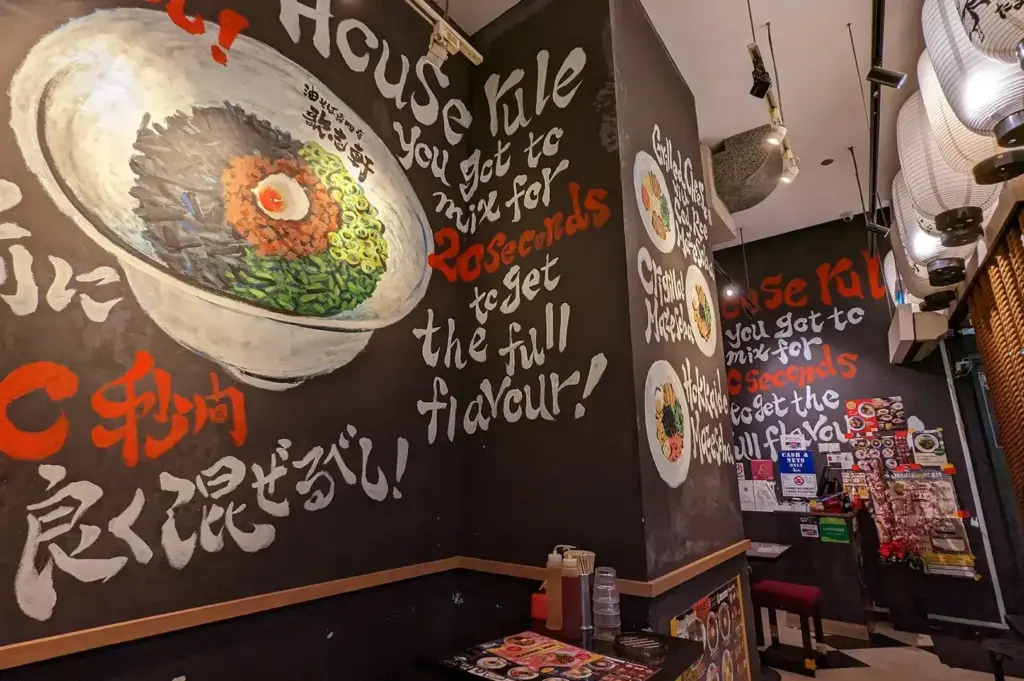
The room is small. Counter seats line one side for solo diners, a few compact tables fill the rest, and there’s some overflow seating outside. By two in the afternoon, the office crowd had cleared out, and only the low clack of a fan and the occasional scrape of chopsticks remained. There’s nothing performed about the space. No mood lighting, no carefully styled corner for photos. Just laminated guides on the wall explaining how to enjoy the bowl you came for and how to customize it with toppings to create your perfect meal.
I sat at the counter and ordered before I fully understood what I was ordering.
The Dry Ramen Bowl
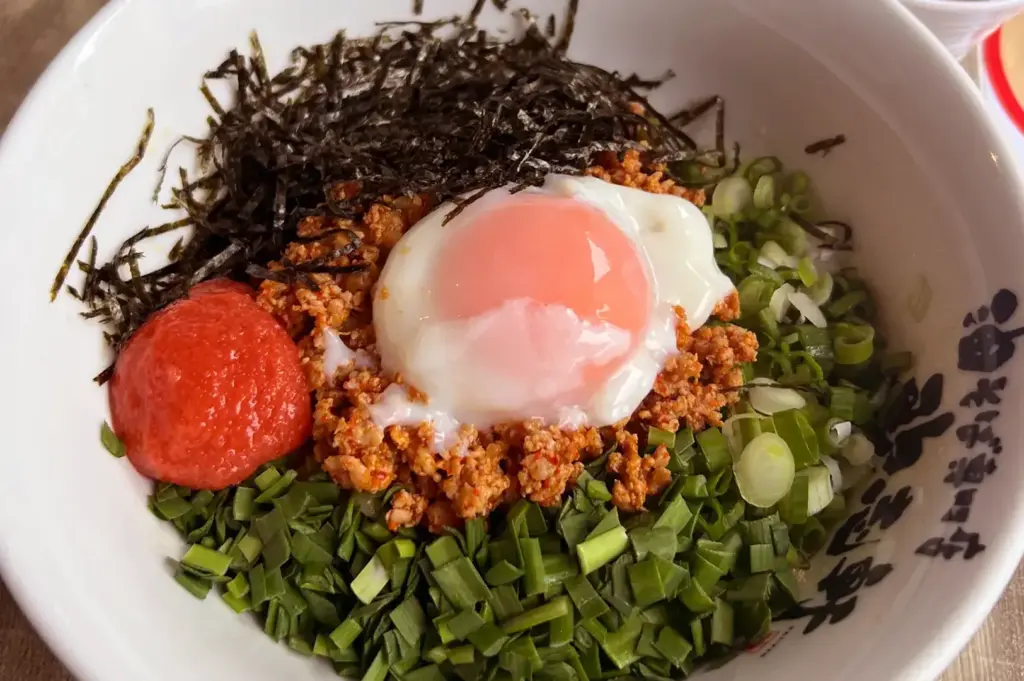
The Taiwan Mazesoba Nagoya Style (around S$13) arrived looking, frankly, incomplete.
No soup. No steam curling upward. Just a mound of thick noodles crowned with minced pork, a soft onsen egg, nori seaweed, spring onion, bamboo shoots, and a scattering of dried fish flakes that trembled in the heat. I sat there for a second, a little thrown. This was the moment nearly everyone describes — the quiet skepticism of staring at a brothless bowl and wondering if you’ve made a wrong turn.
The staff member must have seen it on my face. She nodded toward the wall guide and told me to mix everything thoroughly, around twenty seconds, then add black vinegar and chili oil to taste. So I did. I broke the egg yolk first, watched it slide and fold into the dark soy sauce pooled at the bottom, and started turning the noodles over and over until every strand wore a coat of the restaurant’s special blend sauce.
That’s when the bowl changed.
The noodles are the whole story here. Thick, springy, properly QQ in that bouncy way that makes you slow down and actually chew. They held the sauce instead of drowning in it. The base was umami-heavy and soy-forward, savory with a low sweetness underneath, and the minced pork added a gentle, mild heat that built rather than announced itself. A splash of vinegar cut clean through the richness. The chili oil lifted it. I didn’t realize how quiet I’d gotten until I was halfway down the bowl.
It’s the kind of bowl you don’t rush, but also can’t. The mixing demands a moment of attention, and that small ritual does something. You’re not handed a finished dish. You create it yourself, making the experience both fun and a little like art.
When the noodles ran low, I asked for the oimeshi — a small portion of free rice you tip into the leftover sauce at the bottom. I’d recommend it without hesitation. The rice soaked up everything the noodles couldn’t, and it felt like the bowl’s natural ending rather than an add-on.
The Second Bowl
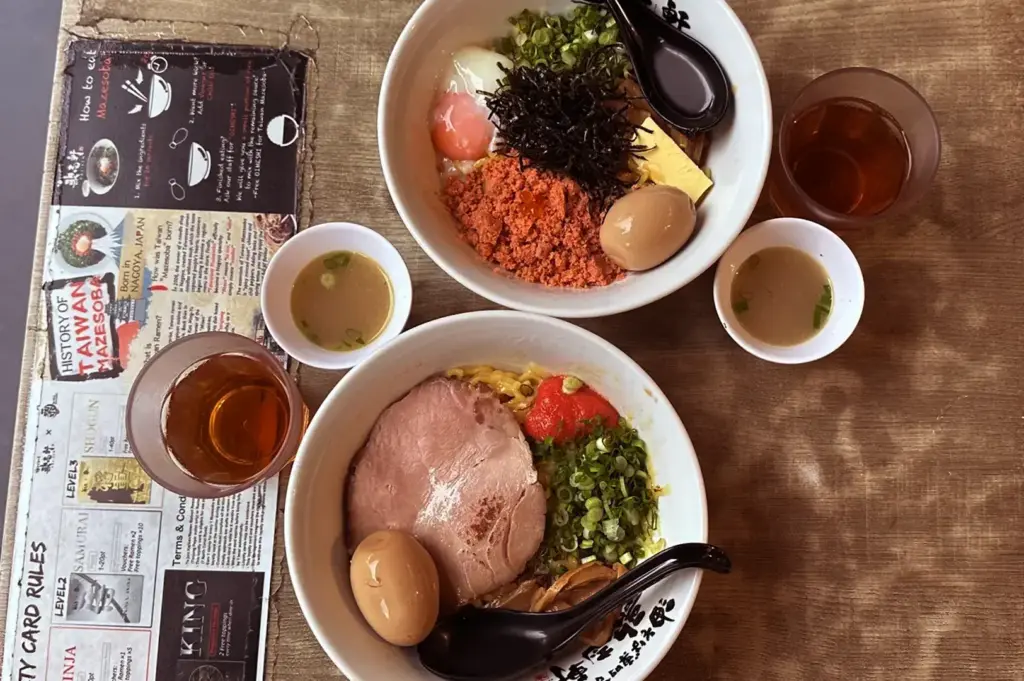
I came back a week later, mostly to test whether the magic held, and ordered the Original Mazesoba (around S$13). This one is quieter. No minced pork, no spice, just thick chewy noodles over that same soy-based sauce, with lean char siew laid on top along with bamboo shoots and seaweed toppings.
I liked it, though the char siew gave me pause. On this visit it leaned slightly chewy, a touch less tender than I’d hoped. It’s the kind of thing I’ve read goes either way depending on the day, and now I believe it. The sauce, though, stayed reliable. Looks dry at a glance, but mix it properly and there’s far more there than you’d expect.
Service & Flow
Every bowl comes with a small side of soup. I’ll be honest — it didn’t do much for me. It read as under-seasoned, more habit than highlight, the kind of thing you sip once and forget. Given that the entire point of this place is the absence of broth, I understood why it felt like an afterthought.
The service itself was warm in a practical way. No fuss, no scripted cheer, just helpful guidance for someone clearly figuring it out, and a quiet refill of roasted tea when my cup ran dry. Food came fast. Turnover is brisk. This is a place built for eating, not lingering.
Kajiken’s menu is focused entirely on this unique style of Japanese dry ramen, or mazesoba, making it Singapore’s first restaurant dedicated to this specialty. It’s quickly become a favorite among locals who enjoy the casual atmosphere and the chance to customize their bowl with various toppings.
A Few Honest Things About Kajiken Ramen
The saltiness does catch up with you. By the final third of the Taiwan Mazesoba, especially if you’ve been generous with the sauce, it tips heavy. I found myself slowing down, reaching for the tea more than the chopsticks. The seating is tight too, fine for one or two, awkward for a group. And the soup, as mentioned, is forgettable.
None of it ruined the meal. But it’s worth knowing before you go in expecting perfection.
What Stayed With Me
I think I’d come back here on a solo afternoon, the way I did the first time, counter seat, no conversation needed, just a bowl that asks for my hands and my attention. It’s not a place for a long, relaxed dinner, and it’s not for anyone hunting the comfort of a rich, simmered broth. If you came up loving bak chor mee or chili pan mee, though, something here will feel quietly familiar.
I walked in looking for soup and left thinking about noodles. Some bowls fill your stomach. This one rearranged what I thought I wanted. Check out our guide here to find your perfect ramen shop in Singapore, whether you’re a broth lover or curious about dry ramen, this guide has you covered.
If You're Thinking of Visiting
Best time to go: Before noon or mid-afternoon, after the Tanjong Pagar office crowd clears
Average spend: S$13–20 per person
What to order first: Taiwan Mazesoba Nagoya Style, mixed thoroughly, finished with oimeshi rice
Good for: Solo diners, dry-noodle lovers, anyone curious about brothless ramen and looking to customize their meal
Skip if: You want a soup-forward bowl, a relaxed group dinner, or you’re sensitive to saltier flavors
Have you tried mazesoba before broth ramen, or did it find you the way it found me: by accident, on an afternoon you weren’t expecting much?
URL Slug: kajiken-tanjong-pagar-mazesoba-review