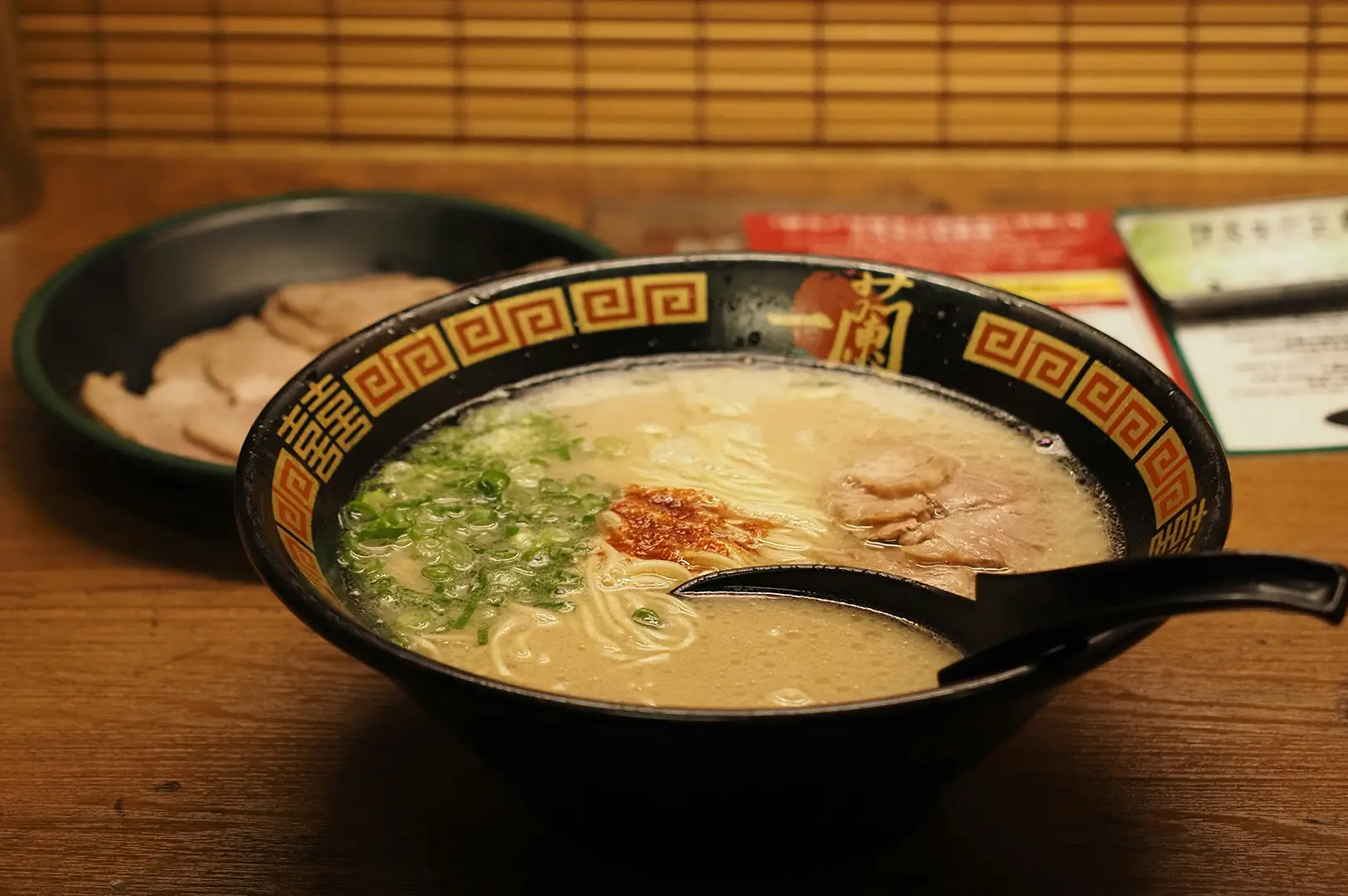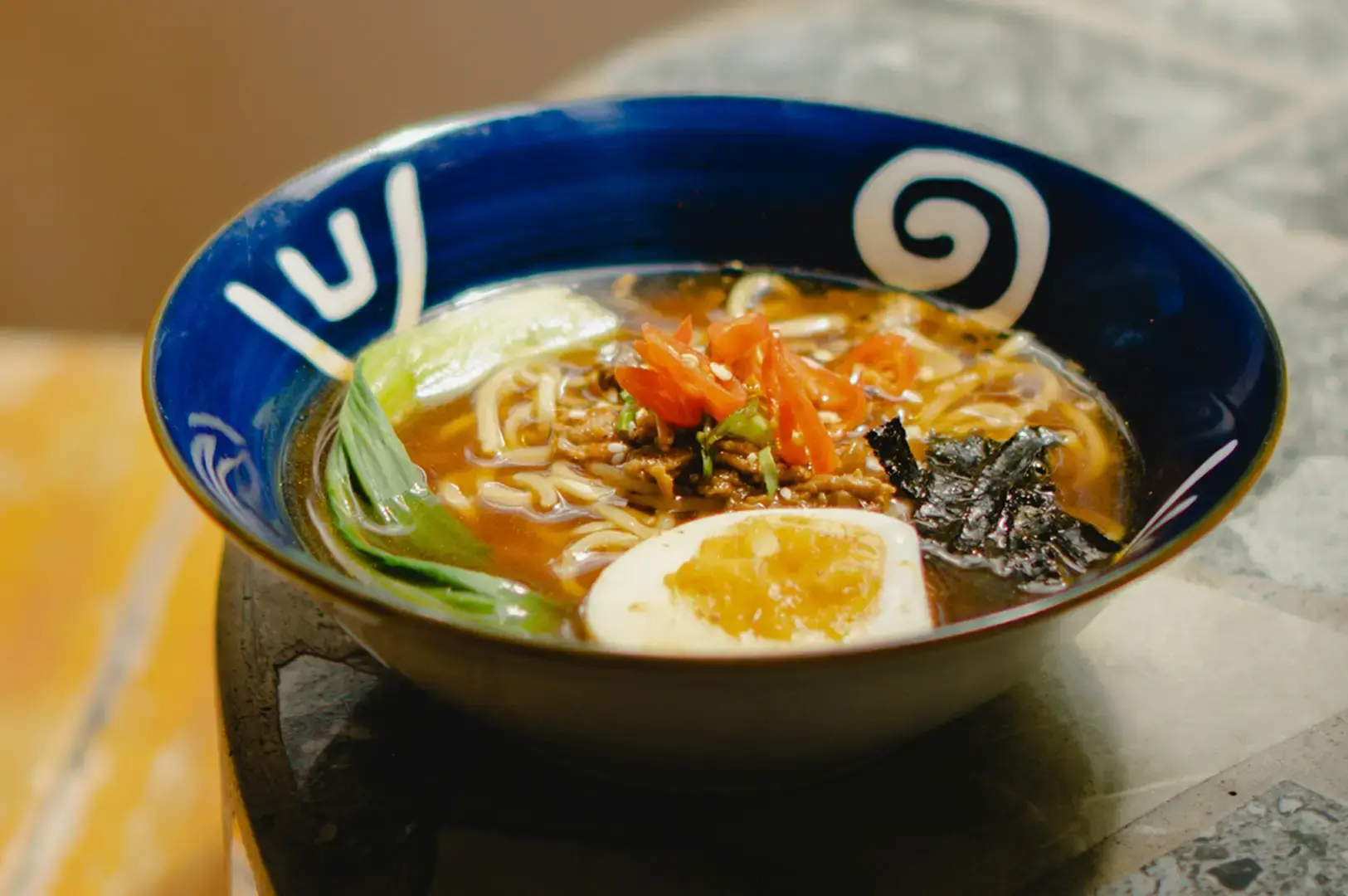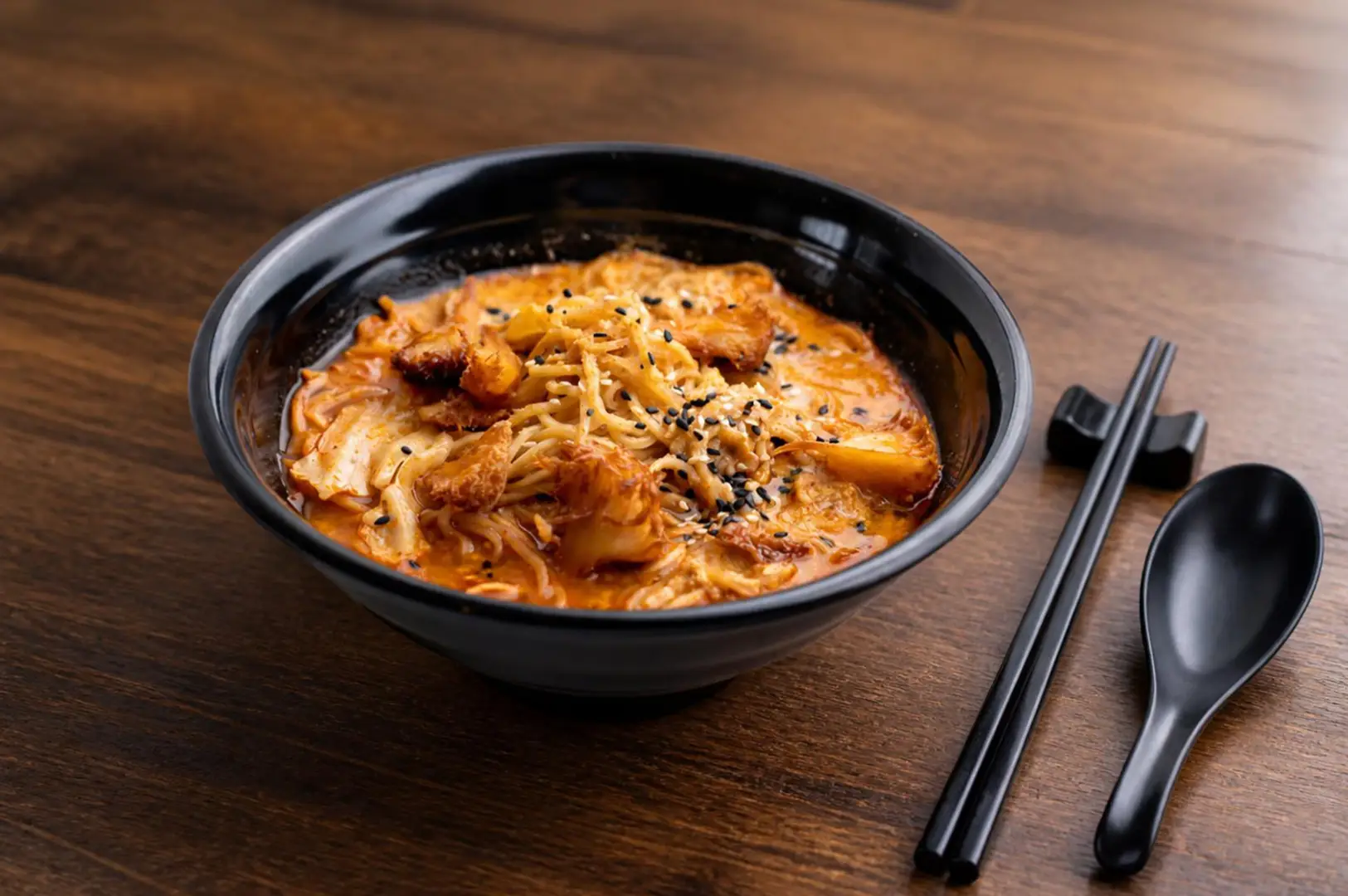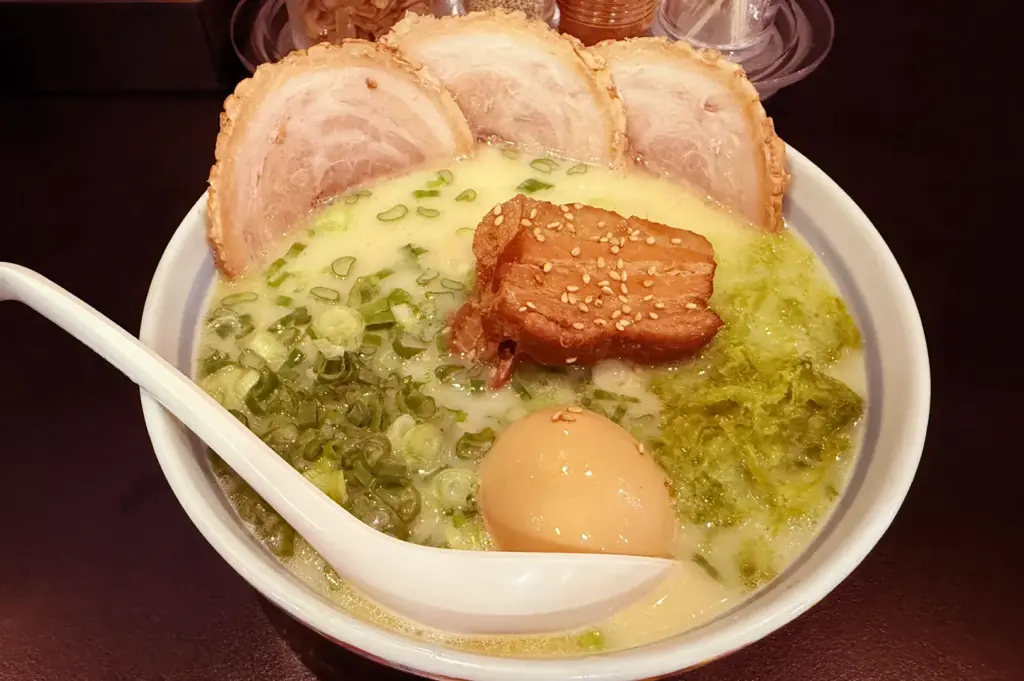
Tonkotsu has trained many ramen diners to expect weight.
We understand the appeal. A cloudy pork bone broth arrives with body, fat, salt, and a kind of immediate richness that feels convincing from the first spoonful. For many people, that has become the default image of serious ramen.
Marutama Ramen asks a quieter question.
What if depth does not have to come from pork?
That is why this bowl is worth reviewing. Marutama’s identity rests on chicken broth, and that choice changes the way we read the entire experience.
The First Impression
The bowl does not arrive with the same visual force as a heavy tonkotsu.
That is not a weakness.
A chicken-based broth works differently. It should feel round but not excessive, savoury but not blunt, comforting without coating the palate too heavily. The first sip matters because it tells us whether the kitchen has built depth through control rather than density.
At Marutama, the appeal is in that restraint. The broth leans into warmth and clarity of purpose. It gives enough body to satisfy, but it does not try to compete with the heavier pork broths that dominate many ramen conversations.
This is ramen that rewards a slower kind of attention.
A Different Kind of Richness
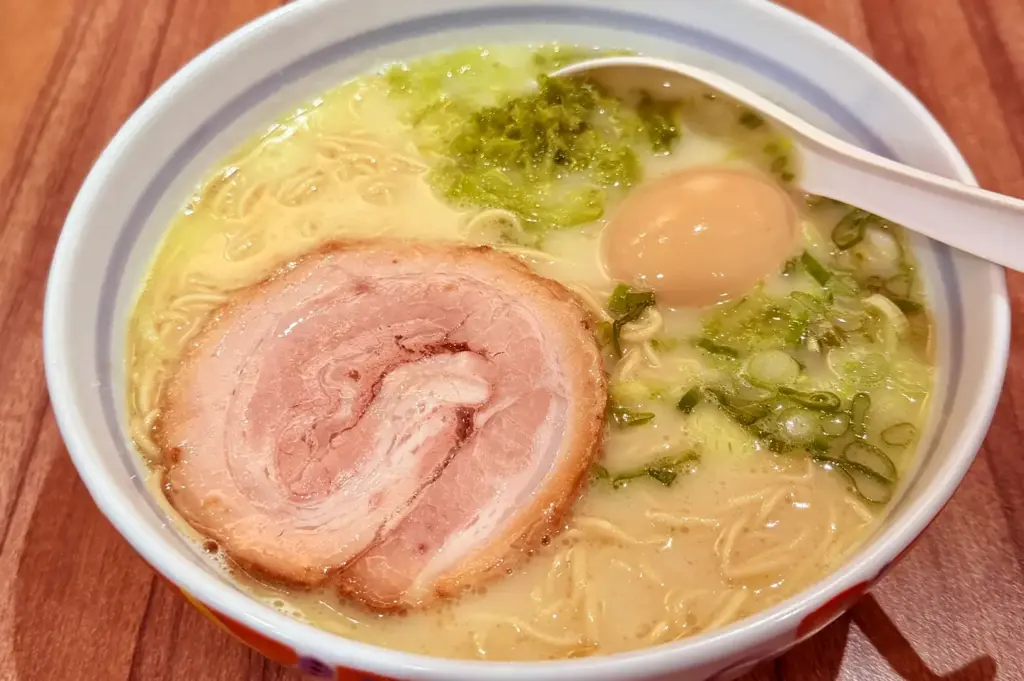
Chicken broth can be misunderstood.
Some diners assume it will be lighter, and therefore less serious. That is the wrong measure. A good chicken ramen does not need to imitate tonkotsu. It needs to build its own structure.
It also shows the problem with using “tonkotsu-style” as shorthand for every broth with richness and body.
The richness should come from extraction, seasoning, and balance. The broth needs enough savoury depth to carry the noodles, but it also needs a clean finish so the bowl remains enjoyable beyond the first few spoonfuls.
This is where Marutama’s chicken broth identity becomes useful. It gives diners an alternative entry point into ramen: still comforting, still full, but less heavy in its final impression.
For us, that distinction matters.
How the Bowl Holds Together
A chicken broth demands careful pairing.
If the noodles are too weak, they disappear. If the seasoning is too aggressive, the broth loses its natural softness. If toppings are overloaded, the bowl starts behaving like a heavier ramen than it actually is.
The strongest version of Marutama is the one that keeps its parts aligned.
The noodles should support the broth without dragging it down. The toppings should add contrast, not clutter. The seasoning should sharpen the bowl just enough to prevent it from becoming flat.
In this style, balance is not decorative. It is the whole point.
Why Marutama Still Matters
Marutama is important because it reminds us that ramen does not have to prove itself through intensity.
There is value in a bowl that feels accessible, steady, and focused. It suits diners who want comfort without heaviness. It also gives tonkotsu-fatigued ramen lovers another way to appreciate broth craftsmanship.
Not every ramen shop needs to chase the loudest bowl.
Some stand out by knowing exactly what kind of comfort they want to offer.
Marutama’s strength is that it does not treat chicken broth as a compromise. It treats it as the center of the bowl.
And when that center holds, the result is clear: ramen can be gentle and still be serious.