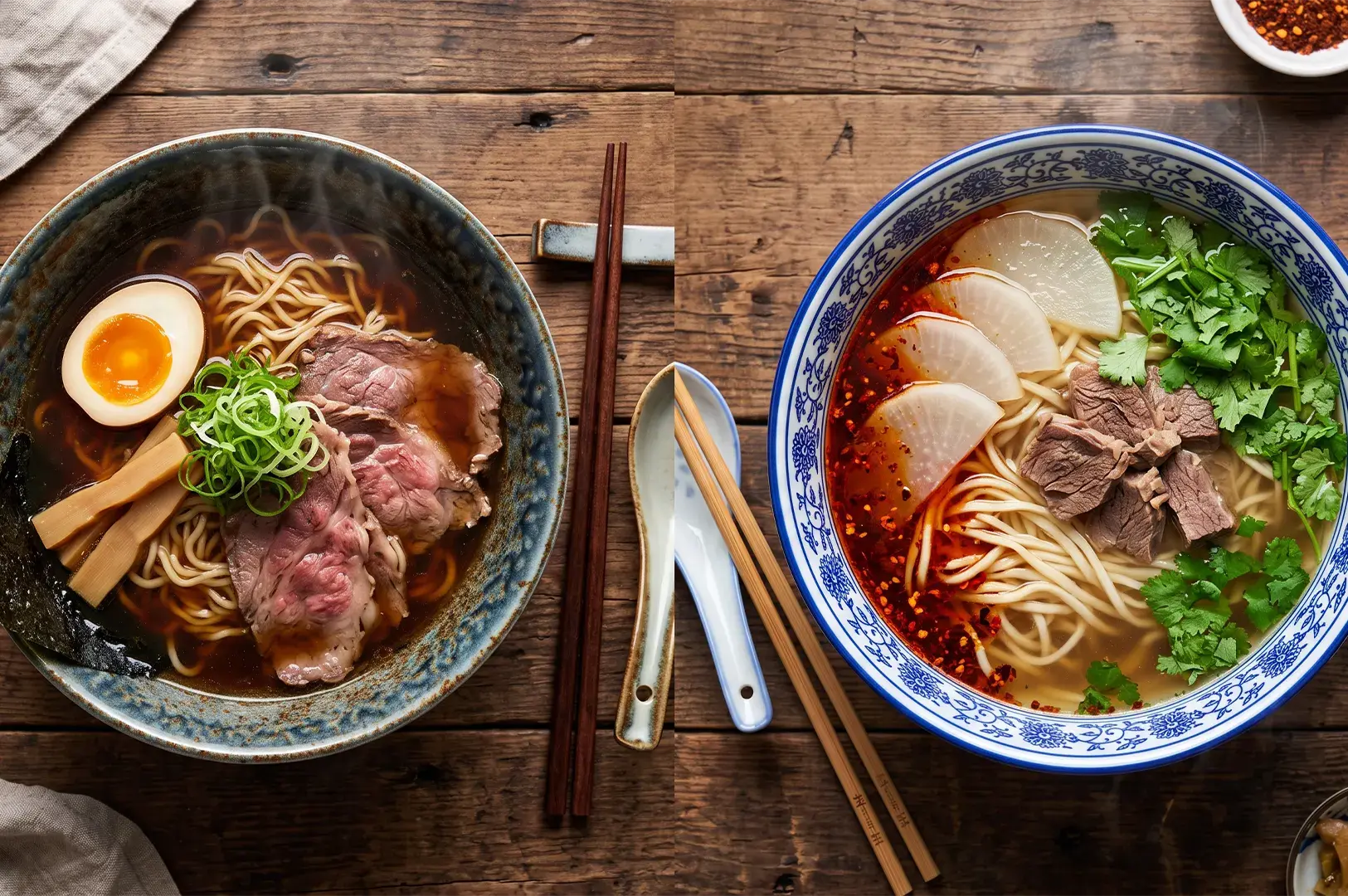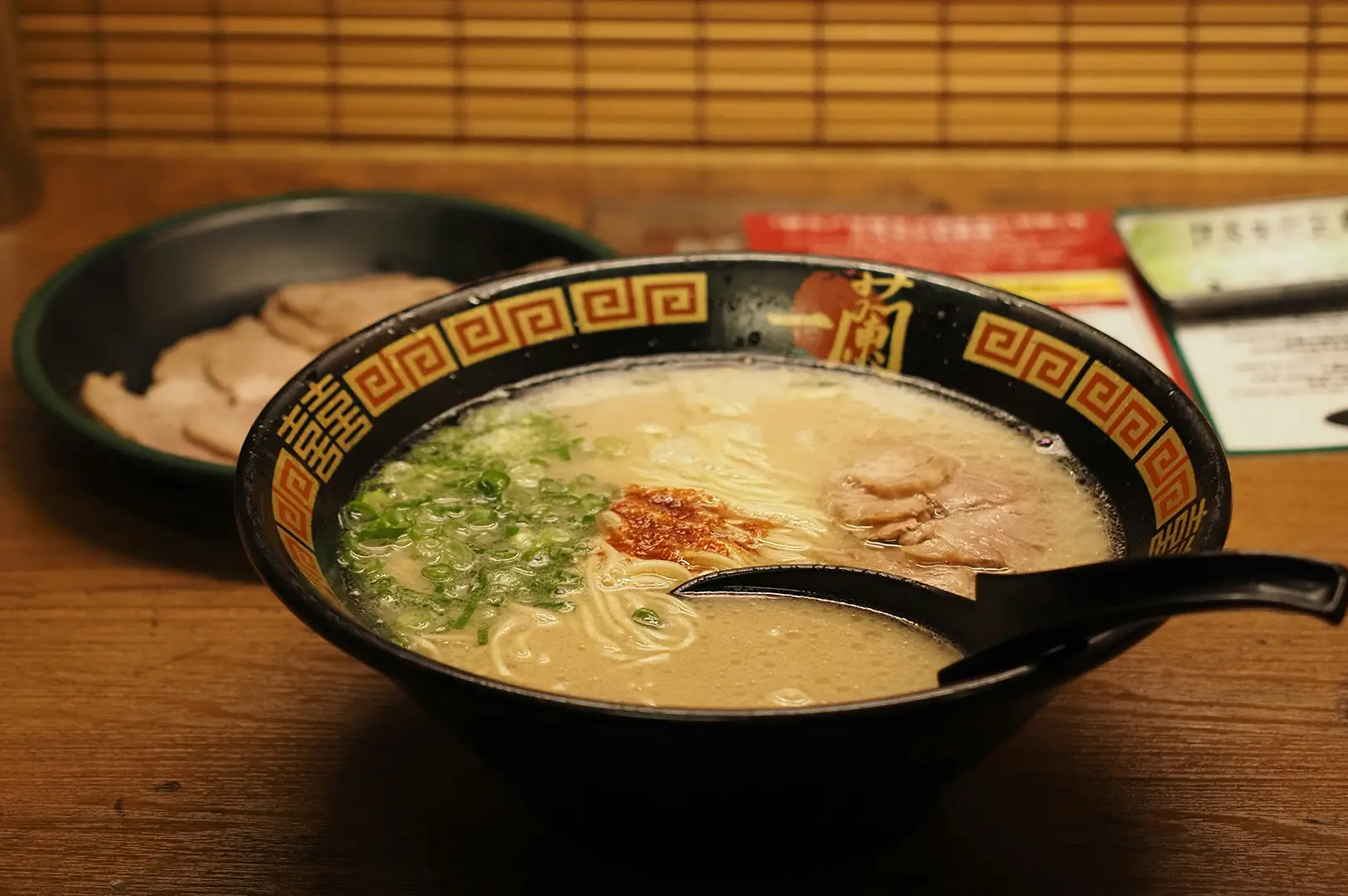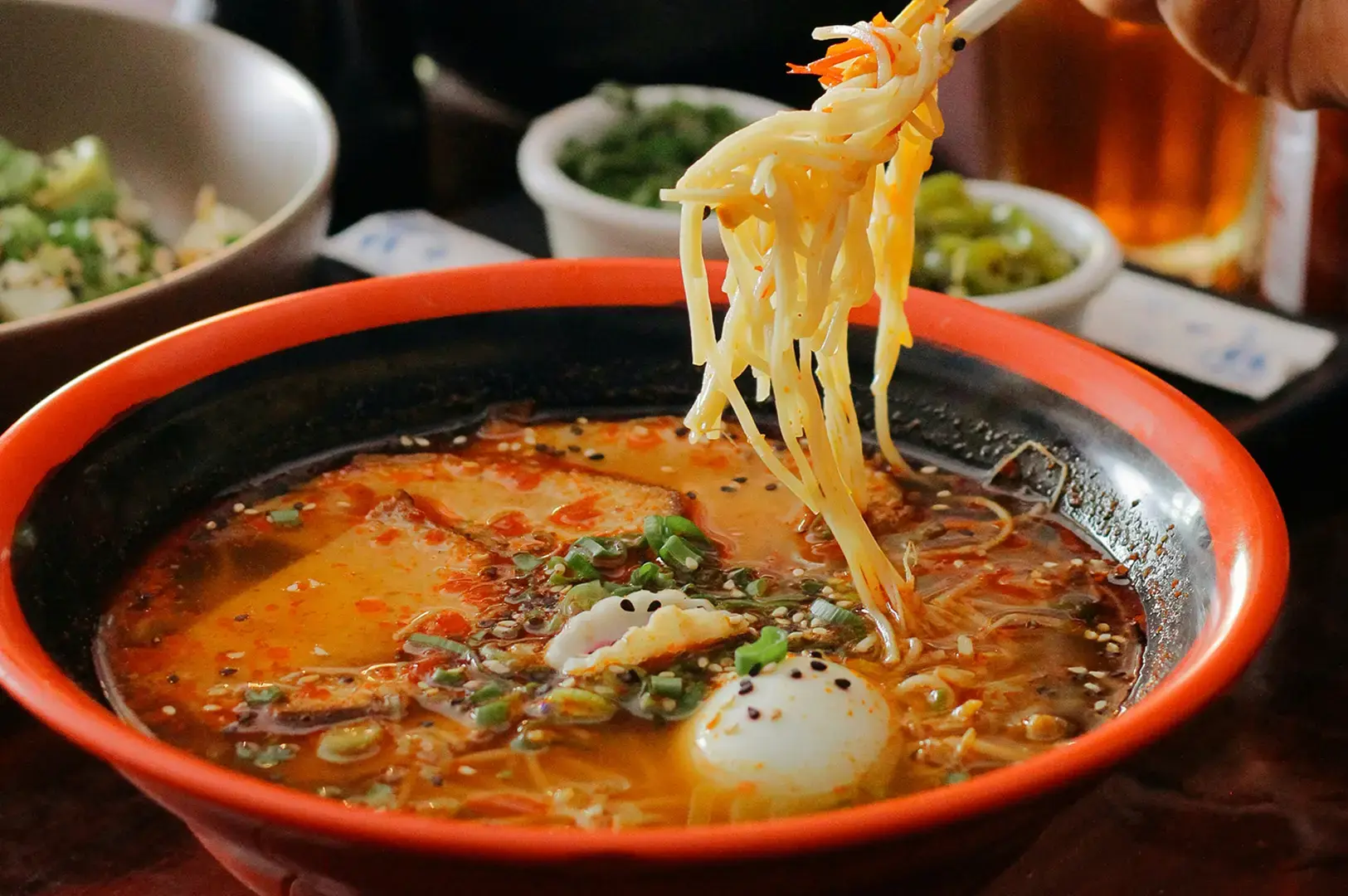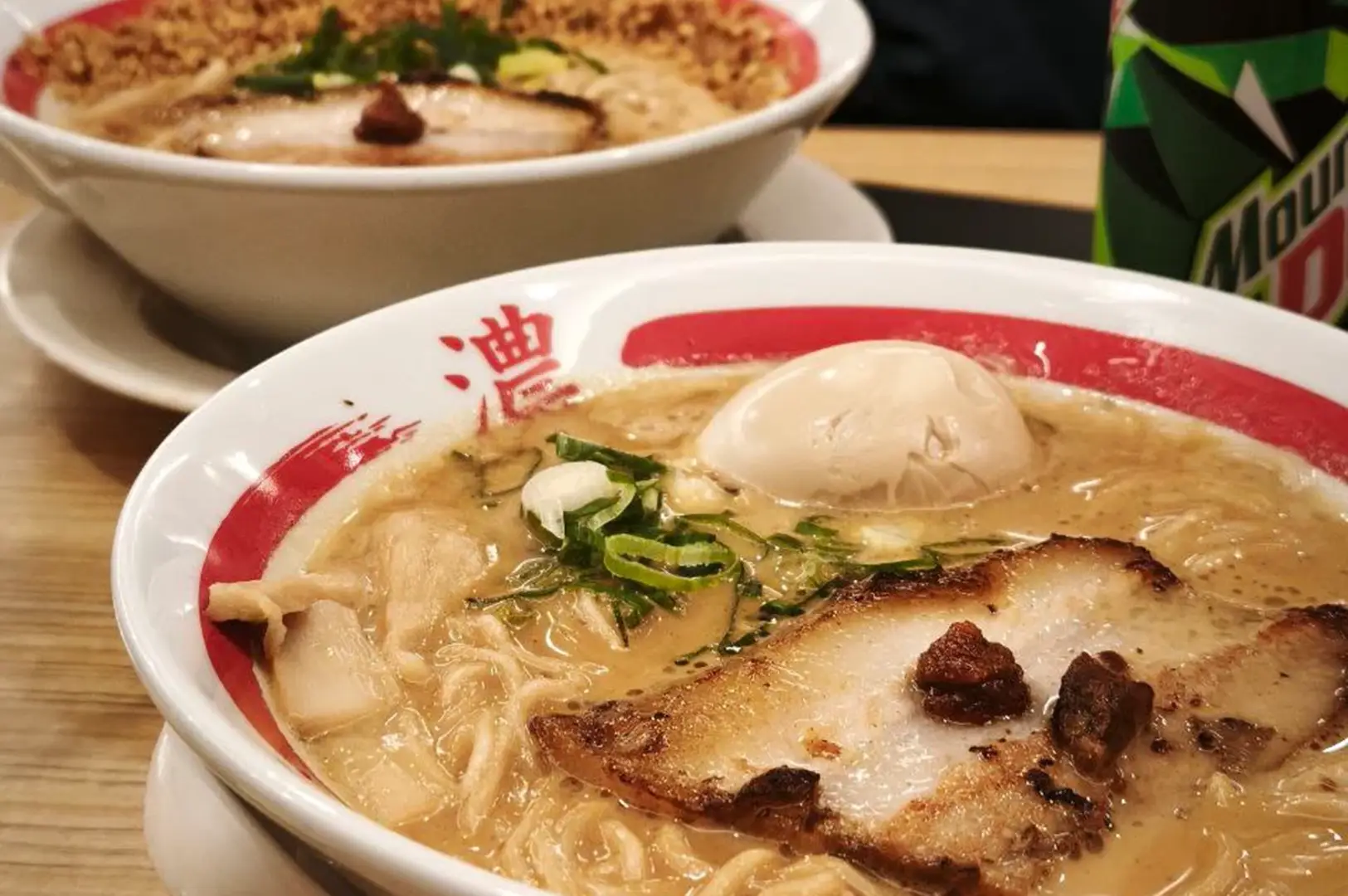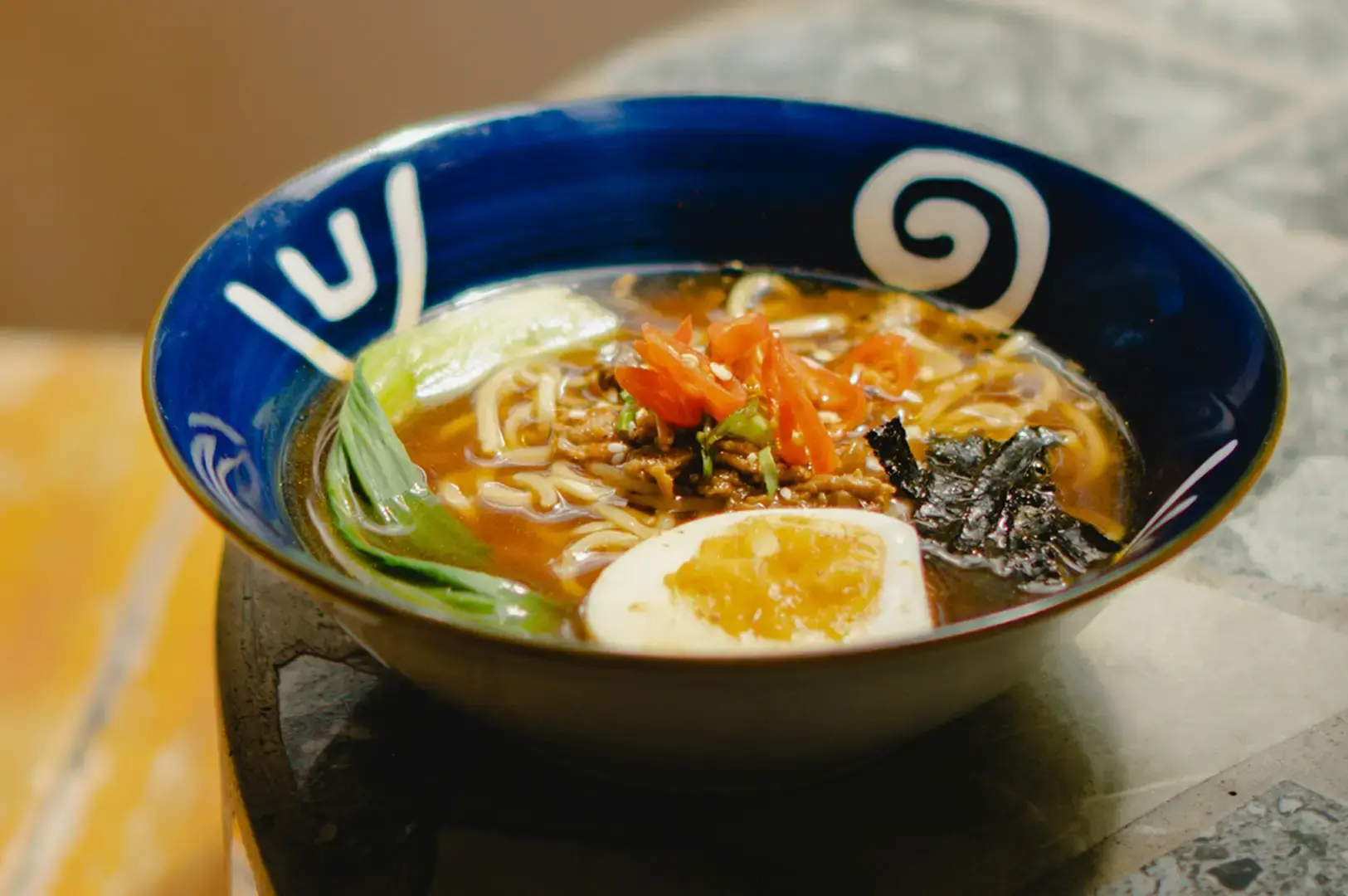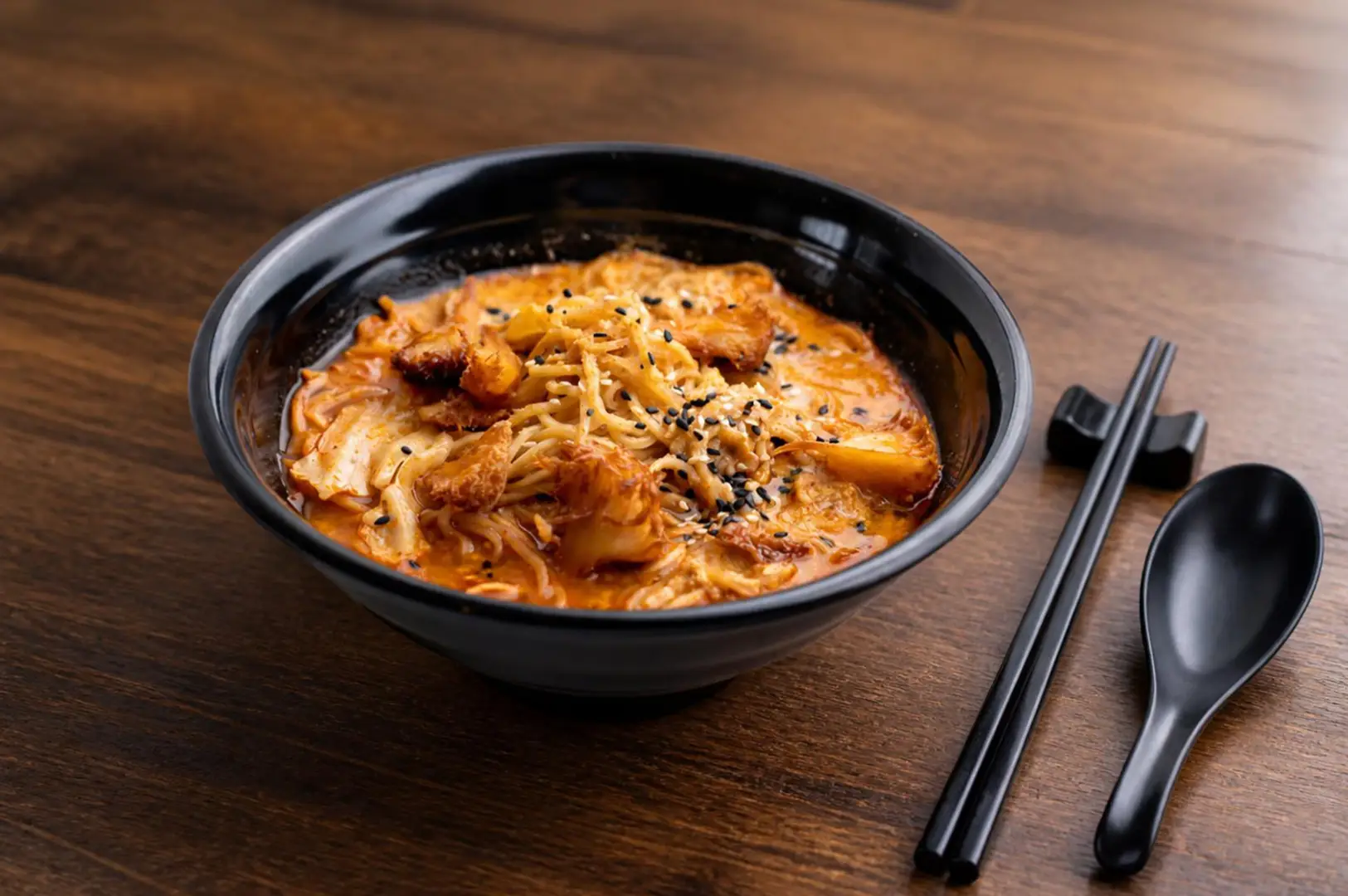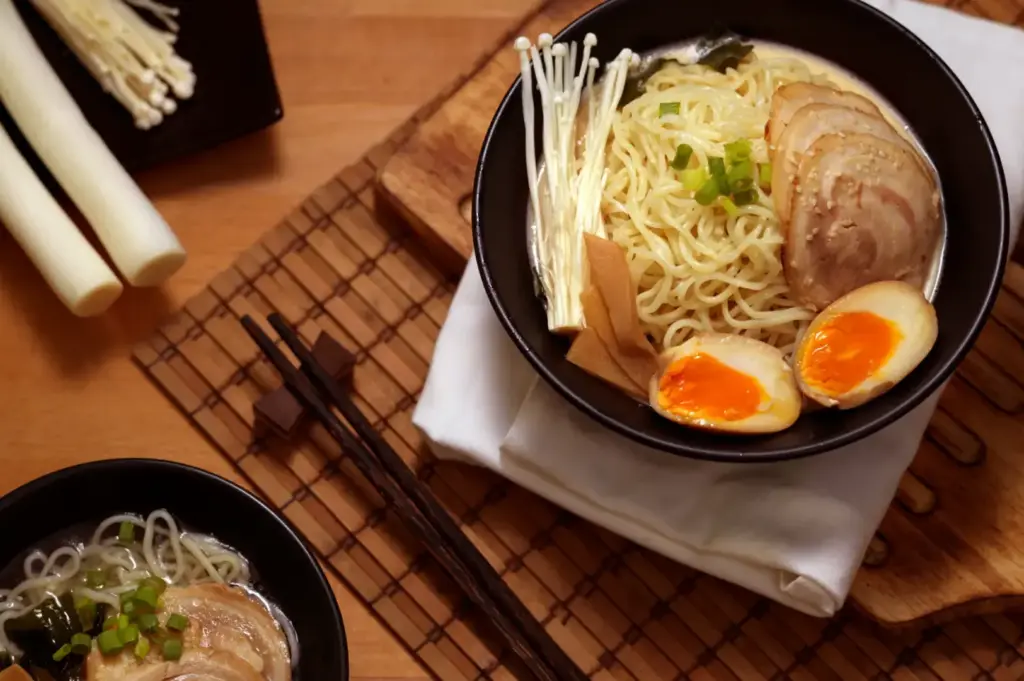
Not every cloudy, heavy, creamy ramen broth is tonkotsu.
There. We needed to say it.
Somewhere along the way, “tonkotsu-style” became the shortcut for any ramen bowl that looked rich enough to fog the spoon. Porky? Tonkotsu. Milky? Tonkotsu. Thick? Tonkotsu. A broth with enough body to coat the lips? Tonkotsu again.
It sounds harmless. A convenient label. A menu-friendly phrase. But for diners trying to understand ramen, it creates one very real problem: we begin expecting the wrong bowl.
At Ramen Tale, we are not here to police every menu description like ramen customs officers. But words matter, especially when they shape hunger.
What Tonkotsu Actually Means
Tonkotsu is not just “rich broth.”
At its core, tonkotsu refers to pork bone broth. The richness comes from bones, collagen, fat, marrow, time, and agitation. When done well, it has depth, body, and a particular pork-driven warmth that feels almost structural.
That does not mean every tonkotsu tastes the same. Some are lighter. Some are intensely creamy. Some lean funky, while others are clean and polished. But the foundation is still pork bone.
This matters because ramen broth can be rich in many other ways. A chicken paitan can be cloudy and creamy. A miso ramen can feel thick and heavy. A seafood broth can carry deep umami. A sesame-based tantanmen can be rich without tasting anything like tonkotsu.
Richness is a texture and sensation. Tonkotsu is a specific broth identity.
The Expectation Problem
When a menu calls something “tonkotsu-style,” diners build a picture before the bowl arrives.
We expect pork depth. We expect body. We expect that familiar roundness from long-cooked bones. If the bowl turns out to be chicken-based, miso-heavy, or simply creamy from added fat or paste, the experience can feel slightly off even if the ramen itself is good.
That is the unfair part.
A bowl may be carefully made, but the label has already pushed it into the wrong comparison. Instead of asking, “Is this a good chicken paitan?” or “Does this miso broth work?” we ask, “Why does this tonkotsu taste strange?”
Bad labeling does not just confuse beginners. It also makes good ramen harder to appreciate on its own terms.
Rich Does Not Always Mean Deep
This is where ramen literacy becomes useful.
A broth can be rich but shallow. It can be thick without being layered. It can look impressive but taste flat after three spoonfuls. We have met bowls like that: glossy surface, heavy mouthfeel, dramatic menu description, then very little beneath the first hit.
If you want to go deeper, read What Makes Broth Rich for a quick breakdown of what actually builds real richness in a bowl, because real depth is different. It unfolds. The first sip gives weight, but the second sip gives detail. Salt, fat, aroma, tare, broth base, and noodle match all work together.
Calling everything “tonkotsu-style” can train us to chase thickness instead of structure.
And structure is where good ramen lives.
Why Menus Use the Shortcut
To be fair, we understand why this happens.
“Tonkotsu” is familiar. It sells. For many diners, it has become shorthand for comforting, creamy, Japanese-style ramen. If a shop wants to signal richness quickly, the word does a lot of work.
But convenience has a cost. Over time, diners lose the language to describe what they are eating. Chicken paitan gets flattened. Miso gets misunderstood. Fusion broths get forced into a category that does not fit them.
Ramen becomes less interesting when every rich bowl has to pretend it belongs to the same family.
A Better Way to Read the Bowl
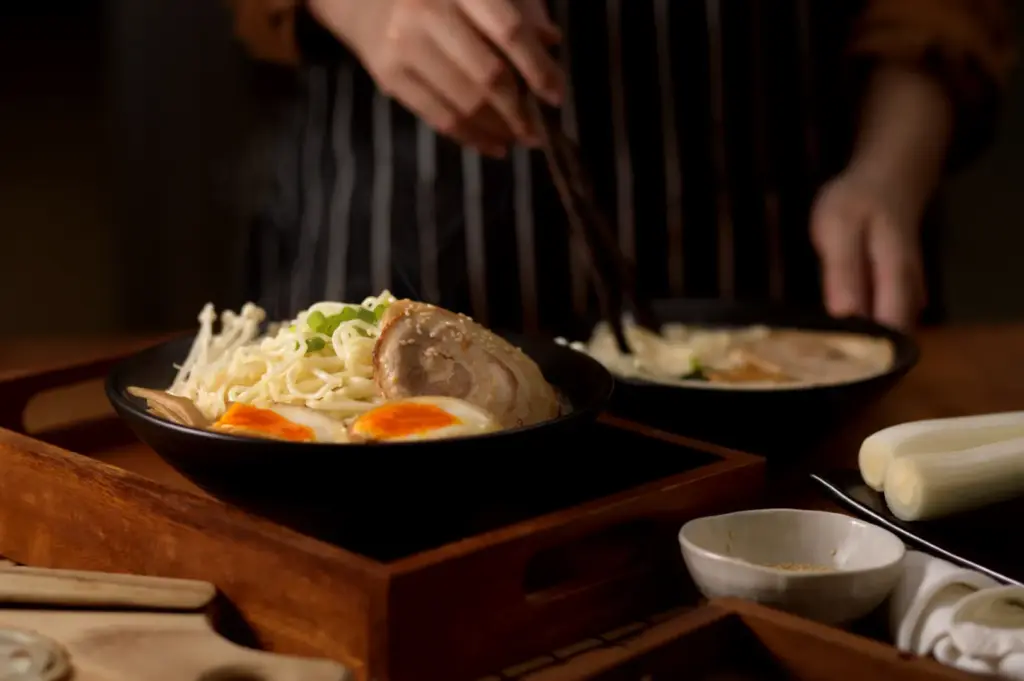
The next time we see “tonkotsu-style,” we should pause.
Ask what the broth is actually built from. Pork bone? Chicken? Seafood? Miso? Sesame? A blend? Then ask whether the richness has purpose, or whether it is just there to feel heavy.
This is not about being difficult. It is about tasting more clearly.
Because the better we understand ramen, the more pleasure we get from it. We stop chasing one kind of richness and start noticing all the ways a broth can carry comfort.
Not every rich broth is tonkotsu.
And once we understand that, the bowl gets far more interesting.