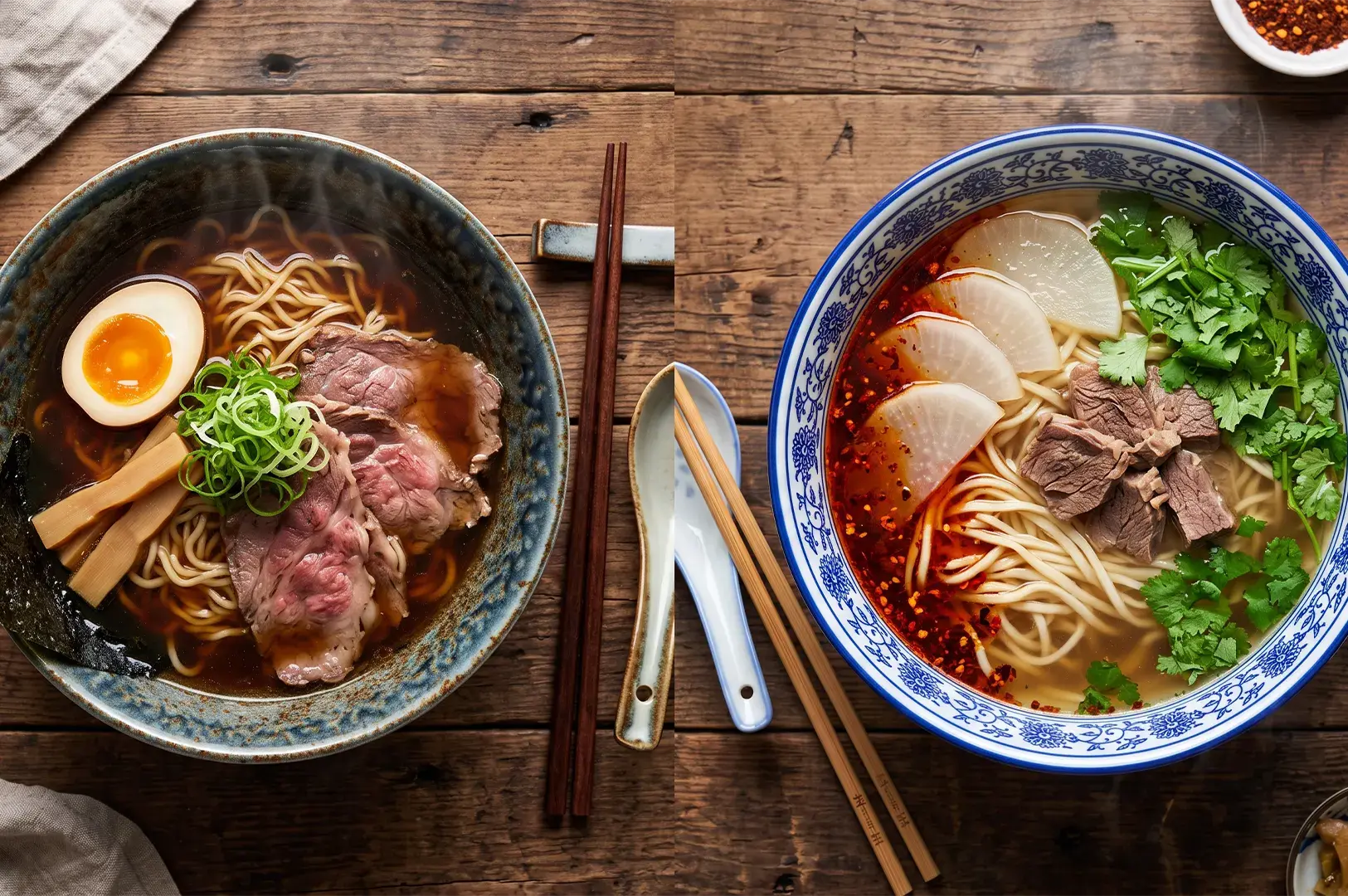
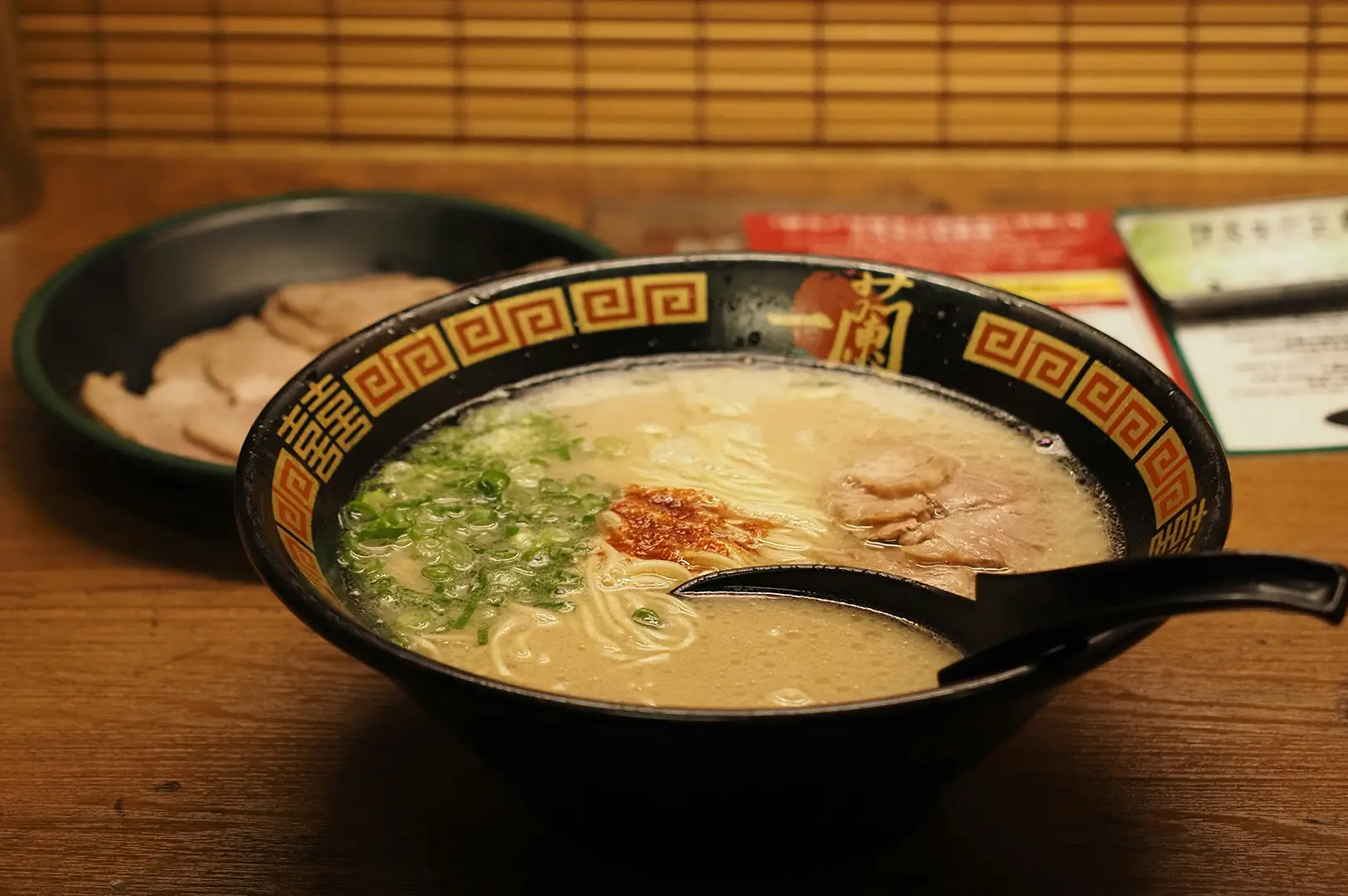
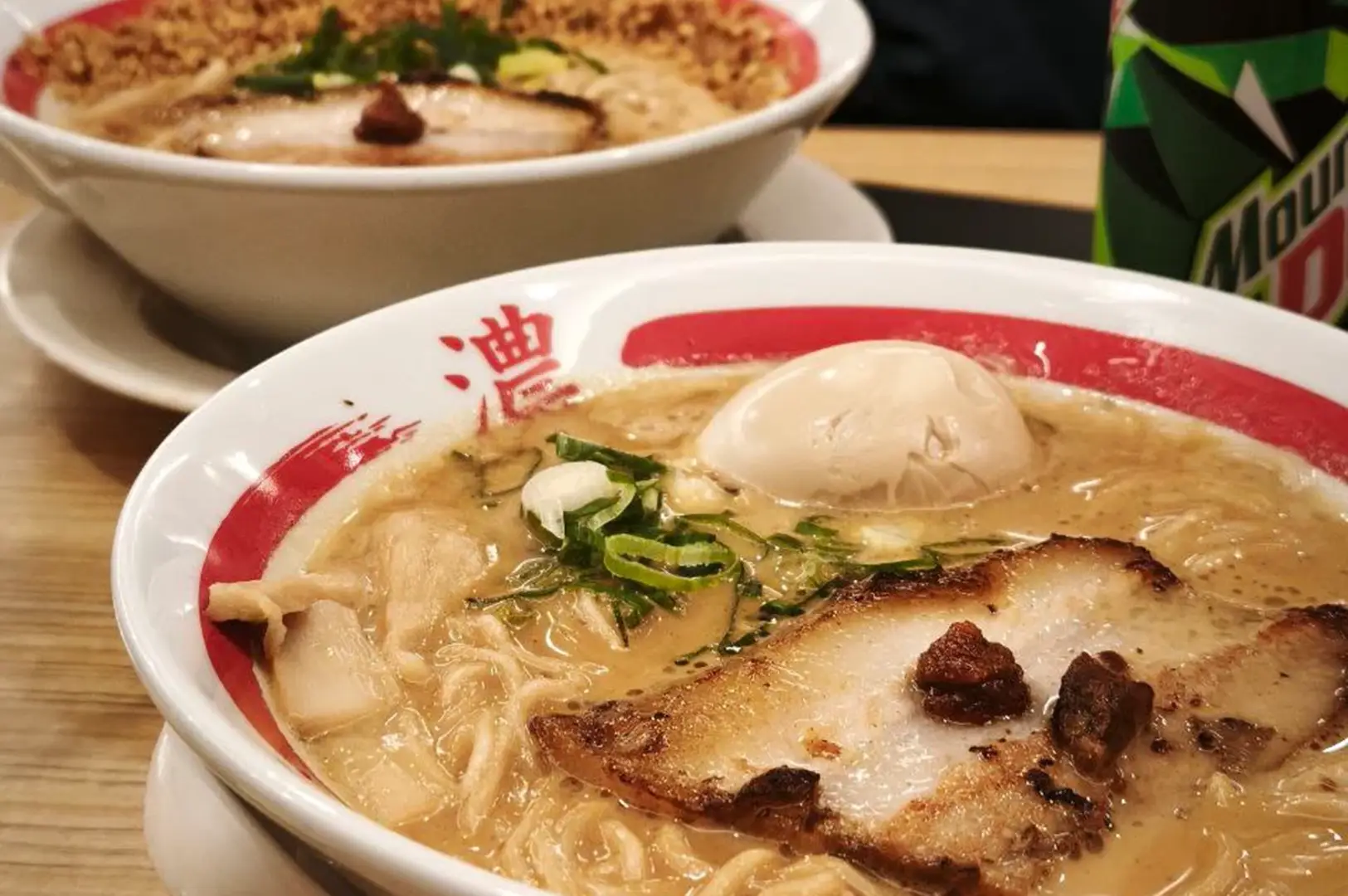
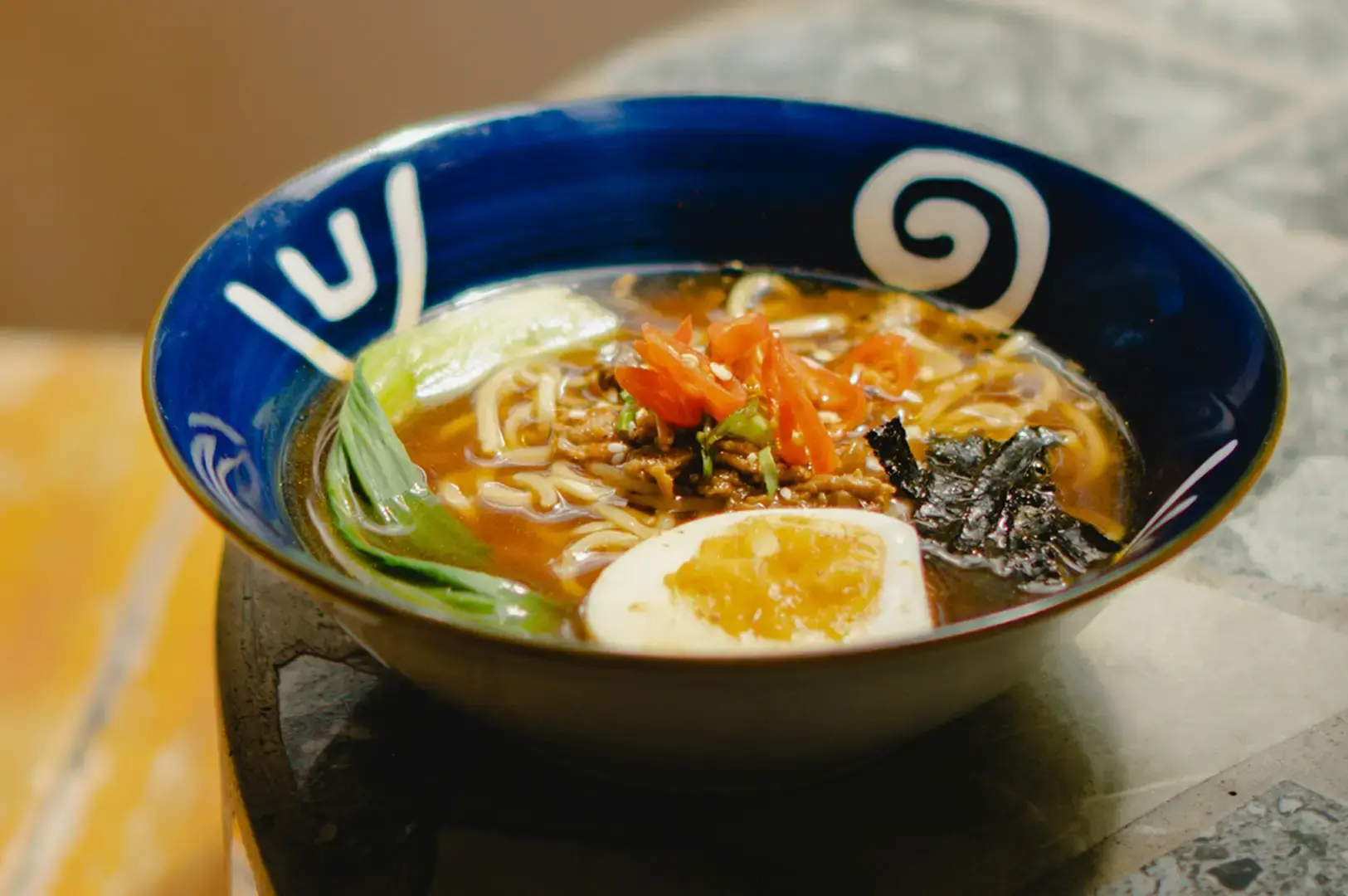
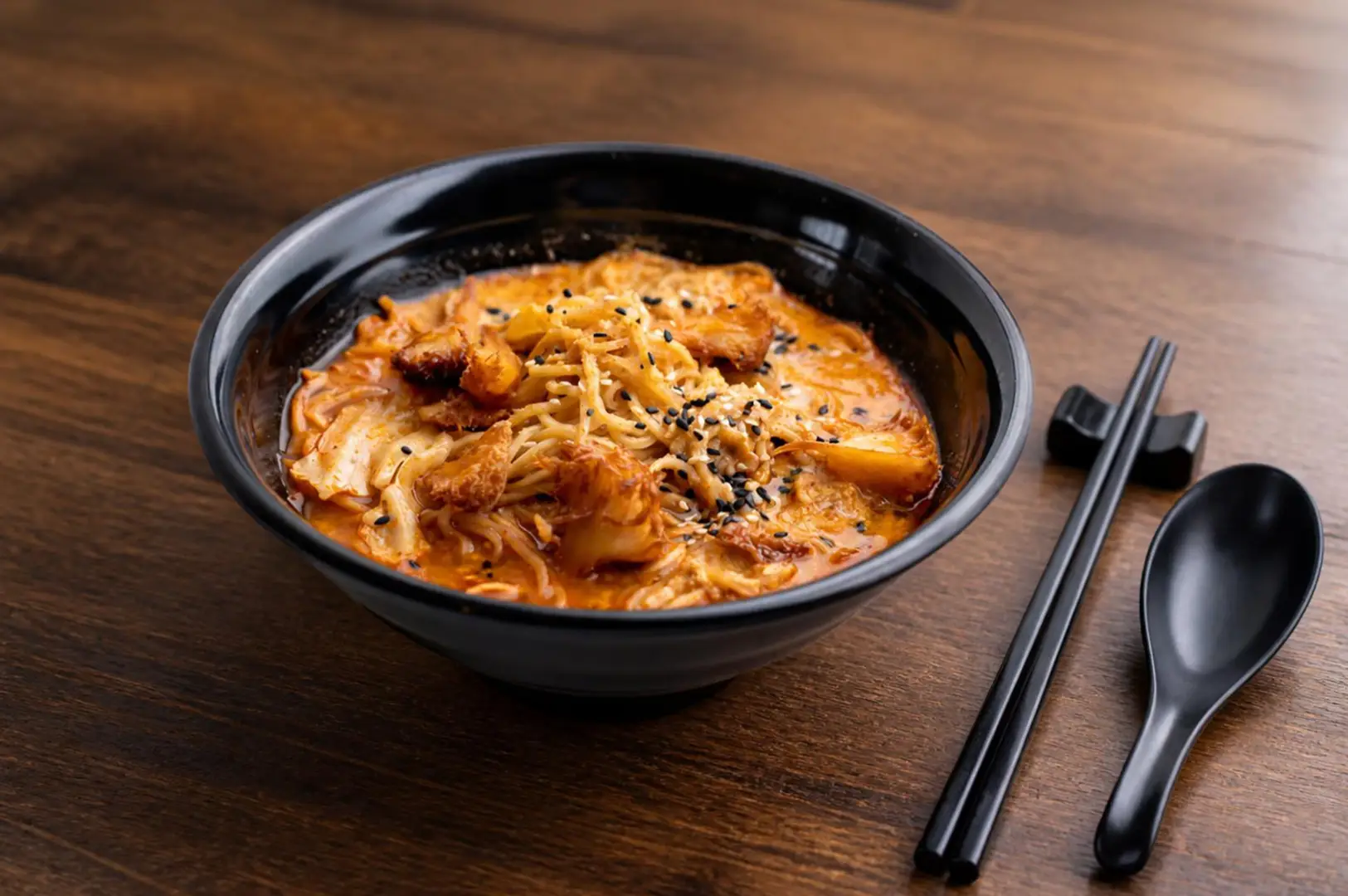
The Singapore Ramen Bowl Is No Longer Just Japanese
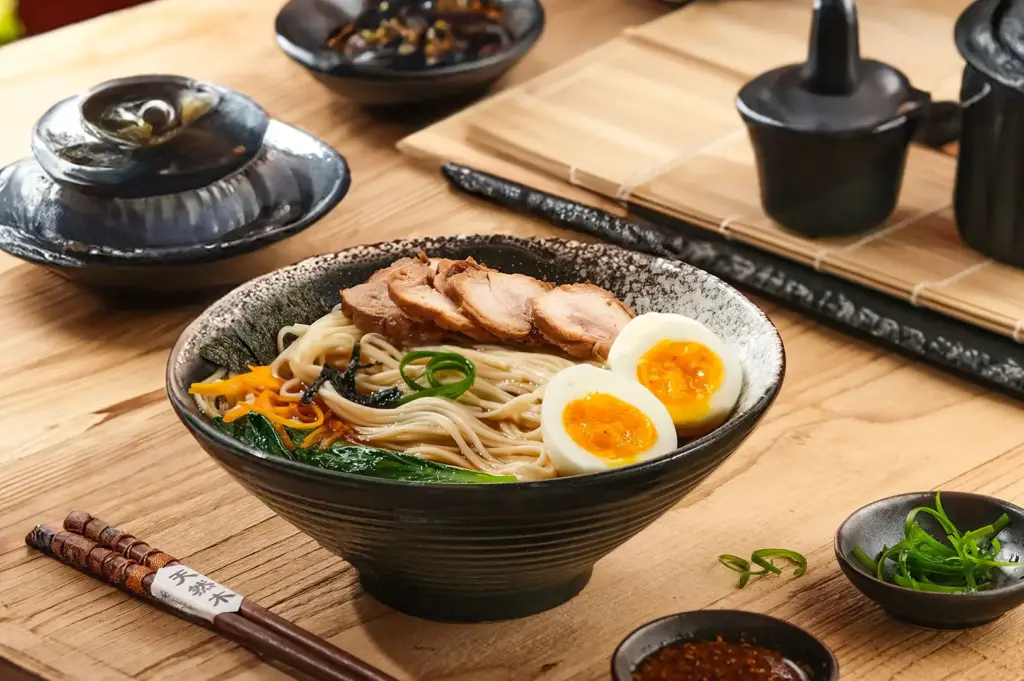
There was a time when eating ramen in Singapore felt like borrowing another country’s comfort.
We entered the shop expecting Japan: the noren curtain, the wooden counter, the careful bowl of tonkotsu or shoyu placed in front of us with quiet precision. Ramen arrived with a certain distance. It was familiar enough to crave, but still framed as something imported.
That distance has narrowed.
Today, the Singapore ramen bowl carries more than Japanese technique. It carries our appetite for spice, our lunch-hour habits, our halal dining needs, and our multicultural instinct for adaptation.
Some purists may not like hearing this, but ramen in Singapore is no longer just Japanese.
It has become Singaporean in the way food here often does: gradually, practically, and without asking permission.
The Bowl Met the City
Singapore did not receive ramen passively.
We folded it into our eating rhythm. Office workers turned it into lunch. Friends made it a casual dinner plan. Solo diners found comfort in the counter seat. After-work crowds treated it as a bowl that could steady the body after a long day.
This shift matters.
Ramen stopped being only a themed Japanese meal and became part of the city’s everyday food map. It found space beside fishball noodles, ban mian, prawn mee, mee soto, and laksa, alongside dishes that already taught us how satisfying a hot bowl could be.
So when ramen arrived, the format was foreign, but the feeling was not.
Spice Changed the Conversation
Singapore’s palate does not sit quietly for long.
We are used to chili on the side, sambal in the mix, heat that builds, and sauces that sharpen richness. So it was inevitable that ramen here would begin to stretch beyond the classic Japanese frame.
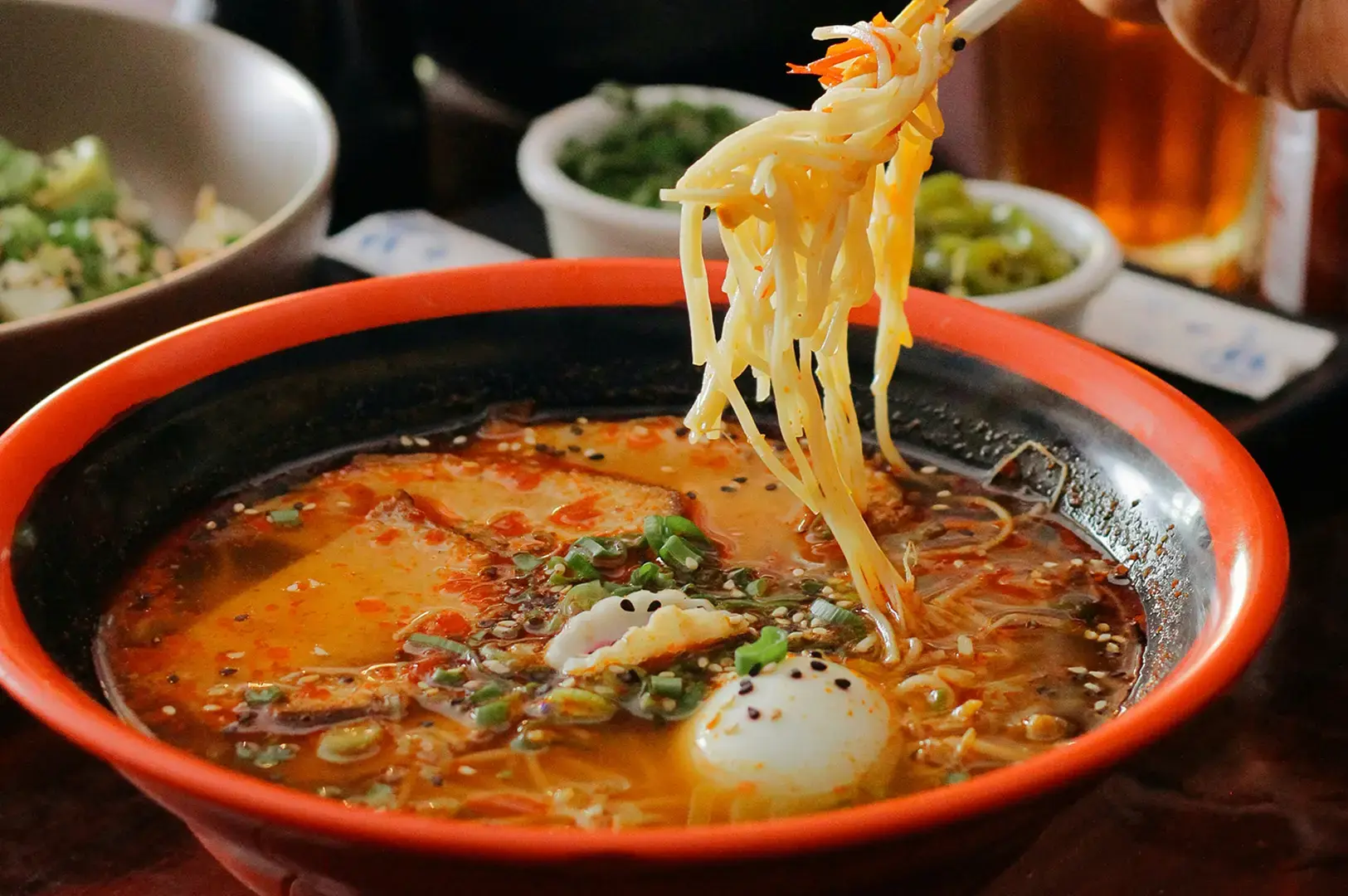
Spicy miso, chili oil, mala-style accents, sambal-inspired heat, laksa-leaning broths, not all of these experiments work, but they reveal something important. Singapore diners do not only want ramen preserved. We also want ramen to respond.
That same lens is useful when thinking about how to judge Malaysian ramen, where the question is not whether it is purely Japanese, but whether the bowl understands the place it is cooked for.
The best local interpretations do not simply make the bowl louder. They understand how spice can create tension, cut through fat, and make broth feel more alive in our climate.
Halal Needs Opened a New Path
One of the most meaningful changes in Singapore’s ramen scene is the rise of halal-conscious ramen.
Traditional ramen often relies on pork broth, pork chashu, or pork fat. In a multicultural city, that limits who gets to participate. Halal ramen changes the conversation by asking a different question: can ramen remain satisfying without pork?
The answer, increasingly, is yes.
Chicken broths, seafood bases, beef toppings, and careful seasoning have created bowls that allow more diners to enter the ramen experience. This is not a compromise when done well. It is expansion.
It reminds us that adaptation is not always dilution. Sometimes, it is access.
Multicultural Dining Made Ramen Flexible
Singapore has always been comfortable with food crossing borders.
We do not panic when dishes evolve. We expect them to. Our dining culture is built on movement: Malay, Chinese, Indian, Peranakan, Japanese, Korean, Western, and everything in between sharing the same malls, streets, and food courts.
Ramen fits into this landscape because it has always been adaptable.
Here, it can remain faithful to Japanese structure while absorbing local expectations: faster meals, stronger spice, varied dietary needs, and a willingness to try new combinations.
A Bowl With a New Address
The Singapore ramen bowl has not abandoned Japan.
It still depends on the discipline of broth, noodles, tare, oil, and timing. But it now carries the marks of the city that eats it.
That is what makes it interesting.
Ramen in Singapore is no longer only about authenticity measured by distance from Tokyo. It is about how a bowl travels, settles, and learns the appetite of a new place.
And in Singapore, that appetite is never singular.
It is layered, practical, multicultural, and always ready for another spoonful.