The Smallest Ingredient That Changes an Entire Bowl of Ramen
The difference between a good bowl of ramen and a memorable one is often smaller than we expect.
It is not always the broth. It is not always the noodles.
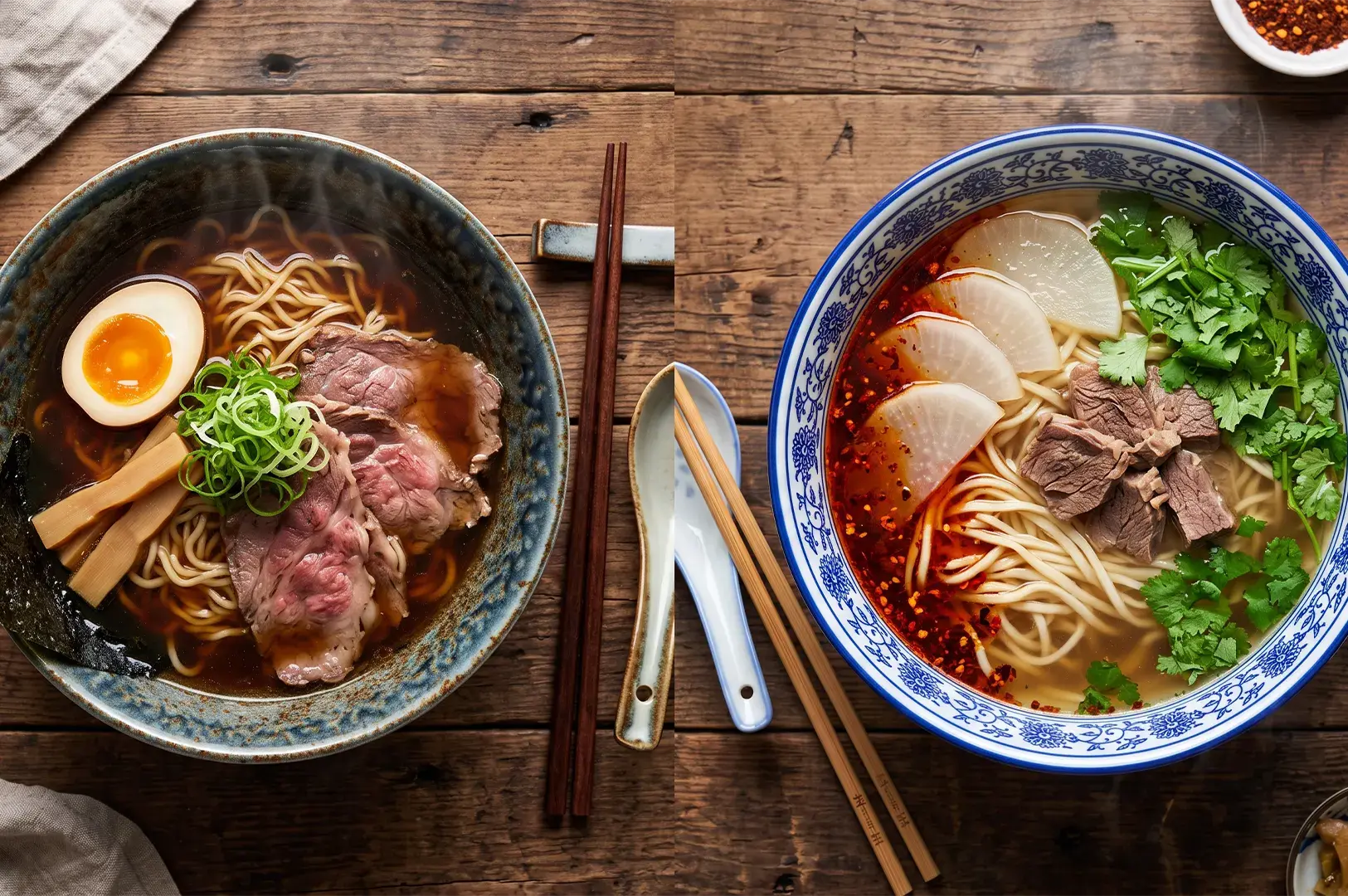
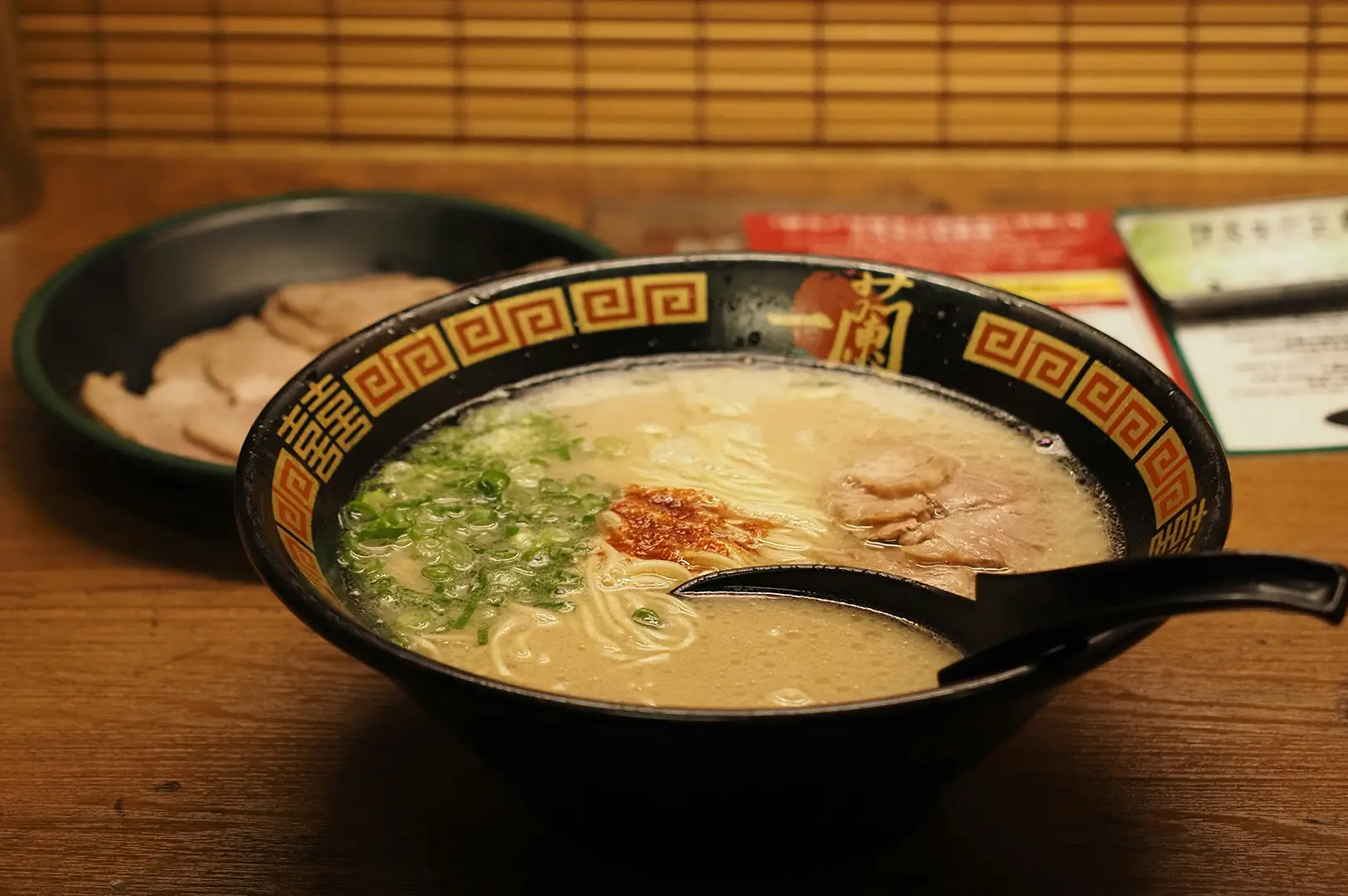
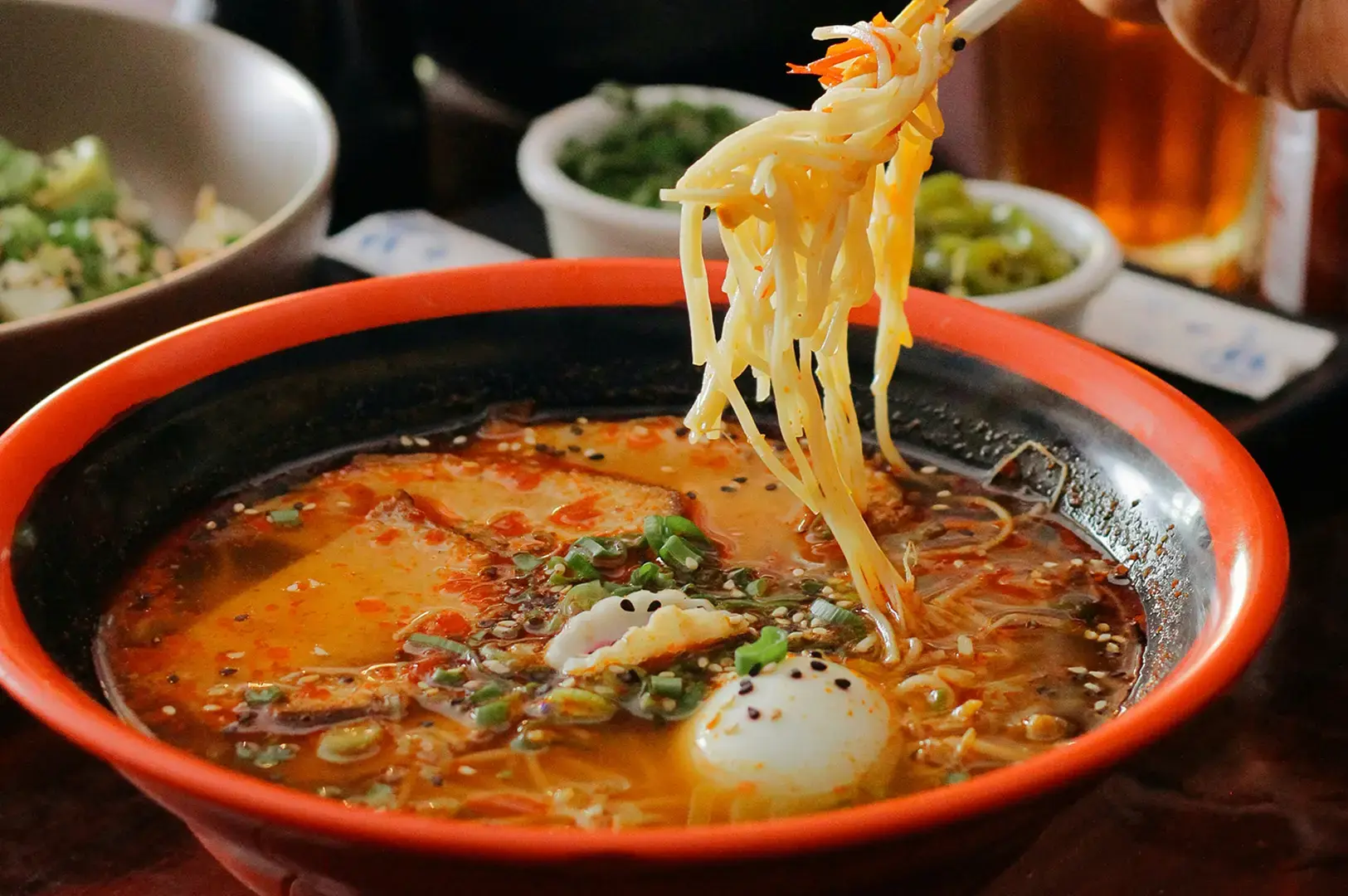
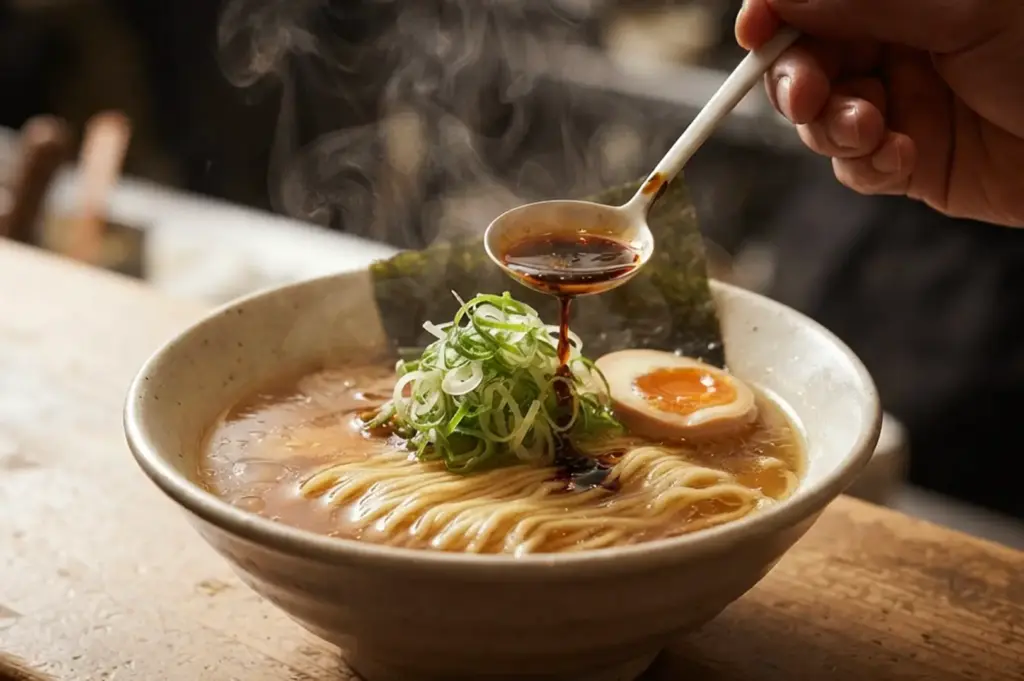
Sometimes, it is a spoonful of oil added at the final moment. A small amount of tare measured into the bowl. A handful of scallions placed with intention. A layer of dried seafood aroma rising with the steam.
These details are easy to overlook because they rarely take up much space.
But in ramen, size does not determine importance.
The Final Touch That Changes the First Sip
We often focus on the obvious parts of ramen first. The richness of tonkotsu. The clarity of shoyu. The texture of the noodles.
But before the broth reaches the tongue, aroma arrives.
That is where ingredients like aroma oil begin their work.
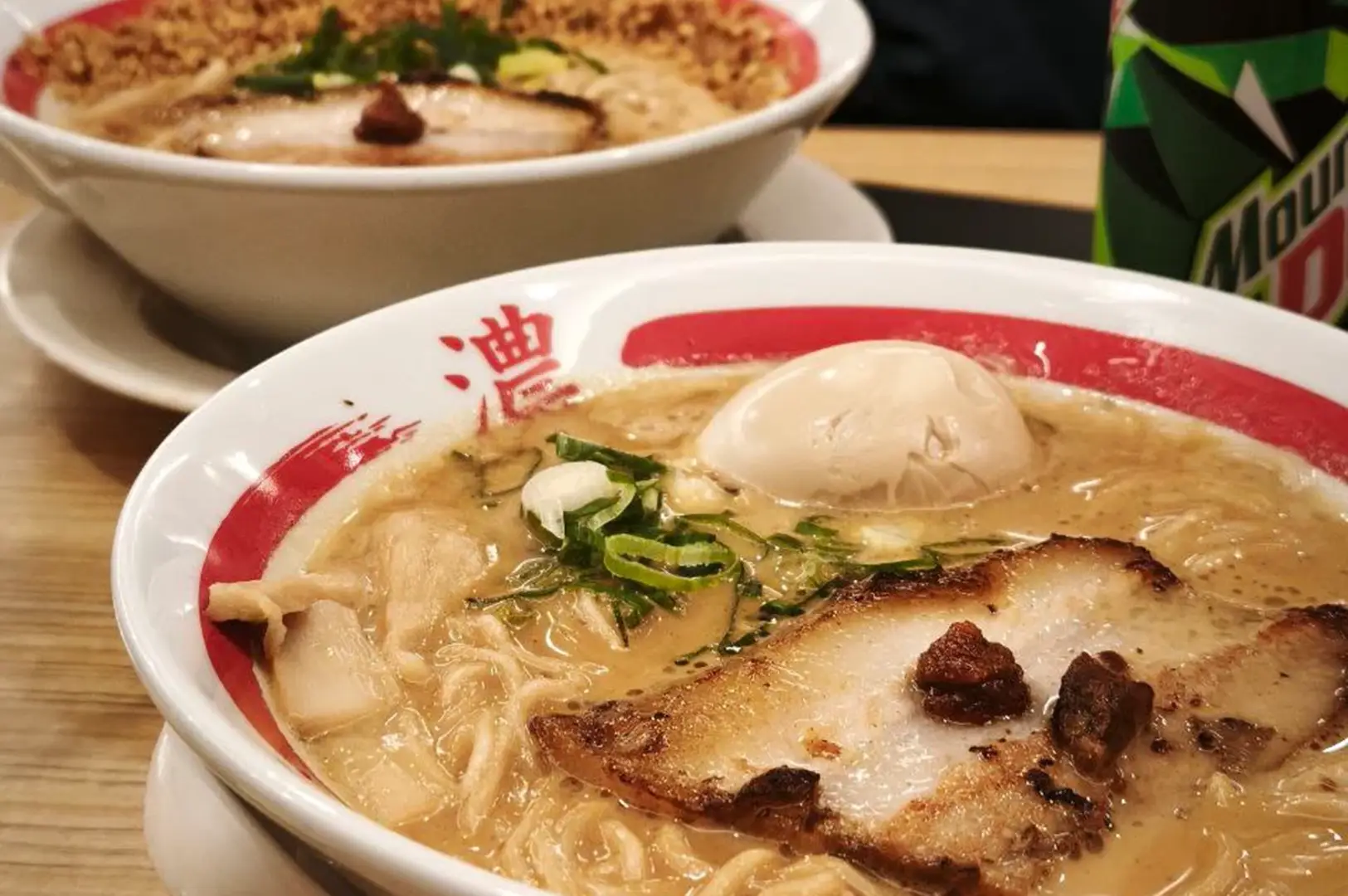
Garlic oil can add roasted depth. Scallion oil can bring freshness and sweetness. Chicken or pork fat can carry richness across the surface of the broth. A carefully prepared oil does not simply make the bowl heavier. It changes how we perceive the entire ramen experience.
A bowl without it may still be technically correct.
A bowl with the right oil feels complete.
Tare: The Hidden Structure
Another small component with a major role is tare.
It may not be visible, but it determines how the broth speaks. The tare controls salt, umami, and overall direction. Too much and the bowl becomes sharp. Too little and the broth loses definition.
This is why two ramen bowls using similar ingredients can taste completely different.
The stock provides the foundation. The tare gives it identity.
We often think of ramen as being defined by broth, but many great bowls are shaped by what happens before the broth is even added.
The Power of Small Aromatics
Garlic, dried fish, scallions, and spices can appear almost decorative when placed on top of a bowl.
They are not.
Dried seafood introduces depth and a sense of the ocean. Garlic can add warmth and roasted complexity. Scallions provide contrast against richer broths. These ingredients create movement inside the bowl.
Without them, ramen can feel one-dimensional. With them, the flavour changes as we eat.
The first sip may be different from the last because these smaller elements slowly interact with heat, broth, and noodles. That sensitivity to time is also why ramen is best eaten without lingering: as the bowl sits, heat fades, noodles soften, and its smallest details lose their intended balance.
Why Great Ramen Shops Obsess Over Details
The best ramen shops understand that diners may never notice these decisions consciously.
They may not know why one bowl feels more balanced. They may not identify the exact oil, tare, or aromatic ingredient responsible.
But they feel the difference.
That is the nature of ramen craftsmanship. Much of the work happens quietly. Hours of preparation, careful measurements, and small adjustments eventually become one simple experience: a bowl placed in front of us.
The Details We Remember
Ramen teaches us that impact does not always come from adding more. Sometimes, it comes from adding exactly what is needed.
The smallest ingredient can change the aroma, the balance, and the entire personality of a bowl. That is why we continue paying attention to the details most people miss.
Because in ramen, the smallest decisions often leave the longest impression.