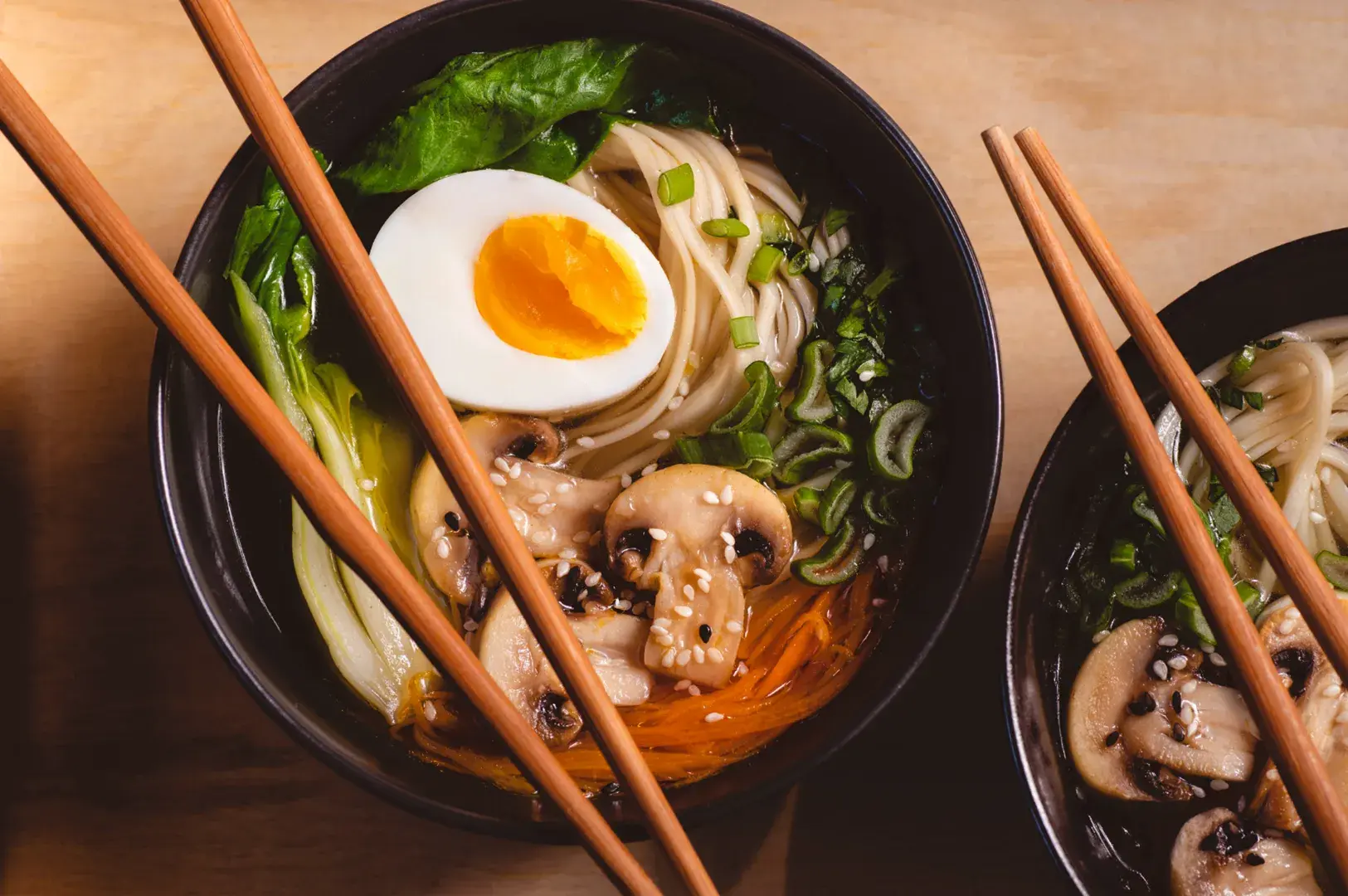
Why Ramen Is Not Supposed to Be Eaten Slowly
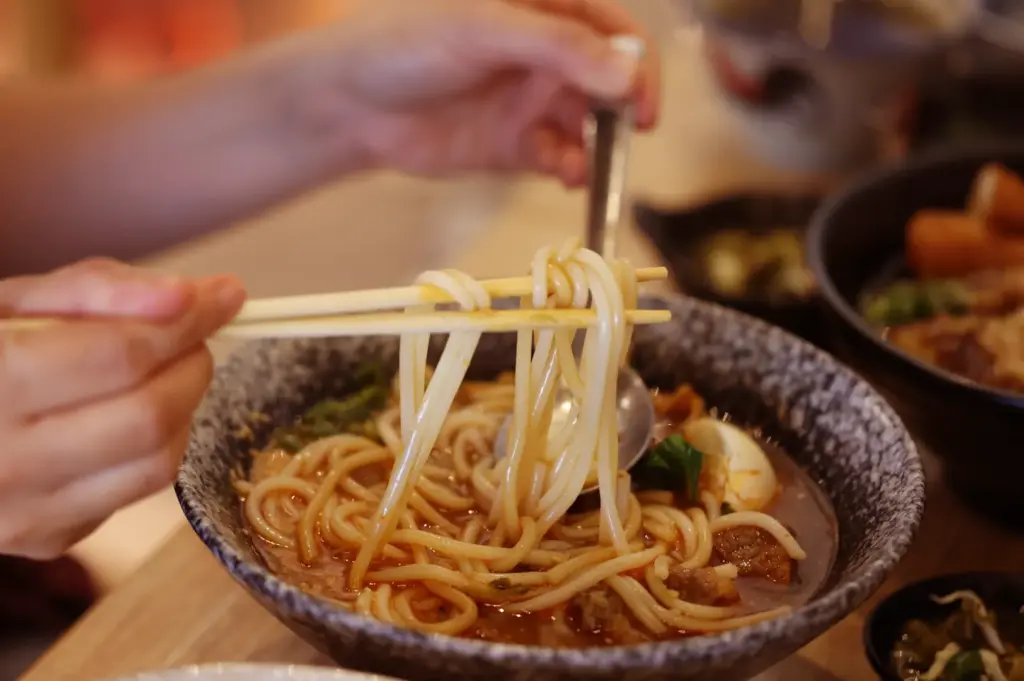
Ramen is not built for lingering.
That may sound rude, especially in a dining culture that often treats slow eating as a sign of appreciation. But ramen follows a different logic. The bowl arrives at its strongest, then begins to decline almost immediately.
We learned this the hard way.
The first few times we treated ramen like a long conversation, we thought we were being respectful. We waited. Took photos. Talked between bites. Let the bowl sit while we compared toppings and admired the surface.
By the time we returned to the noodles, the ramen had already changed.
The broth was cooler. The aroma had thinned. The noodles had softened past their best texture.
The bowl was still edible, but it was no longer the bowl the kitchen intended.
Heat Is Part of the Design
A ramen bowl is engineered around temperature.
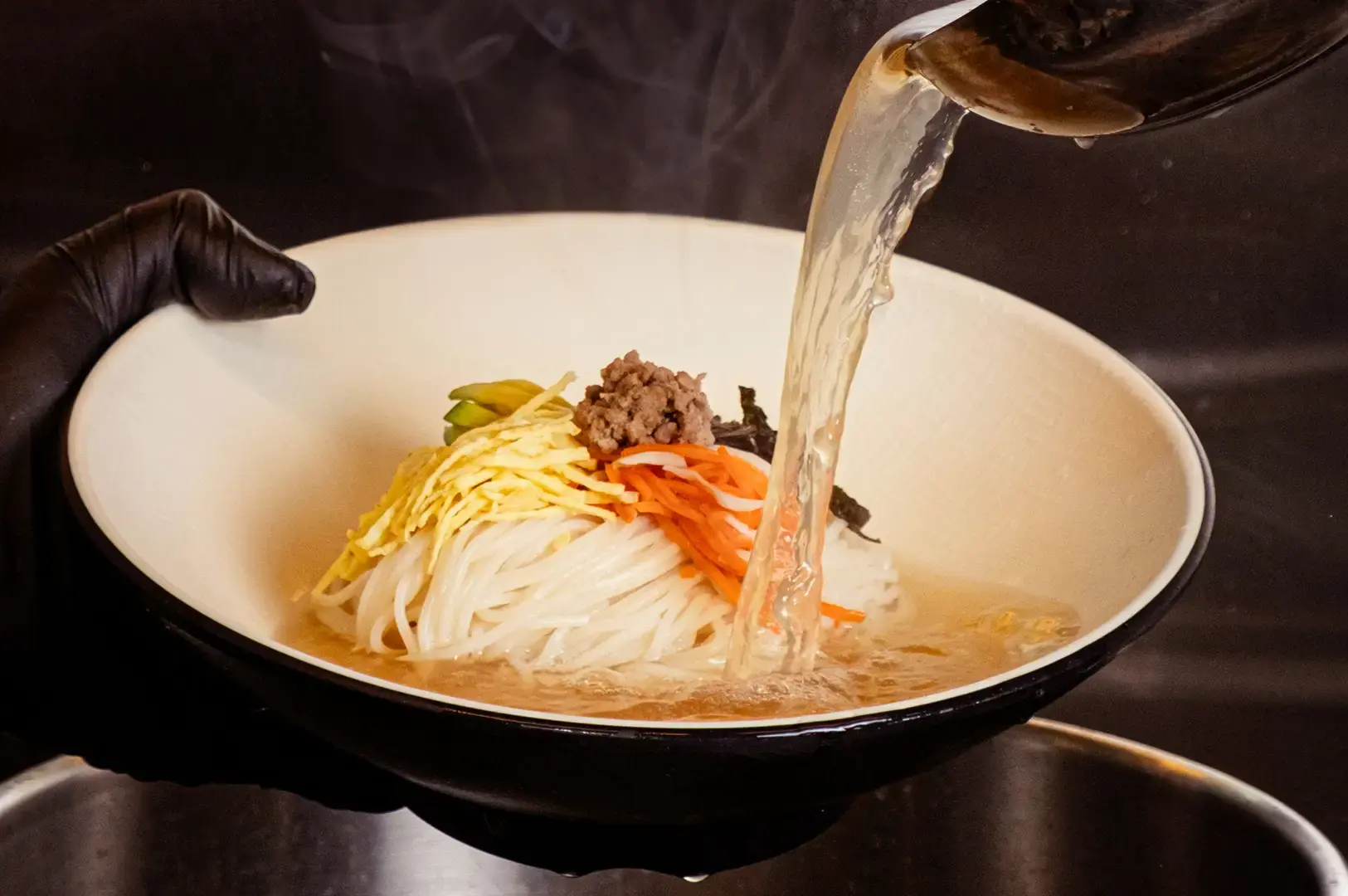
The broth is served hot for a reason. Heat carries aroma upward, keeps fat fluid, and gives the first sip its full impact. When the bowl cools, the broth does not simply become less hot. It becomes less expressive.
Oil settles differently. Salt feels heavier. Rich broths can turn dull. Lighter broths can lose their lift.
This is why the first few minutes matter. The bowl has a window, and that window is shorter than many diners realize.
Noodles Keep Cooking
The noodles do not stop changing when they leave the basket.
Once they enter the broth, they continue absorbing liquid. Their texture shifts minute by minute. A noodle that begins springy and firm can become soft and tired if left too long.
This is especially clear with thinner noodles, which are often designed to be eaten quickly. They deliver broth well, but they also lose structure faster.
That does not mean we should rush carelessly. It means ramen rewards attention and momentum.
The kitchen has timed the noodles for the bowl’s arrival. Our job is to meet that timing halfway.
Aroma Does Not Wait
Ramen is not only tasted. It is smelled.
The steam carries garlic oil, chicken fat, pork fat, dried seafood, scallion, miso, soy, or chili. That first wave of aroma shapes the way the broth lands on the palate.
But aroma fades quickly.
Wait too long and the bowl becomes quieter. The soup may still have flavour, but it loses the opening signal that makes ramen feel alive.
This is why pausing too long before eating can change the entire experience. The bowl is speaking most clearly when it first arrives.
The Culture of Eating at Peak
Ramen shops are often built around speed not because diners are unwelcome, but because the food itself demands rhythm.
The counter, the quick service, the compact menu, and the immediate handoff from kitchen to diner all support one idea: ramen should be eaten while it is at its peak.
This does not make the meal less meaningful.
It makes it more precise.
Even as Singapore’s ramen bowls move beyond their Japanese roots, that respect for timing remains central to the experience.
The Clean Finish
To eat ramen properly is not to inhale it without thought. It is to pay attention while the bowl is still alive.
Take the first sip while the broth is hot. Lift the noodles before they soften. Notice the aroma before it fades. Let the pace follow the structure of the dish.
Ramen is generous, but it is not patient.
And once we understand that, eating quickly stops feeling impolite.
It starts feeling like respect.