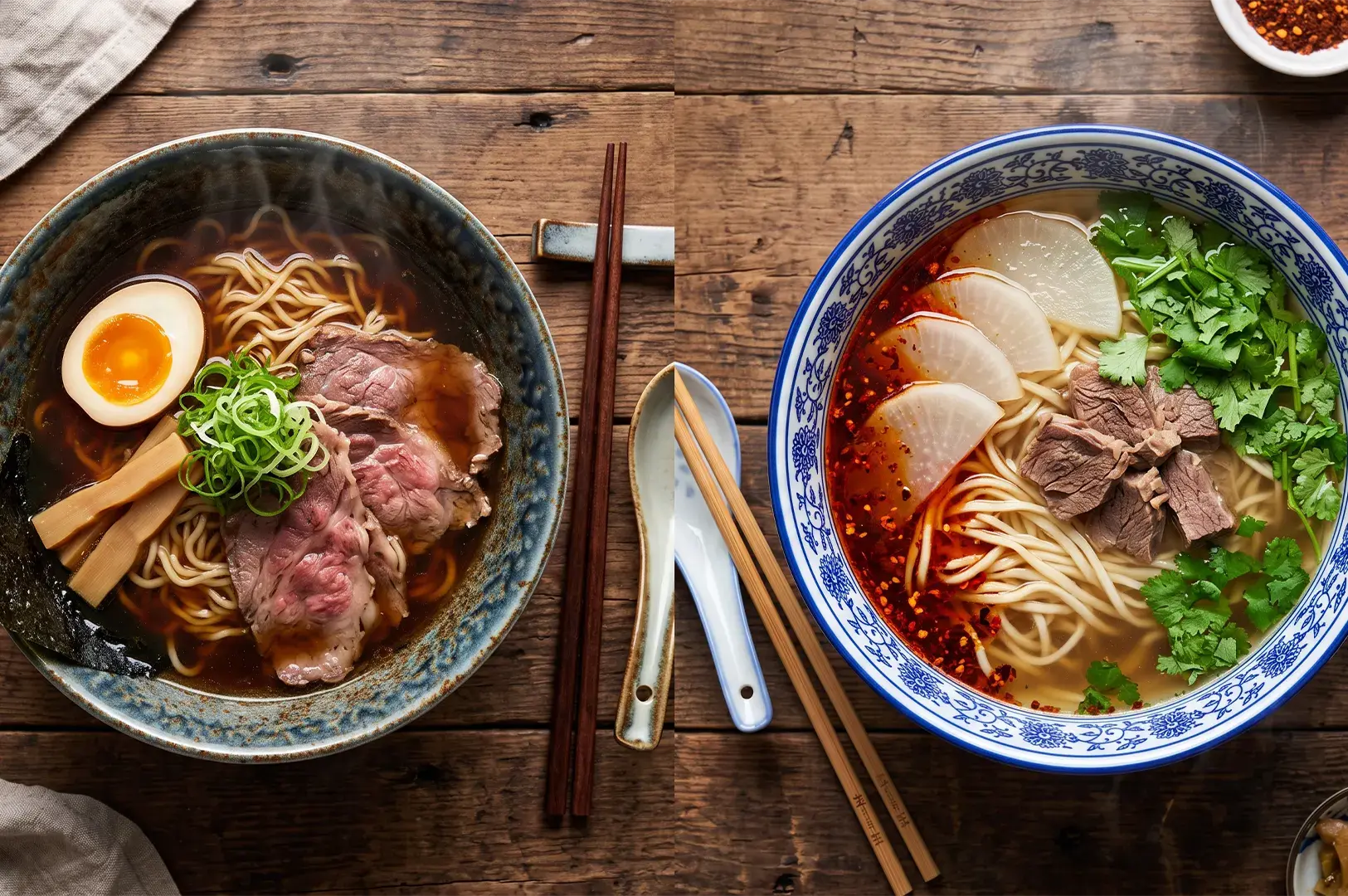
When Japanese Precision Meets Malaysian Instinct
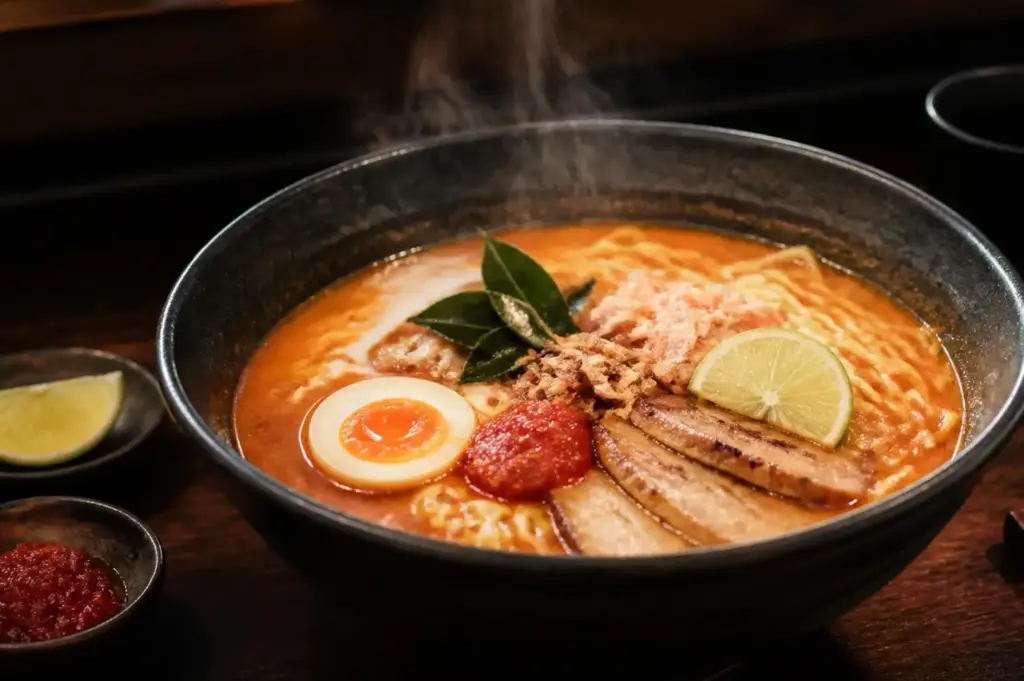
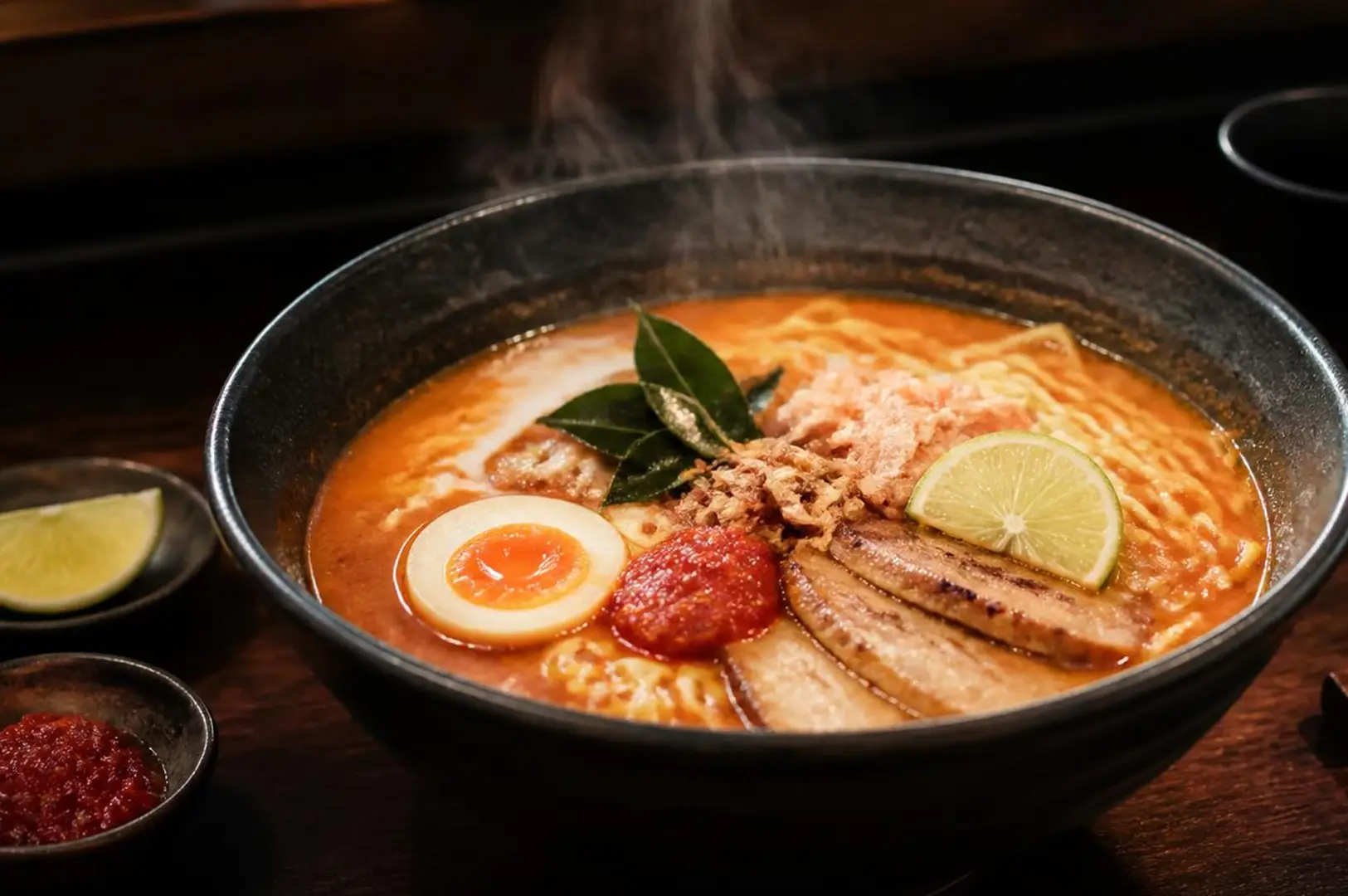
Malaysian ramen becomes interesting at the exact point where it could easily fall apart.
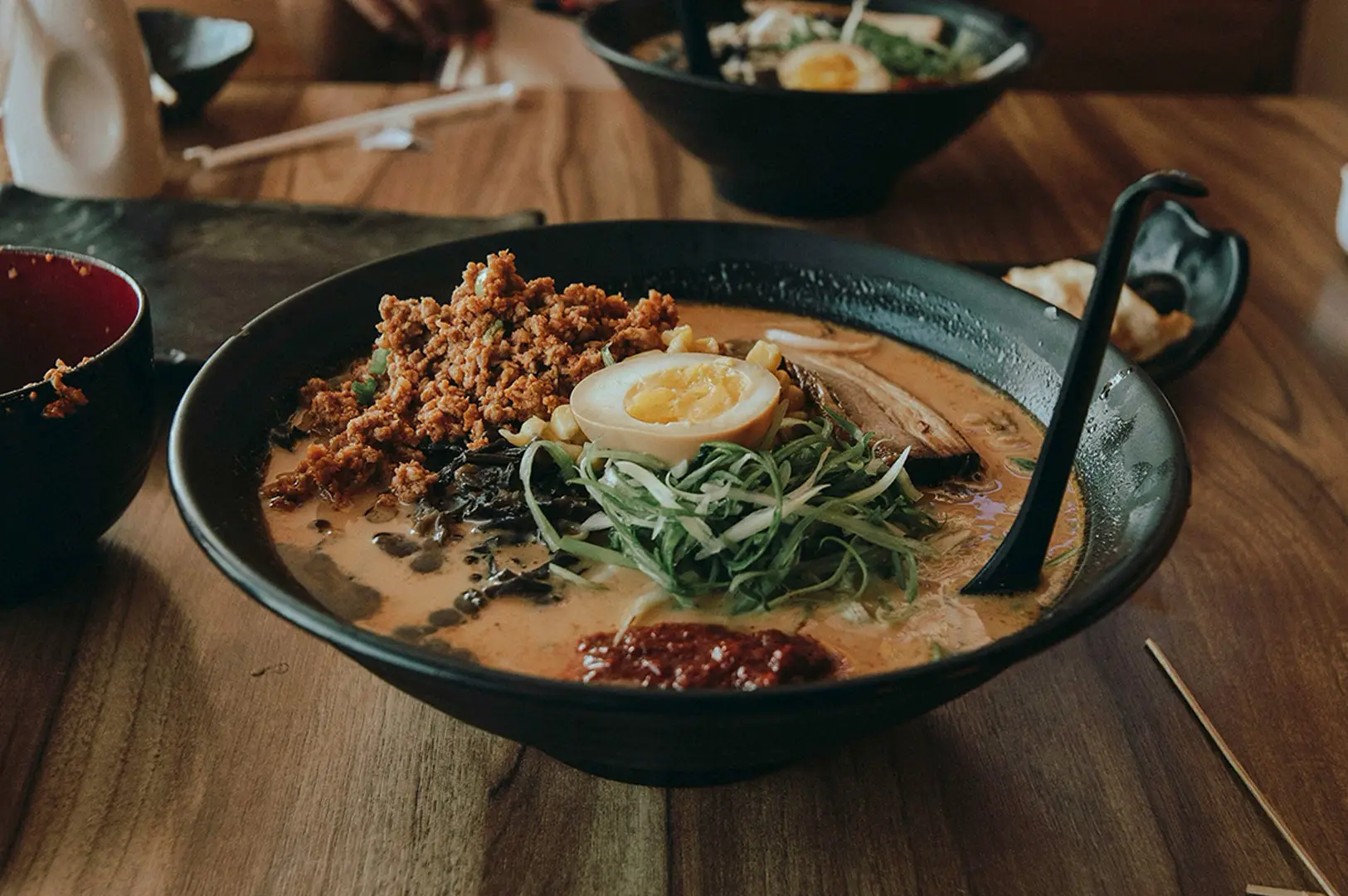
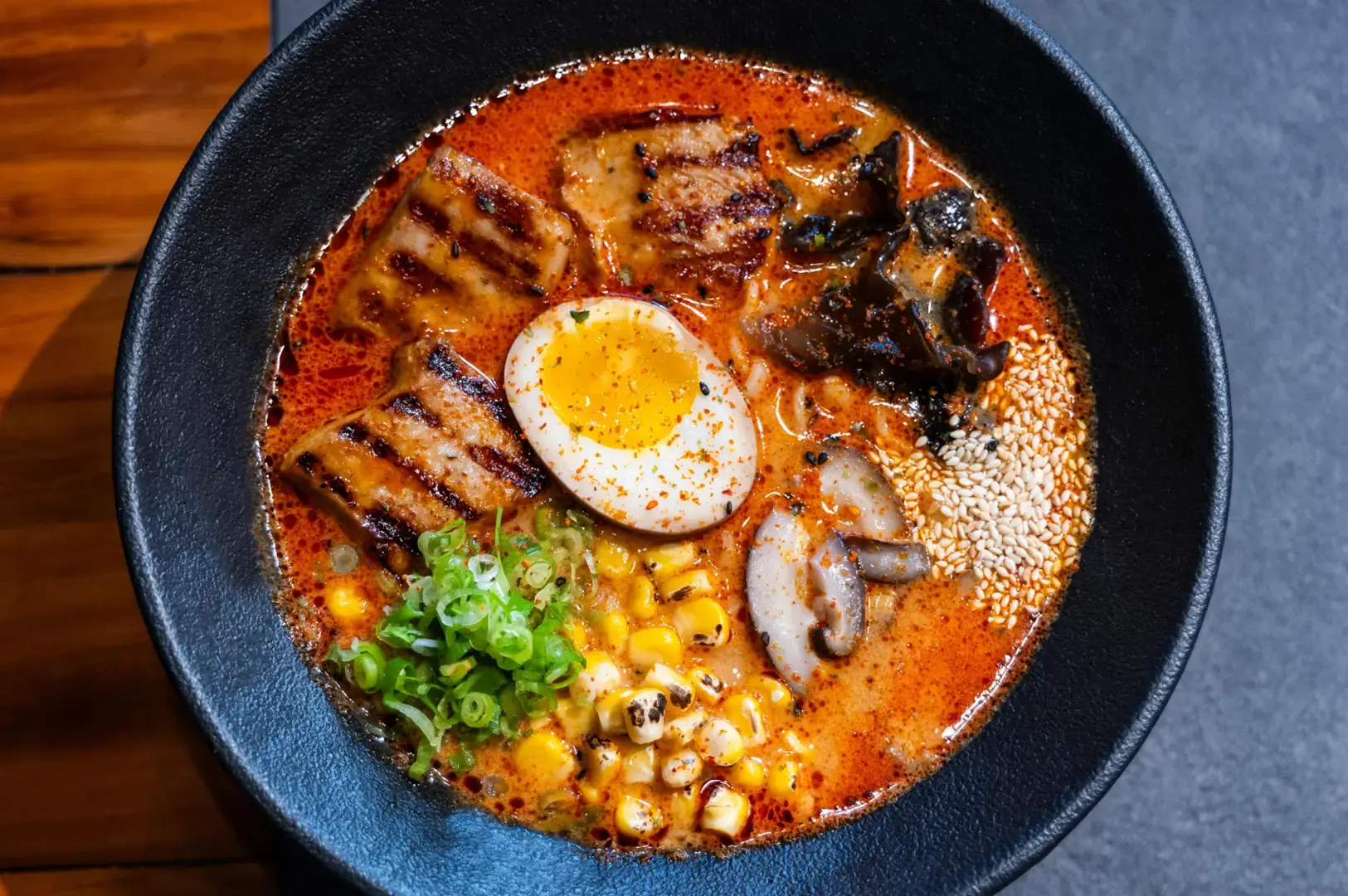
That is the risk. Take a Japanese bowl built on measured broth, tare, oil, noodles, and timing. Then bring in Malaysian instincts: sambal heat, coconut richness, dried shrimp depth, curry leaf aroma, lime brightness, fried shallots, and the quiet confidence that food should not arrive shy.
The result can be excellent.
It can also become chaos.
We have tasted both.
The Structure Comes First
Japanese ramen works because it has a five-part system.
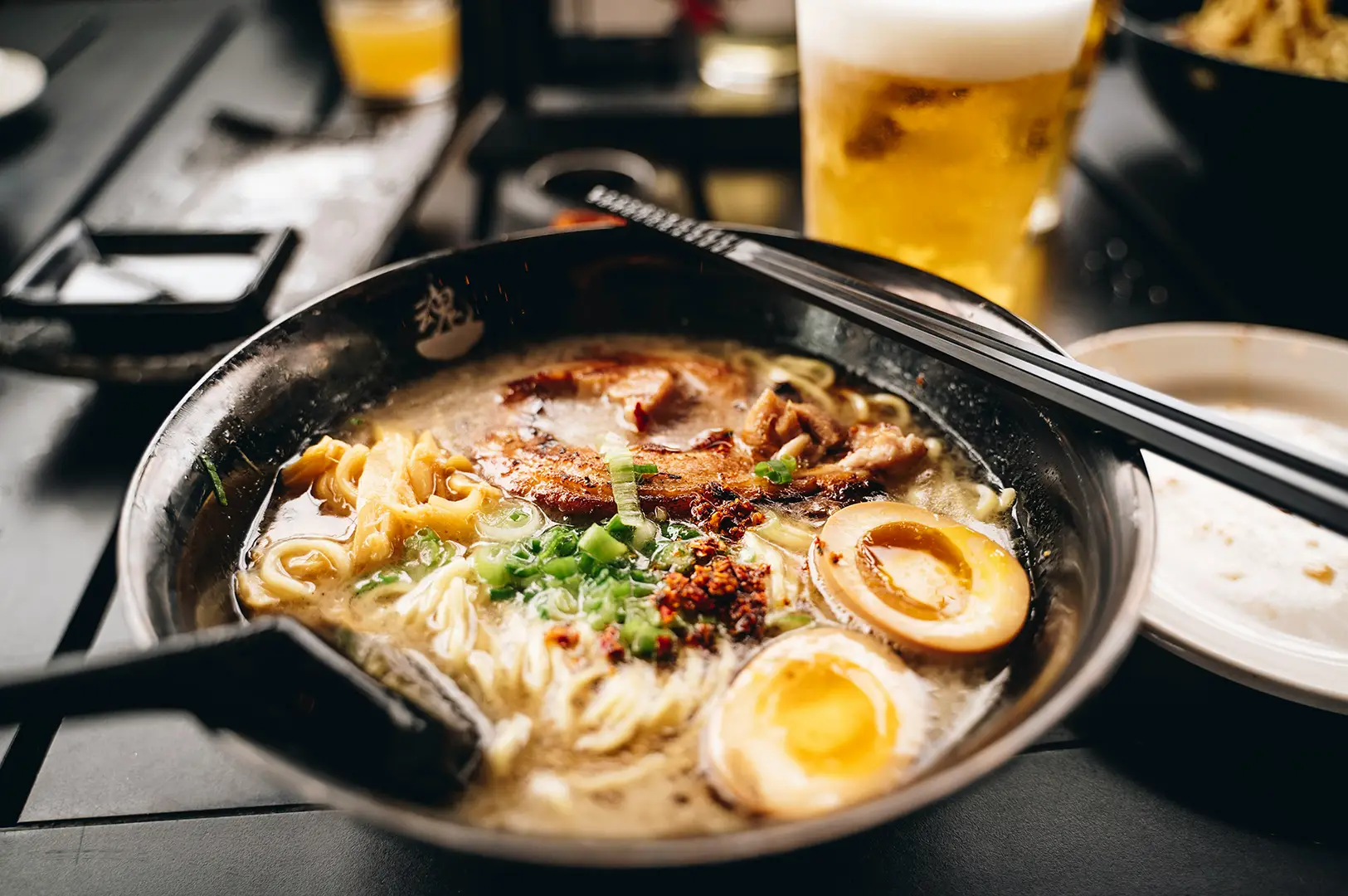
The broth gives body. The tare sets the seasoning. The aroma oil lifts the first impression. The noodles provide texture and rhythm. Toppings add contrast, not distraction.
When that structure is respected, ramen has direction. Each part knows its job.
This matters even more when Malaysian flavours enter the bowl. Sambal is not subtle. Coconut milk changes viscosity quickly. Dried shrimp can dominate if pushed too far. Lime can brighten a broth or make it feel thin.
Without ramen structure, these ingredients do not become fusion.
They become noise.
Malaysian Instinct Changes the Bowl
But structure alone is not enough.
A Malaysian ramen bowl that only follows Japanese rules can feel cautious. It may be technically correct, but not especially alive. What makes the best versions worth remembering is the local instinct behind them.
Malaysian cooking understands how to build flavour in layers.
Heat is rarely just heat. It carries garlic, shallot, belacan, sweetness, smoke, or acidity. Richness is often balanced by herbs or citrus. A broth can be deep, spicy, aromatic, and still somehow keep moving.
That intuition is what Malaysian ramen can bring to the table.
Not louder flavour.
Smarter flavour.
Where the Balance Happens
The best bowls do not simply add Malaysian ingredients on top of ramen.
They make decisions.
If coconut broth is used, the noodles need enough bite to resist the weight. If sambal becomes part of the tare, the salt and sweetness need to be controlled. If dried seafood shapes the broth, the aroma oil must support it rather than compete with it.
This is where the bowl becomes technical.
A spoonful of sambal can sharpen the broth. Too much can flatten everything into chili. Coconut can give body. Too much can make the bowl feel slow. Fried shallots can add aroma. Too many can turn the surface oily and sweet.
Malaysian ramen succeeds when instinct is edited by precision.
The Bowl That Feels Local Without Trying Too Hard
We are most interested in bowls that do not need to announce themselves as Malaysian.
They simply taste like they were built here.
The spice makes sense. The broth has structure. The noodles are chosen for the weight of the soup. The garnish is there because it changes the eating experience, not because it looks familiar.
That is when the bowl stops feeling like a novelty.
It becomes its own logic.
A New Kind of Ramen Discipline
The future of Malaysian ramen will not belong to the boldest bowl.
It will belong to the most controlled one.
Japanese precision gives the framework. Malaysian instinct gives the pulse. One without the other feels incomplete. Precision without instinct becomes stiff. Instinct without precision becomes crowded.
But when they meet properly, the bowl has tension.
It carries heat, richness, aroma, and restraint in the same movement. It tastes rooted without becoming predictable.
That is the point where Malaysian ramen becomes worth chasing.
Not because it breaks the rules.
Because it understands which rules to keep.