What Mall Ramen Says About Singapore Dining Culture
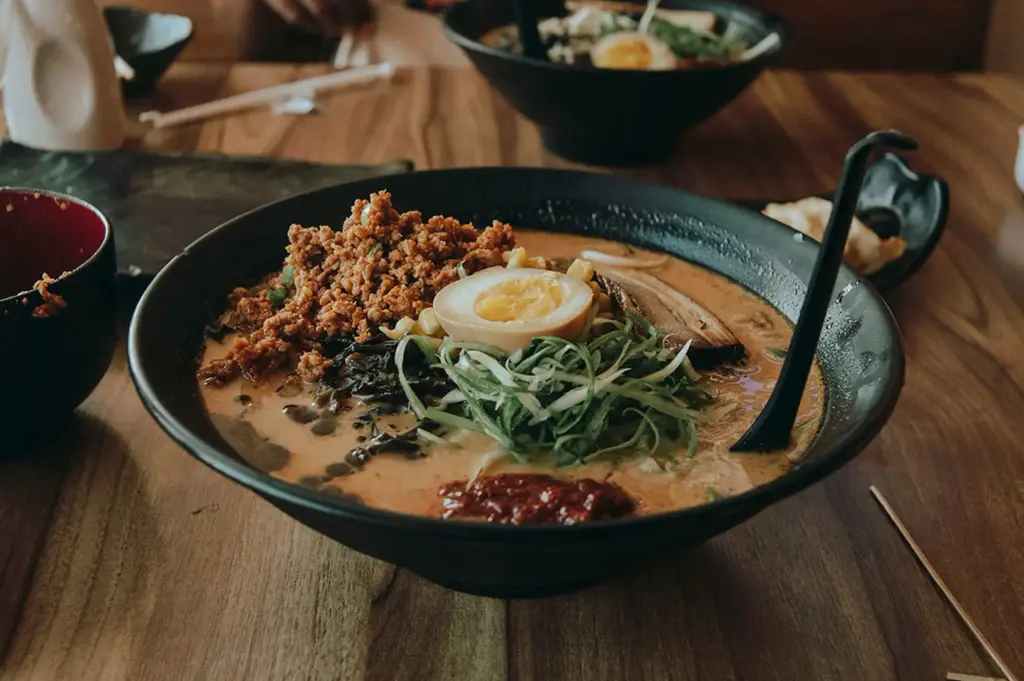
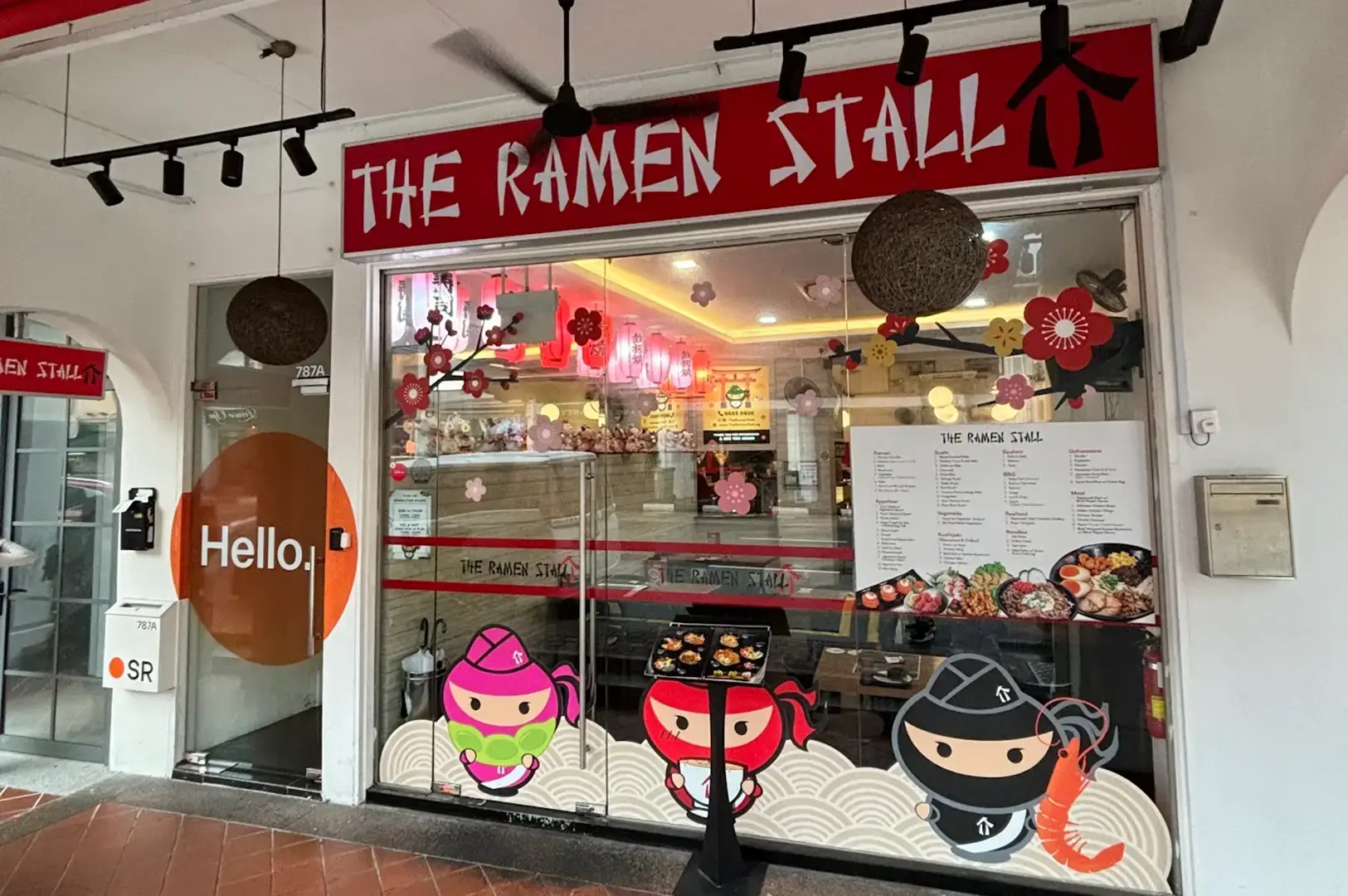
Forget the hidden Japanese alleyway. In Singapore, some of our most familiar ramen experiences begin beside an escalator.
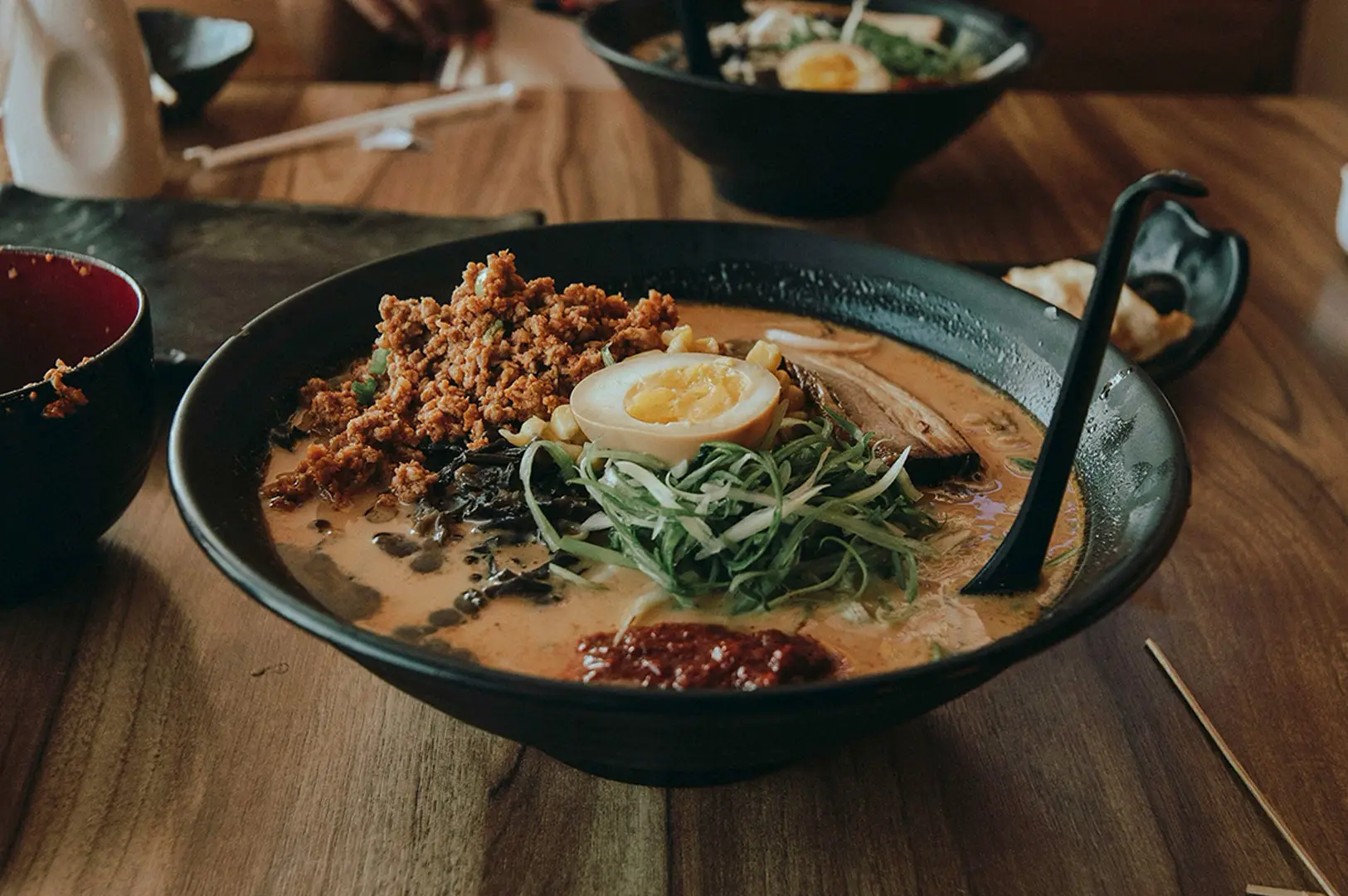
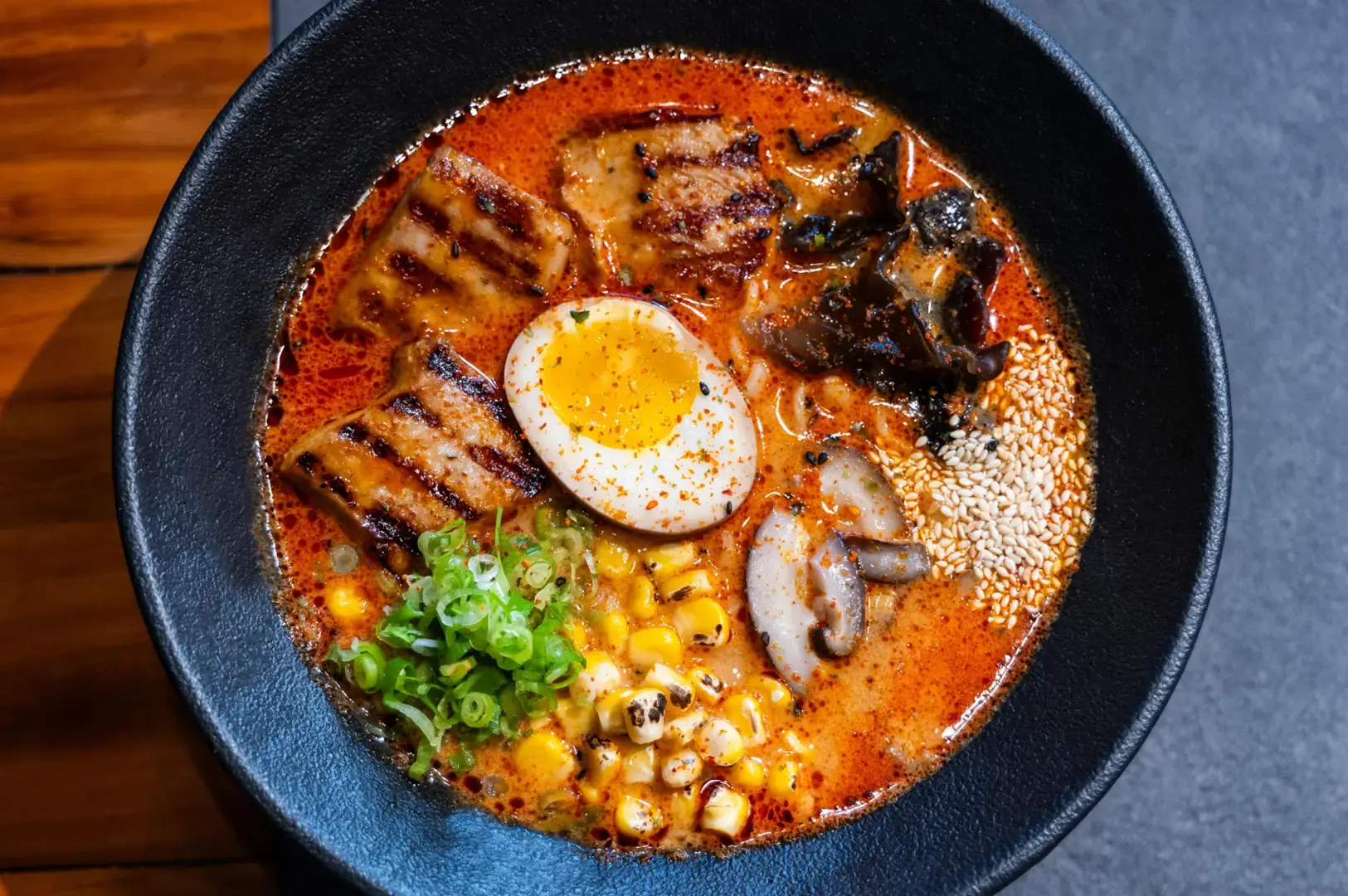
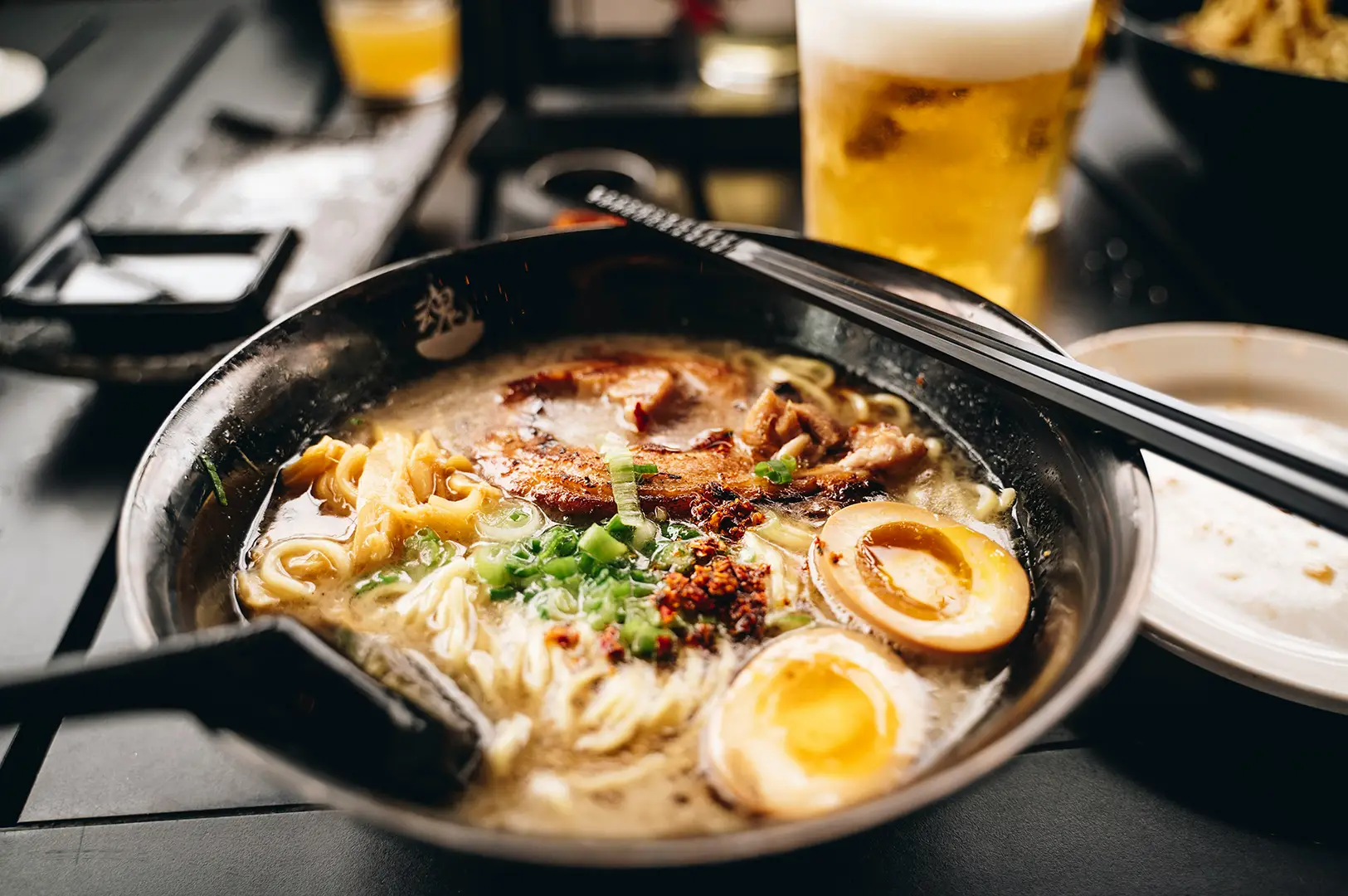
We have all seen the scene. Shoppers carrying bags, office workers checking their watches, families studying restaurant menus. Somewhere between a bubble tea counter and a clothing store, a ramen shop is sending out steaming bowls of tonkotsu.
It is hardly the romantic setting we associate with Japanese ramen culture.
Yet somehow, it makes perfect sense.
In Singapore, ramen has found an unlikely home in shopping malls. And the more we think about it, the more this relationship reveals about how our city eats.
The Mall Is Singapore's Modern Food Street
In Japan, ramen is often associated with compact neighbourhood shops, railway stations, and narrow streets where diners squeeze into counter seats.
Singapore tells a different story.
We have built much of our everyday dining culture around air-conditioned shopping centres. They are where we meet friends, escape afternoon heat, run errands, and settle the familiar question: What should we eat?
Ramen fits naturally into that routine.
Rather than travelling across town for a particular bowl, we might discover one while shopping or looking for dinner after work.
The experience becomes less about seeking something extraordinary and more about finding something satisfying.
That distinction matters.
When Convenience Becomes Part of the Experience
We sometimes dismiss mall restaurants as predictable.
But predictability has its advantages.
Consider the office worker with forty minutes for lunch. Or the family trying to agree on dinner without another lengthy discussion.
A ramen shop offers a straightforward proposition: a familiar menu, an individual bowl, and a complete meal without too much ceremony.
That easy rhythm also suits a dish that is best enjoyed without lingering too long, while the broth is hot and the noodles still have their bite.
We do not necessarily visit because the restaurant promises a culinary revelation.
Sometimes, we simply know what we want.
And in a city where convenience shapes so many decisions, that familiarity carries genuine value.
Japanese Food Without the Formality
There is another reason mall ramen feels so natural here.
Singaporeans have become comfortable incorporating Japanese food into ordinary routines.
Sushi, donburi, udon, and ramen no longer need to feel like special-occasion meals. They can be everyday choices alongside chicken rice, pasta, or Korean cuisine.
We find this particularly interesting.
Ramen retains its Japanese character through broth, noodles, and preparation, yet its place in Singaporean life has become distinctly local.
The setting changes how we approach the meal, even when the recipe remains familiar.
What We Lose, and What We Gain
Of course, mall dining comes with compromises.
A busy commercial setting rarely offers the intimacy of a tiny ramen counter. The surrounding noise, foot traffic, and pace can make the experience feel less personal.
But we gain something too.
Accessibility. Familiarity. The freedom to enjoy ramen without turning dinner into an expedition.
Perhaps that is the trade-off Singapore has willingly embraced.
A Bowl That Belongs to the City
The next time we spot a ramen shop tucked between retail stores, we might see more than another dining option.
We see a reflection of Singapore itself: practical, multicultural, constantly moving, yet always making room for good food.
Ramen did not need to recreate a Japanese alleyway to find its place here.
It simply needed to become part of our everyday lives.
And perhaps that is the most Singaporean thing about it.