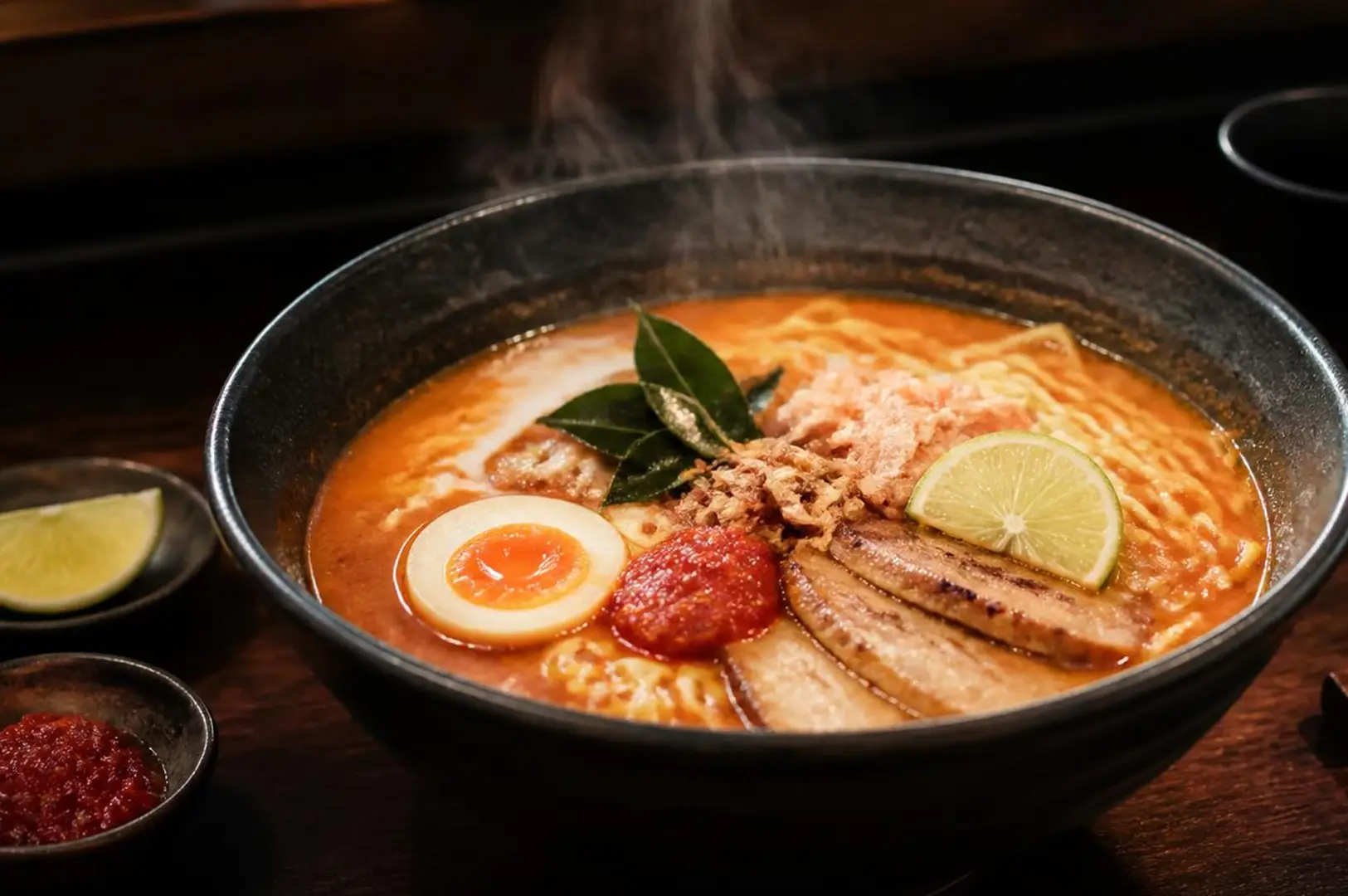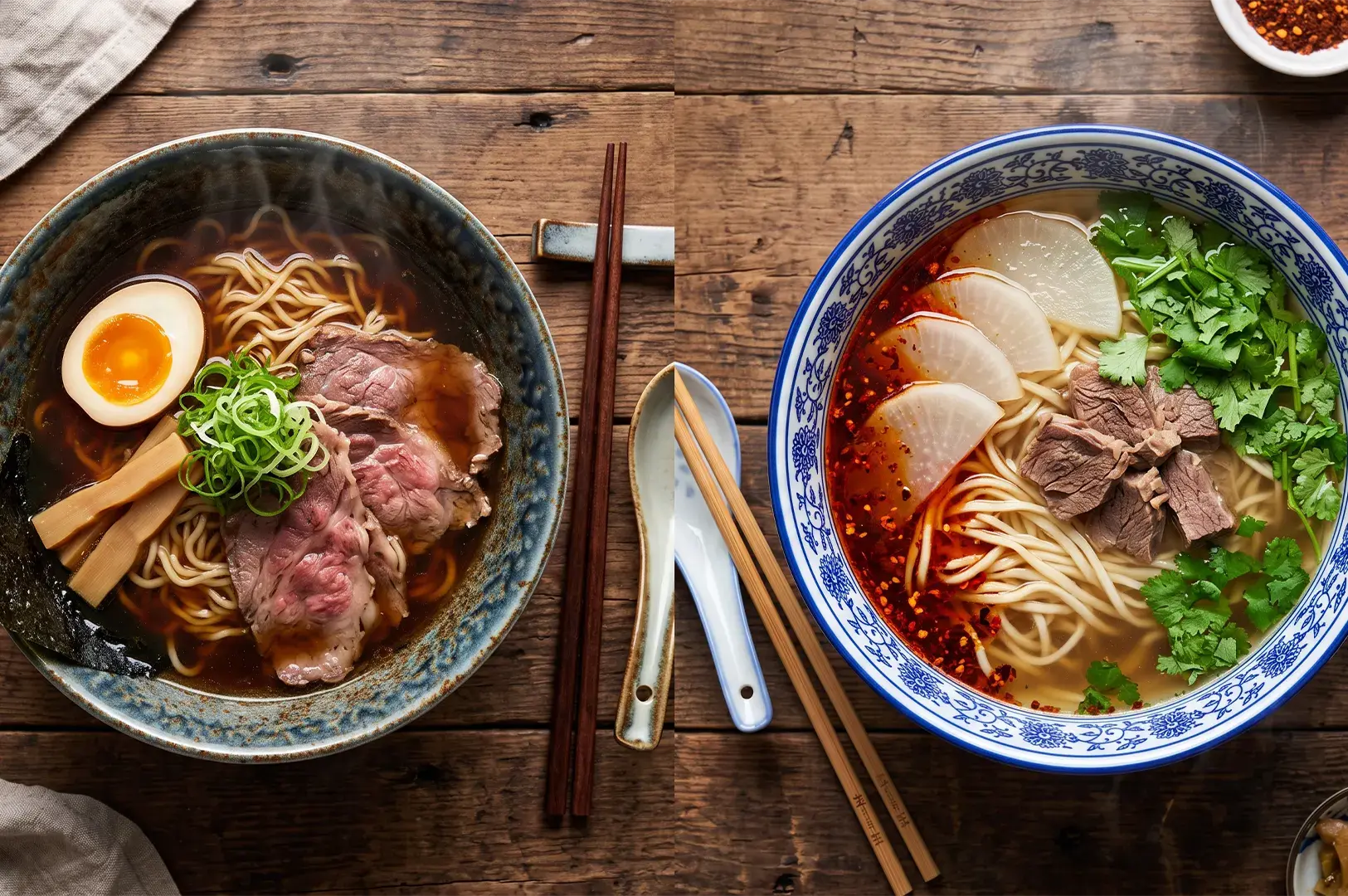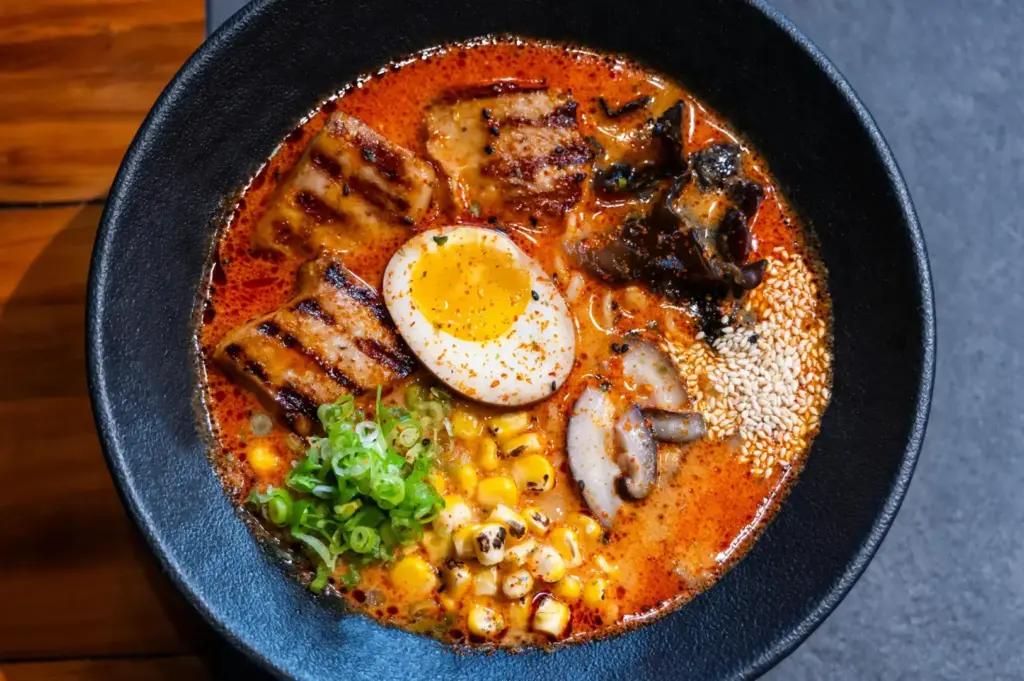
The first time I ordered the hottest level on a ramen menu, I did it out of pride. I grew up on sambal and chilli padi. I eat mala without flinching. So when the menu offered a top tier of heat, I took it without a second thought.
Three sips in, my lips had gone numb. Five sips in, I couldn’t taste the broth at all. I finished the bowl, but I couldn’t tell you what it tasted like. All I remember is the heat, and a quiet regret that I’d paid for a soup I never really met.
That bowl taught me the one thing I’d pass on to you: good spicy ramen should make you notice the broth and noodles more, not forget them.
What Makes Spicy Ramen Different?
Spicy ramen isn’t one fixed style. It’s heat layered onto a foundation, and the foundation changes everything.
Spicy miso ramen uses fermented miso with chilli, garlic, ginger, and sometimes sesame. The heat feels rounded and savory, never sharp, making it a delicious noodle recipe for those who love ramen with depth.
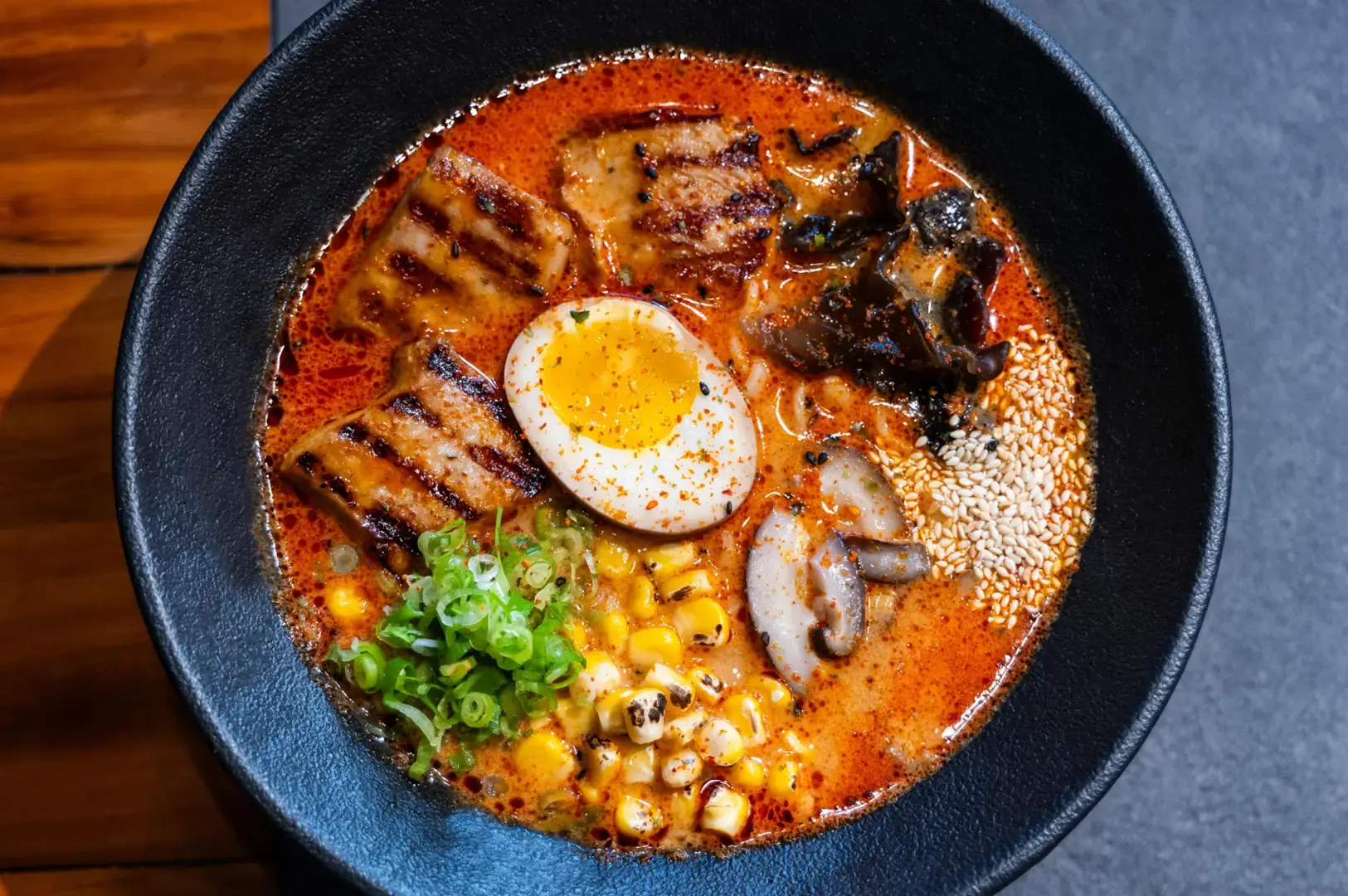
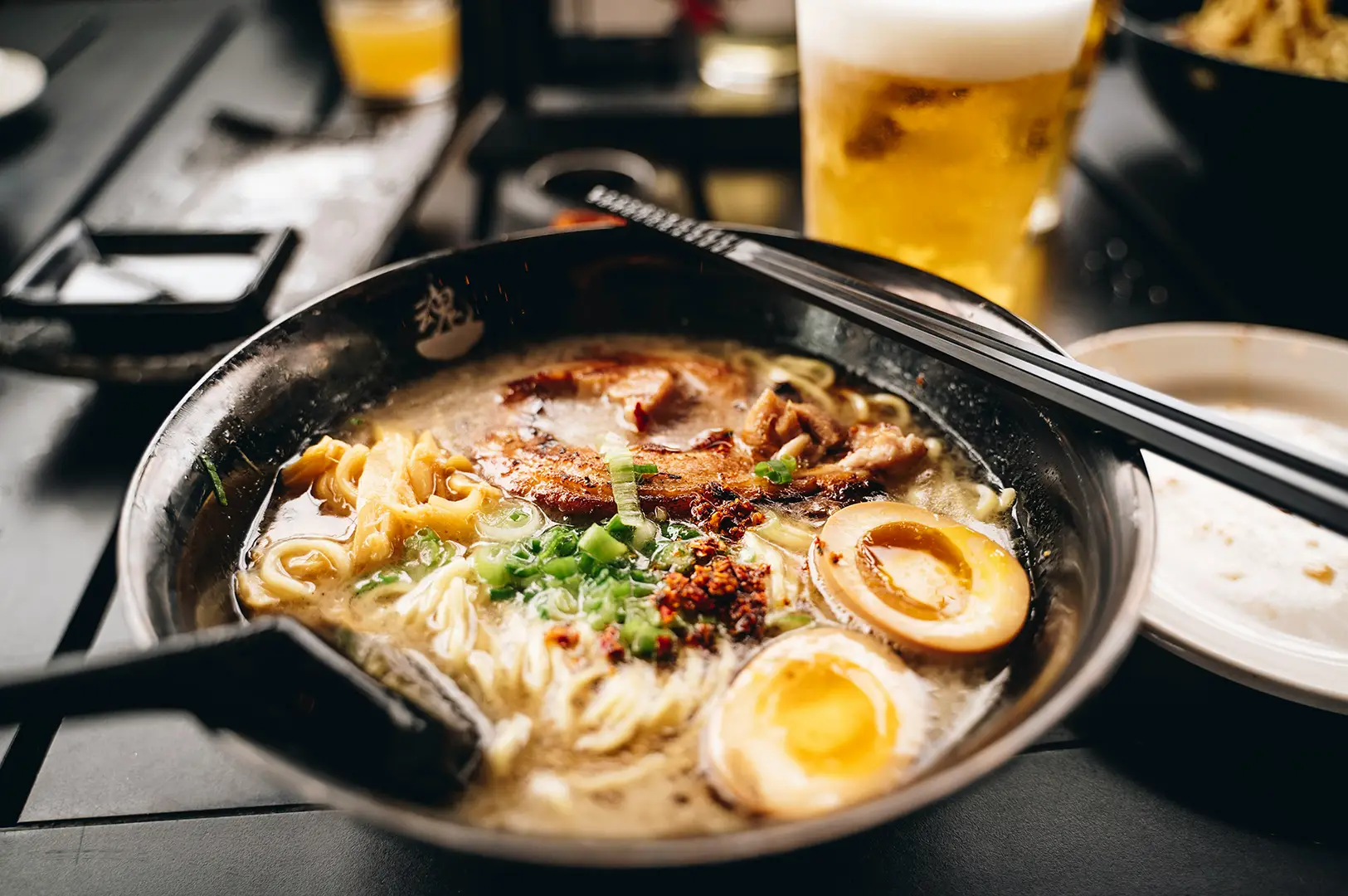
Spicy tonkotsu ramen pairs creamy pork-bone broth with spicy miso, chilli oil, or pepper. It gives you richness and fire together, balancing the sweetness and medium heat perfectly.
Spicy shoyu ramen builds on soy sauce with chilli paste or chilli oil. The broth is cleaner and more direct, often a light broth that highlights the umami.
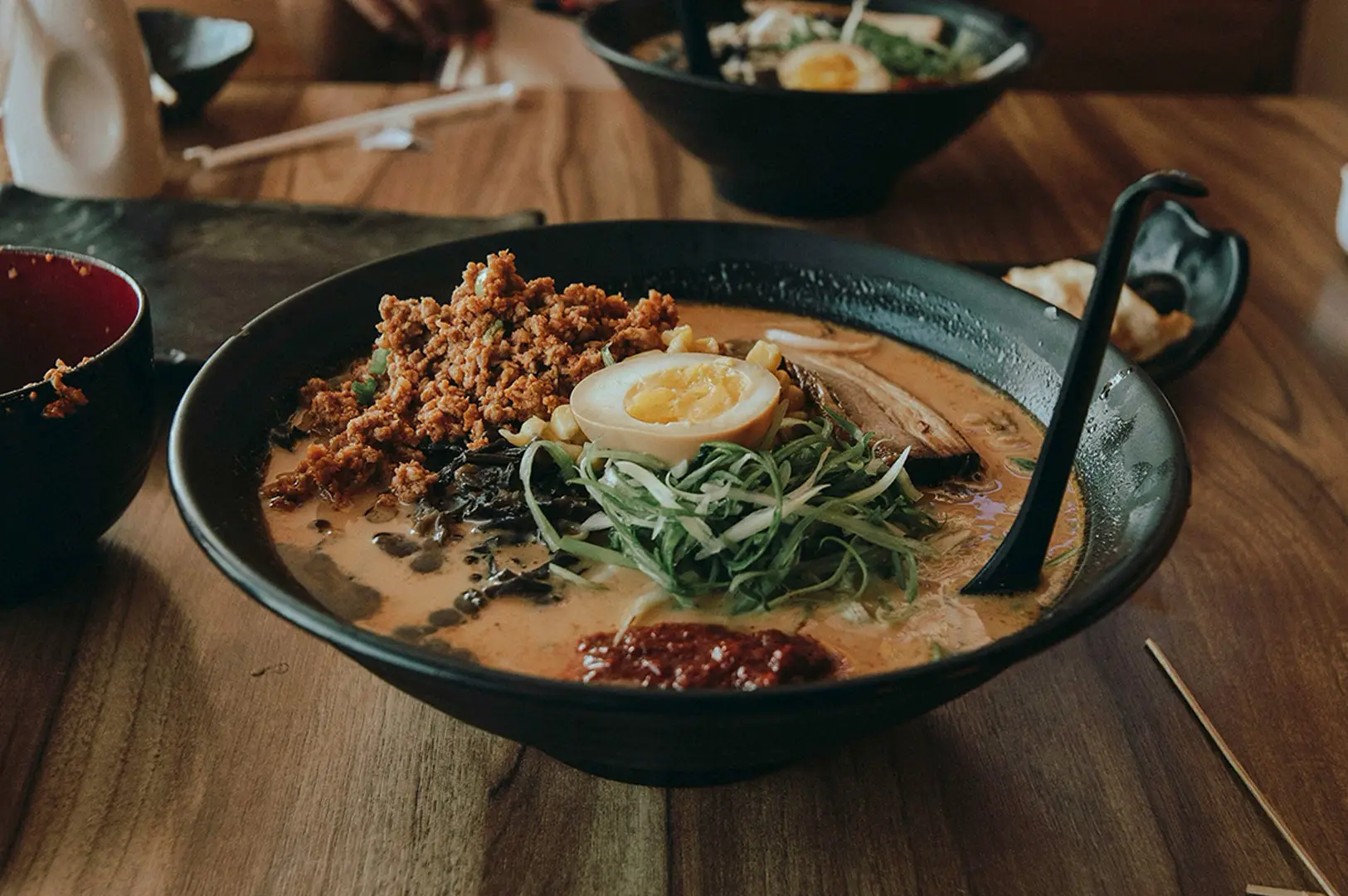
Tantanmen brings sesame, chilli oil, and seasoned minced meat. Some versions add Sichuan pepper for a tingle.
Spicy mazesoba skips the soup entirely. Dry noodles get tossed with spicy minced meat, egg, and aromatic oil, often served with a dipping sauce that enhances the flavors.
If you love Singapore food, some of this will feel familiar. Laksa, mala, and spicy bak chor mee all train your palate for chilli and concentrated seasoning. But Japanese spicy ramen makes its heat in its own ways: through fermented pastes, chilli oil, and pepper. It isn’t laksa in disguise.
Tonkotsu Ramen vs Miso and Shoyu: Choosing Your Heat
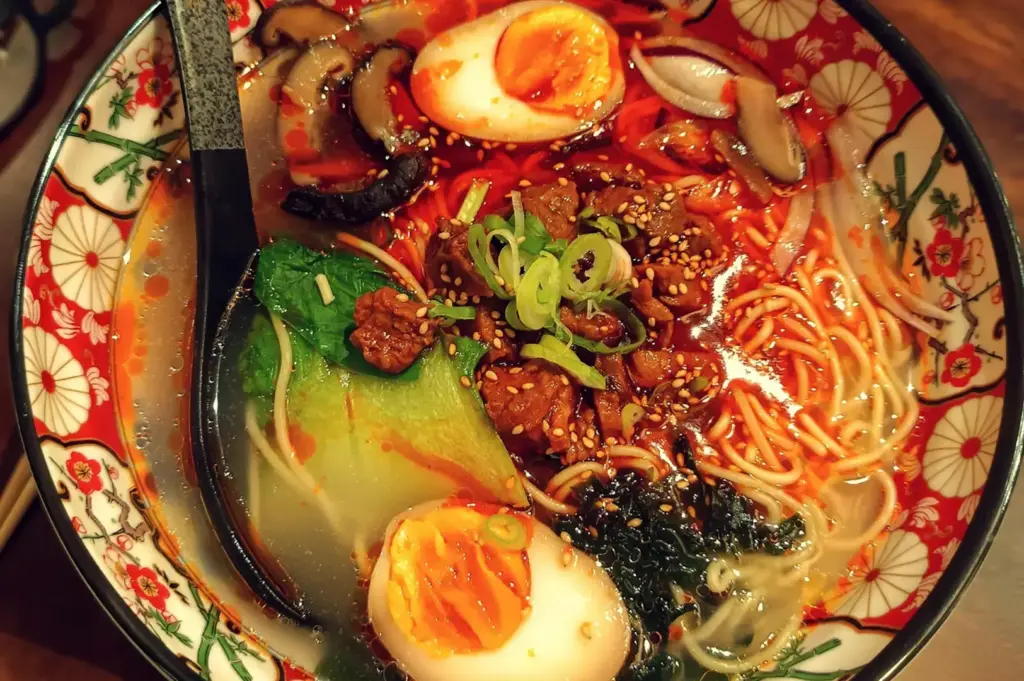
In my experience, you choose a broth first and a heat level second.
Pick tonkotsu ramen if you want creaminess. The fat softens the chilli and gives it a fuller, rounder edge.
Pick miso for fermented savoury depth that feels warm and comforting.
Pick shoyu if you want something cleaner, where the soy sauce and chilli stay distinct.
Don’t assume chicken or vegetable broths are automatically light, though. Some carry real richness, but a light broth can be just as satisfying. Then think about how the heat is built. Ask the staff if you’re unsure. Chilli oil, spicy miso, doubanjiang, Sichuan pepper, and spicy minced meat all feel different in your mouth.
The Ramen Knowledge: Chilli heat and Sichuan pepper are two different sensations. One burns and the other numbs. A bowl that uses both can feel far stronger than its color suggests. And color isn't a reliable guide anyway, since the reddest soup isn't always the hottest.
Spicy Ramen Noodles and Texture
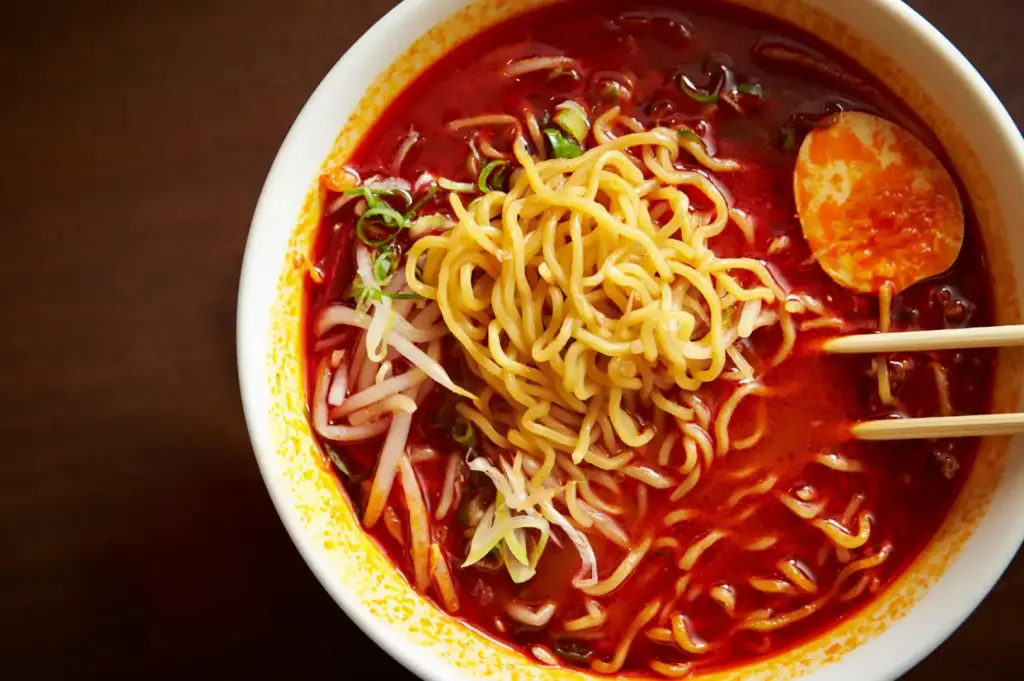
Heat puts pressure on noodles. A soft noodle collapses under a strong, oily broth. A firm one holds its shape and carries the flavor.
I’ve found that thin noodles suit many Hakata-style soups, while thicker, chewy noodles stand up better to miso, tantanmen, and dry spicy bowls. If the shop lets you choose firmness, I’d suggest going a little firmer than usual. Spicy soup is often eaten slowly, and the noodles keep softening as they sit.
For toppings, think about balance. A marinated egg, spring onions (green onion), mushrooms, bamboo shoots, or tofu all cool and contrast the heat. Chashu and braised pork belly add richness, but in an already rich bowl, they can tip it toward heavy.
Spicy Noodles Without Soup: Menya Kokoro and Mazesoba
Some days in Singapore, a steaming bowl of chilli broth is just too much.
That’s when I think of mazesoba. Menya Kokoro, with outlets at Suntec City, 100AM, and Plaza Singapura, builds its signature bowl around thick, bouncy noodles, seasoned minced meat sauce, and egg. You mix everything together before eating.
Spicy versions appear on the menu, including a Spicy Mala Mazesoba listed at the Suntec outlet. Menus change, though, so check what’s available before you go.
One honest note: dry doesn’t mean mild. Without broth to dilute it, the seasoning clings directly to every strand. A spicy mazesoba can hit harder than a soup.
Slurper's Tip: Mix from the bottom until every noodle looks glossy. Taste it first, then add vinegar or chilli oil a little at a time.
How to Make Spicy Ramen at Home (25–30 Minutes, Serves 2)
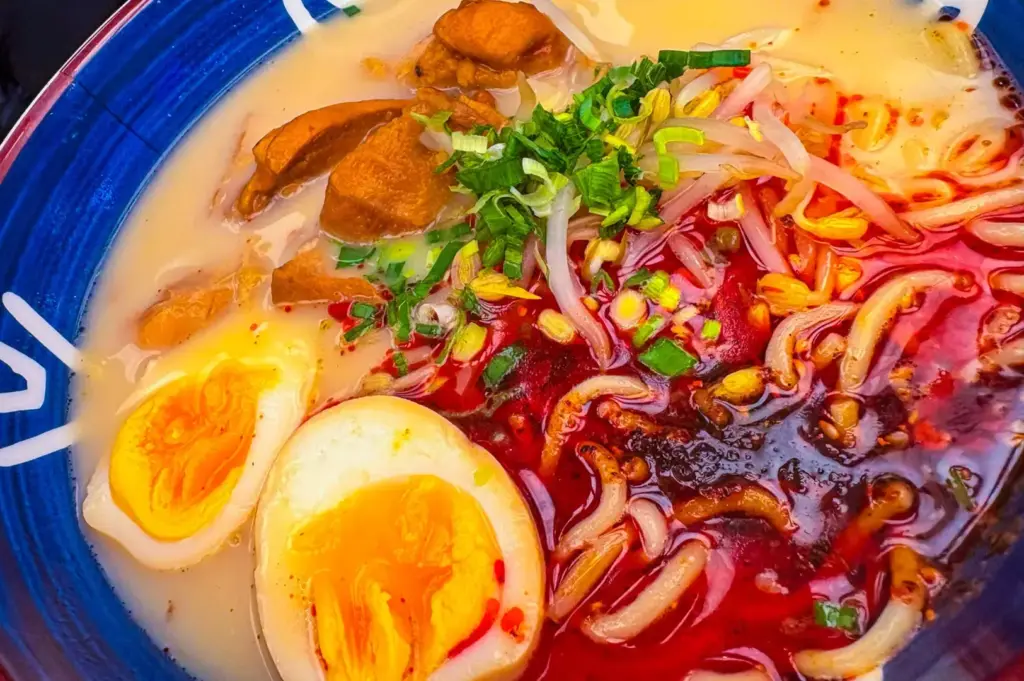
You don’t need an all-day stock for this. This simple spicy miso-shoyu bowl uses shortcuts and still tastes like it took effort.
You’ll need: 2 portions of fresh ramen noodles (or different noodles if you prefer), 750 ml low-sodium chicken or vegetable stock (a light broth), 1½ tbsp miso, 1 tbsp soy sauce, 1 tsp doubanjiang, 1 tsp sesame oil, 2 cloves of garlic, 1 tsp grated ginger, ½ tsp sugar if needed, 150–200 g of cooked chicken or tofu, bok choy or mushrooms (rich in vitamin A and vitamin C), 2 fully cooked eggs, and spring onions, sesame seeds, and chilli oil to finish.
Prep everything first. Fresh noodles cook fast, so the soup must be ready before they go in.
Build the base. Warm the sesame oil on medium-low heat. Stir in the garlic and ginger for 30–60 seconds until fragrant but not browned.
Add the doubanjiang. Stir briefly and don’t let it burn.
Make the soup. Pour in the stock and bring it to a gentle simmer. Dissolve the miso in a ladle of hot broth before stirring it back in.
Season slowly. Add the soy sauce, taste, and only add sugar if the soup tastes sharp or salty, balancing the sweetness.
Heat the veggies and protein. Make sure any raw protein is cooked through.
Cook the noodles separately. Bring a pot of water to a boil and cook the noodles according to package instructions, but taste a little early. You want them al dente.
Assemble. Place the cooked noodles in bowls, add the soup and toppings, then finish with chilli oil, spring onions (green onion), and sesame seeds.
Tip From the Ramen Lover: Keep the pot mild and let everyone add chilli oil at the table. In a family with mixed spice tolerance, this saves a lot of grief.
On safety, the Singapore Food Agency advises eating cooked food promptly, refrigerating leftovers at 4°C or below, and reheating them thoroughly. If you’re cooking for older adults, young children, or anyone pregnant, cook the eggs fully.
Basic ingredients are easy to find at FairPrice, Cold Storage, Don Don Donki, and Meidi-Ya. Fresh ramen noodles have been listed at FairPrice for around S$4.10 per 450 g.
Where to Try the Best Ramen With Heat in Singapore
These aren’t rankings. They’re simply good places to understand the styles.
Ramen Keisuke, Changi Airport Terminal 2. This is the affordable entry point. The Red Spicy Tonkotsu Ramen is listed at S$14.90, or S$17.40 with a flavoured egg. The Black Spicy Tonkotsu Special runs S$24.40. You don’t need the priciest bowl to taste a proper rich broth with chilli.
Ippudo, Marina Bay Sands. The Karaka-Men combines pork broth with Sichuan pepper and a sweet-spicy miso paste. Its published menu lists Karaka Basic at S$20.00, Tamago at S$22.00, and Special at S$27.50. You can choose Original, Hot, Very Hot, or Extra Hot. I’d suggest starting at Original or Hot for a medium heat experience.
These prices come from published menus and may have changed, and GST and service charge may apply. Expect roughly S$15–S$30 per person before extras.
If you’re exploring further, the Tanjong Pagar ramen bowls are worth a walk too.
Things to Avoid When Ordering Extra Spice
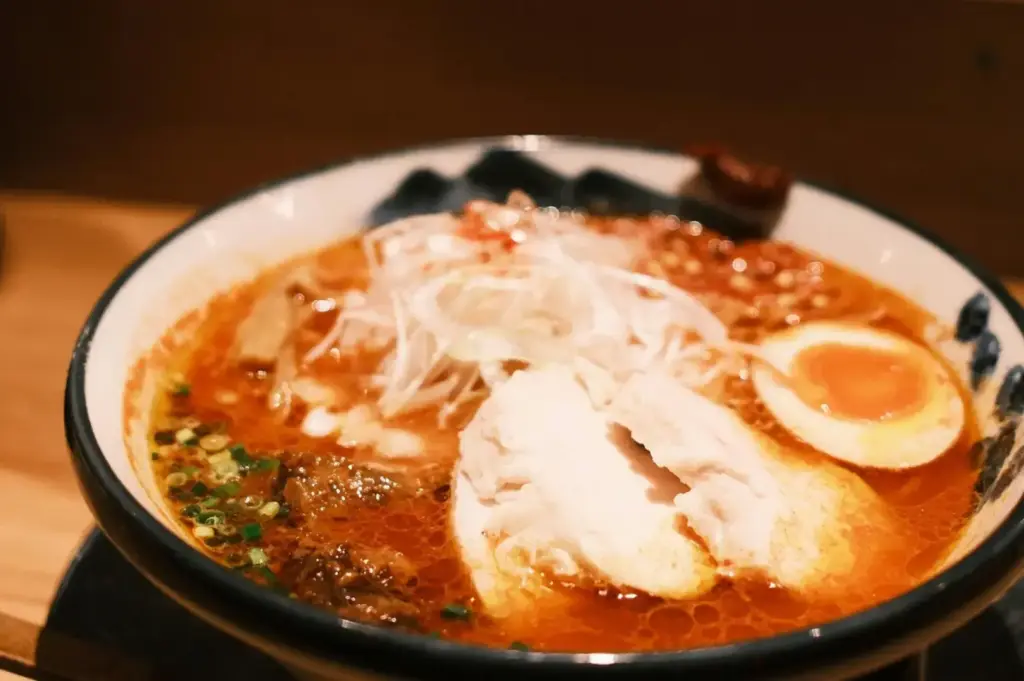
Ordering the top level out of pride. I’ve done it. Spice scales differ between restaurants, and handling mala doesn’t mean you’ll enjoy someone else’s maximum.
Adding chilli oil before tasting. Taste the broth first. You can always add more, but you can’t take it out.
Paying for extra spice instead of balance. An egg or more vegetables often improves the bowl more than extra heat does.
Letting the bowl sit. Noodles soften fast in hot soup.
If a bowl turns out hotter than you expected, ask for plain broth or extra noodles to dilute it. Next time, ask for the chilli paste on the side. Half the fun of spicy ramen is experimenting with toppings and sauces, so don’t hesitate to add a dipping sauce or extra green onion to brighten your bowl.
Ready For Your Next Slurp?
I still think about that first bowl sometimes. All that heat, and nothing left to remember. So choose a broth you love. Pick a heat level one step lower than your pride wants. Taste before you stir.
Enjoy this delicious dish, whether you make it at home or order it out, and remember that a little cheese or a touch of sweetness can sometimes balance the heat and add a yummy twist to your meal. For those who need gluten free options, different noodles such as rice-based or soba can be a great idea to try.
The best spicy ramen doesn’t overpower you. It lets the umami, the garlic, and the chew come through, with the warmth staying long after the bowl is empty.