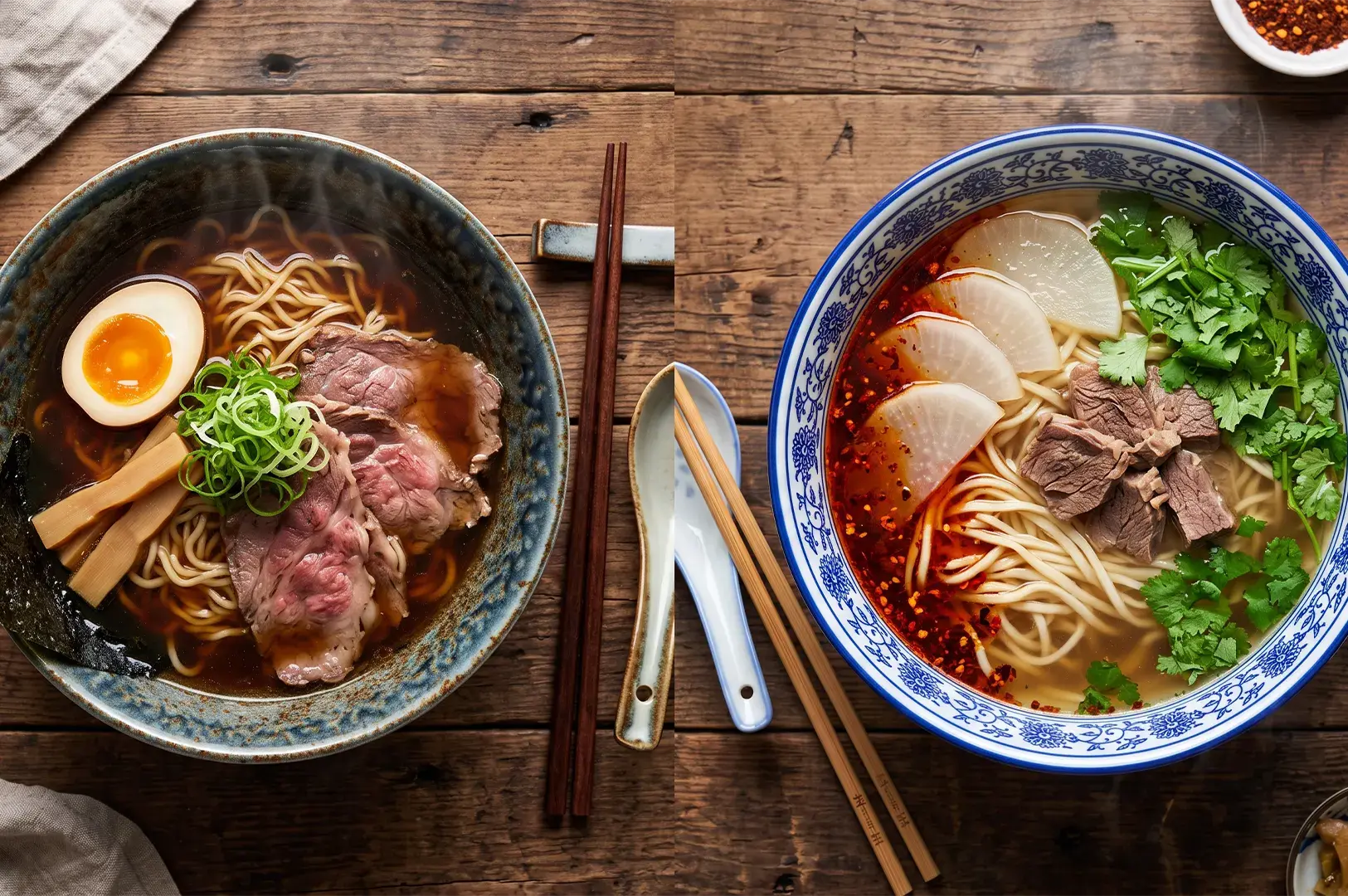
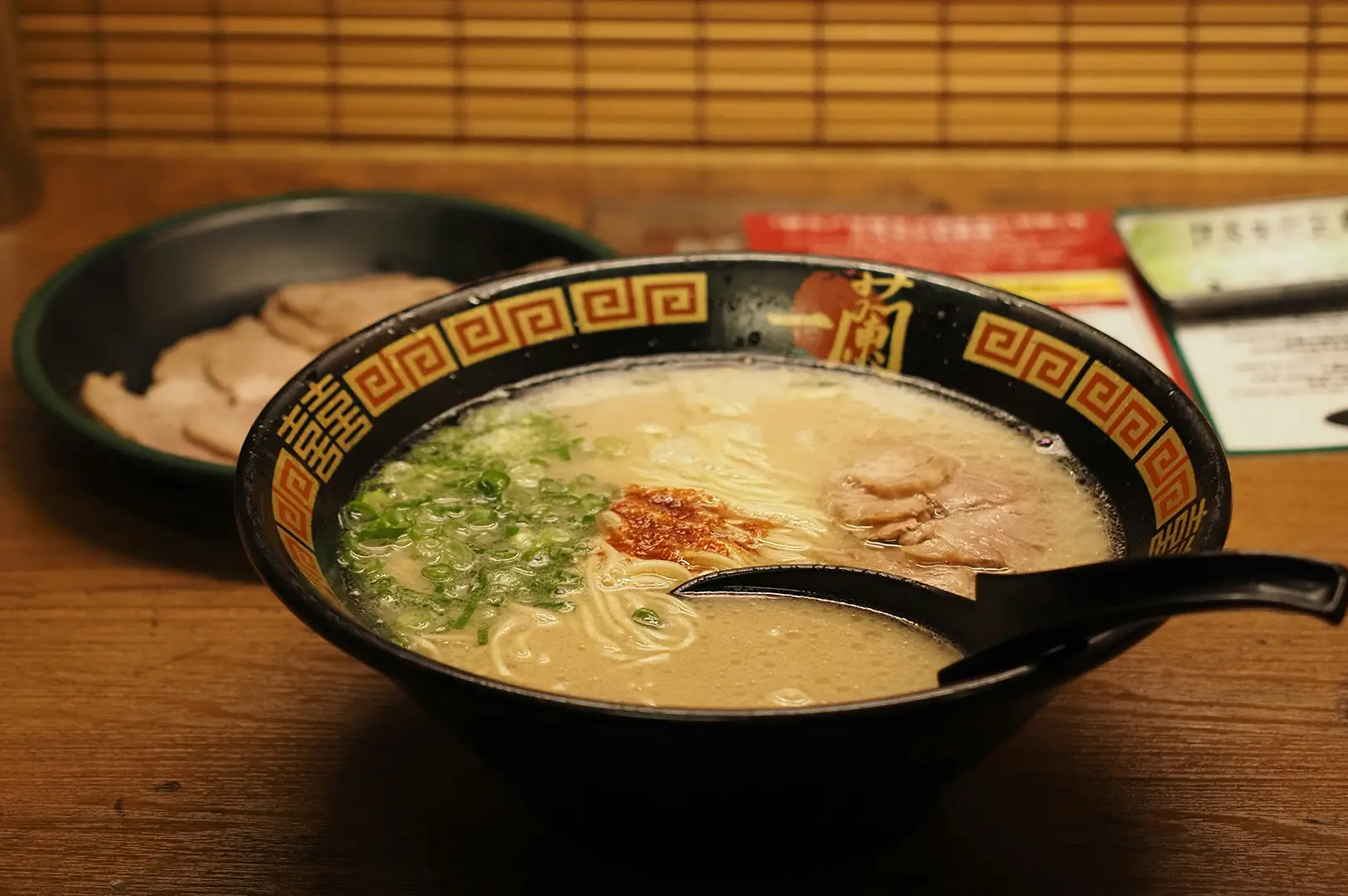
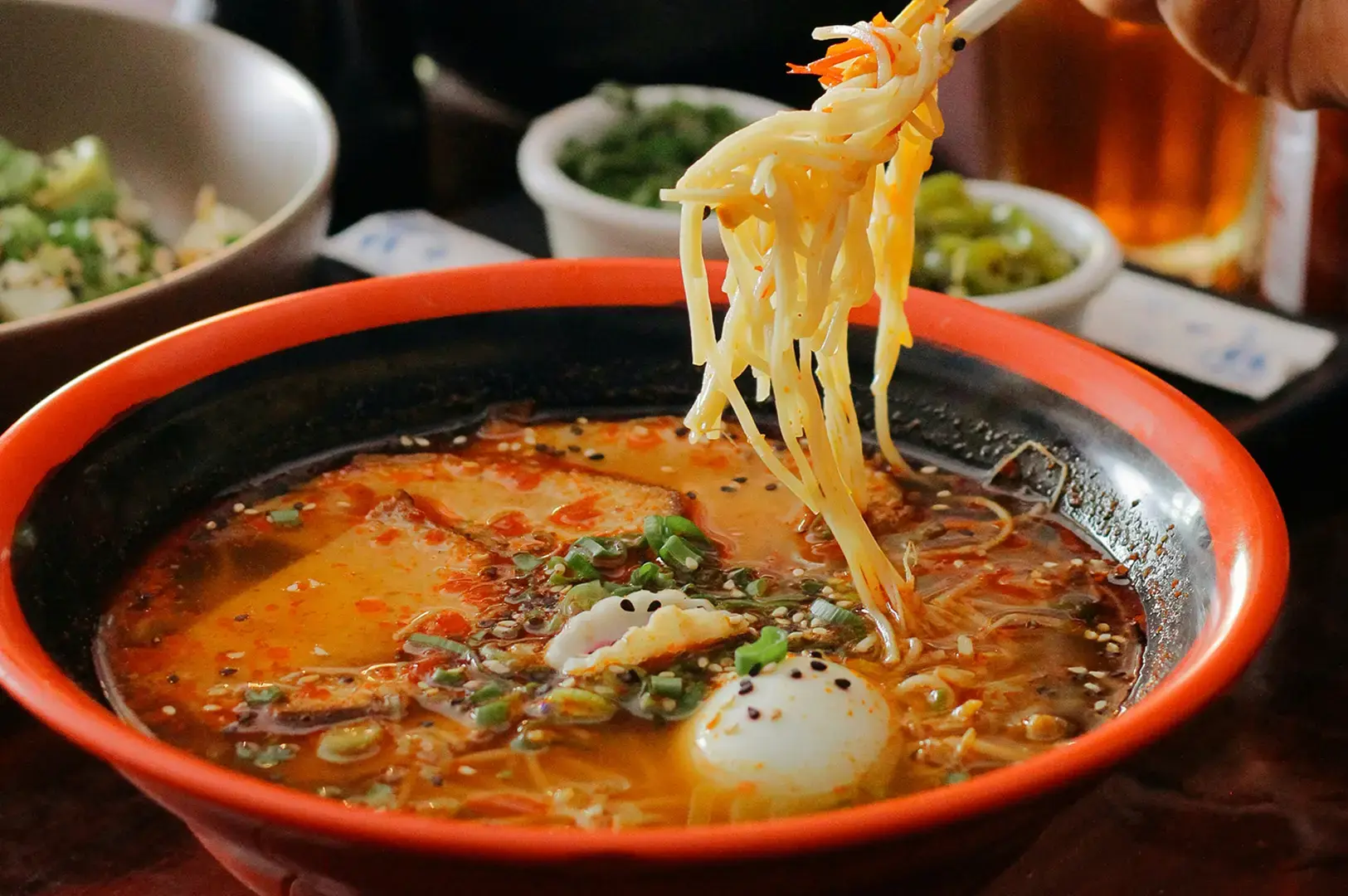
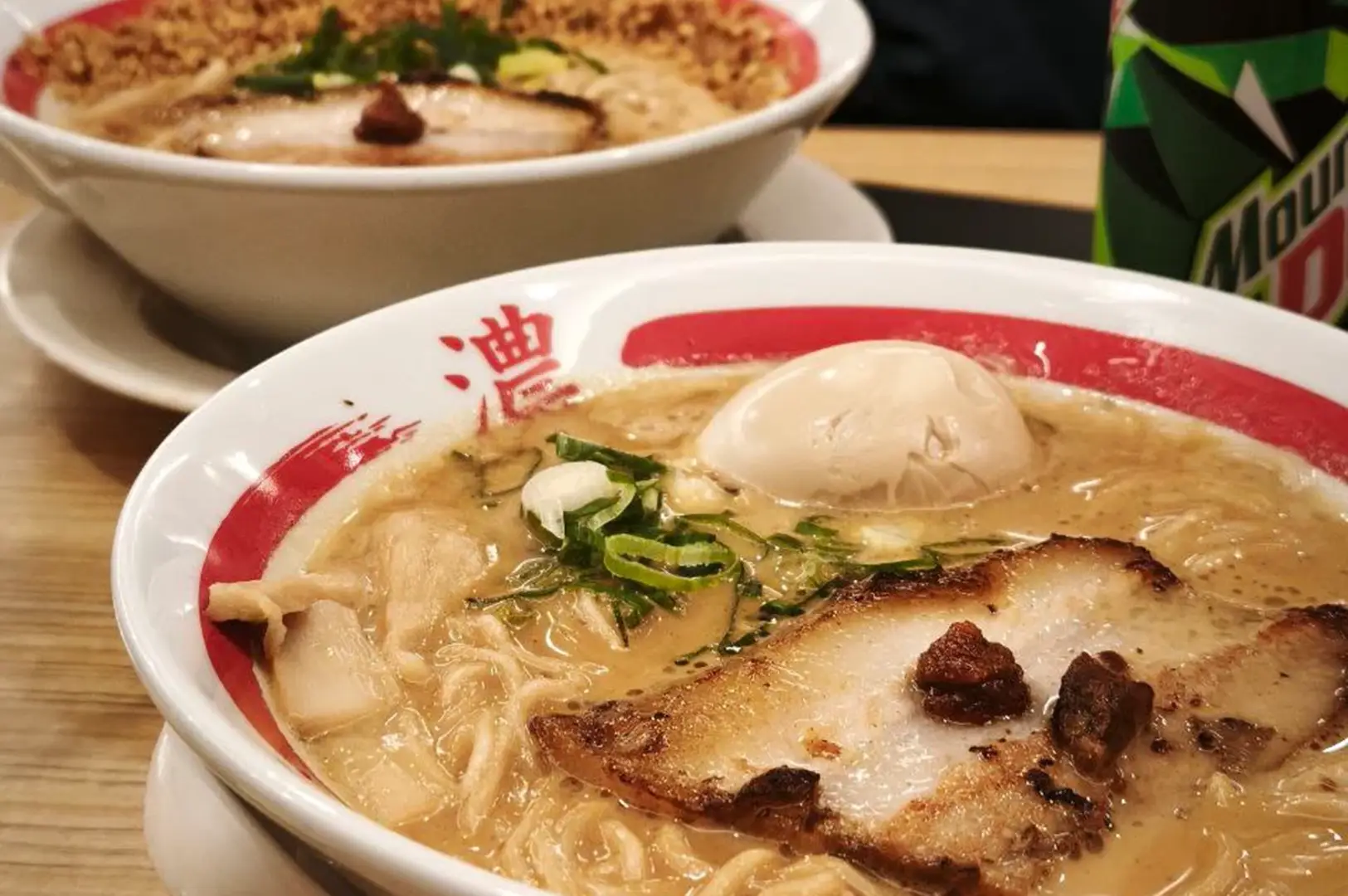
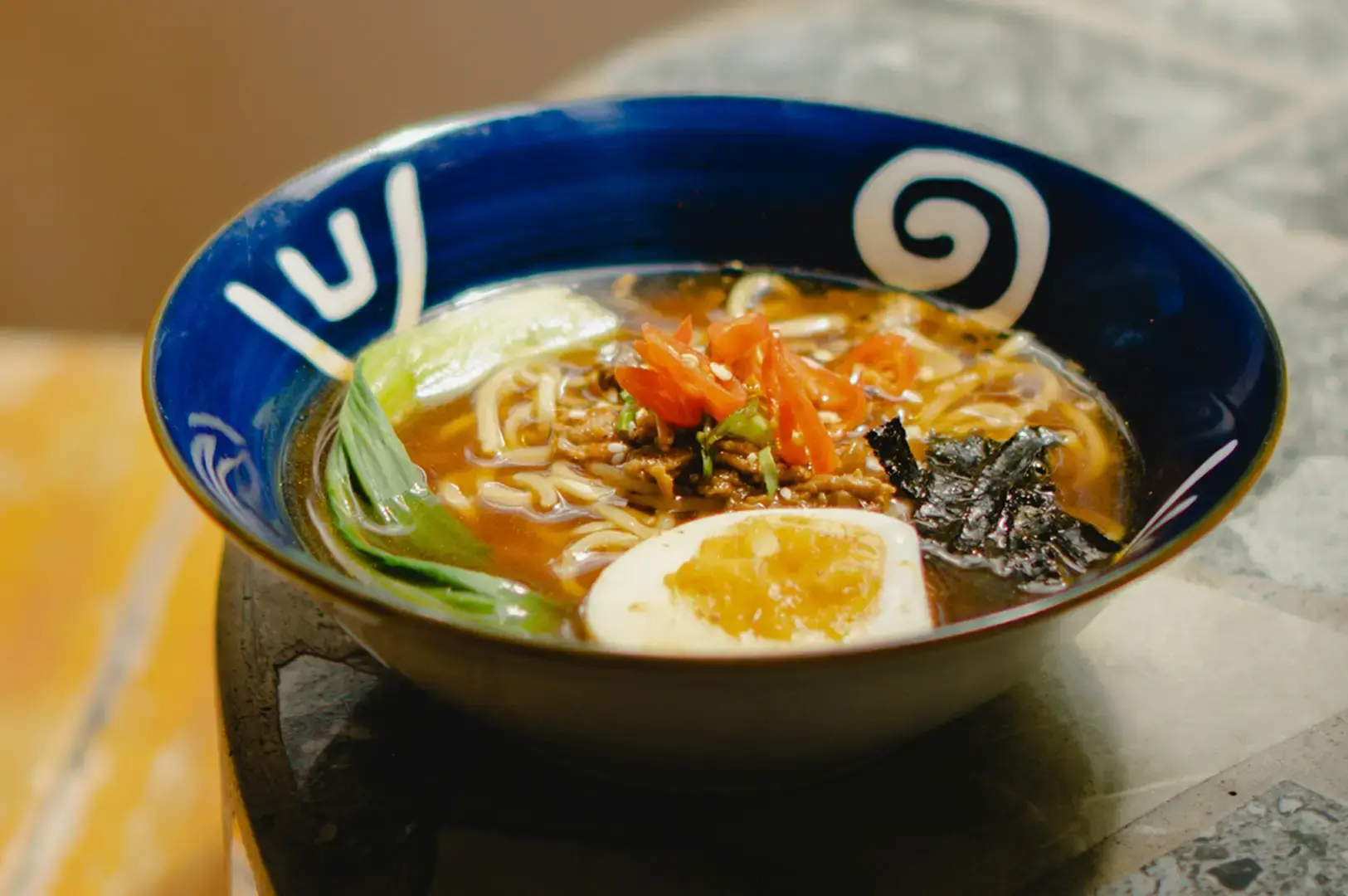
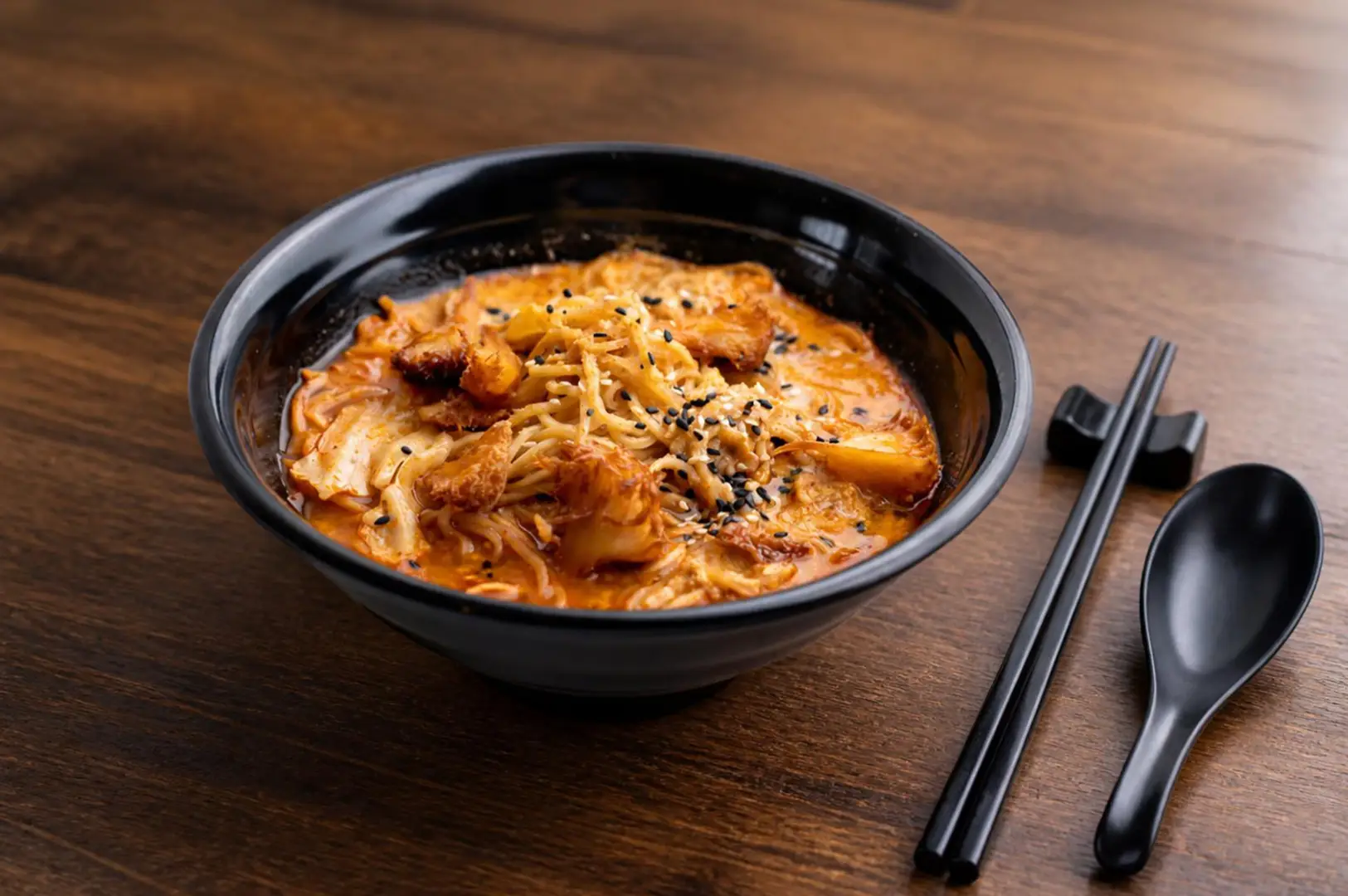
From Orchard Road to Hawker Centres: The Many Lives of Ramen in Singapore
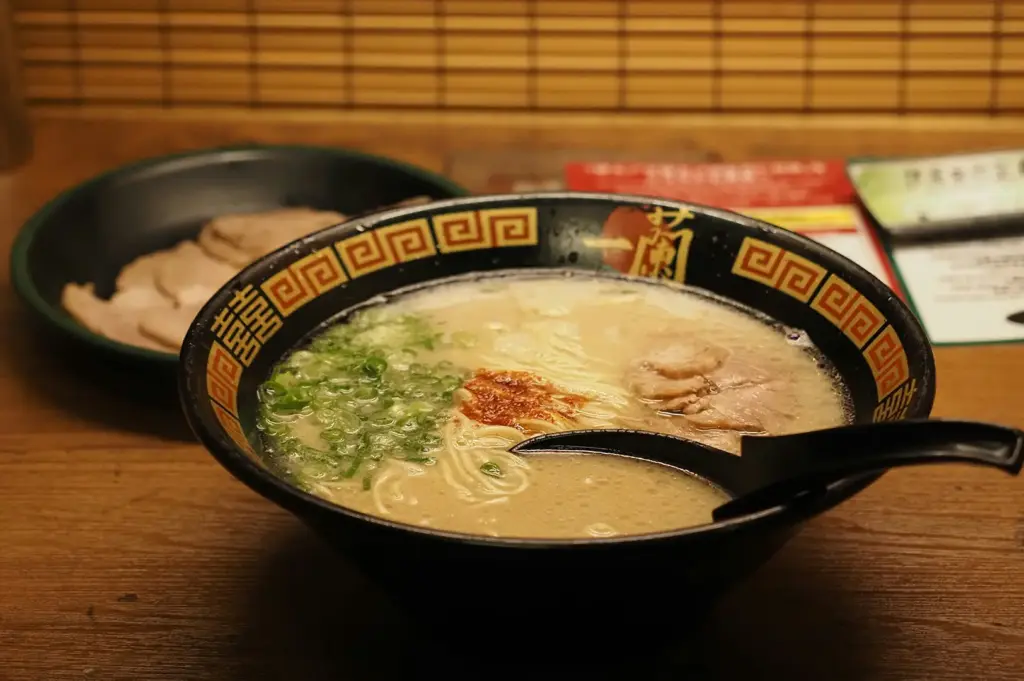
Ramen does not taste the same everywhere in Singapore.
That sounds obvious until we start following the bowl across the city. On Orchard Road, it can arrive polished, carefully plated, and priced like a small occasion. In a food court, it becomes quick comfort between errands. In casual shops, it turns into a dependable dinner. In premium restaurants, it is asked to perform as craft.
The same dish changes costume depending on where it stands.
And in Singapore, that may be the most honest way ramen has adapted.
The Orchard Road Bowl
We often meet ramen first in the mall.
Orchard Road gives ramen a certain polish. The shopfronts are brighter. The menus are designed to guide rather than surprise. Diners arrive between shopping bags, office hours, and weekend plans.
Here, ramen has to be both accessible and convincing. It cannot feel too obscure, but it still needs enough Japanese identity to justify the craving. A tonkotsu bowl must look rich. A shoyu bowl must feel clean. A spicy bowl must be recognisable before the first sip.
Mall ramen is sometimes dismissed as too commercial, but that is not always fair. It has a difficult job. It has to serve many kinds of diners without losing the basic discipline of broth, noodles, and timing.
The Food Court Version
Then there is ramen in the food court.
Here, the bowl changes pace.
It becomes faster, more practical, more exposed to comparison. On one side, there may be chicken rice. On another, ban mian, nasi padang, Korean stews, or fishball noodles. Ramen has to compete not only as Japanese food, but as lunch.
That changes its role.
The broth may become lighter. The pricing has to make sense. The bowl must satisfy without asking too much time or attention from the diner. It is less about ceremony and more about usefulness.
And Singapore respects useful food.
The Casual Shop
Casual ramen shops often feel like the bridge between these worlds.
They are not quite premium, not quite food court. They are where we go when we want ramen deliberately, but not formally. The meal still feels relaxed. The bowl still matters. The setting allows a little more attention.
This is where ramen becomes habit.
A weekday dinner. A quiet meal alone. A familiar shop near home. The bowl no longer needs to announce itself as special. It simply needs to be reliable enough for us to return.
The Premium Interpretation
At the premium end, ramen carries a different pressure.
The bowl is expected to justify more than hunger. It must show ingredient thought, broth construction, noodle choice, and restraint. The room may be calmer. The plating may be cleaner. The diner pays attention differently.
But premium ramen has its own risk.
If it becomes too polished, it can lose the immediacy that makes ramen satisfying. The best versions remember that refinement should sharpen comfort, not replace it.
A Bowl With Many Addresses
What we learn from Singaporeu2019s ramen scene is that ramen survives by changing context.
It can be quick or careful, casual or polished, practical or ambitious. Each version tells us something about where it is served and who it is trying to feed.
From Orchard Road to hawker-style spaces, ramen has stopped being a single imported experience.
It has become one of the many bowls Singapore knows how to translate.