Beef Ramen Decoded: A Flavor Journey Through Singapore’s Noodle Bowls
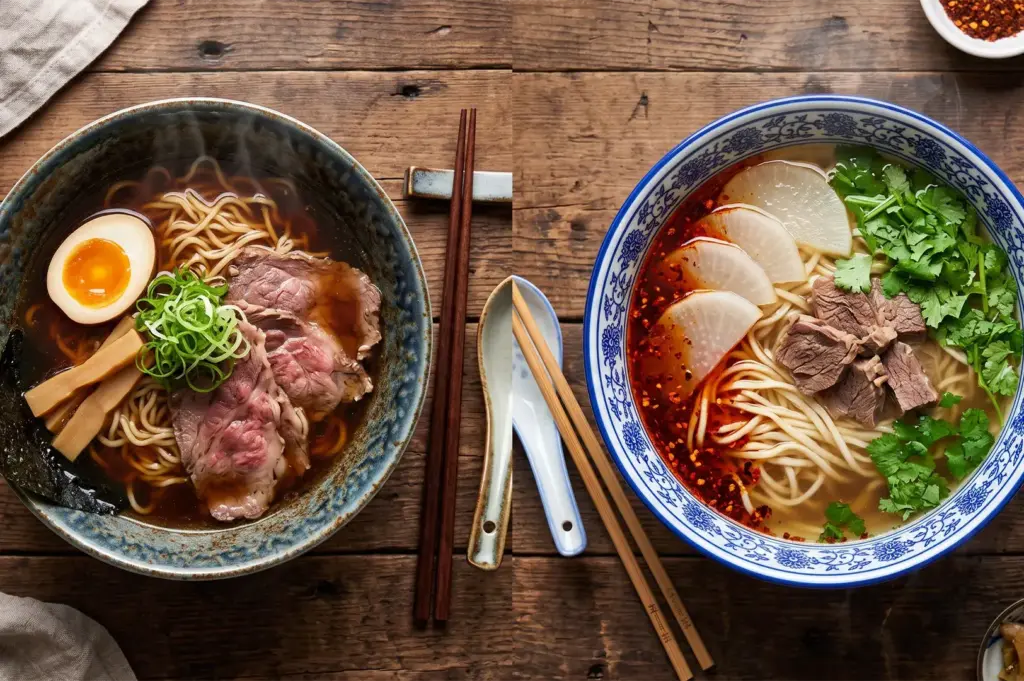
The first time I ordered beef ramen in Singapore, I got something I didn’t expect. I had pictured a Japanese bowl: glossy broth, a soft egg, thin slices of beef fanned across the top. What arrived was clear soup and hand-pulled noodles, with coriander floating on the surface and a slick of chili oil at the edge. It was good, honestly. It just wasn’t what I had in my head.
That bowl taught me something. In this city, “beef ramen” can mean two quite different things. Once you understand which one you want, ordering gets a lot easier. For those exploring the rich variety of ramen, including the best Japanese-style ramen spots in Singapore, knowing these distinctions helps you savor every bowl to the fullest.
What Counts as Beef Ramen in Singapore?
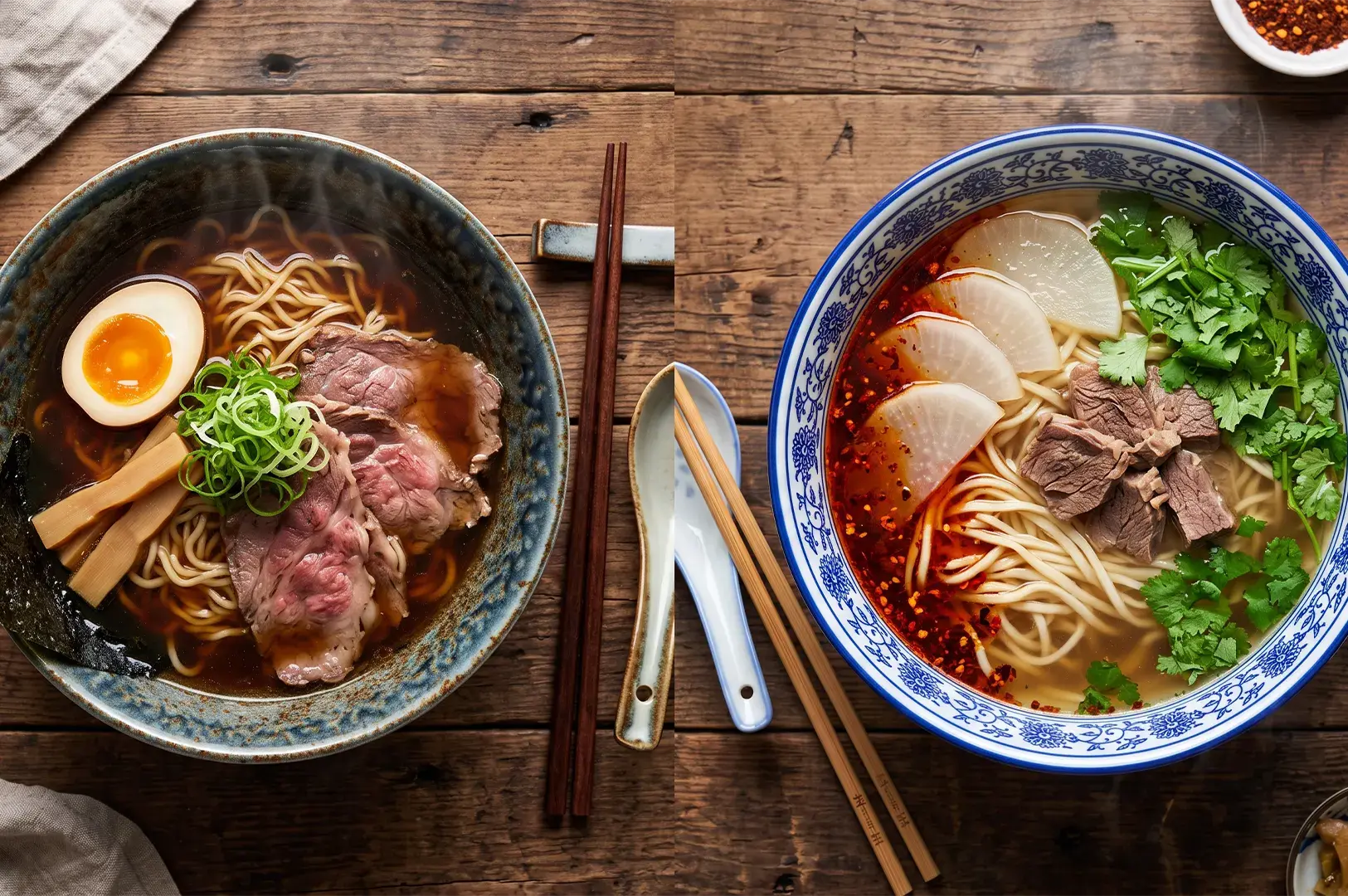
When you search for beef ramen in Singapore, you’ll usually land on one of two styles.
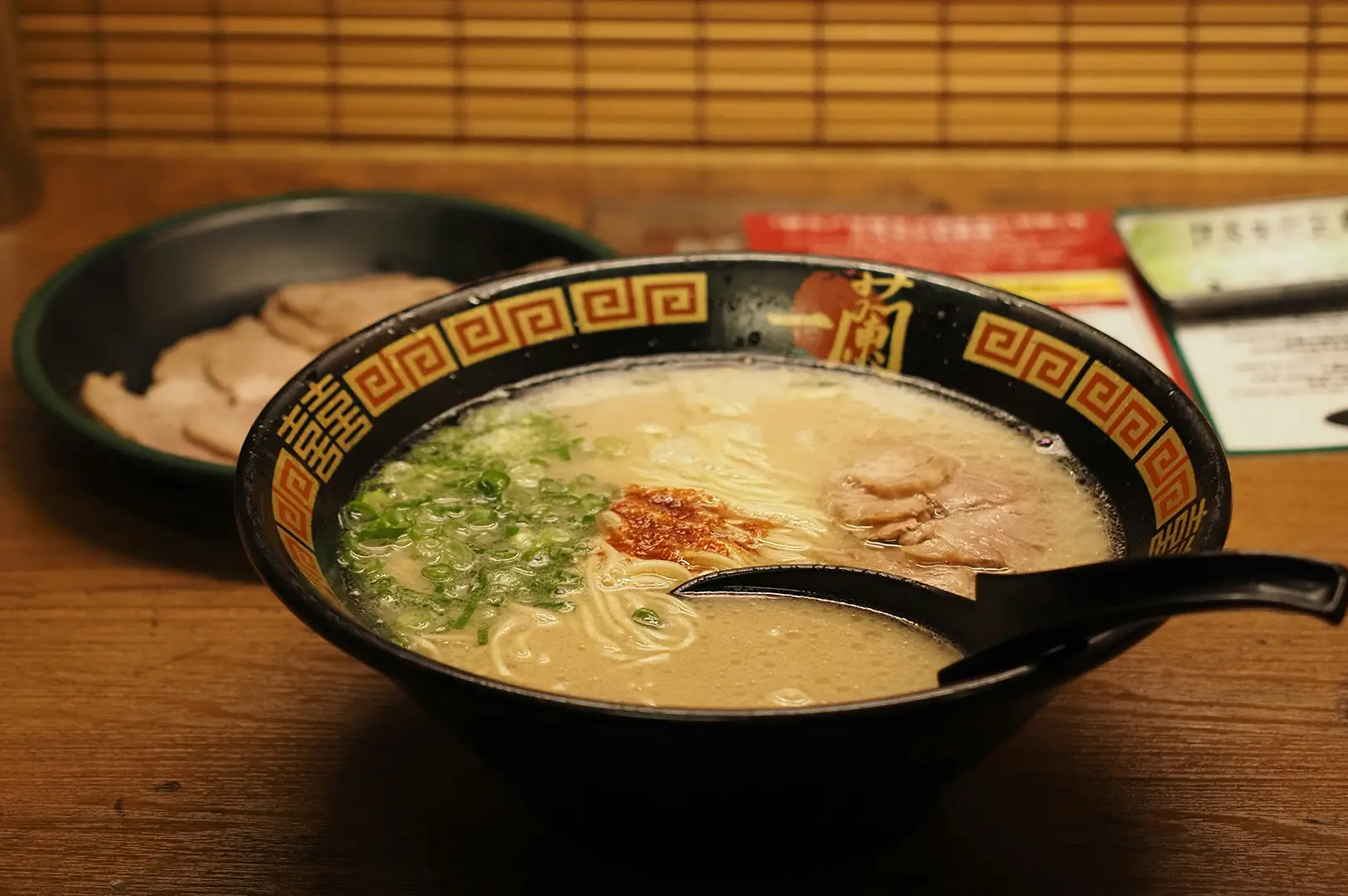
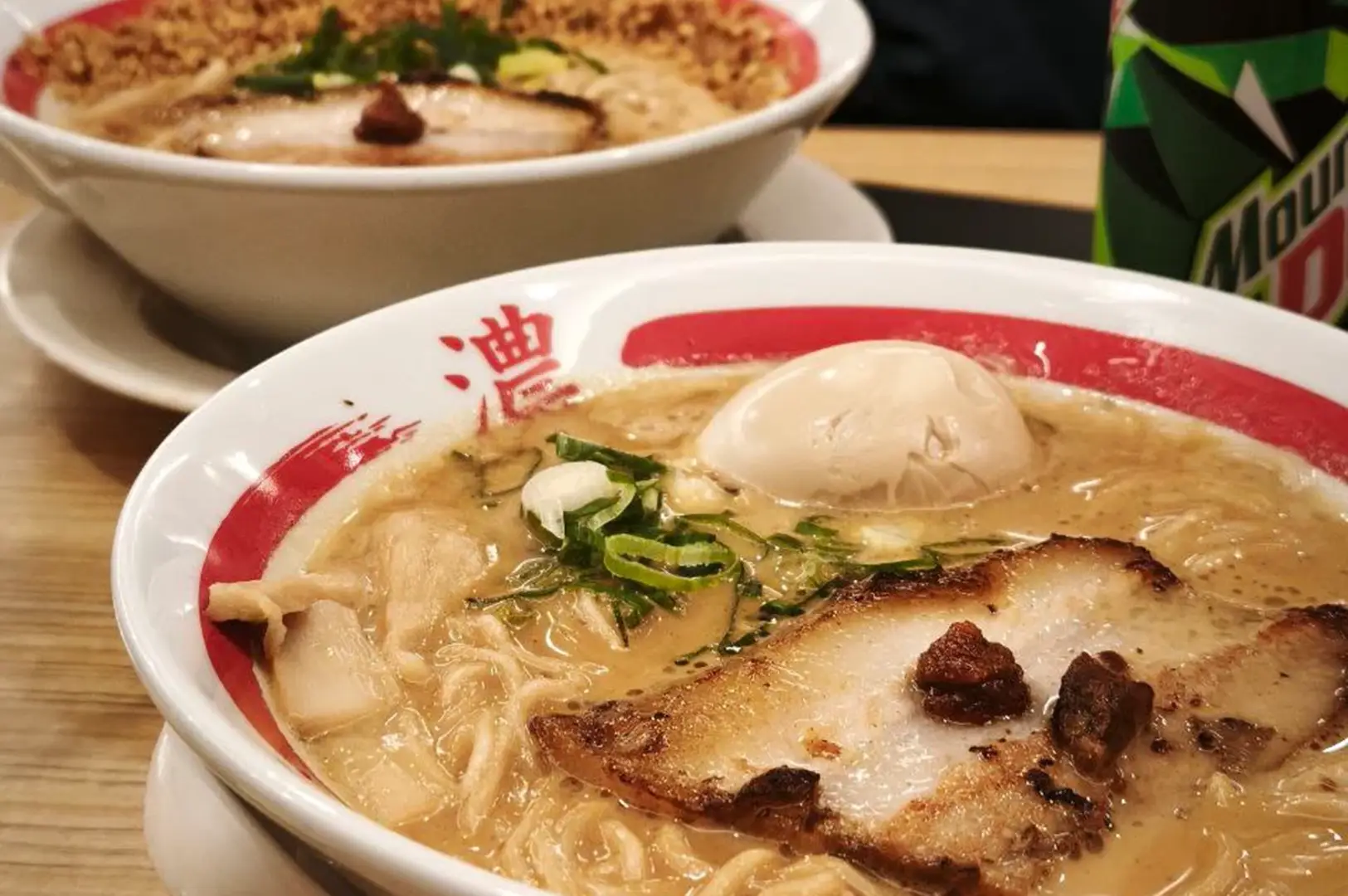
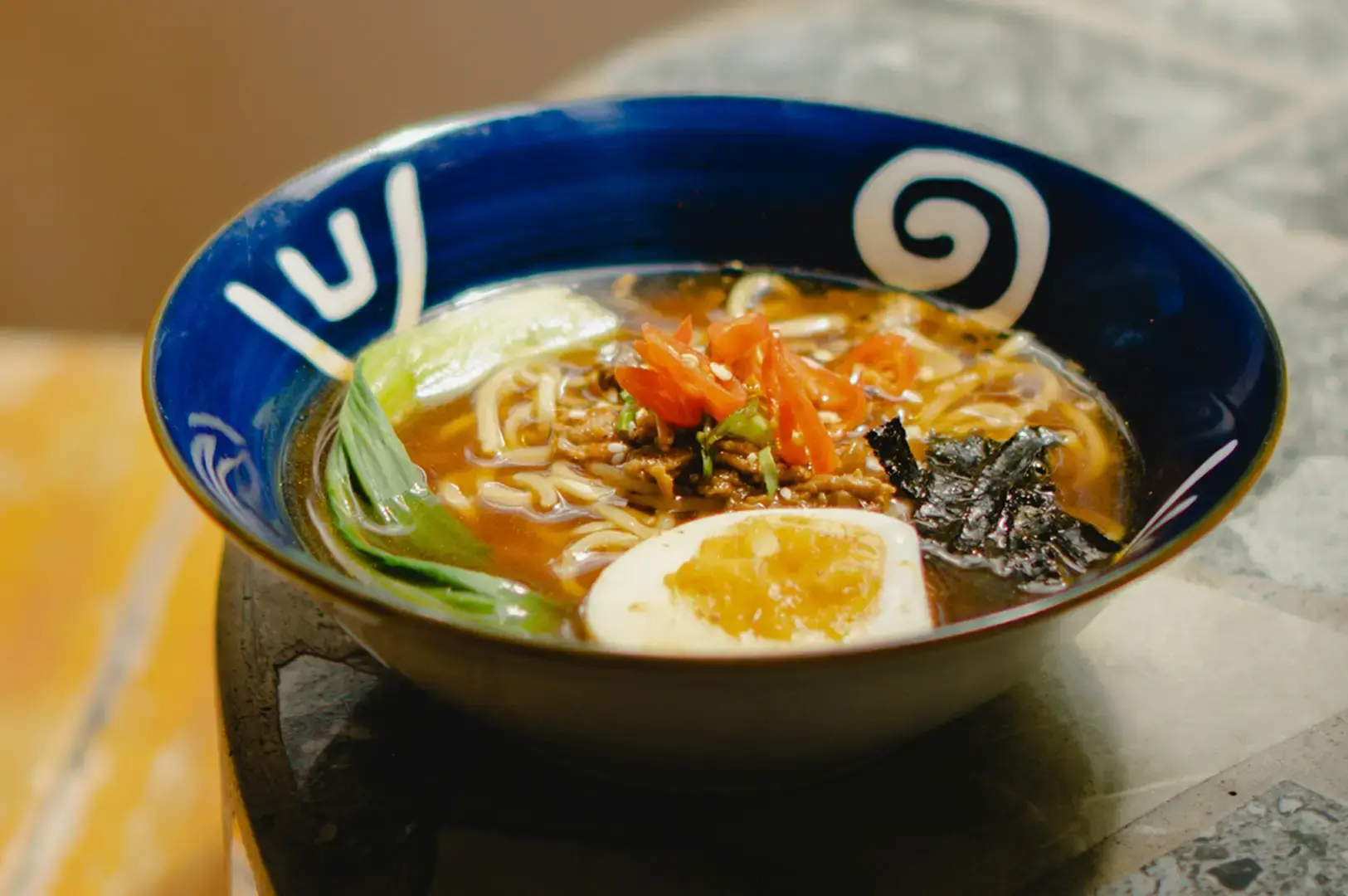
Japanese-style ramen with beef. These are ramen noodles in a Japanese-inspired broth, such as shoyu, chicken, or spicy. They come topped with beef suki, beef slices, grilled beef, or steak-style cuts. The bowl is built like ramen, and beef simply takes the place pork usually holds.
Lanzhou-style beef noodles. This is a Chinese Muslim tradition. Hand-pulled noodles sit in a clear beef broth, usually with sliced beef shank, spring onion, coriander, and chili oil. You can often choose your noodle thickness too.
Some menus call both of them “ramen.” That’s fair enough, but they aren’t the same dish, and they don’t try to be. Throughout this article, fresh ingredients like spring onion and coriander enhance the delicious flavors of beef ramen. Whether you prefer Japanese-style ramen or Lanzhou-style hand-pulled noodles, this world of beef ramen recipes offers perfect bowls to enjoy.
Insider knowledge: If a menu lets you pick noodle thickness or shape, you're almost certainly looking at the Lanzhou style. Japanese ramen shops rarely offer that choice.
Soy Sauce, Garlic, and Ginger: What Shapes the Broth
Beef is a strong ingredient. It needs a broth that can hold its own next to it.
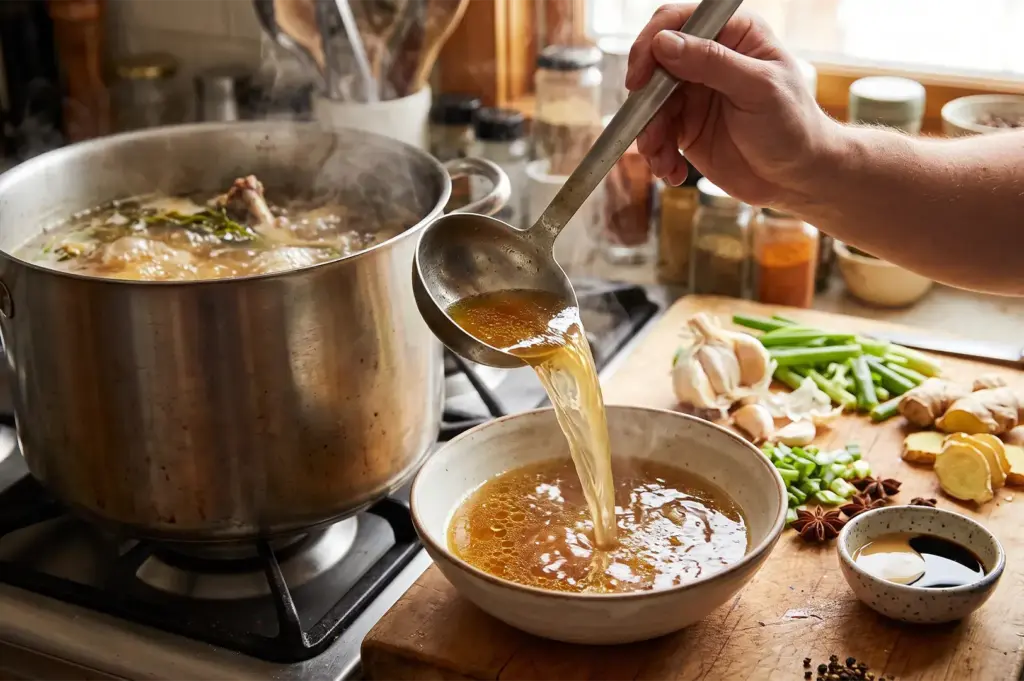
In Japanese-style beef ramen, soy sauce does much of that work. A shoyu-style base gives a clean, savory backbone that suits sliced beef well. Garlic adds depth and ginger cuts through the fat. Together they keep a rich bowl from feeling heavy.
Lanzhou-style broth goes another way. It leans less on soy sauce and more on time. At Tongue Tip, for example, beef shank, beef bones, and spices simmer for several hours. The result is clear but fragrant, and it gets its character from the bones and spices rather than from salt.
Neither approach is better than the other. One is built on seasoning and the other on patience.
Spring Onion and Toppings That Work With Beef Ramen Noodles
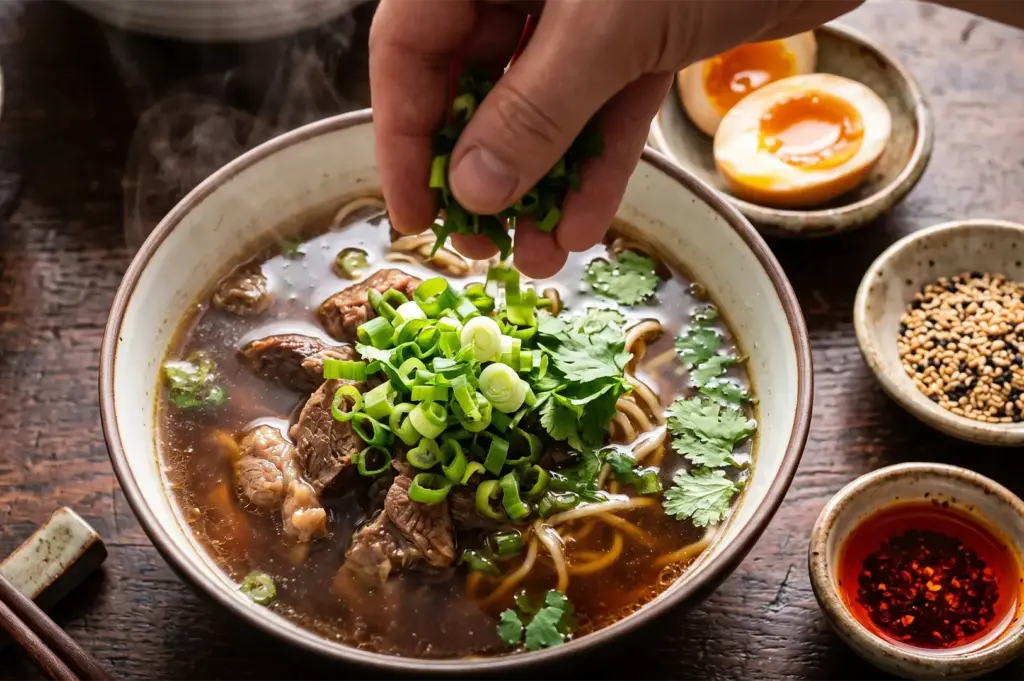
I used to think spring onion was decoration. It isn’t.
In a beef bowl, spring onion brings freshness against the richness. It lifts the broth and makes the whole thing feel lighter by the last bite. Coriander does something similar in Lanzhou bowls.
Other toppings that suit beef ramen noodles:
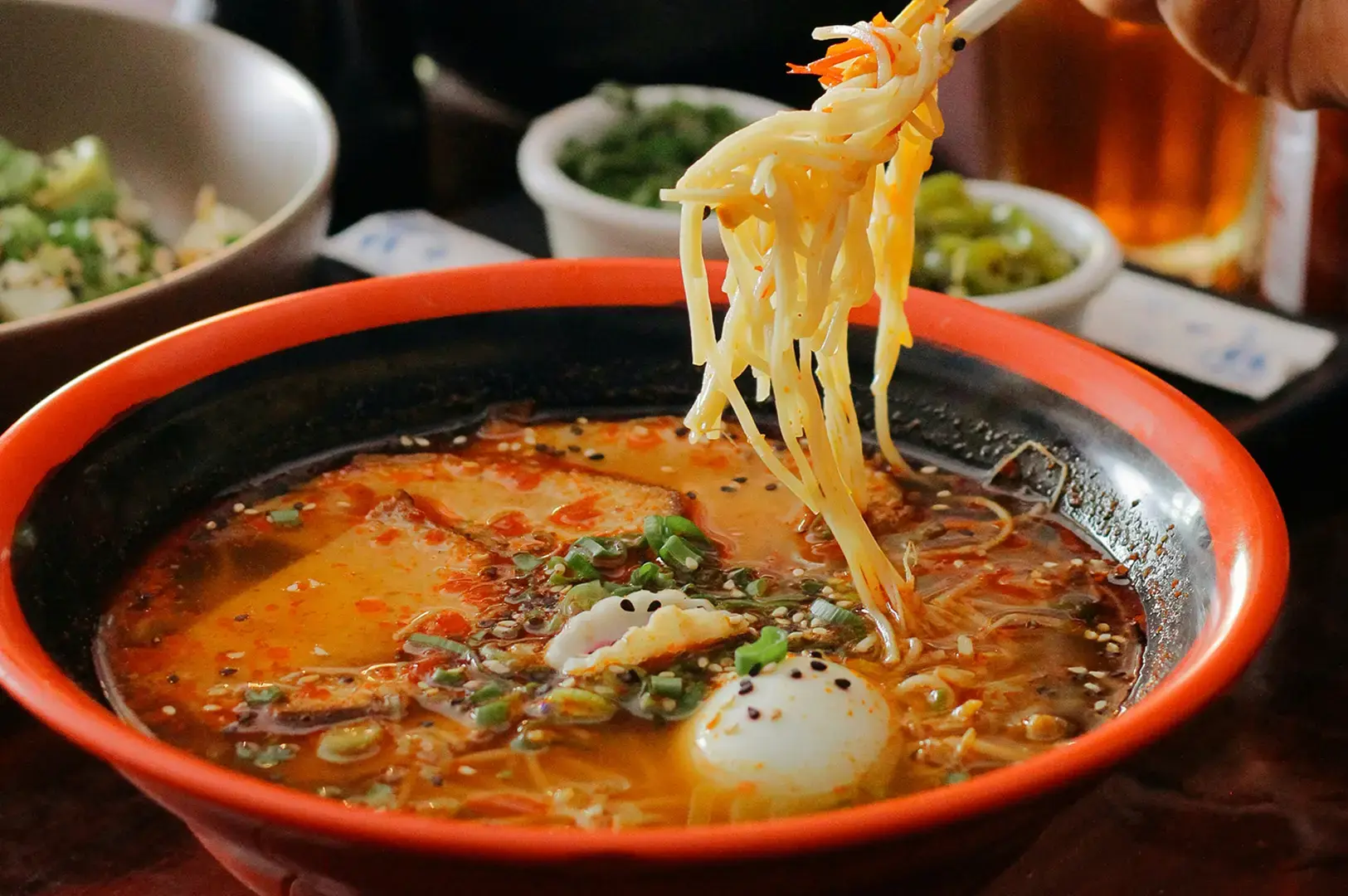
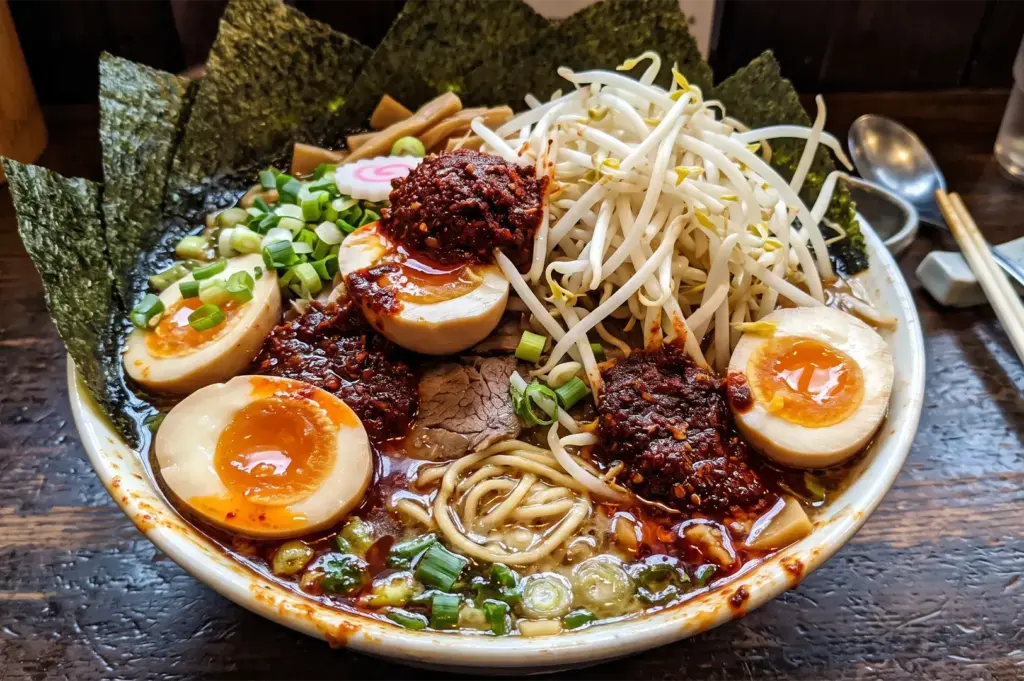
Garlic or chili oil, for warmth and aroma
Mushrooms, for earthiness
Marinated egg, or half an egg, for softness
Seaweed or bean sprouts, for texture
Use a light hand, though. A good bowl should still taste of beef, broth, and noodles.
How to Choose Your Bowl
When I’m unsure what to order, I work through it in this order.
1. Decide on the style. Choose Japanese-style if you want something rich and sauce-driven. Choose Lanzhou if you want clear broth and hand-pulled chew.
2. Read the broth description. Shoyu, spicy, clear beef: each one changes the meal. Be wary if the menu doesn’t explain it at all.
3. Pick your noodle. If you’re given a choice, thin noodles suit lighter soup and wide noodles stand up to stronger broth or dry versions. Round hand-pulled noodles are a safe middle ground.
4. Look at the beef cut. Thin slices and beef shank are easiest to eat with soup. Grilled beef or steak tends to work better in dry bowls.
5. Choose soup or dry. Soup gives you steam and comfort. Dry gives you more chew and a more concentrated flavor.
The Slurp's Tip: Taste the broth before you stir in any chili oil or spice. You'll learn more about the kitchen from that first sip than from anything else on the table.
Where to Find Beef Ramen in Singapore
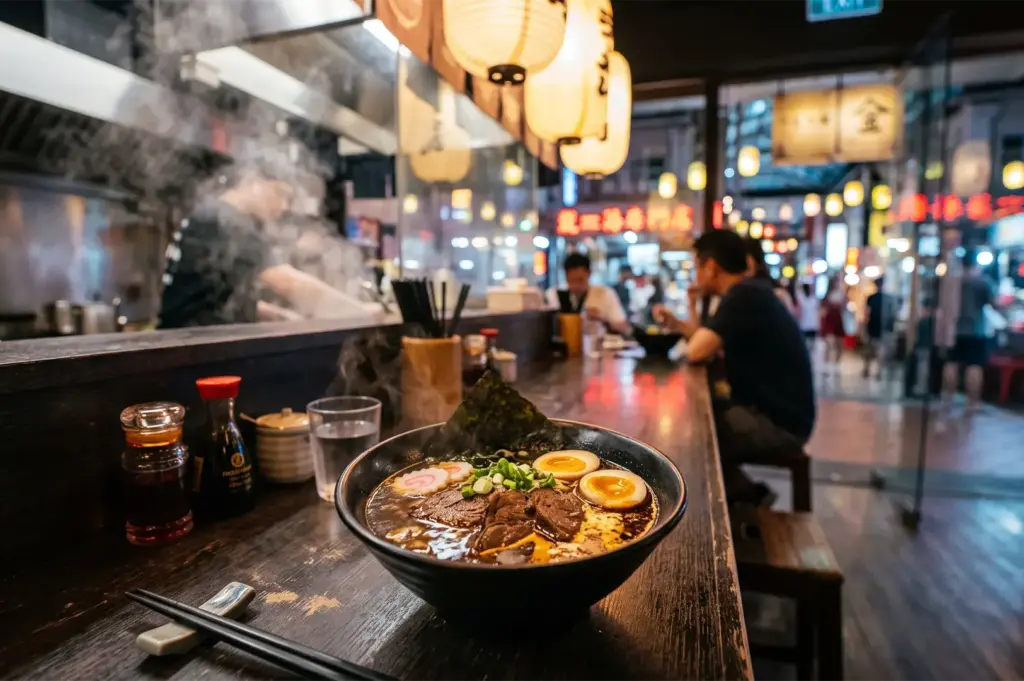
A few places show the range well.
Tokyo Shokudo is where I’d go for Japanese-style ramen with beef. The Beef Suki Ramen starts from S$18.00+, and you can find it in mall locations. It’s a comfortable choice if you’re shopping and want a proper sit-down bowl.
The Ramen Stall at 787 North Bridge Road suits a late night. The Beef Ramen is S$16.90, and add-ons such as beef slices or egg cost S$2.00 each. It’s open from 11am to 1am Sunday to Thursday, and until 2am on Friday, Saturday, and the eve of public holidays. After a long day around Bugis or Kampong Glam, it’s a full meal in one bowl.
Tongue Tip Lanzhou Beef Noodles is where I’d send anyone who wants the hand-pulled tradition. The broth is built from beef shank, beef bones, and spices, and the kitchen offers up to eight handmade noodle types, served dry or in soup. You’ll find outlets in malls including Northpoint City, Westgate, Chinatown Point, Jurong Point, and Hillion Mall.
With a drink and a side, expect to spend about S$20 to S$30+ per person once add-ons, GST, and service charge are included.
Is Beef Ramen Halal?
Sometimes, but beef alone doesn’t make a bowl halal.
The broth, the sauces, any alcohol-based seasonings, and the kitchen itself all matter. Tongue Tip notes that Lanzhou beef noodles were created by Chinese Muslims, and its major Singapore branches hold halal certification. Tokyo Shokudo is described as “No Pork No Lard” in one mall listing and as halal-certified in another. That kind of mismatch is exactly why you should check the certificate at the outlet you plan to visit.
I’ve written more about Halal Ramen in Singapore, make sure to read about it here.
The Taste Mistakes I've Made
Judging Lanzhou by Japanese standards. My first bowl wasn’t wrong. My expectations were.
Piling on toppings. More doesn’t mean better. Too many toppings bury the beef.
Letting the bowl sit. Noodles keep soaking up broth and go soft quickly. Eat while it’s hot.
Assuming more beef is better. A thick steak can overwhelm a bowl. Thin slices often sit more naturally with the noodles.
Cooking Beef Ramen at Home
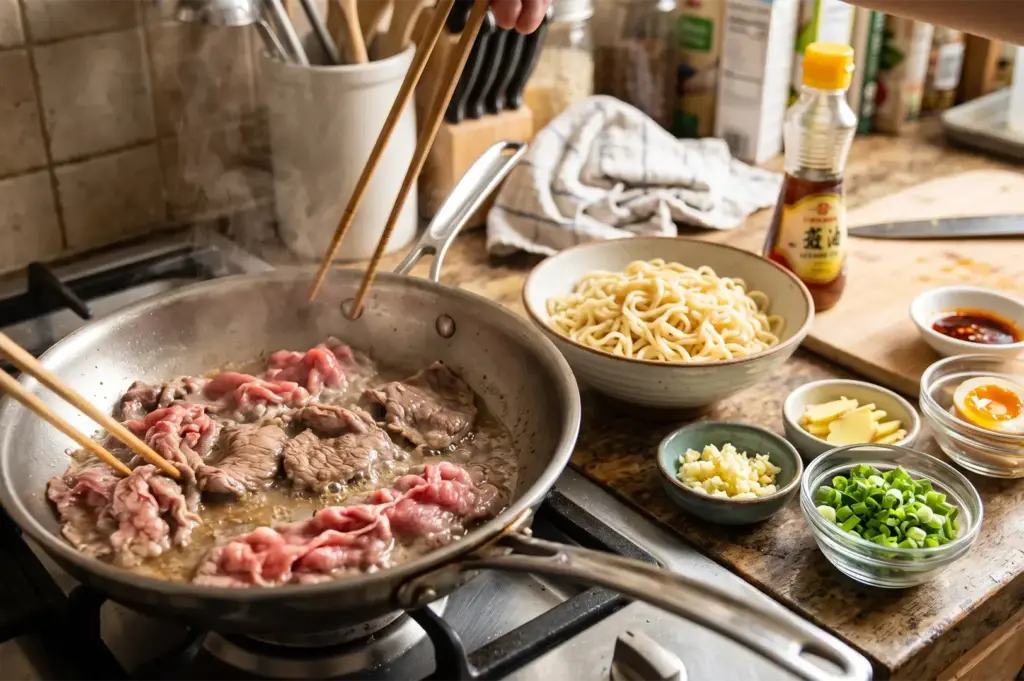
If you try this in your own kitchen, there’s one rule that matters most: don’t overcook the beef.
Cook your noodles separately in boiling water. In another pot, fry garlic and ginger in a little oil, then add broth or water with a small splash of soy sauce. Start with less than you think you need, then taste and adjust. Add mushrooms or vegetables if you have them. Drop in thin beef slices right at the end, and take the pot off the heat as soon as they’re just cooked.
If you’re using steak, cook it in a skillet, let it rest, then slice it and lay it over the noodles. Finish with spring onion, chili oil, and half an egg.
It’s simple. It just asks for attention at the end.
One Last Thing Before Your Next Slurp
Many ramen recipes around the world use pasta-like noodles, but beef ramen stands out with its unique broth and toppings set. Because a skilled chef will know how to balance calories and flavor, ensuring each dish is both satisfying and nourishing.
If you want to remove any doubts about what to order, the answers lie in understanding the broth, noodle type, and beef cut. The doubts will leave afterwards.
That first bowl of clear broth still stays with me. It wasn’t the beef ramen I’d imagined, but it was honest about what it was. So decide which kind you’re craving. Taste the broth first. Be generous with the spring onion and gentle with everything else.
The right bowl tends to find you, usually at the end of a long day.