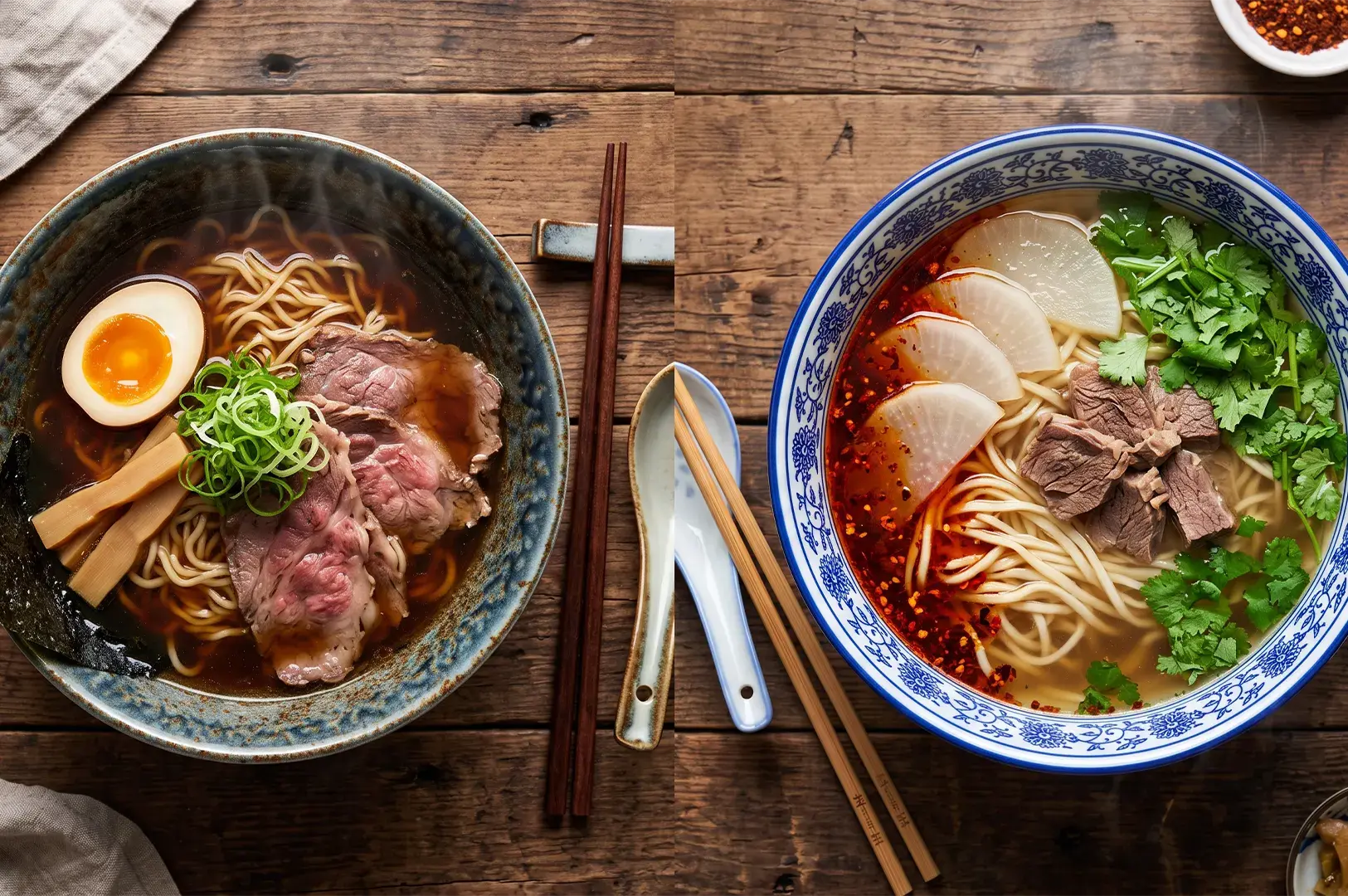
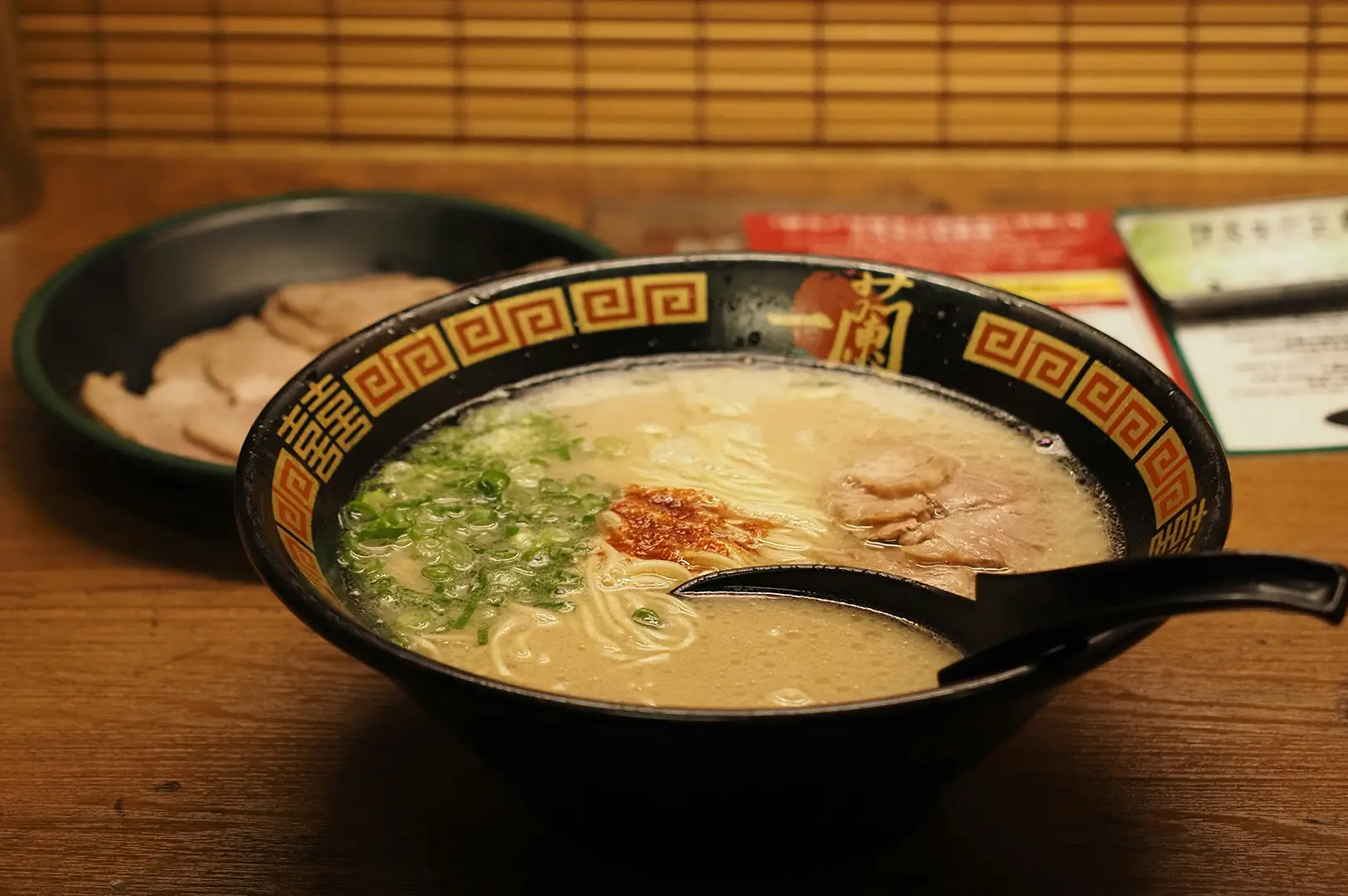
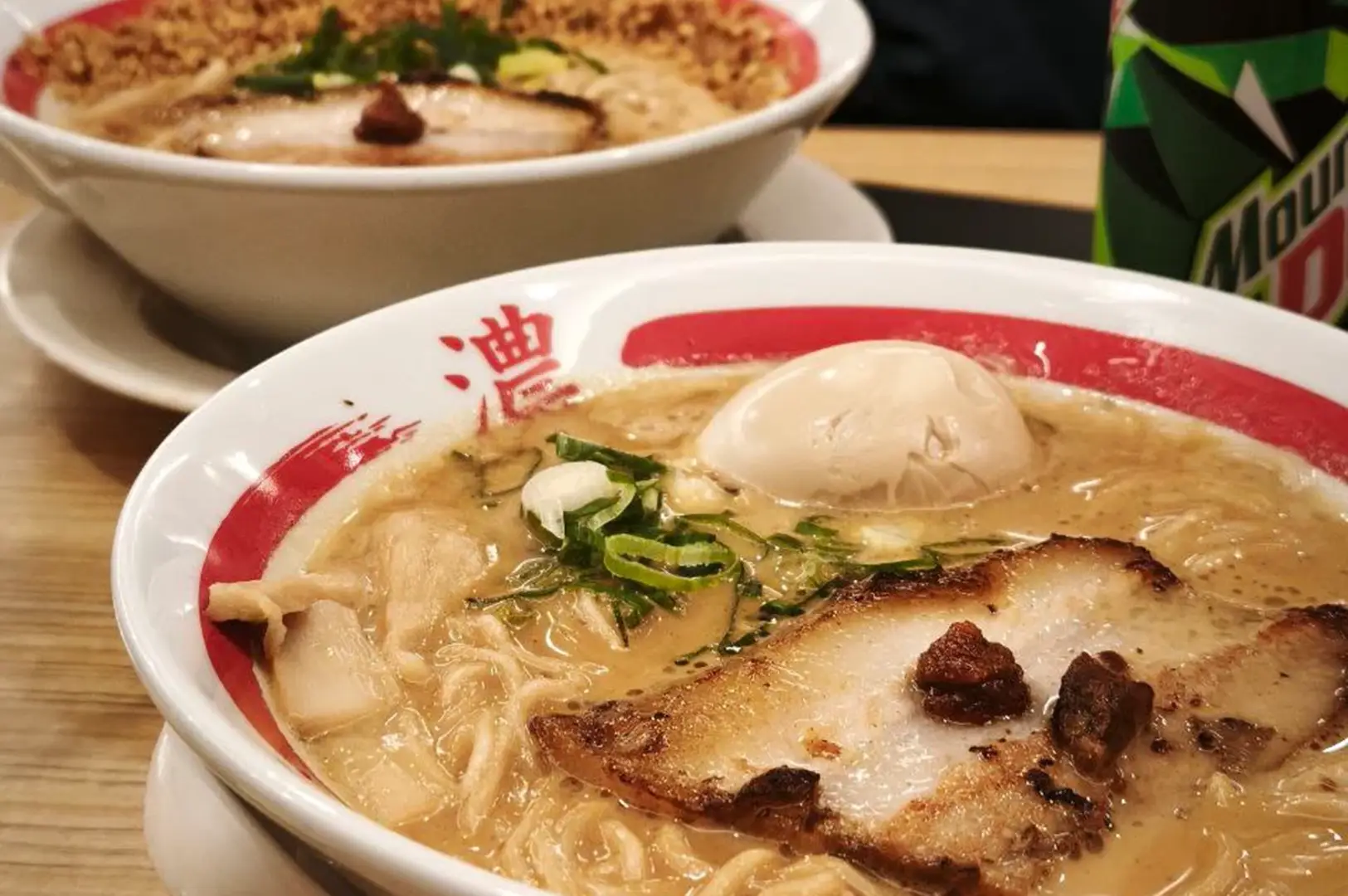
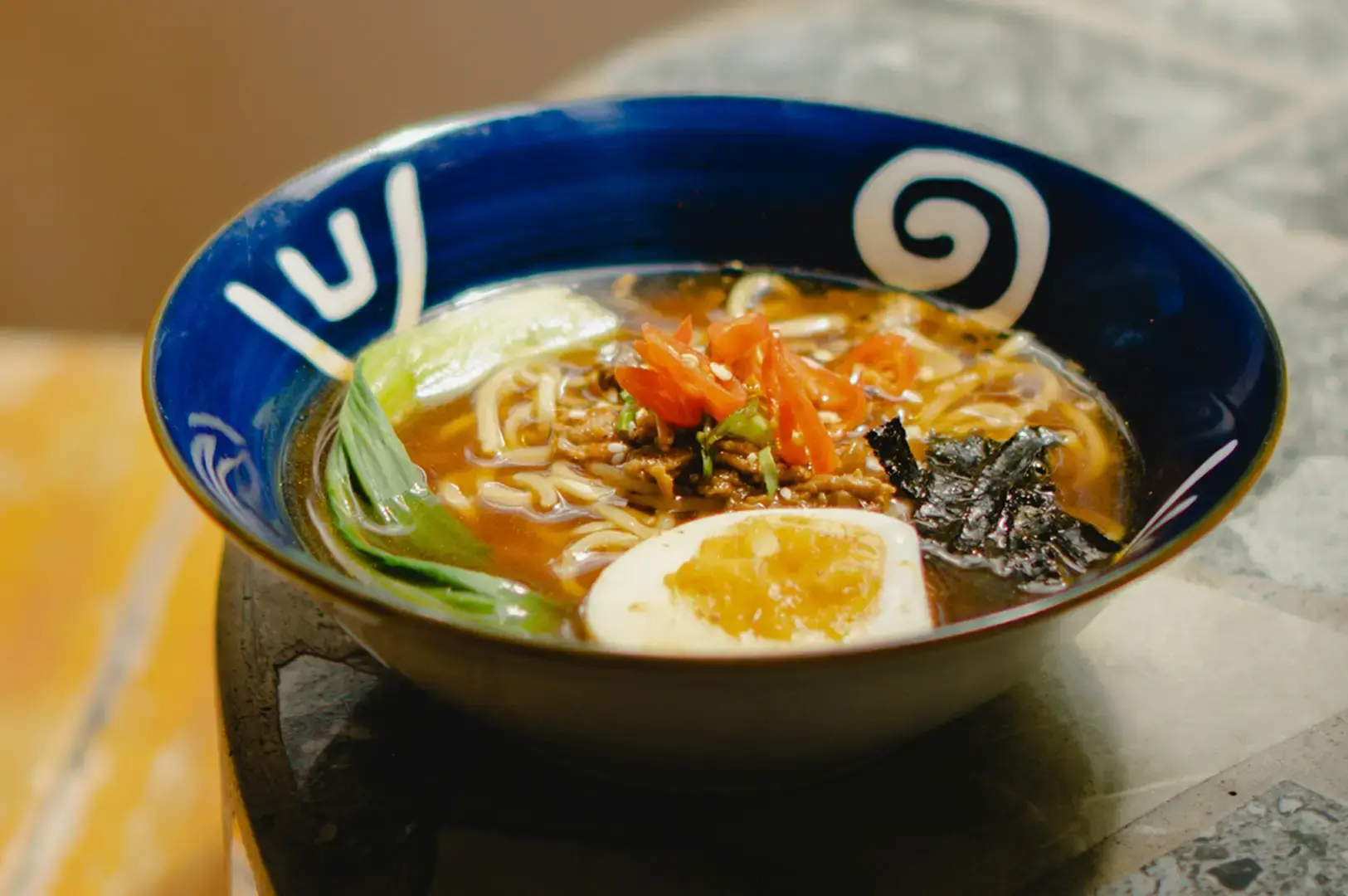
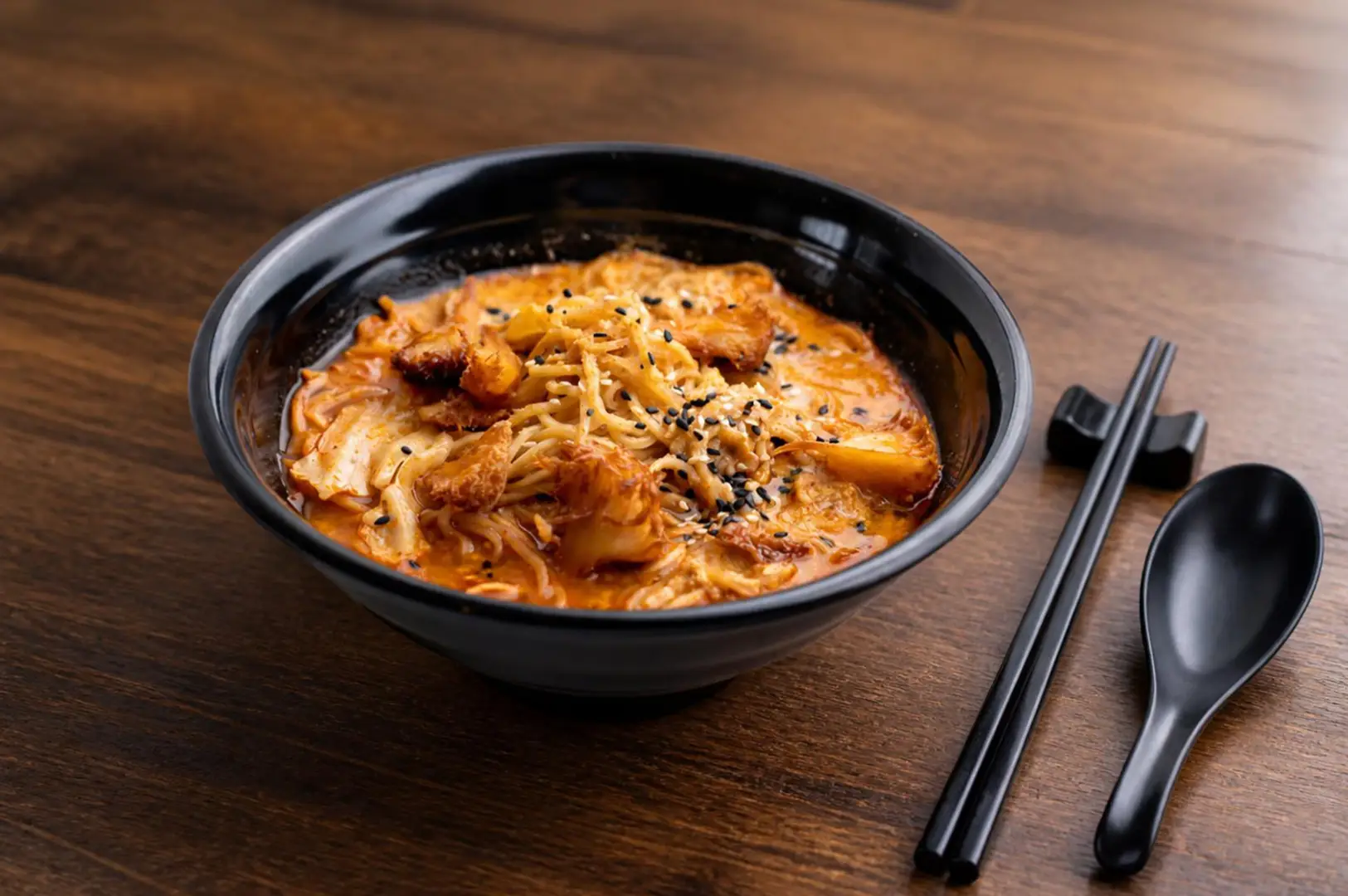
Why Malaysian Ramen Needs Restraint More Than Boldness

The problem with Malaysian ramen is that it is too easy to make it loud.
We know the temptation. Add sambal. Add coconut. Add curry leaves, fried shallots, dried shrimp, chili oil, maybe a little torching for drama. Malaysia gives cooks a generous pantry, and it is difficult not to reach for everything at once.
But the more Malaysian ramen we taste, the clearer one truth becomes: the best bowl is rarely the boldest. It is the most controlled.
When Boldness Becomes Noise
Malaysian food is built on depth. Heat, sweetness, salt, fragrance, smoke, and acidity often sit together in the same dish. At its best, that complexity feels alive. At its worst, it becomes crowded.
Ramen has its own structure. Broth, tare, noodles, oil, and toppings each need space to do their work. When Malaysian flavours enter that structure without restraint, the bowl can quickly lose its shape.
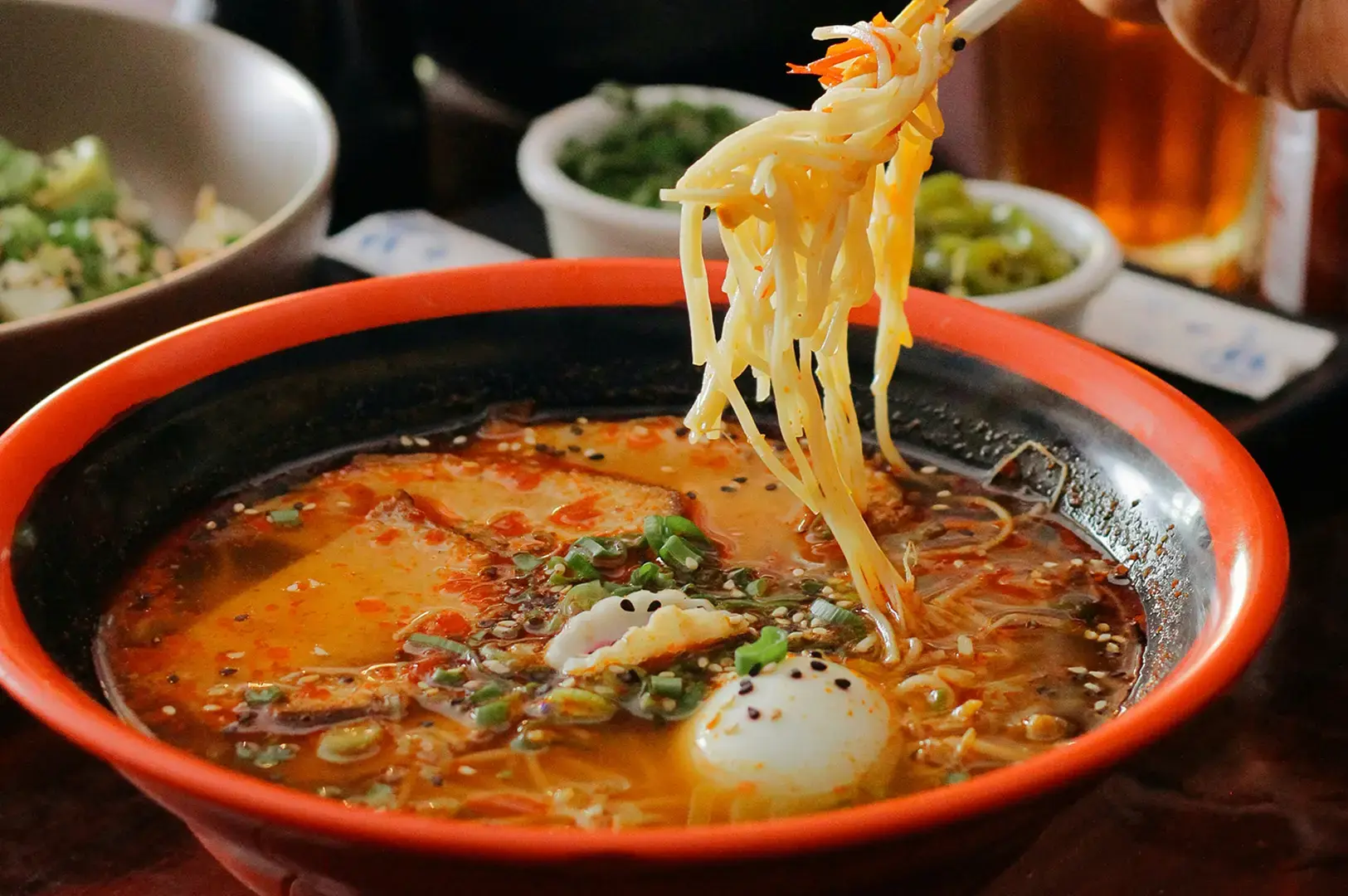
We have tasted bowls where sambal overwhelms the broth before the noodles even have a chance. Coconut turns creamy but flat. Chili oil adds colour but no real depth. The dish announces itself loudly, then has very little left to say after the third sip.
That is not Malaysian ramen finding its voice. That is Malaysian ramen shouting.
The Bowl Needs a Center
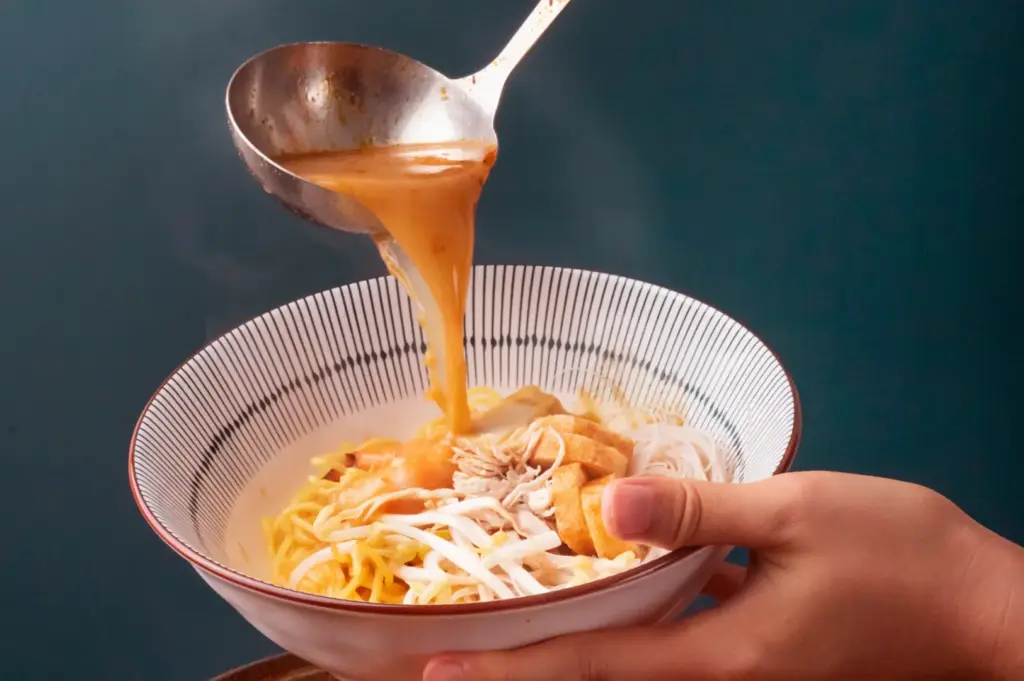
The strongest Malaysian ramen bowls usually begin with a clear decision.
Is the bowl built around laksa-like richness? Then the coconut needs acidity and spice to keep it moving. Is sambal the main accent? Then it should sharpen the broth, not bury it. Is seafood the focus? Then dried shrimp, crab, or prawn flavour should rise cleanly instead of being hidden under heat.
A good bowl needs a center. Once that center is clear, every other element should support it. The noodles should match the broth’s weight. The oil should carry aroma, not grease. The toppings should add contrast, not clutter.
This is where restraint becomes craft. It does not mean making the ramen timid. It means knowing what to leave out.
The Malaysian Palate Already Understands Balance
There is a misconception that Malaysian-inspired ramen must be intense to feel local.
We do not think so.
Malaysian food is not powerful only because it is spicy or rich. It is powerful because it understands balance. Nasi lemak needs sambal, but also rice, cucumber, egg, anchovies, and peanuts. Laksa needs richness, but also herbs, spice, and brightness. Char kway teow needs smoke, but also timing.
The best Malaysian ramen should follow the same logic. It should not simply borrow local ingredients. It should understand how Malaysian flavour works.
What Makes the Best Bowl Stand Out
When Malaysian ramen succeeds, it feels confident without being excessive.
The broth has body but does not exhaust the palate. The spice builds instead of attacking. The noodles remain present. The toppings feel chosen, not collected.
In Ramen Tale, we leave the bowl remembering balance, not just heat. That is the difference between a novelty and a serious interpretation.
Malaysian ramen does not need to prove itself by being louder than Japanese ramen. It does not need to overload the bowl to show identity.
Its future will belong to the shops that understand control. Because the most memorable Malaysian ramen is not the bowl that uses the most local ingredients.
It is the one that knows exactly when to stop.