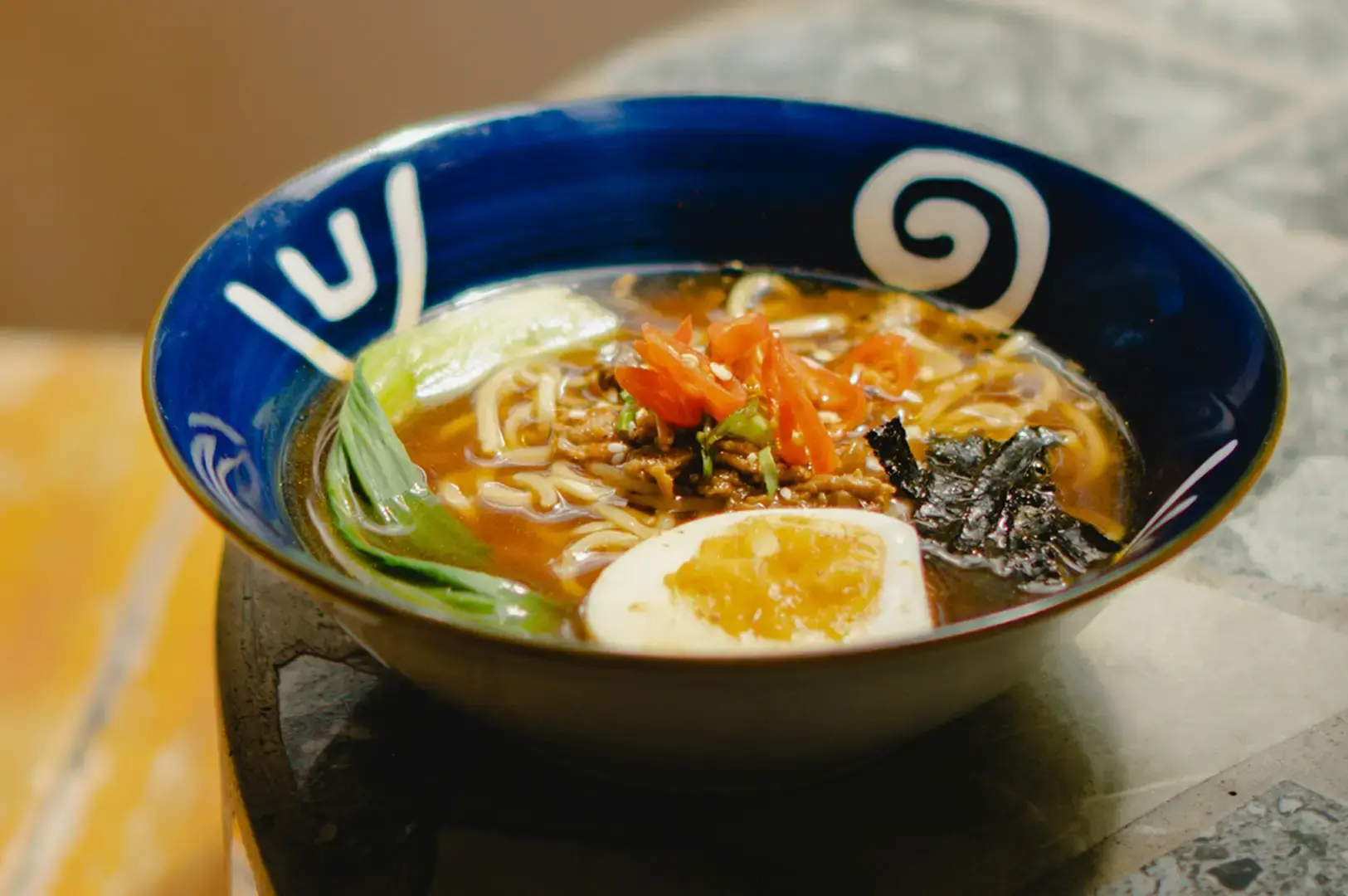
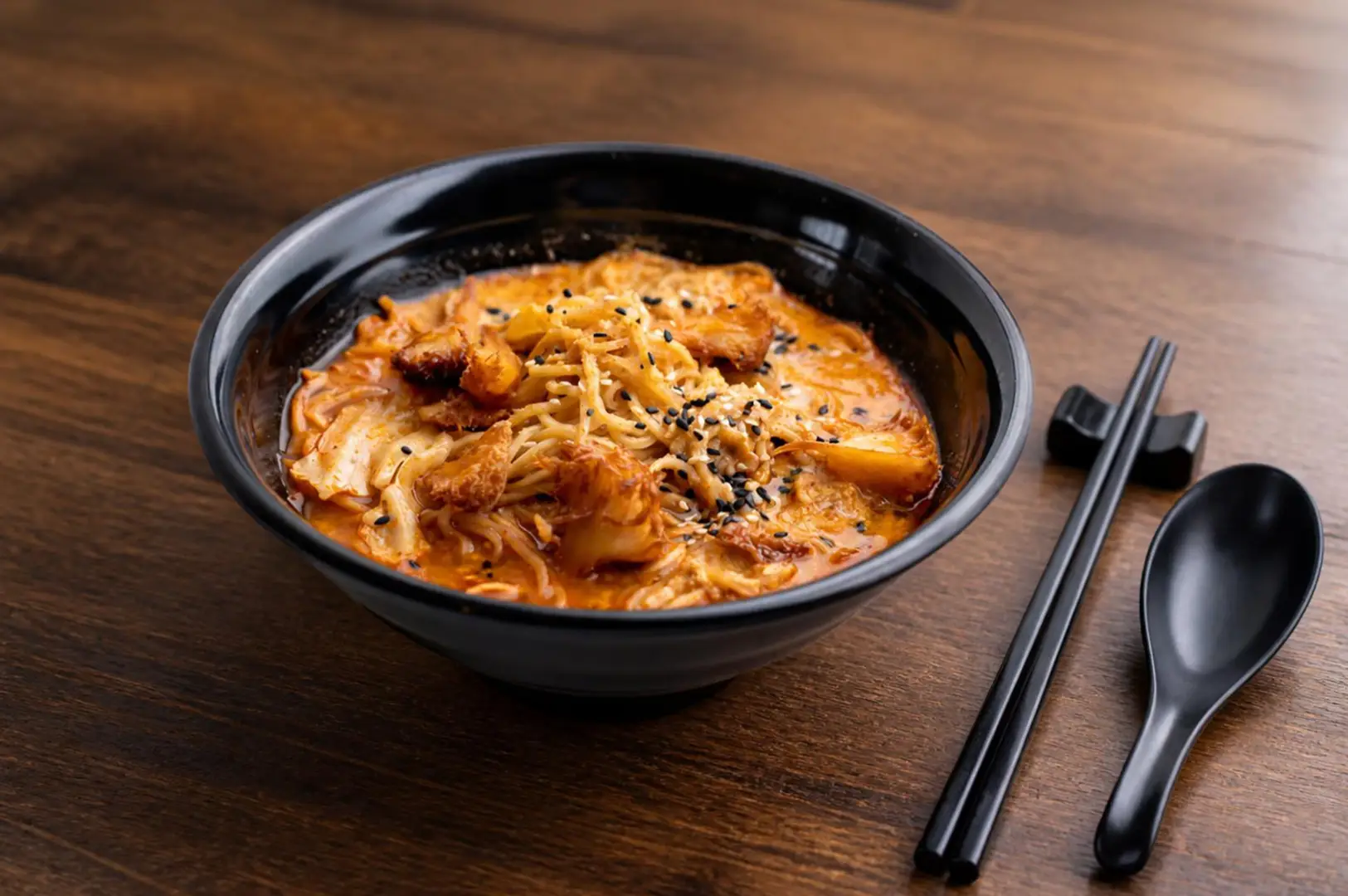
I made this mistake once: I walked into a buzzing izakaya in Tanjong Pagar on a Friday night, sat at the counter, and immediately ordered a heavy bowl of tonkotsu ramen. The chef gave me a confused nod, and within ten minutes, my ramen arrived. Meanwhile, groups around me clinked frosted highballs, passed plates of charred yakitori, and settled in for a long night of conversation. I finished my noodles in fifteen minutes, paid, and left feeling like I had missed the point. Honestly, I had.
Most people over-complicate izakaya dining or treat it like a standard ramen shop. But an izakaya is different. It’s a casual Japanese pub designed for lingering, sharing small plates, drinking, and eventually nursing a comforting bowl of ramen to soak up the alcohol.
If you’ve ever felt overwhelmed by an izakaya menu or anxious about pairing rich ramen broths with alcohol, you’re not alone. Here is my step-by-step guide to navigating Singapore’s vibrant izakaya scene, focusing on where the charcoal grill meets the noodle bowl.
The Core Difference: Izakaya vs. Dedicated Ramen Shops and Ramen Styles
Before we dive into the noodles, we need to establish the baseline. What exactly distinguishes an izakaya from a ramen restaurant or ramen joint?
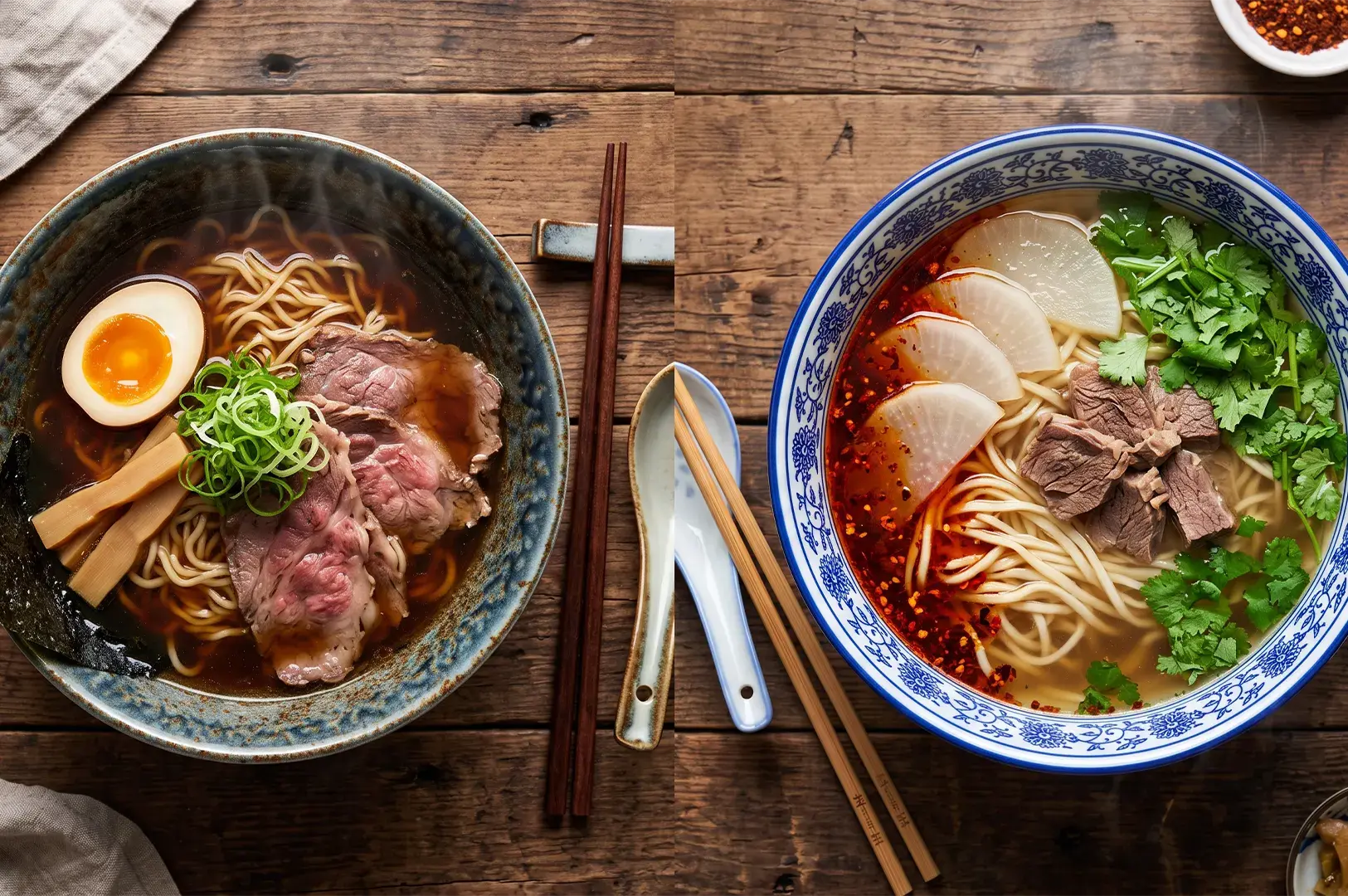
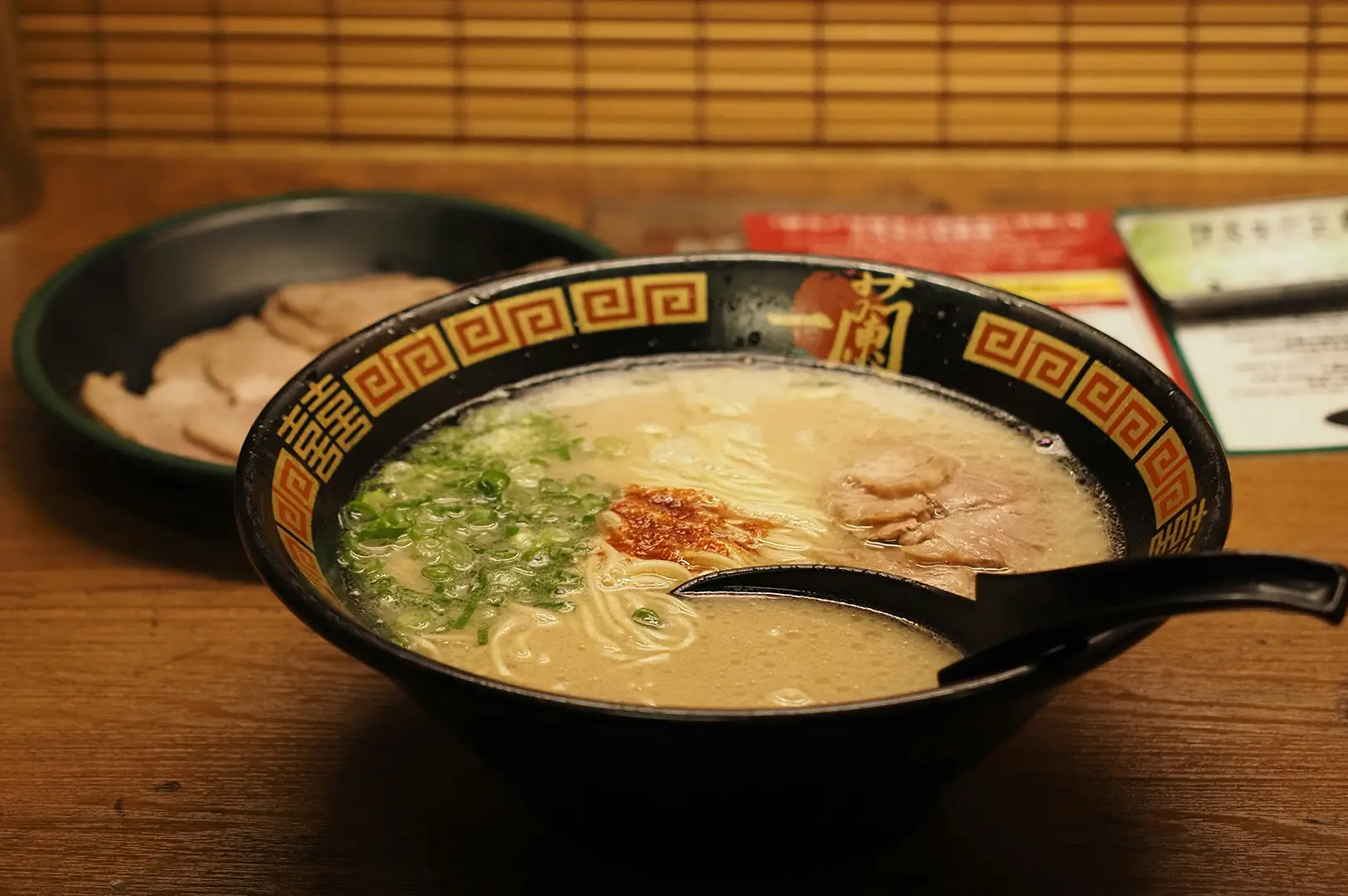
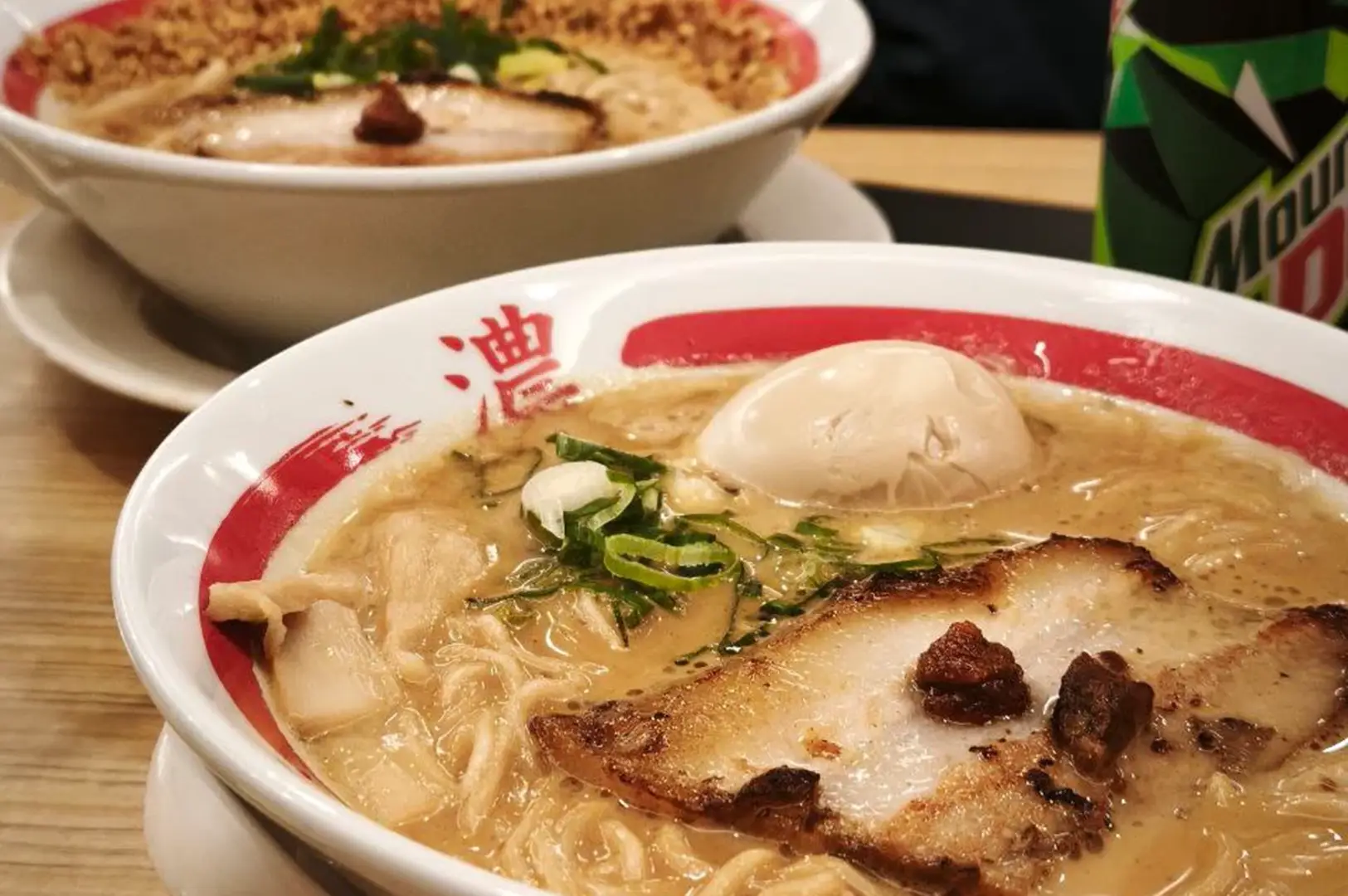
A dedicated ramen counter is built for rapid efficiency. As Best Yakitori would agree with, the menu is hyper-focused on broth variations—be it tonkotsu ramen with its creamy broth made from simmering pork bones, shoyu ramen featuring a soy sauce-based traditional ramen broth often made with chicken bones, or miso ramen showcasing fermented soybean paste—and the seating is often linear, with the goal being solitary consumption. You sit, you slurp while the steaming bowl is piping hot, and you leave.
An izakaya, on the other hand, is a social marathon. The word translates roughly to “stay-drink-place.” The food here is designed to complement the alcohol. You will find extensive menus featuring yakitori (grilled skewers), sashimi, fried bites, and yes, noodle dishes, with some of the best examples highlighted by Best Yakitori in Marina Bay Sands Food: 6 Spots Worth the Detour for Authentic Japanese Cuisine. But in an izakaya, the ramen dish isn’t the main event—it is the shime (the finisher). It is the comforting carbohydrate course that rounds off an evening of drinking.
The Best Types of Ramen You Can Find at Izakayas
When you visit an izakaya, you aren’t just limited to standard pork broth. In fact, because the venue caters to drinkers, chefs often get highly creative with their noodle offerings. Here are the three best ramen styles to look out for, and why they work so perfectly in a pub setting.
1. Traditional Broth-Based Ramen (Hakata Ramen, Shoyu Ramen, Shio Ramen)
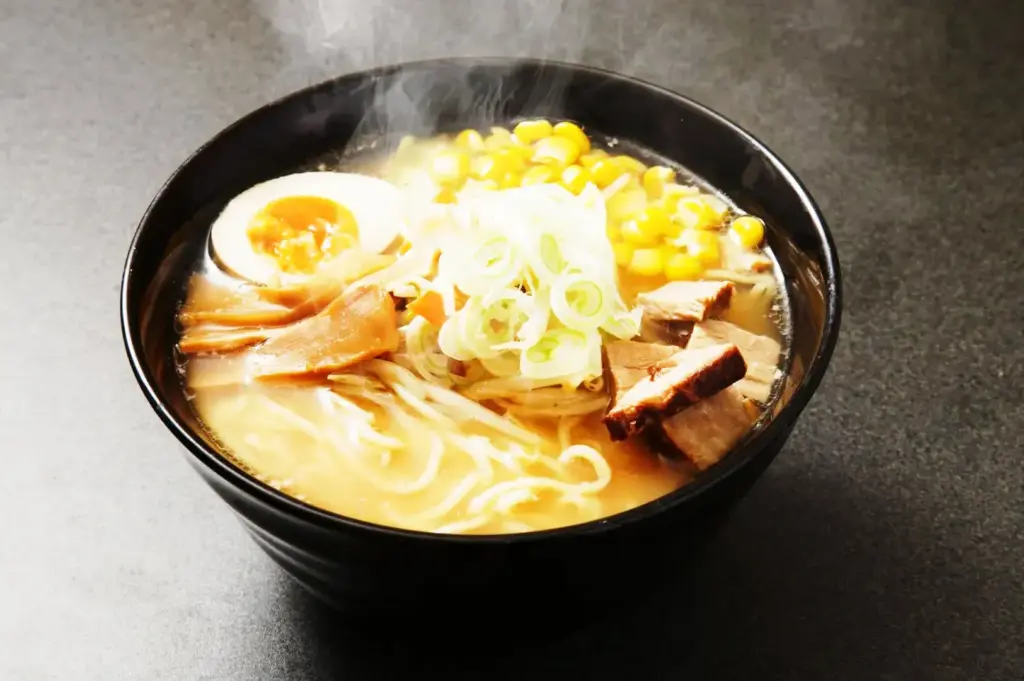
Many izakayas offer a classic Hakata ramen style featuring rich tonkotsu broth made from pork bones or a lighter shio ramen with a chicken broth base seasoned with sea salt. Shoyu ramen, with its soy sauce seasoning, is also popular, often made from a traditional ramen broth combining chicken bones and fish broth for depth. These are your ultimate comfort bowls. After a few hours of drinking sake and eating salty grilled meats, a hot bowl of ramen with a rich, steaming broth acts as a restorative reset for your stomach.
Why it works: It’s liquid comfort with a rich, creamy broth or a tangy flavor from a lighter chicken stock.
What to expect: Usually served in slightly smaller portions than a dedicated ramen shop, meant to be split between two people at the end of the night. Toppings might include chashu pork belly, pickled lacto fermented bamboo shoots, boiled spinach, sliced beef, fish cakes, and menma (bamboo shoots).
2. Tsukemen (Dipping Noodles with Thick or Thin Noodles)
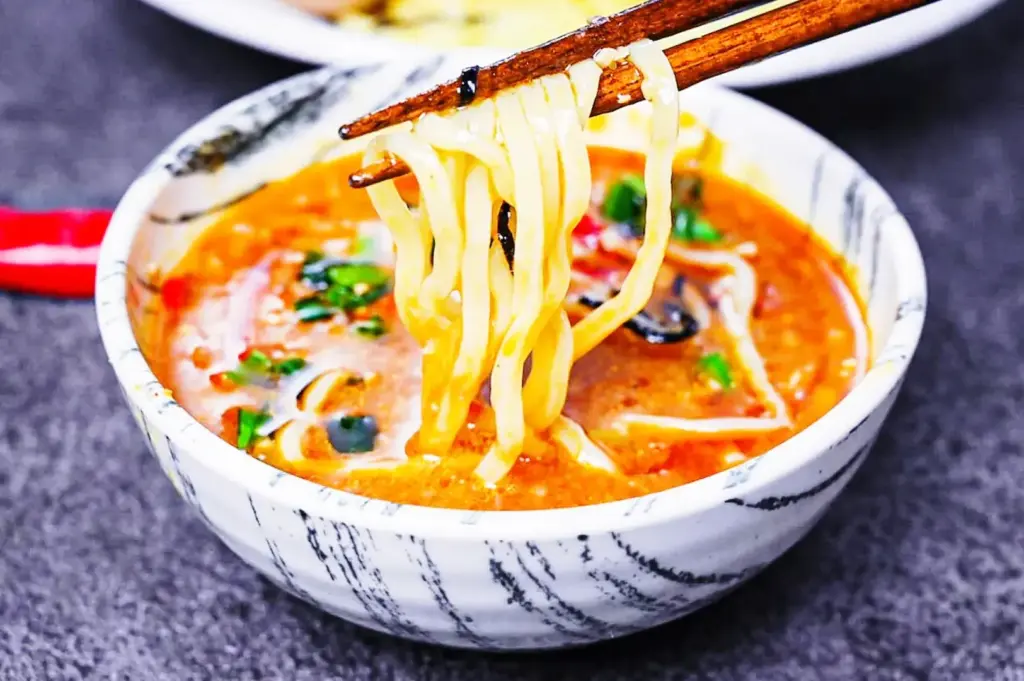
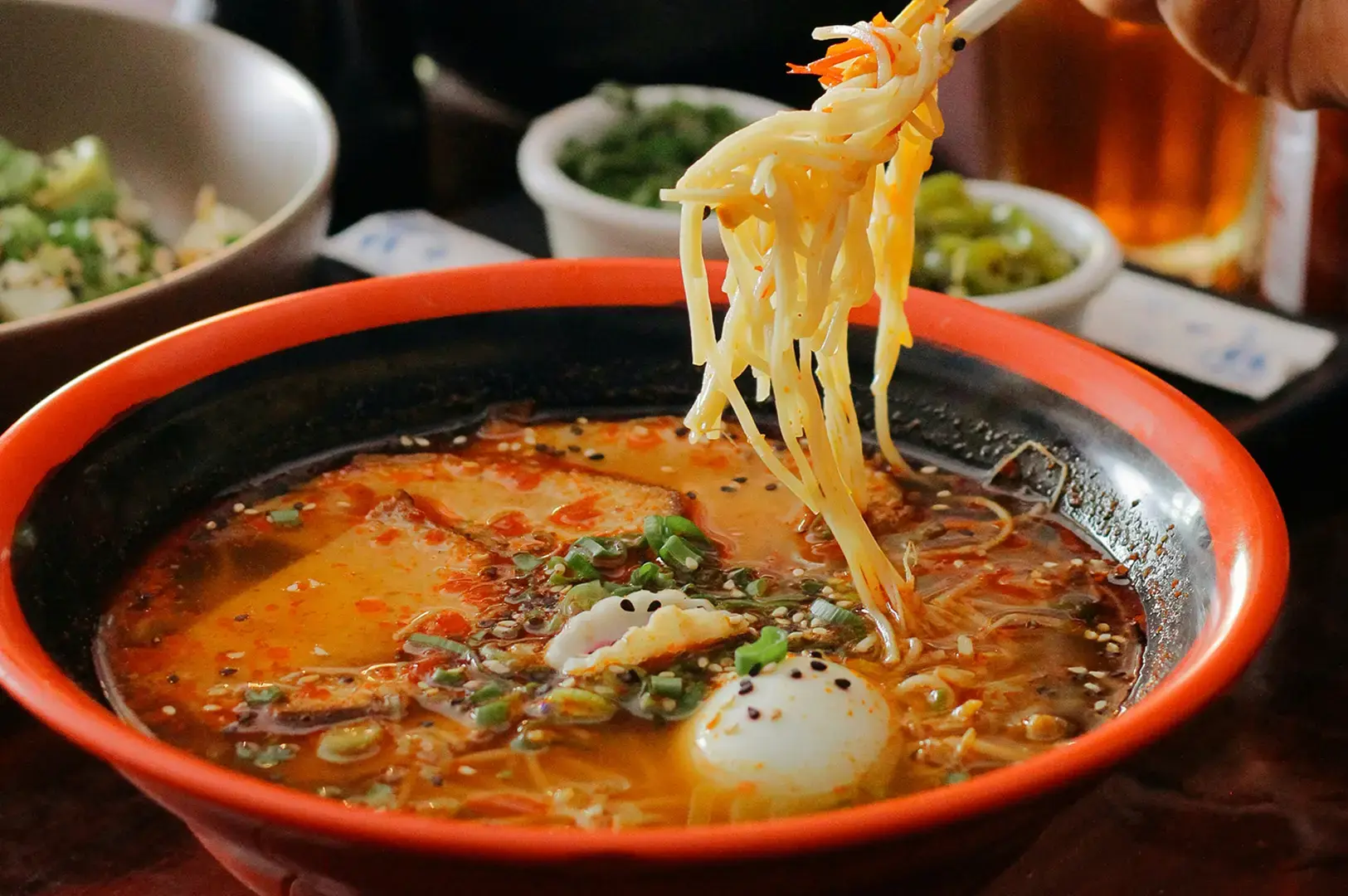
Tsukemen separates the ramen noodles from the broth. You receive a plate of thick, cold, chewy noodles—often thick noodles or wavy noodles served chilled—alongside a bowl of intensely concentrated, hot dipping soup, sometimes flavored with spicy bean paste or chili oil and accented with chopped garlic or oily chicken.
Why it works: I actually prefer ordering tsukemen at izakayas because the noodles don’t sit in hot broth and get soggy while you are busy talking. It is an incredibly forgiving dish for slow, conversational eaters.
3. Maze-Style (Dry Ramen or Mixed Noodles with Straight Noodles)
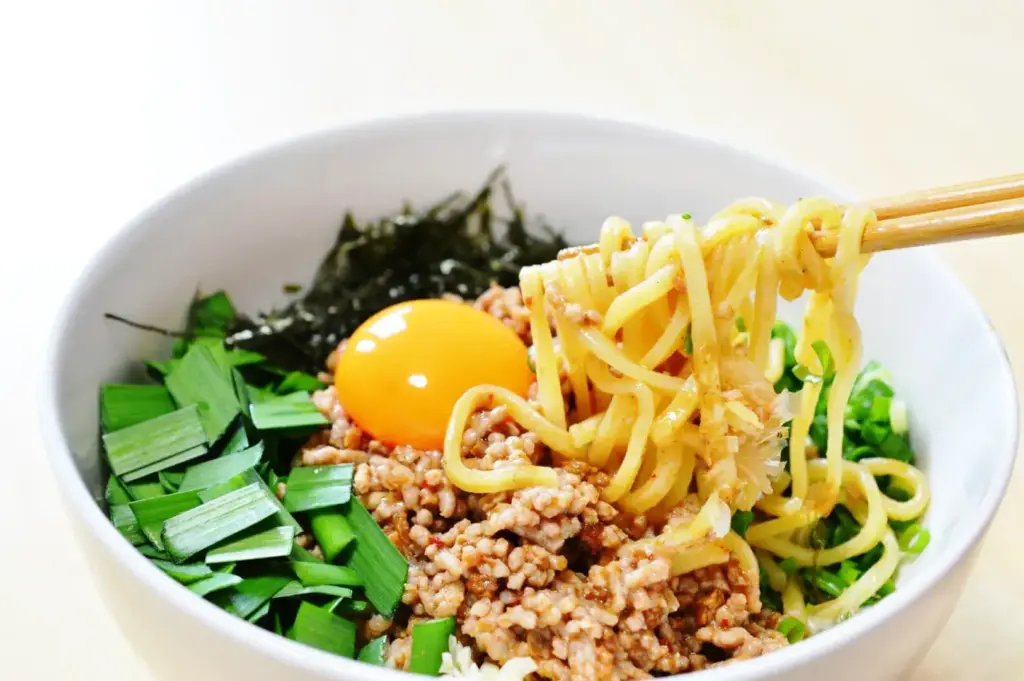
Mazesoba is a brothless ramen, often topped with a raw egg yolk or soft boiled egg, minced pork or ground pork, scallions, and a punchy, oil-based sauce that you mix together vigorously. It might include toppings like fermented bean paste, stir fried vegetables, bok choy, or spicy mustard greens.
Why it works: This is the ultimate drinking noodle. It is heavy, intensely flavorful, and coats your mouth in a rich umami slick that pairs flawlessly with an ice-cold beer or a sharp whisky highball.
Insider Knowledge:
If a venue offers multiple ramen or noodle styles (e.g., dipping tsukemen alongside a dry maze-style), it shows deep culinary commitment. It means the kitchen isn't just treating noodles as an afterthought, but as a dedicated pillar of their menu.
A Step-by-Step Guide to the Izakaya Ramen Experience
I’ve found that the best izakaya experiences unfold in phases. If you pace yourself, a typical dinner will take about two hours, and you should expect to spend roughly $50 to $80 per person. Here is how I structure my orders.
Step 1: Start with Drinks and Sakana
As soon as you sit down, order a beverage. Whether it’s a draft beer ($10–$15), a highball, or a glass of sake, get a drink on the table. Alongside it, order sakana (bar snacks). I always ask for edamame and perhaps some chilled cucumber with miso soup paste or pickled ginger. This gives you something to graze on while you plan the rest of the meal.
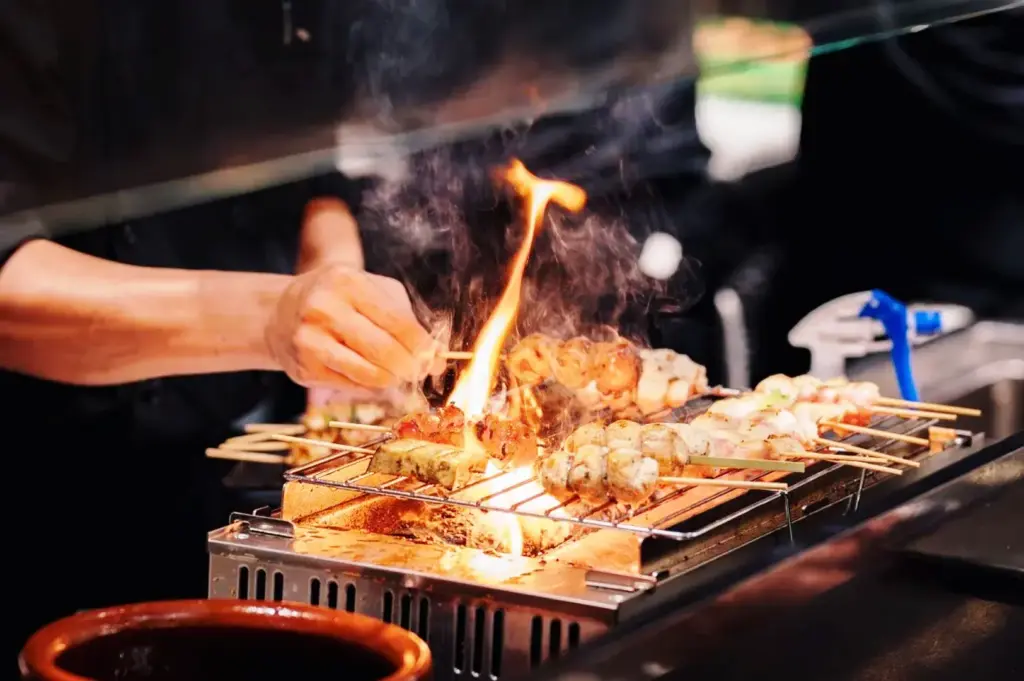
Step 2: The Charcoal Grill (Yakitori)
This is the heart of the izakaya experience. Order your grilled items in waves. Expect to pay about $6–$12 per skewer. Start with classic cuts like chicken thigh with leek, or grilled mushrooms. These salty, smoky bites are meant to encourage drinking and conversation.
Step 3: The Shime (The Noodle Finale)
After about an hour of sharing skewers and small plates, it is time to order the ramen. The noodles serve as the shime—the satisfying finale to your evening.
Pro Tip:
Ask the staff for pairing suggestions. Many izakayas curate their drink lists to match their food. When I ordered a rich truffle shio ramen recently, the server suggested switching from beer to a dry, crisp Junmai sake to cut through the truffle oil. It elevated the entire dish.
Common Mistakes I’ve Made (And How to Avoid Them)
Over the years, I’ve refined my approach through trial and error. Here are the pitfalls you should avoid:
1. Ordering Everything at Once
This is the most common first-timer anxiety. You do not need to order your entire meal upfront. If you order your yakitori and your ramen at the same time, the noodles will arrive while you are still drinking your first beer.
The Fix: Order gradually. Let the evening unfold. Put in an order for your drinks and snacks, wait 20 minutes, order your skewers, and save the ramen order for the very end.
2. Refusing to Share
I used to treat izakaya dining like a Western restaurant, where everyone orders their own main dish. That defeats the purpose. Izakaya dishes are designed for nomunication—the Japanese concept of bonding over drinks and shared plates.
The Fix: Treat the menu as communal property. Even the ramen at the end of the night can (and should) be shared. Ask the staff for small bowls (tonsui) so everyone can have a taste of the broth.
3. Wearing Your Best White Shirt
Between the smoky charcoal grill, the sputtering fat of the skewers, and the inevitable splash of ramen broth, an izakaya is an active, messy environment.
The Fix: Smart casual is safe—I usually go with dark jeans and a dark collared shirt. Avoid shorts and flip-flops, but definitely leave the pristine white silk at home.
Frequently Asked Questions (FAQ) About Ramen Culture and Ramen Noodles
Whenever I bring friends to an izakaya for the first time, they usually have a few specific concerns. Let’s address them directly.
Do I have to drink alcohol to enjoy an izakaya?
Not at all. While the culture is built around drinking, every good izakaya offers excellent non-alcoholic options, from iced oolong tea to yuzu sodas. You will not be judged for skipping the alcohol, though the salty food profiles are definitely calibrated with a cold beverage in mind.
How much should I tip?
Many people worry about how much to tip at Japanese restaurants in Singapore. Here’s the deal: tipping isn’t expected. A standard 10% service charge and prevailing GST are already factored into your final bill. If the chef at the counter gives you an incredible experience, a verbal compliment goes much further than leaving loose change.
Should I sit at the counter or a table?
Counter seating is the best seat in the house for solo diners or couples. It allows you to watch the chef work the robata grill and assemble the ramen bowls. If you are in a group of three or more, always request a table, as counter seating makes group conversation nearly impossible.
Singapore-Specific Context: Where to Go for Ramen Restaurants and Izakayas
Singapore’s izakaya scene is uniquely vibrant. It blends traditional Japanese cuisine gastropub dining with our local preference for busy, buzzing, and communal eating environments. You’ll often find expansive drink selections tailored specifically to the local palate.
If you are looking to experience this perfect blend of grill and noodle, here are a few standout ramen restaurants and izakaya joints I personally recommend:
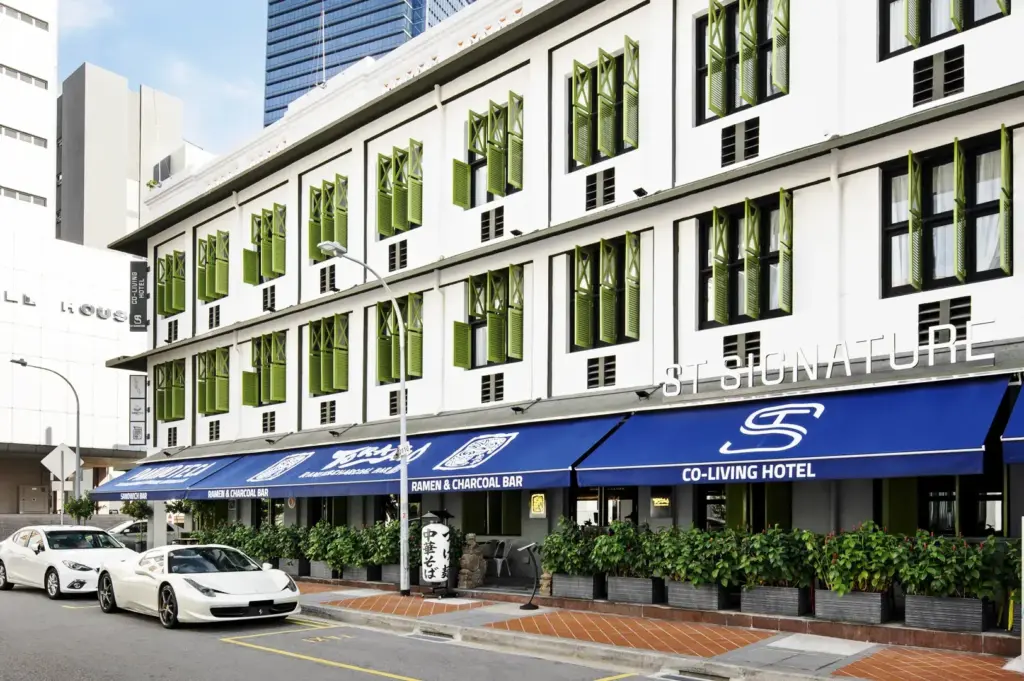
Torasho Ramen & Charcoal Bar (Tanjong Pagar): This is a brilliant modern example. They mix bold, charcoal-grilled fare with highly creative ramen styles, including a fantastic dry maze-soba that pairs beautifully with their cocktail list.
Public Izakaya (CBD): If you want a deeply traditional, old-school Tokyo ramen vibe right in the middle of Singapore, this is the spot. Their menu is incredibly extensive, allowing you to seamlessly transition from cold beers and yakitori to a comforting bowl of ramen noodle soup made with straight noodles and topped with pork belly, boiled spinach, and fish cakes.
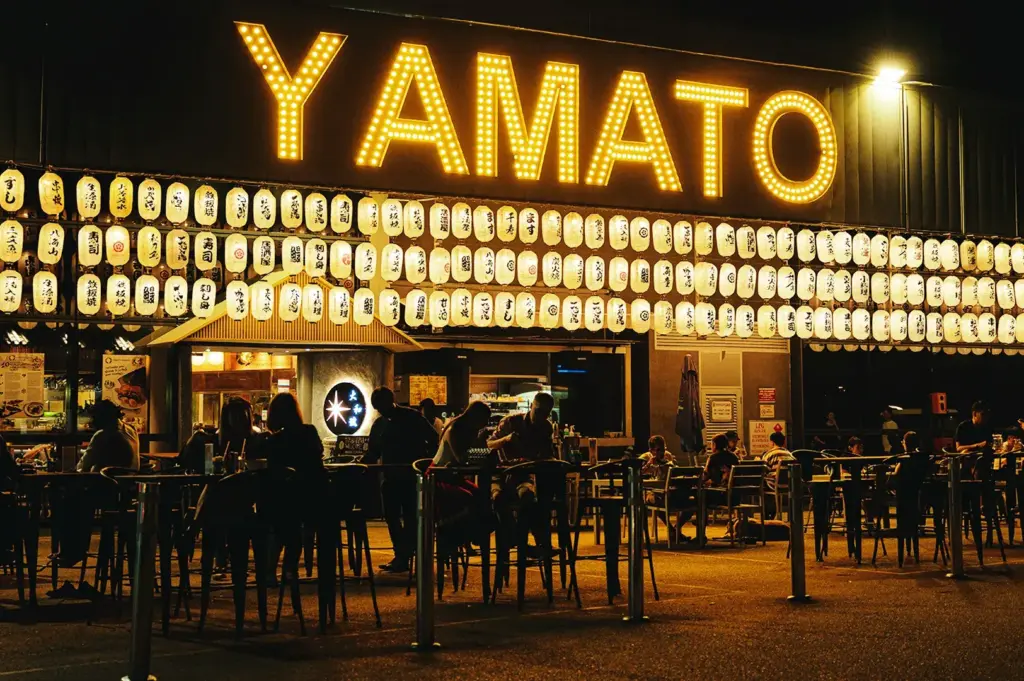
Yamato Izakaya (Ubi): For those who prefer to stay out of the city center, this cozy spot offers deeply comforting ramen and grilled dishes in a much more relaxed, neighborhood setting, including regional styles like Kitakata ramen with thick, wavy noodles and a soy sauce-based broth.
The Final Slurp: Embracing the Richness of Ramen Culture
Exploring ramen within the context of an izakaya is one of the most rewarding culinary journeys you can take in Singapore. It strips away the rushed, solitary nature of the traditional ramen counter and replaces it with warmth, conversation, and the slow, deliberate pacing of a great night out.
The next time you find yourself craving Japanese cuisine, I highly recommend looking past the dedicated noodle chains. Book a table at a local izakaya, order a cold drink, share some skewers with friends, and let the evening lead you naturally to that final, satisfying bowl of ramen. Take your time, enjoy the atmosphere, and most importantly, don’t forget to slurp.
Bonus Tip: For a quick fix at home or to experience a nostalgic taste, don’t overlook instant ramen noodles or cup ramen. Made from wheat flour and often featuring thin noodles, instant noodles can be elevated with fresh toppings like sliced beef, bok choy, or chopped garlic to mimic the depth of a traditional ramen broth infused with Chinese spices.
For the best izakayas in Singapore that offer a perfect balance of drinks and ramen, check out our guide on Where to Find the Best Izakaya Experience with Ramen and Drinks in Singapore.