The first time I made ramen eggs, I ruined all four. I boiled them too long, panicked over the timer, then peeled them so roughly that half the egg white came off with the egg shell. What was left looked like it had survived a small accident. I marinated them anyway, out of stubbornness more than hope.
The next morning, I sliced one open. The yolk was chalky. The white tasted of nothing but salt. I’ve made hundreds since then. And I’ve learned that a good ramen egg, an ajitama or ramen eggs ajitsuke tamago, isn’t about perfection. It’s about a few small choices done with care. Let me walk you through them with a delicious recipe that any home cook can master, perfect to complement an easy homemade ramen bowl.
What Is a Ramen Egg Ajitsuke Tamago?
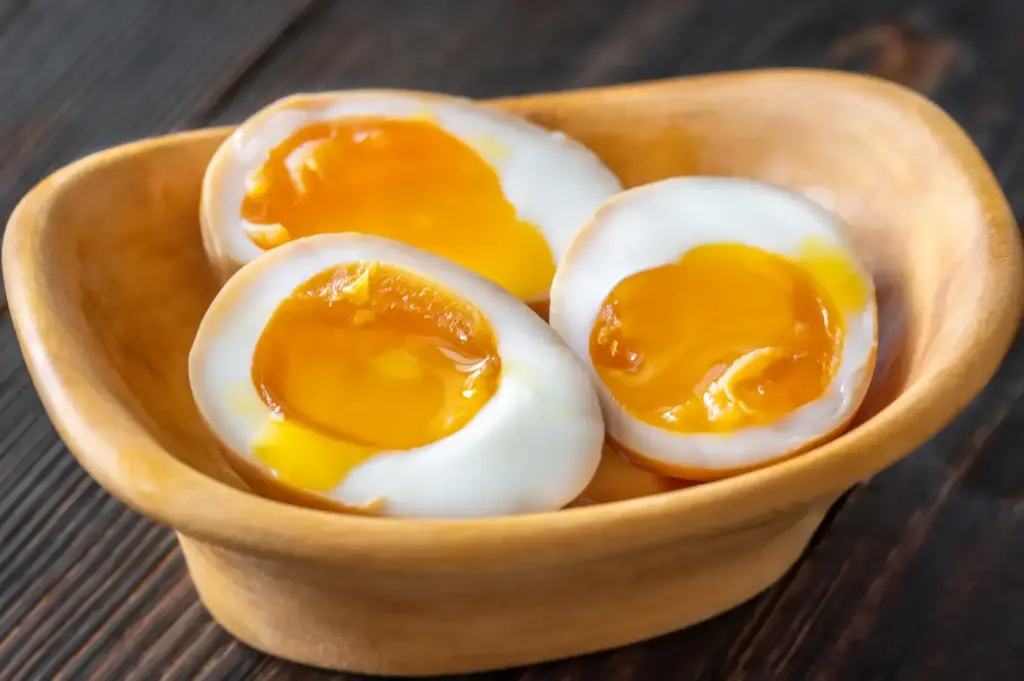
A ramen egg, or ajitama (sometimes ajitsuke tamago), is a Japanese soft boiled egg marinated in a soy-based marinade recipe. That’s the whole idea. Soy sauce, a little sweetness, sometimes mirin and sake, thinned with water or rice vinegar, often including sweet soy for that signature flavor.
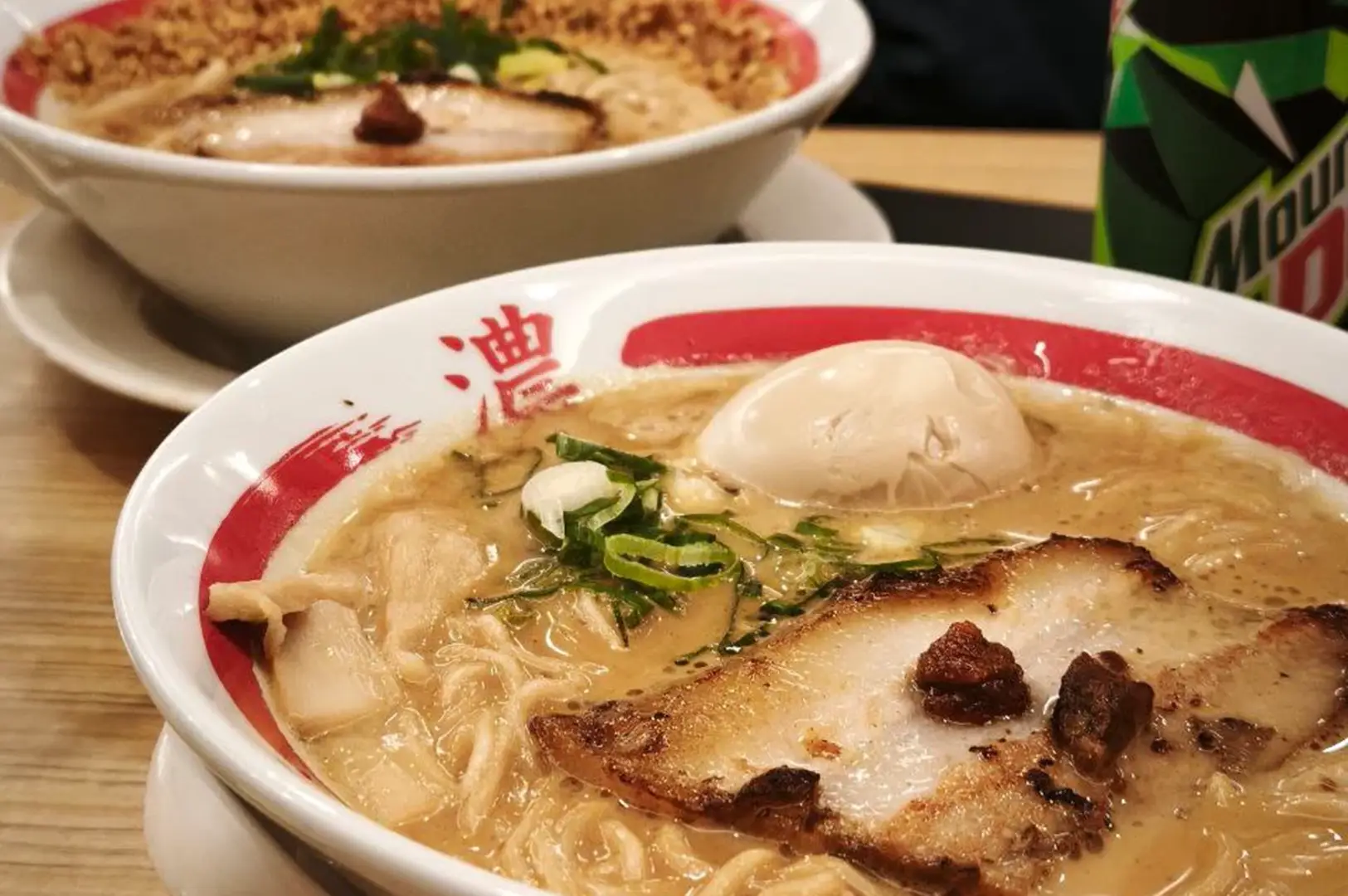
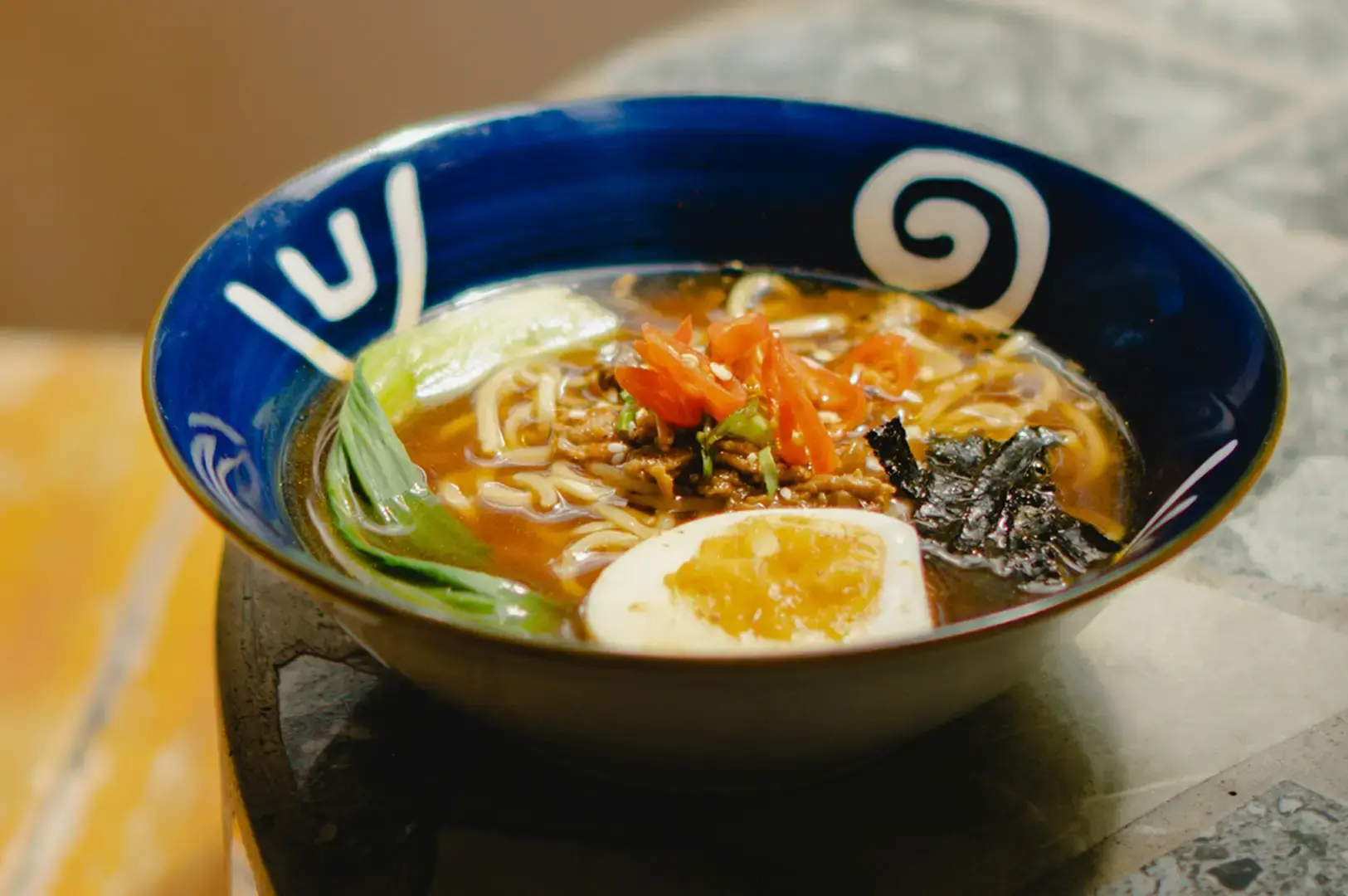
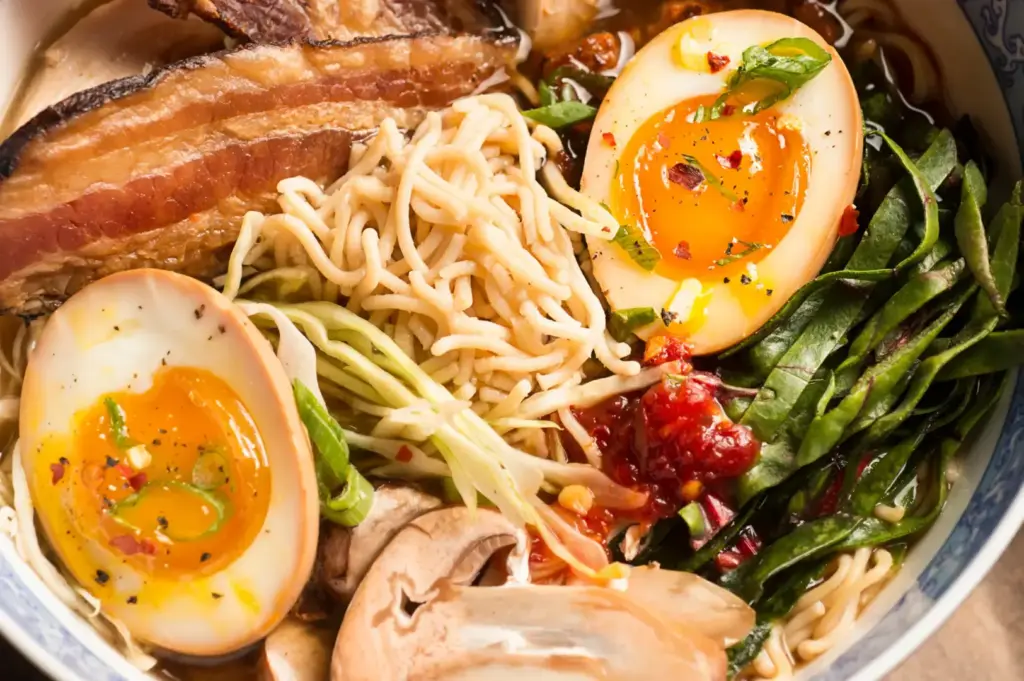
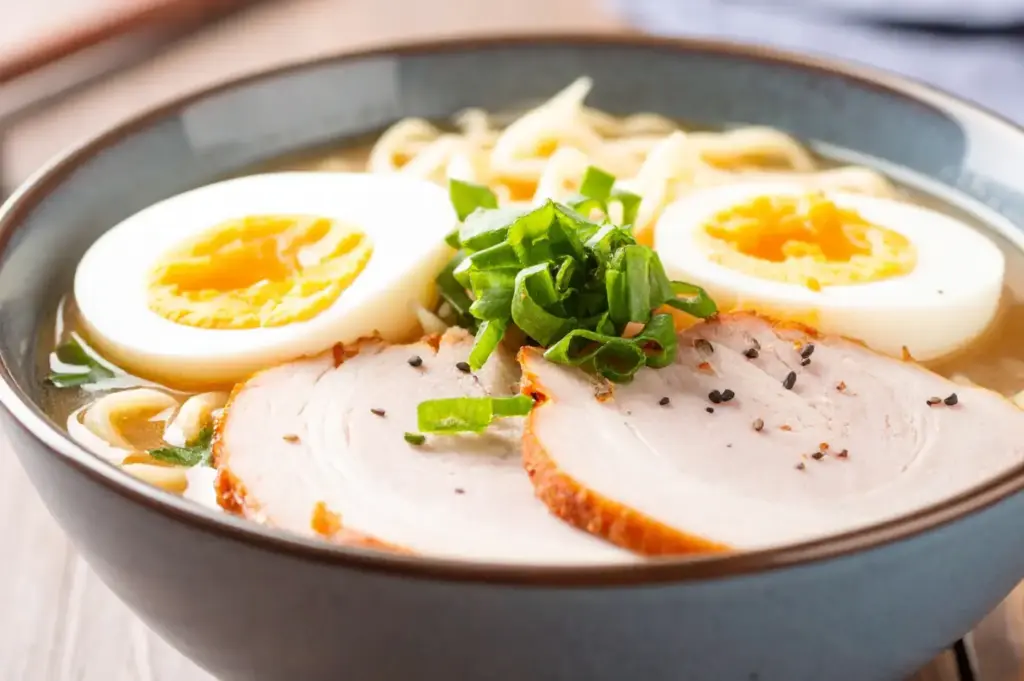
You’ve probably eaten one sitting on top of a bowl of tonkotsu, that jammy egg yolk half, the egg white stained a gentle brown. But it’s not only for ramen. I keep a few in the fridge for curry rice, for lazy instant noodles, or just to eat cold over the sink at midnight.
The goal is simple to describe and quietly precise to achieve: a firm white, a soft custardy egg yolk, and a marinade that seasons without shouting.
What Makes a Good Ramen Egg with Perfect Soft Boiled Eggs?
I think most people misunderstand the ajitama. They assume it’s just a soft-boiled egg. It isn’t. A plain soft-boiled egg gives you richness**. A ramen egg gives you richness and seasoning,** the ramen egg marinade should whisper into the white while leaving the yolk creamy.
Here’s what I look for:
A jammy egg yolk, soft and spoonable, never dry, never grey-ringed.
A firm but tender egg white, lightly stained brown from the marinade on the outer layer.
Balanced flavour, savoury with umami flavor, a touch sweet, not aggressively salty.
A clean peel, because peeled eggs with a torn surface drink marinade unevenly and look rough.
Ramen Tale's Knowledge: A very dark egg looks impressive in photos but often tastes over-salted. Don't chase colour. Chase balance. The best ajitama I've made were a modest tan, not deep mahogany.
Ingredients You Need in Singapore for Boiling Water Preparation
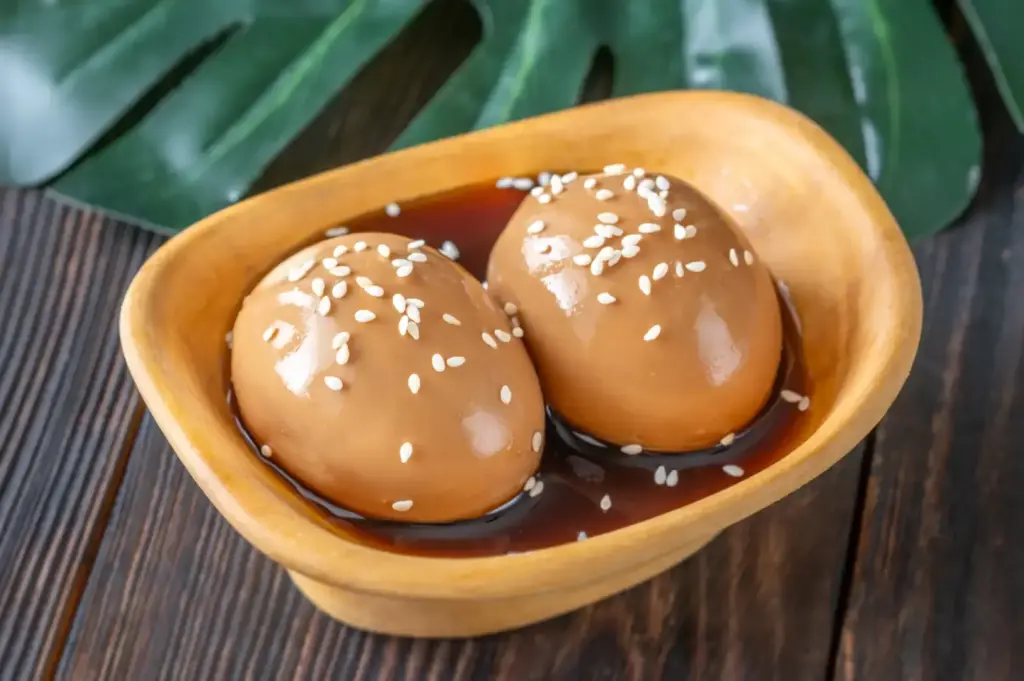
The good news is you already own most of this.
Very fresh eggs. Any supermarket eggs work. At FairPrice, a tray of ten Chew’s large eggs runs around S$3.15 to S$4.15, which puts each egg at roughly S$0.42. Once you add marinade ingredients, you’re looking at about S$0.70 to S$1.50 per finished egg. Compare that to the S$1.50 to S$3 that ramen shops charge for a single ajitama add-on, and the case for making your own gets obvious fast.
Soy sauce, mirin, sake, sugar, rice vinegar. FairPrice or Cold Storage covers the basics. For better mirin and sake, I’d head to Don Don Donki, the pricing is fair and the selection is wide. If you want to go deeper, Meidi-Ya at Great World carries a more serious Japanese pantry, though you’ll pay a little more for it.
For a halal or alcohol-free version, skip the mirin and sake entirely. Use soy sauce, water, and a spoon of added sugar or honey instead. You lose a little of the rounded gloss, but the egg still comes out savoury and satisfying. I’ve served this version to friends who don’t drink, and nobody has ever felt short-changed.
Slurper's Tip: Slightly older eggs peel more cleanly than ultra-fresh ones. If you've had a carton sitting in the fridge for a week, those are your ajitsuke tamago eggs.
Step-by-Step Using Hot Water Boiling Method
This makes four eggs. Always make four, even if you only need one, the effort is identical, and your first egg might not survive the peeling process.
1. Boil the water first in a large pot.
Bring a pot to a steady rolling boil before the eggs go in. Lower each one gently with a spoon so it doesn’t crack against the bottom. Using room temperature eggs helps keep cooking times consistent.
2. Time it: 6½ to 7 minutes cook time for jammy yolks.
Six and a half gives you a softer, looser centre with runny egg yolk. Seven is the safer jammy egg yolk. Use a timer. I mean it, thirty seconds is the difference between custard and chalk.
3. Ice bath ready.
The moment the timer goes, gently place the eggs into an ice water bath with cold running water. This stops the yolk cooking any further. No ice? Use the coldest tap water you have and change it twice. In our climate, tap water alone warms up fast, so keep it moving.
4. Peel eggs gently, under cold running water.
Gently crack the eggshell all around the egg, then peel starting from the wider end where the air pocket sits. Doing this under running water helps the shell slide off. Don’t rush this part.
5. Make the ramen egg marinade.
For four eggs, combine soy sauce, mirin, water, sake (optional), rice vinegar, and a touch of added sugar in a small saucepan. Heat gently to dissolve the sugar and cool completely.
6. Marinate in a zip lock bag or sealed container.
This is the trick that changed everything for me. A zip lock bag lets the marinade hug all the eggs fully submerged using far less liquid than a container would need. Push out the air, seal it, and the eggs stay submerged on their own. You can also place a paper towel on top to keep eggs fully submerged.
7. Chill for a few hours to 12 hours.
Into the fridge. Turn the bag or container once if you remember.
8. Serve at the end.
Slice with a sharp knife, or a length of thread for a cleaner cut, and place the egg on your bowl just before eating. Never drop it into hot broth to warm through. It’ll overcook the yolk in seconds.
How Long to Marinate for Jammy Eggs
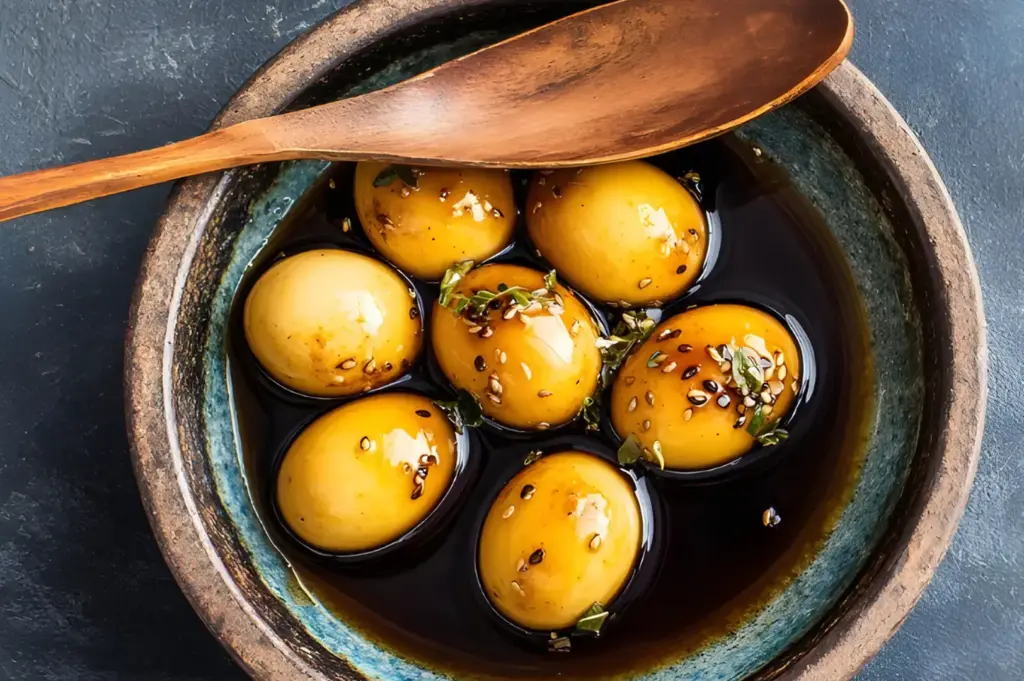
Prep time is minimal, but the reward is immense. Marinating time is where you shape the egg to your taste. Here’s my rough map:
4 hours: lightly seasoned. Nice, gentle, good with a delicate shio broth.
8 to 12 hours: the sweet spot. Balanced, savoury, ramen-shop-like. This is where I land most nights.
24 hours: deep colour, stronger flavour. Watch the salt.
Beyond 48 hours: usually too salty, and the yolk starts to firm up. Avoid unless you’ve diluted the marinade heavily.
Chef's Knowledge: Marinade strength must match marinating time. A strong, soy-heavy mix is fine for a quick four-hour soak. For overnight, add more water. I learned this after a 24-hour batch that tasted like the sea.
Eggs Gone Wrong: Common Boiling Mistakes and How to Fix Them
I’ve made every one of these, so let me spare you a few.
The overcooked egg yolk. Boiling too long, or skipping the ice water bath, leaves you with a dry yolk and that tell-tale grey ring. Six and a half to seven minutes, then cold shock. Non-negotiable.
The bad peel. Too-fresh eggs, insufficient cooling, or impatient hands. Use older eggs, chill them properly, and peel under water. And if one tears anyway, use it. Slice it, place the good side up, move on. A torn egg still tastes wonderful.
The salt bomb. Too-strong marinade, too long a soak. If an egg comes out too salty, don’t waste it. Pair it with plain rice or a lighter broth instead of a salty ramen. Next time, more water, less time.
How to Use Ramen Eggs Ajitama
Once you have a batch in the fridge, they quietly improve everything.
On homemade ramen, of course, a shoyu or miso bowl feels instantly more complete. But the ajitama really earns its keep as an instant noodle upgrade. Use half the seasoning packet, add a marinated egg, some spring onion, a sheet of nori, and suddenly your S$2 packet feels like a meal someone actually cooked.
Beyond noodles, I fold them into rice bowls, bento boxes, drop them onto salads, or eat them plain as a protein-heavy snack. They’re one of the most useful things you can keep in a small Singapore fridge.
Nutritional Notes on Ramen Eggs
While ramen eggs contain some saturated fat, they also provide healthy monounsaturated fat and polyunsaturated fat, with minimal trans fat. This balance makes them a satisfying yet nutritious addition to your meals.
A Note on Food Safety with Hot Water Boiled Eggs
Our weather doesn’t forgive shortcuts. Don’t leave cooked eggs or marinating eggs sitting on the counter, cool them quickly and get them into the fridge. Keep marinated eggs chilled in an airtight container and eat them within two to three days for the best texture. If an egg ever smells off or feels slimy, throw it out. It’s not worth the gamble.
For more inspiration, check out other recipes and tips on Ramen Tale. Don’t forget to leave required recipe ratings if you try this delicious recipe yourself!
Ramen Eggs Ahead: Ready To Make Your Jammy Egg Yolk?
That first ruined batch taught me more than any recipe could. The eggs weren’t the problem, my impatience was.
So start with four. Boil them for six and a half to seven minutes in hot water in a large pot. Shock them cold in cold water, peel them gently, and let them rest in the marinade overnight. Keep the salt in check, and never cook the egg twice.
Get this one small thing right, and even a humble bowl of instant noodles starts to feel like something you meant to make. Go on. Boil your four.