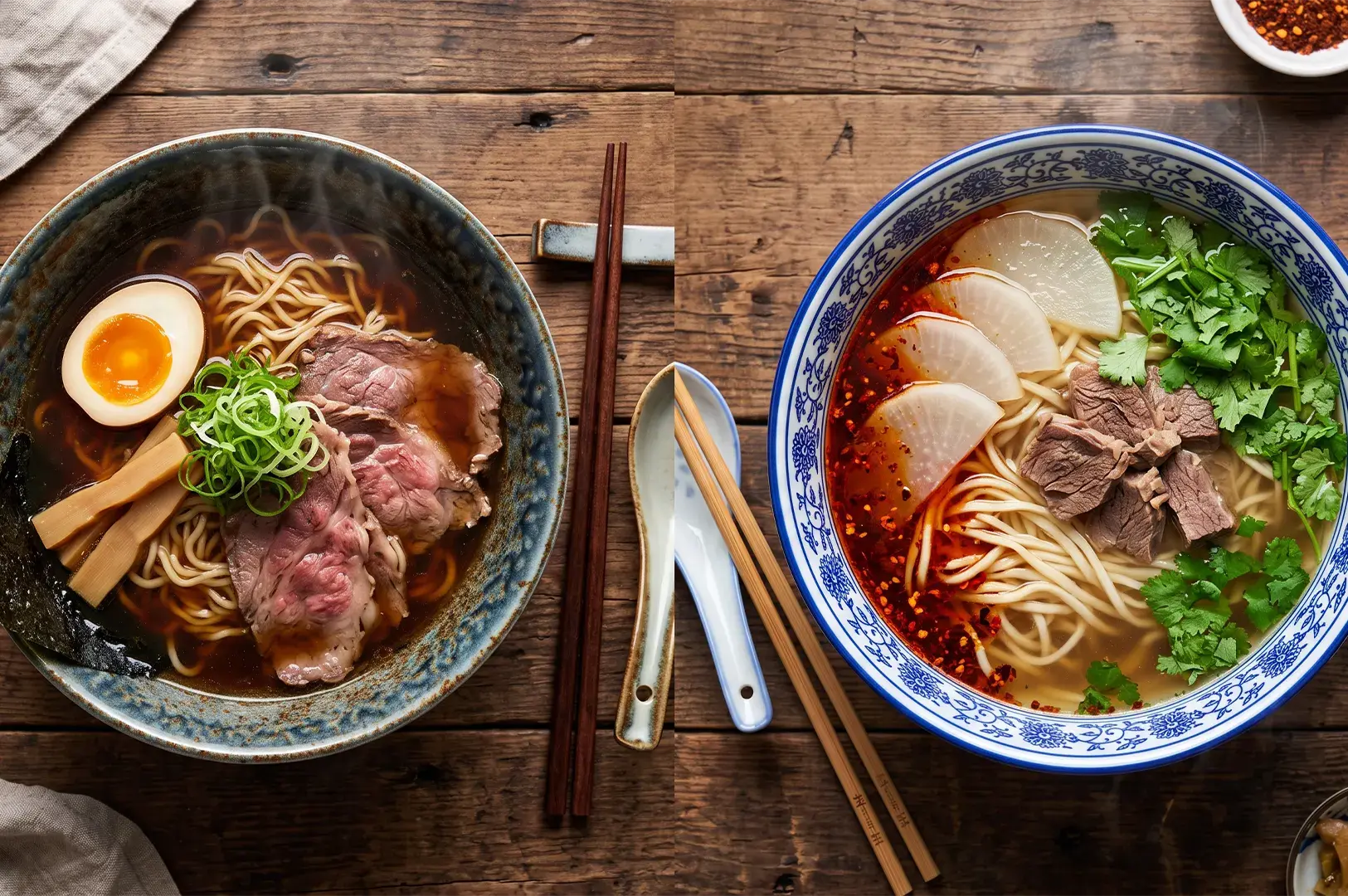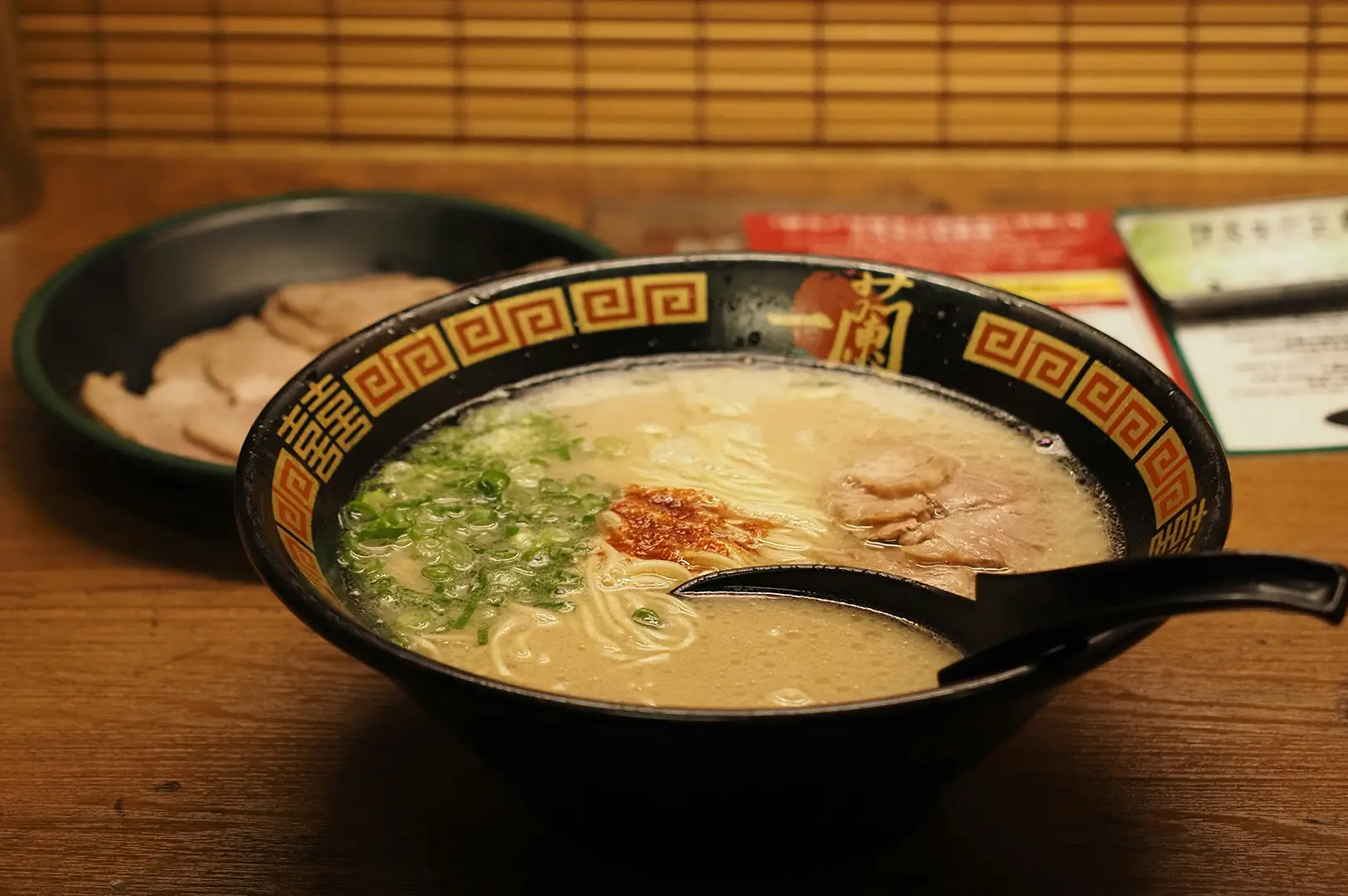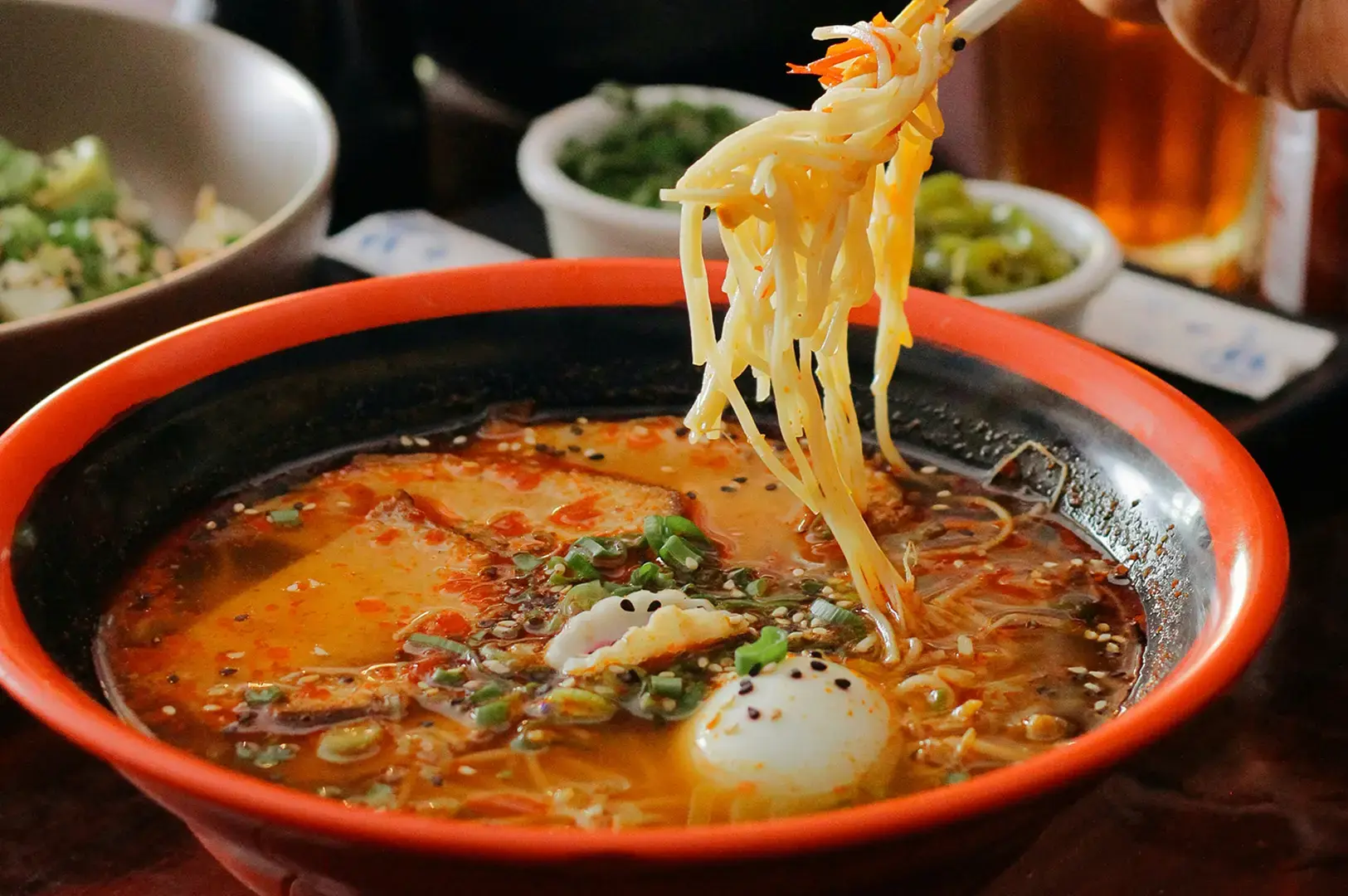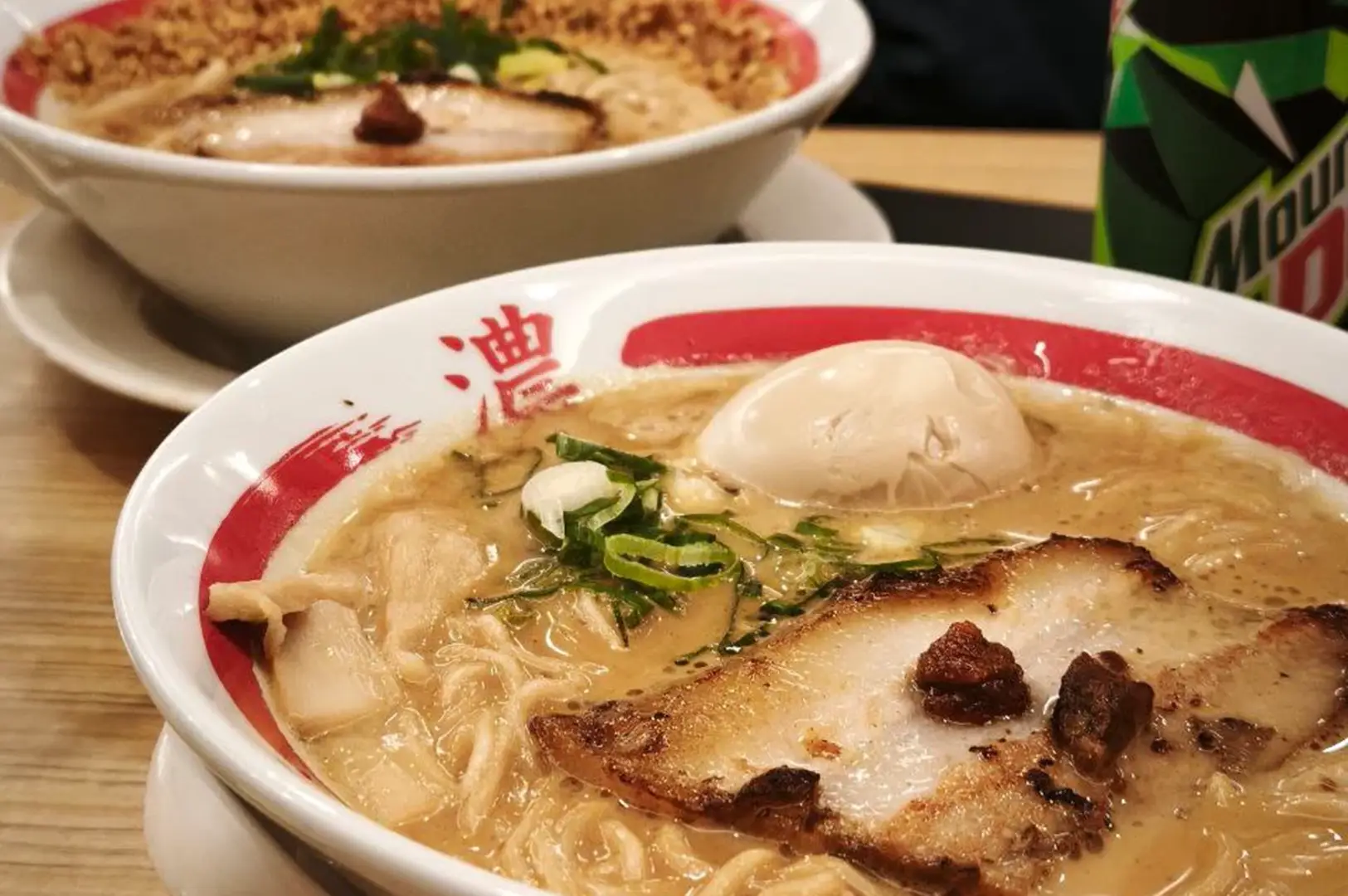
A friend once asked me to pick a ramen place for dinner. Simple enough, I thought. Then I remembered she doesn’t eat pork. And I realized that almost every bowl I loved was built on pork bones, finished with pork chashu, and seasoned with tare I had never once thought to question.
That evening I started paying attention. I read menus more slowly and learned to ask better questions. Over time, I found that halal ramen in Singapore isn’t a smaller, sadder version of the real thing. When it’s done well, it’s simply a different bowl, and it stands on its own.
What Halal Ramen Actually Means
The first thing to understand is that “halal” and “pork-free” are not the same.
I used to treat them as one idea. A shop said “no pork, no lard,” and I assumed that was enough. It isn’t. Ramen carries hidden questions. The tare might contain mirin or sake. The chicken might not be halal-sourced. The kitchen might share equipment with non-halal dishes.
So in Singapore, the labels mean different things:
Halal-certified means the outlet has been certified, usually by MUIS.
Muslim-friendly usually means no pork or lard, but the outlet may not be certified.
No pork, no lard is a description of ingredients. It isn’t a certification.
Chicken or seafood ramen is just a flavor profile. On its own, it tells you nothing about halal status.
MUIS certification is the gold standard here. MUIS regulates Singapore’s halal industry, and its certified establishment search is the most reliable place to check before you visit.
The Ramen Slurper's Knowledge: Certification usually applies to a specific outlet, not to a whole brand. If one branch of a restaurant is certified, check the exact branch you plan to visit. Look for the certificate on display, or search the MUIS listing.
How the Broth Is Different
This is the part people worry about most. Can a bowl be rich without pork? I had my doubts too.
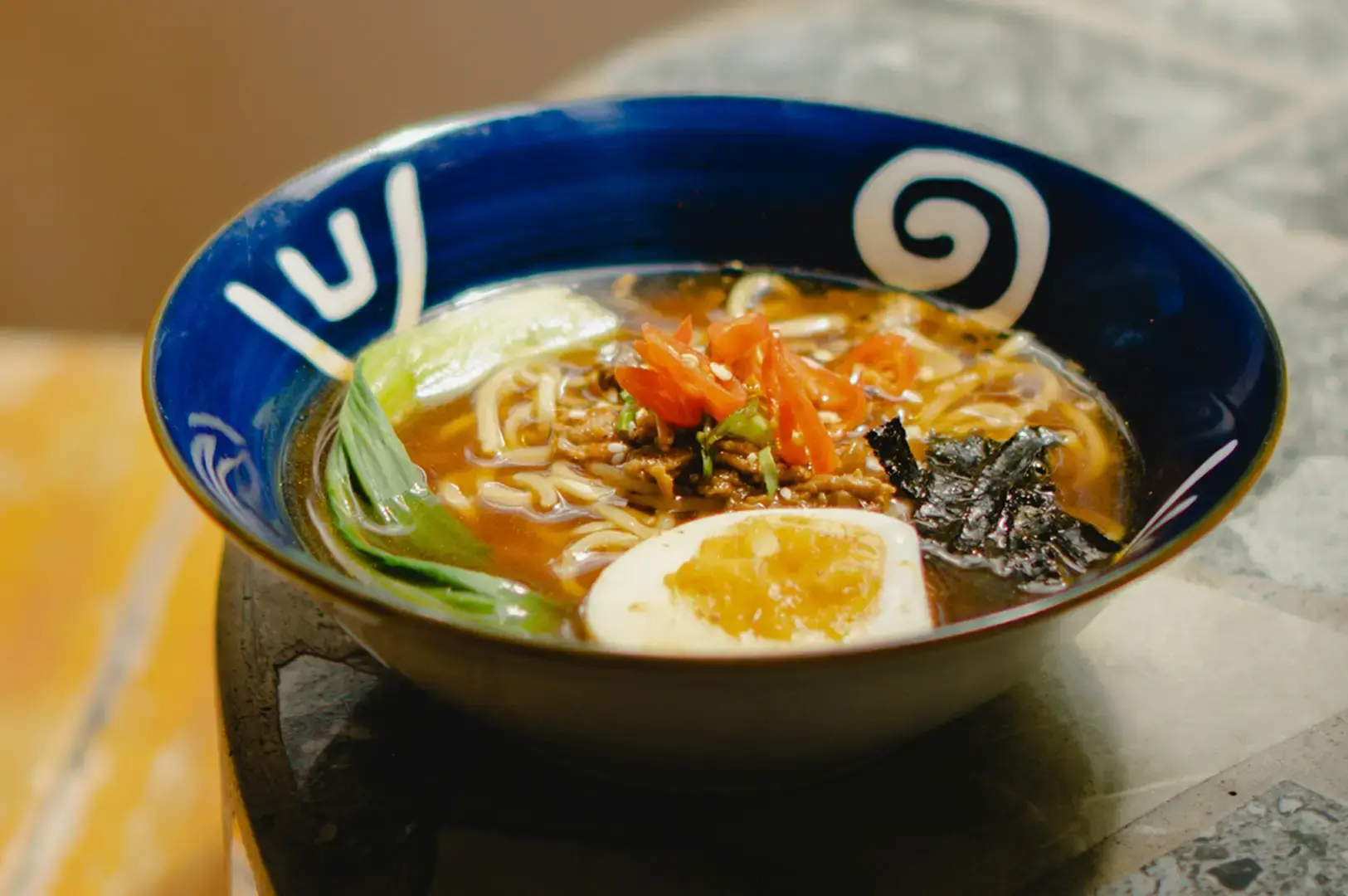
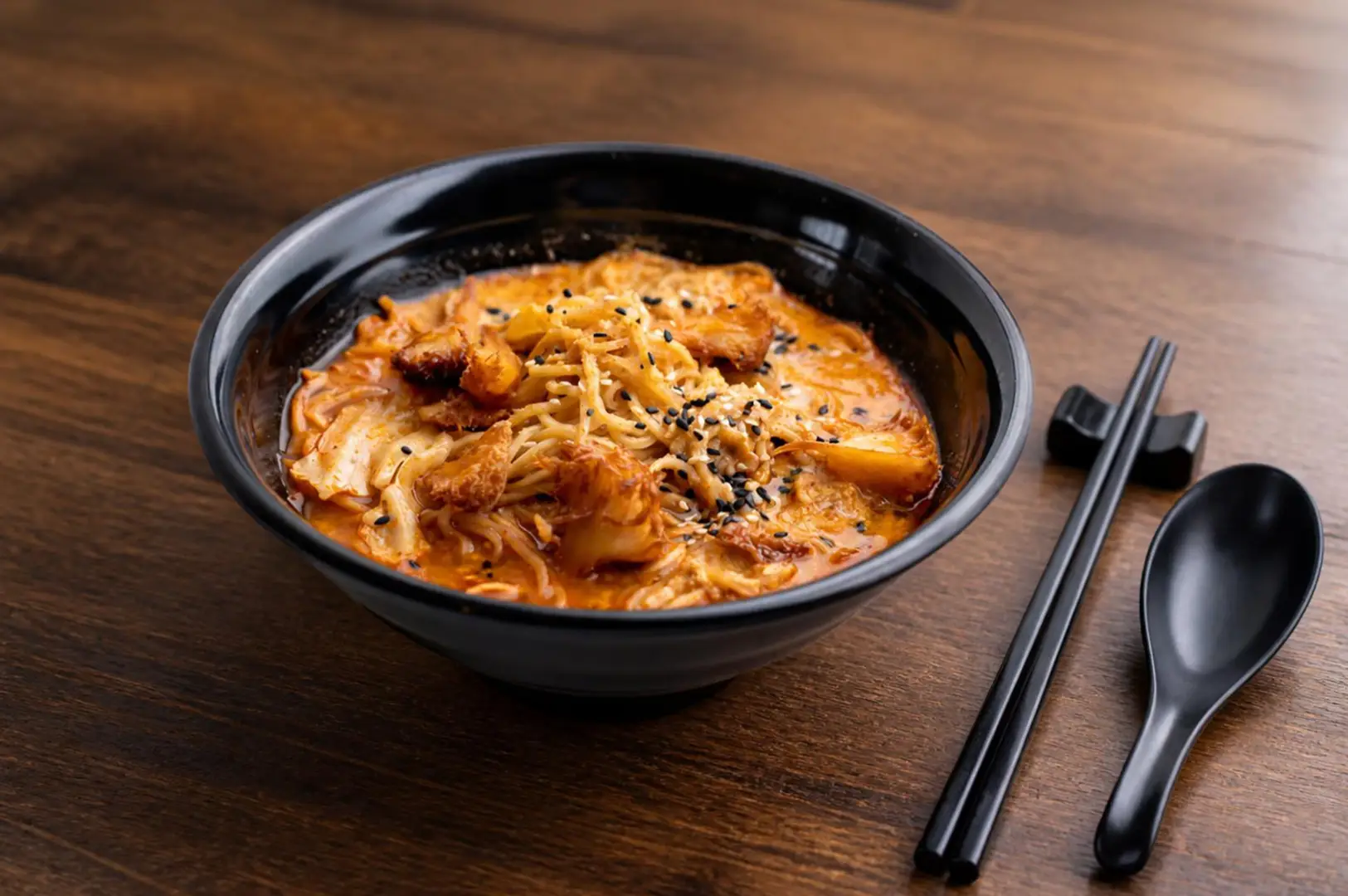
Tonkotsu taught me to expect a milky, heavy broth that coats the spoon. Halal ramen takes a different route. Kitchens build depth from chicken, seafood, vegetables, and umami ingredients like kelp and bonito.
Ichikokudo is a good example. Its soup starts with fresh chicken and vegetables. Bonito, mackerel, and kelp add another layer of savory depth. The result is a rich chicken broth that tastes warm and layered rather than fatty. The noodles are made with a special blend of Hokkaido wheat, so they keep their spring in the soup.
The chashu changes too. Chicken chashu won’t eat like pork belly, and it shouldn’t. Ask yourself whether it’s tender, well marinated, and seasoned enough to stand up to the broth. Judged that way, a good one holds its own.
Tip From Ramen Tale: Taste the soup before you add anything to it. A good halal broth has body, not just salt. If the first sip already tastes layered and comforting, you're in the right place.
How to Choose Your Bowl
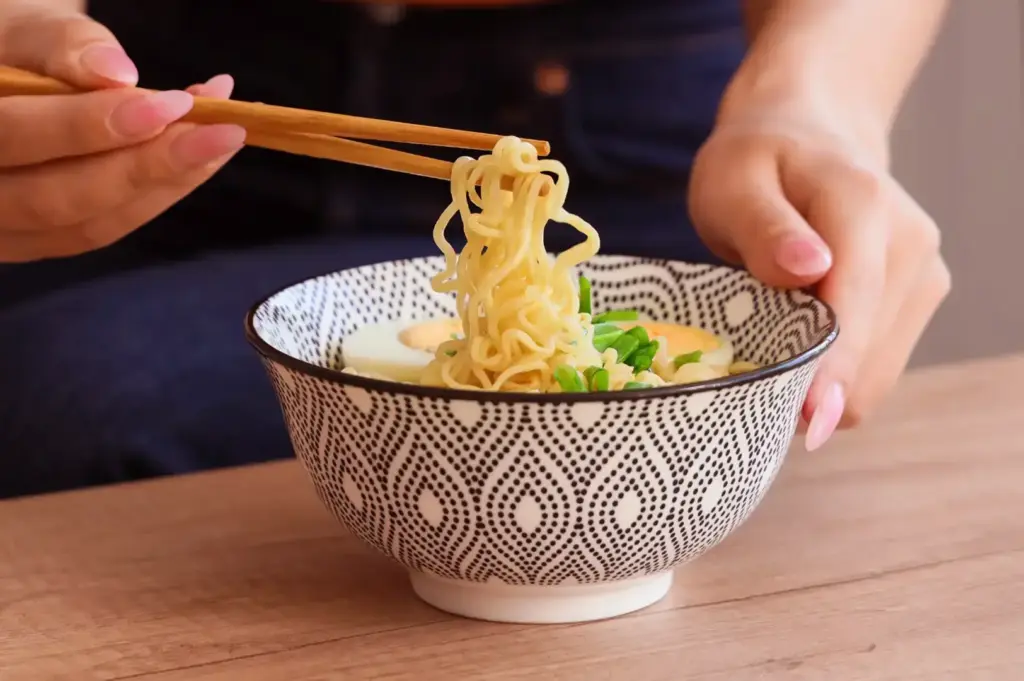
I’ve found it helps to work through it in order.
Confirm the halal status. Check the restaurant’s website, the MUIS search, and the certificate at the counter. Asking staff is completely normal here, and they should be able to point you to the certificate.
Understand the broth base. Look for a clearly explained soup: chicken, seafood, or vegetable. Be cautious if staff can’t tell you what’s in it.
Start with the original. On a first visit, skip the spiciest bowl and the heaviest toppings. You want to taste the kitchen’s foundation first.
Add toppings later. Marinated egg, seaweed, beef slices, butter, and fried shallots are all good additions. Too many on the first visit can hide the broth.
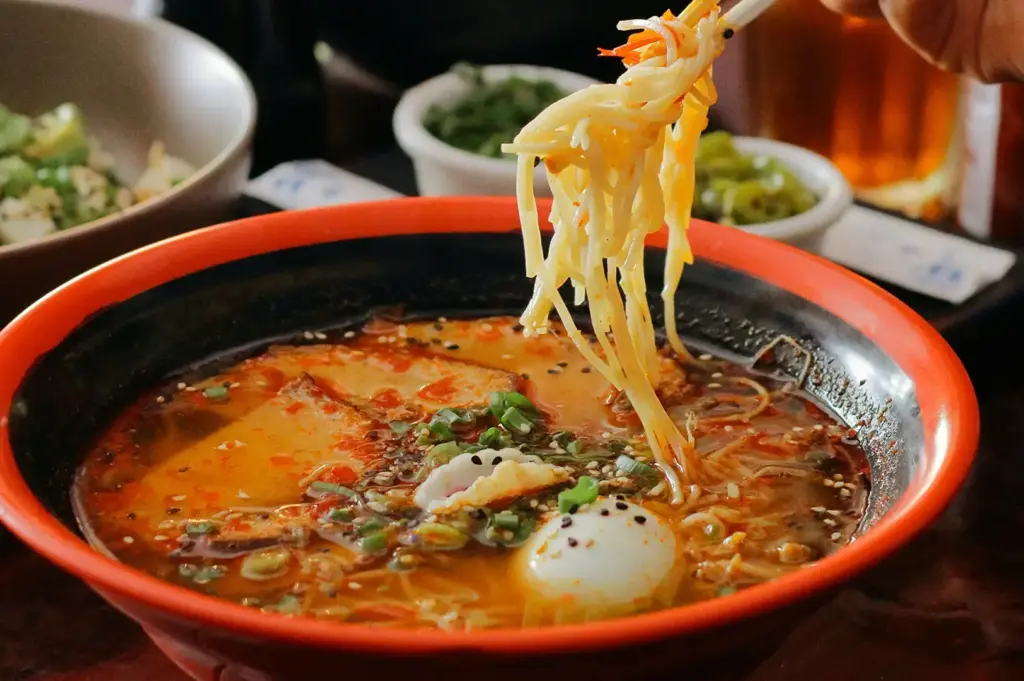
Match the bowl to your mood. Choose rich chicken broth for comfort, butter and corn for richness, and mala or spicy bowls for heat.
Where to Find It
Popular spots in Singapore’s east and central areas serve affordable halal ramen with a variety of toppings, from tender halal meat slices to marinated eggs and fresh vegetables. A glance at their menus shows a set of recommendations tailored for newcomers and seasoned diners alike.
Halal ramen is still fairly rare in Singapore compared with other halal cuisines. Two names come up again and again, and for good reason.
Ichikokudo Hokkaido Ramen
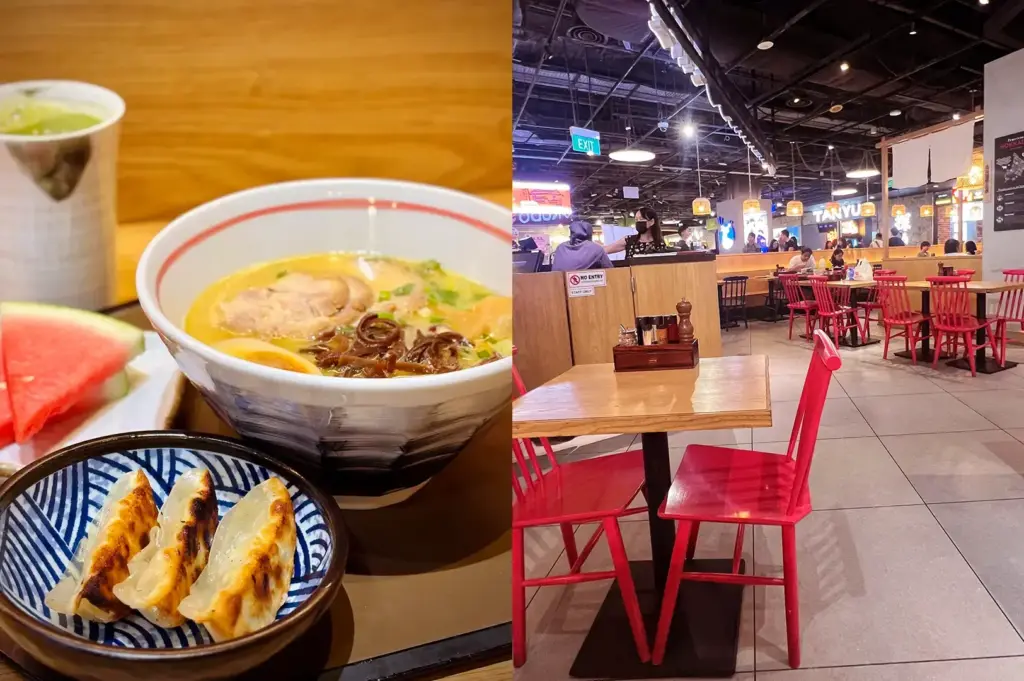
Ichikokudo is a halal-certified Hokkaido ramen restaurant with an all-halal menu. It has three outlets:
313@Somerset, #B3-35/36, open daily 11am to 10pm (last order 9:30pm) — check their opening hours to plan your visit.
Suntec City, #B1-135, open daily 11am to 10pm (last order 9:30pm)
Changi Airport Terminal 3, open daily 11am to midnight (last order 11:30pm)
I’d start with the Ichikokudo Ramen ($10.90). It’s soy-forward and built on that chicken and seafood base, so you taste the house style without distraction. If you want something richer, the Ichi-Hokkai Butter Ramen ($12.90) brings Hokkaido butter, vegetables, and chicken chashu together. Butter in ramen is a very Hokkaido idea, and it suits a cold-weather style of bowl, even in our heat.
Halal Ramen Near ION Orchard
This is a small correction that saves a wasted walk. People often search for Ichikokudo at ION Orchard, but the official Orchard-area outlet is 313@Somerset. If you’re shopping around ION Orchard, it’s a short stroll down Orchard Road. Getting some fresh air between malls is no bad thing.
The Ramen Stall: Late-Night Halal Ramen
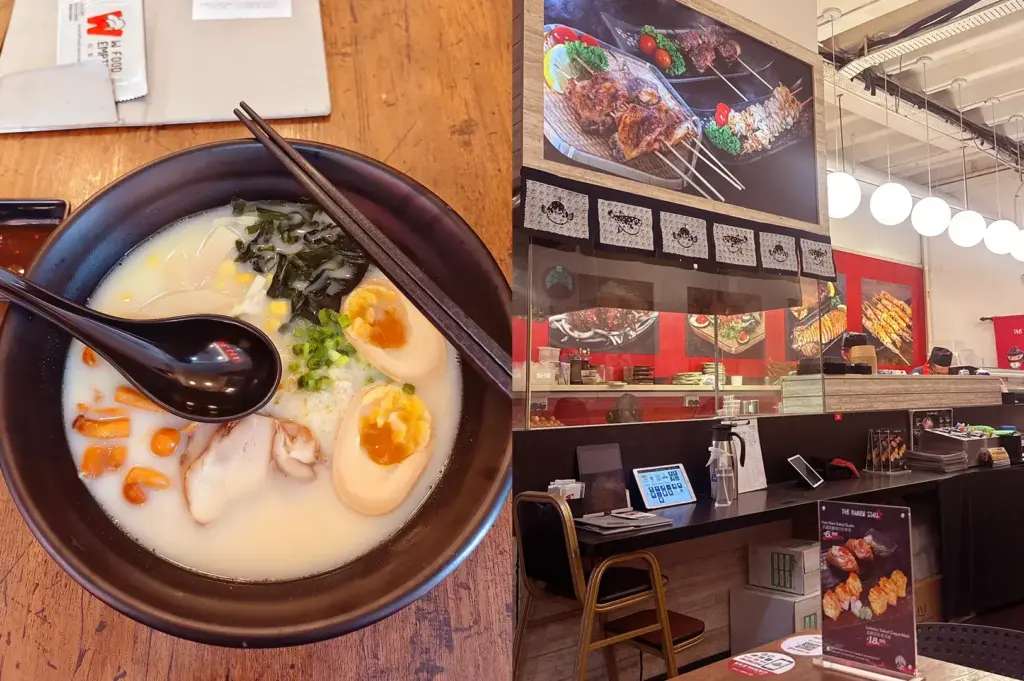
The Ramen Stall at 787 North Bridge Road is where I’d go when the night runs long. It’s halal-certified and open from 11am to 1am Sunday to Thursday, and until 2am on Friday, Saturday, and the eve of public holidays.
The menu goes well beyond noodles, with sushi, sashimi, rice dishes, donburi, and seafood. That makes it an easy choice when you’re out with friends who want different things. Some bowls to know:
Chicken Cha Shu Ramen: $14.90
Beef Ramen: $16.90
Mala Ramen: $16.90
Dry Ramen: $13.90
Add-ons (chicken cha shu, ajitama egg, beef slices, or onsen egg): $2.00 each
Drinks run about $3.00 to $6.80. Prices are subject to GST and service charge. With a side and a drink, expect to spend roughly $20 to $30 or more per person.
Ramen Rookie Errors to Dodge
Trusting “no pork, no lard” as halal. It isn’t the same thing. Verify.
Assuming every branch is certified. Check the specific outlet.
Ordering the spiciest bowl first. I did this once, piled on toppings, and barely tasted the soup underneath. Start with the original.
Comparing everything to tonkotsu. Halal ramen is designed differently, so judge it on its own terms. If you’re curious about the pork-based side of Singapore’s ramen, my notes on Tanjong Pagar ramen show how different that world tastes.
Letting the bowl sit. Noodles soften fast in hot soup. Eat while it’s warm.
From Broth to Bite: Halal Ramen FAQs
Is chicken ramen automatically halal?
No. The chicken, sauces, and kitchen processes all matter. Look for certification.Does halal ramen taste different?
Yes, a little. It leans on chicken, seafood, and umami ingredients instead of pork bones. A good bowl still tastes rich and complete.Can sauces contain alcohol?
Some Japanese seasonings use mirin or sake. That’s why certification matters more than an ingredient list.Where can I eat halal ramen late at night?
The Ramen Stall on North Bridge Road, open until 1am or 2am depending on the day. Ichikokudo at Changi T3 also takes last orders at 11:30pm.Is halal ramen only for Muslim diners?
Not at all. It’s often the easiest choice for a mixed table, where everyone can order freely.
Beyond the Broth: The Halal Ramen Experience
Throughout the town, halal ramen offers a unique experience that lets you enjoy the rich, flavourful food inspired by Japan’s culinary heritage. Unlike traditional ramen, halal versions use chicken, beef, or seafood broths to create a creamy, comforting mouthful with plenty of textures and a satisfying bite.
That dinner with my friend ended well. We found a certified place, ordered the original bowls, and sat quietly over warm broth. Nobody had to check anything twice. That’s what halal ramen gives you at its best. It isn’t a compromise. It’s a bowl where everyone at the table can simply eat.
Check the certificate. Taste the soup first. Start simple. The rest will come, one bowl at a time.