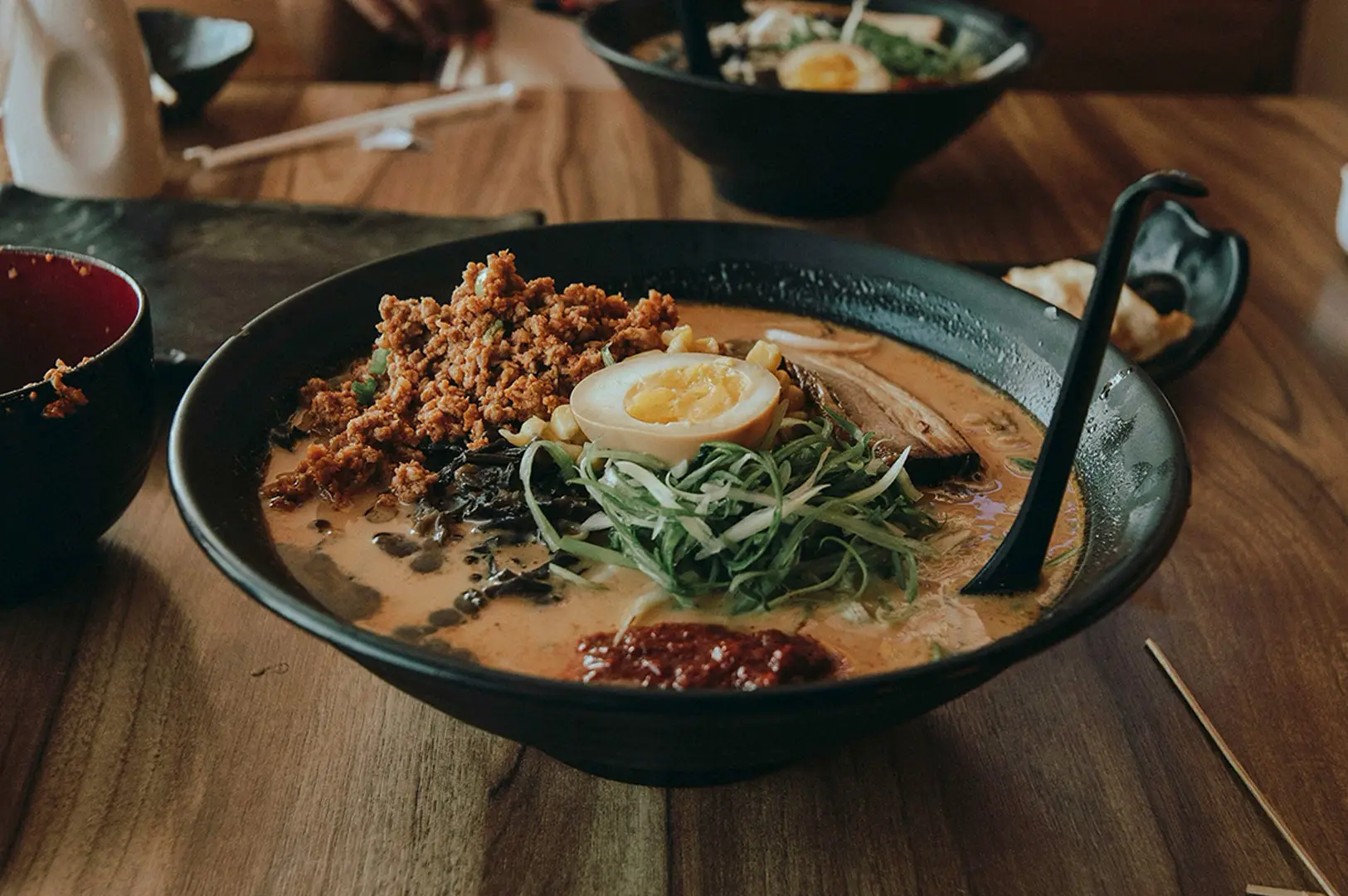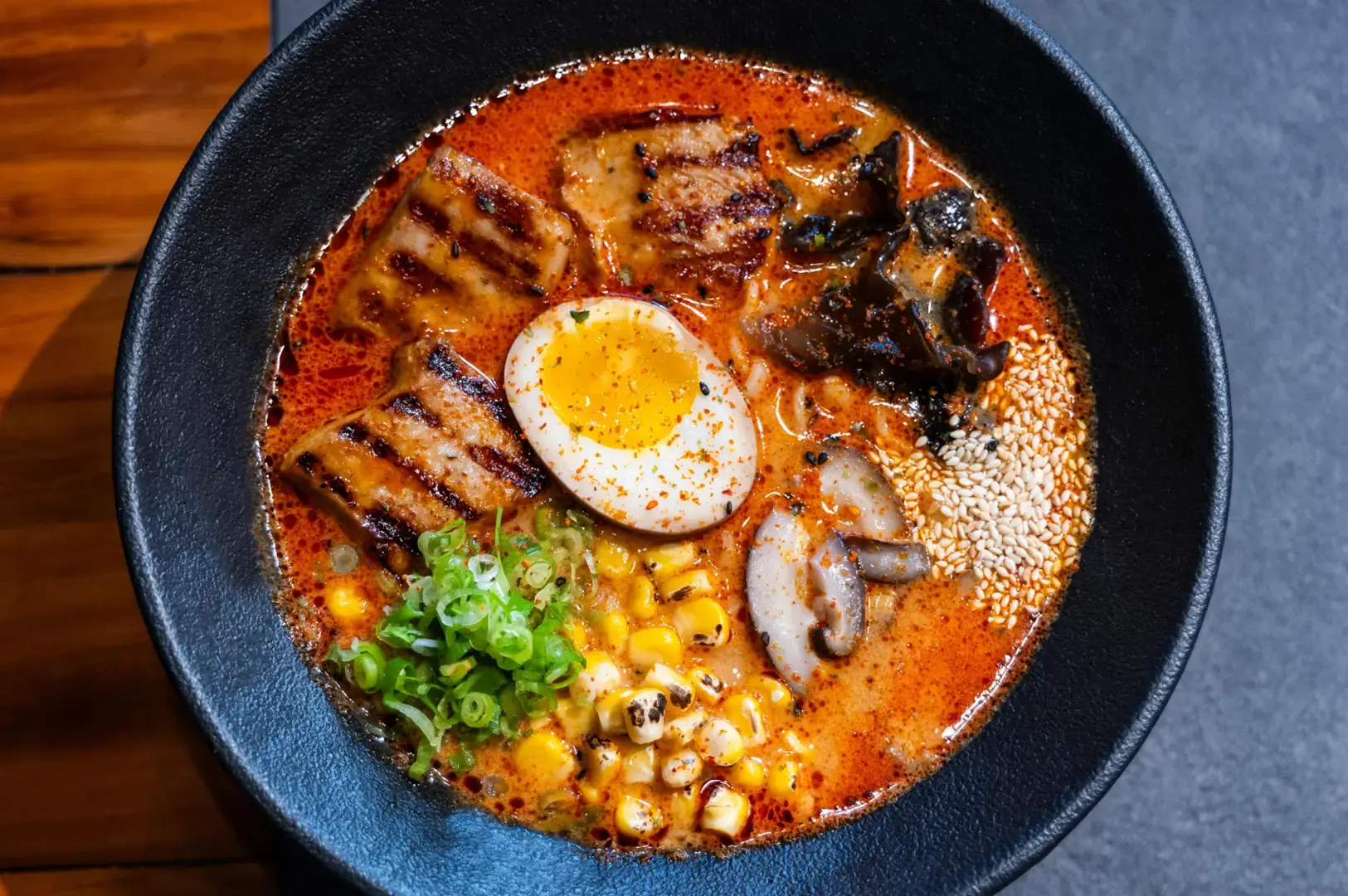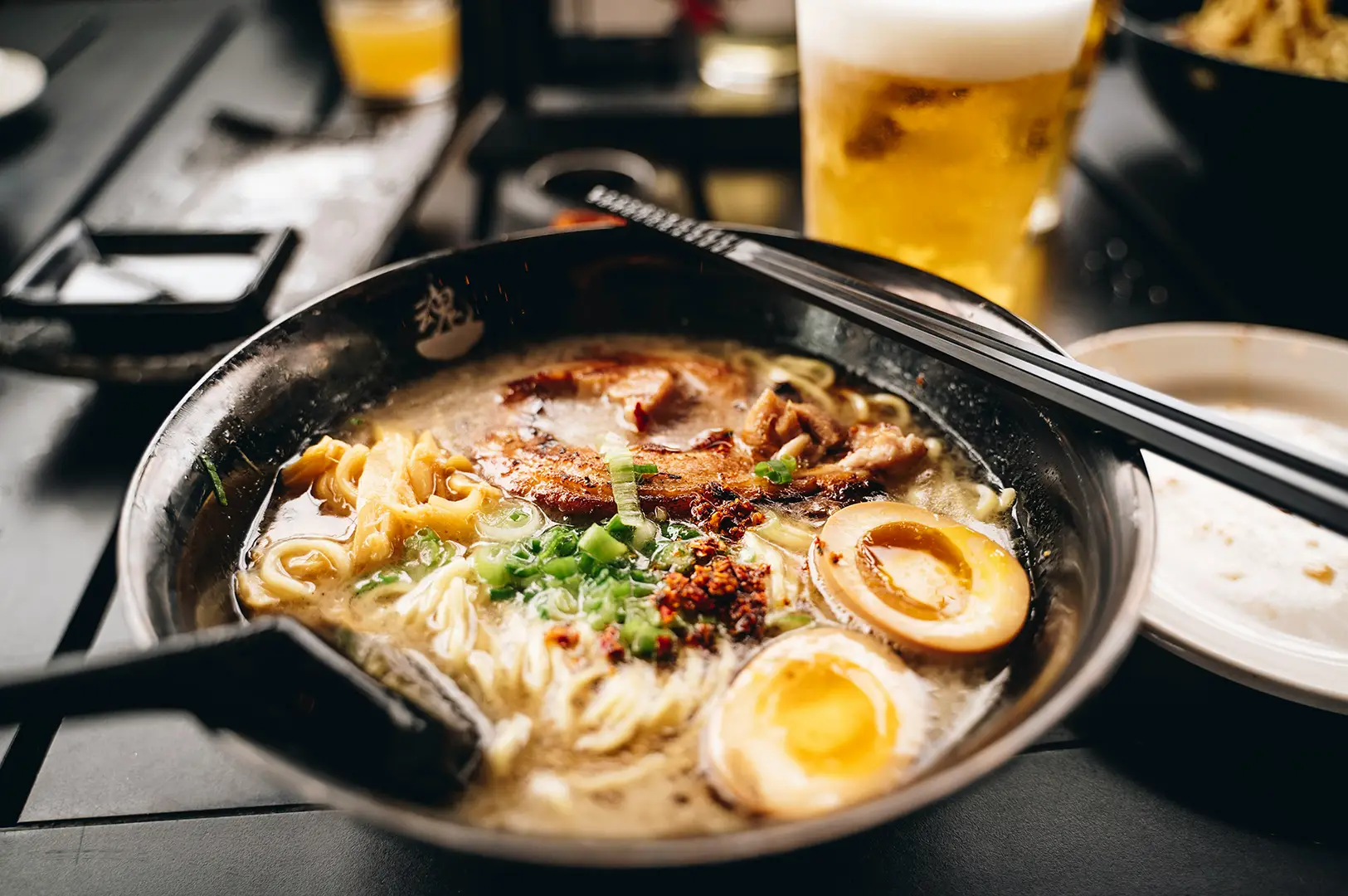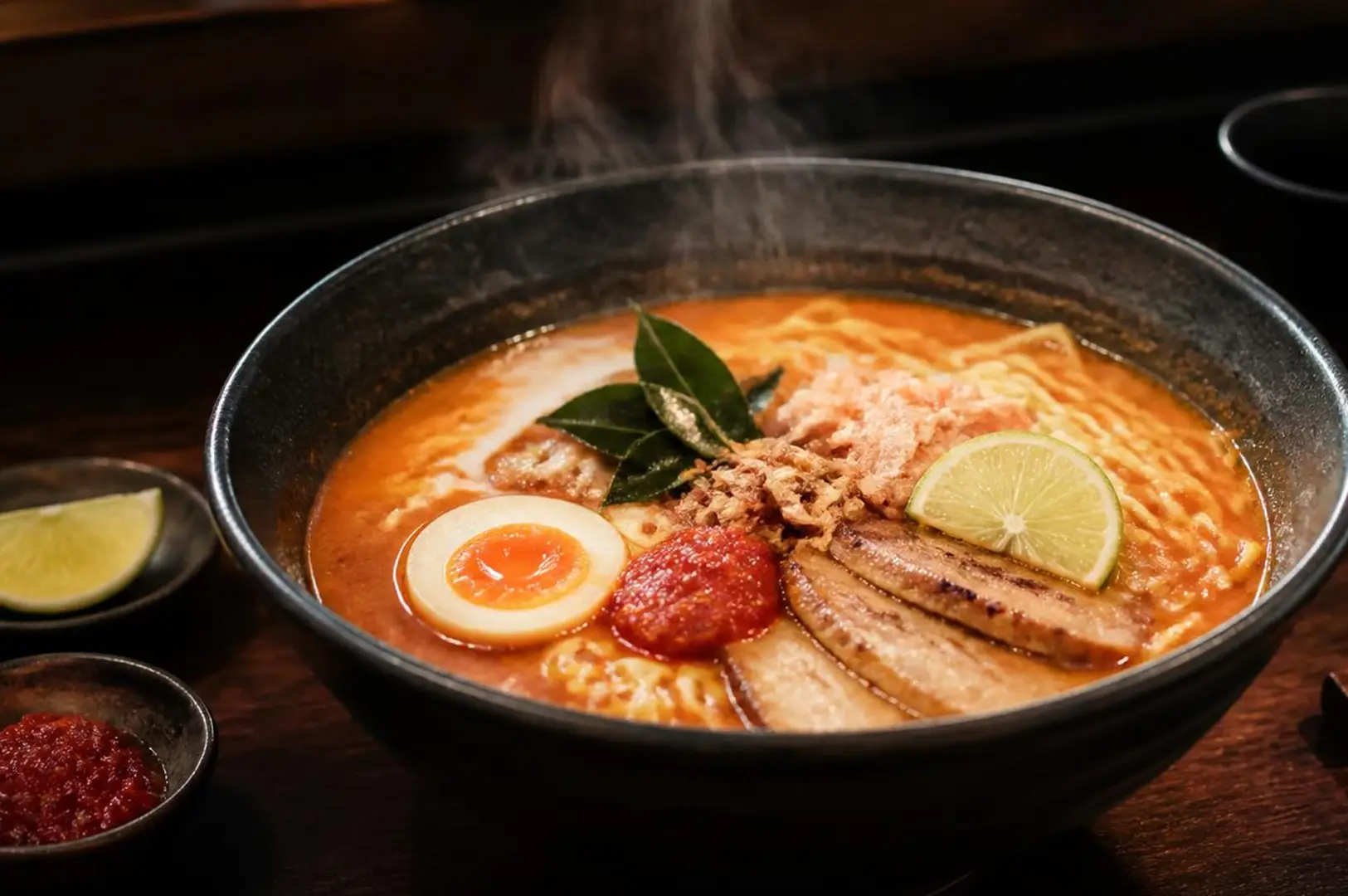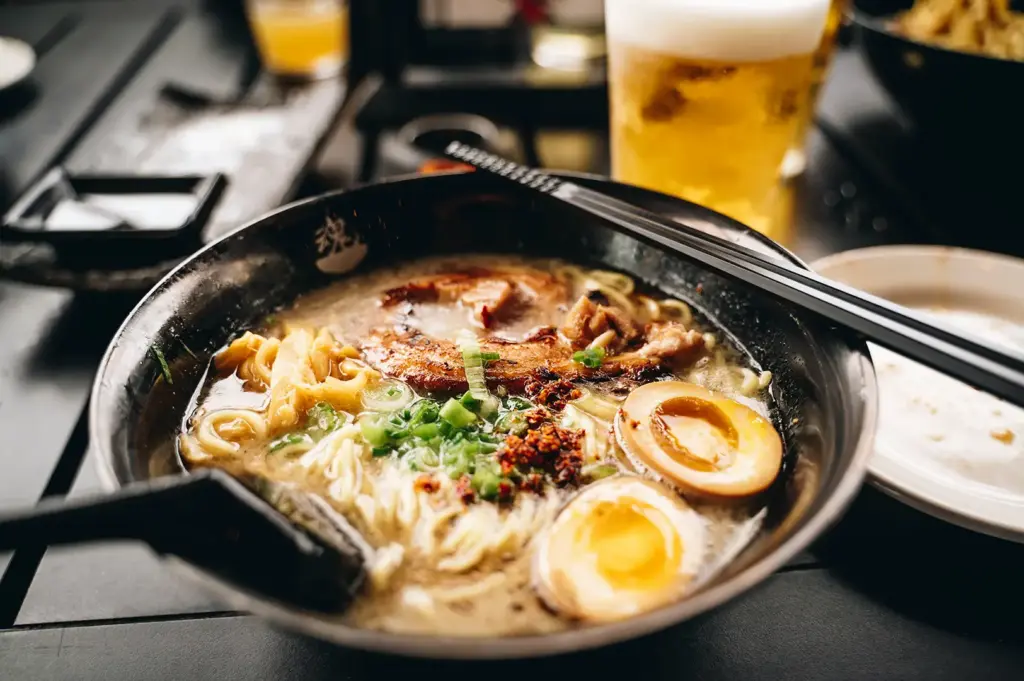
Somewhere along the way, we started judging ramen by how cloudy the broth looks.
The thicker, the better. The creamier, the more authentic. And if it is tonkotsu? Surely, that must be the real deal.
We have heard these assumptions often enough to understand their appeal. A milky pork-bone broth looks impressive, especially when it arrives steaming beneath slices of chashu and a glossy layer of fat.
But here is the uncomfortable truth: some of the best ramen does not look particularly impressive at all.
And the more we examine ramen, the harder it becomes to defend the idea that richness automatically means quality.
The Tonkotsu Obsession
We understand why tonkotsu became a favourite.
Its cloudy broth, produced through prolonged boiling and emulsification, offers an unmistakable richness. One spoonful can leave a lasting impression.
But somewhere between discovering tonkotsu and falling in love with it, we began treating it as the standard against which every other ramen should be measured.
That is where the misunderstanding begins.
Tonkotsu is strongly associated with Kyushu, particularly Hakata. Meanwhile, Tokyo-style shoyu, Sapporo miso, and Kitakata ramen follow different traditions.
None needs to imitate tonkotsu to establish its authenticity.
Ramen has never belonged to a single broth.
When Cloudy Broth Fools Us
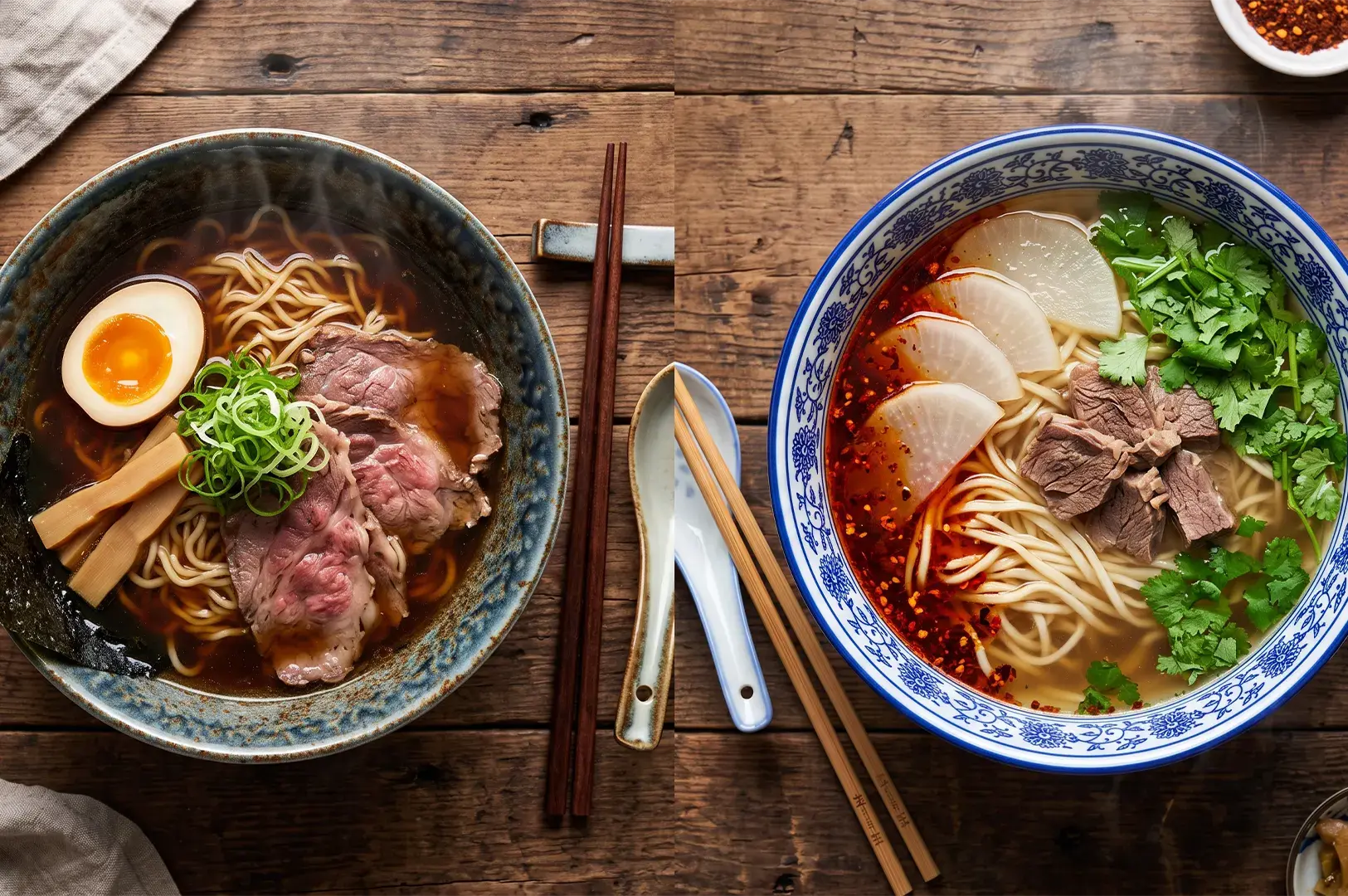
Picture two bowls arriving at the counter.
One carries a thick, opaque broth. The other looks almost transparent, with a few droplets of aromatic oil floating across its surface.
Which would we choose?
Many diners instinctively reach for the richer-looking bowl. Yet appearance reveals surprisingly little about flavour balance.
Cloudiness often results from emulsified fat and other suspended particles. It does not automatically indicate stronger umami, better seasoning, or superior craftsmanship.
A clear chicken-and-seafood broth can deliver remarkable depth. A cloudy pork broth can still taste flat.
We have learned that the better question is not how rich the broth looks.
It is whether that richness serves a purpose.
Authenticity Is Not a Single Recipe
Another misconception follows closely behind: authentic ramen must taste exactly as it does in Japan.
But which part of Japan?
Travel through its regional ramen traditions and the differences become impossible to ignore.
Broth composition changes. Noodle thickness varies. Seasoning preferences shift. What feels familiar in Hakata might seem entirely different in Sapporo.
Authenticity, therefore, cannot be reduced to one flavour profile.
We find it more useful to consider whether a bowl respects the culinary logic of the style it claims to represent.
The Myth Worth Leaving Behind
Perhaps the biggest mistake we make is assuming that great ramen must announce itself immediately.
Sometimes it does.
Other times, its strengths emerge quietly through balanced seasoning, properly matched noodles, and a broth that remains enjoyable until the final spoonful.
That is what keeps us interested in ramen.
Not the pursuit of the thickest broth or the most fashionable style, but the discovery that excellence takes different forms.
The next time two bowls arrive at our table, we might reconsider which one deserves our attention.
Because great ramen is not determined by how impressive it looks.
It is determined by how well everything works together.