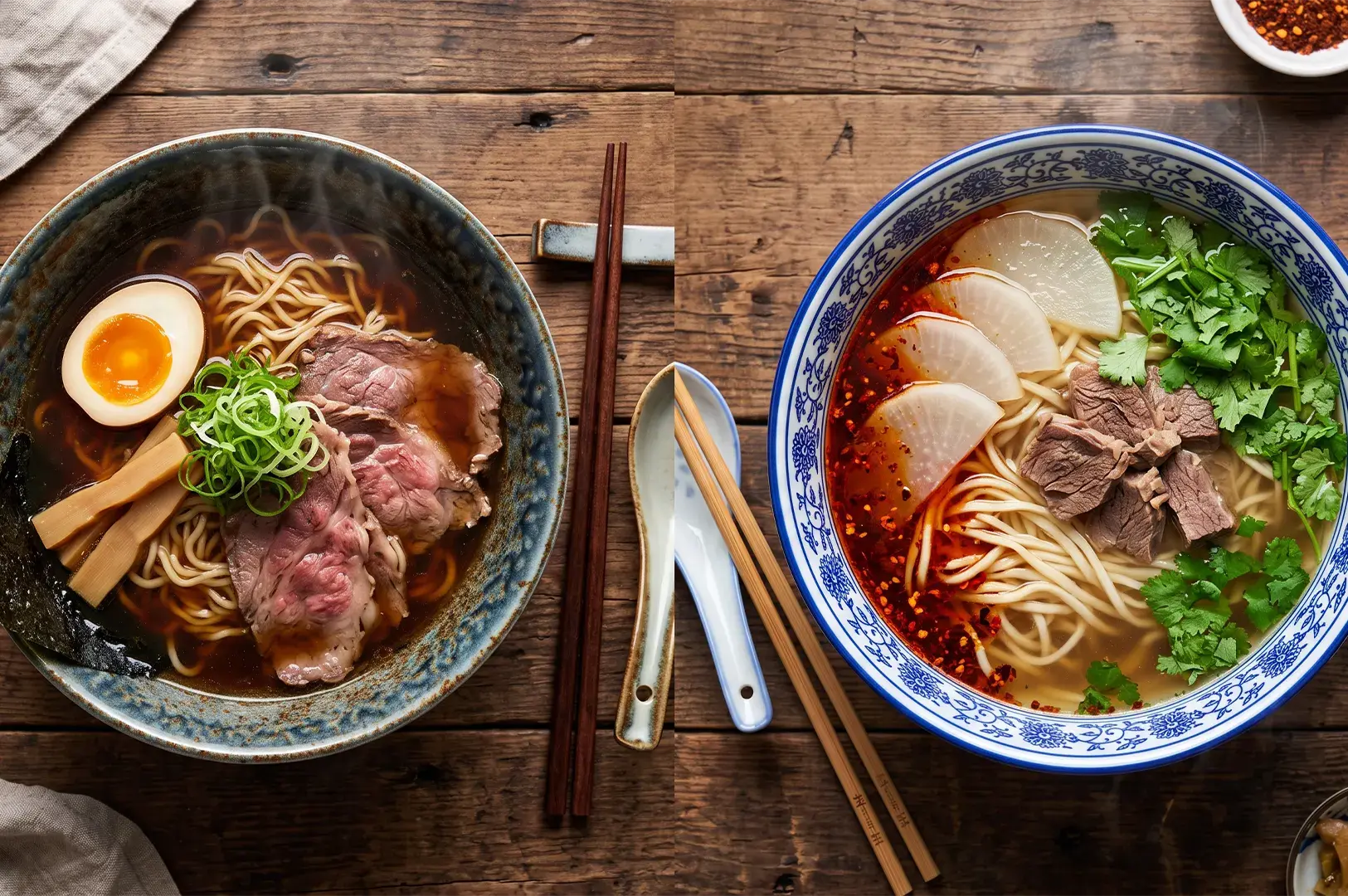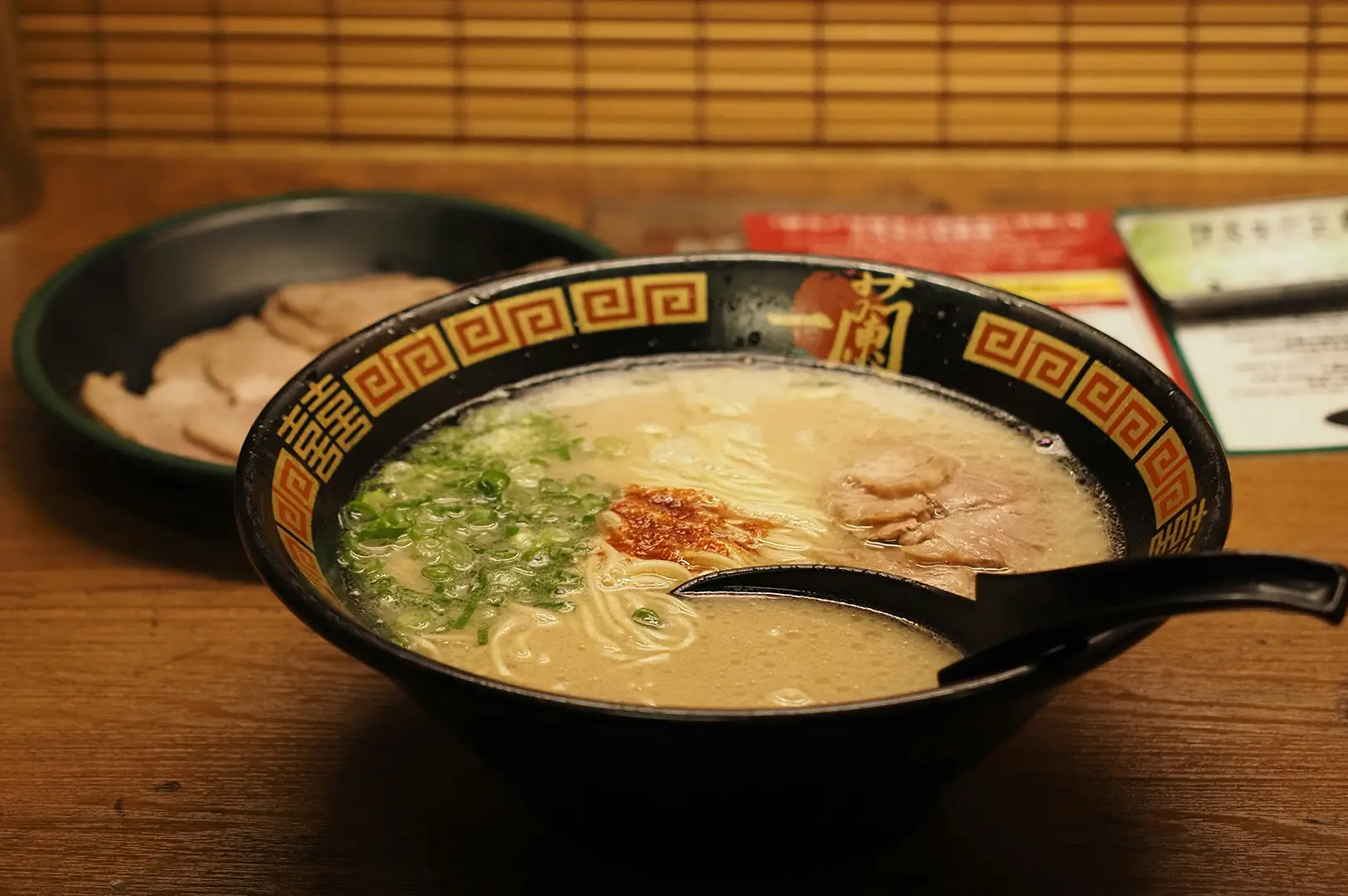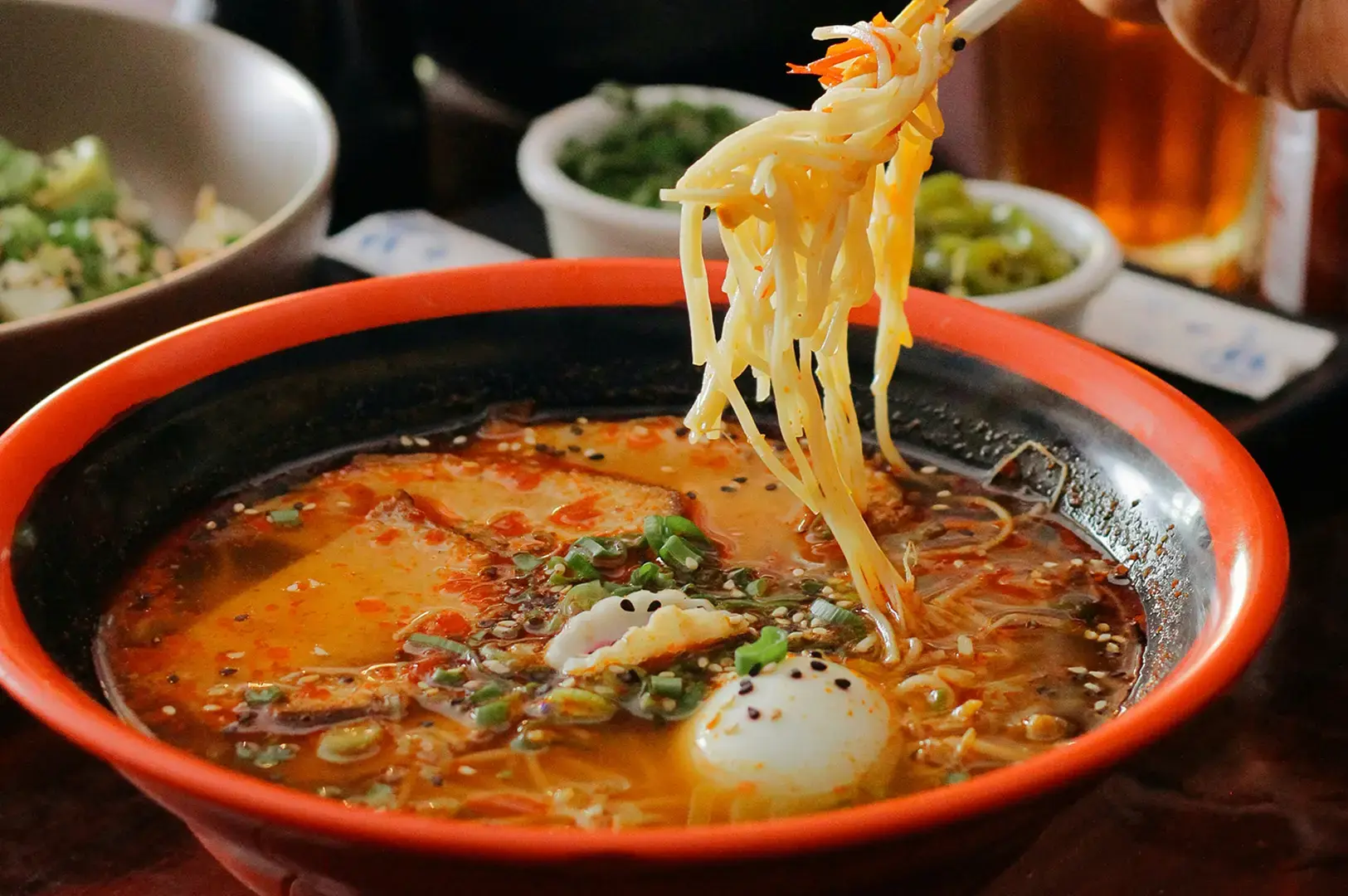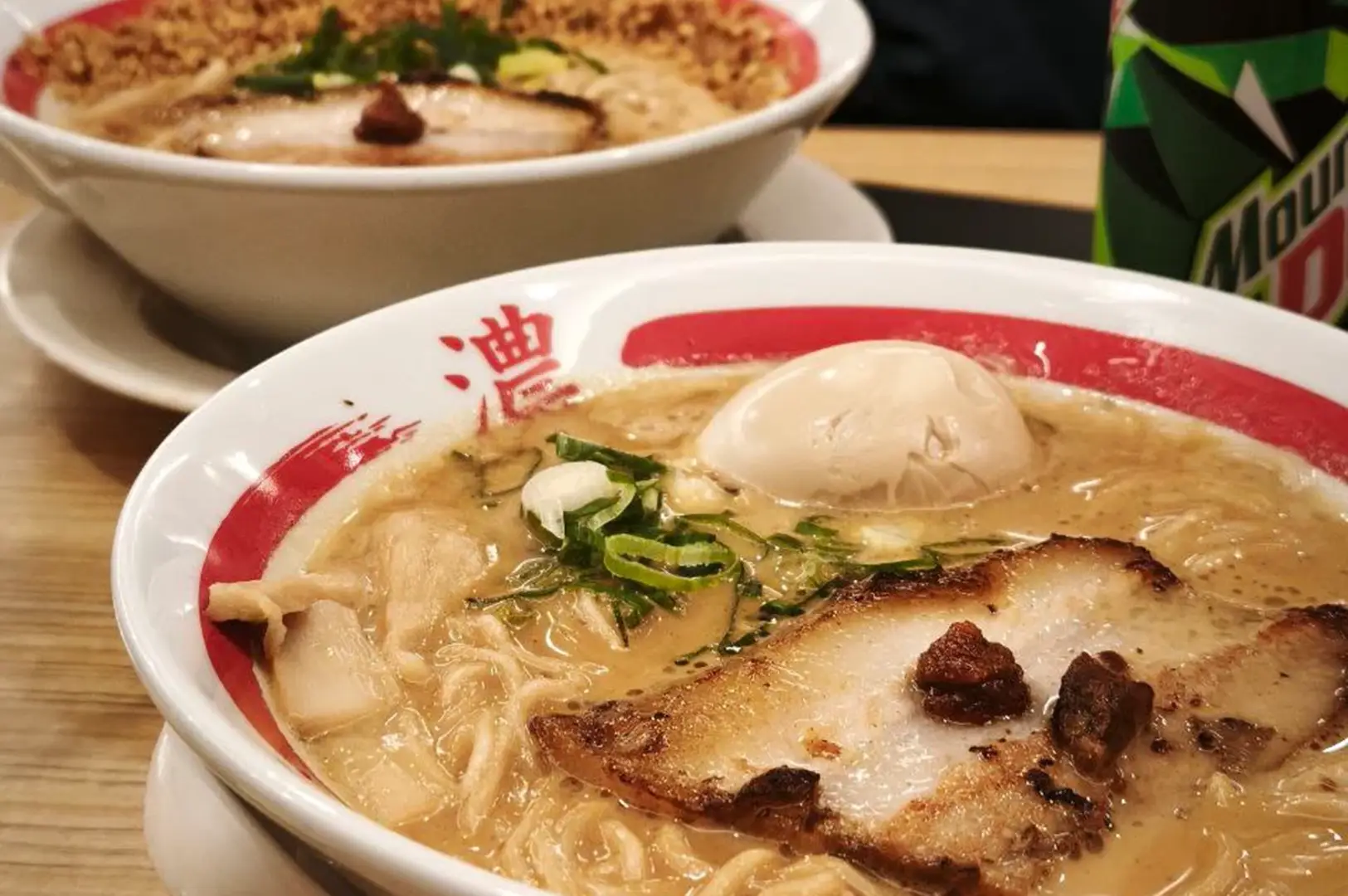
The first time we tried sambal ramen, we weren’t entirely sure what to expect. Ramen, known for its delicate broths and precise balance, doesn’t exactly scream fiery heat. But when sambal — the iconic, garlicky chili paste that’s at the heart of Singapore’s culinary identity — was introduced into the mix, we were intrigued.
The result was unexpected: a bowl that was bold, spicy, and yet somehow harmonized with the umami of the ramen broth. It felt like a new chapter in the ramen story. And it made us realize something: Singaporean ingredients like sambal, laksa, and chili crab are reshaping the ramen experience, turning a traditional Japanese dish into something uniquely Singaporean.
Sambal Ramen: A Spicy Transformation
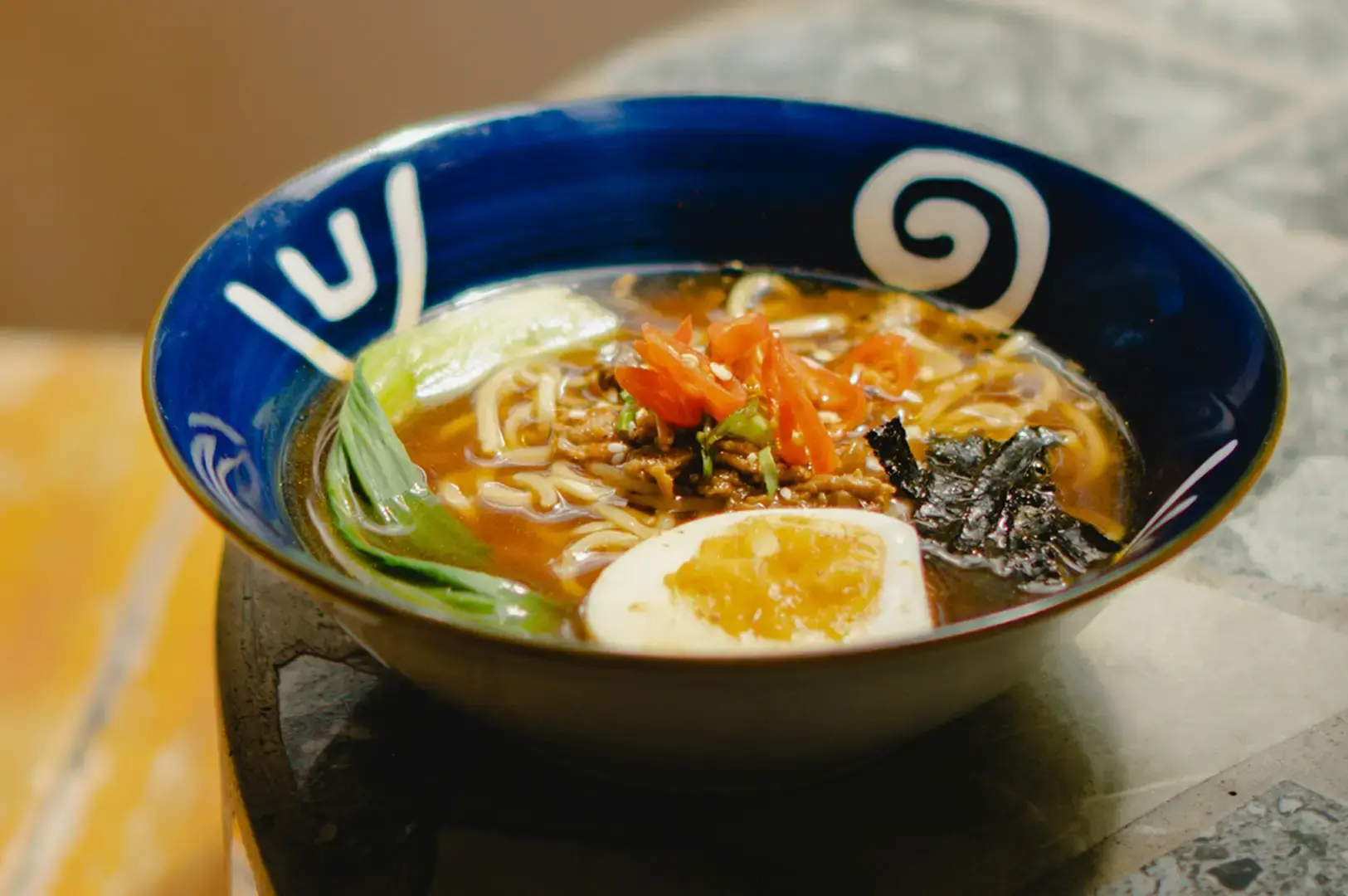
Sambal is unmistakably Singapore. The heat, the garlic, the fermented shrimp paste — all of it comes together in this fiery paste that’s used to elevate everything from fried rice to satay. So, when we first saw sambal in a ramen bowl, we weren’t sure how it would blend with the subtlety of ramen. But the sambal-infused tare worked wonders.
The ramen shop served it in a deep, red broth — not only spicy but layered, with garlic, shrimp, and a hint of sweetness. The noodles, firm and springy, soaked up the bold broth perfectly. It wasn’t just about adding heat to the bowl; it was about creating a complexity that added a new dimension to ramen, without overshadowing the other flavors. It became clear: sambal ramen wasn’t just a spicy bowl; it was a whole new experience that reflected the power of fusion done right.
Laksa Ramen: Creamy Spice Meets Tradition
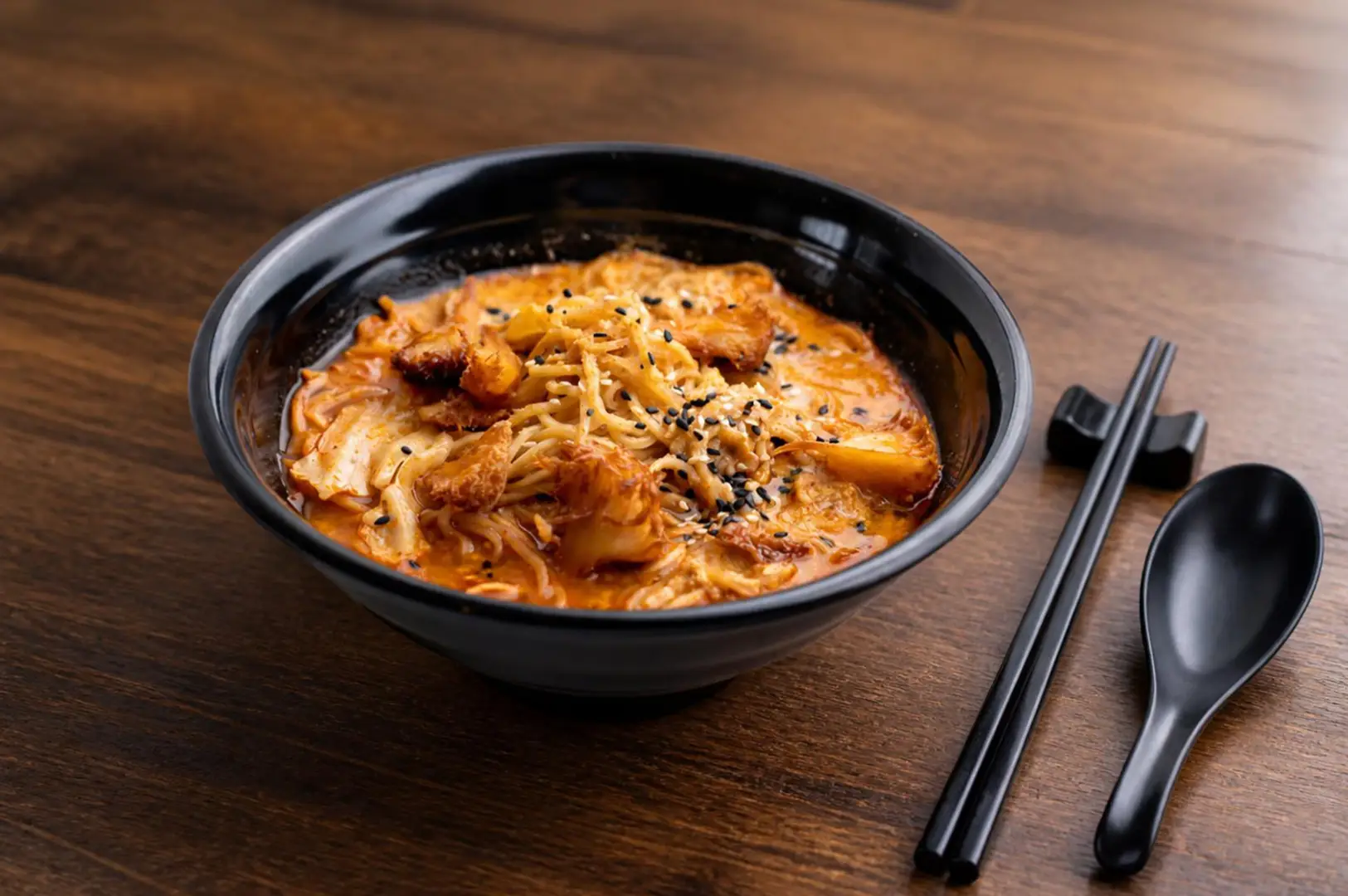
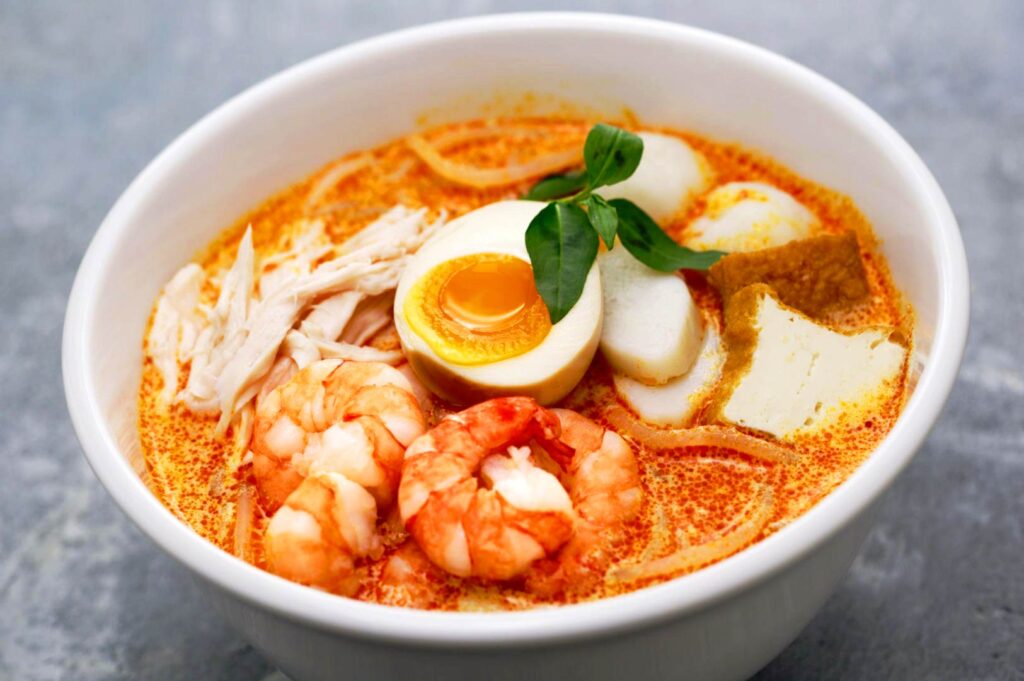
If sambal ramen caught us off guard, laksa ramen was even more of a revelation. Laksa, with its creamy coconut broth, tangy spice, and herbs, is one of Singapore’s most iconic dishes. To see it in a ramen bowl was a bold move — but it worked beautifully.
When we slurped our first spoonful of laksa ramen, we were immediately struck by how the coconut milk and spice blended seamlessly with the rich, hearty broth of ramen. The noodles held their own, offering a chewy texture that balanced the smoothness of the broth. Every bite felt like a tropical escape, the warmth of lemongrass, the heat from sambal, and the cooling effect of the coconut creating layers of complexity.
Laksa ramen didn’t just twist the original; it celebrated the flavors of both. We realized then that this dish wasn’t just fusion for the sake of fusion — it was a new version of something that felt distinctly Singaporean, reinterpreted in the ramen bowl.
Chili Crab Ramen: Sweet, Spicy, and Unexpected
Of all the Singaporean ingredients making their way into ramen, chili crab seemed the most unexpected. How could the sweetness of crab, combined with the rich, spicy chili sauce, find its place in ramen?
We didn’t have to wonder for long.
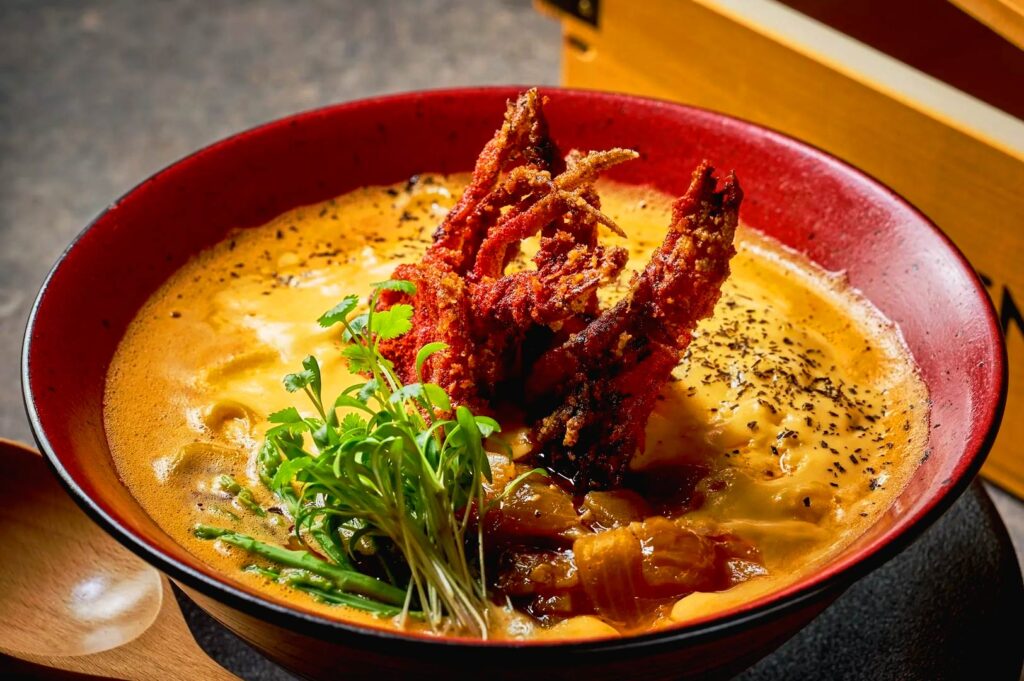
At a ramen shop in Orchard Road, we encountered chili crab ramen that was nothing short of extraordinary. The broth was rich, thick with the sweetness and heat of chili crab sauce, with chunks of tender crab meat nestled among the noodles. The spice was present, but balanced, letting the sweetness of the crab shine through. It felt like the ultimate fusion, one that didn’t just borrow from Singaporean flavors but became a Singaporean bowl of ramen.
The noodles, perfectly cooked, soaked up the flavorful broth, making each bite a complete, satisfying experience. It was a dish that captured the essence of Singapore’s love for rich, bold flavors in a completely new way.
A New Wave of Ramen in Singapore
As we continue to explore Singapore’s ramen scene, it’s clear that the fusion of local flavors with traditional Japanese ramen is more than just a trend. It’s a reinvention of ramen itself — one that takes into account the rich, complex flavors of Singapore and reinterprets them in the ramen bowl. This fusion of traditions, much like the Malaysian ramen evolution, highlights how Malaysian ramen brings local flavors into a classic dish, creating something entirely unique and exciting.
From sambal to laksa to chili crab, Singapore’s unique ingredients are creating a new ramen identity, one that blends the best of both worlds. And as we continue to discover more of these exciting bowls, we can’t help but feel that we’re witnessing the beginning of a new tradition in ramen — one that’s shaped by both the past and the present.
For us, this is the beauty of ramen: it’s a dish that’s always evolving, always welcoming new flavors, and always telling a story of where it’s been and where it’s going.