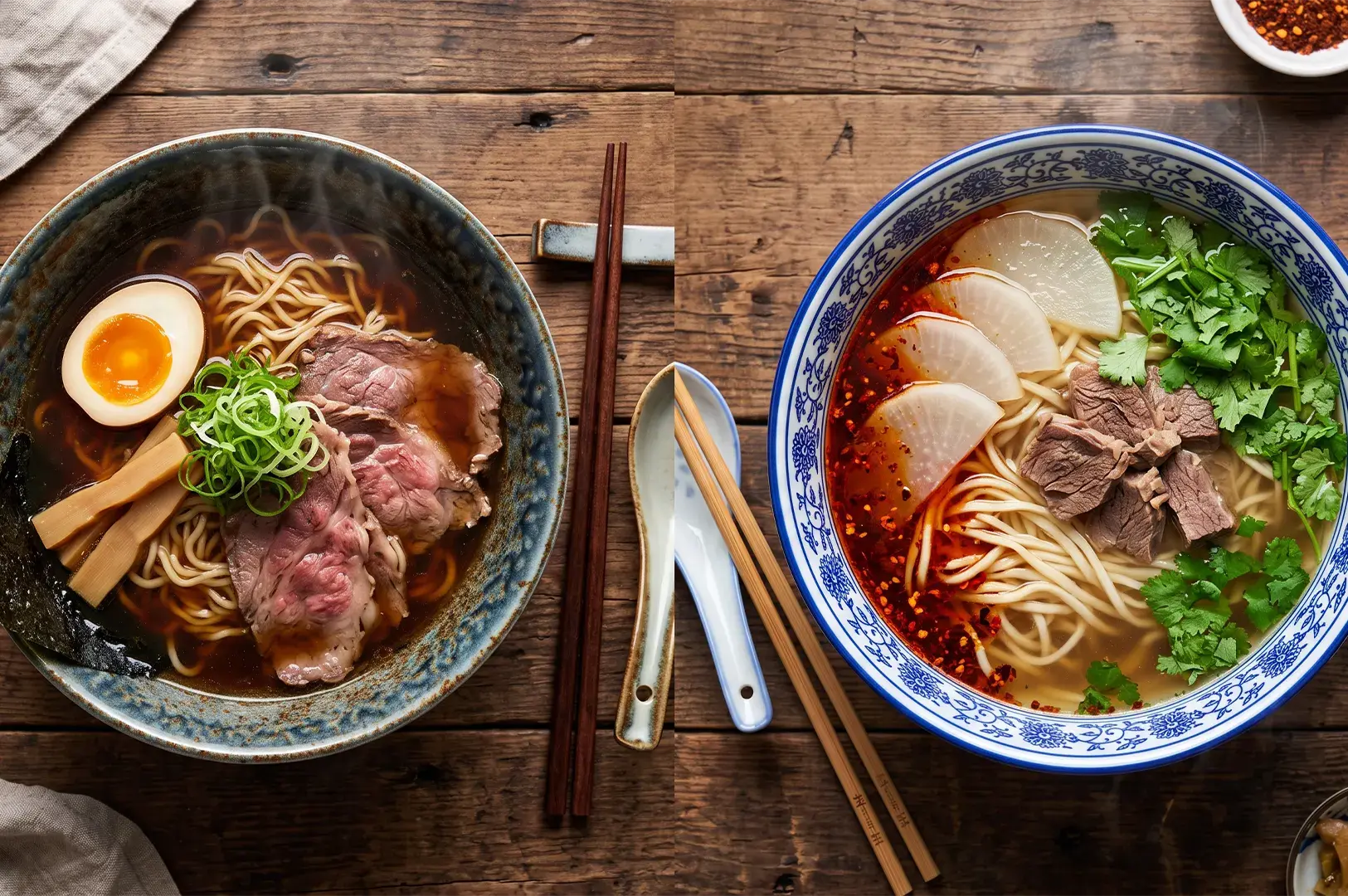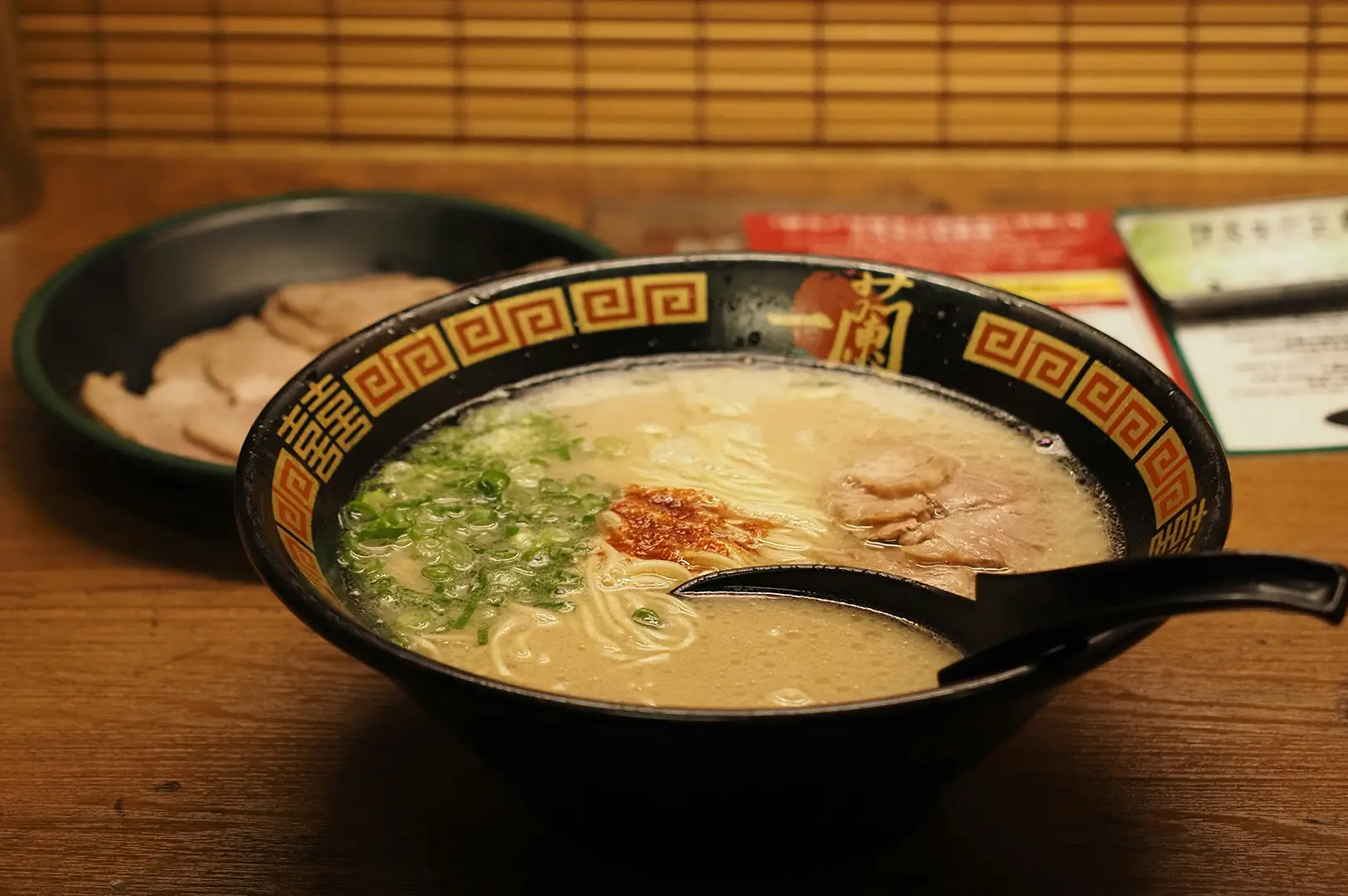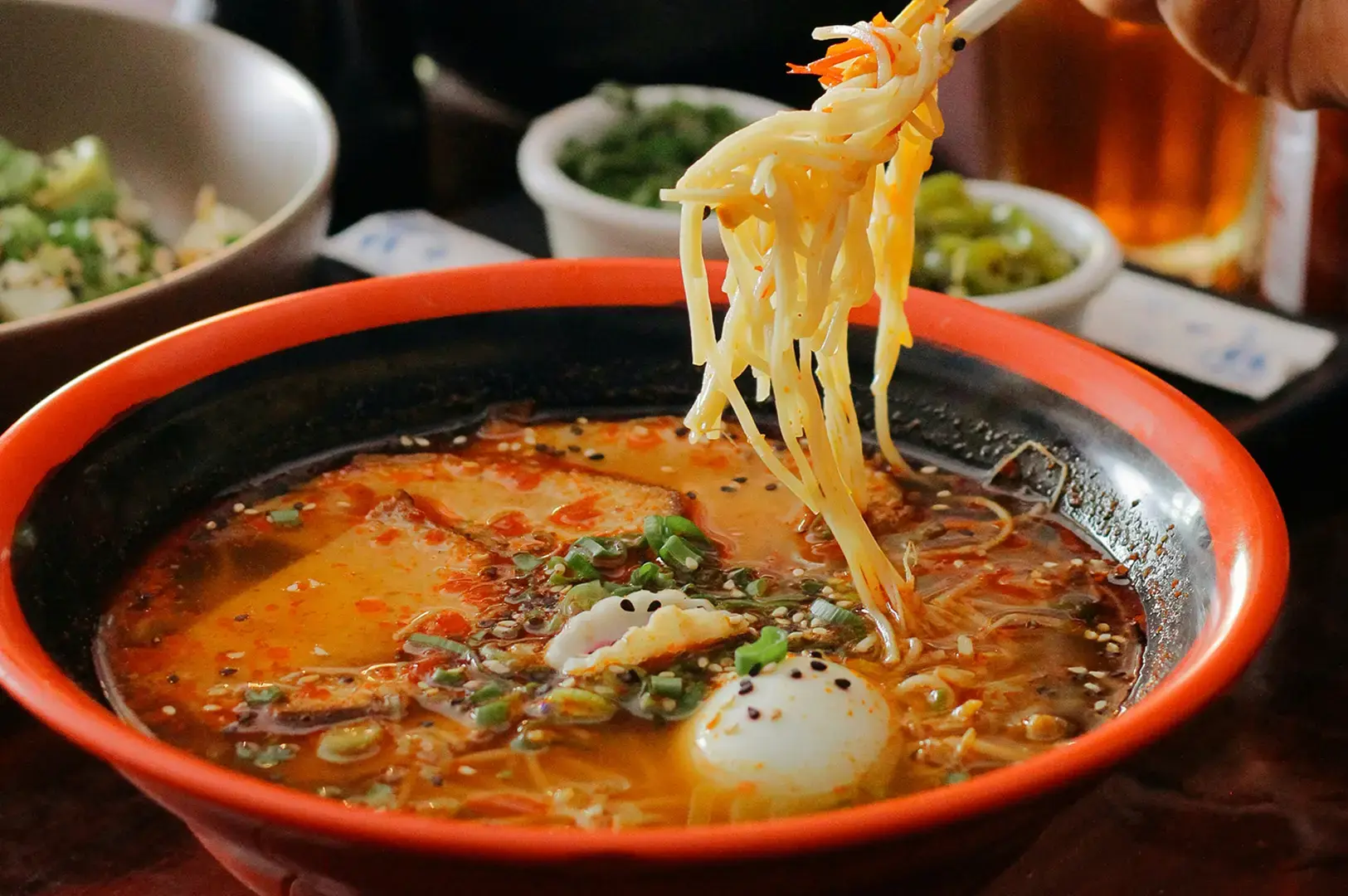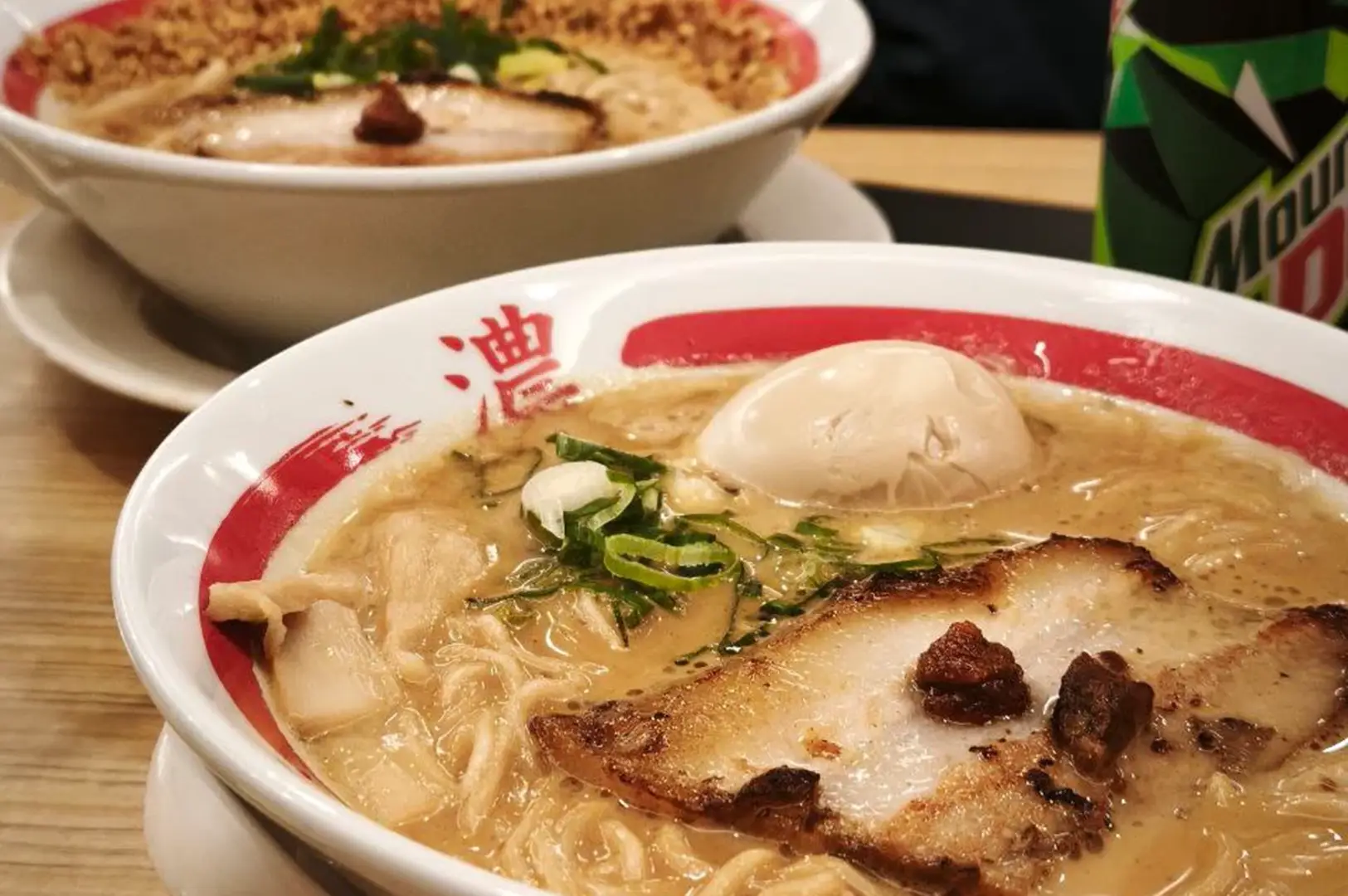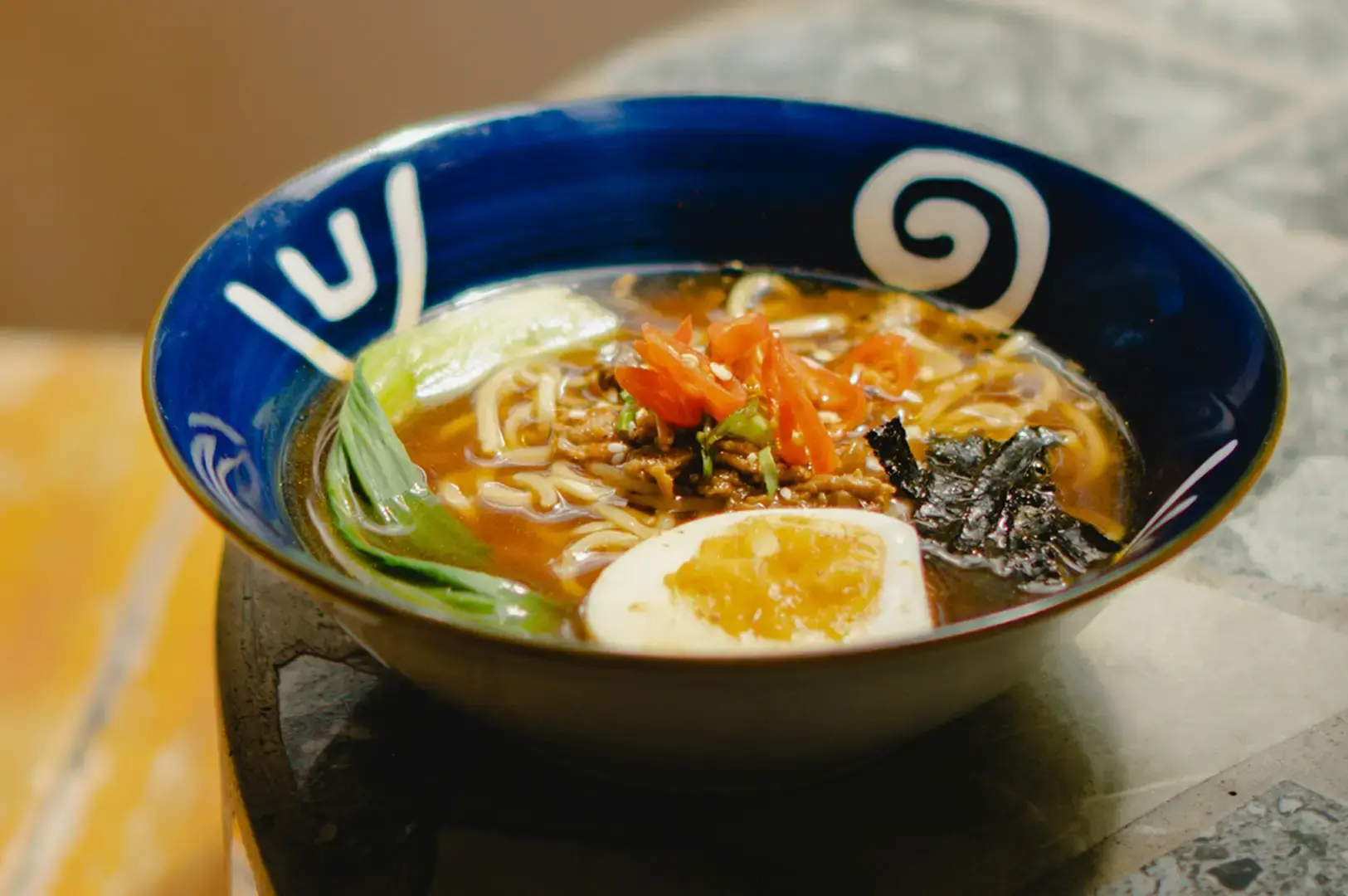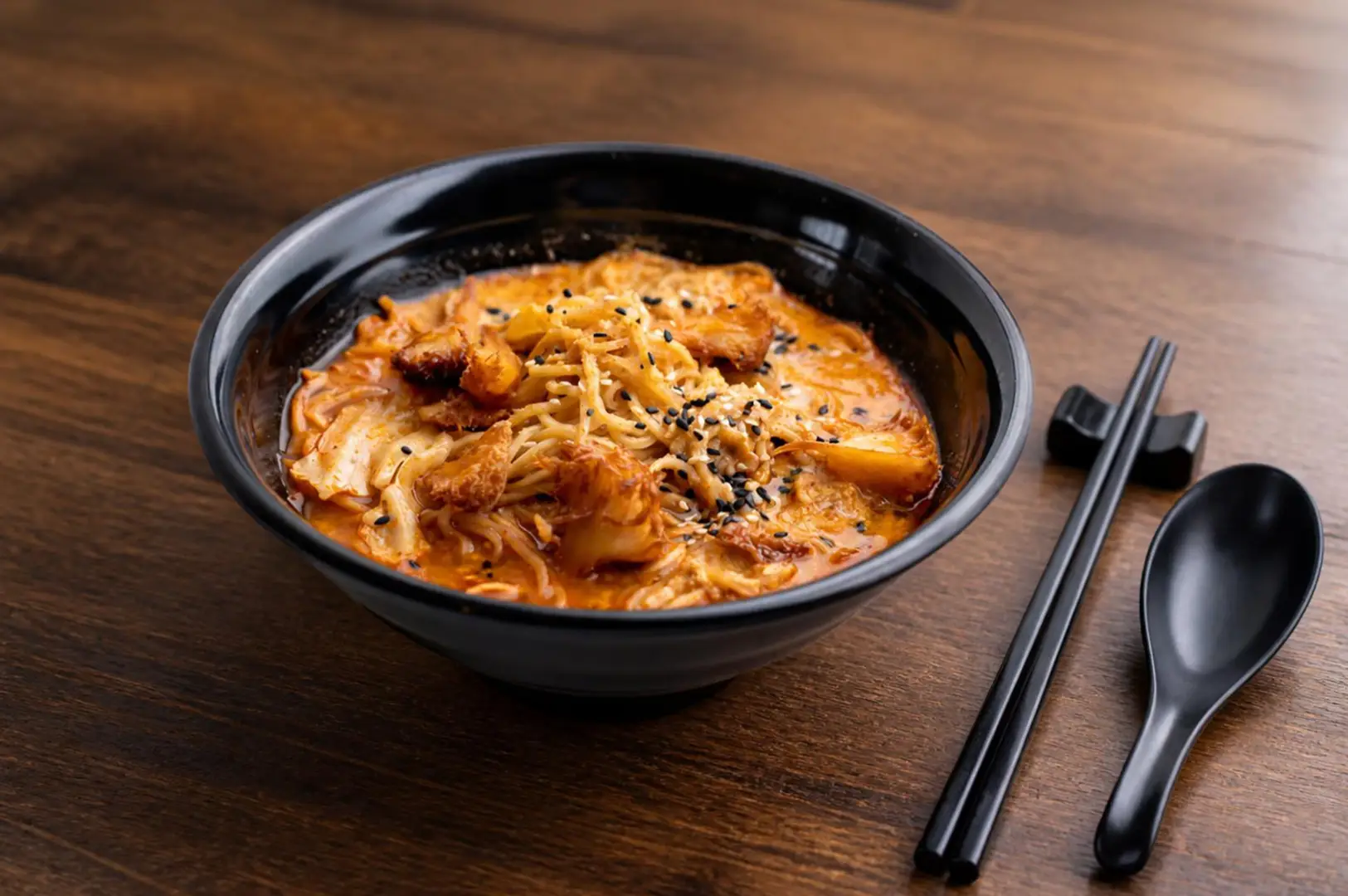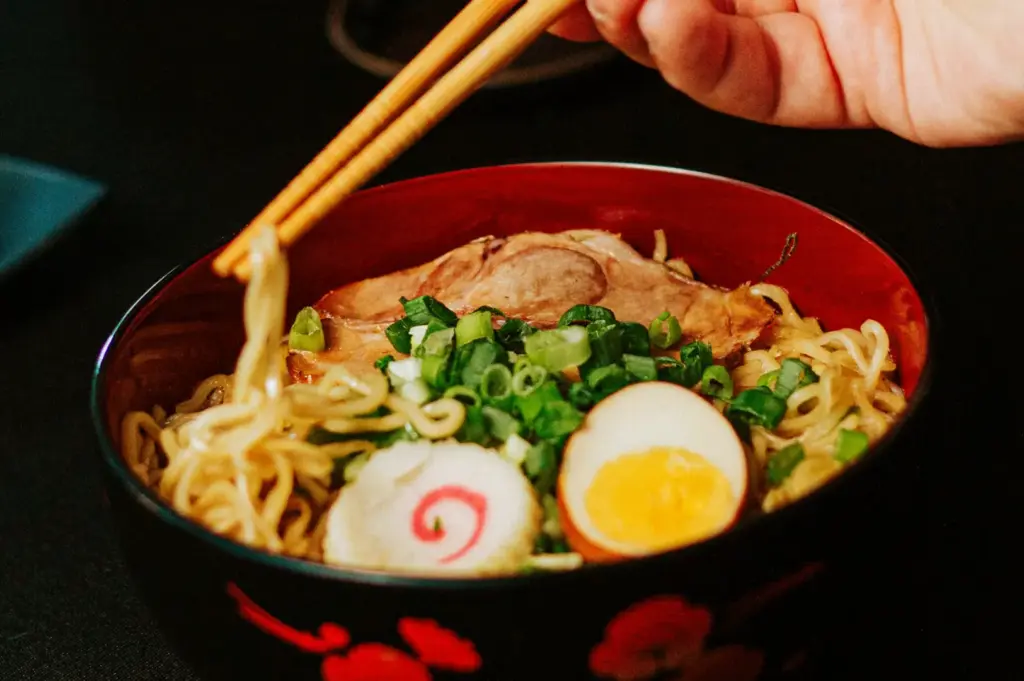
Some ramen facts sound like exaggerations until we sit at enough counters and realize they are simply part of the bowl’s strange, practical world.
Ramen looks simple from the outside. Broth. Noodles. Toppings. A spoon. A pair of chopsticks. But the closer we get to the dish, the more it behaves like a collection of contradictions. It is fast food that can take days to prepare. It is Japanese comfort food with Chinese roots. It is casual enough for a quick lunch, yet complex enough to build entire museums around.
That is the fun of ramen. The facts often sound fake because the dish itself refuses to stay small.
Ramen Did Not Begin as Purely Japanese
This one still surprises people.
Ramen is now deeply tied to Japanese food culture, but its early roots come from Chinese noodle dishes that entered Japan and gradually fused with Japanese ingredients, stocks, sauces, and cooking habits. The Shin-Yokohama Ramen Museum describes ramen as a dish born from Chinese noodles merging with Japanese cuisine through elements like noodles, dashi, tare, toppings, and oil.
That history matters because ramen has always been adaptive. It was never frozen in one “authentic” form. It became Japanese through transformation.
A Ramen Bowl Has More Structure Than It Looks
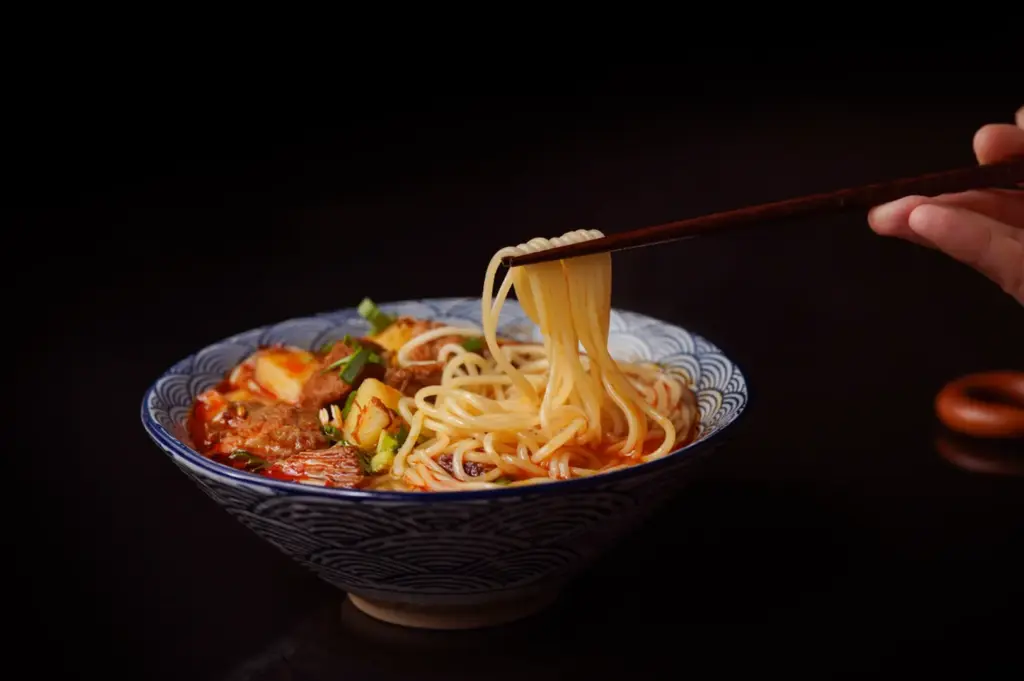
A good bowl is not just broth with noodles dropped in.
Ramen is usually built from several coordinated parts: noodles, soup stock, tare, fat or aroma oil, and toppings. Each piece has a job. The broth gives body. The tare provides seasoning. The noodles deliver texture, which is why understanding the perfect ramen slurp reveals just how technical a simple bowl can be.
When we judge a bowl, we are not only asking whether it tastes good. We are asking whether those parts know how to work together.
Ramen Shops Are Designed for Speed
A ramen counter can feel rushed to newcomers, but the pace is part of the culture.
Noodles continue softening the moment they hit the broth. Aroma fades. Heat drops. A bowl is at its best immediately after it lands in front of you.
That is why many shops operate with tight menus, counter seating, and fast service. The goal is not to push diners out. The goal is to serve ramen while it is still in its strongest state.
Regional Ramen Can Look Like Different Dishes
Japan does not have one ramen style. It has many local answers to the same question.
Kitakata ramen, for example, is known for flat, curled noodles with a firm texture and a soy sauce-based soup. Hakata is famous for pork-bone tonkotsu and thin noodles. Sapporo is closely associated with miso ramen built for colder weather.
Once we understand this, ramen stops looking like one dish with variations. It starts looking like a map.
There Is a Ramen Museum
This sounds invented, but it is real.
The Shin-Yokohama Ramen Museum opened in 1994 and describes itself as the world’s first ramen-themed amusement park, bringing ramen shops from across Japan into one place.
That tells us something important. Ramen is not treated only as food. It is treated as culture, memory, craft, and regional identity.
The Bowl Is Bigger Than the Myth
The more ramen we eat, the less interested we become in simple rankings.
The real story is stranger and better.
A bowl of ramen can carry migration history, local climate, kitchen discipline, and personal taste in one serving. It can be humble, technical, regional, and global all at once.
So yes, many ramen facts sound fake at first.
But in ramen, the unlikely details are often the most honest ones.