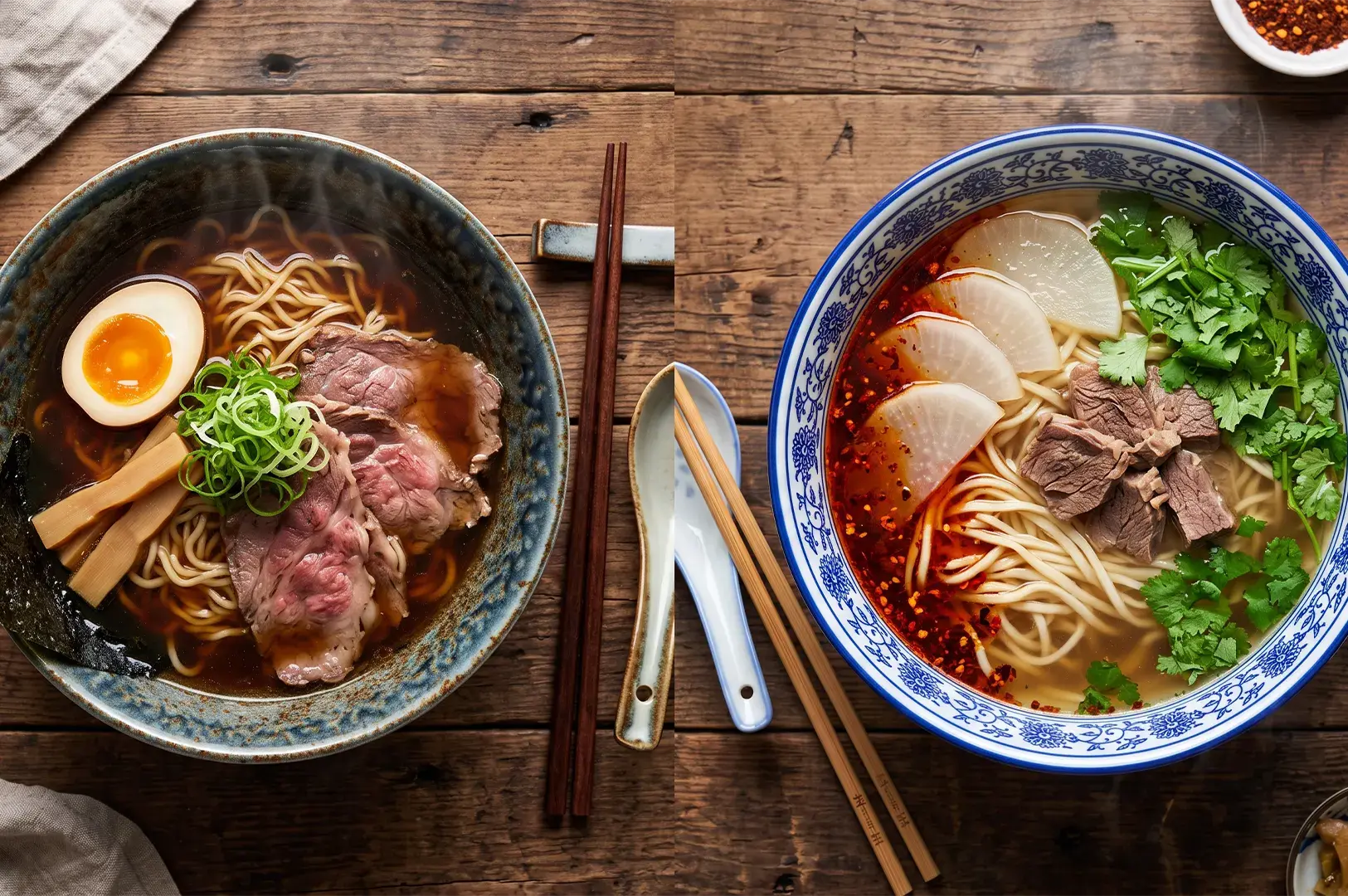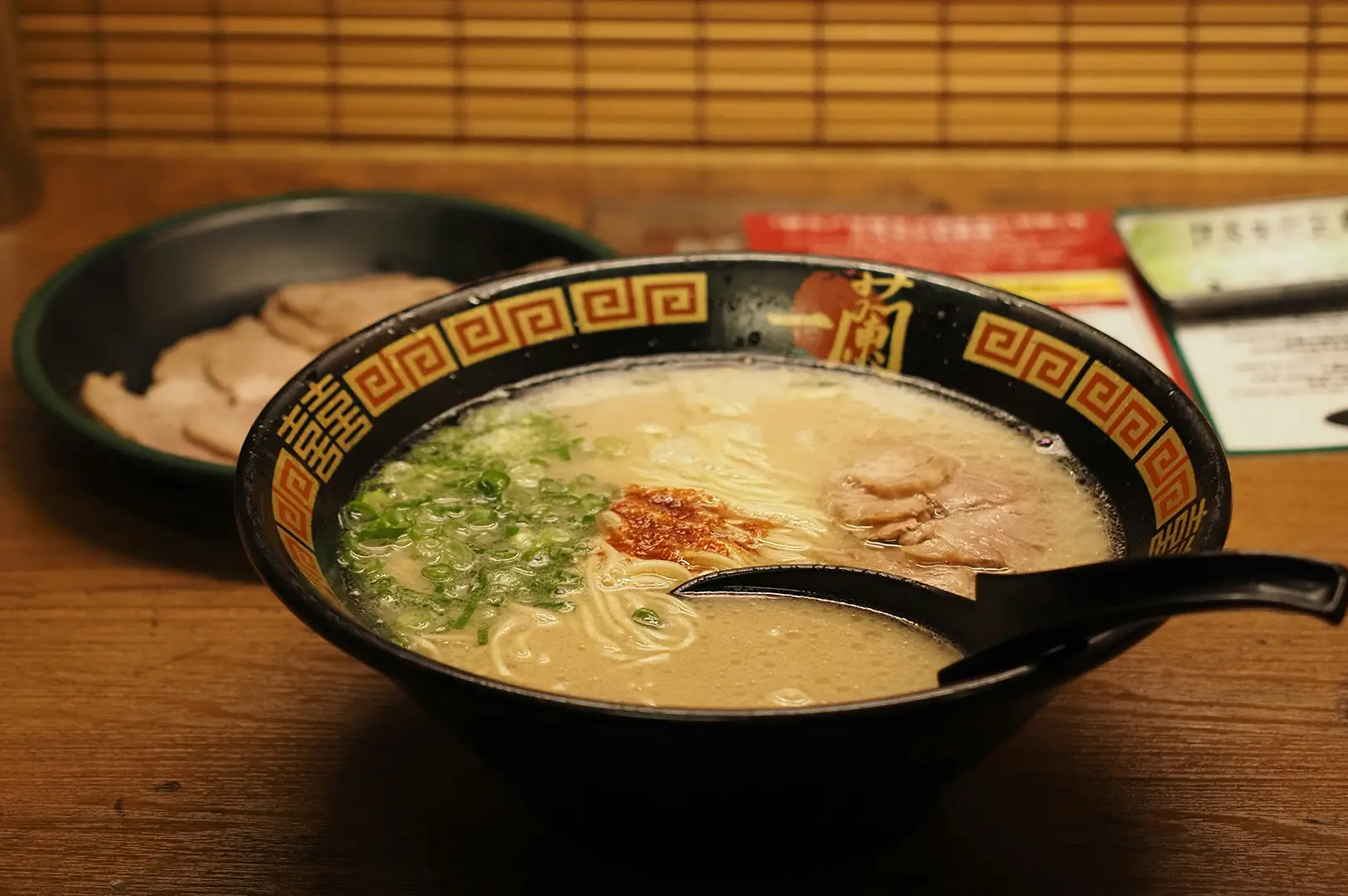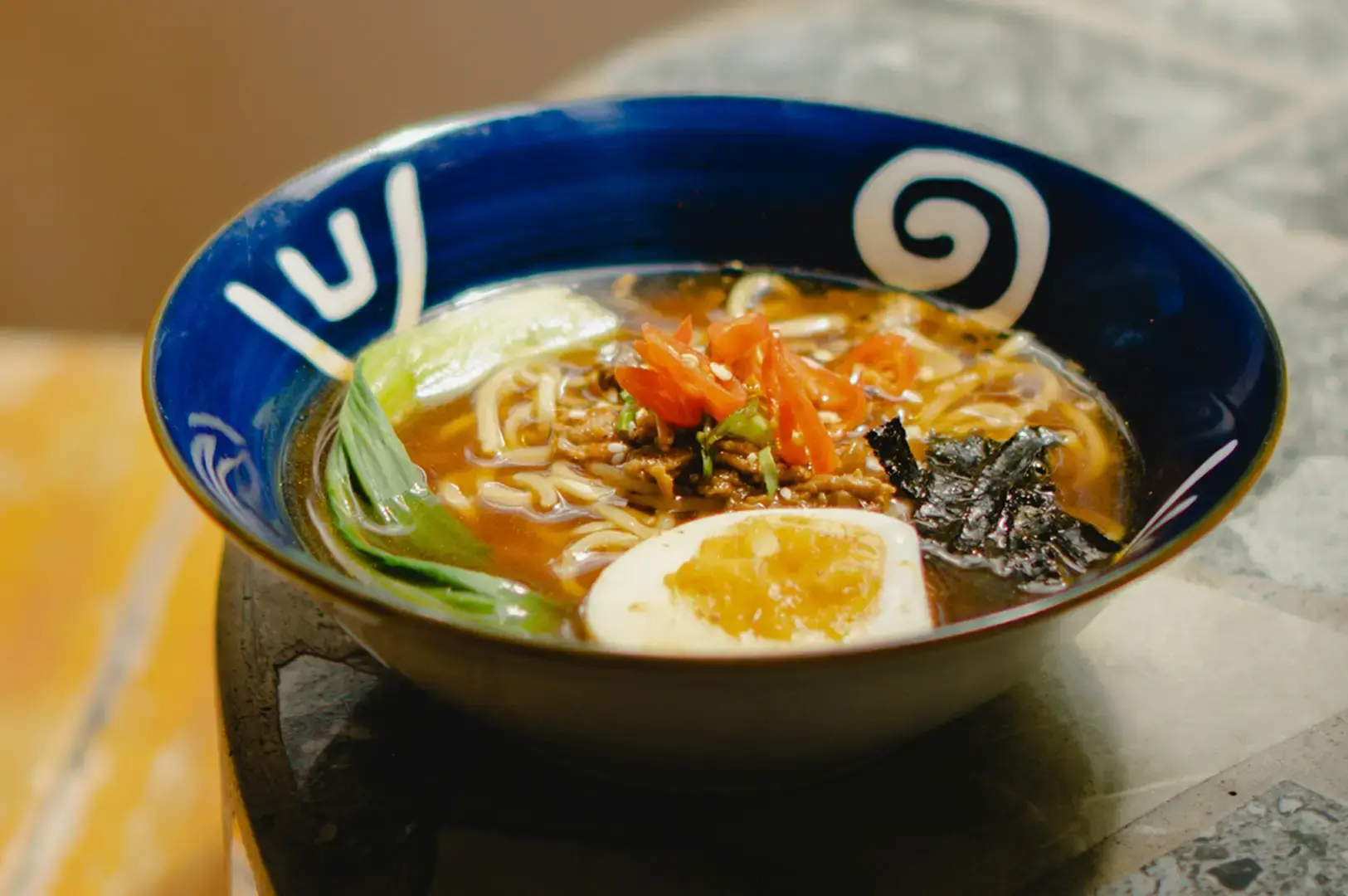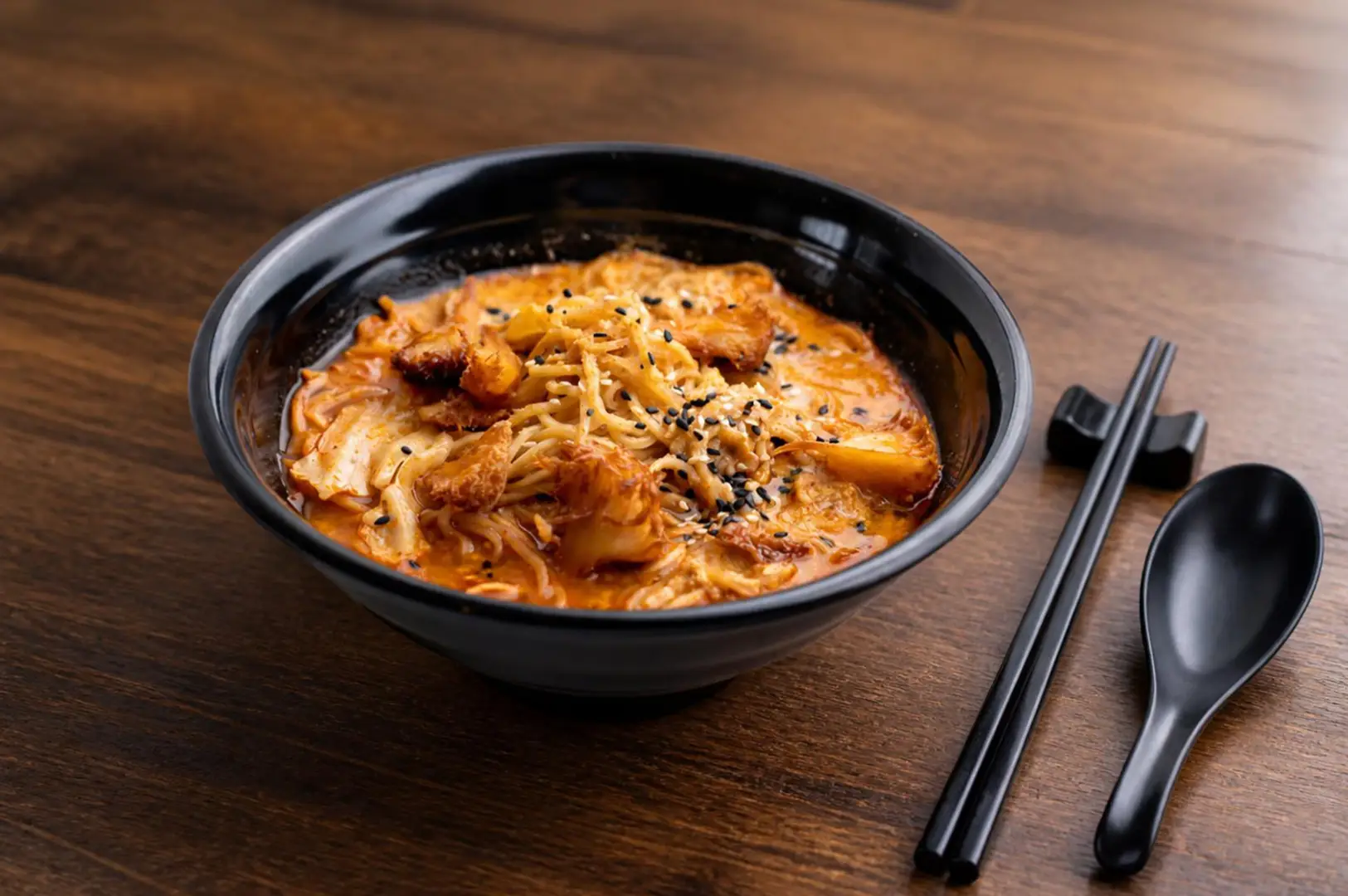
Coconut broth sounds like an easy win until the spoon hits the bowl.
That was my first mistake with Malaysian-style ramen. I assumed coconut milk would do what it usually does so well: add body, soften heat, and make everything feel richer. On paper, it made sense. Laksa already understands noodles. Ramen understands broth. Bring the two together and the result should be obvious.
It isn’t.
The first coconut-based ramen I tried looked promising. The broth was pale orange, glossy at the surface, with chili oil breaking into small red pools around the noodles. It smelled of lemongrass, dried shrimp, and toasted spice. The first sip was generous. Creamy. Warm. Familiar.
By the fourth sip, it felt heavy.
That is the problem with coconut broth in ramen. It can deepen a bowl beautifully, but it can also flatten it before you realize what went wrong.
Richness Needs Structure
Coconut milk gives broth immediate weight. That can be useful, especially in Malaysian ramen where spice, aromatics, and seafood notes need something to hold them together.
But richness alone is not structure.
A good ramen broth has direction. Tonkotsu has collagen and fat. Shoyu often has clarity and salt. Miso brings fermented depth. Coconut adds creaminess, but if the tare is weak or the stock underneath is thin, the broth can taste round without having a spine.
I notice this most when the first sip is exciting but the second feels dull. The coconut coats the tongue, but nothing pushes through it. No clean salt line. No sharp aroma. No finish.
That is when the bowl becomes creamy instead of complete.
Sweetness Is the Trap
Coconut has natural sweetness, and in Malaysian cooking, that sweetness often works because it is balanced by chili, herbs, tamarind, lime, dried shrimp, or belacan.
In ramen, the balance is narrower.
Too much sweetness makes the noodles feel tired. The broth starts moving in one direction: soft, thick, comfortable. It loses the tension that makes ramen satisfying.
The better bowls know how to cut through it.
A squeeze of lime. A sharper sambal. A deeper seafood stock. Fried shallots used for aroma, not just garnish. These details keep the coconut from sitting heavily over the bowl.
The goal is not to hide the coconut. It is to give it edges.
The Noodle Has to Fight Back
Coconut broth also changes what the noodle needs to do.
Thin noodles can disappear quickly. They soften, absorb too much richness, and lose their bite before the bowl is halfway done, a common issue in the noodle match problem behind Malaysian ramen.
The noodle should not simply carry the soup.
It has to push back against it.
That tension matters. Without it, Malaysian ramen becomes too smooth, too soft, too easy to forget.
When Coconut Works

When coconut broth works in ramen, it does something impressive.
It gives the bowl warmth without making it lazy. It softens chili without muting it. It carries dried shrimp, spice paste, and aromatics in a way that feels full but still controlled.
The best versions do not taste like laksa poured over ramen noodles. They taste like someone understood both traditions well enough to build a new structure between them.
That is harder than it looks.
Coconut broth is generous, but it is not forgiving. It exposes weak seasoning. It punishes soft noodles. It turns excess into weight.
But when the balance is right, the bowl has a rare kind of comfort: rich, fragrant, and steady, with enough sharpness to keep you going back for one more sip.
That is when Malaysian ramen stops feeling like fusion.
It starts feeling like a bowl with its own logic.