More toppings do not always mean better ramen.
This may be an unpopular statement in the age of “loaded” bowls, premium upgrades, double chashu, extra egg, spicy paste, black garlic oil, butter, corn, cheese, truffle, and whatever else can be balanced on top before the broth disappears from view.
But ramen is not a buffet in a bowl.
At its best, ramen is structure. Broth, noodles, tare, aroma oil, and toppings are supposed to move together. Each part has a job. When too many extras enter the bowl, the issue is not generosity. The issue is interference.
The Ramen Bureau files this under a common dining error: mistaking abundance for excellence. And for more ramen-centered reads, click here.
The Bowl Has a Centre
Every good ramen bowl needs a centre of gravity.
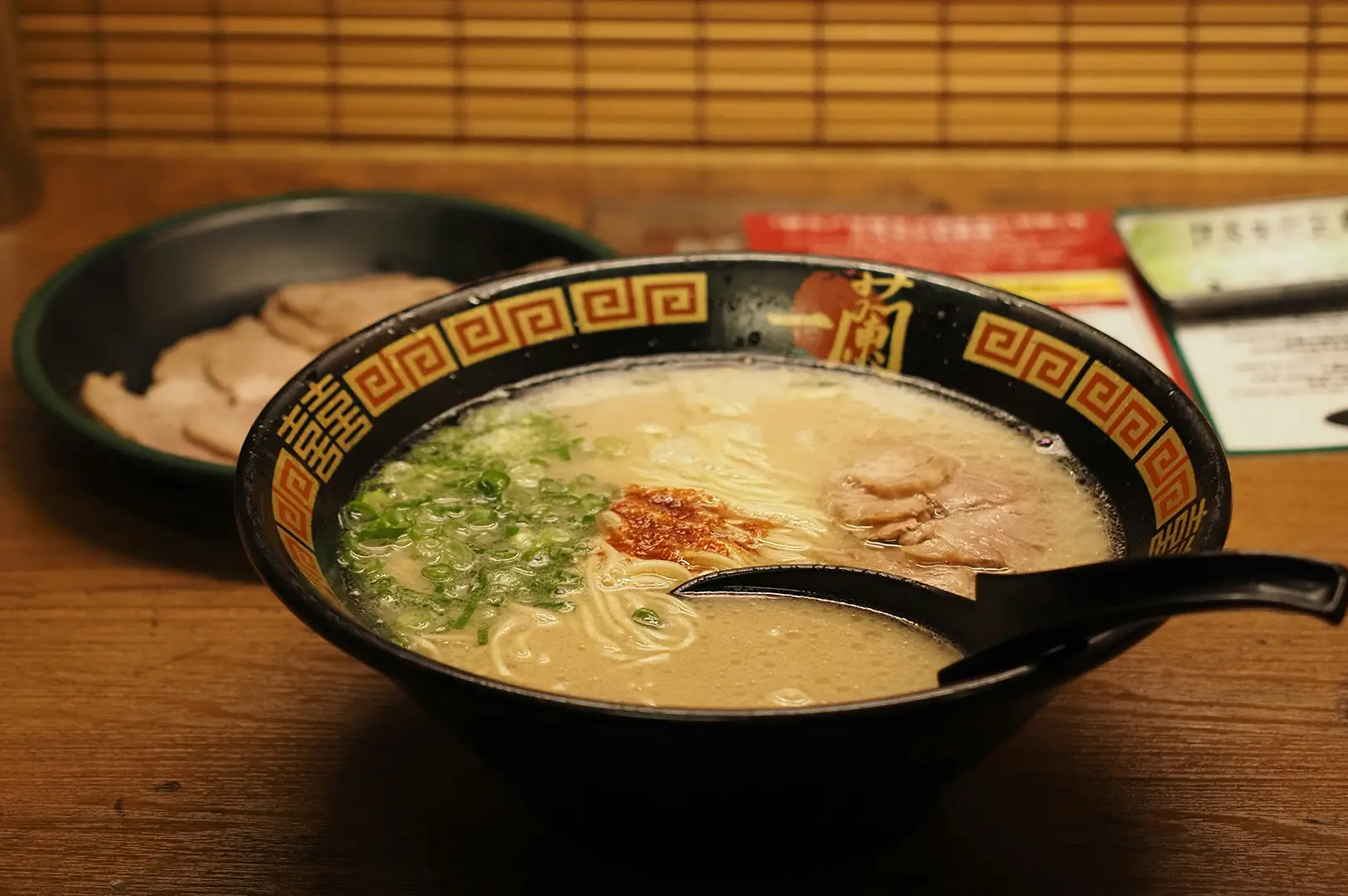
Sometimes that centre is a pork-bone broth with deep richness. Sometimes it is a clean shoyu base, a miso body, a seafood note, or a chicken paitan with quiet depth. Whatever the style, the bowl should know what it wants to be.
Toppings should support that identity.
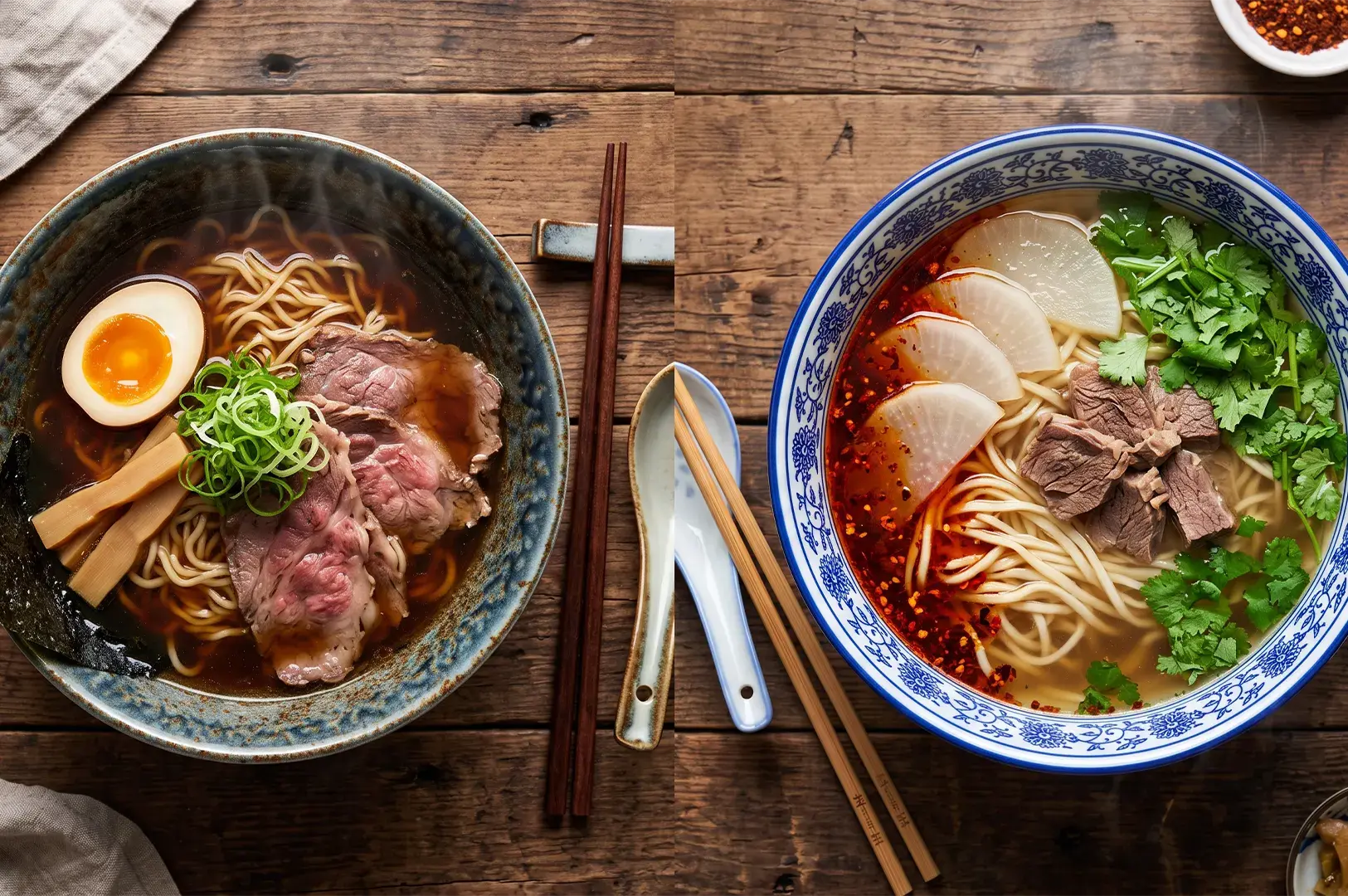
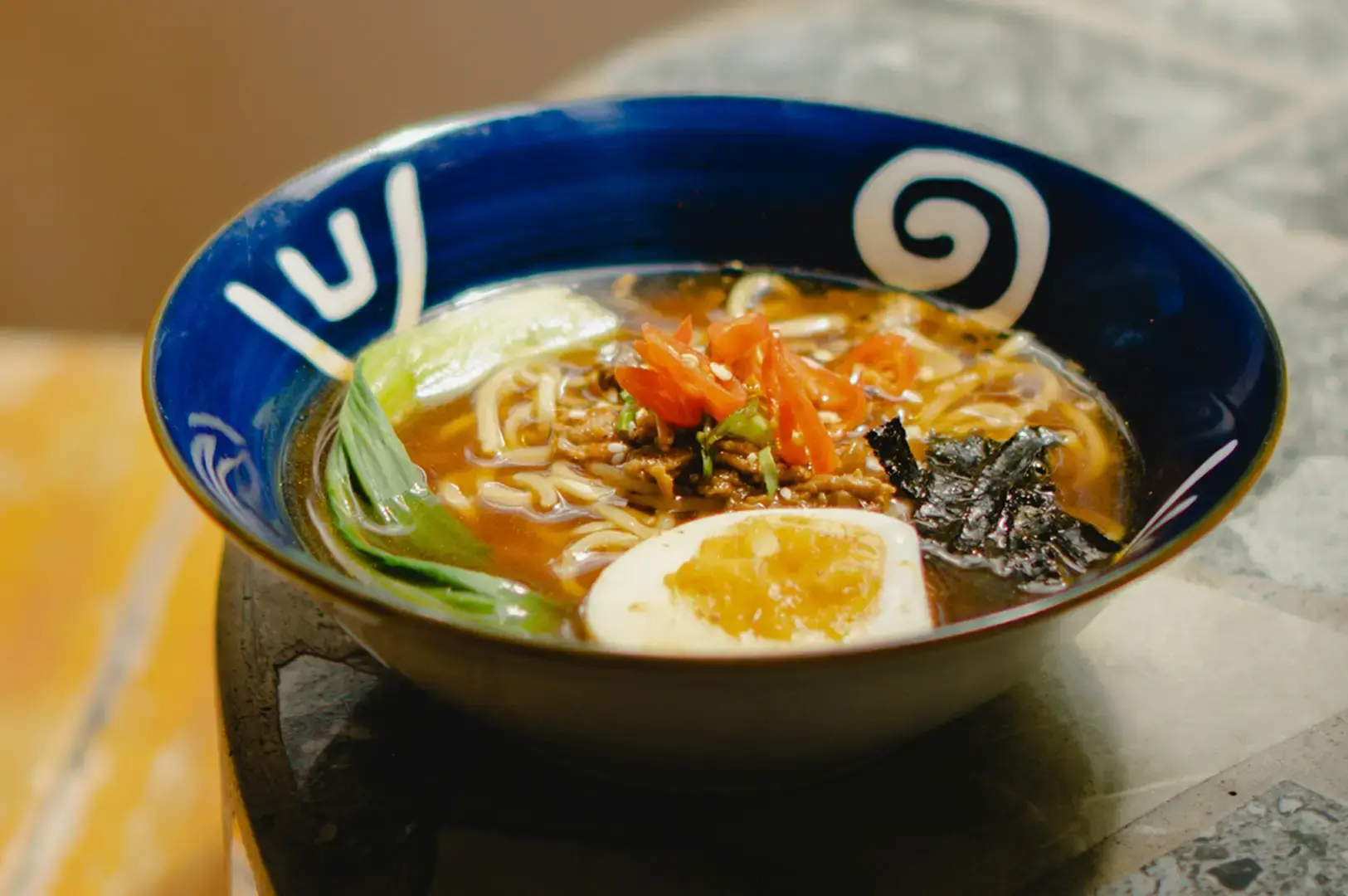
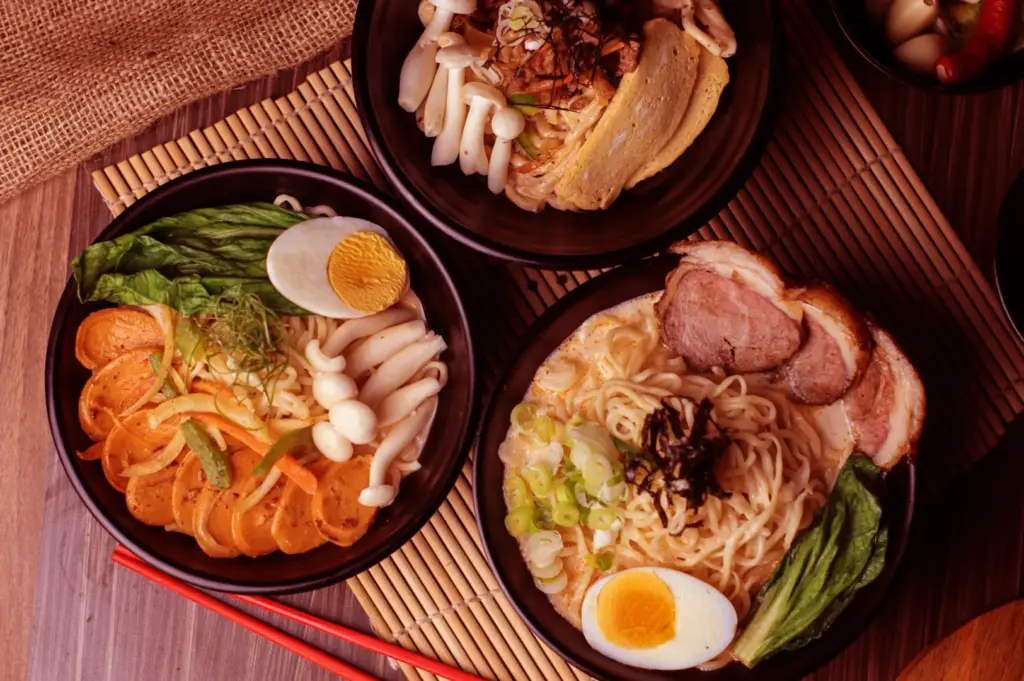
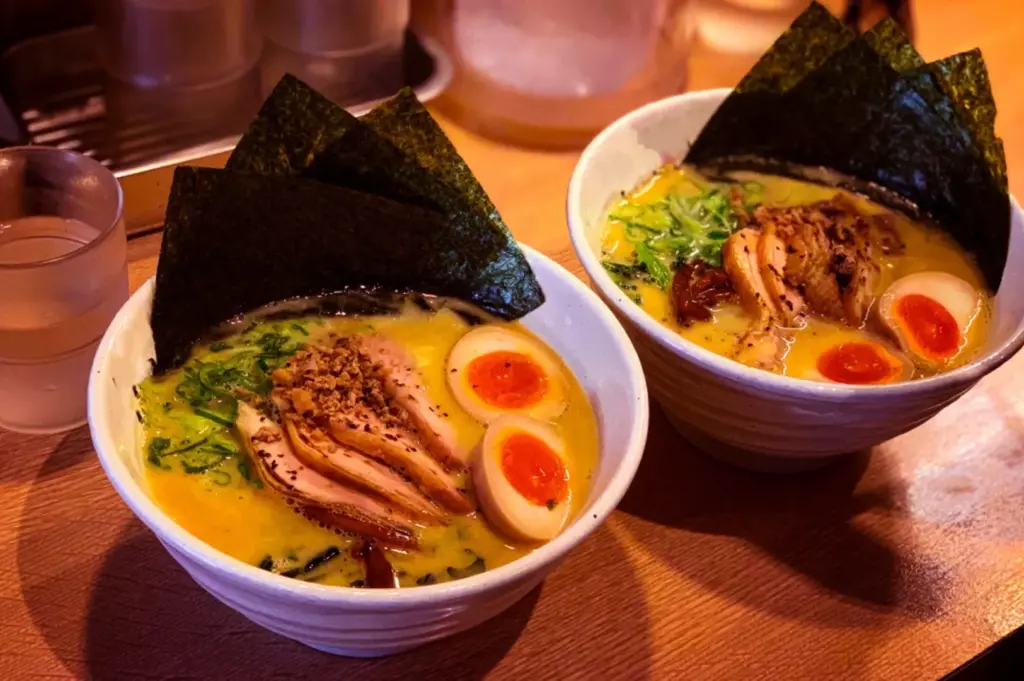
Chashu adds fat and savoury weight. Ajitama brings creaminess and seasoning. Bamboo shoots give crunch and contrast. Spring onions lift the broth with sharpness. Seaweed adds mineral depth.
These are not random decorations. They are tools.
The problem begins when the toppings stop supporting the bowl and start competing with it.
Premium Can Become Noise
“Premium” is one of the most dangerous words on a ramen menu.
A premium topping can be excellent. A better cut of pork, a carefully marinated egg, or a well-made aroma oil can improve a bowl dramatically. But premium does not automatically mean appropriate.
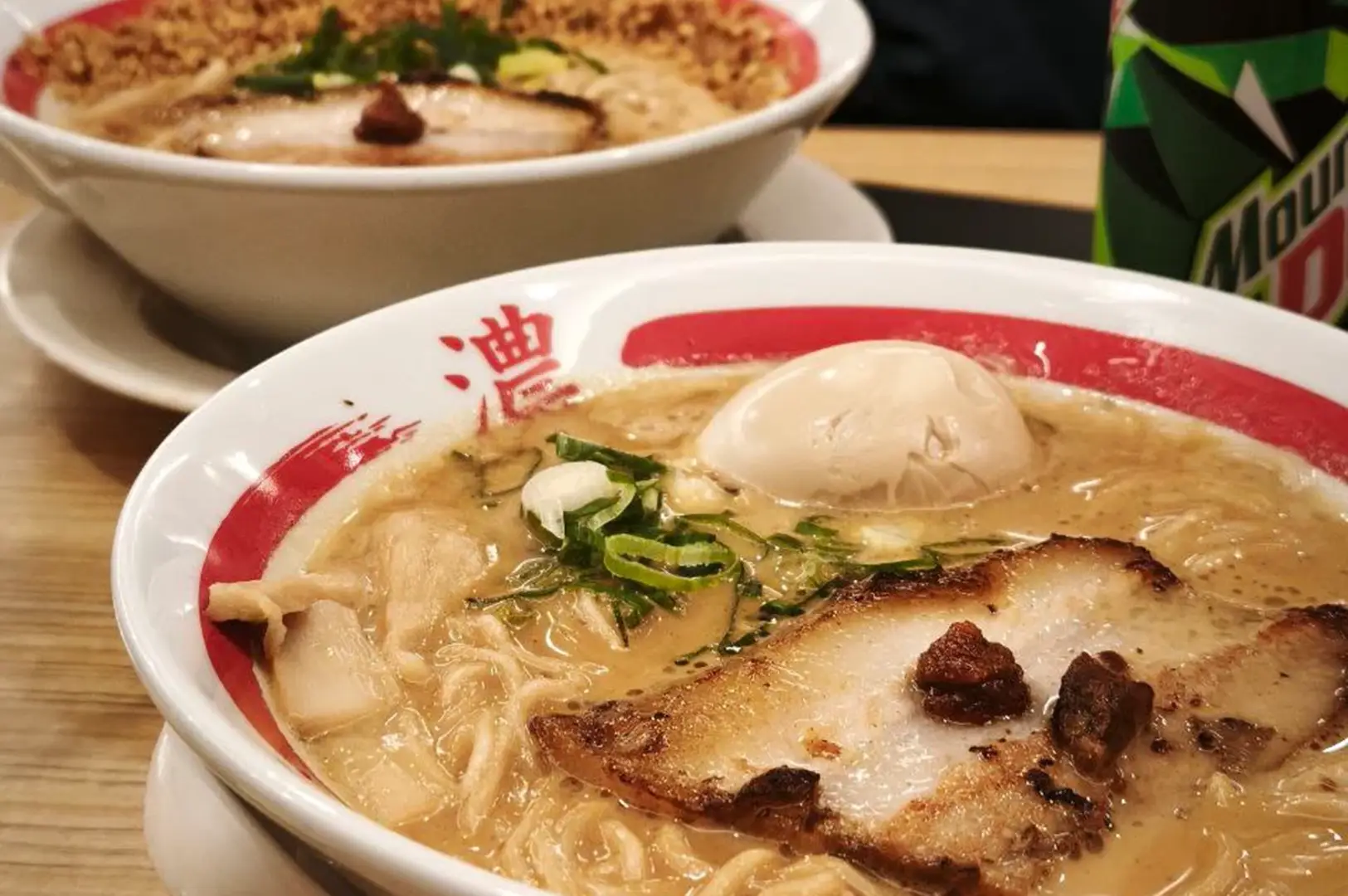
Truffle oil on a broth that does not need it becomes perfume. Butter in an already heavy soup can flatten the finish. Too much spice paste can erase the tare. Extra chashu may look generous but can turn the bowl greasy and slow.
A ramen bowl can be expensive and still badly balanced.
The question is not, “How much did they add?” The better question is, “Did the bowl become clearer or more confused?”
Sauce Is Not a Shortcut
Sauces and oils are useful, but they are also risky.
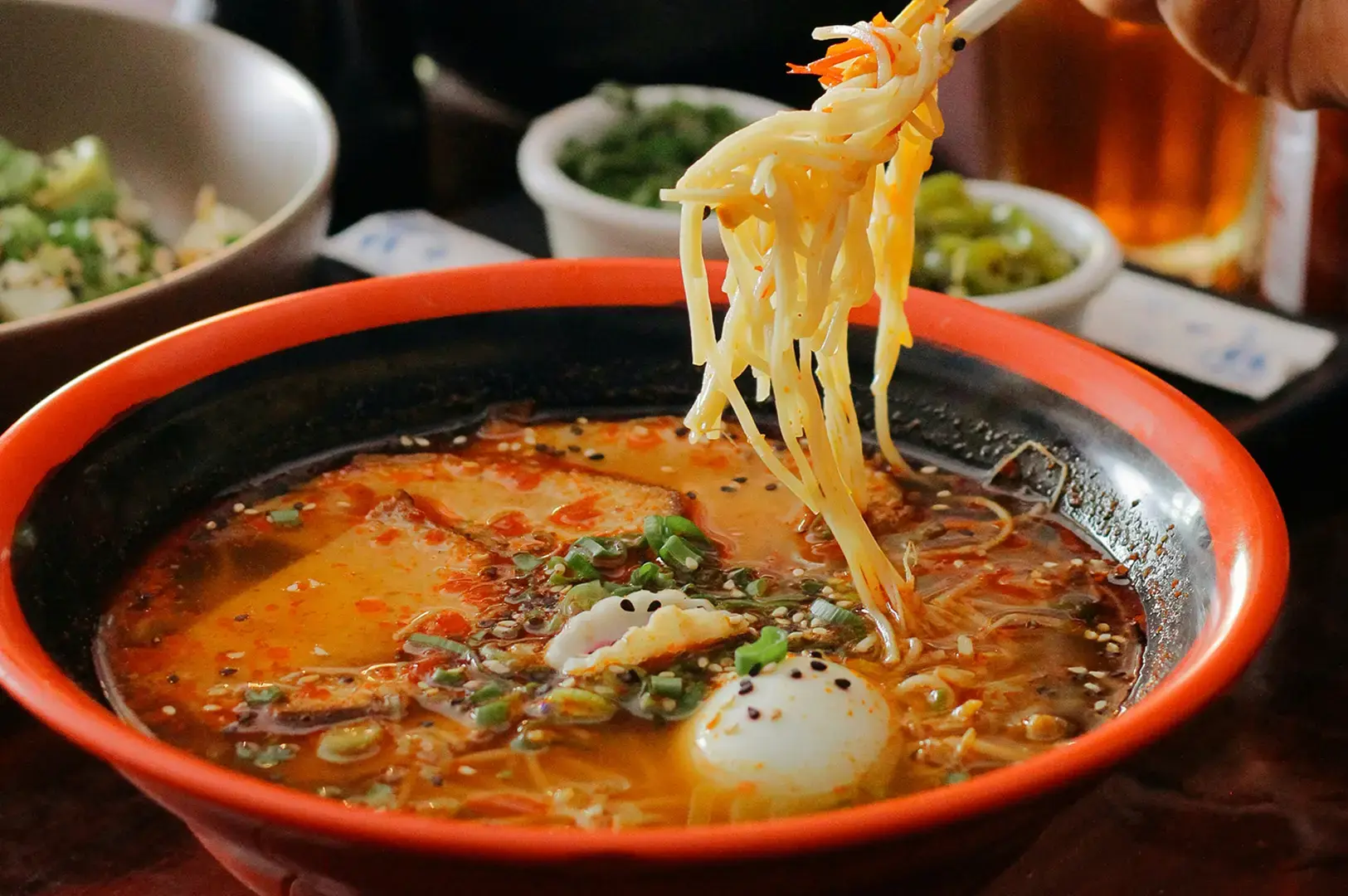
Black garlic oil, chili oil, sesame paste, yuzu kosho, mayu, miso paste, and spicy blends can give ramen personality. Used well, they create movement. Used badly, they cover weakness.
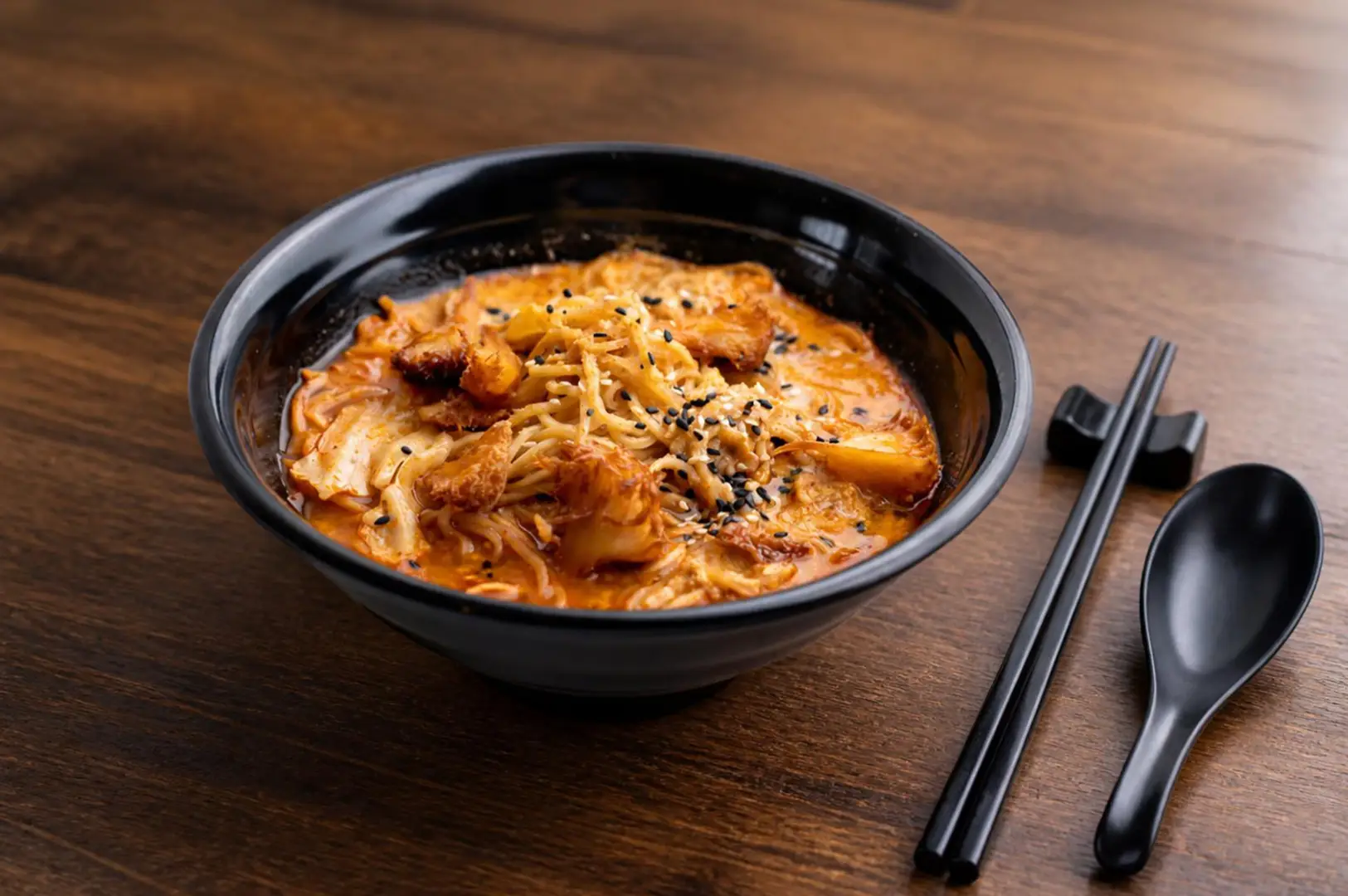
We have encountered bowls where the broth had little depth, so the shop leaned on strong sauces to create excitement. The first sip was loud. The third sip was tiring. By the halfway mark, the noodles were carrying salt, oil, heat, and confusion.
Intensity is not the same as depth.
A good ramen bowl should develop as we eat it. An overloaded bowl often peaks too early.
The Noodle Suffers First
When a bowl is overloaded, the noodles usually suffer before anything else.
Too many toppings crowd the surface. Too many sauces thicken the broth. Too much fat coats the noodles until their texture becomes harder to notice. Instead of slurping cleanly, the noodles drag through a crowded soup that has lost its rhythm.
This matters because ramen is not only about flavour. It is about movement.
The lift, the slurp, the chew, the return to broth; that sequence is part of the pleasure. When the bowl becomes too heavy, the rhythm breaks.
Restraint Is Not Laziness
A restrained ramen bowl can look simple. That does not mean it is plain.
Often, restraint is a sign of confidence. The shop trusts its broth. It trusts its noodles. It does not need to bury the bowl under add-ons to prove value.
This is where diners can train the eye. A good bowl should look complete, not crowded. The toppings should feel placed, not piled. The aroma should invite, not overwhelm.
Ramen is at its best when every ingredient knows when to speak and when to stay quiet.
The Better Upgrade
The best ramen upgrade is not always extra toppings.
Sometimes it is choosing the right noodle firmness. Sometimes it is adding one egg, not three sides. Sometimes it is ordering the bowl as designed before modifying it.
The danger of an overloaded ramen bowl is simple: we may pay more and taste less.
A great bowl does not need to shout from every corner.
It only needs balance — and the discipline to protect it.