Some ramen bowls look better than they eat.
That is the problem nobody wants to say out loud while the phone is still hovering above the table.
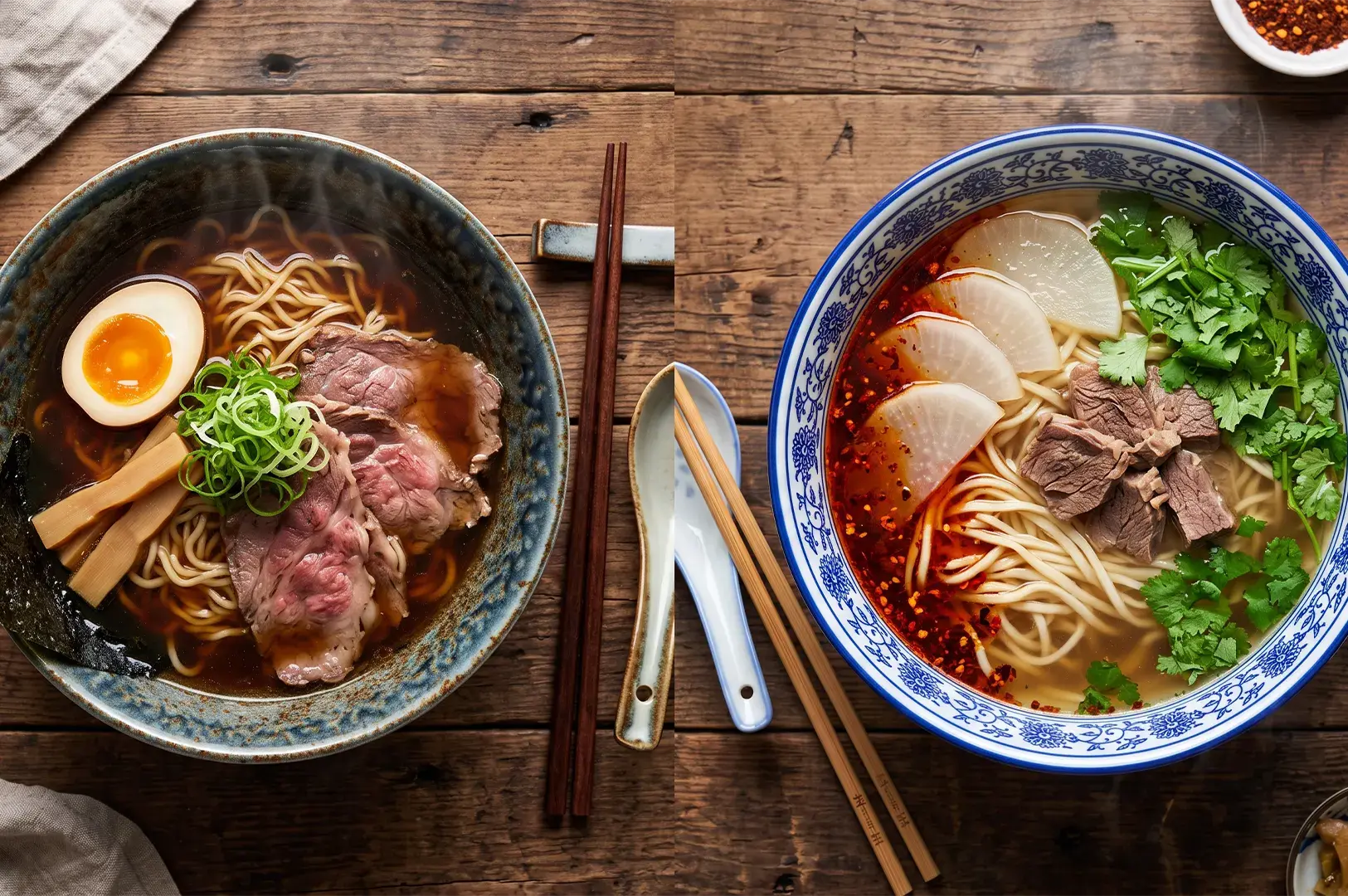
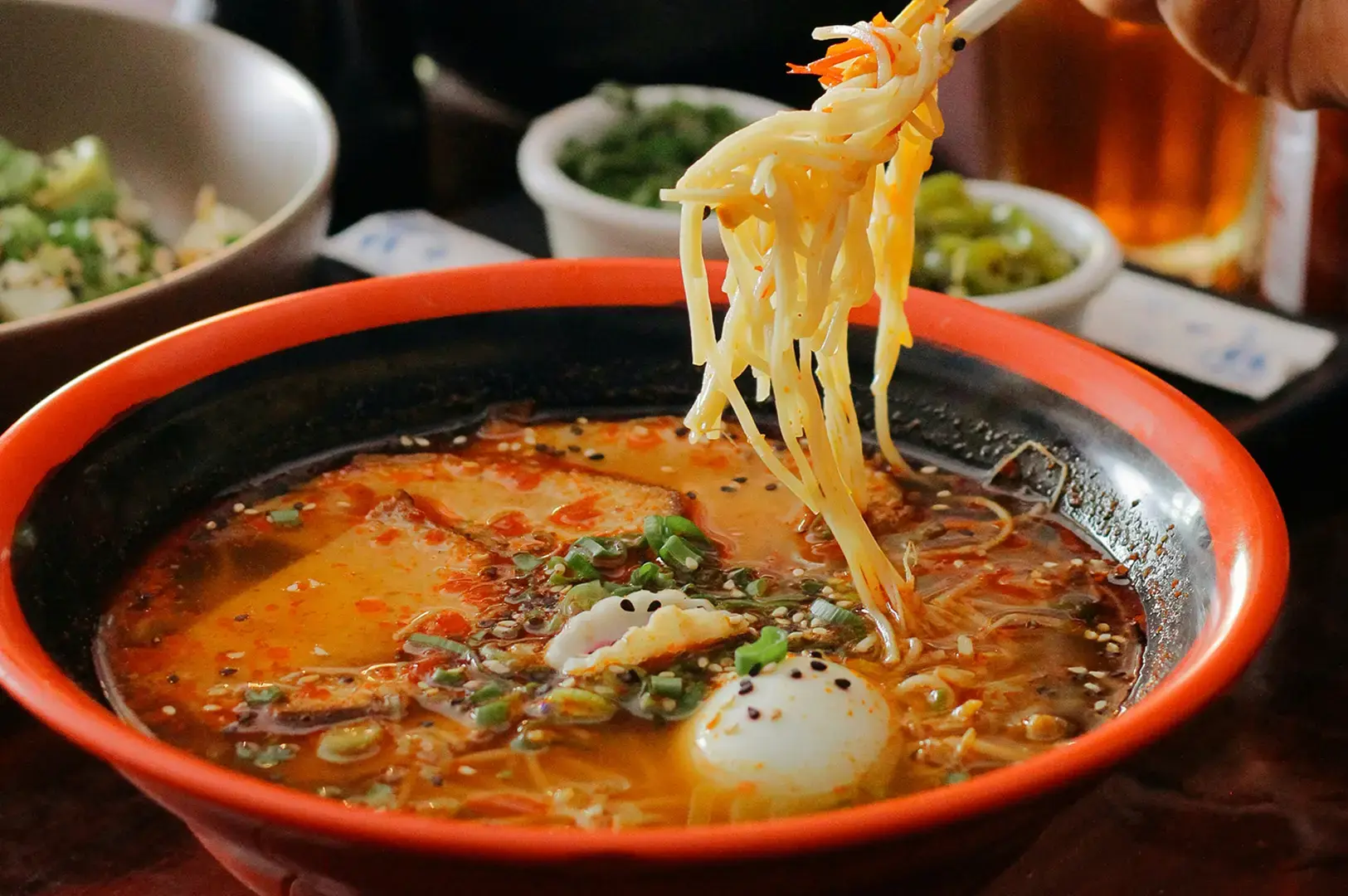
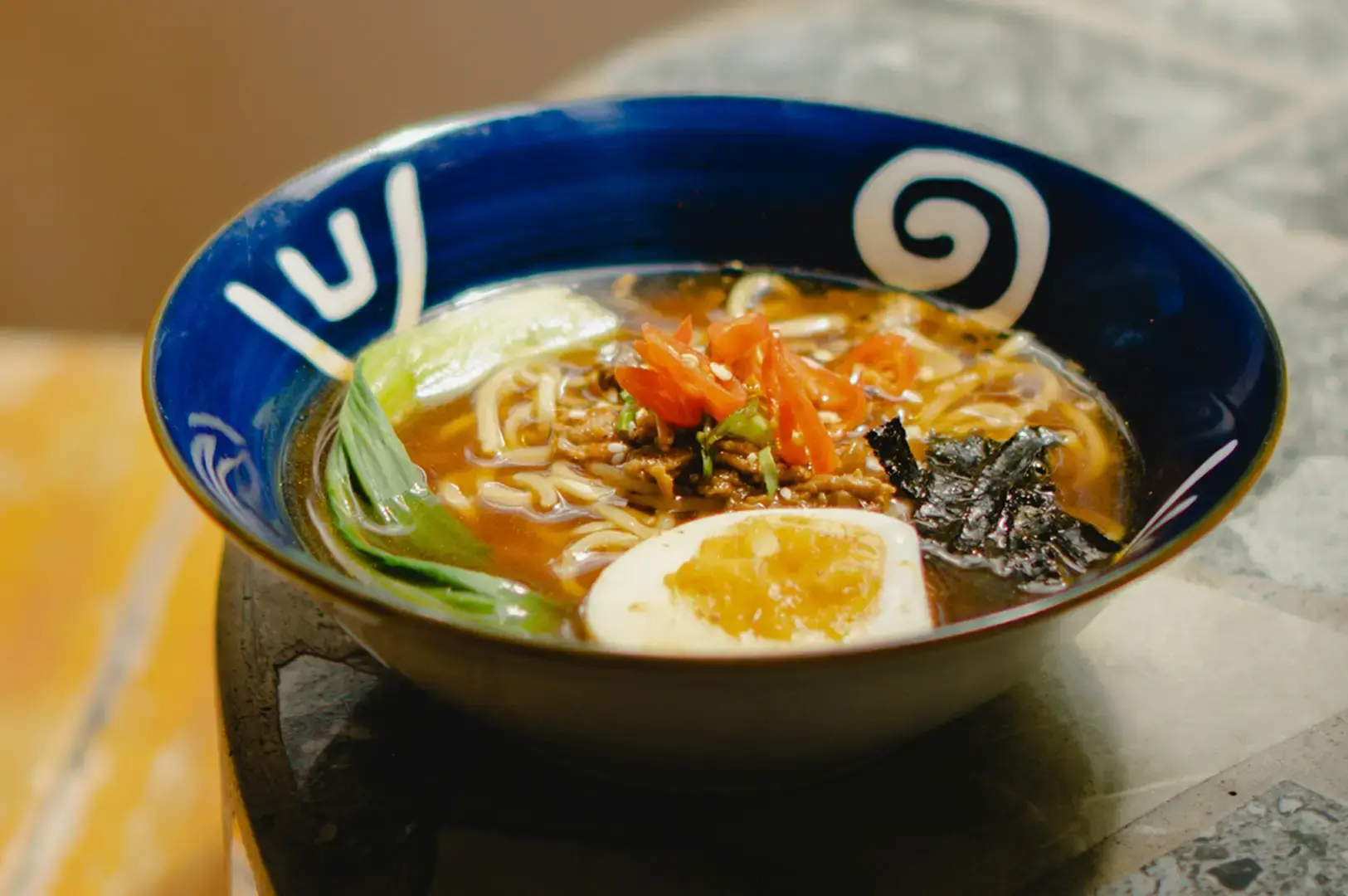
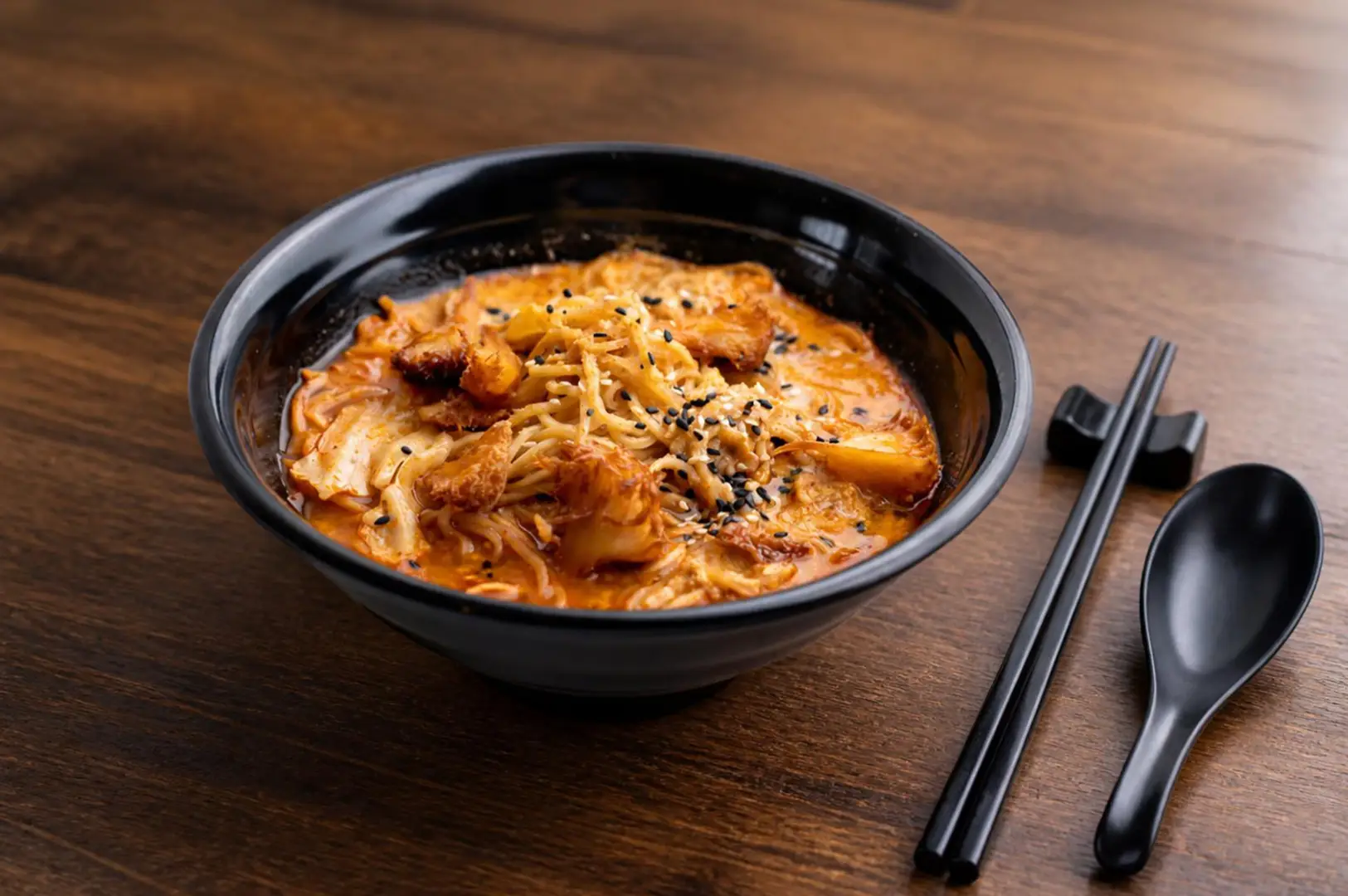
We know the scene. The bowl arrives with a dramatic egg split, chashu folded like fabric, chili oil glowing at the surface, seaweed standing tall, scallions scattered like confetti, maybe even truffle, cheese, foam, or a torch mark somewhere for effect. It looks impressive. It looks shareable. It looks like a bowl that understands the algorithm.
Then we take the first slurp. And the ramen does not move.
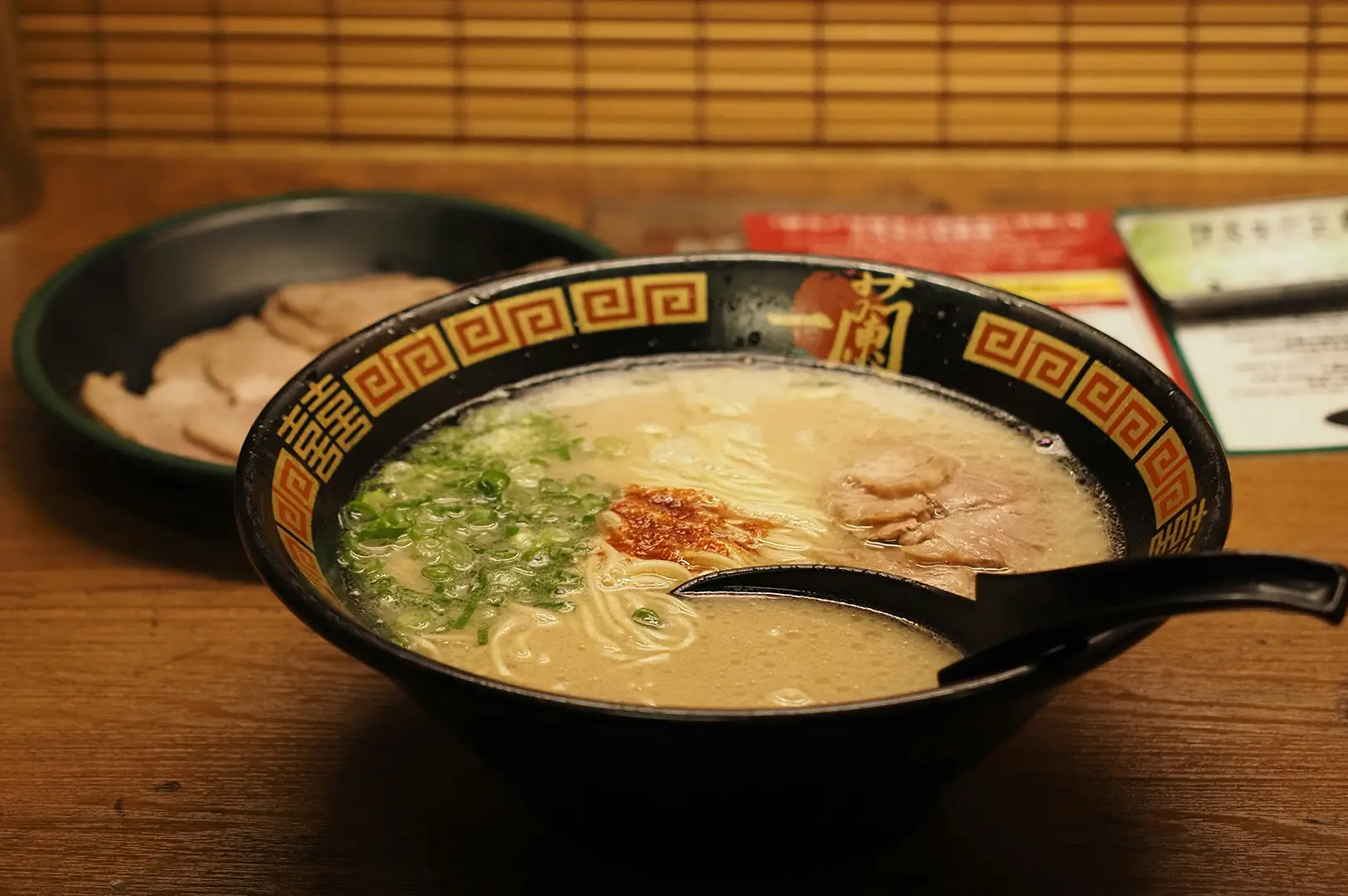
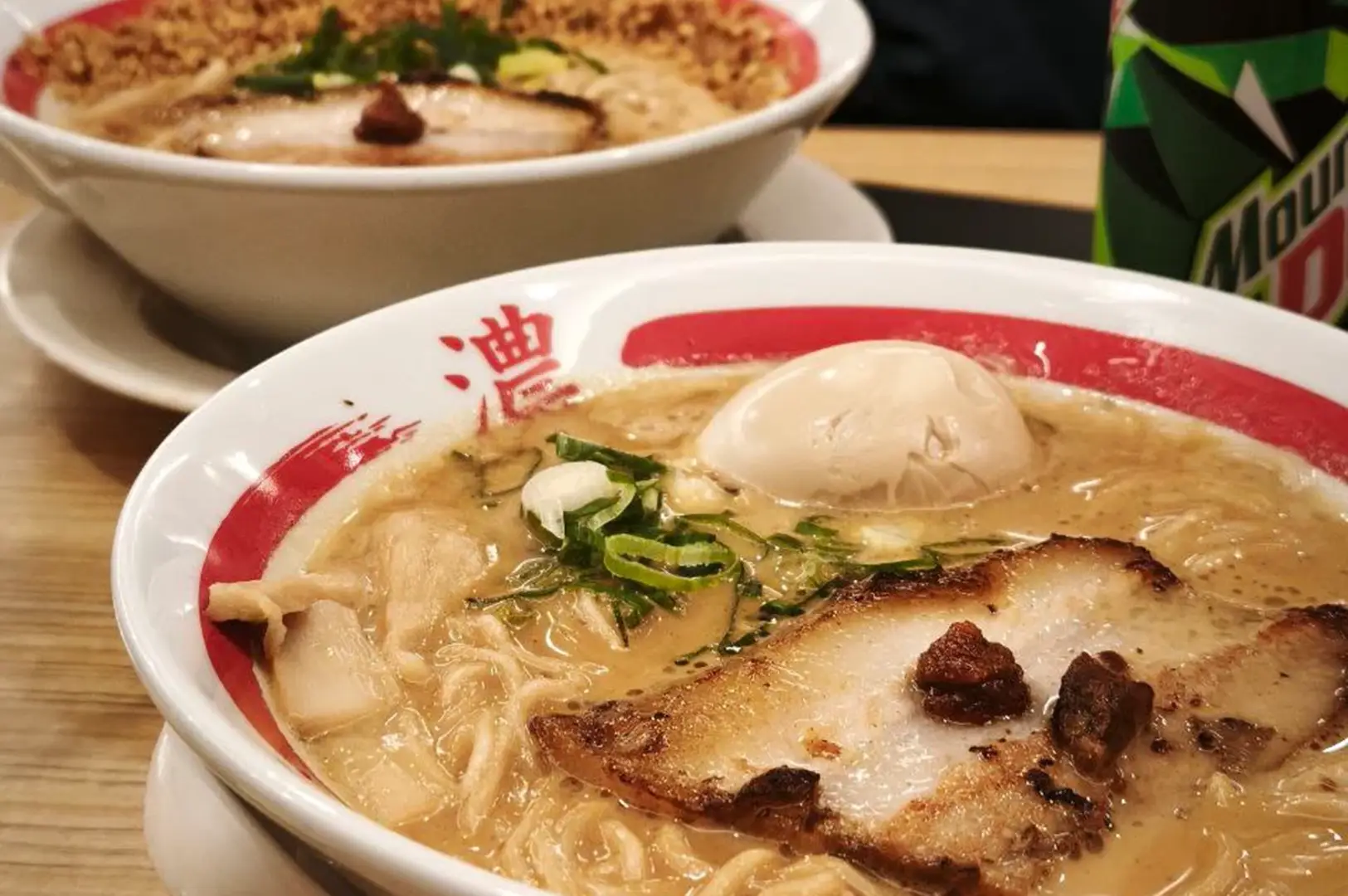
Ramen has always had visual rhythm: the shine of broth, the curve of noodles, the softness of ajitama, the small discipline of toppings placed with care. But there is a difference between a bowl that looks appetising and a bowl that has been built for the camera first.
That difference matters.
The Camera Loves Clutter
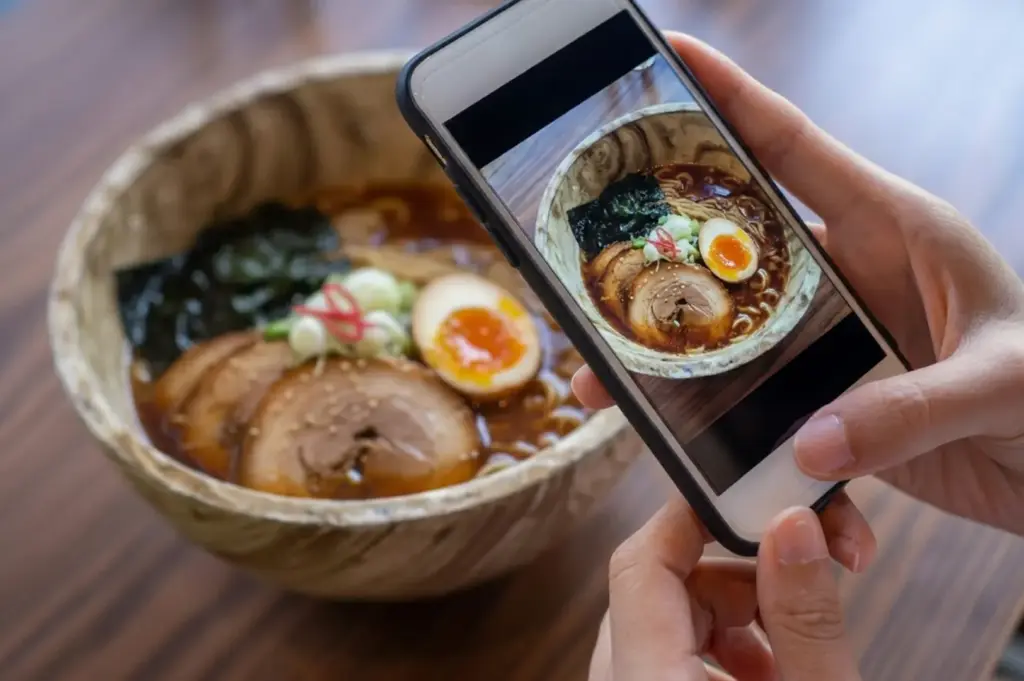
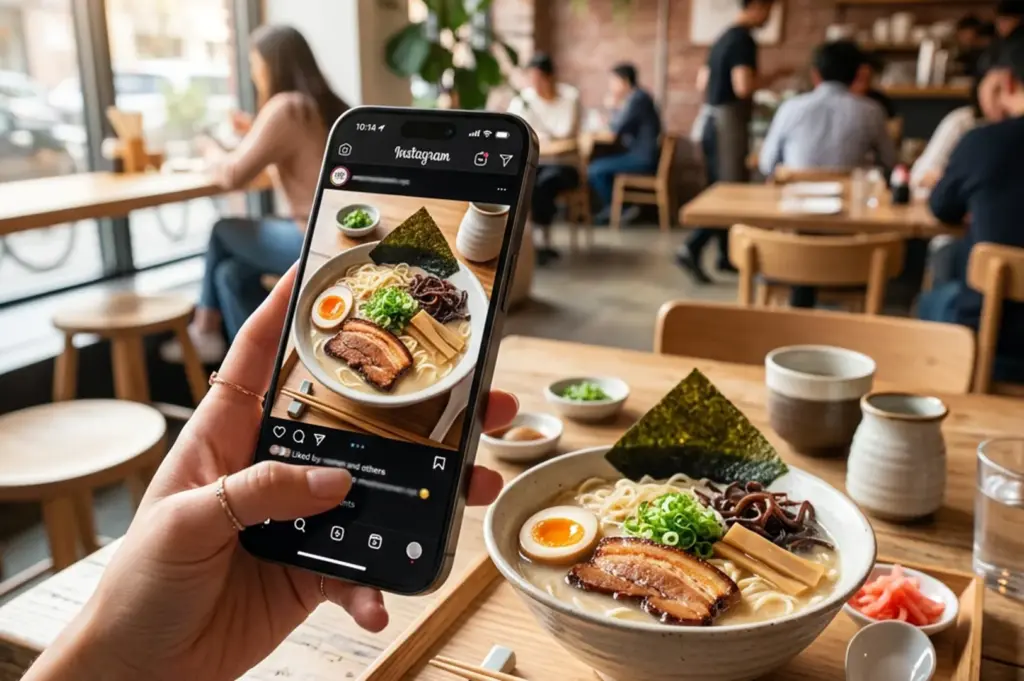
Instagram rewards impact.
A quiet shoyu ramen with clear broth and restrained toppings may taste elegant, but on a crowded feed, it can look almost too simple. A heavily loaded bowl, on the other hand, announces itself immediately. More colour. More height. More toppings. More drama.
The danger is that ramen starts absorbing this logic.
Instead of asking whether an extra sauce improves the broth, the bowl asks whether it photographs well. Instead of checking if the noodles can still be lifted cleanly, the shop adds another topping. Instead of protecting balance, it builds spectacle.
But ramen is not eaten from above. It is eaten through motion: spoon, lift, slurp, chew, return. A flat photograph cannot tell us whether the bowl has rhythm.
Visual Drama Can Hide Weak Structure
A ramen bowl can look powerful and still be badly built.
We have met bowls where the toppings were doing too much work. Spicy paste covered a thin broth. Extra chashu distracted from weak noodles. Garlic oil shouted over everything. The egg looked perfect, but the soup underneath had no direction.
This is where Instagram can make diners less curious.
We begin judging before tasting. We assume abundance means value. We mistake shine for depth and height for generosity. The bowl becomes a performance of richness instead of an experience of balance.
Good ramen does not need every ingredient to speak at once.
It needs a centre.
The Noodles Pay the Price
The first casualty of an Instagram bowl is usually the noodle.
When toppings pile up, the noodles get buried. When sauces thicken the broth too much, the strands drag instead of glide. When the bowl is designed to sit untouched for photos, the noodles continue cooking while everyone adjusts angles.
That is a quiet tragedy.
Ramen is time-sensitive food. Its best moment is short. The broth is hot. The noodles are alive. The aroma is rising. Wait too long, and the bowl changes without permission.
A ramen shop can design for beauty. But if that beauty asks us to delay the slurp, it is working against the meal.
Not All Beauty Is the Enemy
To be clear, this is not a case against presentation.
Some of the best ramen bowls are beautiful because they are balanced. Their beauty comes from proportion, not excess. The toppings feel placed, not piled. The broth remains visible. The noodles still matter.
That kind of beauty helps us understand the bowl. The problem is not photography. The problem is when photography becomes the main customer.
The Bowl Must Survive the Slurp
The real test of ramen happens after the photo. This is why some great ramen shops don’t want fame.
Does the broth still hold interest after three spoonfuls? Do the noodles keep their texture? Do the toppings support the bowl instead of interrupting it? Does the last bite still make sense?
If yes, photograph it proudly. If no, the bowl was not ramen with visual drama. It was visual drama with noodles underneath.
Instagram has not ruined ramen completely. But it has encouraged some bowls to become louder, taller, heavier, and less honest.
A great ramen bowl can look good. It just has to taste better than it looks.