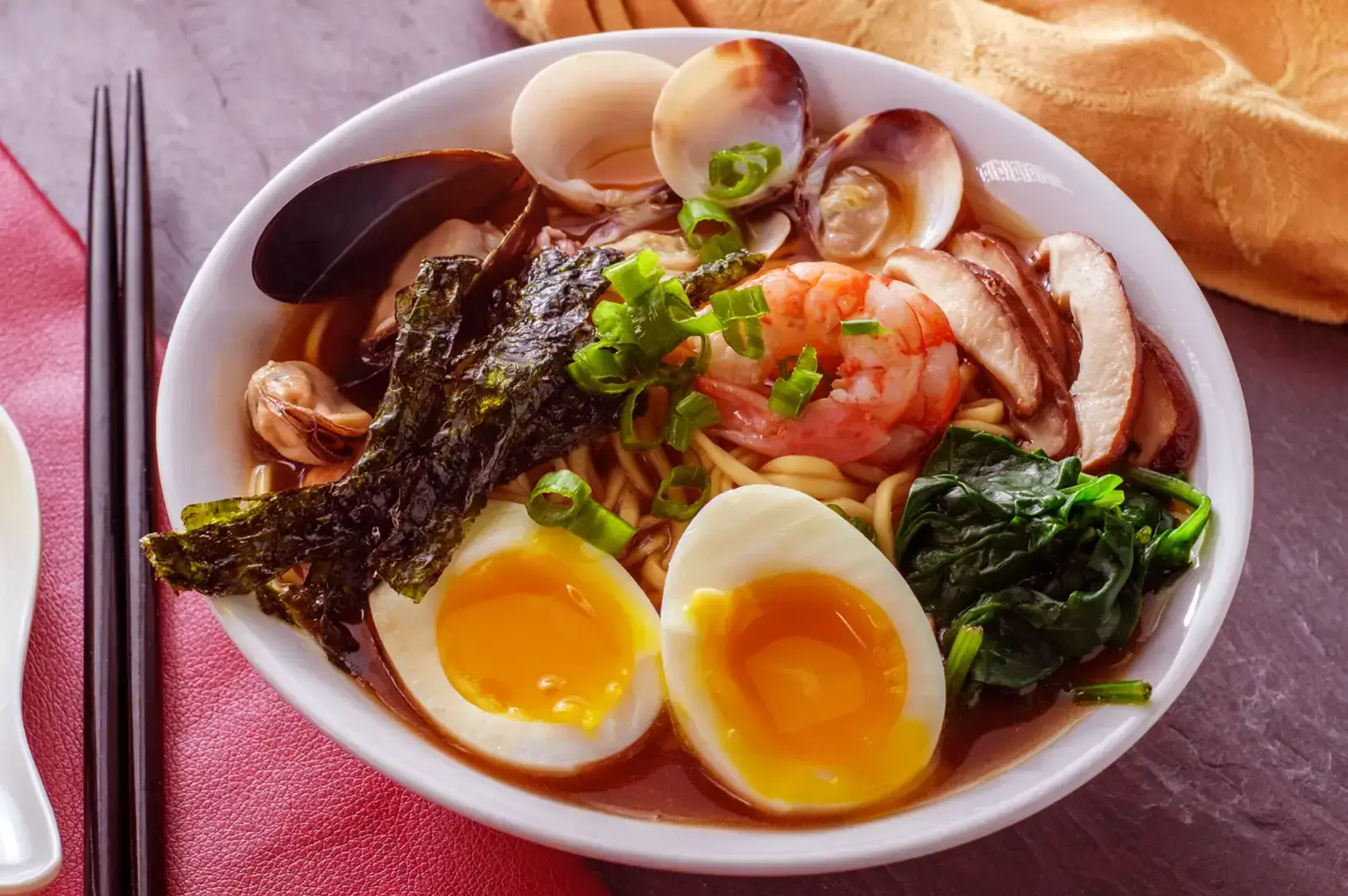
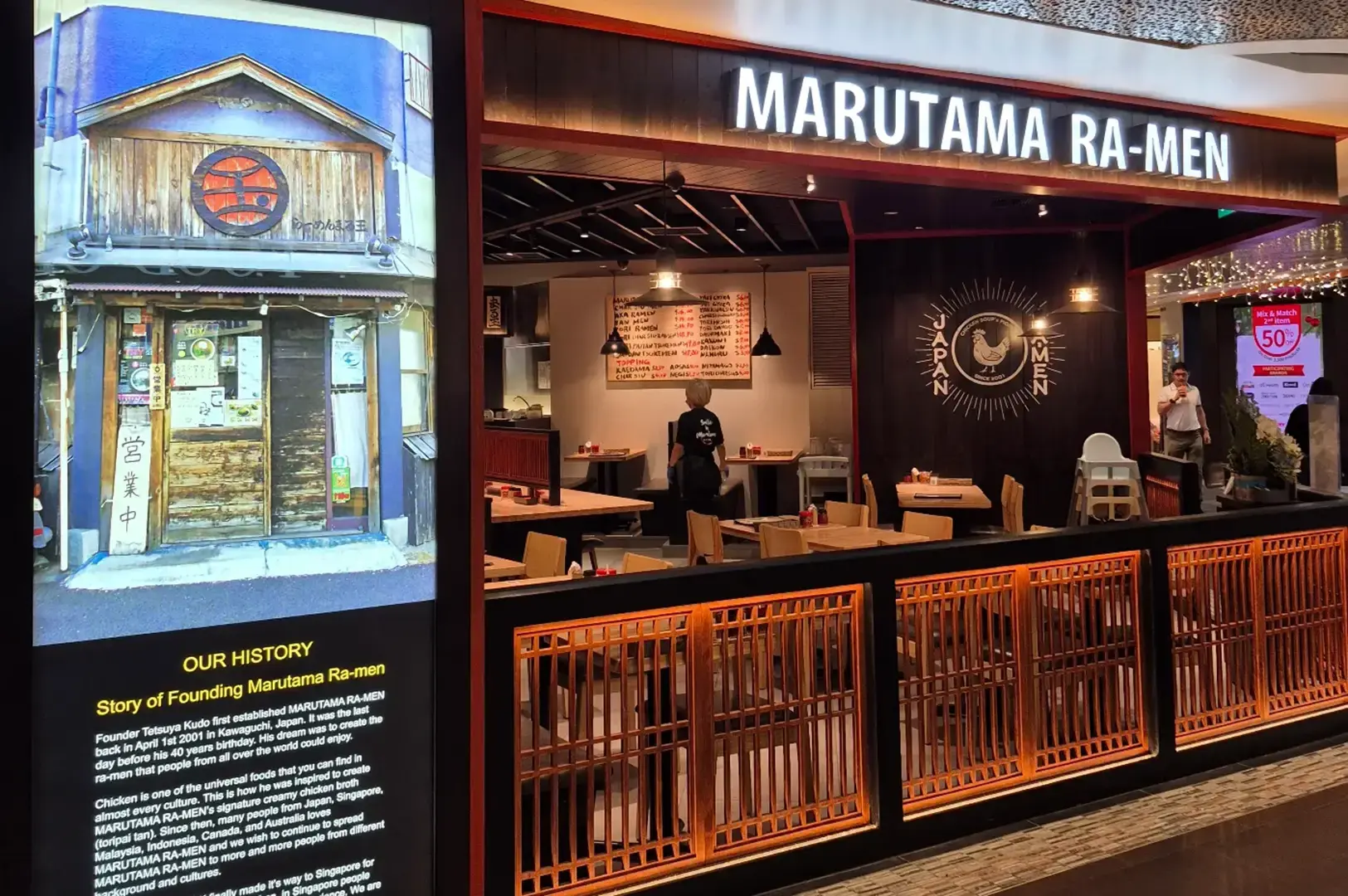
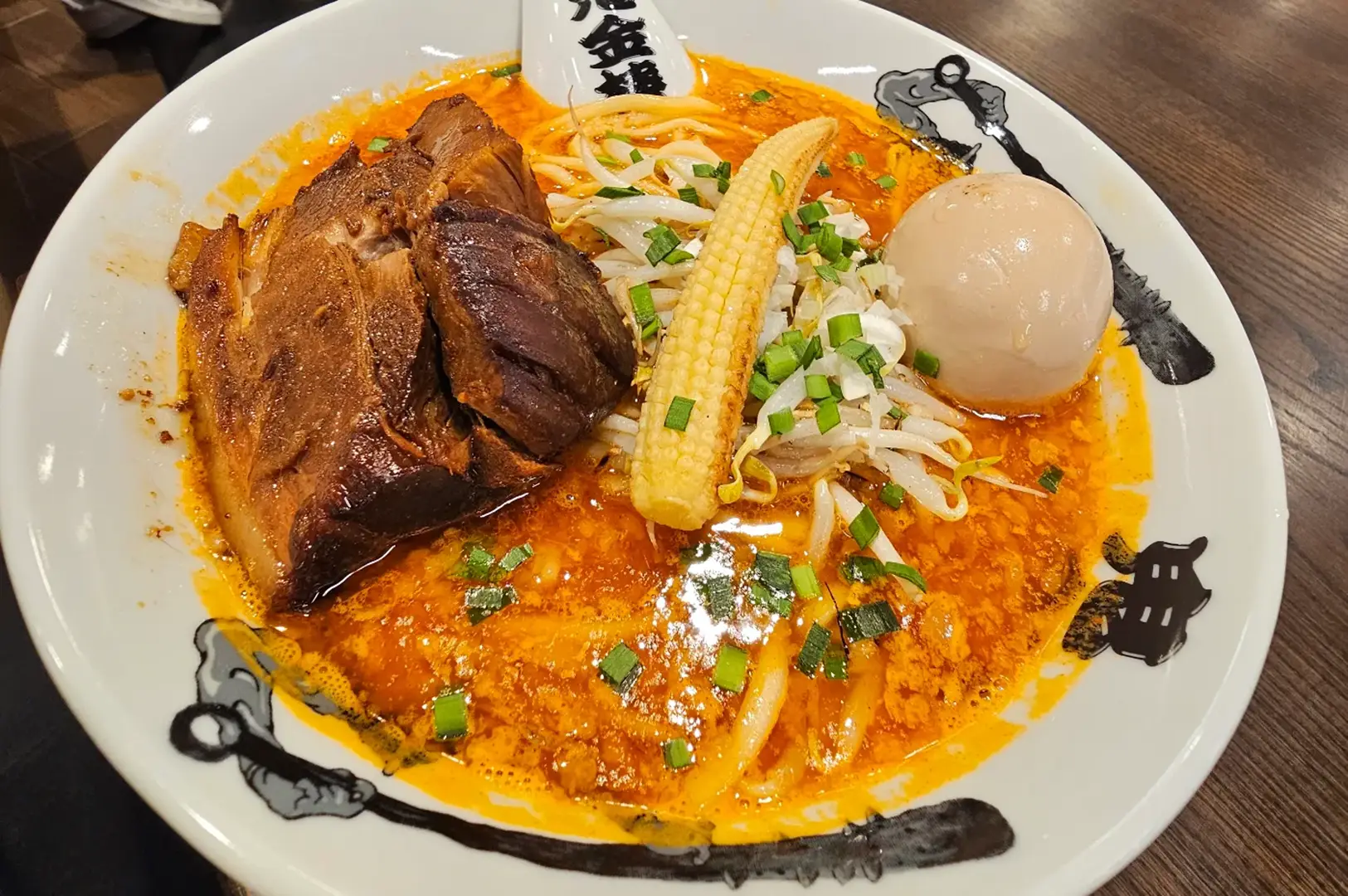
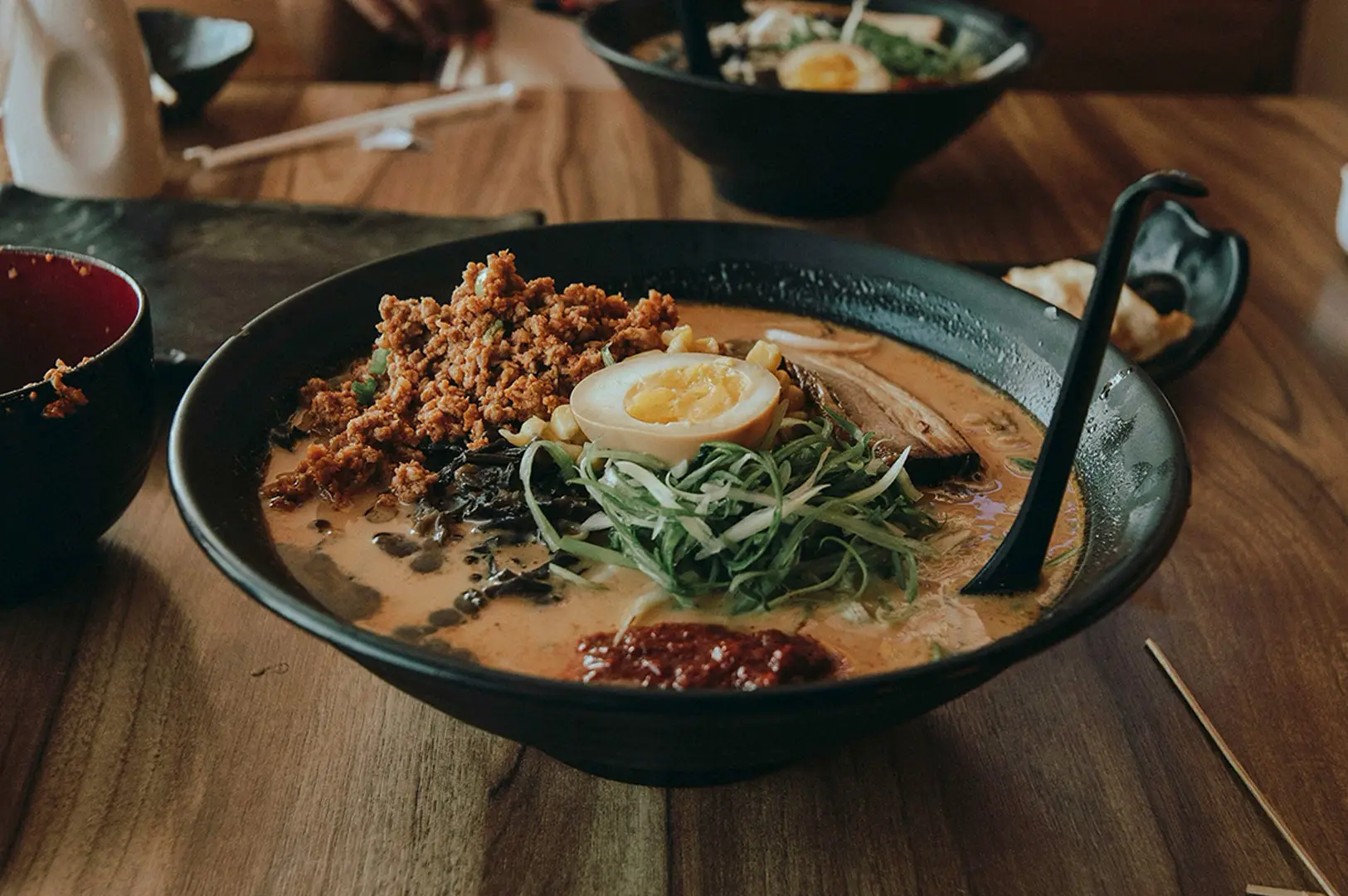
Imagine walking into a ramen shop, opening the menu, and discovering there is almost nothing to choose from.
One broth. One noodle style. Perhaps an extra egg or a few additional slices of chashu. That’s it.
For diners accustomed to pages of options, this might seem like a disappointing start. Surely, a serious restaurant should offer more?
We would argue the opposite.
In ramen, a short menu can be one of the most interesting statements a kitchen makes. It suggests that the shop has decided exactly what it wants to serve, and is willing to let that single bowl carry its reputation.
But confidence is one thing. Delivering on it is another.
The Courage to Keep Things Simple
We often associate variety with value.
A restaurant offering twenty dishes appears generous. One serving a single ramen style might seem limited, especially when neighbouring shops advertise everything from tonkotsu to spicy miso.
Yet ramen kitchens operate on repetition.
Every broth requires preparation. Every noodle demands precise cooking. Every additional variation introduces another decision during service.
By concentrating on one signature bowl, a kitchen can simplify its workflow and devote more attention to consistency.
That does not automatically guarantee better ramen.
But it creates the conditions for refinement.
The Same Bowl, Hundreds of Decisions
Picture the kitchen during a busy lunch service.
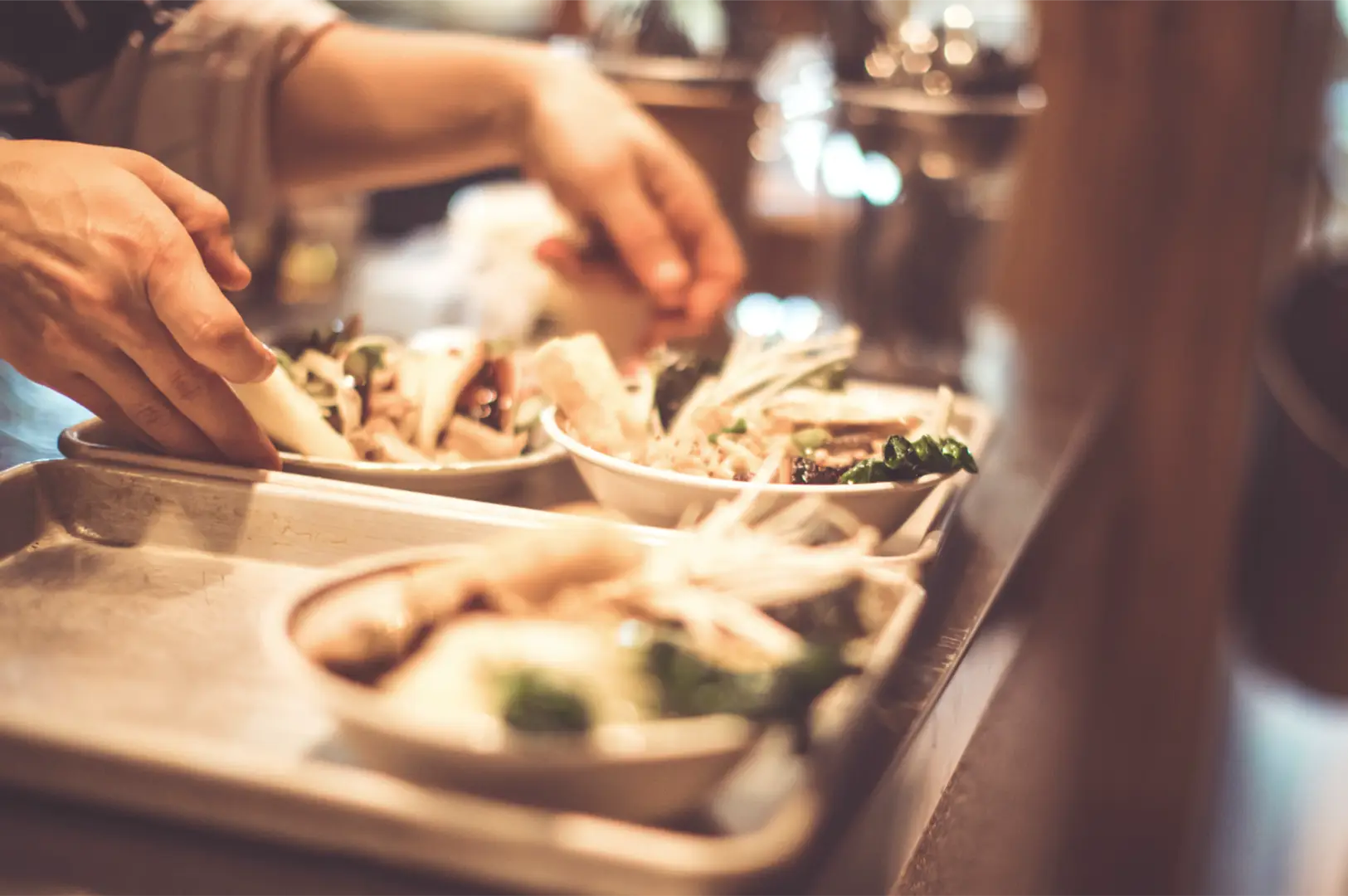
Noodle baskets rise from boiling water. Broth is ladled into waiting bowls. Toppings are positioned, orders move across the counter, and another batch begins.
The movements look almost effortless.
What interests us is how much discipline sits behind that apparent simplicity.
A focused ramen shop can repeat the same preparation throughout service, making small adjustments when necessary.
The broth must remain properly seasoned. Noodles must retain their intended texture. Portions should not change simply because the queue grows longer.
When the menu stays narrow, the kitchen has fewer competing processes to manage.
Repetition becomes an opportunity to improve rather than simply produce.
When One Bowl Becomes a Reputation
There is also something unusually revealing about a restaurant that specialises in one dish.
It leaves little room for distraction.
If the broth disappoints, diners cannot simply choose another style. If the noodles are poorly cooked, an elaborate selection of toppings will not rescue the experience.
The signature bowl becomes both the attraction and the responsibility.
We find that particularly compelling.
A large menu gives diners choices. A small menu asks them to trust the kitchen’s choices.
That trust must be earned with every serving.
Simplicity Is Not Always Excellence
Of course, we should not romanticise every shop with a limited menu.
Sometimes fewer dishes reflect staffing constraints, limited equipment, or practical business decisions.
A short menu is not proof of craftsmanship.
The real question is whether the kitchen uses that focus effectively.
Does the broth remain balanced? Are the noodles consistently prepared? Does the experience justify returning for exactly the same thing?
Those answers matter more than the number of items printed on the menu.
The Bowl That Says Enough
Perhaps the most interesting thing about a one-bowl ramen shop is what it refuses to promise.
It does not claim to satisfy every preference or follow every trend.
Instead, it offers a particular interpretation of ramen and asks diners to judge it on its merits.
We respect that approach, provided the execution supports the confidence.
Because sometimes, the most convincing ramen shop is not the one offering us endless possibilities.
It is the one that has spent years getting one thing right.