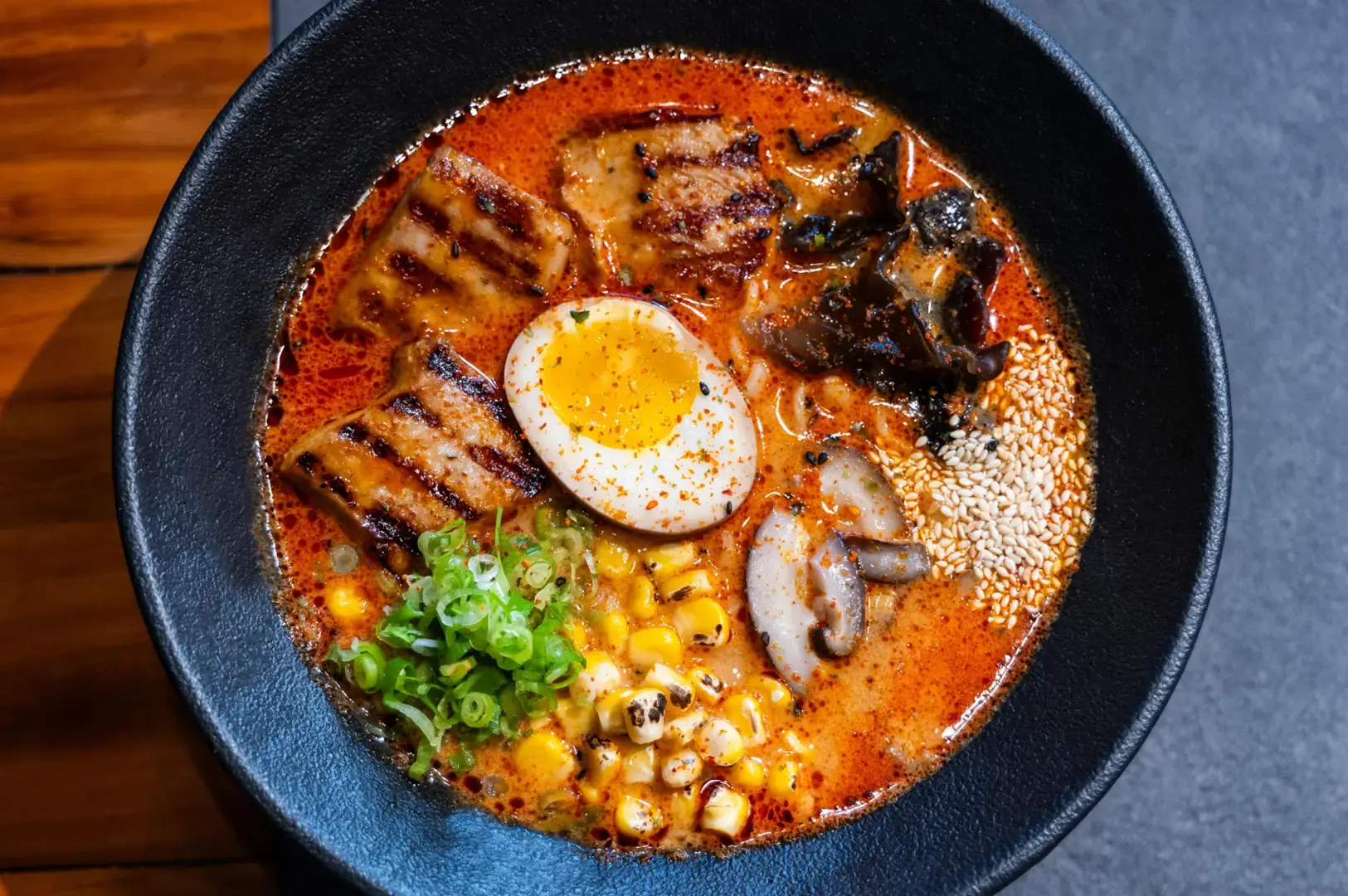
Some ramen shops want us to appreciate their broth. Kikanbo wants us to survive it.
That might sound dramatic, but the Tokyo-born ramen specialist has built its reputation around karashibi, a combination of chili heat and tongue-tingling peppercorns.
At its VivoCity outlet, the challenge begins before the noodles arrive. Diners choose their preferred levels of spiciness and numbness separately, from none to the formidable Oni level.
But we have a more interesting question than how much heat we can tolerate.
Is there enough ramen beneath all that spice?
Behind the Heat Is a Serious Broth
Kikanbo’s signature Karashibi Miso Ramen is not simply regular ramen drowned in chili oil.
Its foundation combines pork and chicken bone stock with a separate seafood broth. Shinshu miso contributes fermented depth, while chili peppers and aromatic peppercorn oil complete the seasoning.
That construction deserves attention.
We know how easily extreme heat can disguise weak broth. At Kikanbo, however, the double-soup foundation gives the spices something substantial to work with.
The challenge is balance. Miso brings salt and savoury weight, while the peppercorns introduce a tingling sensation that changes how we experience each spoonful.
It is an ambitious combination, especially for diners accustomed to straightforward tonkotsu.
When Spiciness Meets Numbness
The cleverest part of Kikanbo’s concept is allowing diners to control two different sensations.
Kara refers to chili heat, while shibi describes the numbing effect associated with sansho and Sichuan peppercorns.
They are not interchangeable.
Chili creates burning warmth. Peppercorns introduce a tingling sensation, accompanied by distinctive citrus-like aromatics.
We find that distinction more interesting than the extreme spice challenge itself.
Choosing moderate levels of both offers a sensible starting point for understanding how the broth, miso, and spices interact.
After all, there is little satisfaction in ordering maximum heat if we can no longer appreciate the ramen underneath.
The Noodles Have Their Own Job
A broth this assertive needs noodles with enough resistance to remain noticeable.
Kikanbo uses relatively thick, chewy noodles, a practical choice against its rich miso base.
We also appreciate the logic behind its toppings.
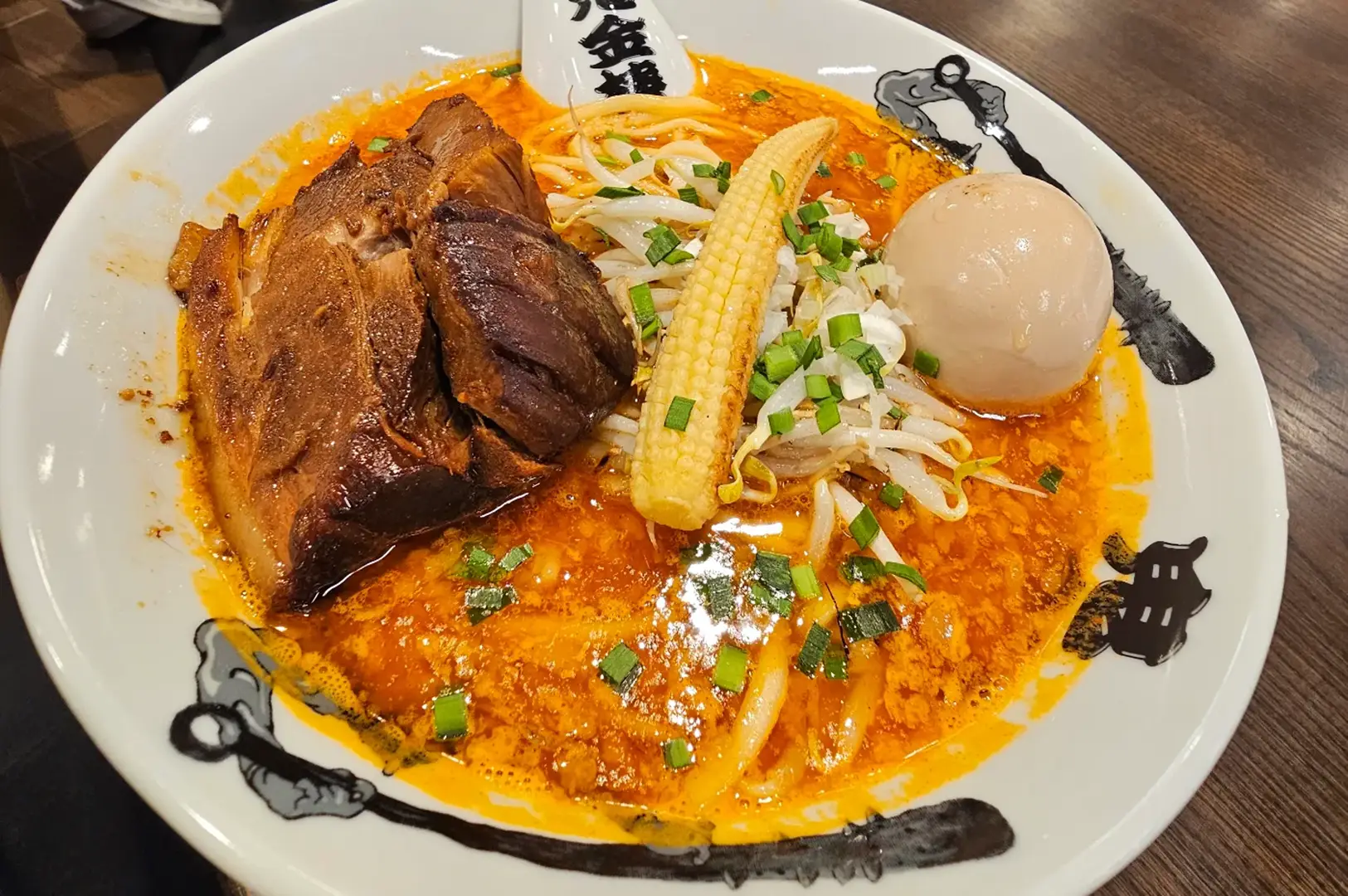
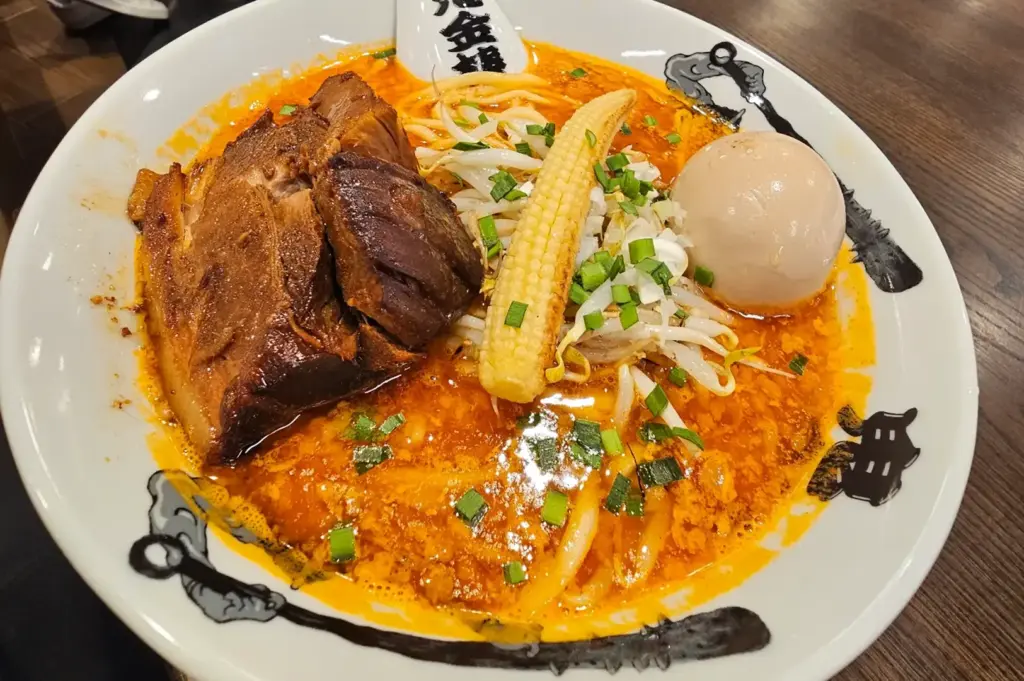
Braised pork belly contributes tenderness and savoury richness. Bean sprouts introduce crunch, while baby corn provides another textural contrast.
These components matter because a heavily seasoned bowl risks becoming repetitive.
Different textures help keep each mouthful interesting.
Is Kikanbo Worth the Heat?
Kikanbo occupies an interesting position in Singapore’s ramen scene.
Its spicy miso identity is distinctive, and its customizable heat levels make the experience approachable without abandoning its more adventurous character.
Still, richness has consequences. Diners who prefer lighter shoyu or delicate chicken broths may find this style overwhelming.
Our assessment is straightforward: Kikanbo is worth exploring for its layered spice concept, not merely its highest heat setting.
The real achievement is making chili, miso, seafood stock, and peppercorns work within one bowl.
We would rather appreciate that construction than turn dinner into an endurance contest.
Because the best spicy ramen should leave us remembering its flavour.
Not just how much our tongues suffered.