Suparakki Ramen Review: Finding Balance in a Tonkotsu Bowl
Tonkotsu ramen has a reputation for being obvious.
The broth is usually the first thing people notice. Cloudy. Rich. Heavy with pork aroma. It announces itself before the first sip reaches the mouth.
But a good tonkotsu bowl is not about how intense it can become.
It is about control. That is where we begin with Suparakki Ramen.
In a city filled with ramen shops competing for attention, tonkotsu is an easy style to understand but a difficult one to execute. The ingredients are familiar. The expectation is clear. Yet the margin for error is small. Too much fat and the broth becomes tiring. Too little depth and it feels empty.
A successful tonkotsu bowl has to know when to stop.
The First Sip Reveals the Direction
When we approach a tonkotsu ramen, the first sip tells us where the bowl is heading.
The broth should have body, but not simply thickness. Richness should come from extraction and balance, not just added heaviness. The pork character should be present without becoming overwhelming.
With Suparakki, the experience begins with familiarity.
This is a bowl built around the comfort people expect from tonkotsu: a creamy broth, savoury depth, and the kind of warmth that makes the style popular worldwide.
The important question is whether the richness stays enjoyable beyond the opening spoonful.
Where Broth Meets Noodles
Tonkotsu depends heavily on its noodles.
A rich broth needs a noodle that can stand against it. Too soft, and the noodle disappears into the soup. Too delicate, and the texture loses its role in the bowl.
We pay attention to that relationship.
The noodle should carry the broth while still maintaining its own character. Each bite should have contrast: the smoothness of soup, the resistance of the noodle, and the texture of toppings working together.
That interaction is what separates a bowl that is simply filling from one that feels complete.
The Challenge of Familiar Ramen
The difficulty with reviewing a familiar style is that there is nowhere to hide.
Tonkotsu does not rely on surprise. It relies on execution.
A chef cannot distract the diner with unusual ingredients or complicated presentation. The broth has to hold. The seasoning has to remain balanced. The aroma has to invite another sip rather than overwhelm the senses.
This is why we find tonkotsu fascinating.
The style appears simple, but every decision is exposed.
A Bowl Built Around Comfort
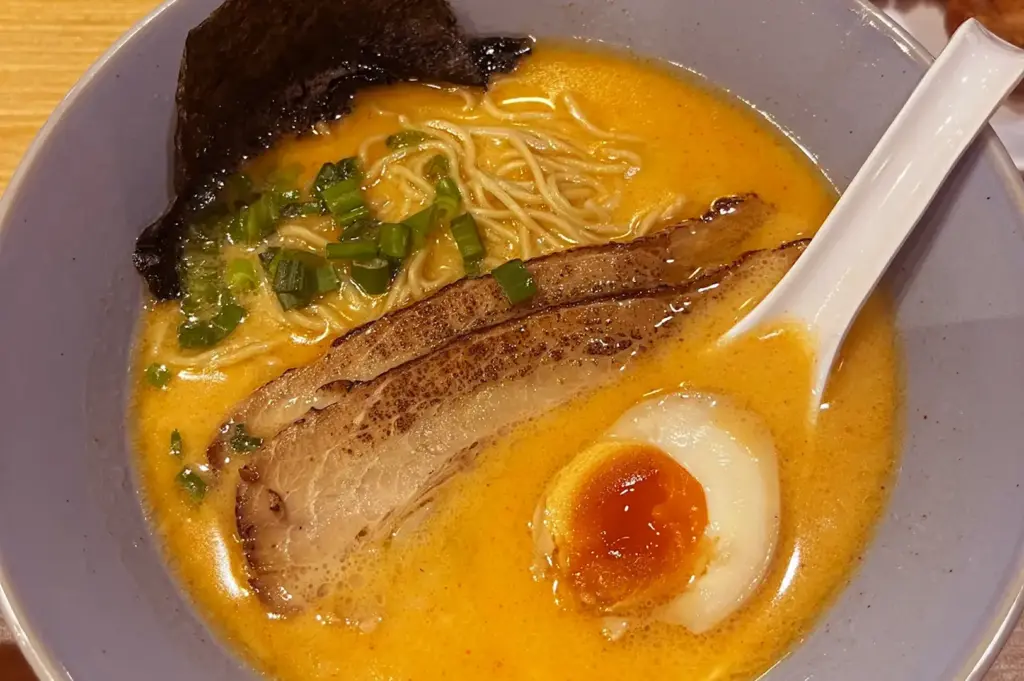
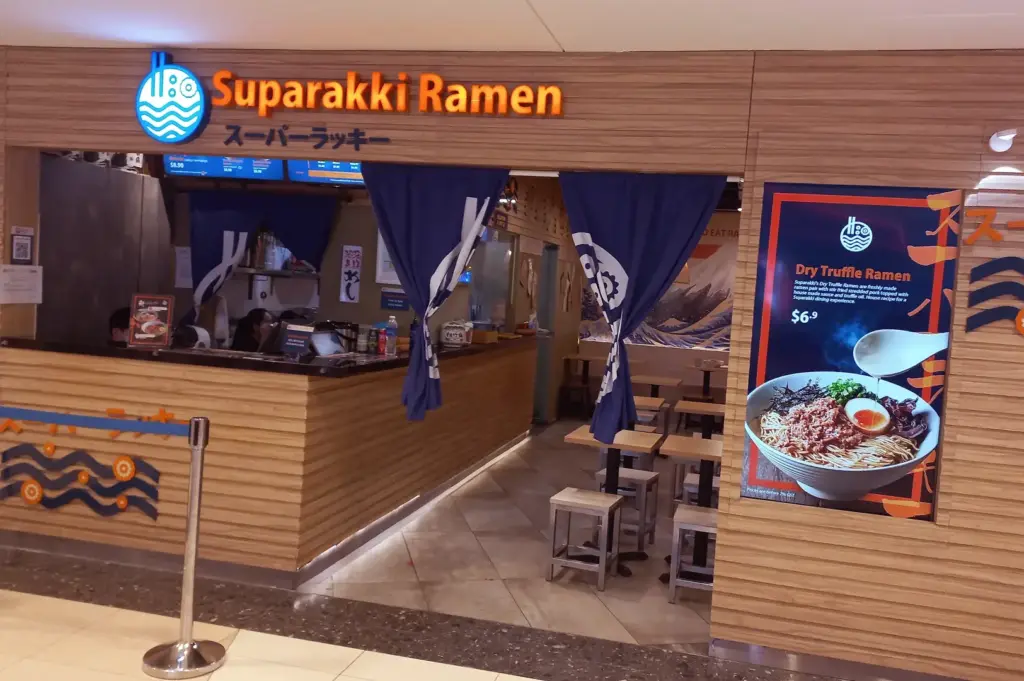
Suparakki Ramen represents a familiar side of ramen, one built around the appeal of tonkotsu rather than reinvention.
For diners looking for a straightforward bowl with the defining qualities of pork bone ramen, that familiarity is part of the attraction.
The best tonkotsu does not need to chase trends. It does not need to become something else. It simply needs to deliver a bowl where broth, noodles, and toppings understand their roles.
Because in ramen, richness is easy to create. Balance is the harder achievement.
And that is always what we look for in a bowl.