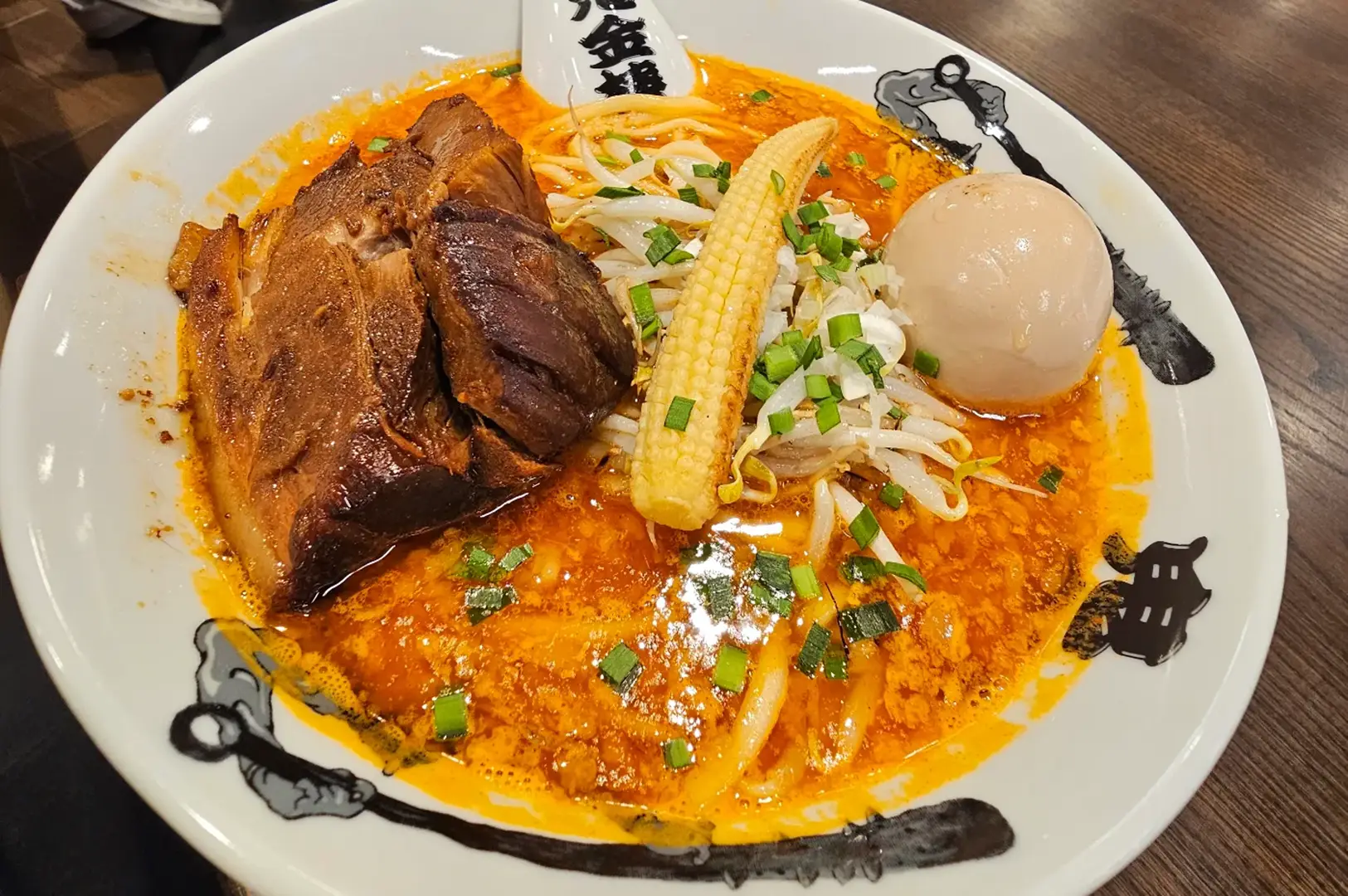
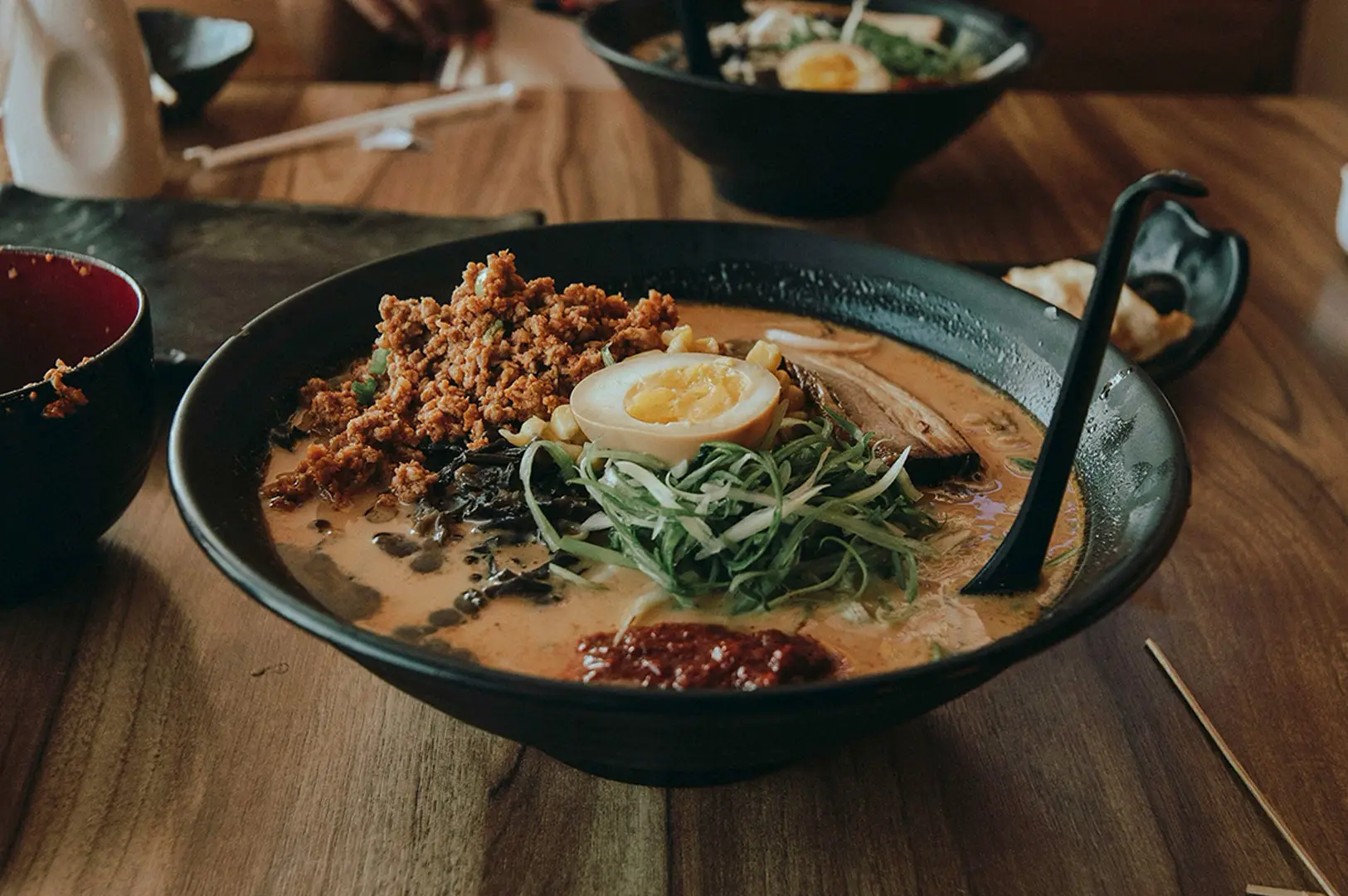
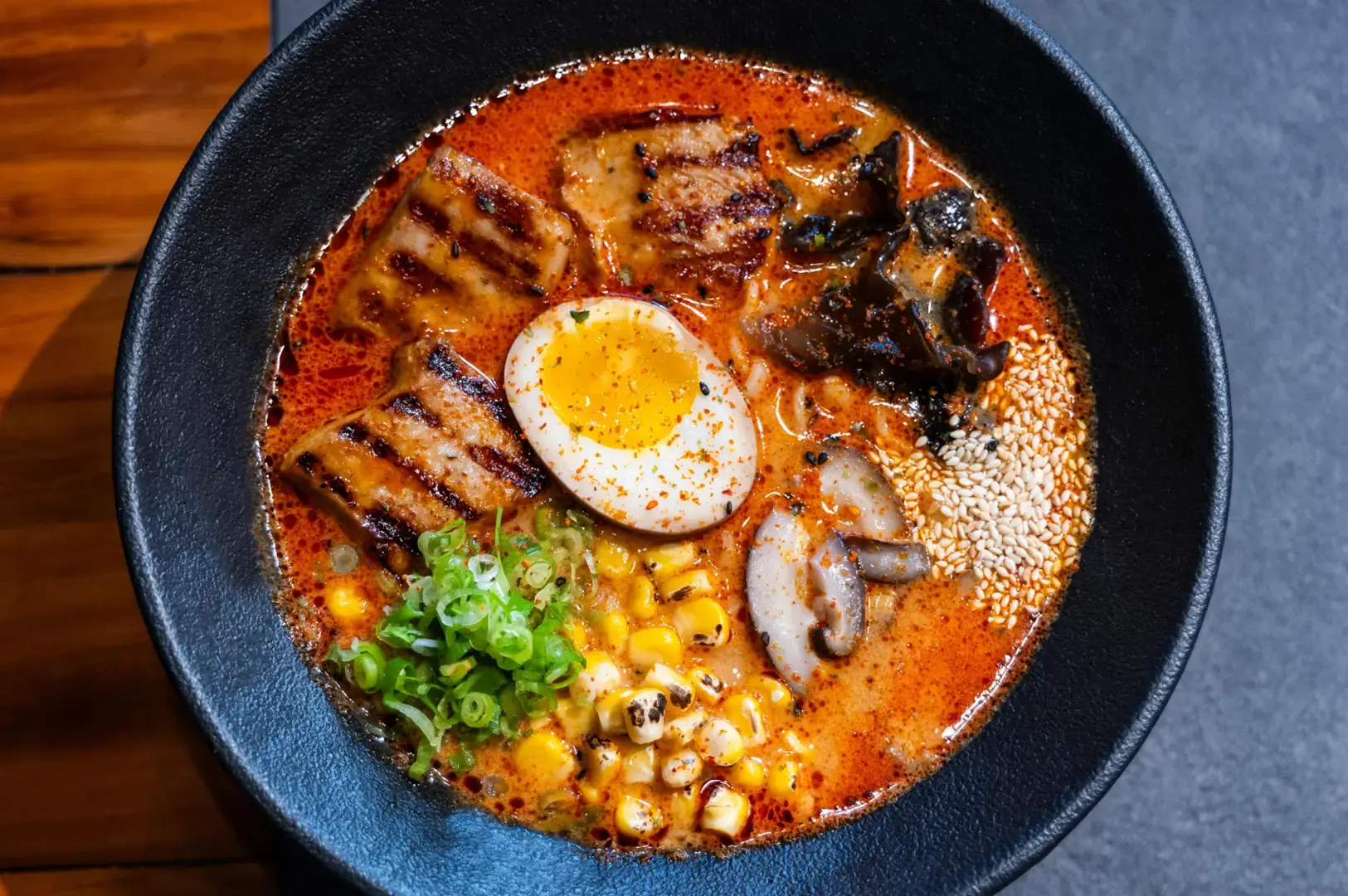
The first time I ordered tantanmen, I braced myself for a mala-style burn. What I got was quieter. The soup was pale orange, thick with Asian sesame paste, and a slick of red oil moved slowly across the top. The heat came, but it came late, and something nutty and soft held it in place.
I remember thinking I’d ordered the wrong dish. I hadn’t. I just didn’t understand it yet. This guide covers what I’ve learned since then, from ramen shops and from my own kitchen, including accessible recipes for home cooks.
What Is Tantanmen Ramen?
Tantanmen ramen is Japan’s take on Sichuan dan dan noodles. The familiar version has four parts: a savory ground pork-based soup broth, chili oil, springy ramen noodles, and seasoned minced meat, usually ground pork or other meat.
The Japanese bowl usually starts from chicken stock. Sesame paste, soy sauce, rice vinegar, garlic, and ginger build on that sauce base, and some recipes add unsweetened soy milk for creaminess. Green vegetables like bok choy or spinach are added for freshness.
For those interested in exploring more spicy ramen options with rich broth and intense heat, check out my detailed guide on spicy ramen in Singapore at https://ramentale.com/spicy-ramen-singapore-broth-heat-noodles/.
Tantanmen vs Sichuan Dan Dan Noodles
They’re related, but they aren’t the same dish.
Sichuan dan dan noodles are traditionally sauce-focused, with little or no soup. They lean harder on chili and numbing Sichuan peppercorns, and they’re served on Chinese wheat noodles. Japanese tantanmen became soupier and creamier, with a rounder heat and sesame up front.
I find it helps to think of tantanmen as a translation, not an invention. The idea traveled, and each place kept the parts that made sense to it.
Three Styles You’ll Meet
Soup tantanmen. This is the creamy sesame bowl most people picture first. It’s the easiest starting point, served as a hot broth soup.
Shirunashi tantanmen. This version has no broth. Cooked noodles are tossed with concentrated sesame sauce, savory ground pork, vinegar, and chili oil. It’s more intense and focuses on the chew.
Black sesame tantanmen. Black sesame paste makes it darker and earthier. It’s sometimes served chilled.
The Ramen Knowledge: On a menu, “Tantanmen,” “Dan Dan Noodles,” and “Shirunashi” can point to quite different bowls. Read the description before you order.
Sesame Paste, Neri Goma and Chili Oil: What Shapes the Soup Broth

Most of the character comes from the Asian sesame paste. Japanese neri goma gives a roasted, nutty depth. Chinese sesame paste works well as a substitute. Tahini will do in a pinch, though it tastes a little lighter and less toasted.
Chili oil brings warmth and aroma. Chili bean paste (doubanjiang) adds heat, salt, and fermented depth. Sichuan peppercorns, when they’re used, add the tingle. The sesame softens all of it, which is why a red-looking bowl can taste gentler than you’d expect.
Unsweetened soy milk adds body. It’s common in home recipes but not essential. Oat milk works, though it shifts the sweetness.
How to Choose Your Bowl
My usual order of thinking goes like this:
Soup or no soup? Choose soup for comfort and shirunashi for concentrated flavor.
Start at regular spice. You can add chili oil later. You can’t take it out.
Ask three questions. How spicy is the regular bowl? Does the broth contain pork or peanuts? Can the chili oil come on the side?
If you want something light and clear, tantanmen probably isn’t the bowl for that day. Shio ramen is seasoned mainly with salt-based tare, so the broth itself stands out. Tantanmen sits at the other end: rich, nutty, and built in layers.
How to Make Tantanmen Ramen at Home With Fresh Ramen Noodles

This takes about 30 to 45 minutes and serves two.
You’ll need: 400 ml chicken stock, 200 ml unsweetened soy milk, 3 tbsp Asian sesame paste, 1 to 1½ tbsp soy sauce, 1 to 2 tsp rice vinegar, 1 to 2 tsp chili oil, 180 to 200 g savory ground pork or other meat, 2 cloves minced garlic, 1 tsp grated ginger, 1 to 2 tsp chili bean paste, 1 tsp neutral oil, 2 portions of fresh ramen noodles, 2 small heads of green vegetables like bok choy, 2 green onions, and sesame seeds.
Cook the meat. Heat the oil in a skillet over medium heat. Stir-fry the garlic and ginger, then add the meat and cook until browned. Ground pork should reach 71°C and poultry 74°C. Add the chili bean paste and 1 tsp of the soy sauce, then cook for one more minute.
Loosen the sesame. In a medium bowl, whisk the Asian sesame paste, the rest of the soy sauce, and the rice vinegar with a splash of hot water or warm chicken stock until smooth.
Warm the broth. Heat the chicken stock, then add the soy milk over medium-low heat. Don’t let it boil hard, or it may separate. Whisk in the sauce base.
Cook the noodles and greens separately. Blanch the green vegetables in boiling water. Cook the noodles according to the package instructions and drain them well.
Assemble. Place the noodles in the bowls, pour over the hot soup, and top with the savory ground pork, green vegetables, green onions, sesame seeds, and chili oil.
Ramen Lover’s Tip: Taste before adding more soy sauce. Stock, miso, and chili bean paste already carry plenty of salt.
For a vegetarian version, swapping the meat for mushrooms or tofu isn’t enough. You also need vegetable stock, and you should check the labels on the doubanjiang and sauces.
Where to Find Singapore Tantanmen

ENISHI, at 10 Anson Road, #02-85A, International Plaza, began in Kobe. It’s a small counter of about ten seats, and its Dan Dan Noodles lean toward a concentrated sauce with thicker noodles. They were previously listed at around S$19.80, so check the current price. Hours are split: lunch runs 11 am to 3 pm daily, and dinner runs 6 pm to 9 pm Sunday to Wednesday and 5:30 pm to 9:30 pm Thursday to Saturday. I’d go early, because service can end when the day’s preparation runs out.
Takagi Ramen takes a different route. Its tantanmen uses a spicy, peanut-infused tonkotsu broth with pulled pork, spring onions, and peanuts as toppings, and it was listed at around S$11.90 in 2026. Some outlets offer S$12.90 sets on delivery menus, but promotions vary by branch. If you have a peanut allergy, ask first.
You may see Nakiryu in older guides. Its Plaza Singapura outlet has closed permanently.
Budget roughly S$12 to S$20 a bowl. On days when sesame heat isn’t what you want, a gentler bowl of Japanese ramen noodles in Singapore scratches a similar comfort itch.
Rookie Errors in Tantanmen Making (and How to Fix Them)
Dumping Asian sesame paste straight into the pot. It clumped. Loosen it with warm liquid first.
Boiling the soy milk. It split and turned grainy. Keep the heat gentle.
Adding too much chili oil. It buried the sesame. Add it at the end, a little at a time.
Cooking the noodles in the soup. The starch made the broth gummy. Use a separate pot with hot water.
Ending up with a broth that’s bland or heavy. For a bland broth, add more sesame, soy sauce, or a touch of vinegar. For a heavy one, add green vegetables and a little vinegar.
Spice & Everything Nice: Tantanmen FAQs Unwrapped
Is tantanmen very spicy?
Not necessarily. It can range from mild to extra spicy. Start at regular.Is chicken tantanmen halal?
Not automatically. Broth, sauces, sake-based seasonings including dry sherry, sourcing, and kitchen handling all matter, so check the outlet’s MUIS certification.Does tantanmen contain peanuts?
Sometimes. Takagi’s version does. Ask about sesame and peanuts if you have allergies.Can I use dried noodles or udon?
Yes, but fresh noodles hold their bite better. Medium-thick noodles suit rich and brothless styles. Udon can be a delicious alternative for a different texture.
Slow-Burn Satisfaction: Why Tantanmen Grows on You
That first bowl didn’t give me what I expected. It gave me something slower, with the Asian sesame paste first and the warmth arriving late.
So start at regular spice and taste the broth before you add anything. If you cook it at home, give the soy milk the patience it asks for. Tantanmen doesn’t need to shout to stay with you.