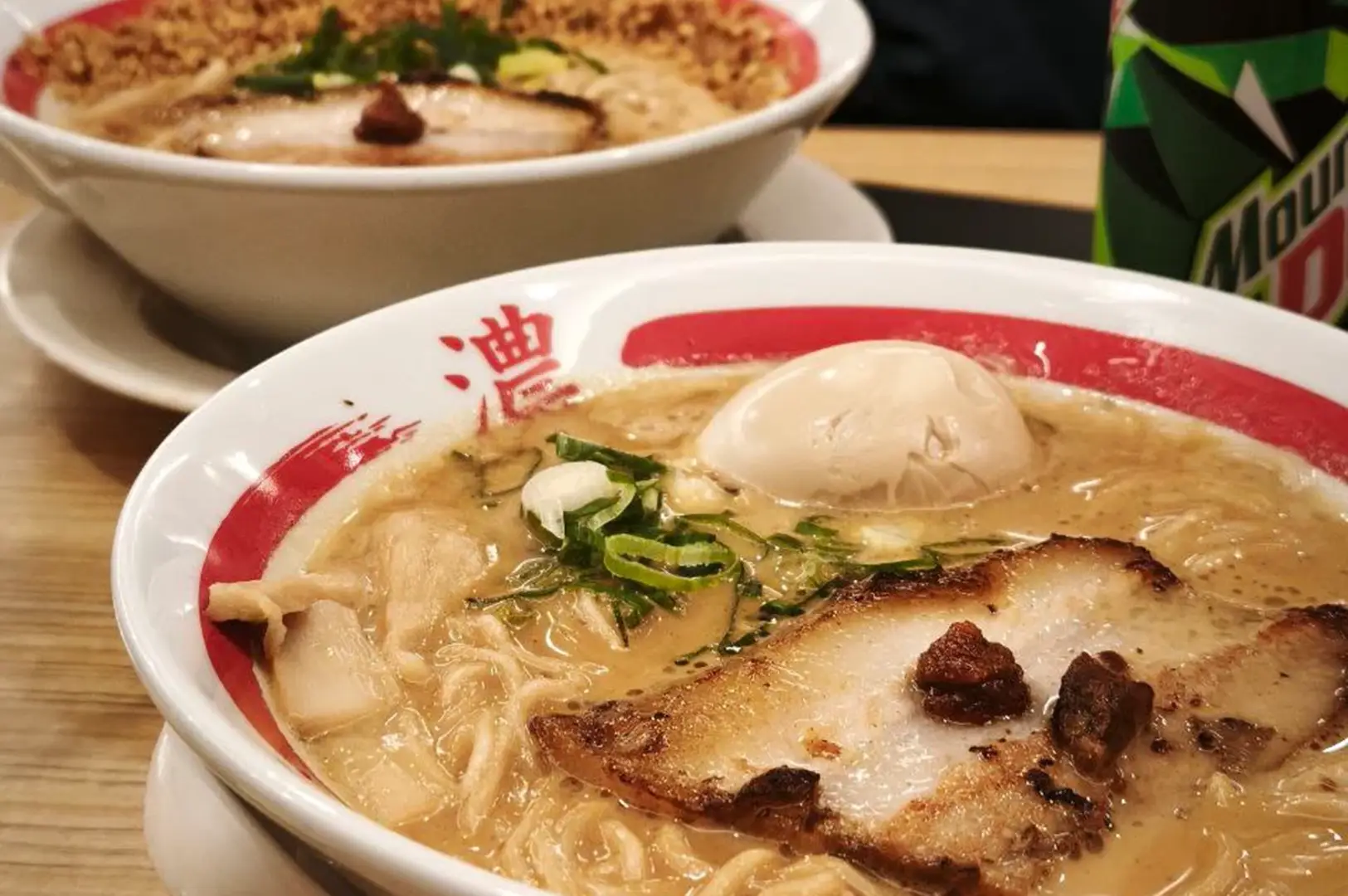
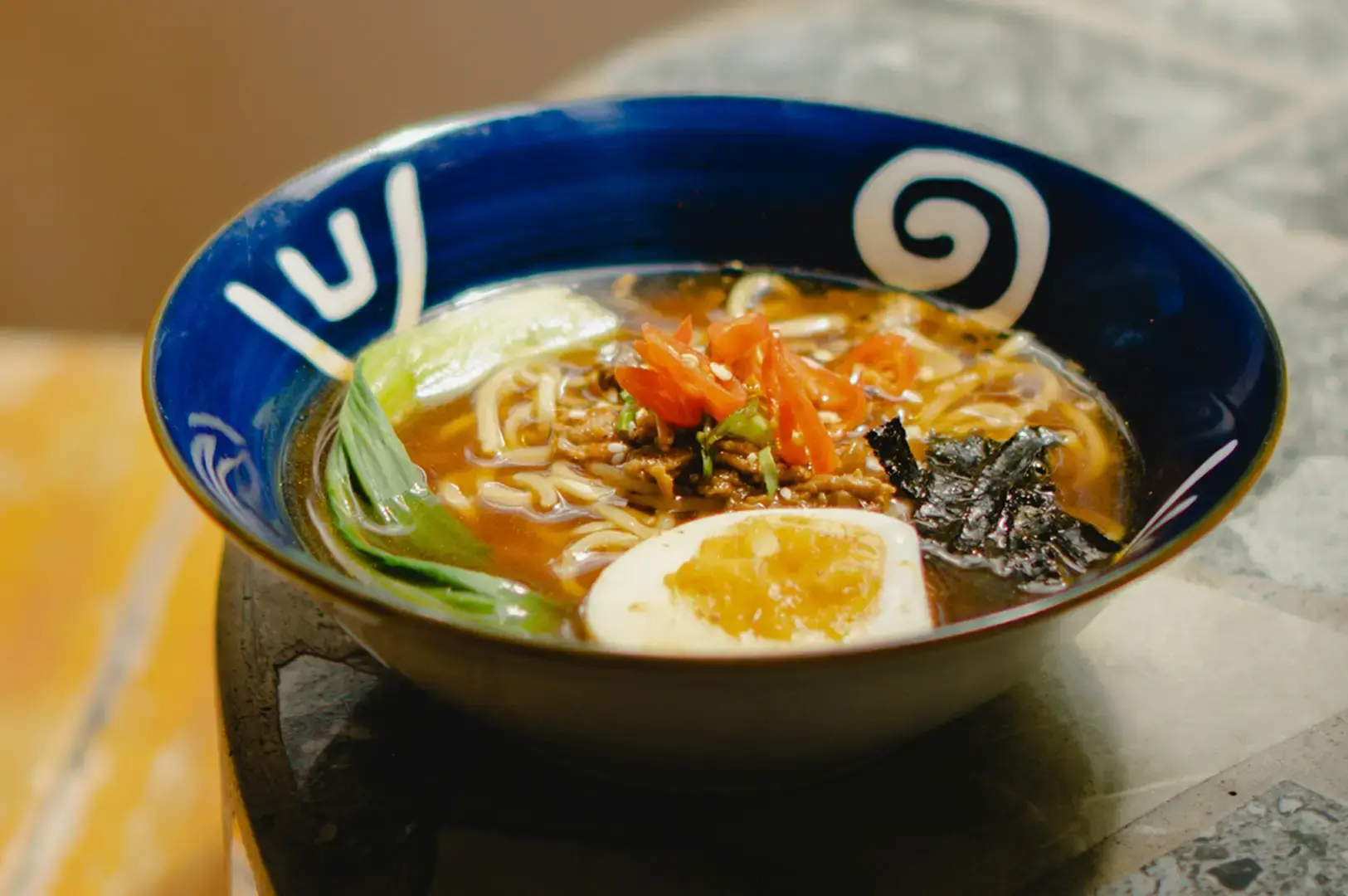
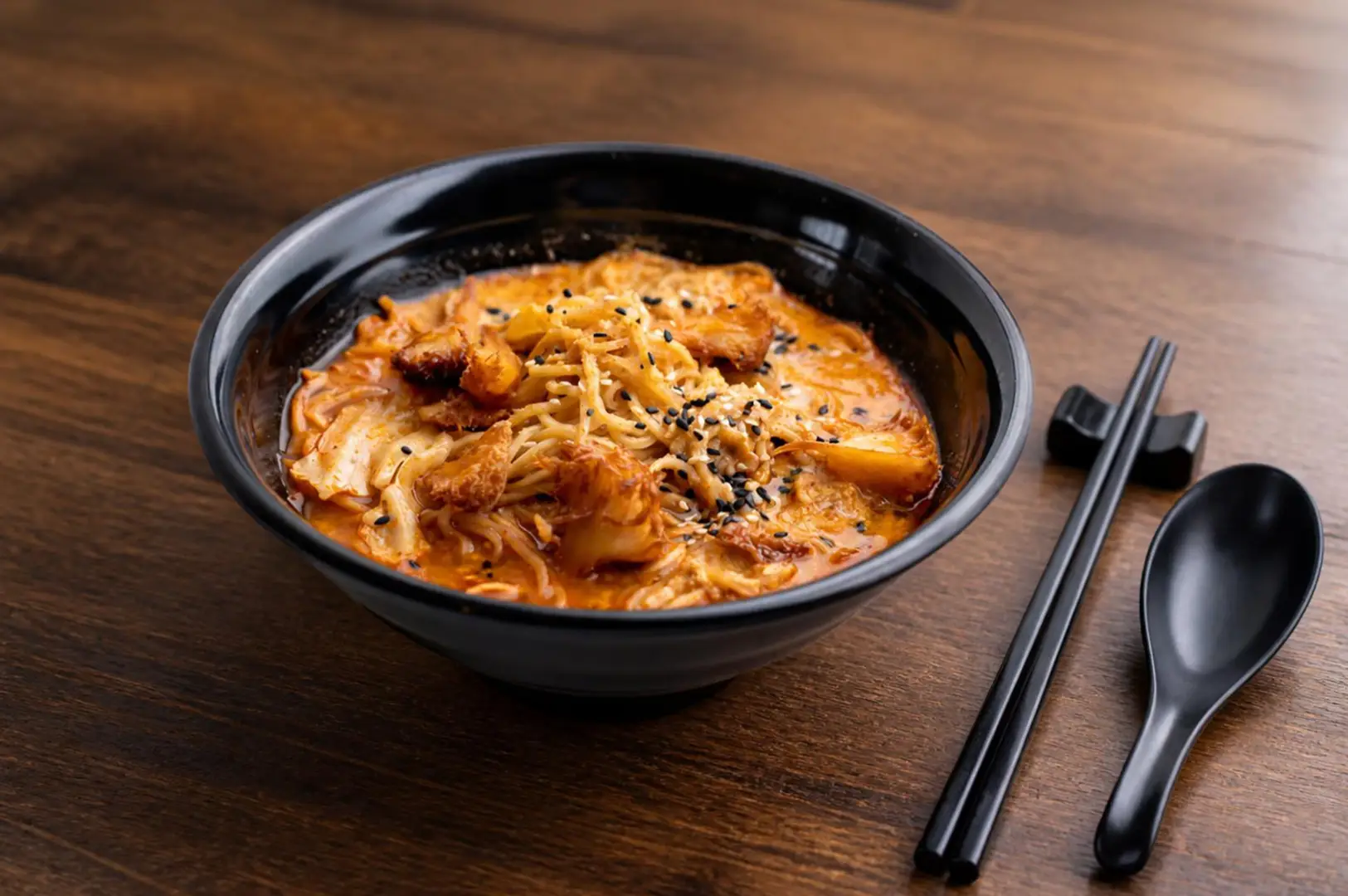
Ramen, with its Japanese roots, often evokes images of Tokyo’s bustling shops or the quiet, serene bowls from Hakata. Malaysia, on the other hand, is known for its powerful and aromatic laksa, nasi lemak, and Hokkien mee. At first glance, these two culinary worlds don’t seem to have much in common. But somehow, ramen found a place amidst the vibrant diversity of Malaysian food culture, slowly weaving its story into the local culinary fabric.
The journey wasn’t instant; it was a slow burn, a fusion of two culinary worlds meeting, adapting, and evolving. It’s a story of blending influences, where the finesse of Japanese technique met the boldness of Malaysian flavors, creating something entirely new.
The First Meeting: Japanese Precision Meets Malaysian Boldness
When ramen first arrived in Malaysia, it was a stranger: refined and foreign in comparison to the local dishes that were so ingrained in the country’s food scene. Japan’s ramen was focused on clarity, precision, and purity: qualities that initially felt a bit too distant from Malaysia’s energetic, loud flavors. In Malaysia’s bustling kitchens, ramen found itself up against the likes of sambal, curry, and stir-fried dishes that demanded attention.
But Malaysia, a country renowned for its culinary ability to embrace, adapt, and experiment, didn’t take long to find its own interpretation of ramen. The intricate Japanese techniques began to mingle with Malaysia’s love for vibrant, bold spices, creating a fresh take on the beloved dish. Slowly but surely, the two worlds began to meet in the middle, setting the stage for what would become Malaysian ramen.
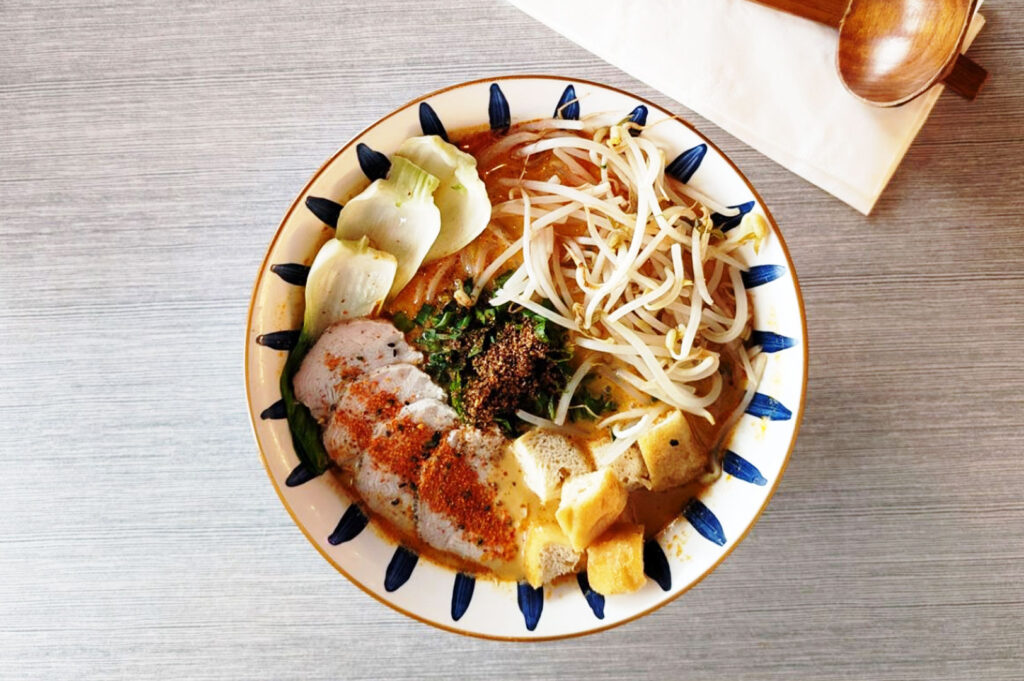
From Broth to Bowl: The Malaysian Twist
The broth, as with any great ramen, was where the magic began. In Japan, broth is typically clear, savory, and understated, allowing each ingredient to shine through. Malaysia, however, craved something deeper, richer, and more complex. It didn’t take long before elements of local soups, like the tangy laksa broth, began to influence ramen bowls. Laksa, with its coconut milk, spicy base, and fragrant herbs, became the perfect partner for the rich, hearty tonkotsu.
Ingredients like lemongrass, kaffir lime, and turmeric started to find their way into ramen bowls, transforming the flavor profile into something new—vibrant, spicy, and distinctly tropical. The broth was no longer just about richness; it was about layers of complexity, creating a dynamic contrast to the usual clarity of Japanese ramen broths.
As the years went on, sambal, Malaysia’s beloved chili paste, started to sneak into ramen bowls. Its fiery, aromatic kick offered a surprising balance to the creamy tonkotsu, adding a heat that enhanced the richness of the broth. The addition of these bold local ingredients didn’t just change the taste; they reshaped what ramen meant in Malaysia.
Noodles and Toppings: The Art of Fusion
Ramen noodles, in their simplest form, are made from just wheat, water, and kansui. But in Malaysia, the noodles began to reflect the local palate and the culinary techniques that define the region. Malaysia’s fondness for stir-fried noodles like Hokkien mee and char kway teow led to the development of thicker, chewier noodles in some ramen shops. These noodles weren’t just a vessel for the broth—they became a central part of the dish, absorbing the spice, heat, and fragrance of the broth.
And the toppings? Well, Malaysia’s ramen isn’t shy. The toppings became a celebration of the country’s culinary diversity—crispy fried shallots, soft-boiled eggs marinated in soy sauce and local spices, fresh herbs like cilantro and Thai basil. These additions didn’t just add texture; they brought new layers of flavor, complementing the bold broth and transforming the ramen experience into something uniquely Malaysian.
Malaysian Ramen Today: A Dish for the People
Ramen in Malaysia has come a long way from its Japanese origins. Today, it’s not just a fusion dish, it’s a part of the country’s culinary landscape, woven into the food culture alongside laksa and nasi lemak. From humble hawker stalls to trendy upscale restaurants, Malaysian ramen reflects the multicultural identity of the nation. It respects the techniques of Japanese ramen but embraces local flavors, creating a dish that feels both familiar and new.
What started as a simple fusion experiment has blossomed into something far more significant: a love story between two culinary traditions that, when blended, create something wholly original. It’s a story about harmony: about taking what’s best from both worlds and finding a balance that works.
As you enjoy your next bowl of Malaysian ramen, take a moment to reflect on the journey behind it. It’s not just a fusion of ingredients, but a story of two culinary traditions coming together to create something entirely unique. This bowl of ramen is a testament to the rich cultural exchange between Japan and Malaysia, an evolving narrative that continues to shape the way we experience food.
For more stories like this and a deeper dive into the world of ramen, be sure to explore Ramen Tale, where we uncover the flavors, traditions, and experiences that make ramen a global sensation.