Laksa Ramen Only Works When the Broth Knows What It’s Doing
The first bad laksa ramen I had taught me something important.
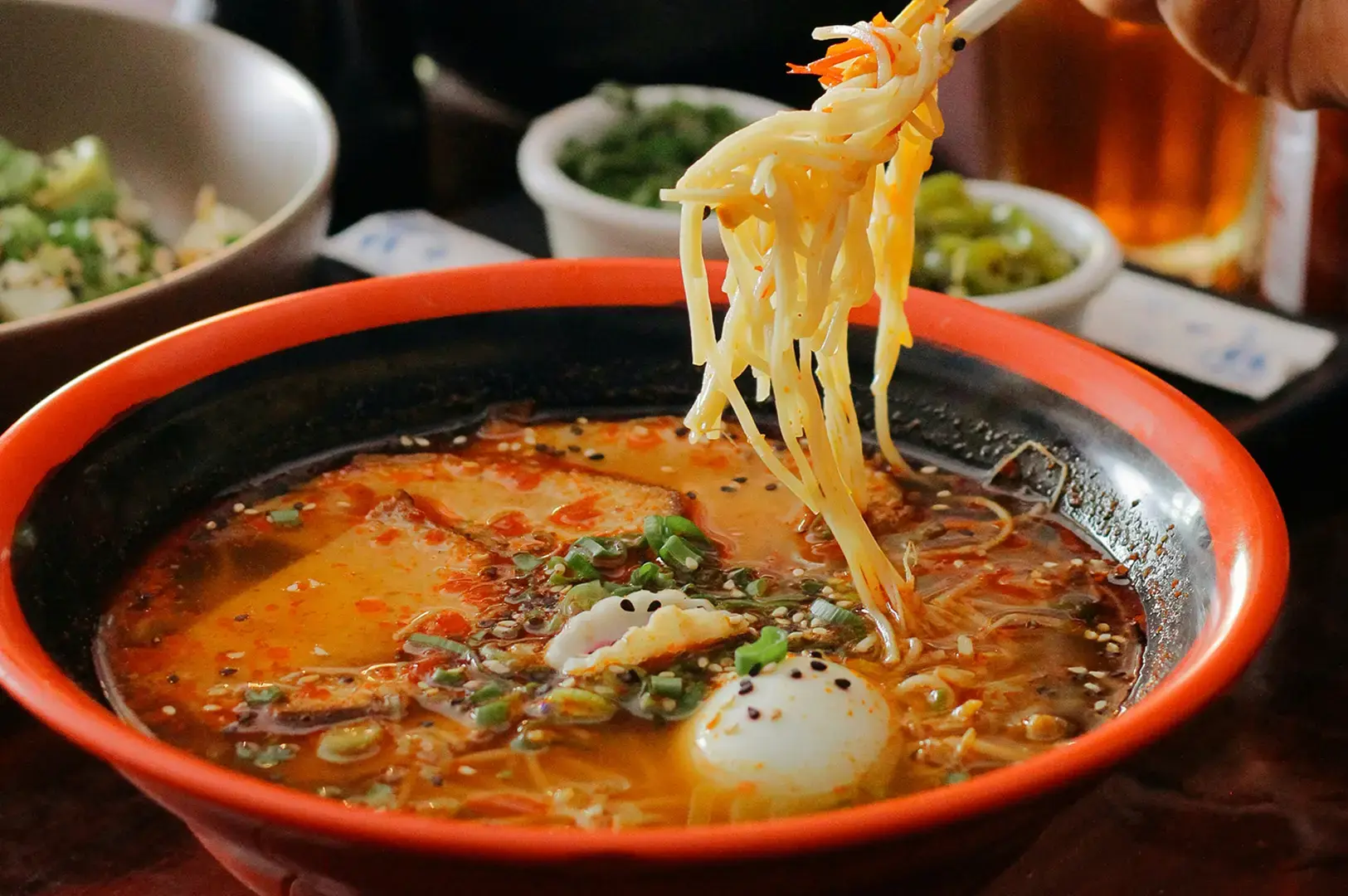
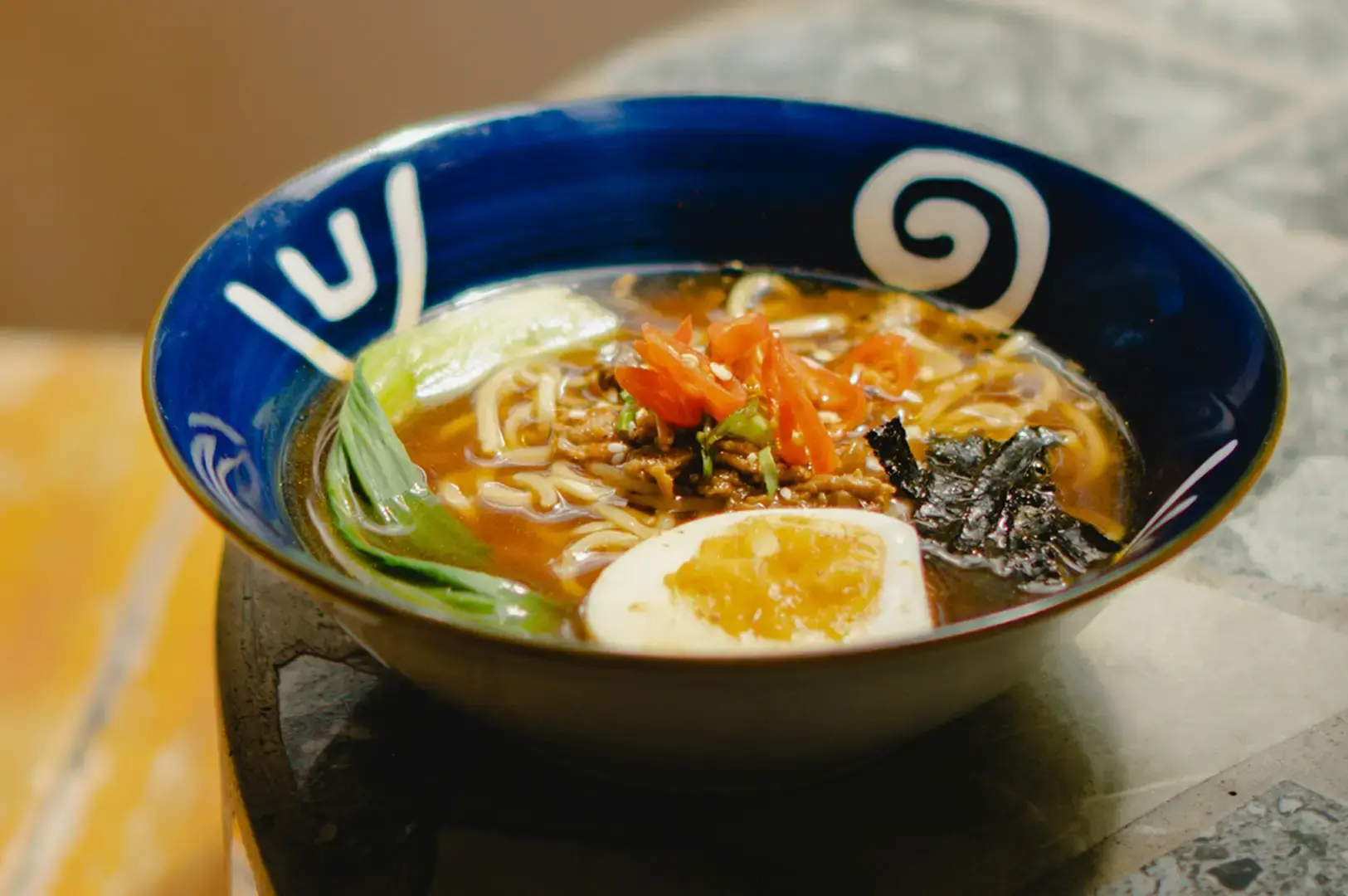
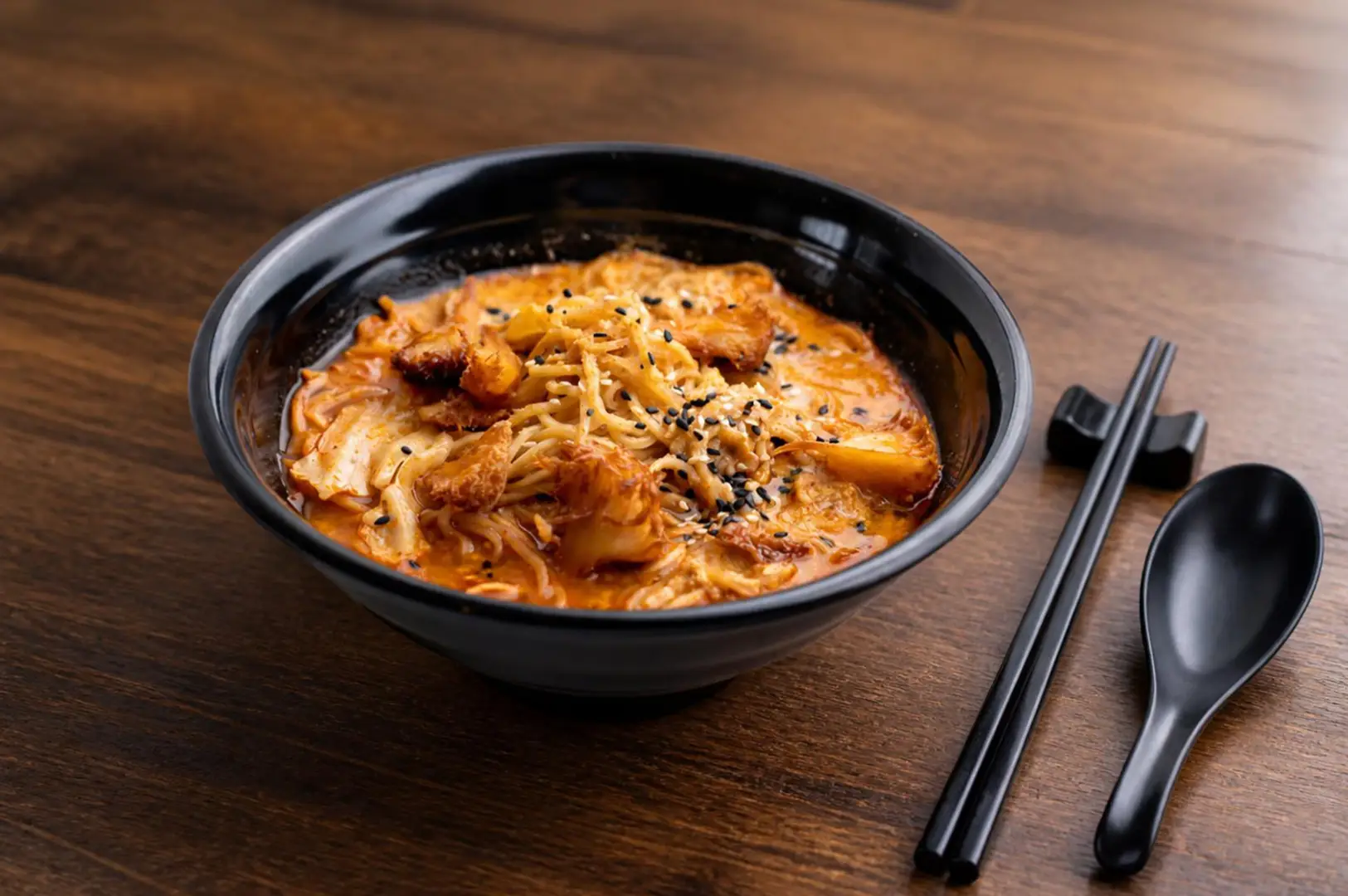
It arrived looking impressive enough — bright orange broth, chili oil shimmering across the surface, prawns stacked neatly beside a soft-boiled egg. On paper, it sounded exciting. In practice, it tasted confused.
The broth was heavy in the wrong places. Coconut milk flattened everything after the third sip. The noodles disappeared beneath the spice. It wasn’t ramen anymore. It was laksa poured over ramen noodles and treated like innovation.
That distinction matters more than people think.
Because when laksa ramen works, it can be one of the most satisfying bowls in Southeast Asia. But it only works when the broth understands ramen structure first.
Laksa Is Already a Powerful BrothLaksa Is Already a Powerful Broth
Traditional laksa doesn’t need help getting your attention.
Coconut milk adds body almost immediately. Sambal contributes heat and fermented depth. Dried shrimp brings salinity and aroma that lingers long after the bowl is finished. Even before noodles enter the equation, laksa is already carrying enormous weight.
That’s where many ramen shops lose control.
They assume intensity alone equals flavor. So the broth becomes thicker, saltier, spicier. Every component pushes harder than the last until the bowl turns exhausting halfway through.
Ramen doesn’t work like that.
A good ramen broth is structured to keep you drinking. The first sip should invite the second. Richness needs tension. Fat needs lift. Salt needs restraint.
Laksa ramen succeeds when it remembers this.
The Noodle Problem
The noodles tell you quickly whether the bowl understands itself.
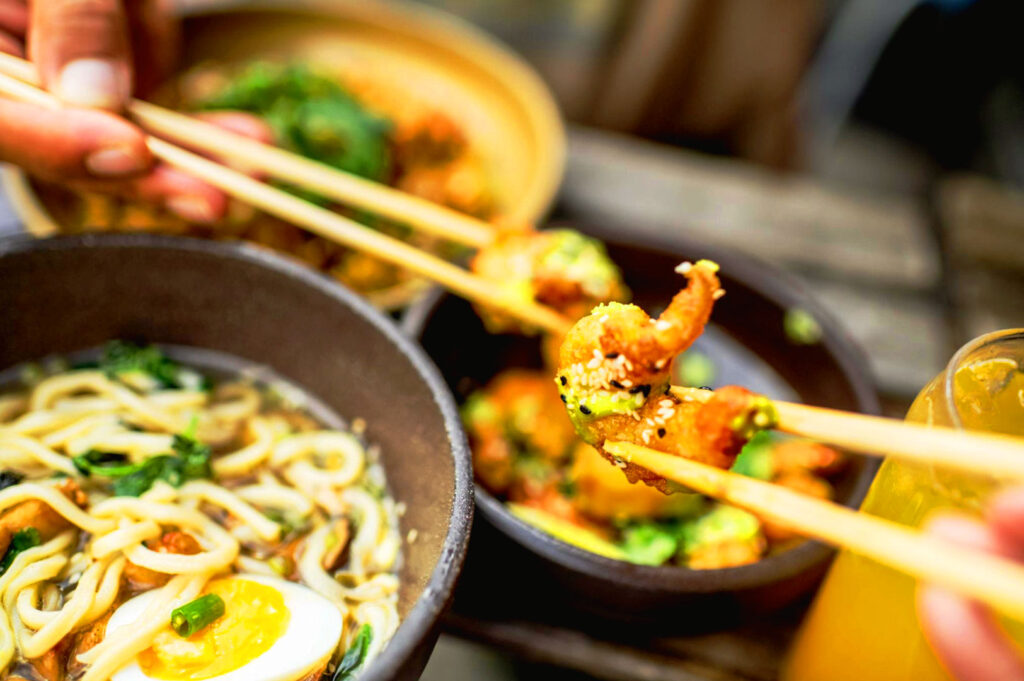
I’ve had laksa ramen where low-hydration Hakata-style noodles vanished after two minutes in the broth. The coconut fat softened them too quickly. The texture collapsed before the bowl found rhythm.
Then I’ve had bowls using slightly thicker, higher-hydration noodles with more elasticity. Suddenly the broth had resistance to push against. The noodles carried spice differently. The bowl stayed balanced longer.
That balance matters.
Laksa broth is naturally heavier than most ramen broths. If the noodle lacks structure, the bowl becomes one-dimensional fast. Every bite feels soft, dense, overwhelming.
Good laksa ramen needs noodles that can survive the broth without fighting it.
Spice Alone Isn’t Complexity
One of the most interesting laksa ramen bowls I tasted barely relied on heat at all.
Instead, the shop focused on aroma. The broth carried dried shrimp, chicken stock, and coconut milk in careful proportion. Chili oil sat lightly on the surface rather than dominating the pot. Kaffir lime added lift near the finish.
The bowl tasted layered instead of loud.
That’s the difference between understanding Malaysian flavor and simply adding Malaysian ingredients. Sambal, curry paste, and coconut milk are powerful tools, but ramen demands proportion. Otherwise every component competes for attention.
The best bowls know when to stop pushing.
When Laksa Ramen Finally Makes Sense
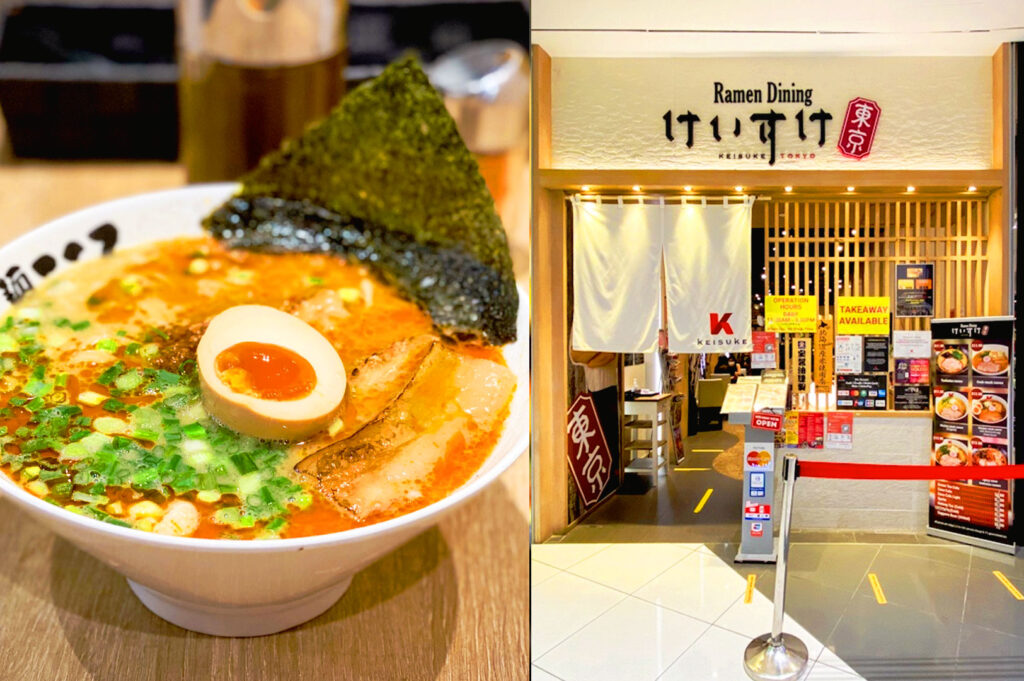
The laksa ramen bowls I remember most never try too hard to announce themselves. They remind us that the most memorable ramen experiences often happen when atmosphere, technique, and flavor move together — the same reason we keep returning to Singapore’s ramen izakaya experiences, where the bowl is only one part of the story.
The broth still behaves like ramen. You can feel the structure underneath the local flavor — the balance between tare, stock, oil, and noodle texture still holding the bowl together. Laksa becomes part of the architecture rather than a replacement for it.
That’s when the fusion stops feeling forced.
Good laksa ramen doesn’t abandon Japanese ramen logic. It builds on top of it. The coconut milk should deepen the broth, not bury it. Sambal should sharpen aroma, not dominate the finish. The noodles should still matter.
Because the moment laksa ramen forgets the structure of ramen, it stops being a bowl you want to finish. And here at Ramen Tale, the bowls we remember most are always the ones that make us want one more sip.