We still remember the first time we got it wrong.
It was a sticky afternoon, the kind where your shirt clings before you even reach the door. We ordered a heavy bowl in a ramen shop because the menu called it the shop’s pride, and we sat there afterward, full to the point of regret, watching the rain finally arrive too late to matter. That bowl wasn’t bad. It just wasn’t right. Not for that day, that weather, that mood.
So this guide isn’t about which ramen is best. It’s about which one fits you, right now. We’ll start with miso and shio — two very different ramen soup comfort. By the end, you’ll know how to read a craving before you read a menu, for your ramen today.
This is for anyone who’s ever frozen at a ramen counter, unsure whether they wanted something loud or something quiet in their serving bowl.
The Quick Answer: Choosing Your Ramen Broth and Ramen Noodles
If you only have a moment before the queue moves:
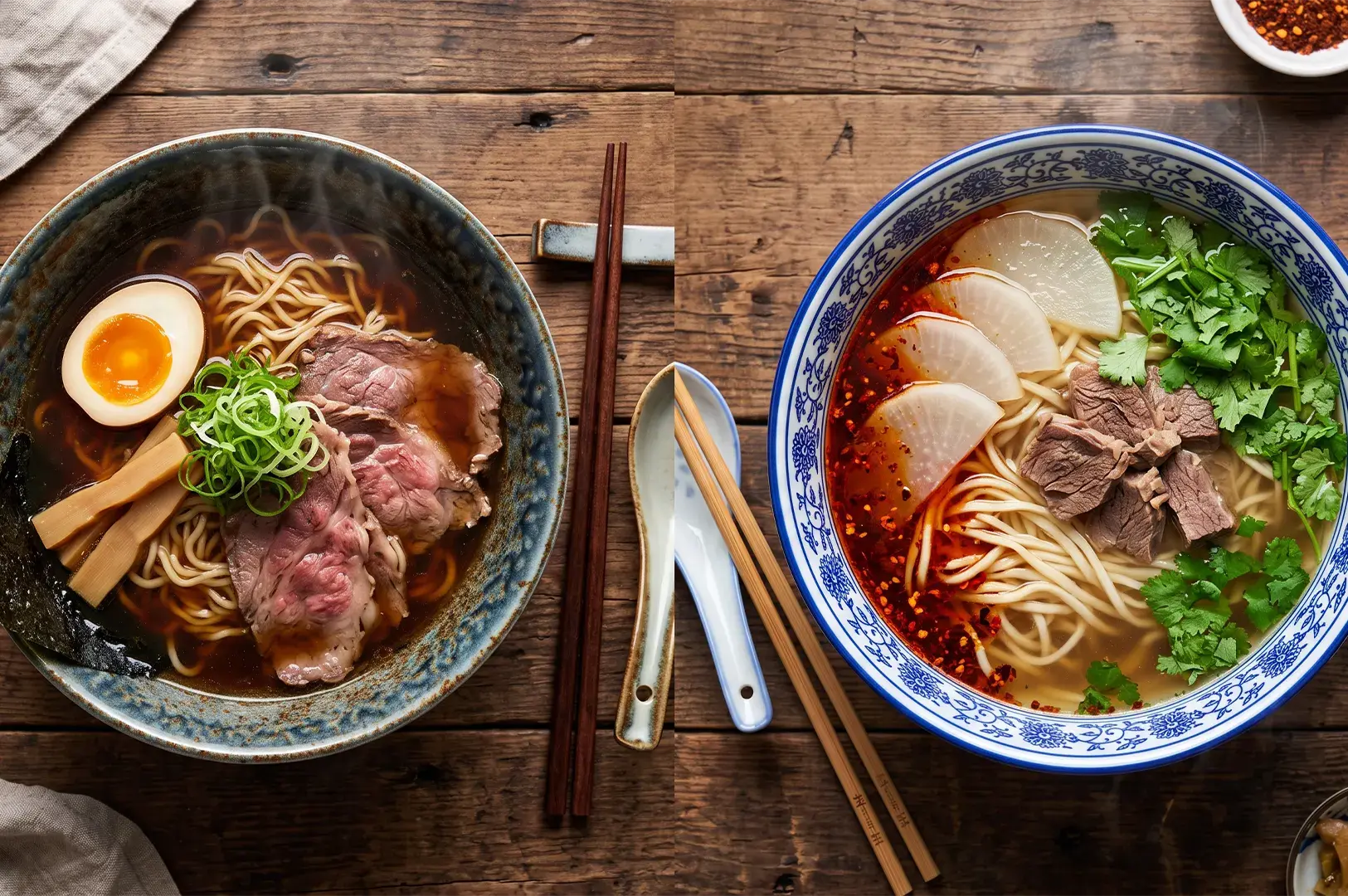
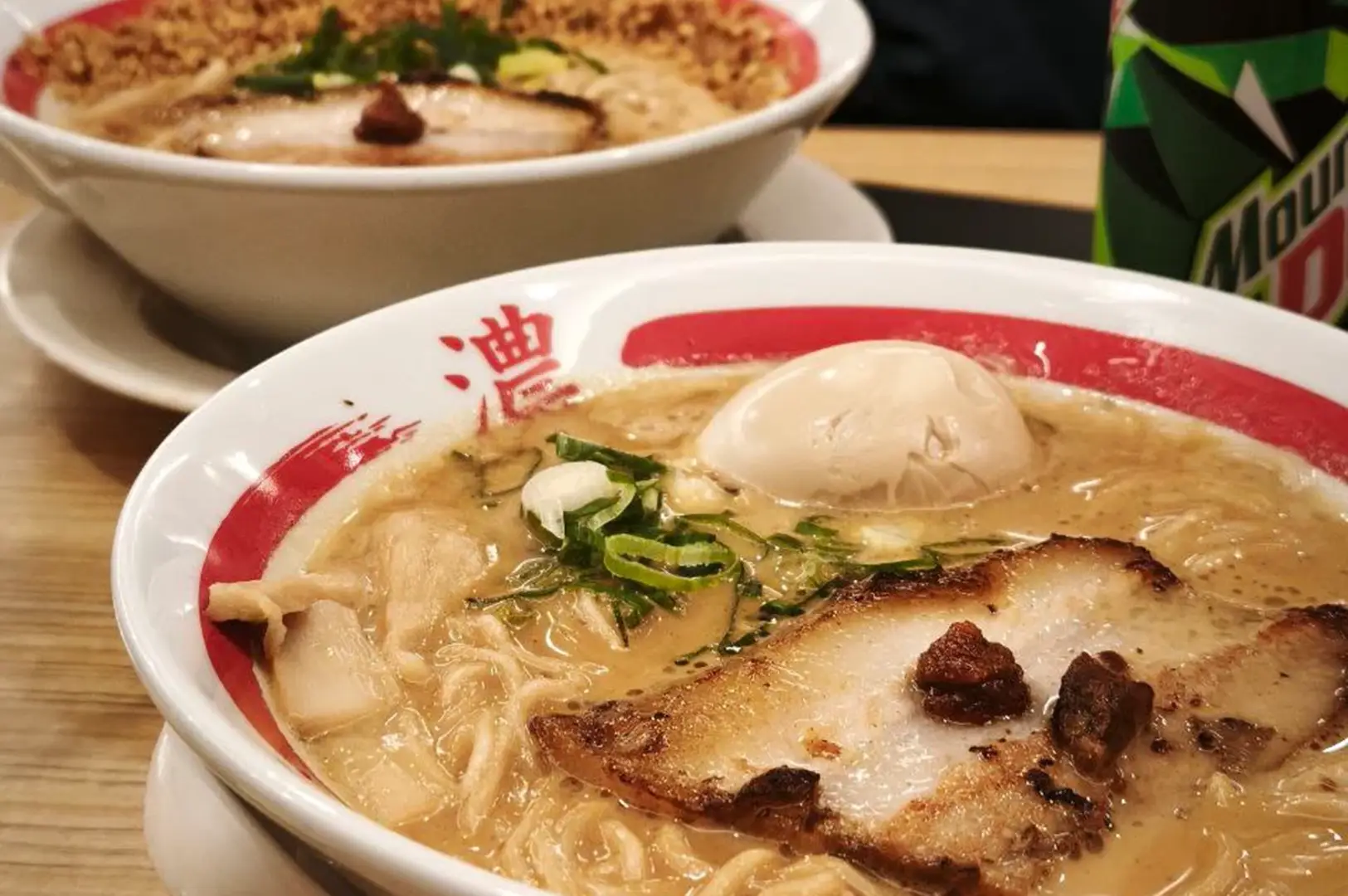
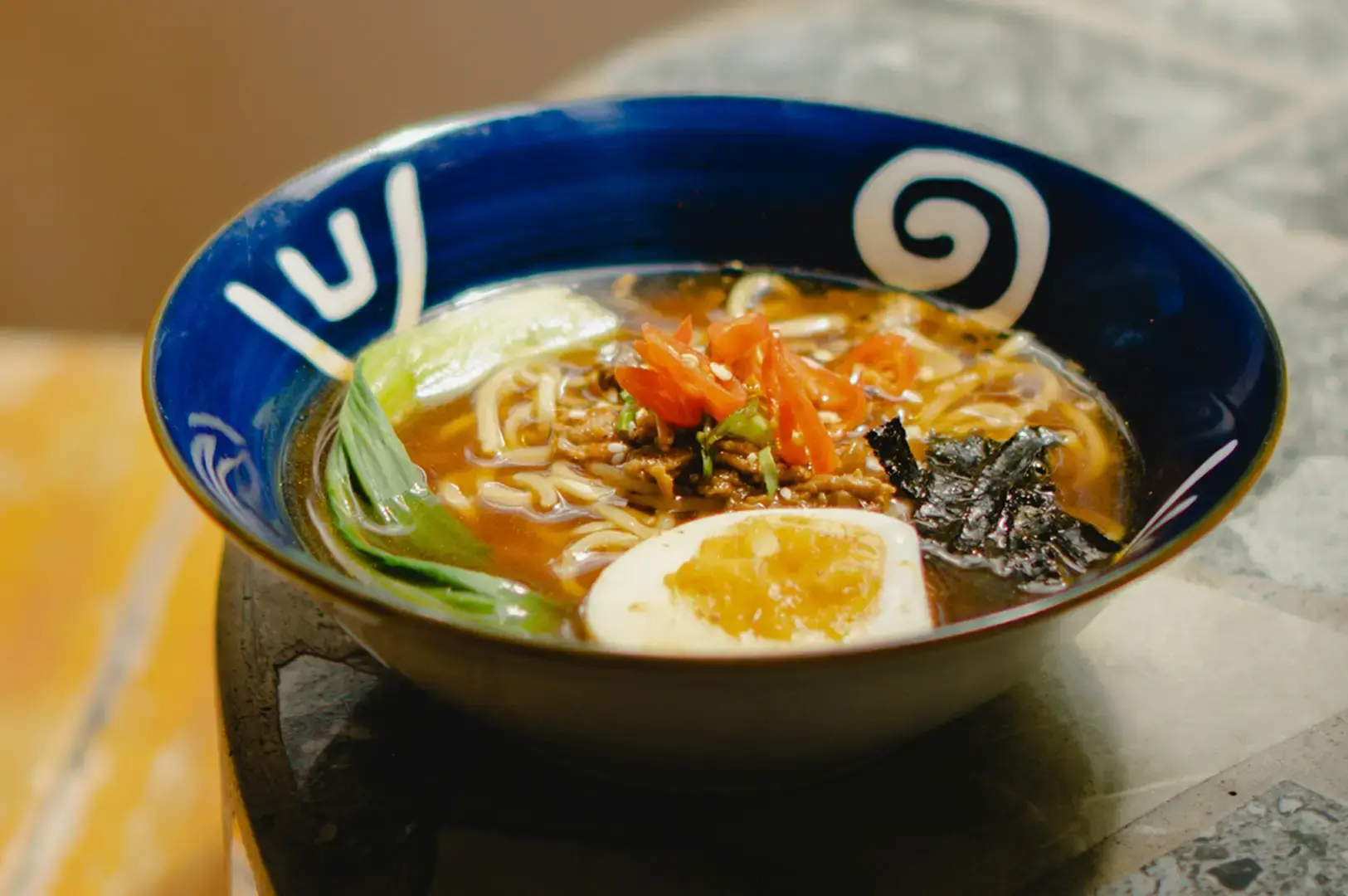
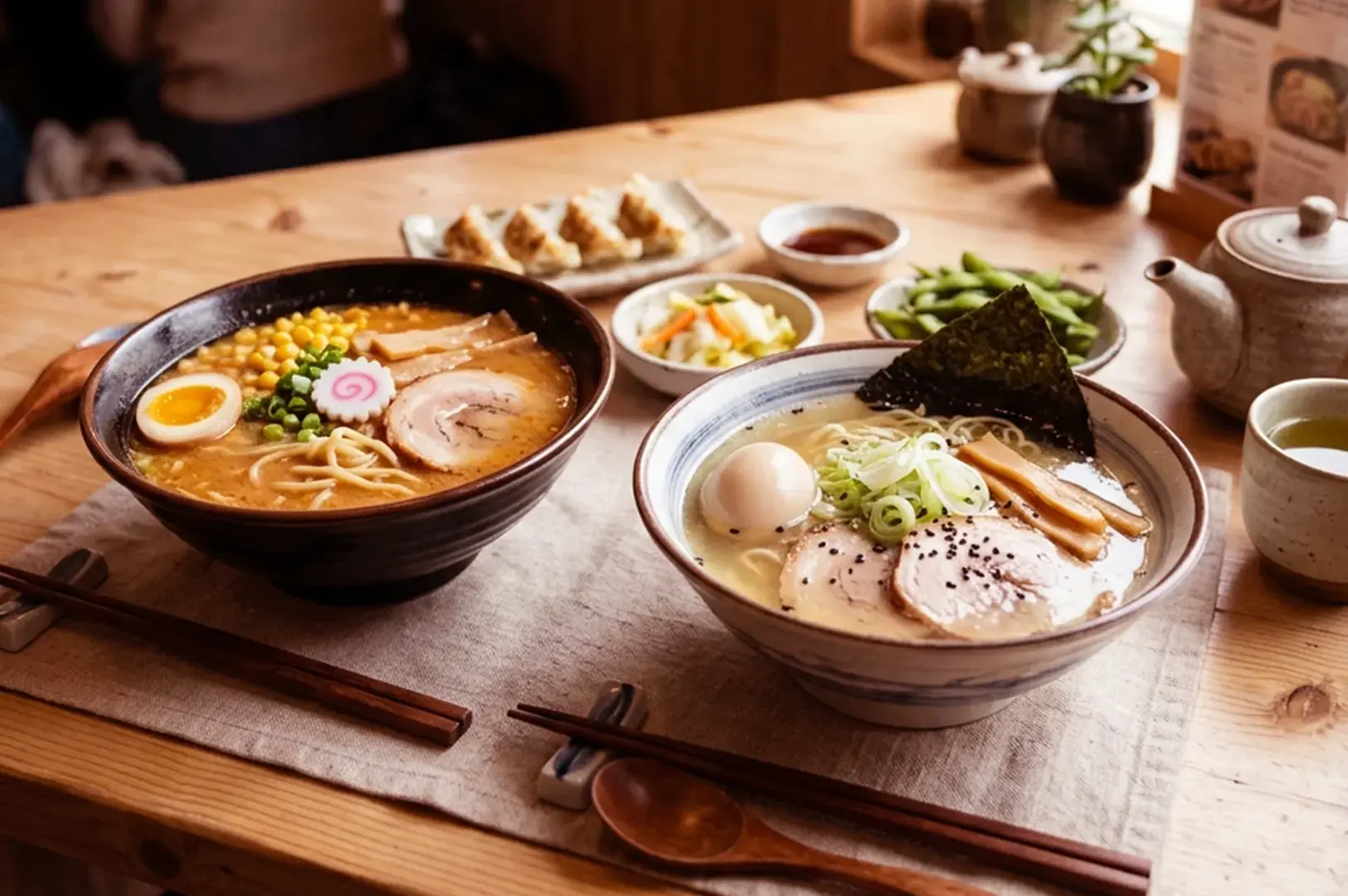
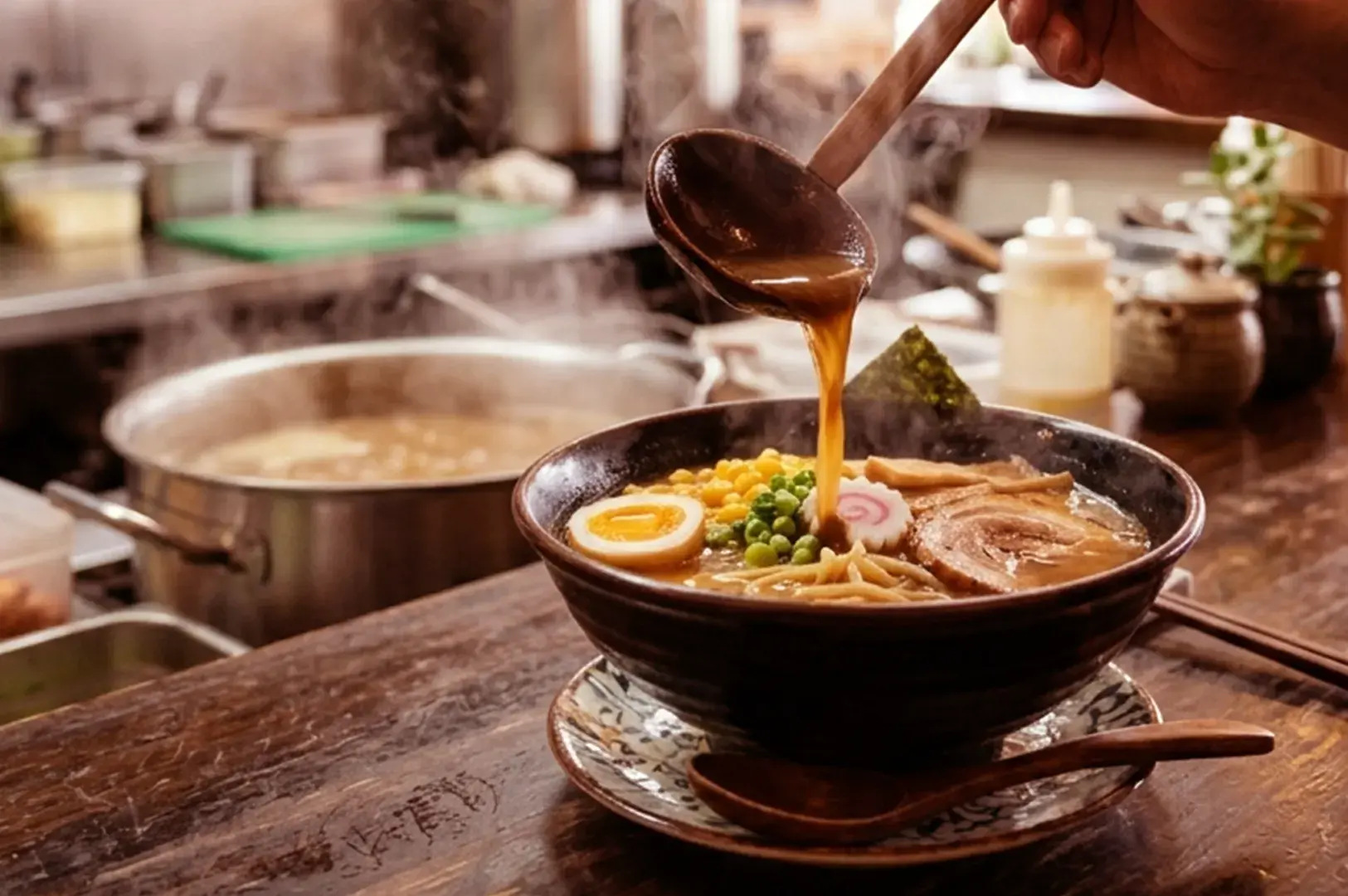
Choose miso when you want rich, bold, savoury comfort. The kind of bowl that feels like a hand on your shoulder, with miso paste lending a gravy-like body, soy sauce, and a subtle sweetness that coats your palate.
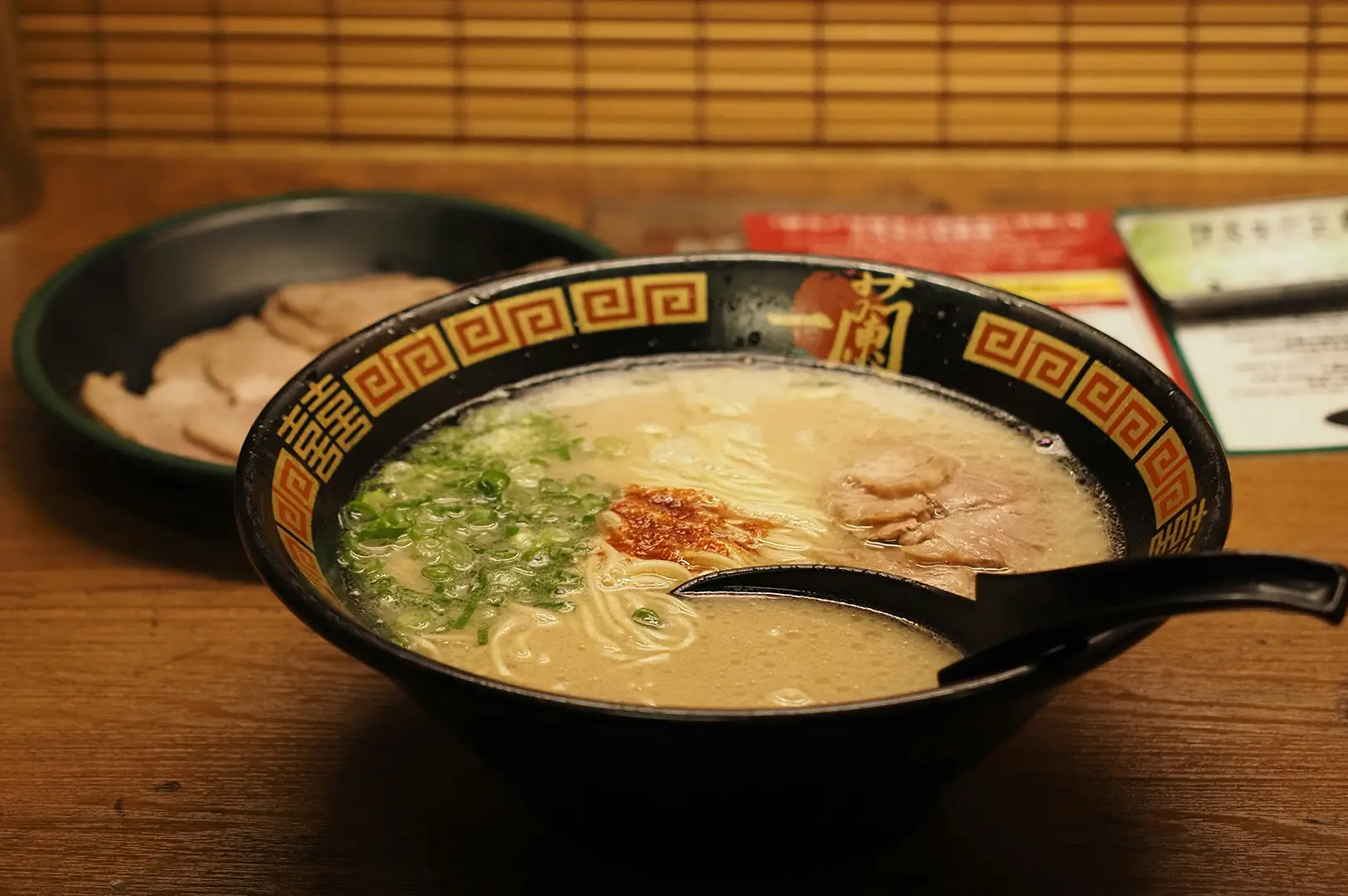
Choose shio when you want something clean, light, and delicate. A bowl that clears the noise rather than adds to it, using a salt flavored ramen broth crafted from chicken bones, dried anchovies, dried kelp, and bonito flakes.
Everything else in this guide is just us explaining why, and helping you trust your own appetite.
What Miso Ramen Says About Your Craving: Ramen Recipe and Aroma Oil Insights
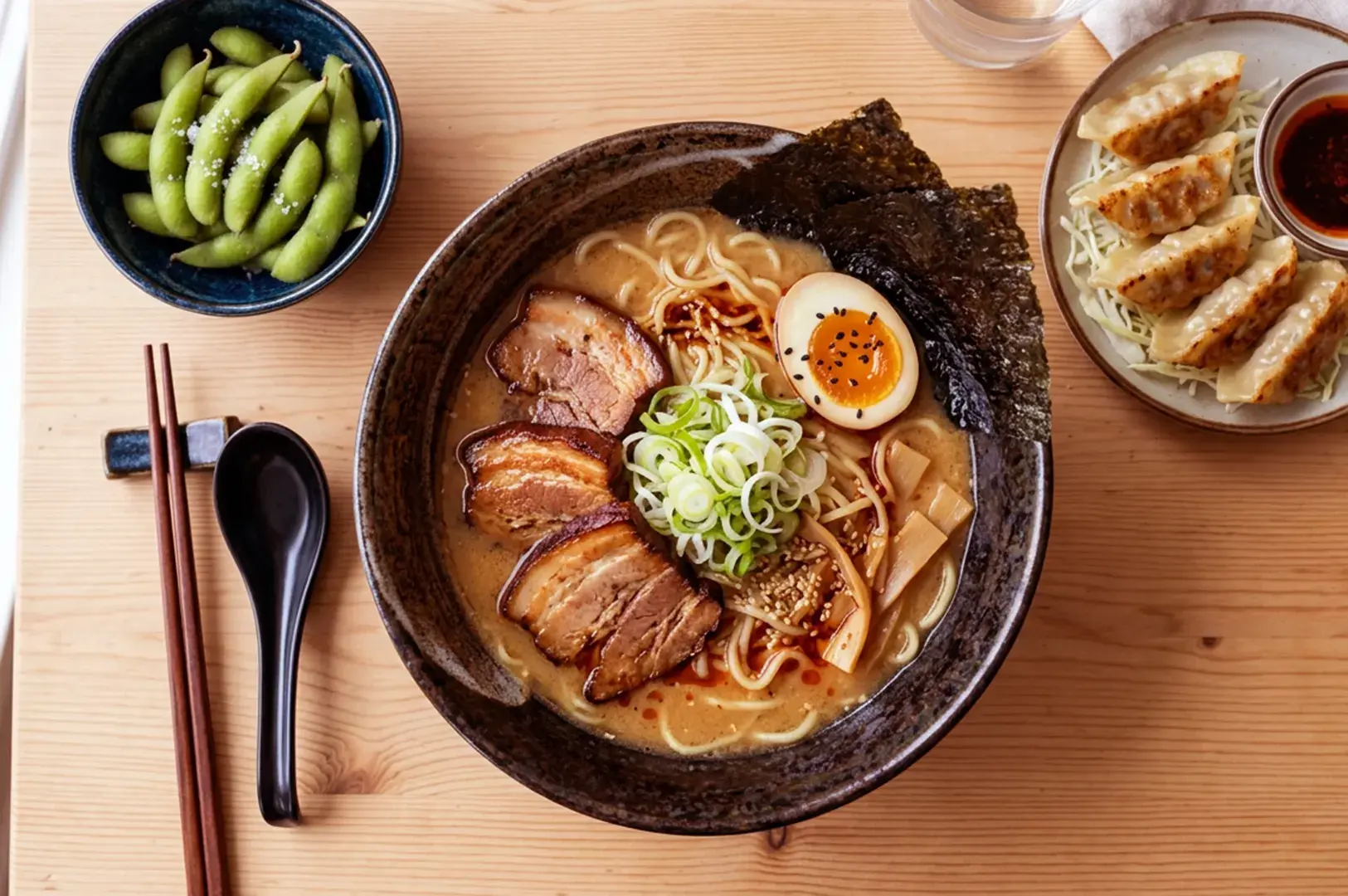
Miso ramen is seasoned with fermented soybean paste. That’s the simple version to cook noodles. The truer version is that miso carries a depth you can feel in your chest: nutty, slightly sweet, savoury in a way that lingers after the bowl is gone.
It’s a younger style than people assume, popularised in Japan around the mid-1960s and tied closely to Sapporo and the colder reaches of Hokkaido. That northern heritage shows. Miso ramen was built to comfort people through long winters, which is why it pairs so naturally with heavier company: corn, a melting knob of butter, and your vegetable stock of stir-fried cabbage, bean sprouts, ground pork, garlic, chili oil, sesame seeds, and a few slices of pork belly or pork chashu.
The noodles tend to be thicker and springier here, often pulled noodles or fresh ramen noodles cooked al dente to hold their noodle texture against the dense broth.
We reach for miso on rainy evenings, after a long day when subtlety feels like too much work. If you grew up loving the richness of bak kut teh or a good laksa, miso will feel like a familiar handshake.
Ramen Bureau Knowledge: Miso does not automatically mean spicy. If you want heat, look for the words “spicy miso,” “karaka,” or “tantanmen” on the menu. Plain miso is warmth, just medium heat, not fire.
A small caution: miso’s richness can sit heavily in our climate. We’ve learned to save it for cooler hours or air-conditioned rooms, not for a quick midday refuel before walking back out into the sun.
What Shio Ramen Says About Your Craving: Japan Ramen, Dried Scallops, and Chicken Chashu
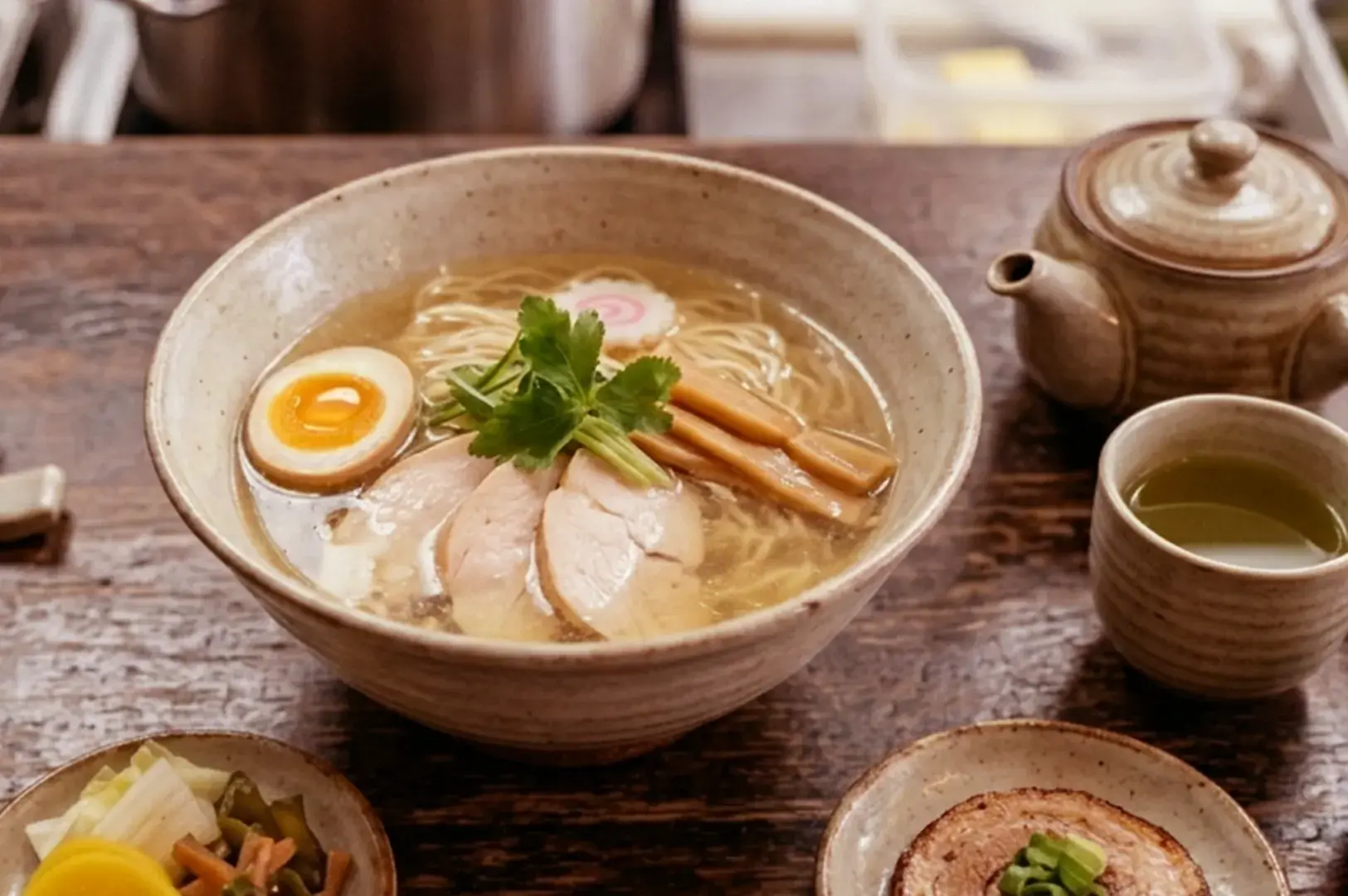
Shio is salt-seasoned ramen, and it is one of the oldest seasoning styles there is. But please don’t mistake its simple toppings for “salt” for “plain.”
A good shio bowl is the opposite of plain, deeply satisfying. It’s clean, clear, and aromatic, built on the quiet confidence of a well-made shio ramen broth, usually chicken bones, seafood, kombu (dried kelp), dried scallops, and dried anchovies. The flavour comes from restraint rather than force. There’s nowhere for a flaw to hide, which is exactly why a great shio tare is harder to pull off than it looks.
When shio works, the salt doesn’t shout. It lifts with great recipe. You taste the chicken, the sea gently simmers, the subtle umami underneath, the sesame oil and green onions, and the finish stays light enough that you could happily carry on with your day.
We love shio on humid afternoons, for solo lunches, for those moments when we want flavour without feeling weighed down. Look for signals like yuzu shio or seafood shio on a menu — they usually point to a kitchen that takes lightness seriously.
If miso is a weighted blanket, shio is a japanese version open window.
How to Choose in Singapore: Navigating Ramen Restaurants and Instant Ramen Options
Choosing ramen here comes with its own quiet rules.
Mind the weather. In Hokkaido, miso is a winter staple. In our heat, that same bowl can feel like a lot at noon. We tend to choose shio or a lighter shoyu ramen for daytime, and save miso or tonkotsu ramen for the evening or a cool, rainy mood.
Let location guide you. Orchard and Somerset malls are easy for first-timers and convenient lunches. Tanjong Pagar and the CBD lean toward after-work bowls and more niche, izakaya-adjacent ramen restaurants. Neighbourhood counters are where value and repeat-visit comfort live.
Check your dietary needs early. This matters. Check the saturated fat. Shio may look light, but it isn’t automatically vegetarian or gluten free. Miso may sound plant-based, yet the broth underneath could be pork or chicken. Always confirm the broth base in your bowl of ramen, and remember that “no pork” and “halal-certified” are not the same promise.
Know the price terrain. A simple bowl usually runs S$12–16. Mid-range bowls with better pork chashu, boiled eggs, or richer broth sit around S$16–22. Premium or specialty bowls — wagyu, uni, truffle, special seafood — climb to S$22–30 and beyond. Add-ons like extra egg, noodles, corn, bamboo shoots, or melted butter stack up faster than you’d expect.
Time your large bowl visit. If you’re undecided, avoid the lunch and dinner rush. A queue of office workers behind you is no place to be reading Japanese adaptation menu terms for the first time.
A Quick Ramen Personality Guide: From Instant Ramen Noodles to Chicken Chashu and Japanese Food
Sometimes it helps to find yourself in a list. Here’s ours:
The Comfort Seeker → Miso. You want dinner to feel like a hug. Add corn, butter, a soft boiled egg.
The Clean Broth Person → Shio. You want flavour that whispers. Seek out yuzu or seafood shio.
The Classic Diner → Shoyu ramen. You want balanced and familiar, nothing to overthink.
The Rich Broth Hunter → Tonkotsu ramen. You want creamy, pork-deep, glasses-fogging warmth.
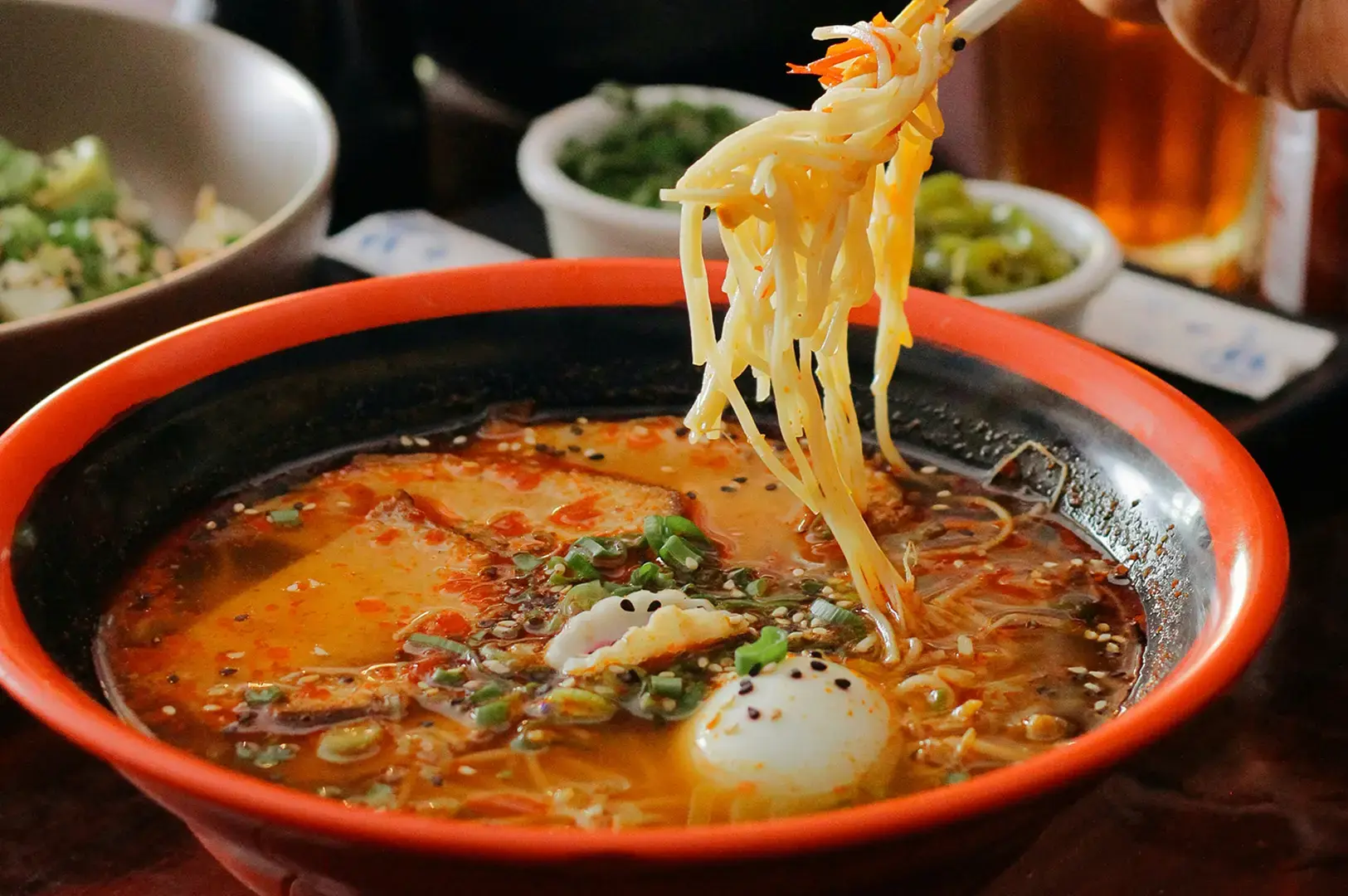
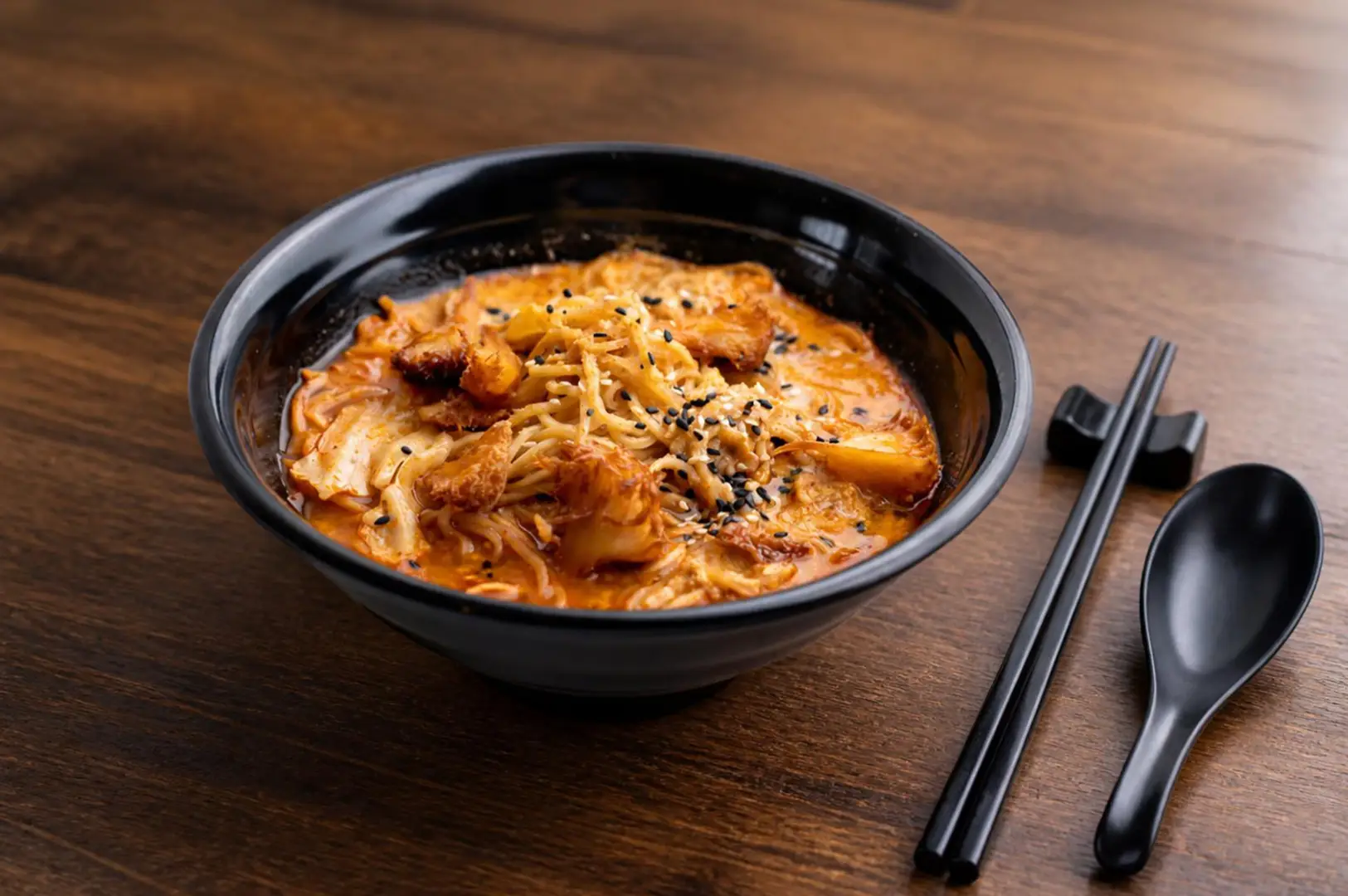
The Spice Lover → Spicy miso or tantanmen. You want heat with structure, not just burn, enhanced with chili oil and white pepper.
The Texture Person → Tsukemen or mazesoba. You care more about the chew of the noodle than the soup around it, whether pulled noodles or fresh ramen noodles with perfect noodle texture.
None of these is more “correct” than another. They’re just different answers to the same question: what kind of comfort do you need today?
Red Flags Before You Order at Ramen Shops: Avoiding Pitfalls in Ramen Soup and Ramen Broth
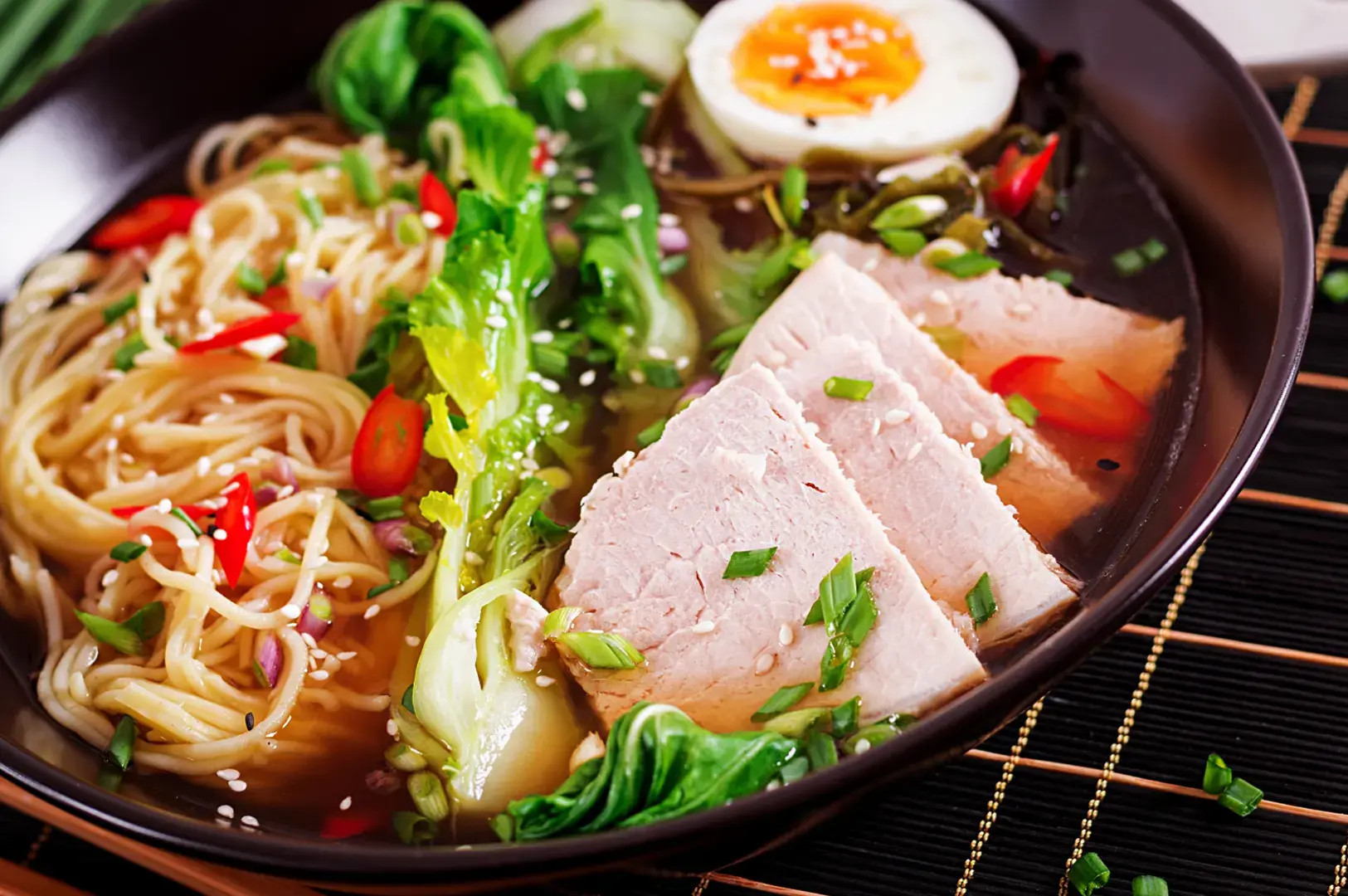
We’ve eaten enough disappointing bowls to spot trouble early.
Warning Sign | What to Watch For: |
|---|---|
Shio Ramen | Beware if it tastes like plain salty water with no aroma or finish, or if a “light” bowl arrives slick with oil. Clean should mean clean. |
Miso Ramen | Watch for a bowl that tastes like miso paste dissolved in hot water — too sweet without depth, or too salty without fragrance. If the broth is buried under a mountain of toppings, ask what they’re hiding. |
Any Bowl | Soggy noodles are the clearest warning. If they’re soft at the first bite, they were sitting too long and will only get worse. A serious shop will serve fresh ramen noodles cooked al dente in boiling water, expecting you to eat ramen while it’s a hot bowl. |
Answering Your Ramen Recipe, Aroma Oil, Dried Scallops Questions
Which is better for beginners, miso or shio?
If you want bold, familiar flavour, start with miso. If you prefer clean and light, shio is lovely. Honestly, though, shoyu ramen is the gentlest first step — balanced enough to please most palates.
I love spicy food. What should I order?
Look for spicy miso, chilli miso, karaka, or tantanmen. Regular miso has depth but isn’t necessarily hot, so the menu wording matters.
How do I make sure my ramen is halal or pork-free?
Ask about the broth base before ordering, and check for halal certification rather than assuming. Many bowls use pork stock or alcohol-based seasonings, even the ones that sound light.
Won’t a rich bowl feel too heavy in our weather?
It can. It’s best to save tonkotsu ramen and miso for cooler evenings or air-conditioned rooms, and reach for shio or a light shoyu ramen during humid daytime hours.
How do I read a ramen menu without getting lost?
Break it into three questions: rich or light, spicy or mild, pork or non-pork. Then match the broth base, the tare, and the aroma oil to your answers.
What if I don’t want soup at all?
Try mazesoba or tsukemen. They deliver ramen’s intensity through noodles and sauce instead of broth — perfect for a sticky day when soup feels like too much.
Final Slurp: Embracing Japanese Food and Your Favourite Ramen Noodle Soup
There’s no prize for ordering the most authentic bowl, or the most famous one.
The best ramen for you is the one that meets you where you are: tired or restless, rained on or wilting in the heat, craving weight or craving clarity. If you wish to read more about the art of finding your favorite ramen shop, you can check out our guide. Because miso and shio aren’t rivals, they’re two different ways of being looked after.
So next time you stand at the counter, don’t ask what’s best. Ask what kind of comfort you’re after today — then order that.
We’ll be at the next stool over, doing exactly the same.