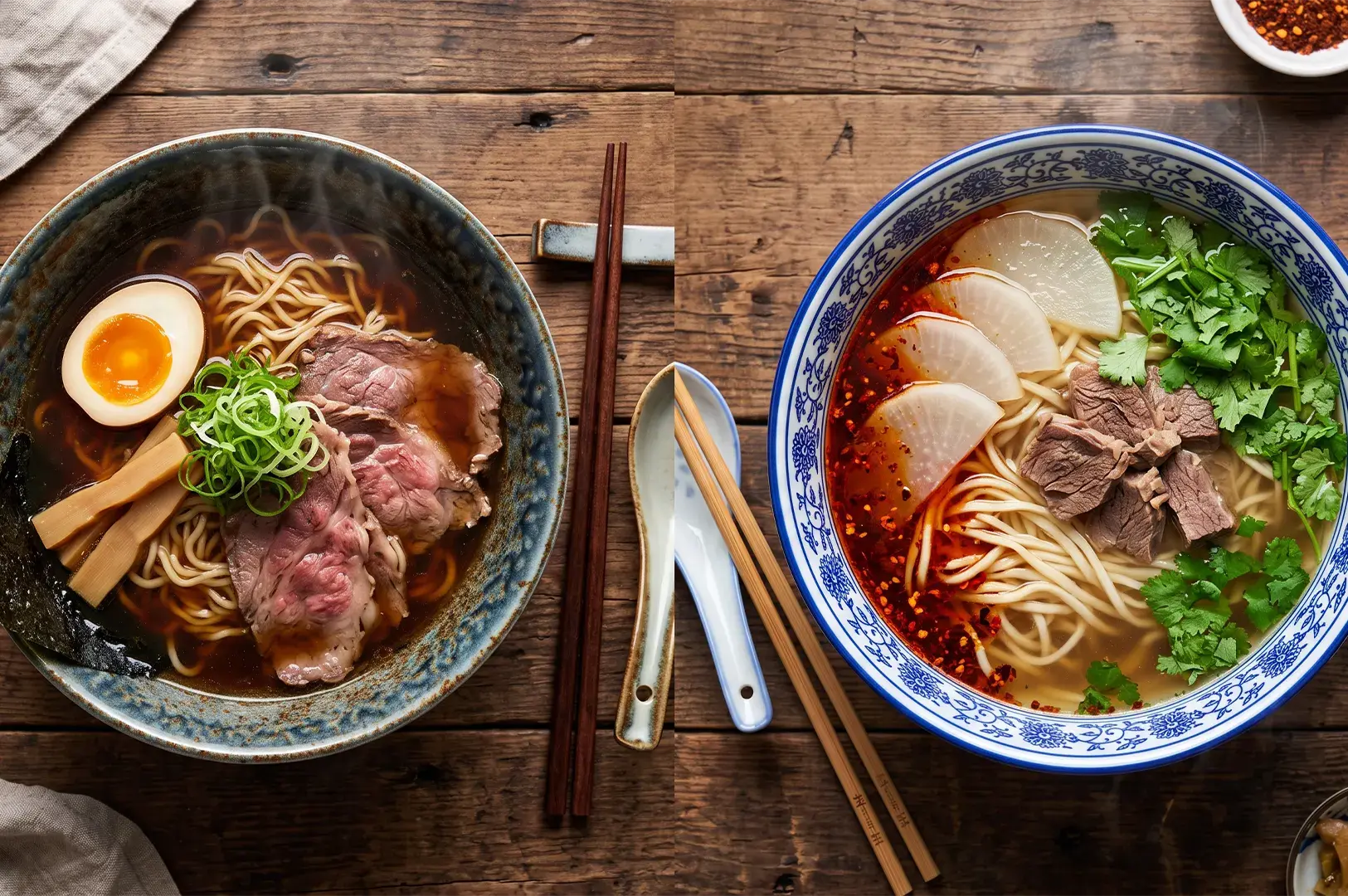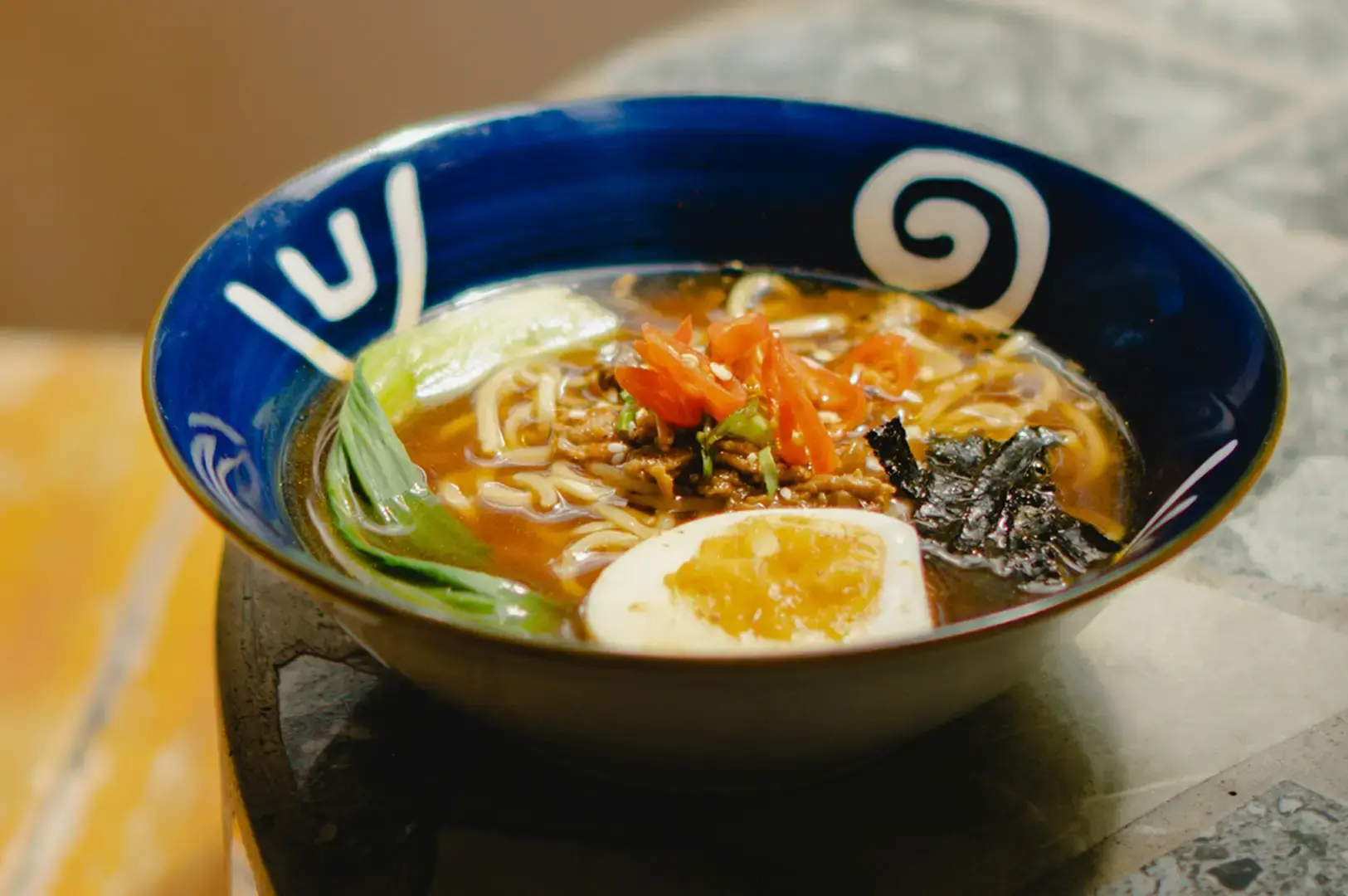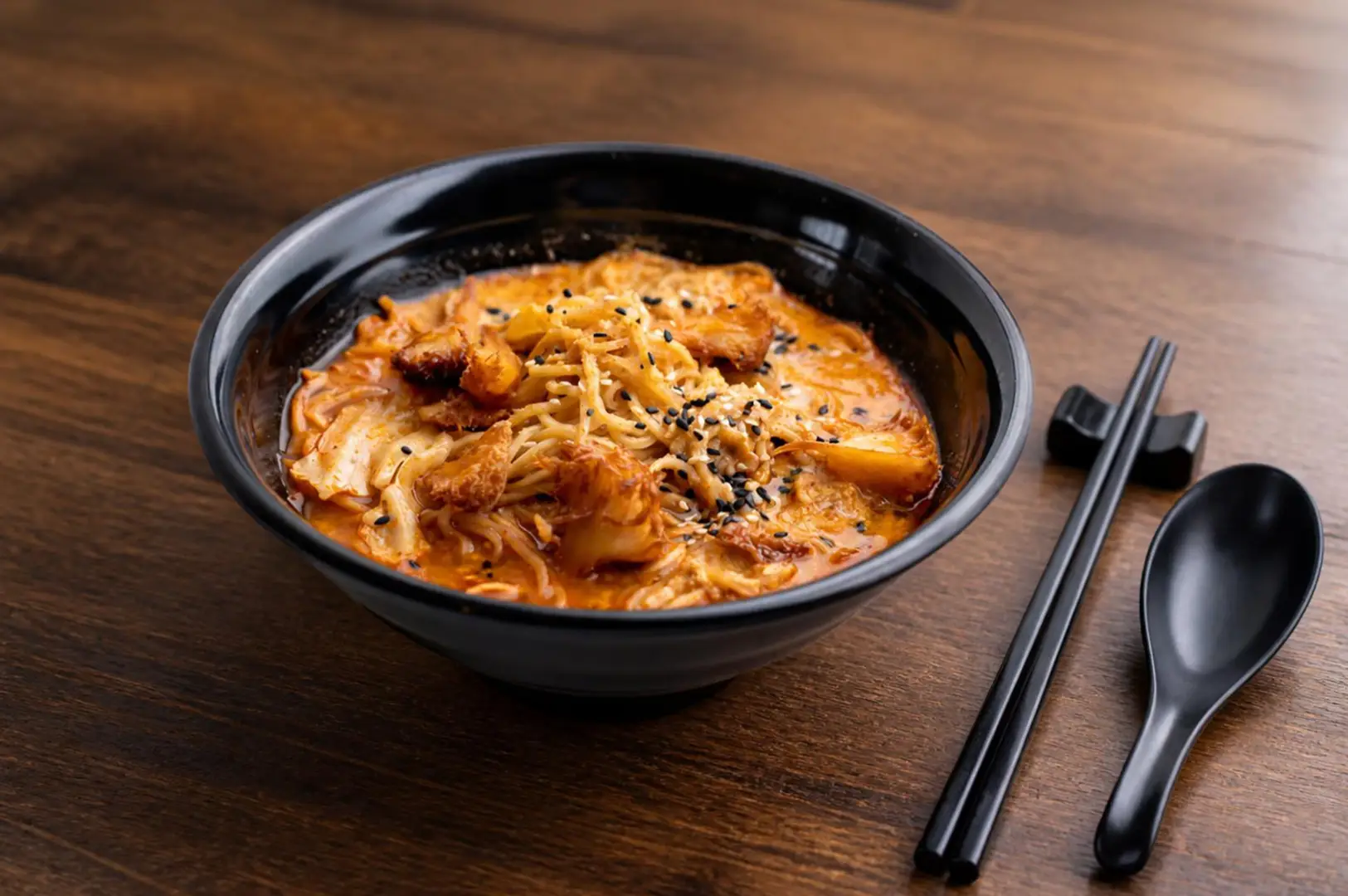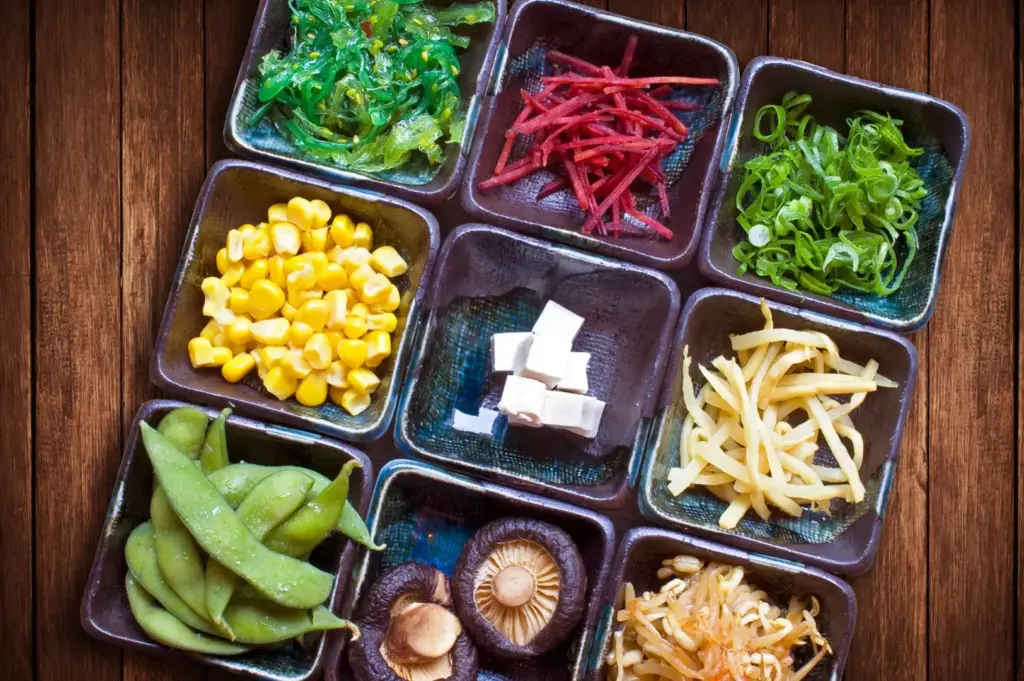
The first time I treated ramen toppings like a shopping spree, I ruined the bowl.
I still remember sitting in a ramen shop in Orchard, staring at the add-on list like it was a challenge. Extra chashu or pork chashu? Yes. Ajitama or soft boiled egg (jammy egg)? Obviously. Corn? Why not. Black garlic oil or toasted sesame oil? Add it. Extra noodles or wheat noodles? I was hungry, so sure. By the time the bowl arrived, it looked impressive, almost heroic. But halfway through, I realised I could barely taste the hot broth. The noodles had softened, the pork made everything heavier, and the toppings had turned a good bowl into a crowded one.
That was my first real lesson: ramen toppings are not decorations. They are decisions beyond a ramen bowl.
Why Ramen Toppings Matter More Than You Think
A bowl of ramen is usually built from a few key parts: broth, tare (soy sauce or miso base), aroma oil (like sesame oil or black garlic oil), noodles (wheat noodles), and toppings. The broth gives body. The tare gives seasoning. The oil gives fragrance. The noodles give structure. The toppings give contrast.
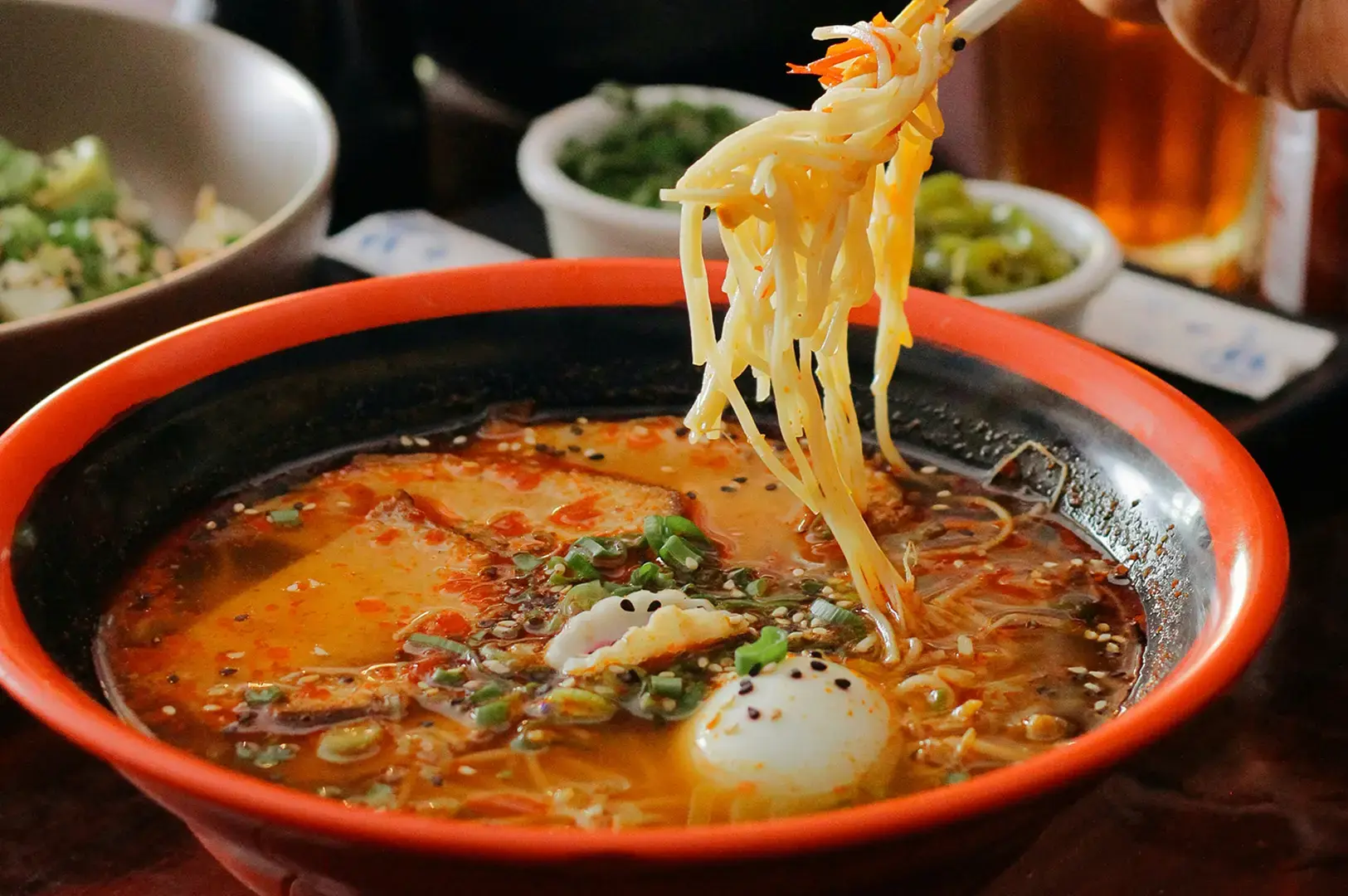
That last part matters. Kimchi adds spice and crunch, commonly paired with various ramen broths, especially for those who like ramen spicy. But the wrong topping can do the opposite.
I’ve had light shio ramen ruined by too much chilli oil or hot sauce. I’ve had tonkotsu ramen become exhausting after adding extra braised pork belly chashu to an already rich pork broth. I’ve had bowls where premium toppings like truffle or cheese felt more like decoration than flavour.
So before you add anything, ask yourself: what does this bowl actually need?
The Simple Rule: Match the Topping to the Broth
The easiest way to choose ramen toppings is to start with the broth style. Don’t begin with the topping list. Begin with the soup.
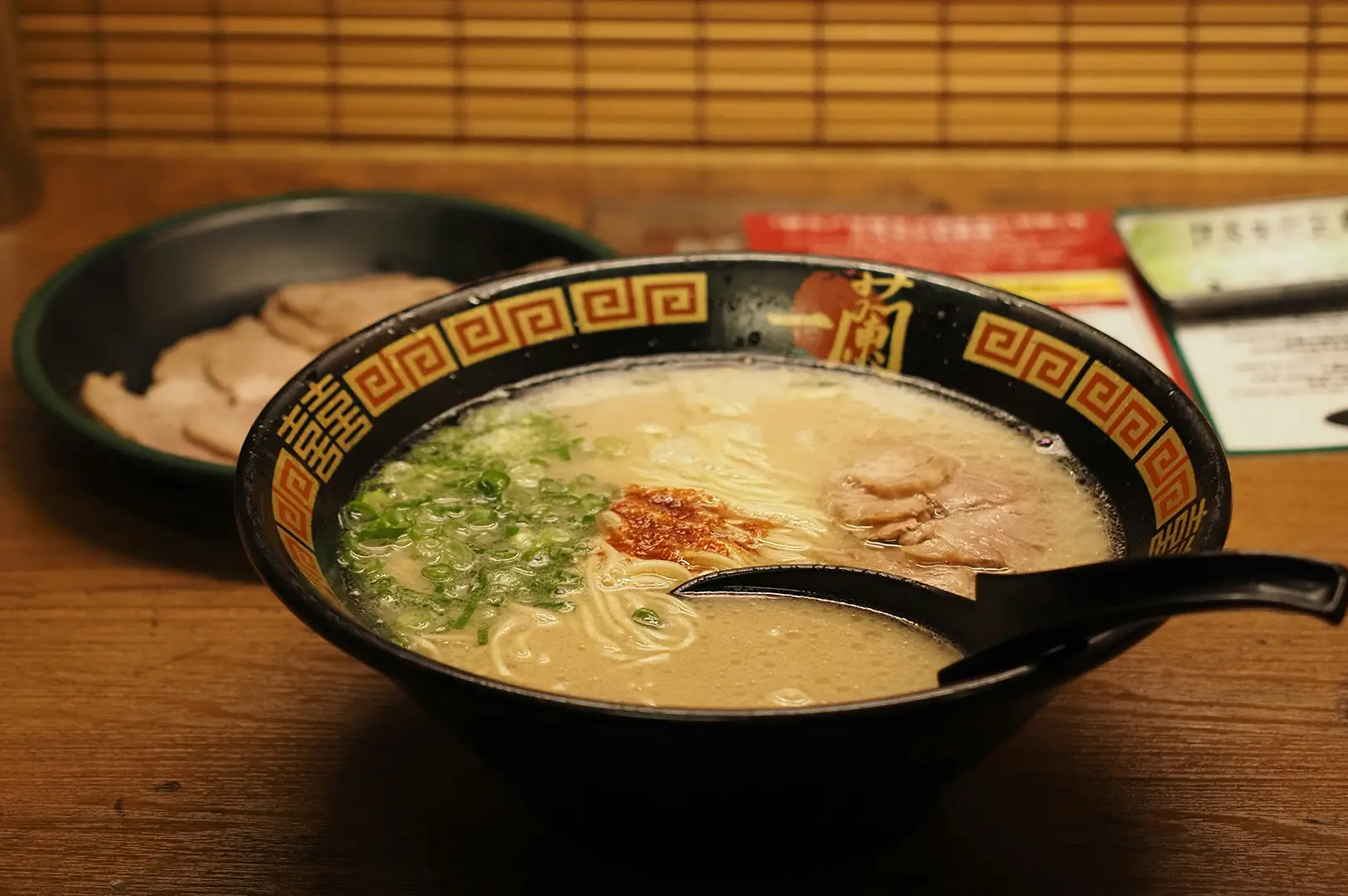
Tonkotsu Ramen: Rich Pork Bone Broth
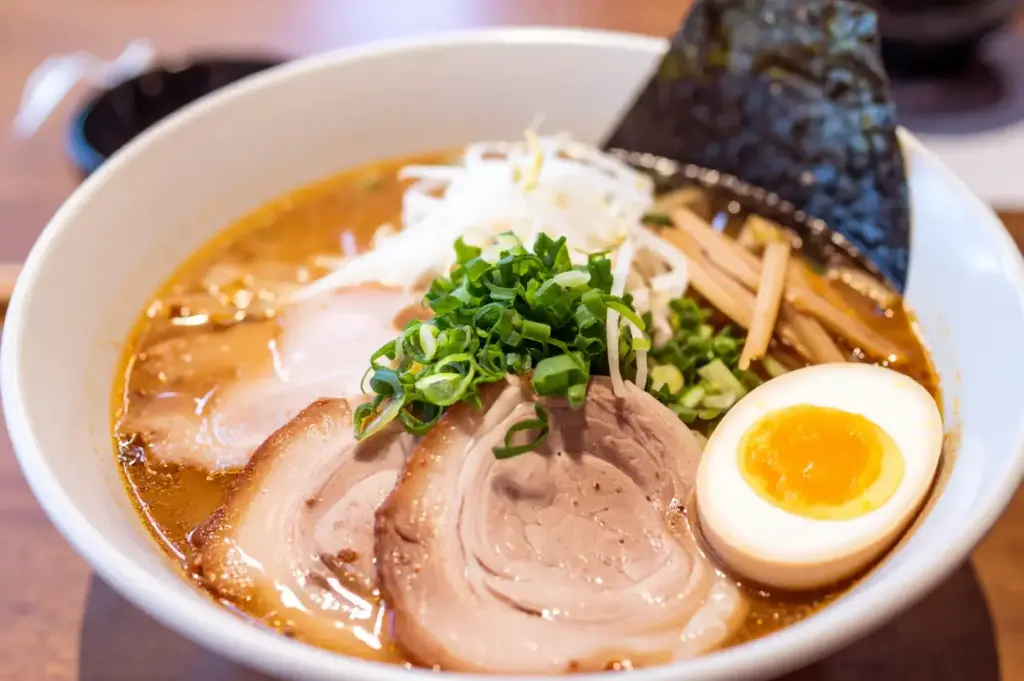
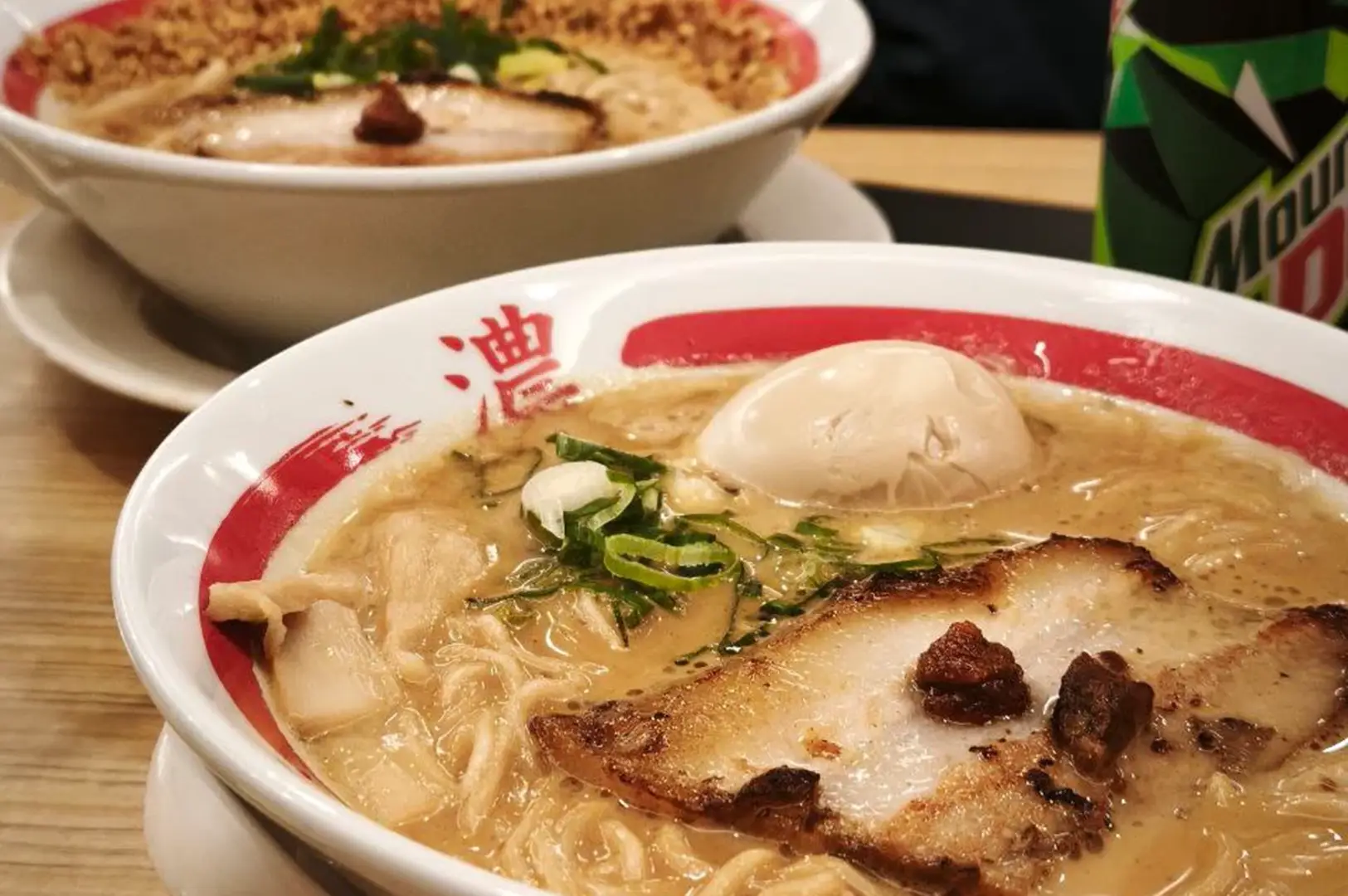
Tonkotsu ramen is already heavy, creamy, and full-bodied. It does not need every rich topping on the menu.
Best toppings:
Ajitama or soft boiled egg, pork chashu (braised pork belly), kikurage (wood ear mushrooms), green onions or scallions, black garlic oil, sesame seeds, spicy miso paste.What I’d be careful with:
Extra butter, American cheese, too much chilli oil or hot sauce, or too much extra pork.
If I’m at a tonkotsu-focused place like Tonkotsu Kazan, I usually keep it classic: egg, green onions, kikurage, and maybe extra noodles if I still have enough hot broth left. I don’t always go for extra chashu unless the shop is known for doing it well.
Ramen Tale Tip:
If your tonkotsu already has a creamy finish, add texture before adding more richness. Kikurage or green onions often improves the bowl more than extra meat.
Miso: Hearty, Savoury, Comforting
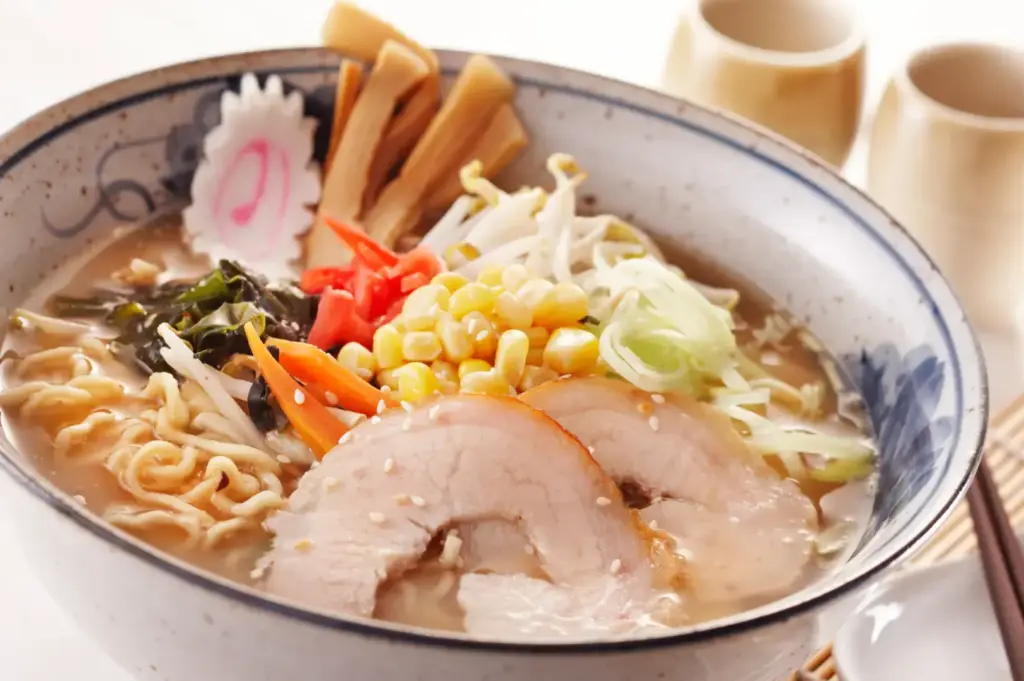
Miso ramen can handle bigger toppings because the fermented soybean base has weight. This is where corn, butter, cabbage, bean sprouts, garlic, and chilli make more sense.
Best toppings:
Corn, butter, bean sprouts, cabbage, minced pork, garlic, chilli oil or hot sauce, ajitama or soft boiled egg.What I’d be careful with:
Too much extra oil or overly sweet toppings.
For rainy evenings in Singapore, miso ramen with corn and butter can feel like comfort in a bowl. I’d choose this at ramen night rather than lunch, especially if I still need to work after eating.
Chef’s Knowledge:
Corn and butter are not random gimmicks. They are commonly associated with Hokkaido/Sapporo-style miso ramen, where the broth is strong enough to carry subtle sweetness and fat.
Shoyu: Soy-Based and Balanced
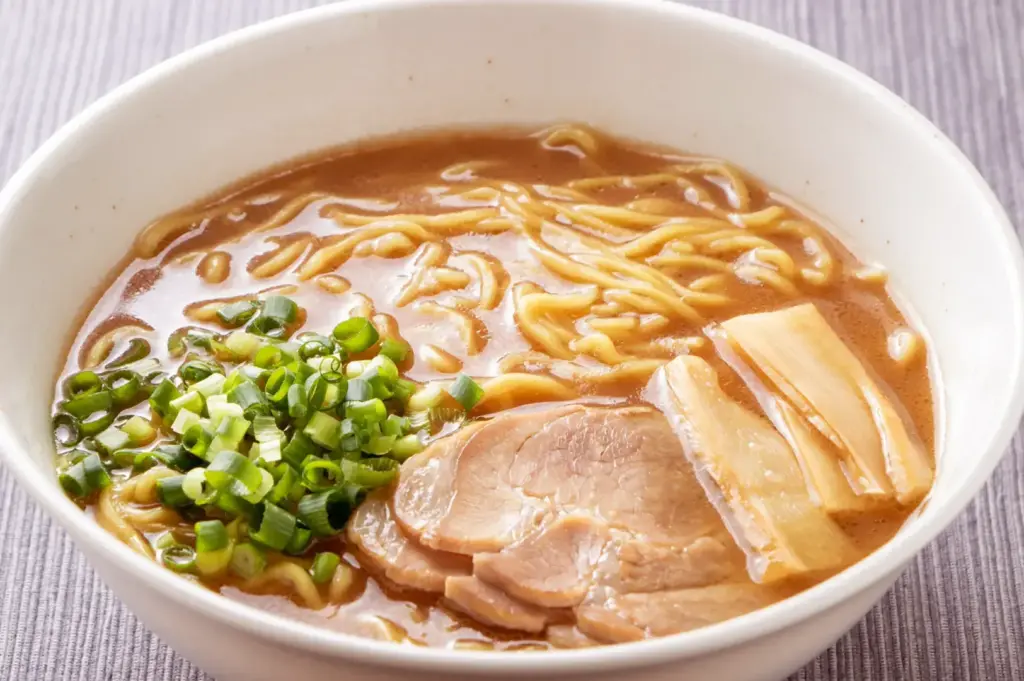
Shoyu ramen is savoury, familiar, and usually more balanced than dramatic. It can be rich or light depending on the broth base, but the soy sauce seasoning gives it structure.
Best toppings:
Menma or fermented bamboo shoots, nori or dried seaweed, pork chashu, ajitama or soft boiled egg, green onions or scallions.What I’d be careful with:
Too much garlic, chilli oil, butter, or heavy premium toppings.
For shoyu ramen, I prefer toppings that support the broth rather than dominate it. Menma is underrated here. It gives texture without changing the whole bowl.
Shio: Light, Clean, Delicate
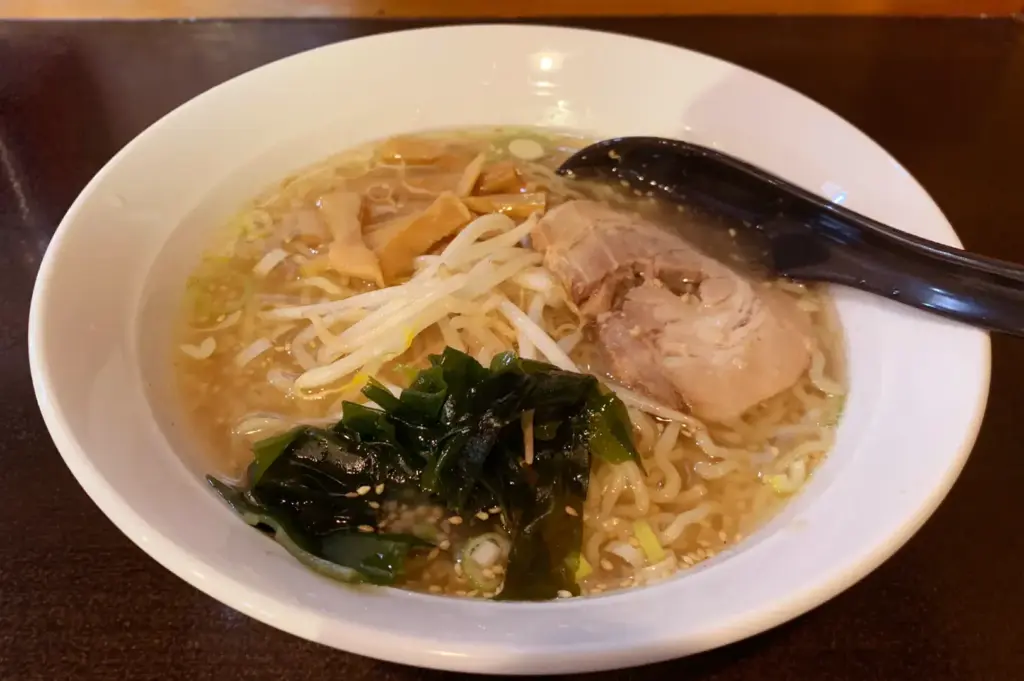
Shio ramen is salt-based and often lighter. This is where restraint matters most. A good shio bowl can be elegant, but it is also easier to overpower.
Best toppings:
Chicken chashu, seafood, wakame, green onions, yuzu, light nori or dried seaweed, ajitama or soft boiled egg.What I’d skip:
Heavy butter, piles of fried garlic, too much chilli oil, extra pork fat.
If you’re eating ramen on a hot afternoon in Singapore, shio or shoyu with lighter toppings like baby bok choy or fish cakes may feel much better than a fully loaded tonkotsu.
What to Add: The Safest Toppings for First-Timers
If you’re new to ramen and worried about wasting money on add-ons, start simple.
Ajitama or Soft Boiled Egg
This is my safest recommendation. A good ajitama should have a jammy yolk, seasoned white, and enough savoury flavour to feel like part of the bowl.
In my experience, ajitama is usually worth the extra S$1.50 to S$3, especially if the shop does it properly. But if the egg arrives fridge-cold or tastes like a plain boiled egg, that’s a red flag.
Menma or Fermented Bamboo Shoots
Menma is fermented bamboo shoot. It adds a light crunch and a sweet-savoury flavour. I used to ignore it because it looked plain. Now I see it as one of the quiet signs of a carefully constructed, delicious bowl.
It works especially well in shoyu and shio ramen.
Nori or Dried Seaweed
Nori is not just decoration. It adds aroma and changes texture as it softens in the broth. I like eating one piece while it’s still crisp, then letting another soften slightly before wrapping it around wheat noodles.
Green Onions or Scallions
Green onions are simple, cheap, and useful. They brighten rich broths and add freshness to heavier bowls.
Extra Noodles
Extra noodles, or kaedama, work best with rich broth, especially tonkotsu ramen. But don’t order them too early. Wait until you know you have enough soup left.
Chef’s Tip:
If your broth is almost gone, extra noodles are not a good idea. You’ll end up eating dry noodles in salty leftovers.
What to Skip: Toppings That Can Ruin the Bowl
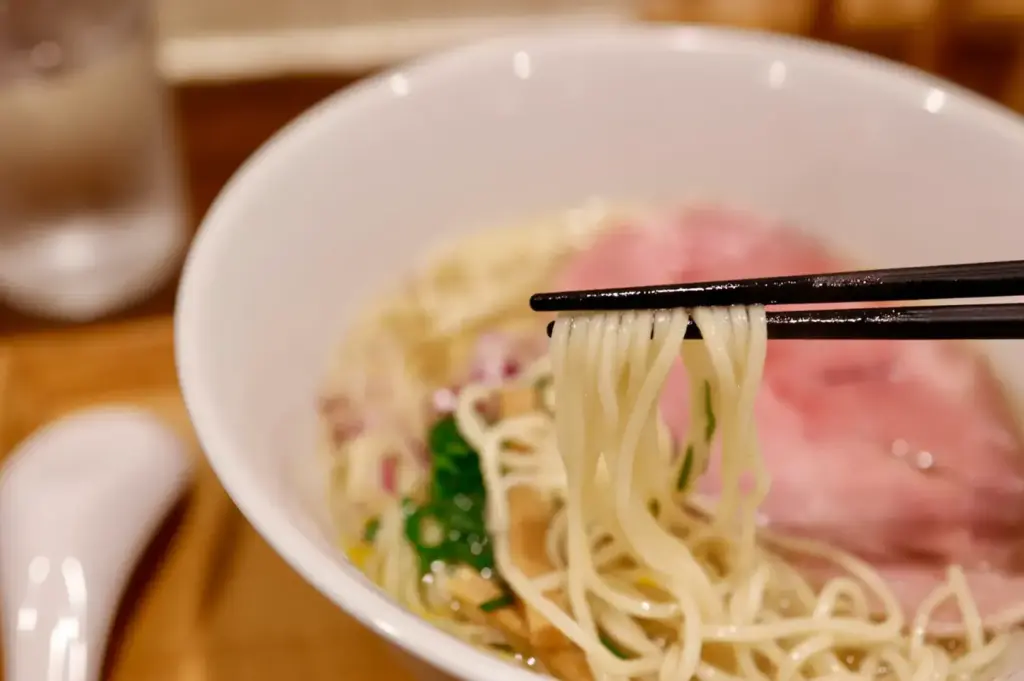
I’m not saying these toppings are bad. I’m saying they need the right bowl.
Extra Chashu or Braised Pork Belly on Already Rich Ramen
Chashu can be wonderful when it is tender, warm, and seasoned. But extra chashu can make tonkotsu ramen feel too heavy, especially during lunch.
If the standard bowl already comes with enough pork, I’d rather spend on ajitama or extra noodles.
Butter on Light Broths
Butter belongs more naturally with miso ramen than shio ramen. On a delicate broth, it can blur the clean finish.
Too Much Chilli Oil or Hot Sauce
Singapore diners often love bold heat, and I get it. But chilli oil or hot sauce can flatten a refined shoyu or shio bowl if you add too much too early.
Taste the broth first. Add spice later.
Premium Toppings Without Purpose
Truffle, uni, wagyu, lobster, snow crab, and cheese can work when the shop designs the bowl around them. But if they feel like expensive decoration, I’d skip them.
Premium toppings can easily push your bowl from S$18 to S$30 or more. That is fine if the flavour earns it. It is frustrating if the topping only looks impressive.
Step-by-Step: How to Choose Your Toppings
1. Decide if your bowl is rich or light
Rich bowl? You can add freshness or texture like baby bok choy, spinach, or fish cakes.
Light bowl? Be careful with heavy toppings.
2. Choose one richness topping
Pick one: ajitama or soft boiled egg, chashu or braised pork belly, butter, minced pork, extra oil, or American cheese.
Do not add all of them unless the dish is designed that way.
3. Choose one texture topping
Pick one: menma or fermented bamboo shoots, kikurage, bean sprouts, cabbage, nori or dried seaweed, corn, or other vegetables.
Texture keeps the bowl interesting without making it too heavy.
4. Choose one aroma topping
Pick one: green onions or scallions, garlic, black garlic oil, chilli oil, sesame seeds or toasted sesame, yuzu, or seaweed.
This changes the first bite impression of the bowl.
5. Stop before the bowl becomes crowded
This is the hardest step. I still struggle with it sometimes. But good ramen has rhythm. If every bite is fighting for attention, the bowl loses its story.
Common Mistakes to Avoid
Adding toppings before tasting the broth
I’ve done this too many times. You add chilli, garlic, sesame, and pepper before the first sip, then you never know what the shop was trying to serve. Taste first. Adjust later.
Treating all ramen styles the same
Corn and butter might work beautifully in miso ramen. They may feel strange in a delicate seafood shio. Black garlic oil might deepen tonkotsu but overpower a clean shoyu.
Thinking expensive toppings are always better
A S$3 ajitama or soft boiled egg can improve a bowl more than a S$12 premium topping if the egg fits the broth better.
Ordering extra noodles too late
Extra noodles need broth. If you wait until the hot broth is almost gone, you’re not extending the meal. You’re just eating noodles without enough support.
Forgetting dietary details
In Singapore, this matters. Chashu usually means pork. Tonkotsu usually means pork bone broth. Chicken broth does not always mean every topping is pork-free. And halal-friendly ramen should be checked properly, not guessed from the menu photo.
FAQ: Ramen Toppings in Singapore
Is ajitama or soft boiled egg worth paying for?
Usually, yes. I think it is the safest first upgrade. But it should be seasoned, jammy, and not fridge-cold. If it tastes like a plain boiled egg, skip it next time.
Should I always add extra chashu or braised pork belly?
No. Extra chashu is only worth it if the shop does good chashu. It should be tender, warm, and balanced. If the broth is already rich, extra pork can make the bowl feel tiring.
Are corn and butter authentic?
They can be, especially with miso ramen. They are commonly linked with Hokkaido-style bowls. I would not add them automatically to every ramen style, though.
Is black garlic oil worth it?
Yes, if you like smoky, deep, roasted flavours. It works especially well with tonkotsu ramen. But if it tastes bitter or burnt, it can ruin the bowl.
What toppings should beginners choose?
Start with ajitama or soft boiled egg, menma or fermented bamboo shoots, nori or dried seaweed, or green onions. Add extra chashu only if you really want more meat. Add chilli or garlic only after tasting the broth.
How much should I expect to spend?
For a regular ramen meal in Singapore, expect around S$15 to S$25 depending on the shop and toppings. If you add premium items, your bowl can easily move past S$30.
Final Slurp of The Best Ramen
I used to think ramen toppings were about abundance. More pork, more egg, more oil, more drama. Now I think they are about restraint. The best toppings do not shout over the bowl. They complete it.
If you are new to ramen in Singapore, start with the shop’s signature bowl. Add one thing. Taste carefully. Notice what changed. Did the egg make the broth richer? Did the menma add crunch? Did the black garlic oil deepen the aroma? Did the chashu make the bowl better, or just heavier?
That is how you learn your own ramen style. And the next time you stand in front of a ramen menu in Orchard, Somerset, Tanjong Pagar, Bugis, or a quiet neighbourhood shop, you won’t need to add everything. You’ll know what your bowl is asking for.