A ramen bowl that needs a speech before the first sip is already in trouble.
That sounds harsh, especially in a dining world that loves backstories. We are told about imported flour, aged tare, rare sea salt, slow-cooked bones, seasonal oil, and noodles made to exact hydration levels. These things matter. Craft matters deeply. But at the table, before we understand anything, the bowl has one job. It has to make us want the next spoonful.
At Ramen Tale, we respect the invisible labour behind a good bowl. We know ramen is not casual just because it is comforting. It is timing, heat, proportion, restraint, and repetition. Yet the best bowls we remember rarely announced their greatness loudly. They simply arrived, steamed our glasses, and made us quiet.
The First Sip Knows Before We Do
Before we analyze ramen, we feel it.
The first sip of broth tells us whether the bowl has direction. It may be clean and sharp, rich and heavy, smoky, sweet, mineral, or deeply savoury. We may not know the exact ingredients, but our body understands balance faster than our vocabulary does.
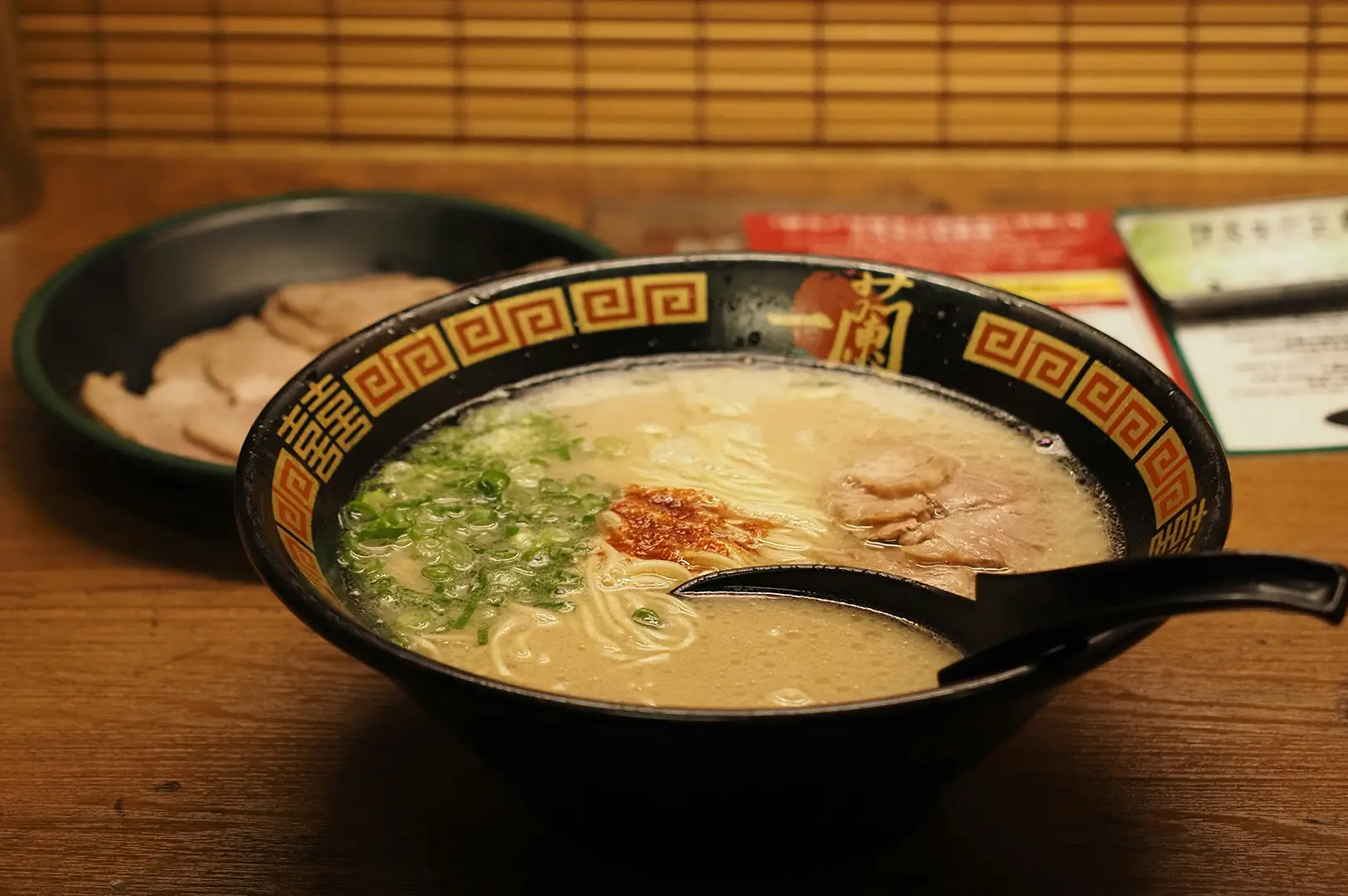
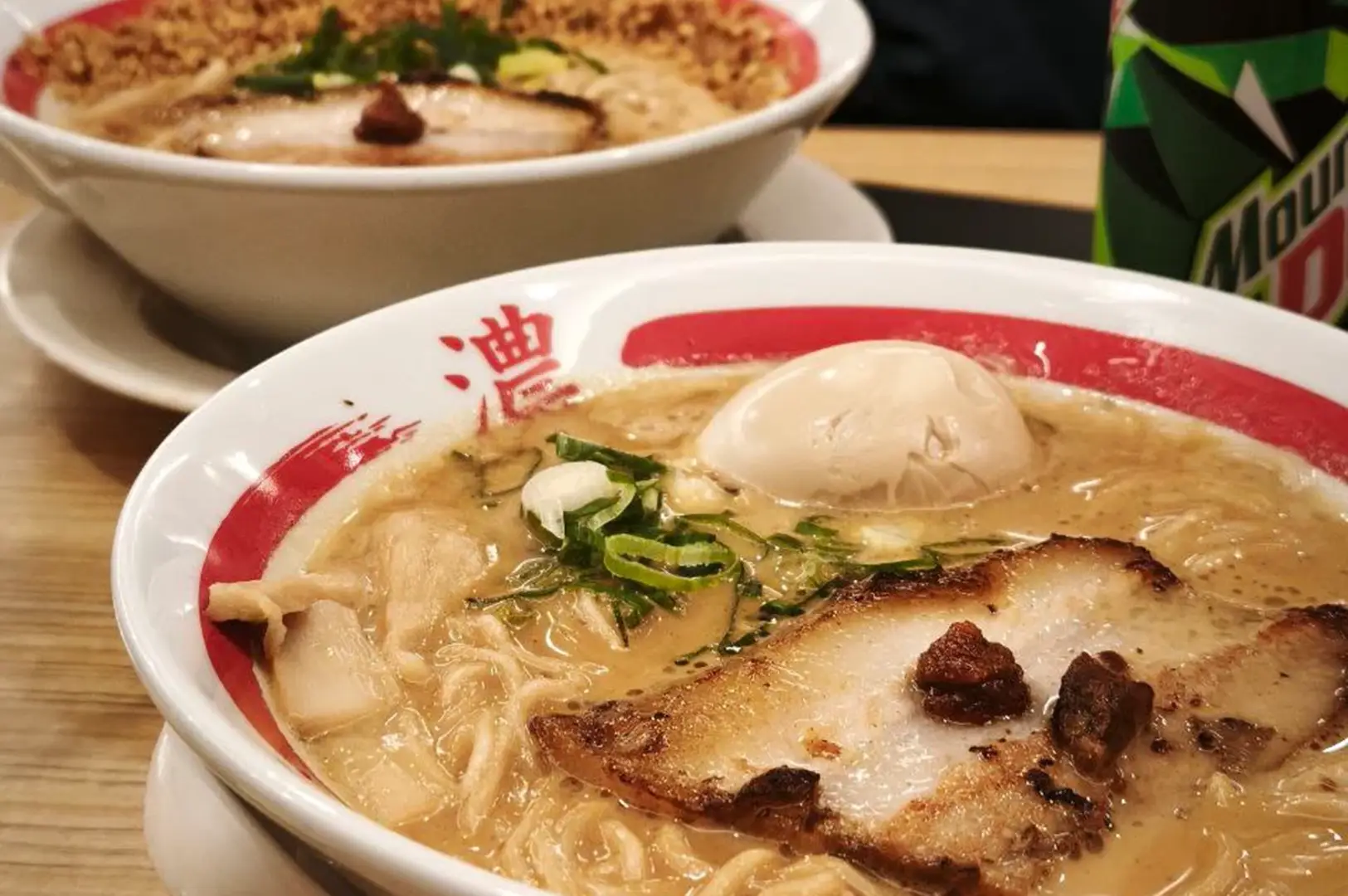
This is why great ramen does not need to be decoded immediately. A clear shoyu broth can feel elegant before we learn about its soy blend. A tonkotsu can feel complete before we know how long the bones were boiled. A miso bowl can feel generous before anyone explains fermentation. Technique should be present, but not desperate for attention.
Craft Is Not the Same as Performance
There is a difference between craft and performance. Craft supports the bowl, performance distracts from it.
A ramen shop may have handmade noodles, premium toppings, and a long preparation process. But if the noodles soften too quickly, if the broth feels muddy, or if the toppings compete with each other, the explanation cannot save the meal.
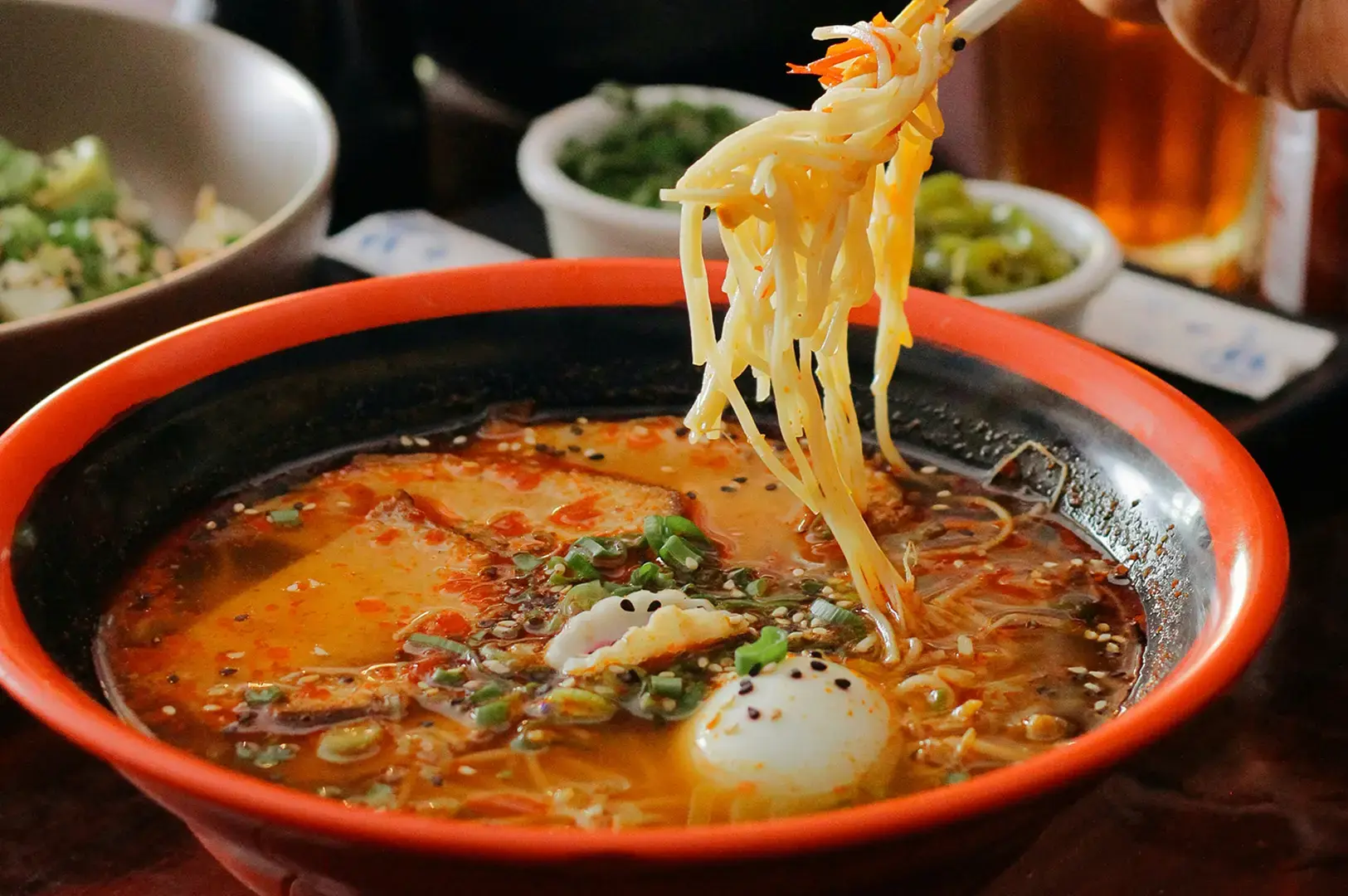
We have eaten bowls that sounded impressive on the menu but felt confused in the mouth. Too many oils. Too many add-ons. Too much drama. The bowl seemed built to be described rather than eaten.
Great ramen is different. It does not show us every technique at once. It lets each part know its role.
The Quiet Confidence of Restraint
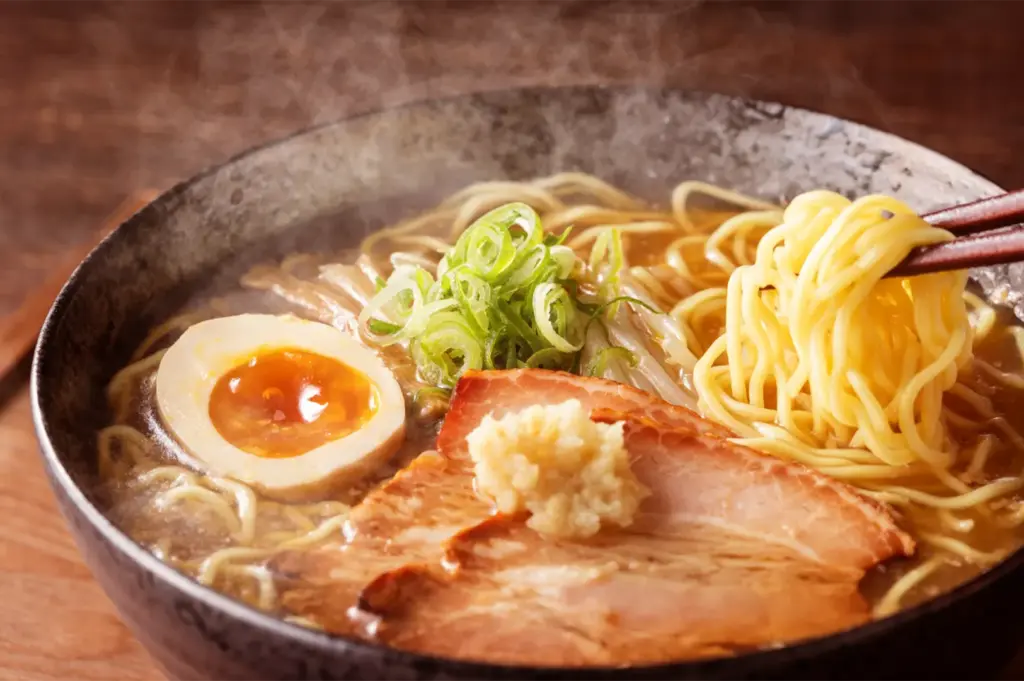
Some of the strongest ramen bowls are surprisingly quiet.
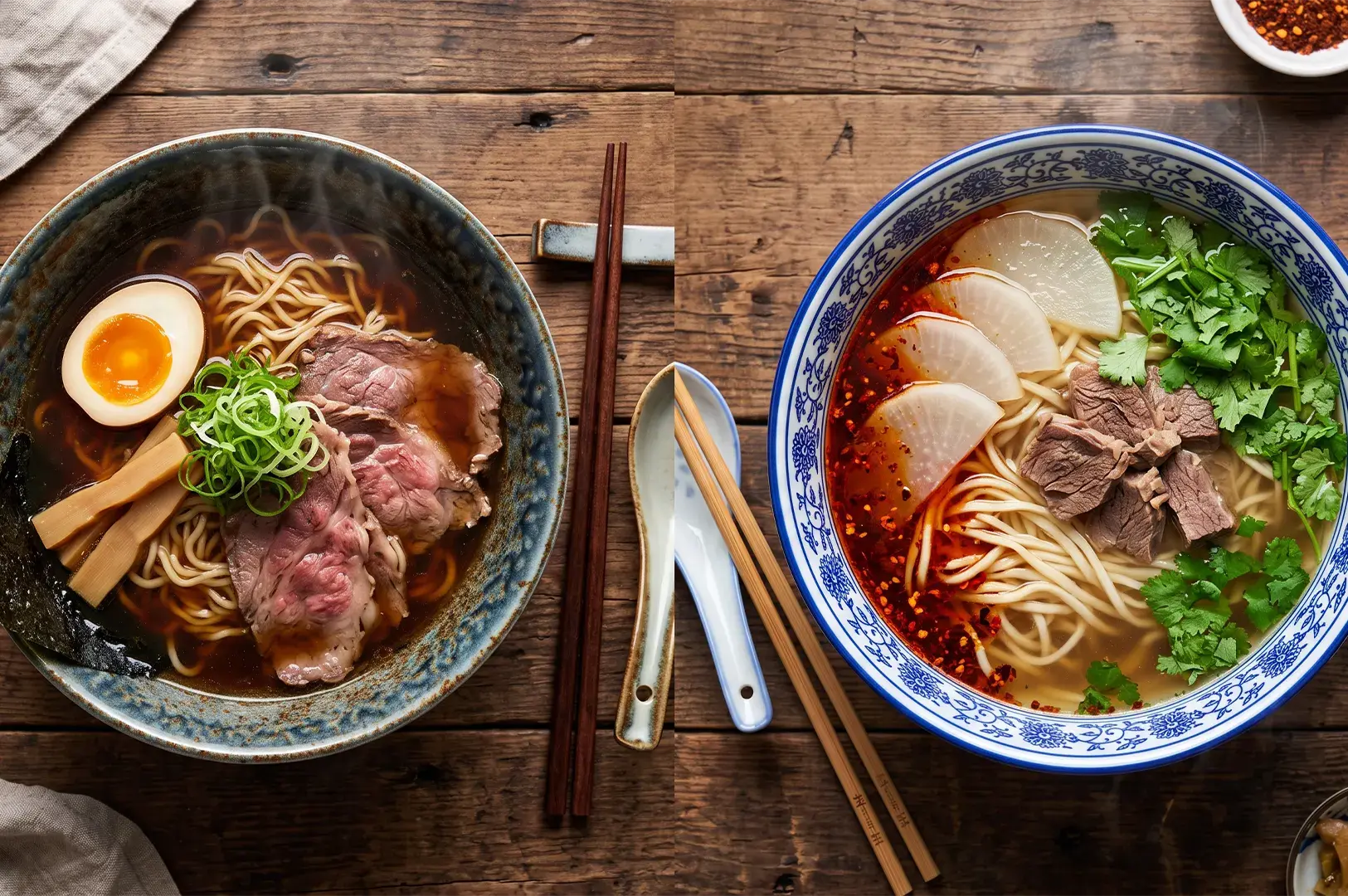
A few slices of chashu. Bamboo shoots. Spring onion. A well-marinated egg, maybe. Nothing excessive, nothing fighting for dominance. The restraint can feel almost plain at first glance.
Then we taste it.
The broth carries the noodles. The noodles hold their shape. The aroma rises at the right moment. The fat gives shine without heaviness. The toppings interrupt just enough to keep the bowl interesting.
This kind of ramen trusts the eater. It does not panic. It does not need to prove its value through quantity or spectacle. It understands that depth is not the same as clutter.
When Explanation Becomes a Warning Sign
We are not against explanation. Food stories can deepen appreciation. A good chef’s note can help us notice what we might otherwise miss.
But explanation becomes dangerous when it is asked to do the work of flavour.
If a ramen bowl only makes sense after a paragraph of justification, something may be missing. If every choice needs defending, the bowl may not be speaking clearly. The diner should not have to study before feeling satisfied. Ramen, at its best, is intelligent without being inaccessible.
The Bowl Should Reach Us First
The most memorable ramen bowls leave us with a feeling before they leave us with facts.
We may later learn about the broth, the tare, the noodle recipe, or the shop’s philosophy. That knowledge can make the memory richer. But it should come after the first encounter, not before it. Because a great ramen bowl does not begin as an explanation. It begins as steam, aroma, hunger, and trust.
The craft is there. It has to be. But when the bowl is truly good, we do not need to be convinced.
We already know.