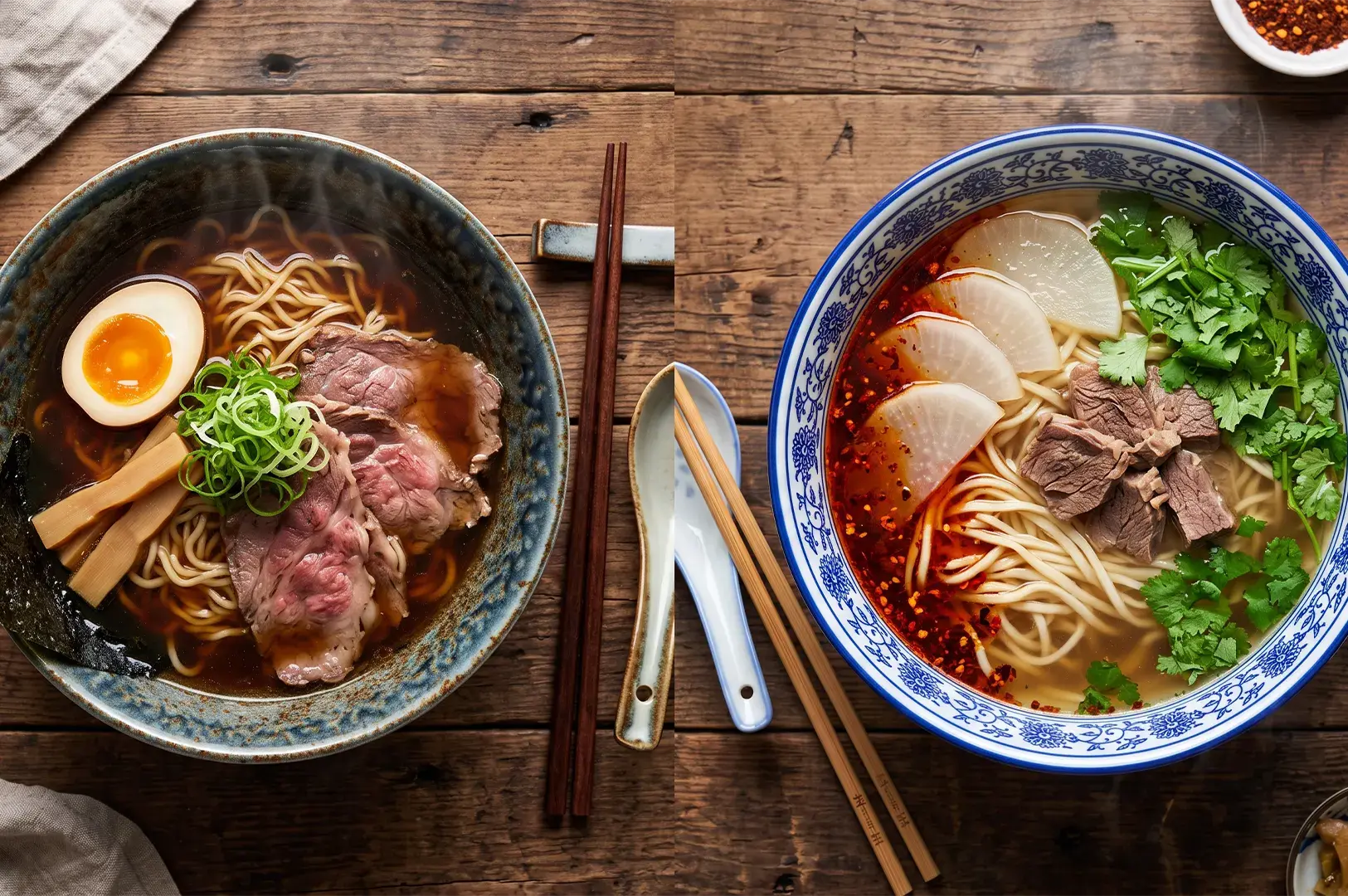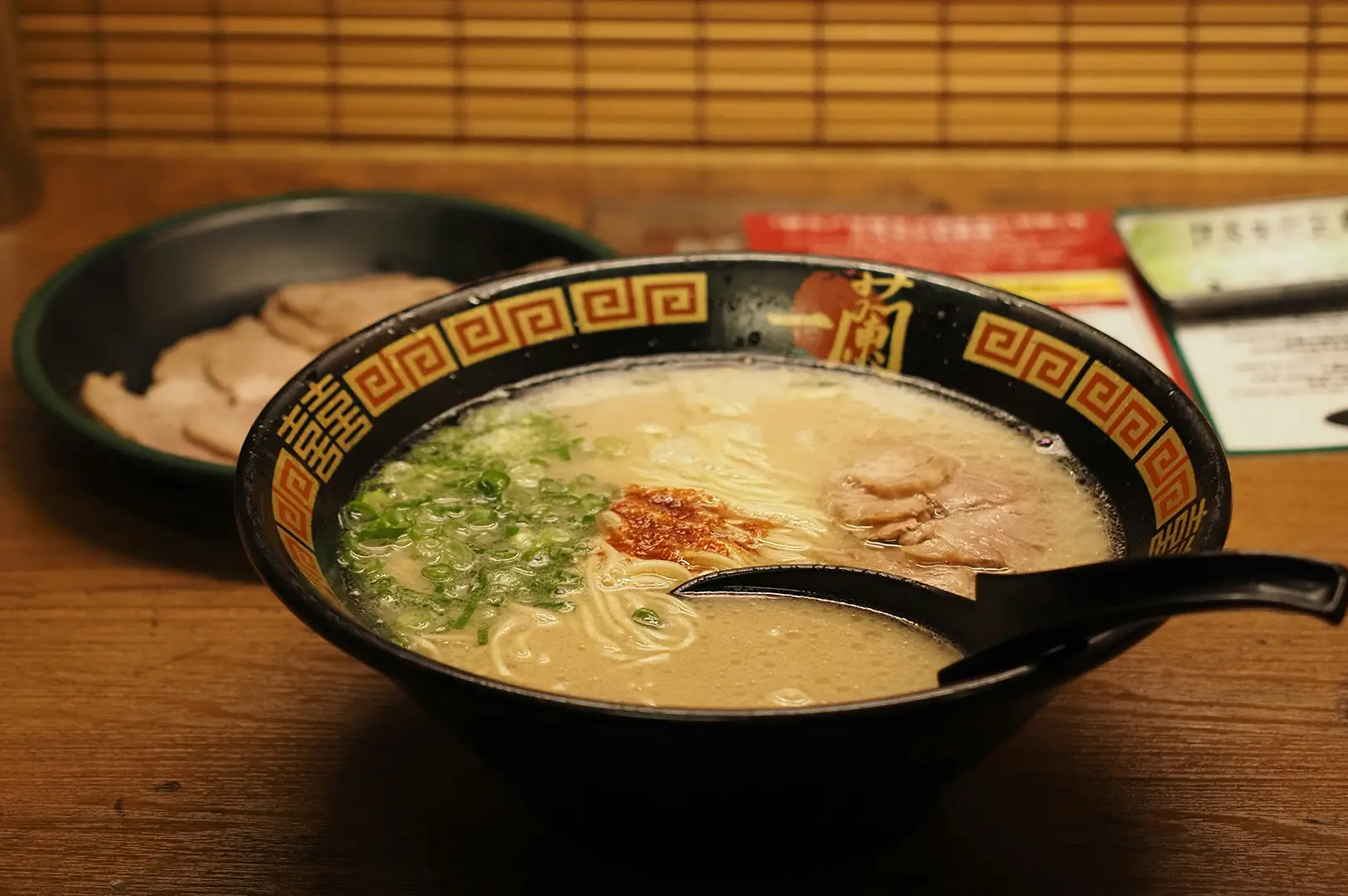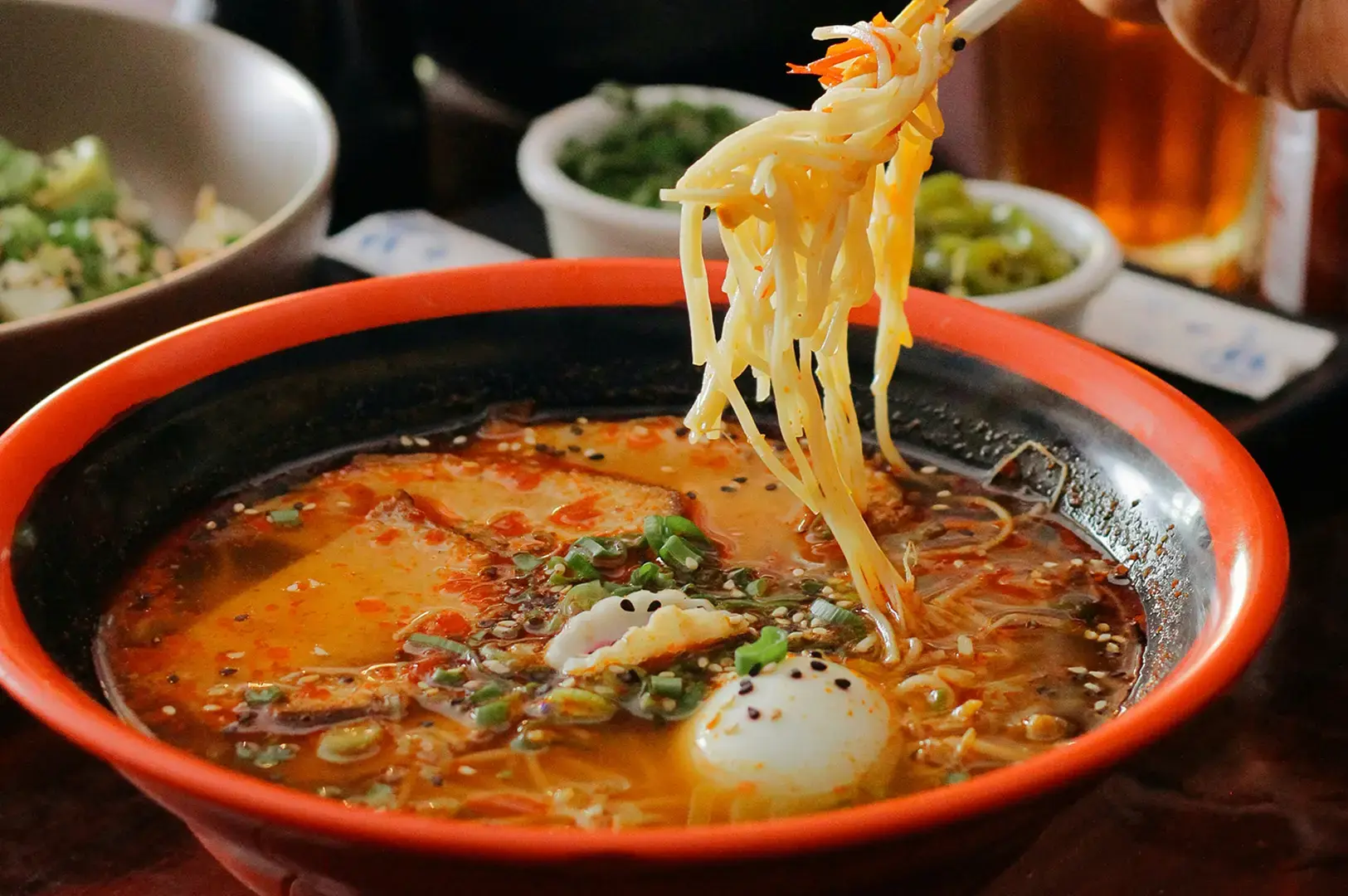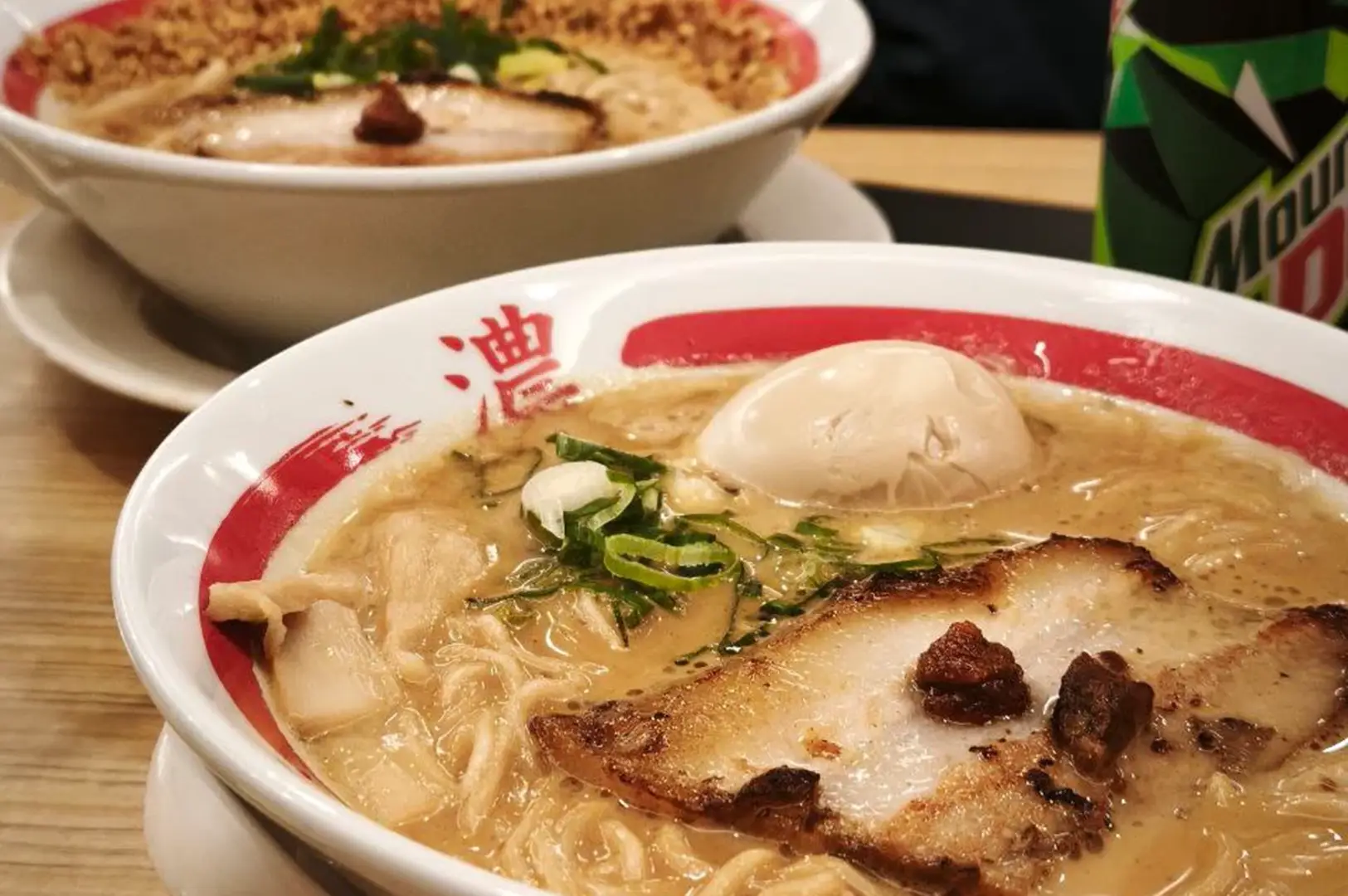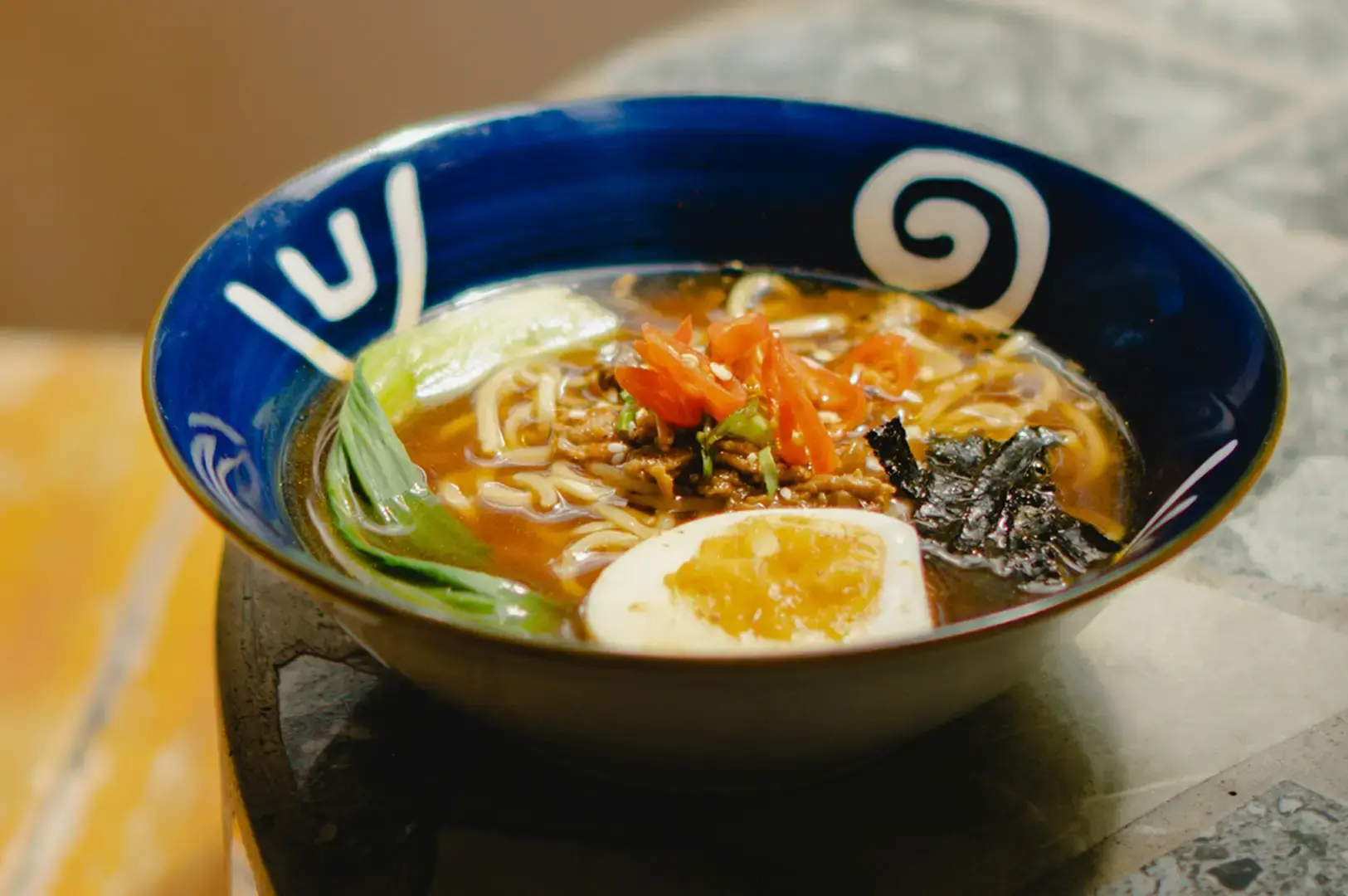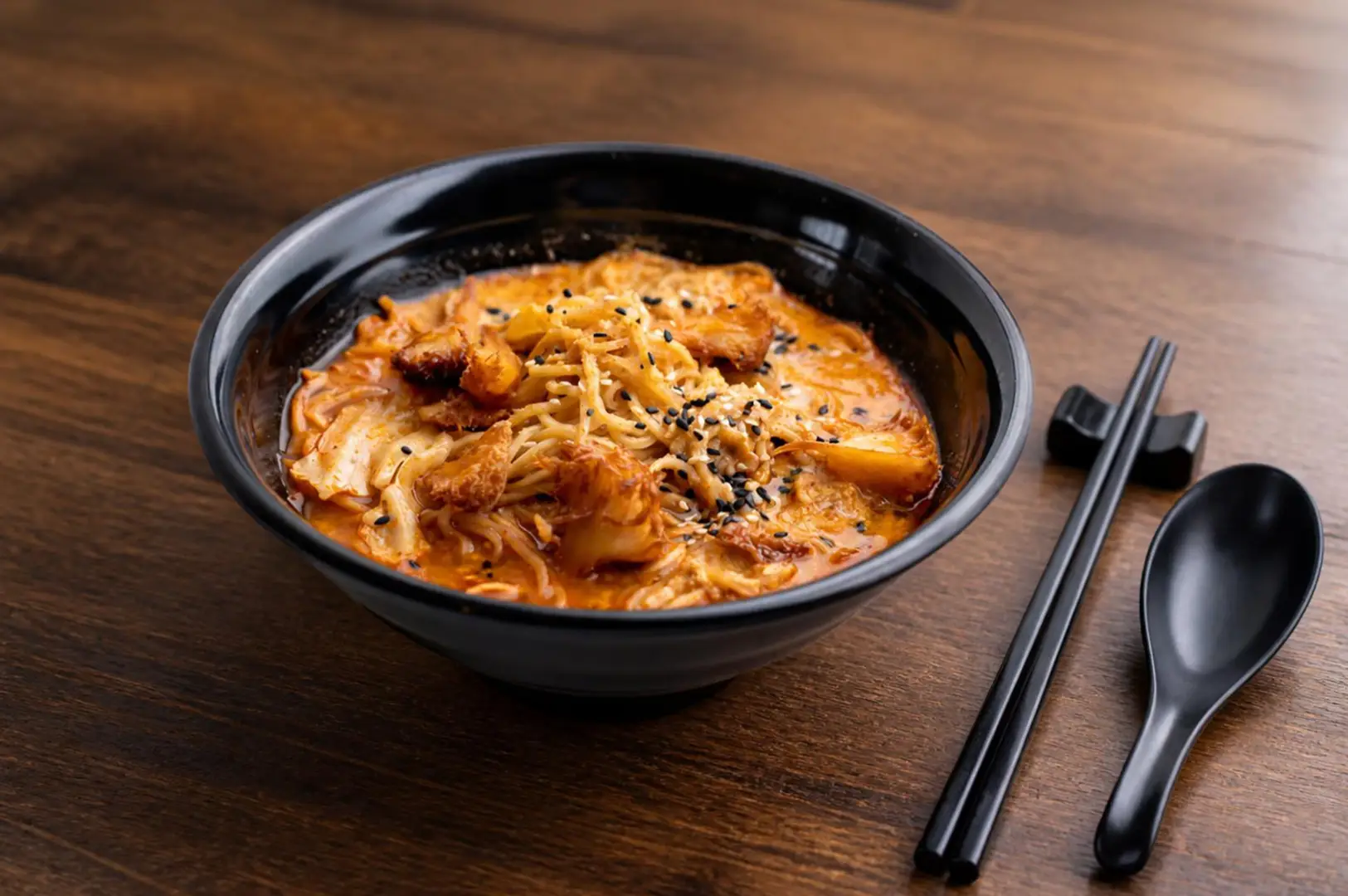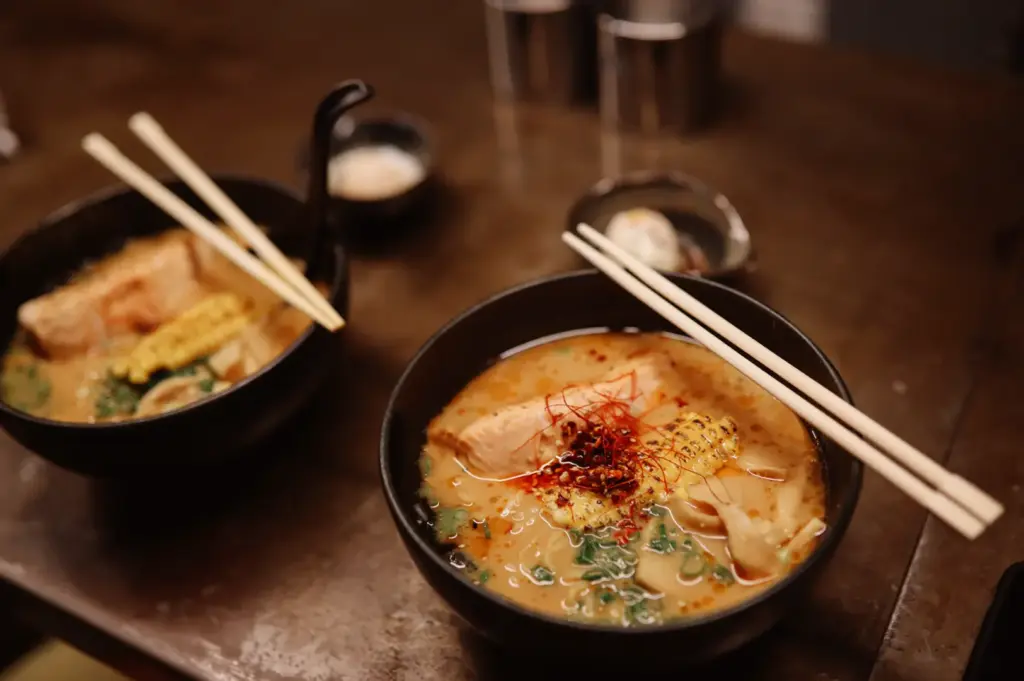
Eating hot ramen in Singapore sounds like a bad idea.
The air is already warm. The pavements hold heat long after noon. Step out of the MRT and the humidity settles on your skin before you have decided where to eat. In a city like this, common sense says you should want something cold, light, and fast.
And yet, I keep finding myself at ramen counters.
Not always on rainy days. Not only in air-conditioned malls. Sometimes it is the middle of a heavy afternoon, when the city feels wrapped in steam, and somehow a bowl of hot broth still feels like the right answer.
That contradiction is what makes ramen in Singapore so interesting.
It should feel wrong for the climate.
Instead, it feels strangely necessary.
Heat Against Heat
The first time I noticed this, I was sitting in a ramen shop near Orchard after walking through the kind of humidity that makes every traffic light feel too long.
I ordered ramen almost out of habit. When the bowl arrived, steam rose toward my face, carrying the scent of broth, oil, and soy. For a second, I wondered why I had done this to myself.
Then I took the first sip.
The warmth did not fight the weather. It met it.
There is something familiar about hot food in tropical cities. Singapore already understands this through laksa, prawn mee, bak kut teh, fish soup, and curry. Heat is not avoided here. It is often part of comfort itself, which may also explain why laksa ramen only works when the broth knows what it’s doing.
Ramen fits into that logic more naturally than it first appears.
The Comfort of Enclosed Spaces
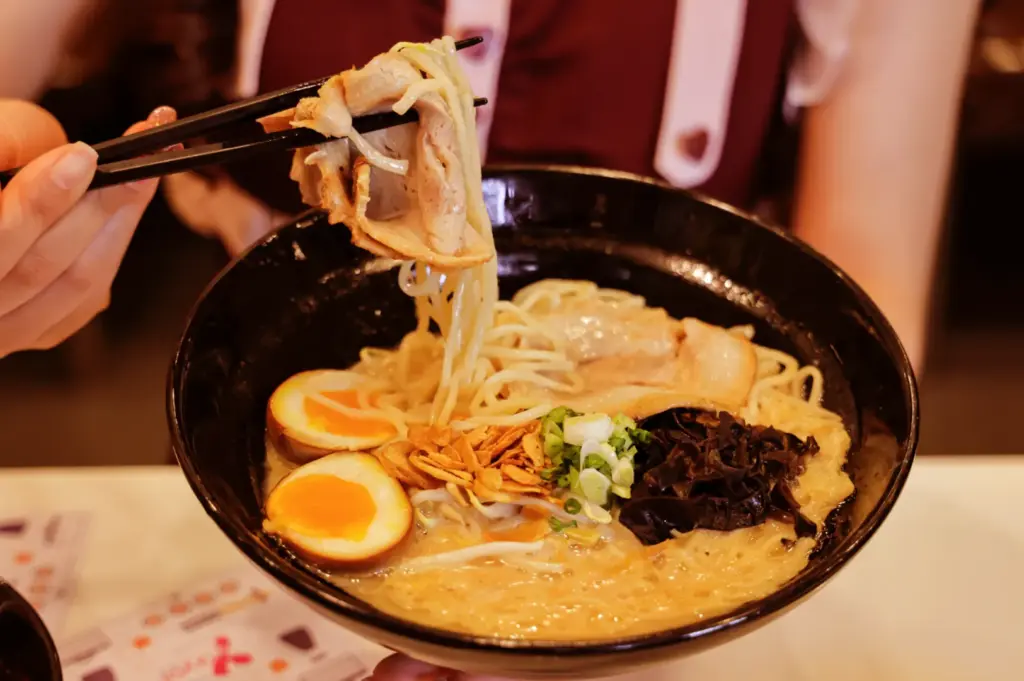
Singapore’s ramen culture is also shaped by where we eat it.
Many ramen shops sit inside malls, basements, food courts, and narrow restaurant rows. You step in from the noise of the city and enter a smaller world: bright counter lights, the sound of noodles being lifted, bowls moving quickly from kitchen to table.
That shift matters.
Ramen becomes less about the weather outside and more about the pause inside. The bowl gives structure to the break. You sit down. You lean in. You focus on broth, noodles, and the quiet rhythm of eating.
In a city that moves quickly, that kind of concentration feels rare.
Why Broth Still Works Here
A good bowl of ramen does not only warm the body. It settles it.
The broth gives depth. The noodles give rhythm. The toppings add small changes in texture and salt. Each bite asks for enough attention to pull you away from the day, but not so much that the meal becomes complicated.
That may be why ramen works in humid Singapore.
It offers intensity without requiring ceremony. It can be quick, but it does not feel careless. It can be rich, but it still feels contained inside one bowl.
For a city used to eating well in limited time, that balance makes sense.
A Different Kind of Comfort
I no longer think it is strange that hot ramen works here.
Singapore has always known how to make heat comforting. Ramen simply enters that tradition from another direction.
The bowl may come from Japan, but the way it is eaten here belongs to the city: between errands, after work, during rain, inside malls, alone at a counter, beside someone who is too hungry to talk.
Hot ramen in humid Singapore is not a contradiction.
It is a small surrender to comfort — steam rising in a city that already knows how to live with heat.