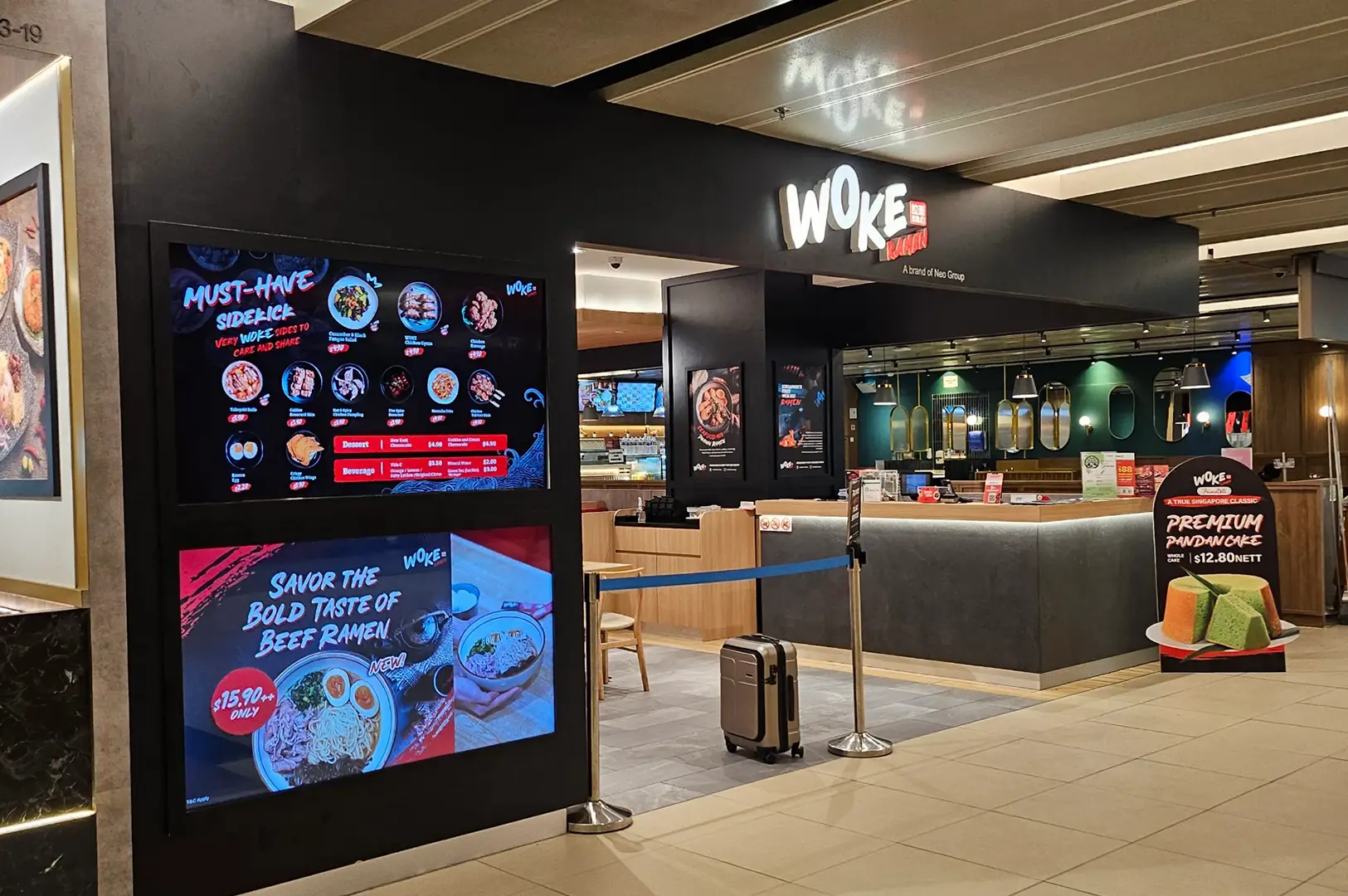
WOKE Ramen Review: When Wok Hei Enters the Ramen Bowl
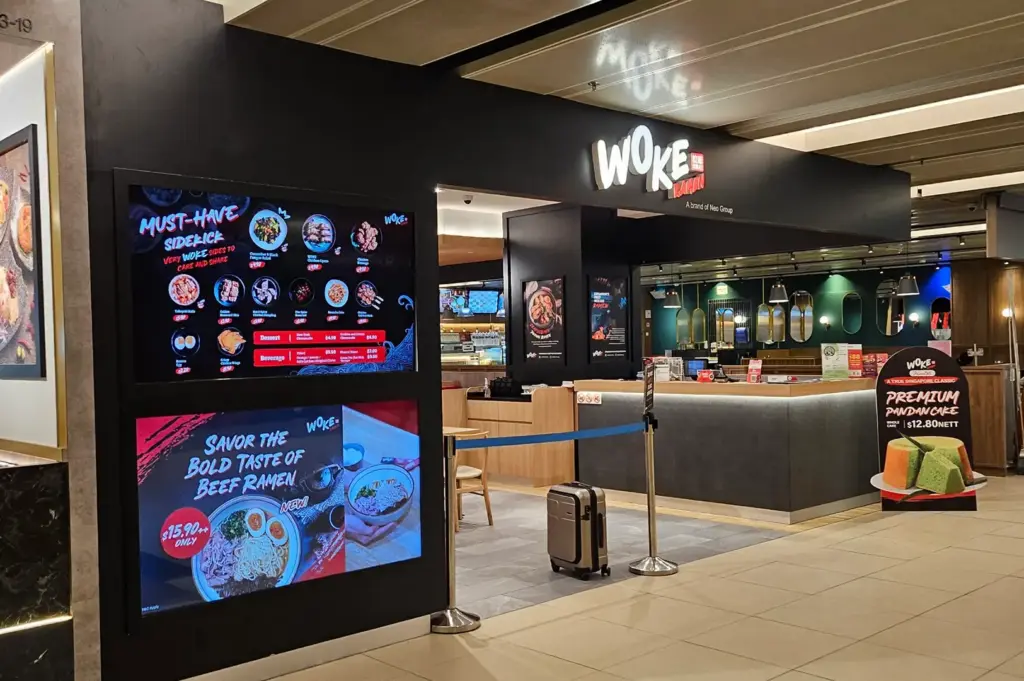
The first thing we notice is not the broth.
It is the smoke.
WOKE Ramen does not approach ramen quietly. The concept is built around wok hei, the charred, breath-of-the-wok aroma usually associated with Chinese stir-fry, and places it inside a ramen framework. On paper, this sounds risky. Ramen already has enough moving parts: broth, tare, oil, noodles, toppings, timing. Add wok smoke, and the bowl can either gain another layer or collapse into gimmick.
That is what makes WOKE Ramen worth reviewing.
It is not simply asking whether Singapore needs another ramen shop. It is asking whether ramen here can absorb a local-Chinese cooking instinct and still behave like ramen.
A Crossover With a Clear Premise
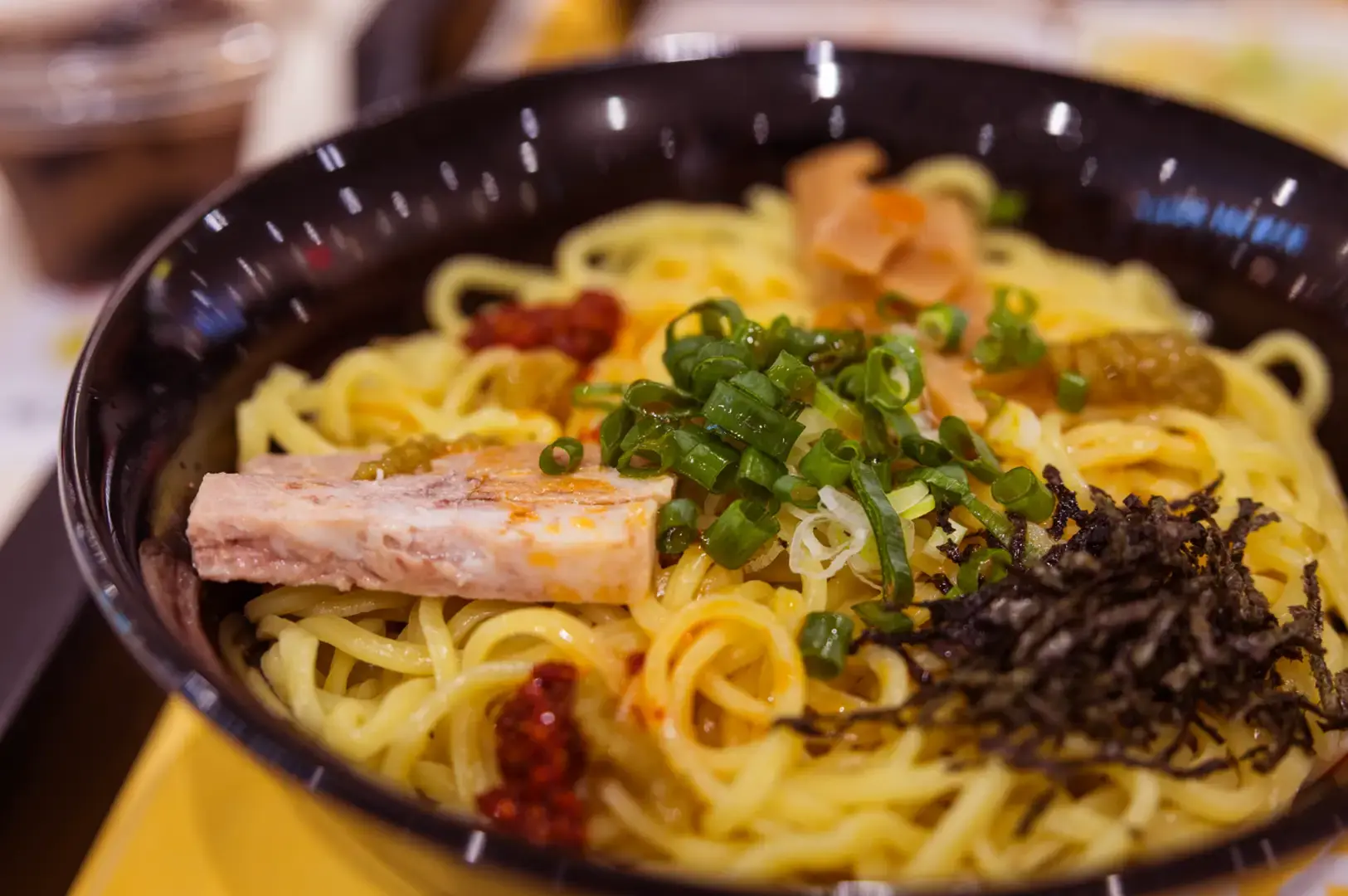
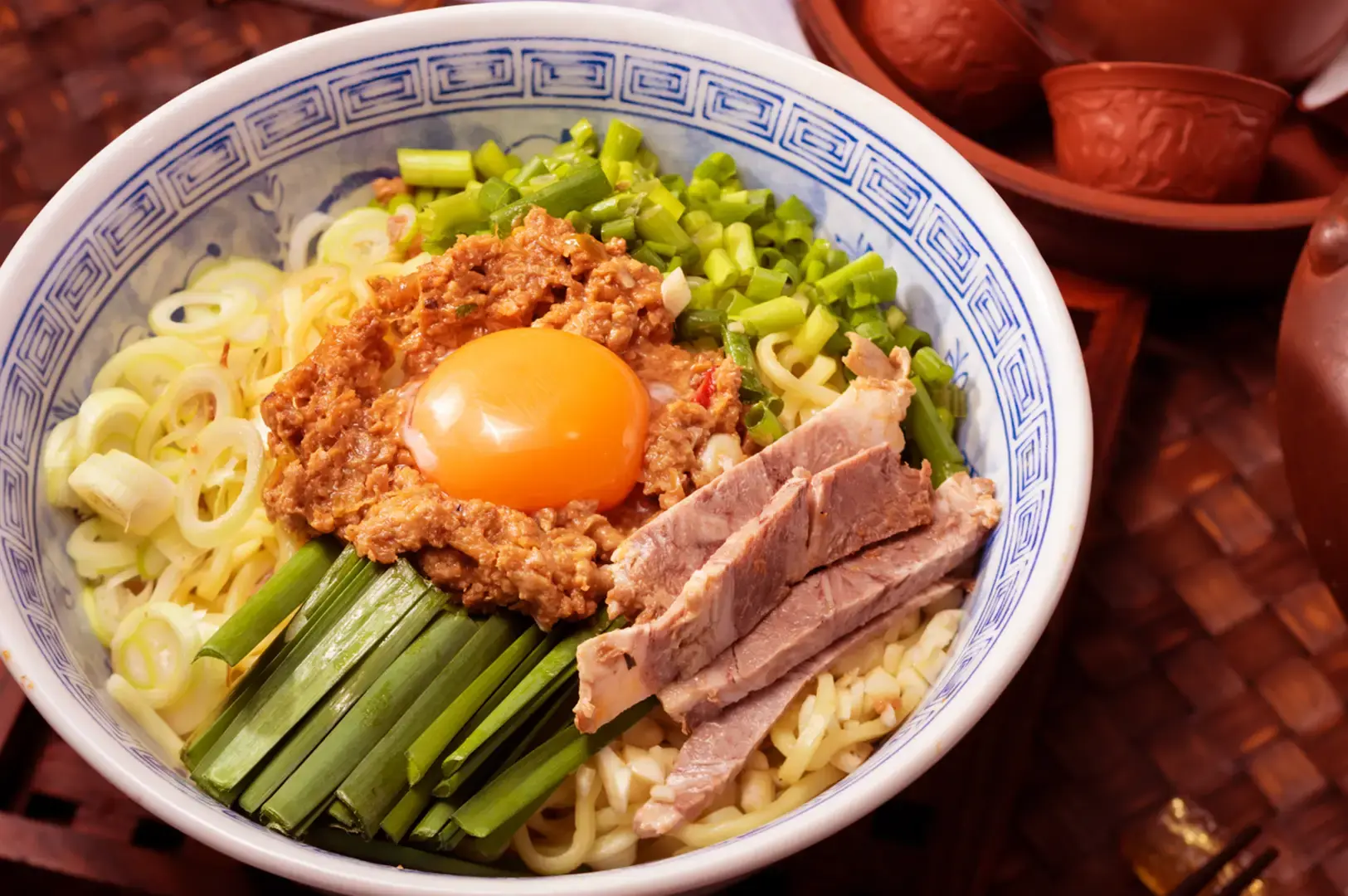
WOKE Ramen describes its concept as Singapore’s first wok hei ramen, combining Japanese ramen broth with Chinese lamian noodles. Its noodles are first stir-fried in seasoned woks before being paired with broth, giving the bowl its smoke-kissed character. The brand currently lists outlets at Changi Airport Terminal 1 and Compass One.
That process matters.
Wok hei is not just “smokiness.” It comes from heat, oil, movement, and timing. If handled badly, it tastes burnt or oily. If handled well, it gives the noodles a roasted edge before they meet the soup.
This changes the sequence of the bowl. Instead of the broth carrying all the aroma, the noodles arrive with their own.
The Broth Has to Hold Its Ground
The danger with wok hei ramen is imbalance.
Smoke is assertive. It pushes forward quickly. If the broth underneath is thin, the bowl becomes all aroma and no structure. If the broth is too heavy, the smoke disappears under fat and salt.
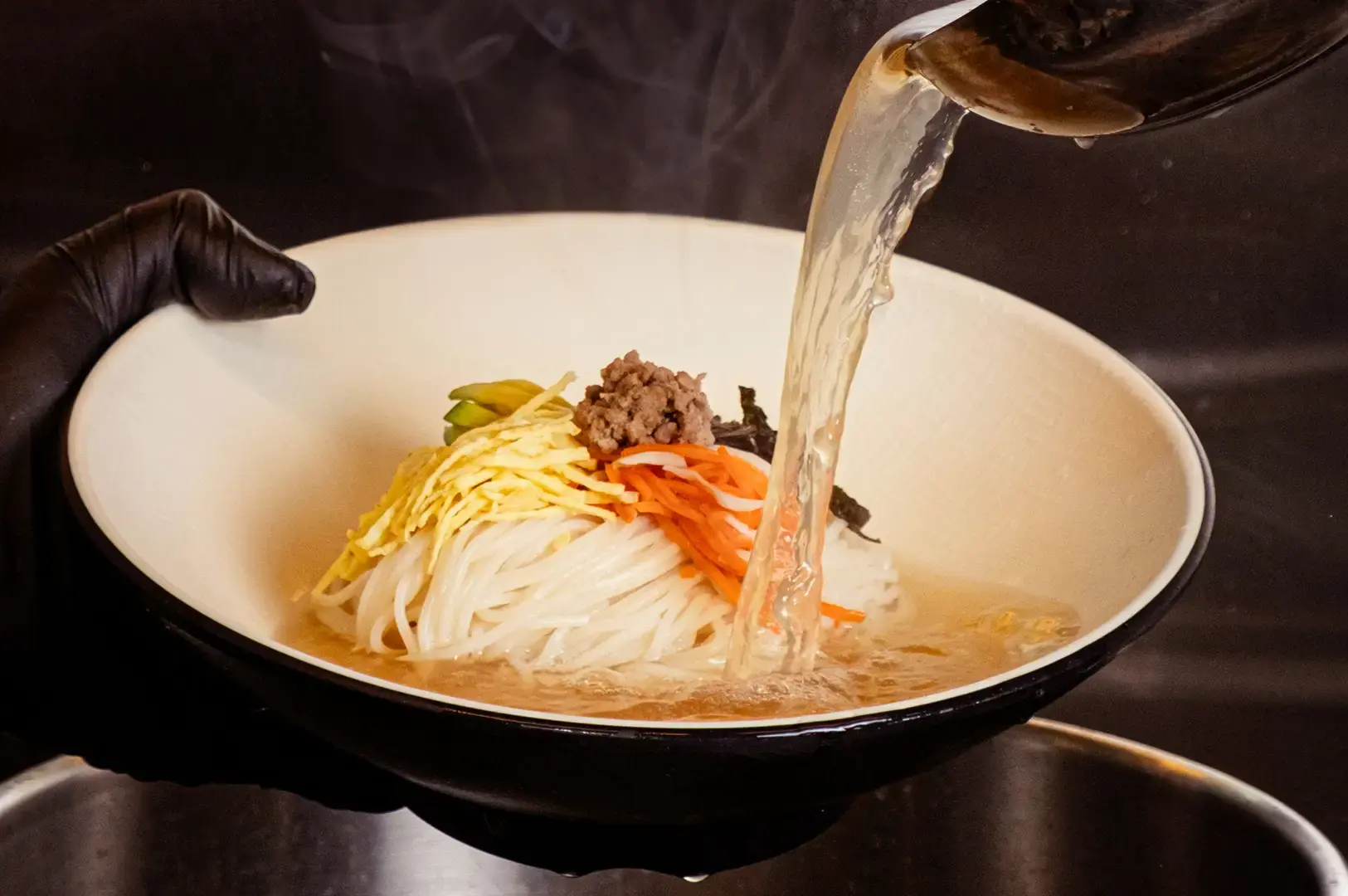
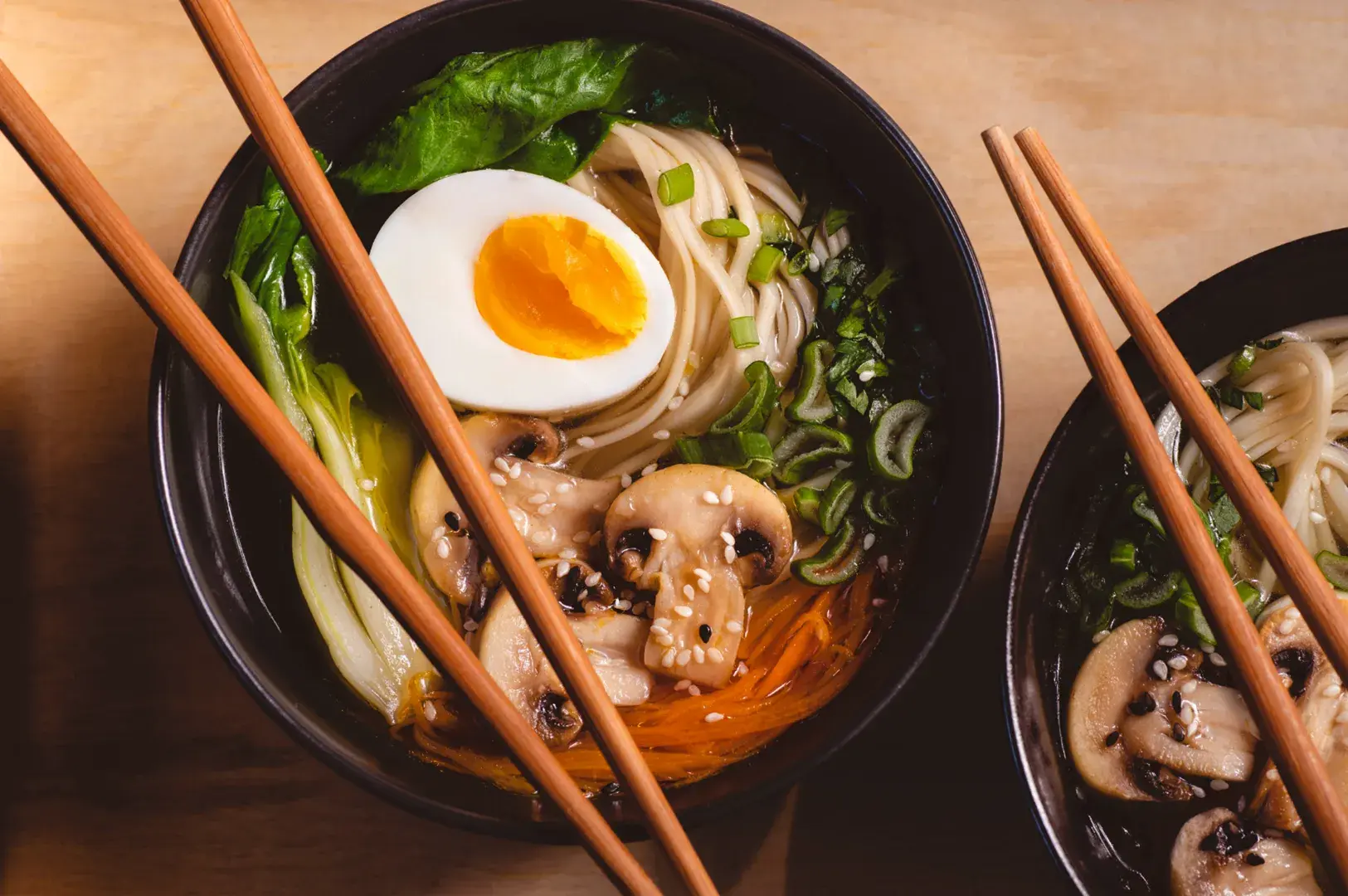
WOKE Ramen leans into chicken collagen broth and prawn broth options, with menu items such as chicken chashu collagen ramen and seafood prawn ramen. That gives the concept two useful directions: comfort from chicken, and sharper seafood depth from prawn.
The best version of this idea depends on restraint. The broth should not compete with the wok hei. It should frame it. We want enough body, seasoning, and finish to make the smoke feel integrated rather than pasted on.
Noodles Become the Main Event
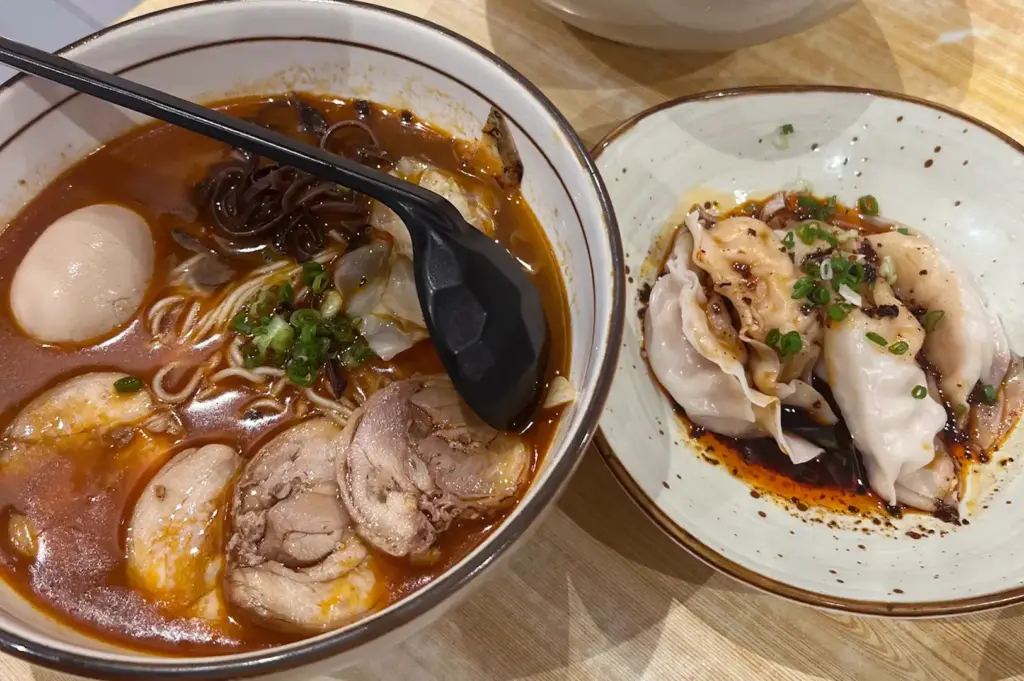
In most ramen bowls, noodles respond to the broth.
Here, the noodles speak earlier.
Because they are stir-fried before entering the soup, texture and aroma become more prominent. We pay attention to whether the noodle keeps its bite after that double exposure: first wok, then broth. If it softens too quickly, the concept weakens. If it holds, the bowl gains something rare: a noodle that carries smoke without losing function.
That is where WOKE Ramen’s idea is strongest.
It treats noodles as active participants, not just carriers.
The Clean Assessment
WOKE Ramen works best when we judge it on its own logic.
This is not traditional tonkotsu. It is not classic shoyu. It is a Singapore crossover bowl built around wok aroma, broth support, and noodle character.
The concept can easily become novelty. But when the smoke is controlled, the broth has enough depth, and the noodles keep their texture, the bowl offers something genuinely specific to Singapore’s ramen landscape.
WOKE Ramen reminds us that ramen does not only travel through imitation.
Sometimes it travels through heat, smoke, and a wok moving fast enough to leave a mark.