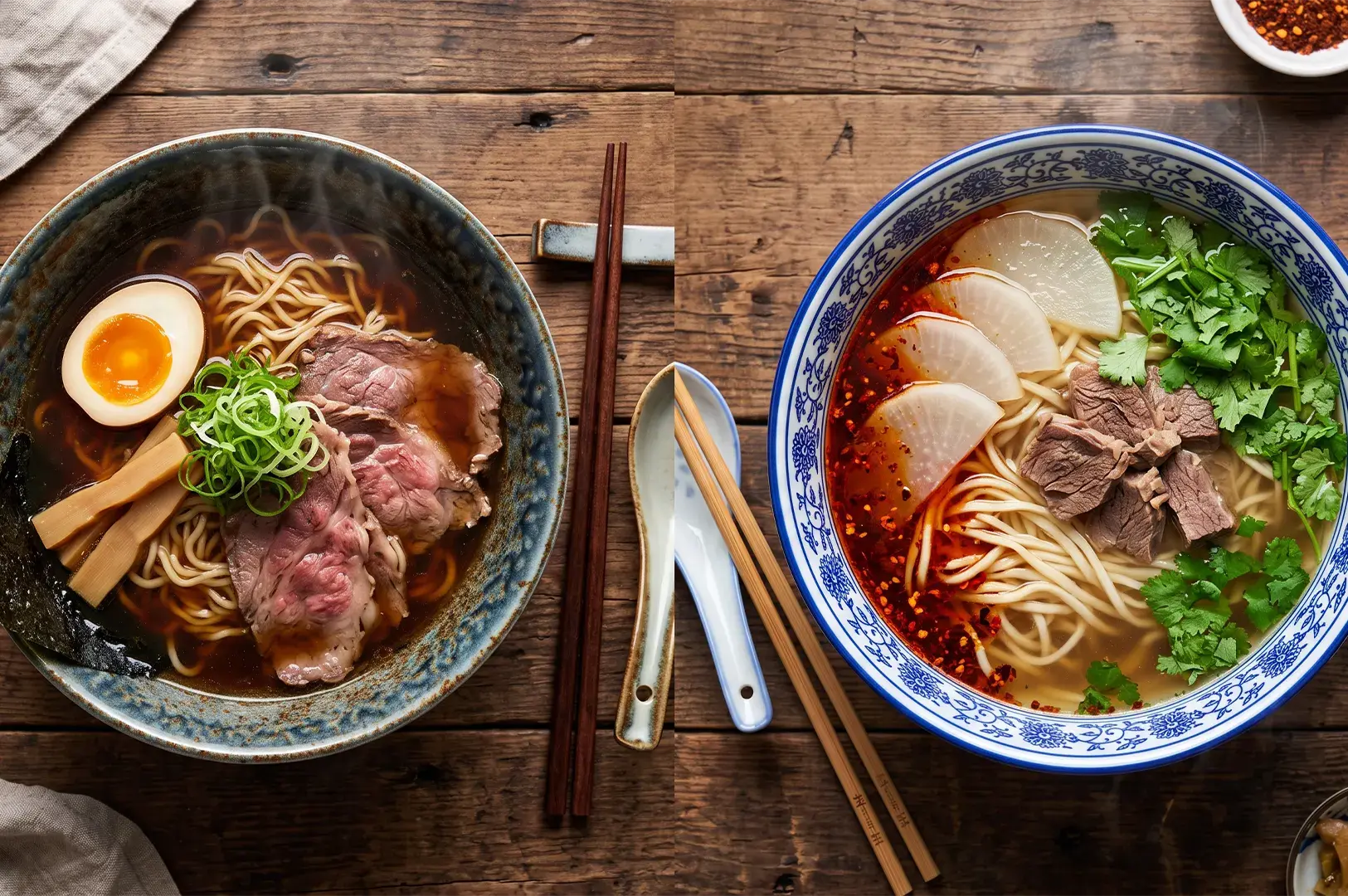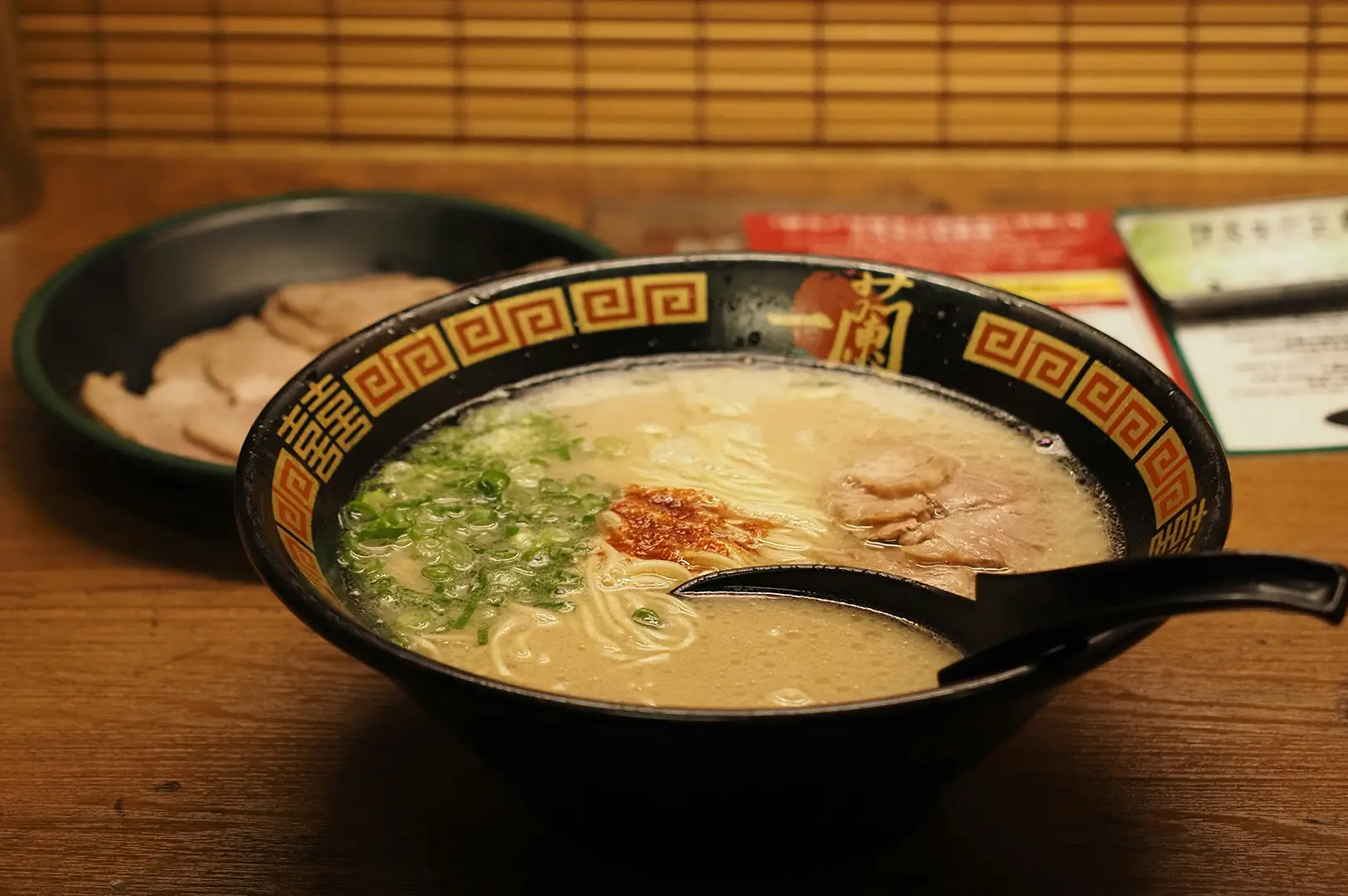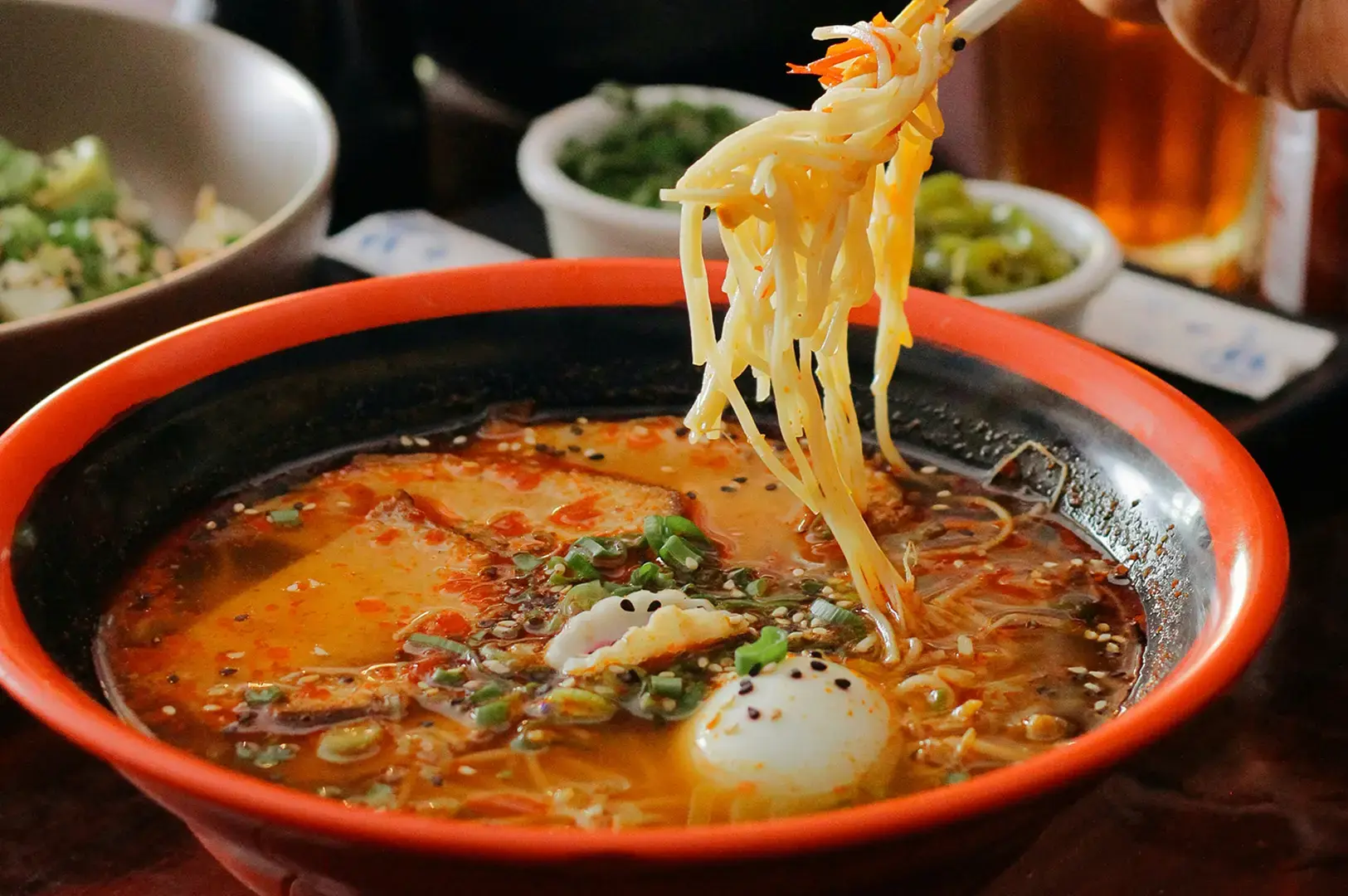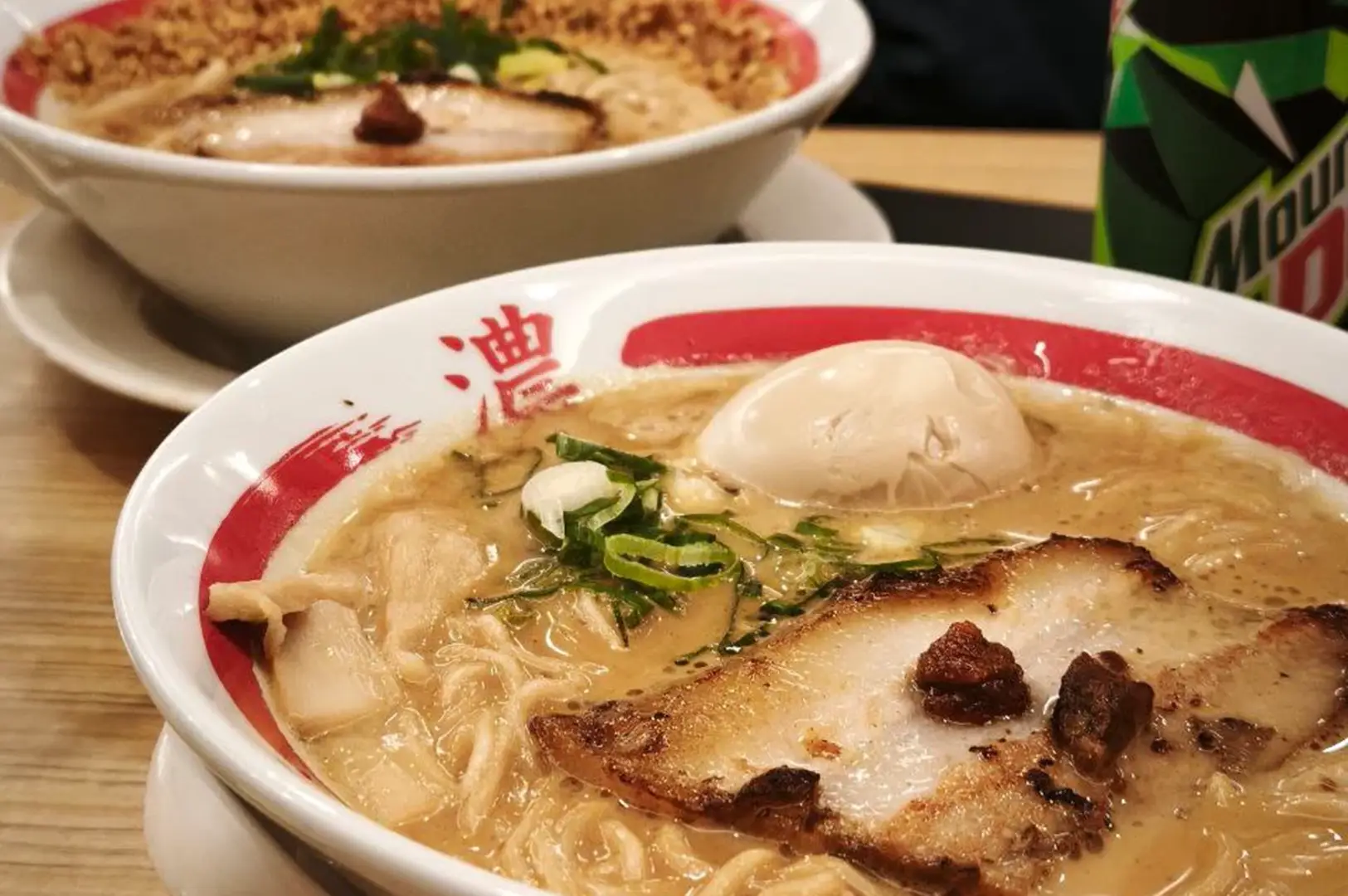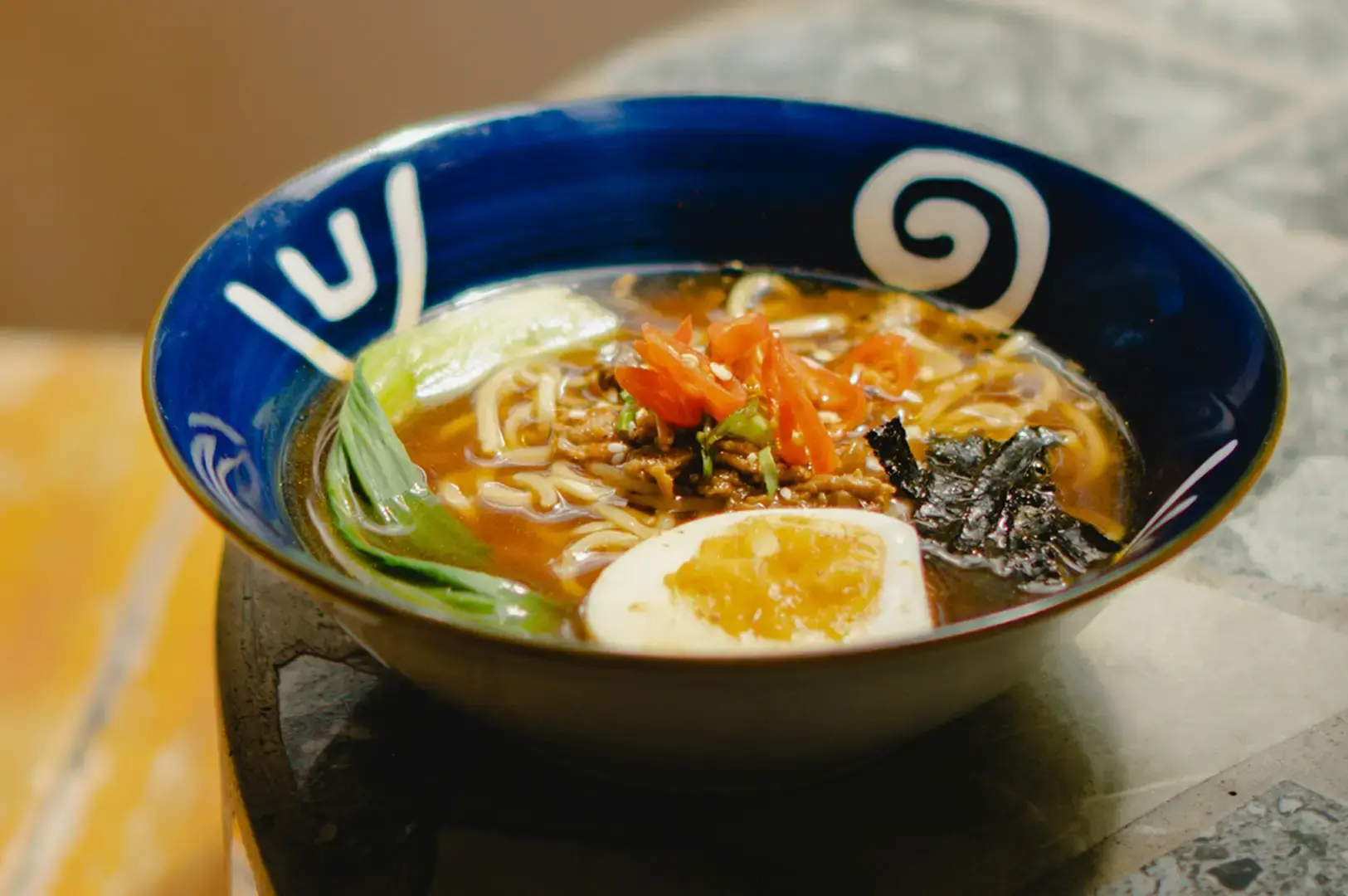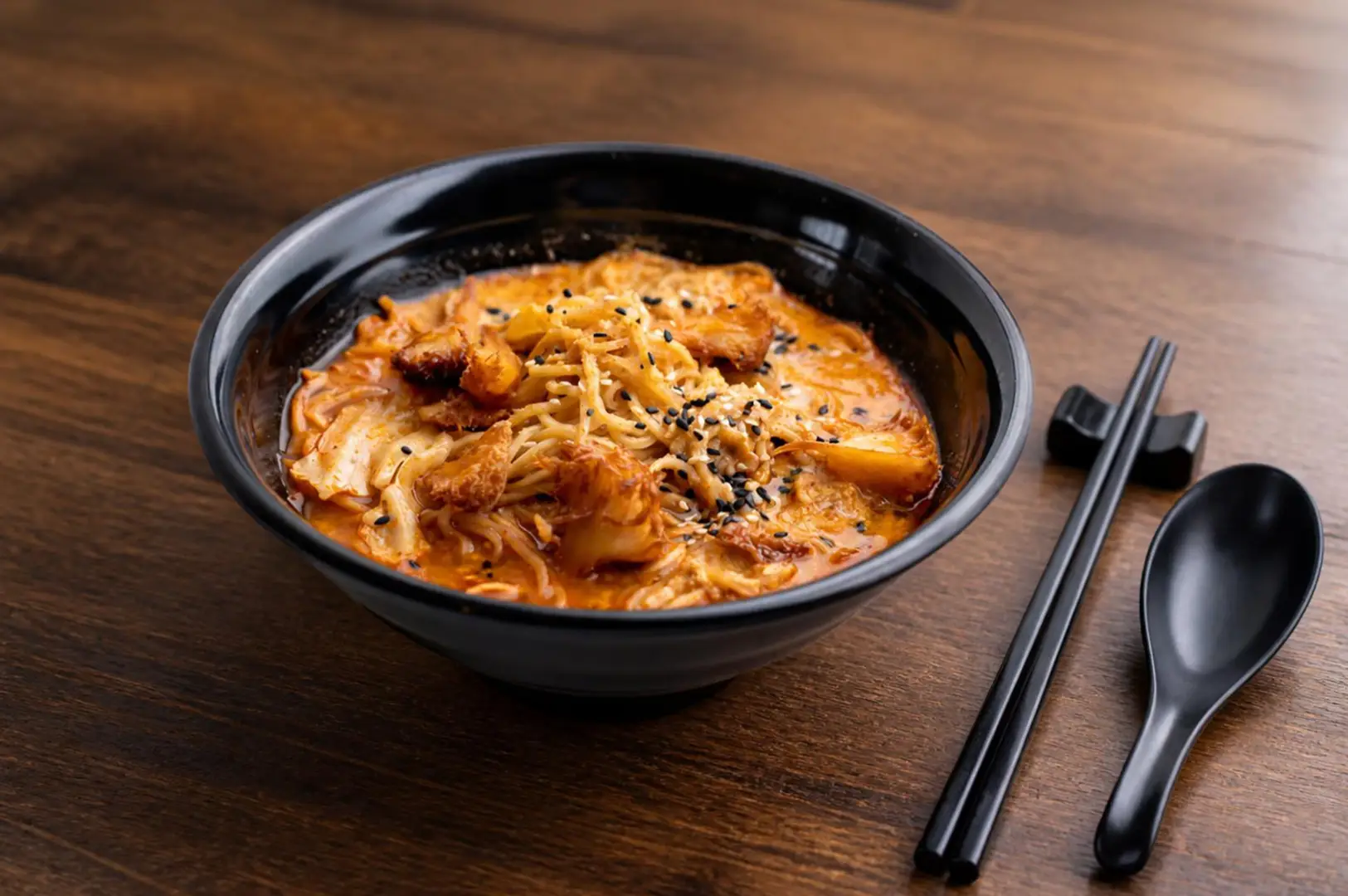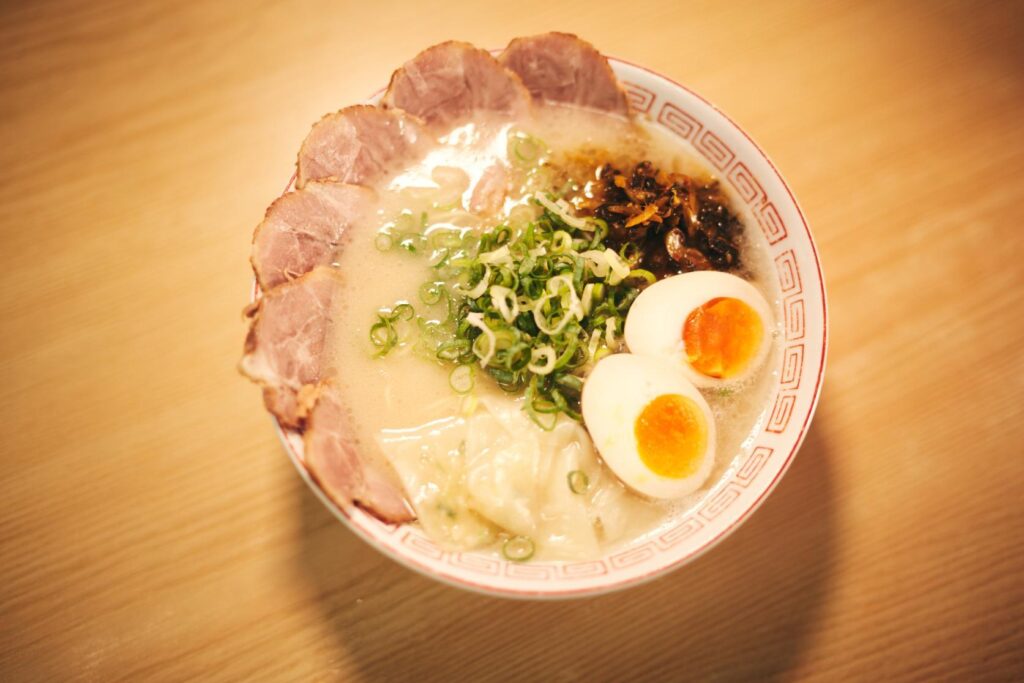
The experience of entering an Ippudo outlet, whether in Singapore or its native Japan, is remarkably consistent. There is a sense of managed energy—the warm wood tones, the ambient hum of conversation, the rhythmic clatter from the open kitchen. It is a space designed to be both efficient and welcoming, a modern interpretation of a traditional ramen-ya. For many, Ippudo was their first introduction to authentic Hakata-style tonkotsu ramen, serving as a gateway to a deeper appreciation of Japanese food culture.
This article examines the enduring appeal of Ippudo Singapore. It is not a review but a narrative exploration of craft, tracing the journey of a bowl from its philosophical origins in Hakata to its execution in a Singaporean context. We will analyze the core components—broth, noodles, and toppings—and explore how Ippudo maintains a delicate balance between tradition and global accessibility. The goal is to provide a framework for understanding why Ippudo remains a significant and relevant name in the world of Japanese ramen in Singapore.
From Hakata to the World: The Ippudo Philosophy
To understand Ippudo, one must first understand Hakata, the ward in Fukuoka city that is the undisputed home of tonkotsu ramen. In 1985, Shigemi Kawahara opened the first Ippudo, a small counter-seating shop. His vision was to elevate the image of ramen from cheap, fast food to a respected culinary experience. The name “Ippudo” translates to “one wind hall,” signifying Kawahara’s intent to blow a “new wind” through the ramen industry.
The core of the Hakata style is its rich, emulsified pork bone broth. Traditionally, Hakata ramen shops were known for their strong, sometimes pungent aroma. Kawahara refined this by developing a cooking method that minimized the characteristic pork smell while maximizing the extraction of flavor and collagen. This created a smoother, more approachable tonkotsu broth that could appeal to a broader audience without sacrificing its fundamental character. This philosophy of “maintaining tradition while continuously innovating” is central to Ippudo’s global success.
When Ippudo arrived in Singapore, it brought not just a recipe but a system. The challenge was to replicate the precise taste and texture of Hakata ramen in a different climate, using ingredients sourced from a global supply chain. This commitment to consistency is a hallmark of the Ippudo experience.
The Heart of the Bowl: Anatomy of Tonkotsu Broth
The soul of Ippudo’s ramen is its tonkotsu broth. The signature Shiromaru Motoaji features a broth that is a product of hours of meticulous preparation. It is a classic expression of the Hakata style—creamy, opaque, and deeply savory.
The process involves simmering pork bones at a rolling boil for an extended period, often over 18 hours. This intense cooking serves two purposes:
- Extraction: It breaks down the collagen in the pork bones and connective tissues, which dissolves into the liquid as gelatin. This is what gives the broth its satisfying body and silky mouthfeel.
- Emulsification: The agitation from the boil breaks down fat and marrow into microscopic particles, which become suspended in the broth. The gelatin acts as a stabilizer, creating a stable, milky emulsion.
The resulting broth is rich but not overpoweringly heavy. The first sip coats the palate with a smooth, savory pork flavor that is clean and focused. The Akamaru Shinaji, Ippudo’s modern variation, builds on this foundation by adding a spicy miso paste and fragrant garlic oil. This introduces a new layer of complexity, adding a pungent kick and a wave of umami that complements the creamy pork base. The flavors in an Ippudo bowl are designed to be layered, evolving as the oils and pastes mix into the soup.
The Straight Path: Hakata-Style Noodles
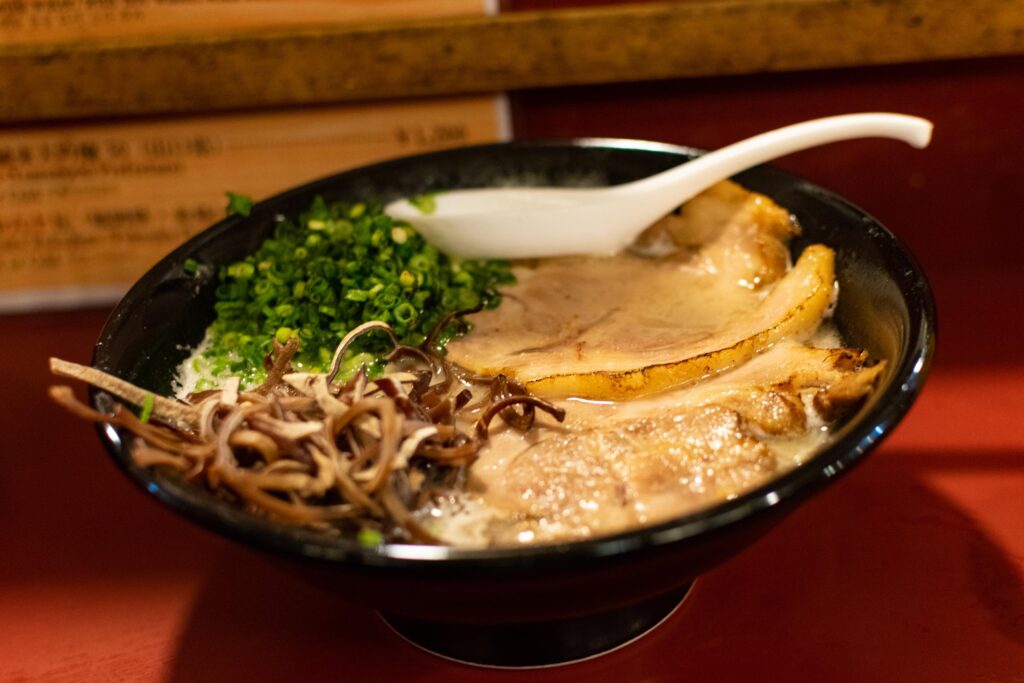
Hakata ramen is characterized by its thin, straight, low-hydration noodles. This choice is deliberate and functional. The quick cooking time of these noodles was originally suited to the impatient fishermen and workers at Fukuoka’s Nagahama fish market.
Ippudo has perfected this style. The noodles are made from a proprietary flour blend, designed to have a firm, snappy texture. This quality, known as koshi, provides a satisfying bite that stands up to the rich tonkotsu broth. One of the defining features of the Ippudo experience is the ability to customize the noodle firmness, a practice known as kata-men. The options typically range from yawa (soft) to bari-kata (very hard). This allows diners to control the texture and how the noodles interact with the hot soup over the course of the meal.
Because thin noodles can soften quickly, the system of kae-dama—ordering a second serving of noodles—is an integral part of Hakata ramen culture. This allows diners to enjoy a fresh, firm batch of noodles in their remaining broth, ensuring the texture remains optimal from start to finish.
The Supporting Cast: Chashu, Egg, and Toppings
While the broth and noodles are the stars, the toppings provide essential contrast in texture and flavor.
The Chashu
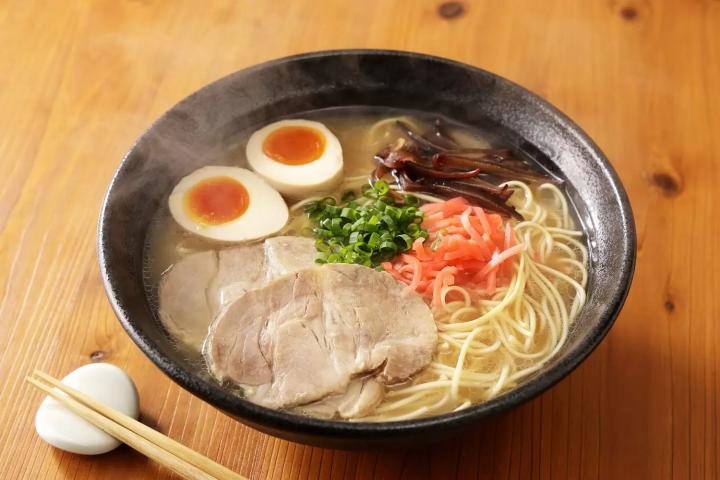
Ippudo offers two distinct styles of pork chashu, both prepared with precision. The pork loin is leaner, offering a firm, meaty chew. The pork belly, on the other hand, is tender and yielding, with layers of rendered fat that melt into the hot broth. The pork is braised in a savory-sweet marinade, which infuses the meat with flavor without overpowering the soup.
The Ajitsuke Tamago
The seasoned egg is a crucial component. The yolk is cooked to a perfect jammy consistency—not quite liquid, but soft and creamy. It is marinated in a soy-based sauce, which seasons the egg white and adds a touch of umami. When broken, the rich yolk dissolves into the soup, adding another layer of creaminess to the final few spoonfuls.
Other Toppings
The bowl is typically garnished with crisp black fungus (kikurage) and fresh spring onions. The kikurage provides a delightful crunchy texture that contrasts with the soft noodles and chashu. The spring onions add a sharp, fresh bite that cuts through the richness of the pork broth. Condiments like pickled ginger (beni shoga) and spicy bean sprouts are also available on the side, allowing diners to add acidity or heat to refresh their palate.
Service, Atmosphere, and Consistency
The Ippudo experience is engineered for consistency. The interior design across its Singapore outlets shares a common language of dark wood, sleek lines, and warm lighting. The open kitchen design puts the craft of the ramen chefs on display, adding a theatrical element to the dining experience.
Service is brisk, efficient, and polite, reflecting Japanese standards of hospitality. Staff are well-versed in the menu and the ordering process, guiding diners through the customization options. The synchronized shouts of “Irasshaimase!” (welcome) create an energetic and welcoming atmosphere from the moment a customer enters.
This operational excellence is key to Ippudo’s ability to translate the Hakata ramen experience to a global stage. By standardizing processes and maintaining strict quality control, Ippudo ensures that a bowl of Shiromaru in Singapore tastes remarkably similar to one served in Fukuoka. This reliability is a significant part of its enduring appeal.
Ippudo’s Enduring Place in Singapore
Ippudo succeeded in Singapore because it offered a product that was both authentic and accessible. It introduced many Singaporeans to the concept of regional ramen styles and the importance of broth craftsmanship. By allowing for customization and offering modern variations like the Akamaru, it appealed to a wide range of palates.
The balance between tradition and innovation remains at the core of Ippudo’s identity. It respects its Hakata roots while adapting to the tastes of a global audience. It has become a reliable institution, a place where one can be assured of a high-quality, consistent bowl of tonkotsu ramen.
For the ramen novice, Ippudo serves as an excellent introduction. For the seasoned enthusiast, it is a benchmark, a taste of Hakata that has been faithfully reproduced thousands of miles from its origin. The next time you visit, take a moment to appreciate the journey of that bowl—from a small shop in Fukuoka to a global phenomenon. It is a story of craft, consistency, and the universal appeal of a well-made bowl of noodles.