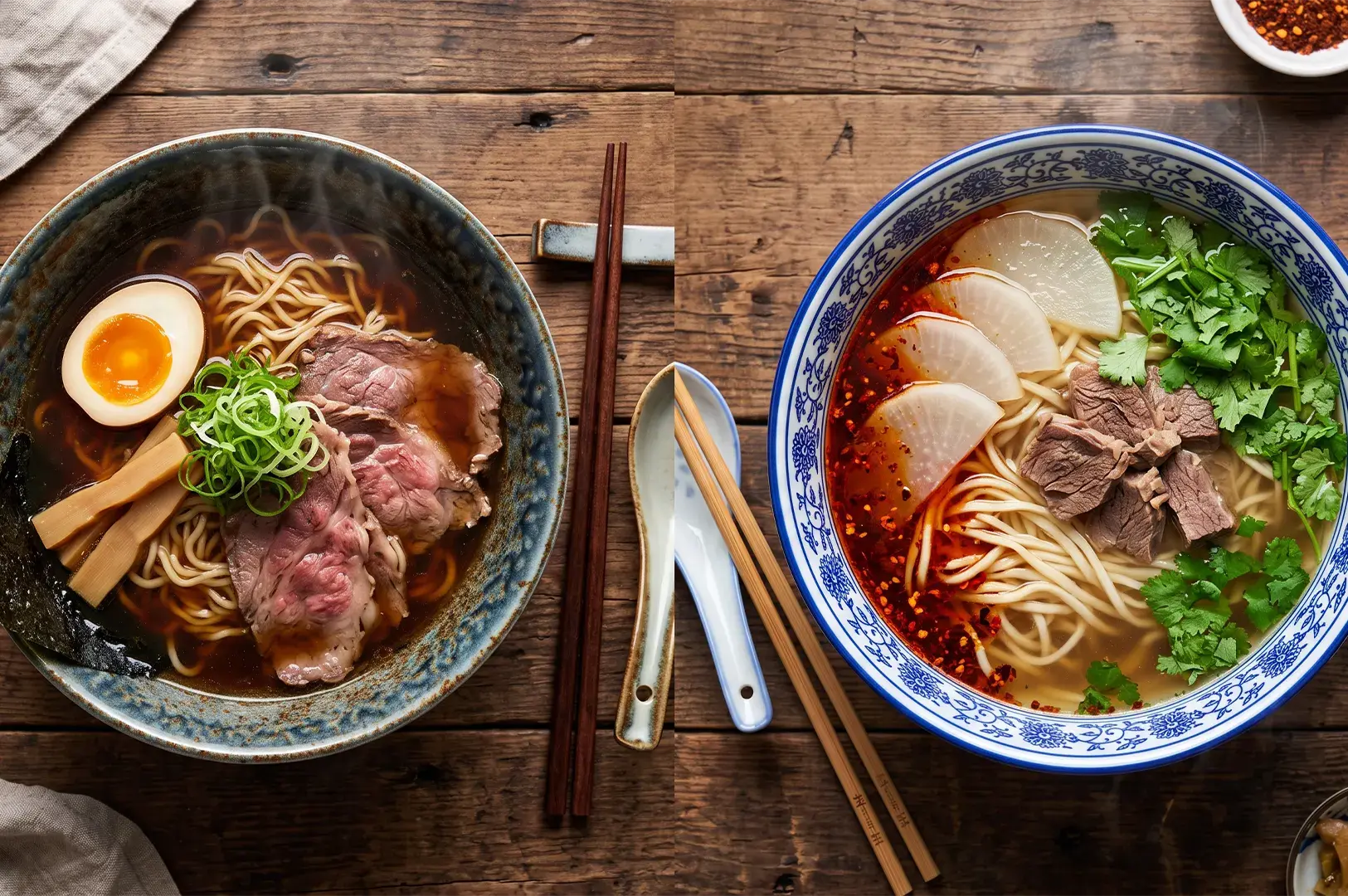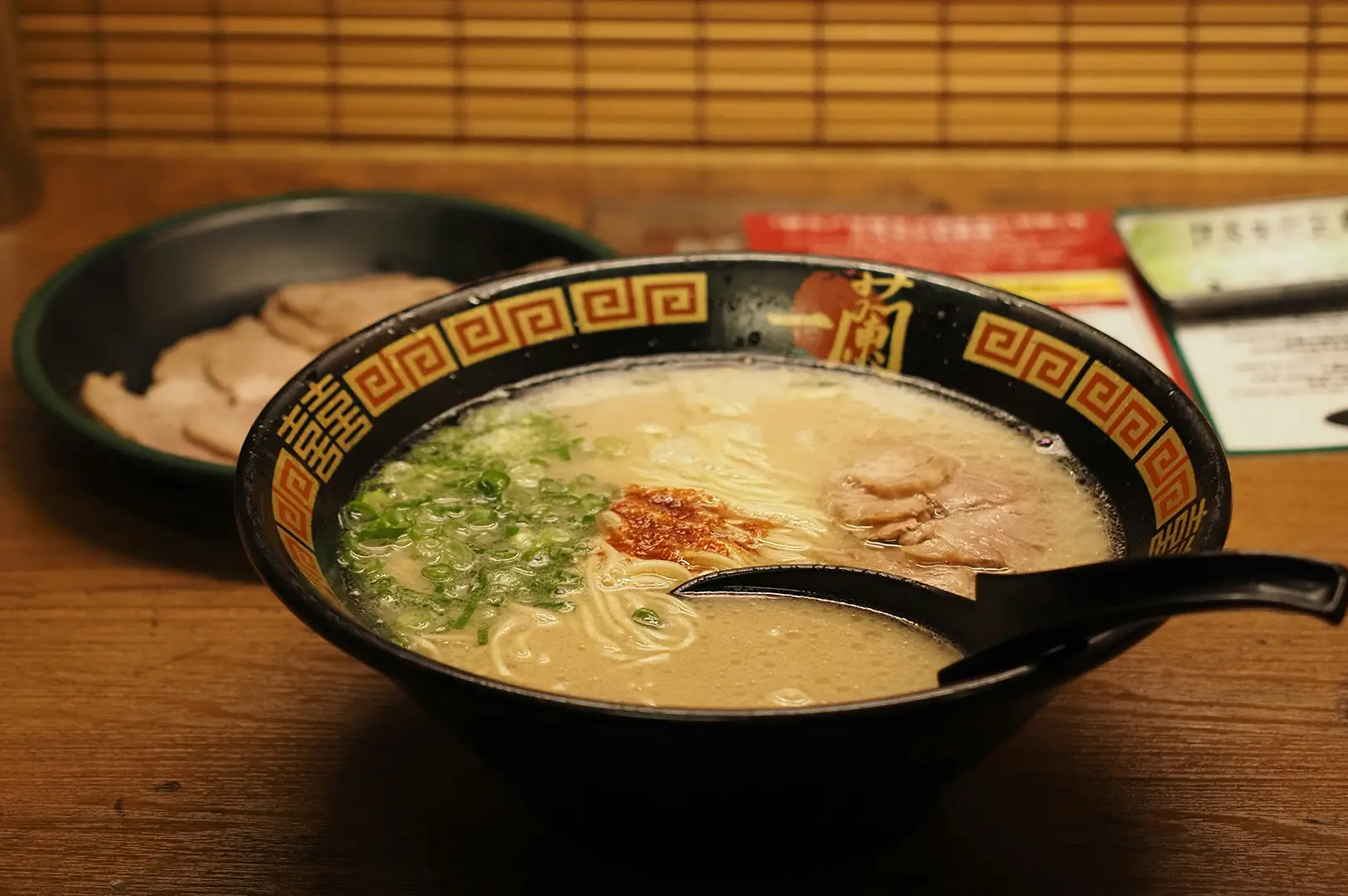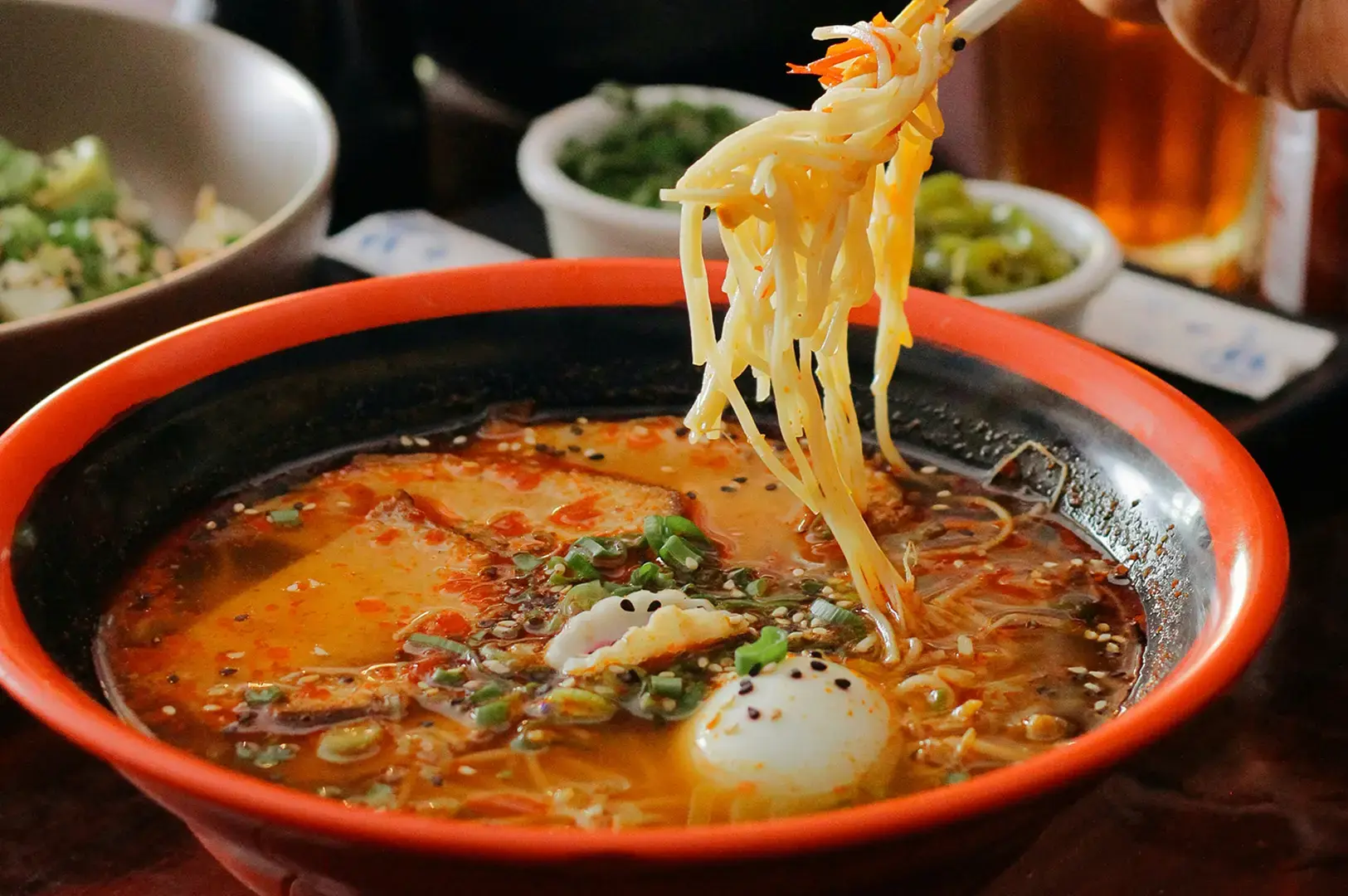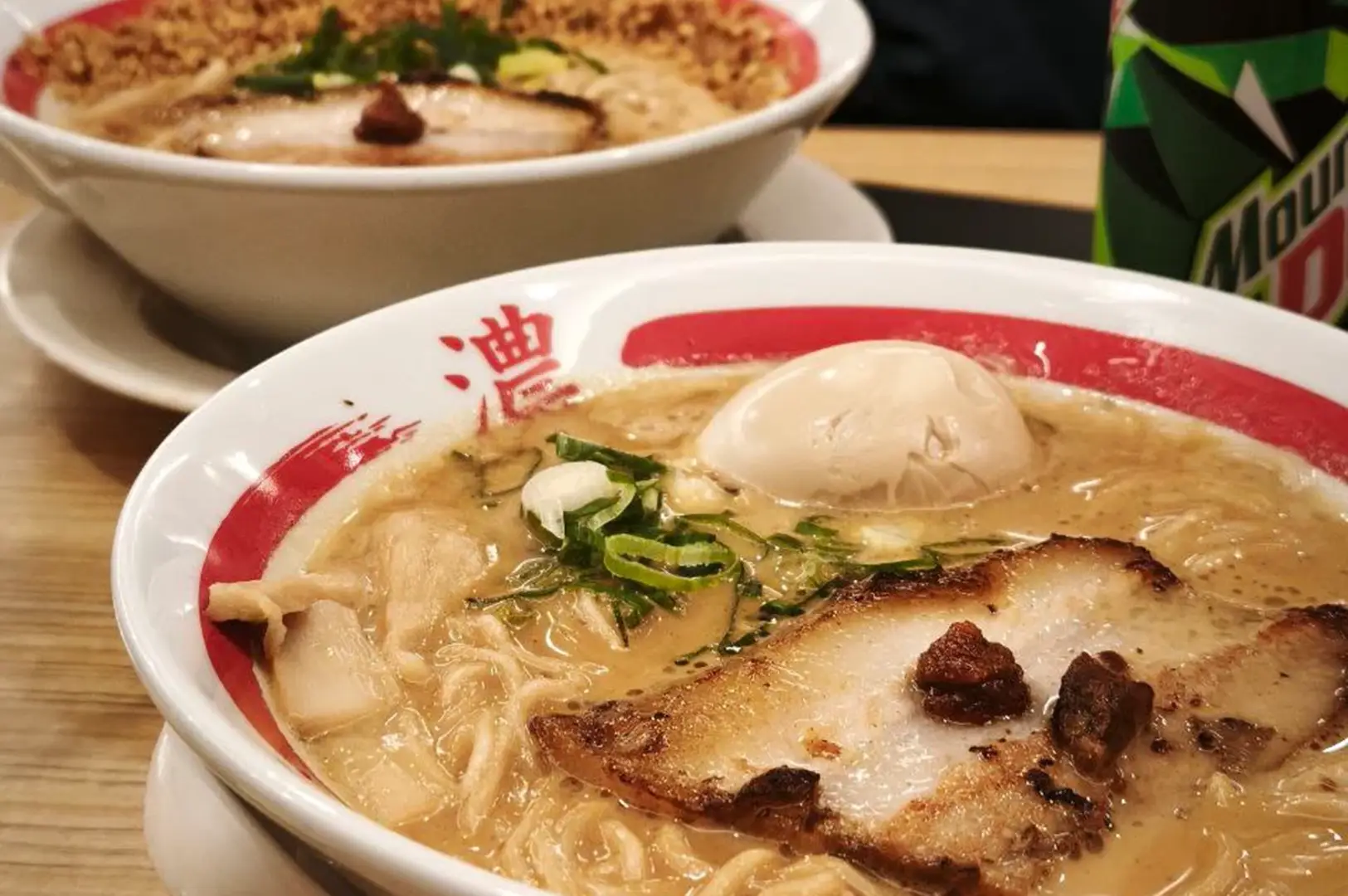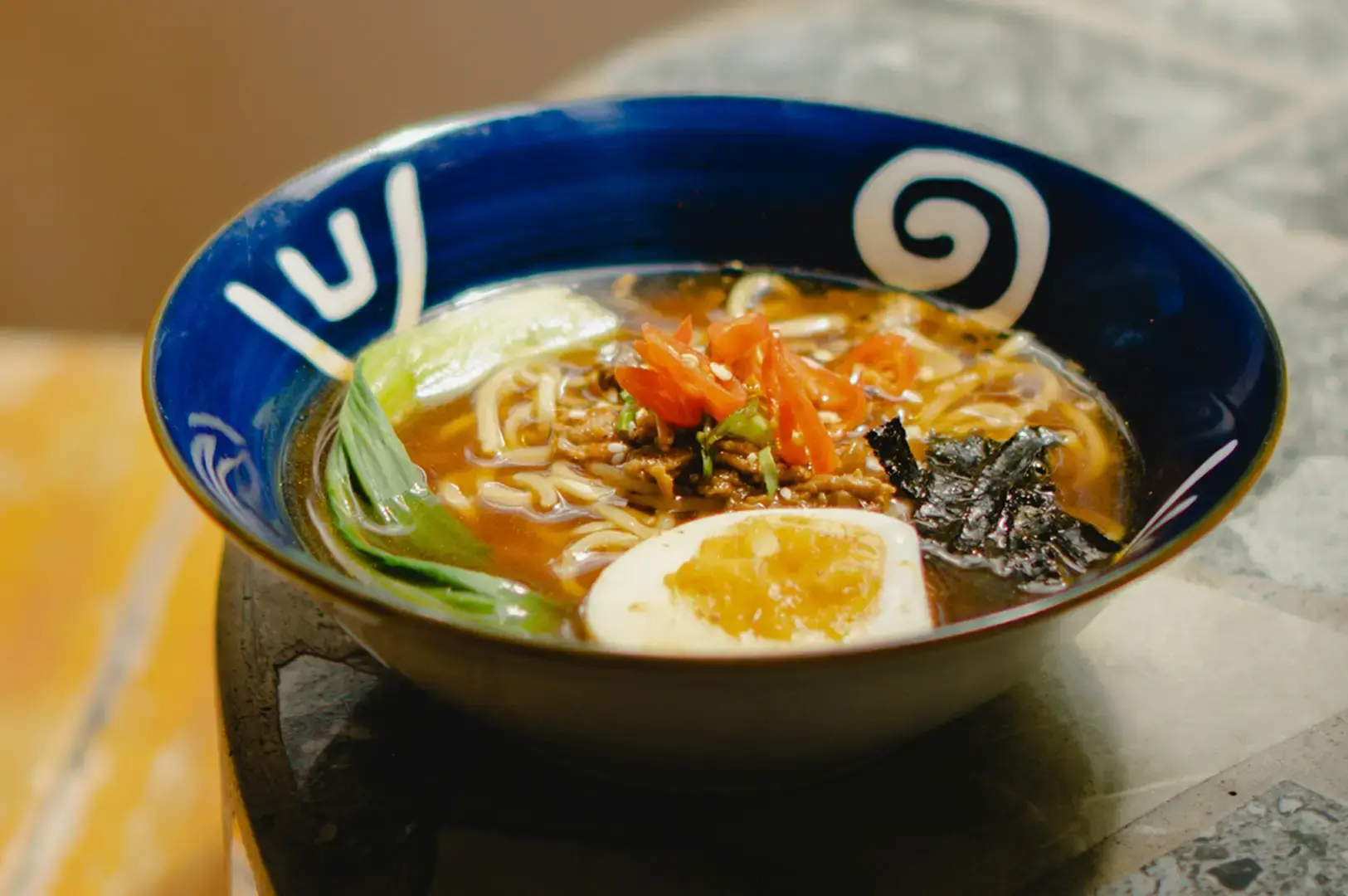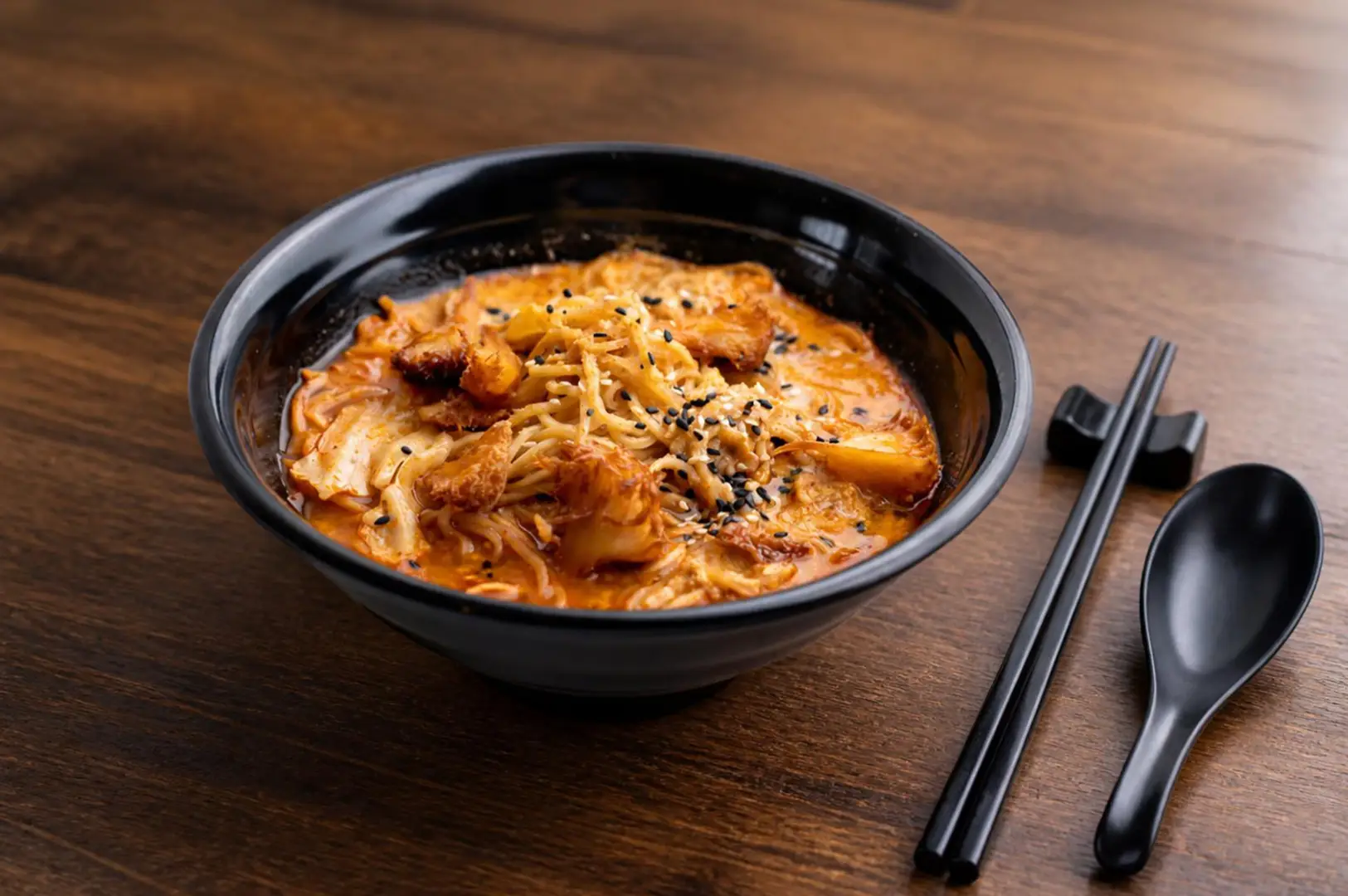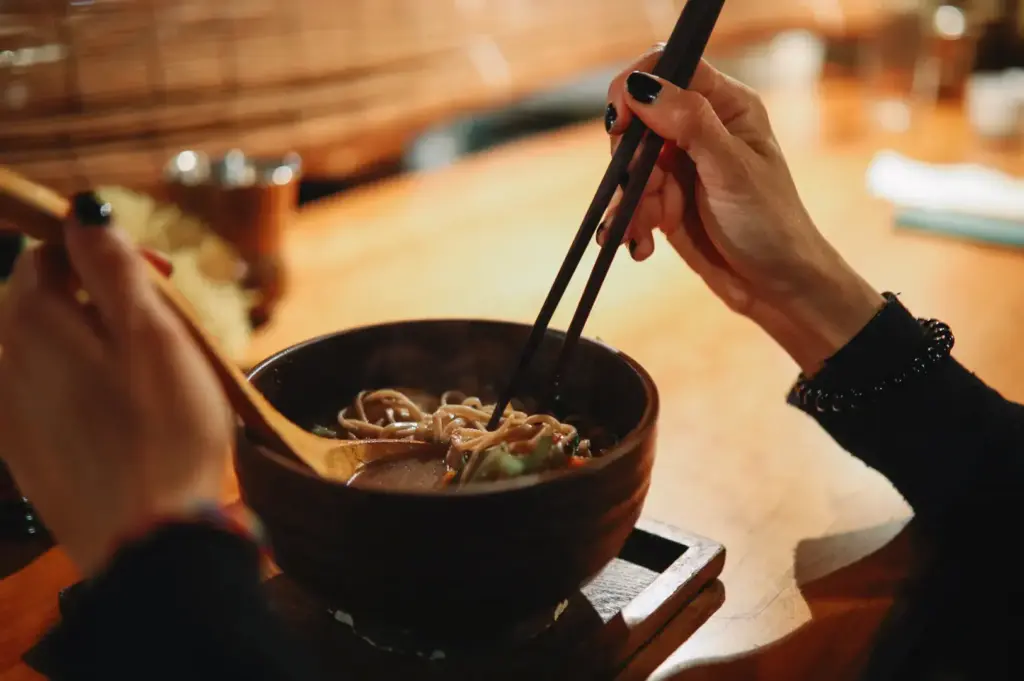
The first time I queued an hour for a “must-try” ramen, I walked away disappointed. The broth was salty, the noodles were already soft by the time I sat down, and the chashu tasted like it had been microwaved. That bowl taught me something I’ve carried ever since: a long line tells you a shop is popular, not that it’s serious.
This guide is for anyone in Singapore who wants to stop relying on queues, ratings, and hype, and start reading the bowl itself. Whether you’re a first-timer nervous about menu jargon or a regular who keeps getting let down, I’ll walk you through how to spot a serious ramen shop. By the end, you’ll know how to judge broth, noodles, tare, toppings, and service, and you’ll trust your own palate more than a five-star aggregate score.
Why People Get Fooled by Queues, Ratings, and Hype at Ramen Restaurants
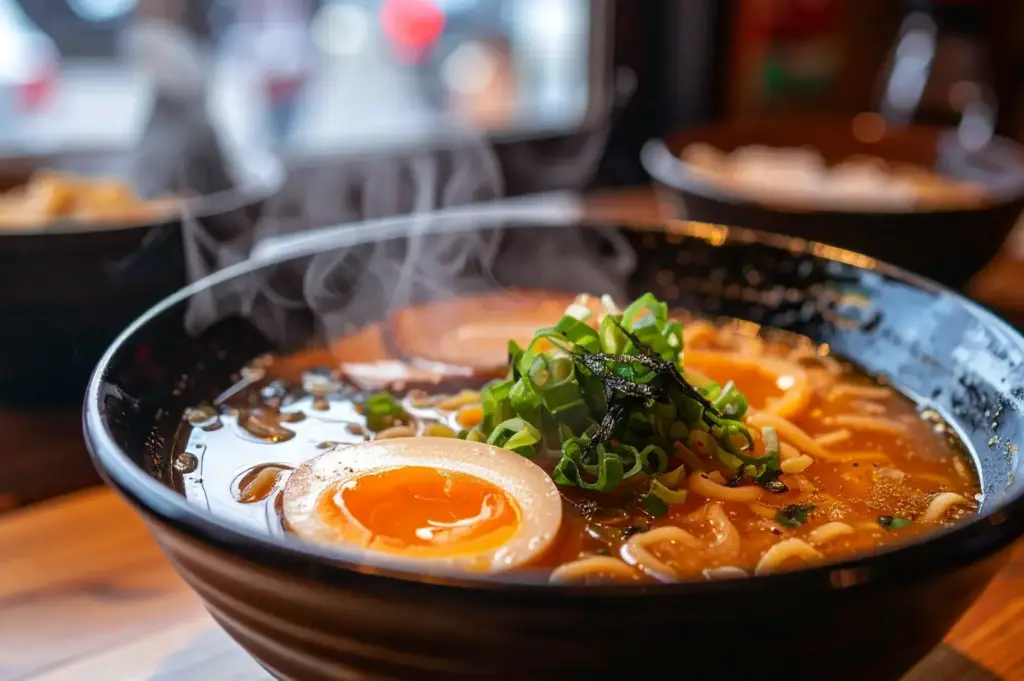
Queues are the easiest signal to misread. In Singapore, some ramen stalls and restaurants have long lines simply because they only seat eight people. Ramen-ya in East Village is a good example: a hidden, small-seat stall that draws crowds partly because of limited capacity, not just craft. Luckily, Marutama Ramen has become one of the most reliable Clarke Quay eats for me and it can be found almost anywhere in Singapore because it definitely knows how to accomodate according to scale.
More often than you’d expect, the perfect bowl of ramen for you in Singapore doesn’t even reside within a ramen shop. Sometimes, you’ll find it at an unassuming Japanese pub like Apollon in Orchard Plaza, where their Hokkaido asari ramen could leave you in disbelief.
I’ve made this mistake myself. I once assumed a famous brand would automatically suit my mood for something rich and comforting, then sat there underwhelmed by a delicate bowl that was technically excellent but completely wrong for the day. Hype tells you what’s popular. The bowl tells you what’s serious.
First, Understand What Ramen Actually Is: Broth, Tare, and Miso Ramen Basics
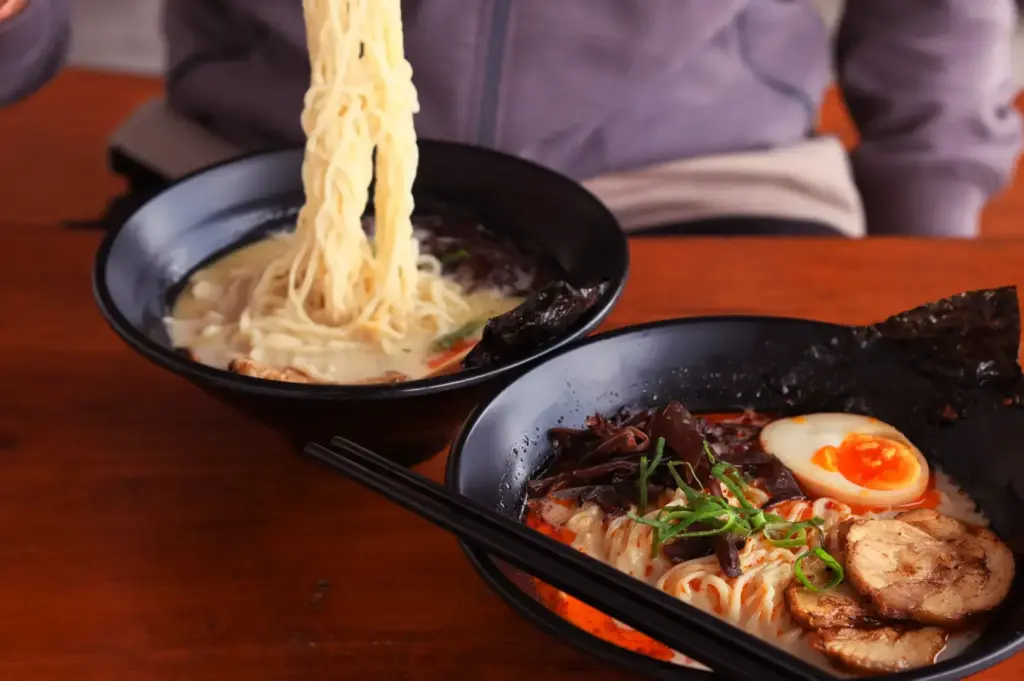
A proper ramen bowl is not just soup with noodles dropped in. It’s built from a few working parts, and once you see them, you’ll never look at a bowl the same way.
Broth (or dashi): the liquid base, made from pork, chicken, seafood, or vegetables. It gives the dish body and flavour. Tonkotsu ramen, for example, is simmered for hours to develop a creamy, collagen-rich pork bone broth.
Tare: the concentrated seasoning added before the broth. This is what gives the ramen its salt, umami, and identity. Shoyu ramen uses a soy-based tare, while miso ramen incorporates fermented bean paste for a robust flavour.
Aroma oil: fat that carries fragrance, like garlic oil, smoky ma-yu, or spicy chilli oil.
Noodles: alkaline wheat noodles with a distinct, springy bite, prepared to complement the broth’s texture.
Toppings: chashu pork belly, chicken chashu, ajitama eggs, bamboo shoots, negi, and sometimes duck or yuzu for brightness.
That’s the real difference between ramen and ordinary noodle soup. A serious shop is thinking about all five parts working together, not just ladling hot broth over noodles.
Ramen Tale Tip: Thick broth is not automatically better. Ramen is often classified by weight: kotteri means rich and heavy, assari means lighter and clearer. A clean shio can be just as serious as a heavy tonkotsu. What matters is whether the shop made that choice on purpose.
Step-by-Step: How to Judge a Serious Ramen Restaurant or Ramen Stall
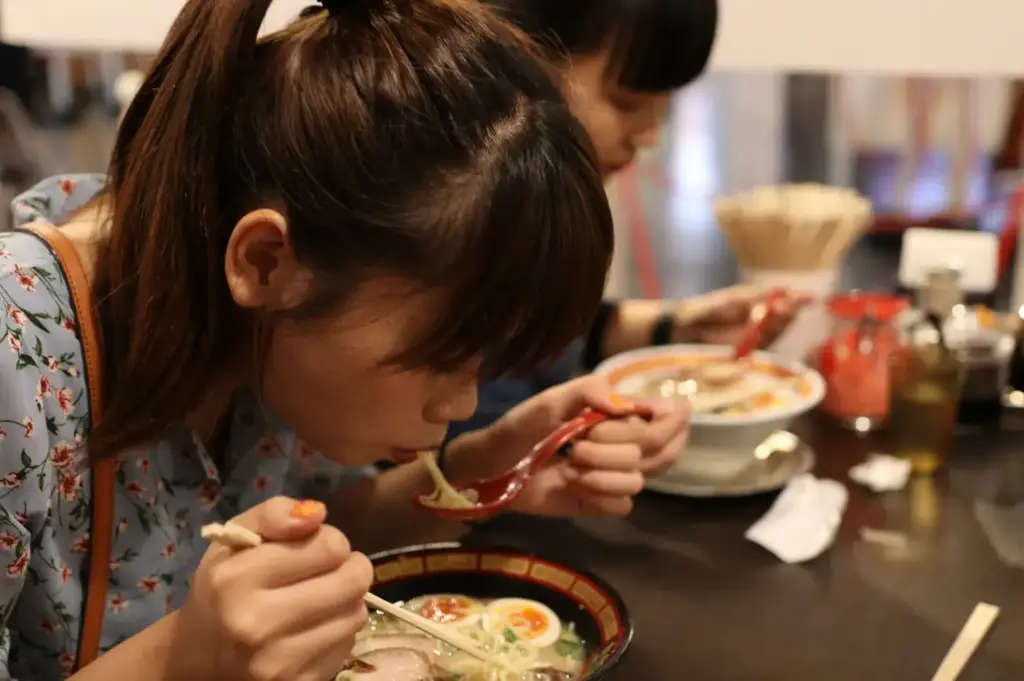
Here’s the exact process I run through, usually before I’ve even ordered.
Step 1: Read the Menu Before the Reviews at Ramen Ya and Other Shops
A serious ramen restaurant or stall has a clear identity. It might specialise in Hakata tonkotsu, chicken paitan, miso ramen, mazesoba, tsukemen, or black garlic ramen. For example, Brothers Ramen in International Plaza has a focused menu featuring a rich broth enhanced with chicken chashu and tender pork belly.
Be cautious when a place tries to do ten unrelated styles with no explanation. Look for a menu that tells you the broth base, the seasoning, the noodle type, and a signature topping. Clarity on the menu usually means clarity in the kitchen, often reflecting the chef’s dedication and training — many shops in Singapore benefit from ex Keisuke chefs who bring authentic techniques from Japan.
Step 2: Check the Broth at the Best Ramen Shops like Bari Uma and Ramen Keisuke
Sip the broth first, before the noodles and toppings change everything. It should taste intentional and balanced. A good tonkotsu ramen starts savoury, turns creamy, then finishes collagen-rich. Tonkotsu King and Tonkotsu Kazan are great examples where the broth is carefully simmered and served piping hot to elevate the dining experience.
A good shoyu ramen opens with soy aroma, deepens with stock, then finishes clean. The use of ginger or yuzu in some bowls adds a refreshing zing that brightens the flavour profile. The broth should never be salty without depth; if it is, the tare is weak.
Step 3: Watch the Noodles at Ramen in Singapore's Ion Orchard and Tanjong Pagar Areas
Noodles should match the broth. Thin straight noodles suit Hakata-style tonkotsu because they cook fast and carry concentrated pork broth. Thick, robust noodles stand up to miso ramen or tsukemen. Ramen-ya in East Village is known for thick Sapporo-style noodles that hold their own in a heavier bowl. A red flag is one noodle for every broth, with no reason behind it. And if the noodles arrive soft within the first minute, that’s a problem, because they only get softer.
Step 4: Judge the Toppings as Part of the Recipe at Brothers Ramen and Other Ramen Restaurants
Toppings should support the bowl, not distract from it. Chashu should be tender but not mushy. Chicken chashu is a lighter alternative to pork belly but still adds a smoky, savoury note. Ajitama should be seasoned through, not just boiled. Bamboo shoots should add texture without a canned aftertaste. Aroma oil should lift the bowl, not drown it.
Some shops incorporate duck or a smoky twist, adding complexity to the meal. The use of negi or a blend of spices can elevate the flavour to a “wow” level that keeps customers coming back.
Ramen Tale Knowledge: On your first visit, order the signature bowl with no add-ons. The signature is what the shop wants to be judged by. Once you trust the base, then play with kaedama, extra egg, or seaweed on later visits.
Step 5: Notice the Service Rhythm at Popular Ramen Stalls and Restaurants in Singapore
Ramen is time-sensitive. Noodles keep softening the moment they hit the soup, so a serious shop serves quickly after assembly and expects you to eat while it’s hot. A long wait between the kitchen pass and your table is a quiet warning sign.
What a Serious Bowl Should Tell You About Ramen in Singapore
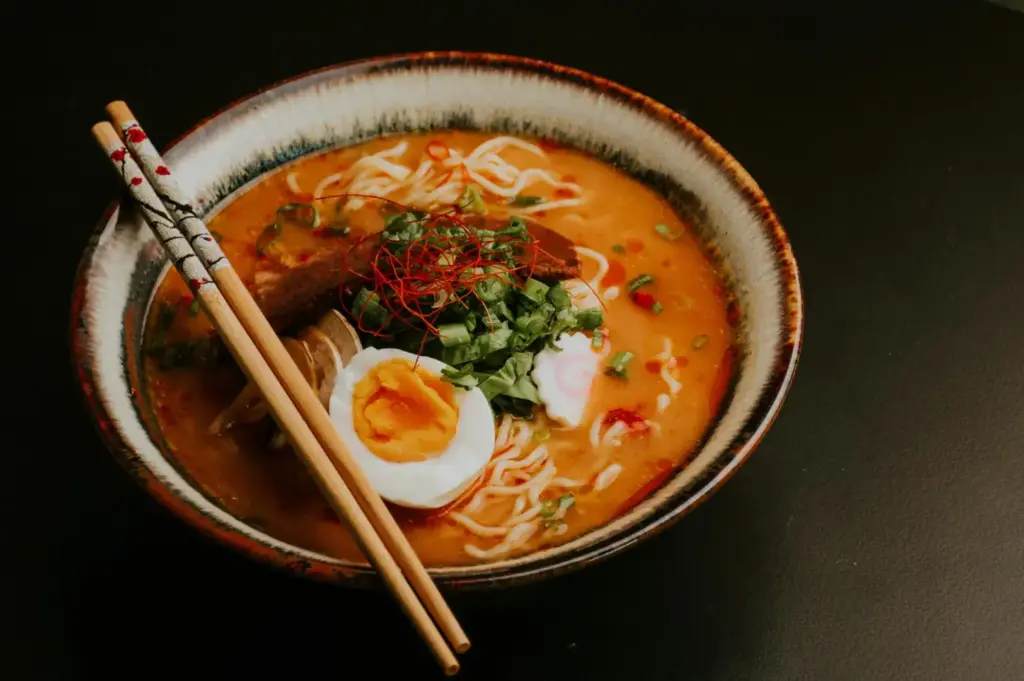
Pull it all together and a serious bowl has a kind of logic. The broth has shape, with a beginning, middle, and finish. The tare gives identity, not just saltiness. The aroma oil is fragrant but controlled. The noodles fight back slightly with spring and chew. The toppings know their role.
I’ve found the simplest test is balance over impressiveness. A bowl can look dramatic and still taste hollow. The serious ones feel considered, where every element seems chosen rather than piled on.
Singapore-Specific Realities: Malls like Ion Orchard, Queues, Halal Checks, and Pricing for Ramen Restaurants
Singapore is a mall-heavy ramen city. You’ll find serious bowls in Clarke Quay, Ion Orchard, International Plaza, and East Village. So don’t dismiss mall ramen automatically. A polished outlet can be just as serious as a hidden Tokyo-style ramen stall. For those seeking more, you can check out our guide here to find the best izakaya experience for a perfect night out.
On pricing, here’s what to realistically expect:
Budget or simple ramen: around S$12–S$16, often a straightforward tonkotsu, shoyu ramen, or chicken bowl. Ramen Keisuke Tori King’s chicken ramen sits near this range and is known for generous value signals like free-flow toppings and starters.
Mid-range serious ramen: around S$16–S$22, usually with better chashu, ajitama, or richer broth.
Premium or special bowls: around S$22–S$30+, often with wagyu, uni, truffle, or seafood. Bari Uma is highly recommended for its authentic tonkotsu ramen with fresh noodles and rich pork belly.
Add-ons like ajitama, extra noodles, extra chashu, seaweed, corn, butter, or spice upgrades will push the bill up. Kaedama, an extra noodle refill, is common with Hakata-style ramen and usually ordered once you’ve eaten most of your first portion.
Ramen Tale Tip: Mistakes to Avoid at Ramen Restaurants and Stalls in Singapore
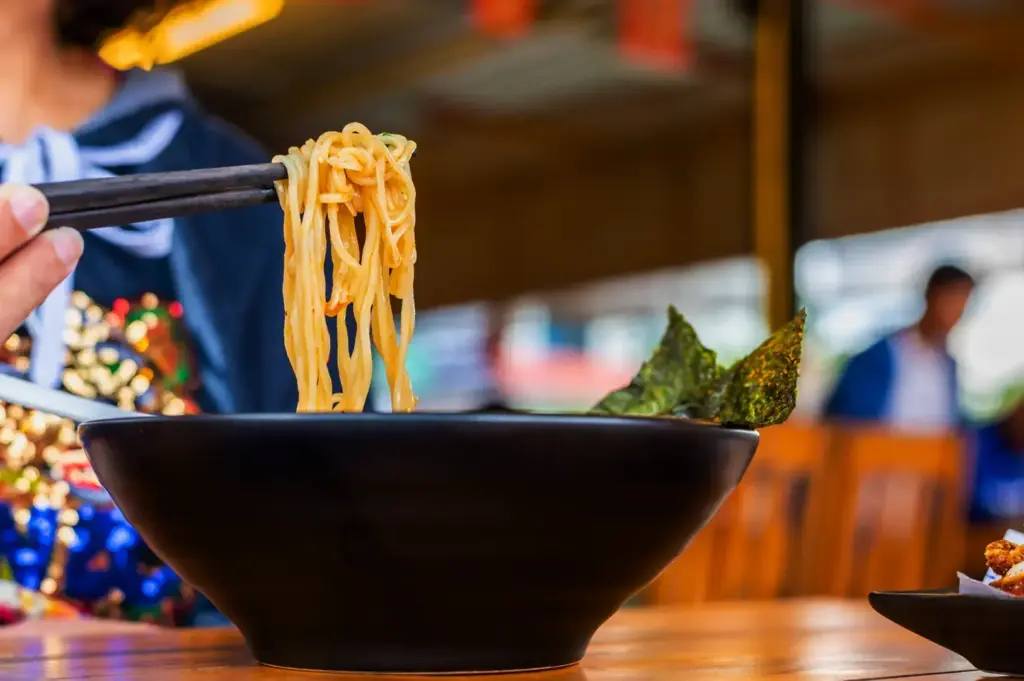
I’ve made most of these, so learn from my bad bowls.
Loading up on toppings the first visit. You’ll mask the base ramen and never know if it’s good.
Trusting the queue blindly. A line means popular, not serious.
Judging by thickness. I used to assume the cloudiest, heaviest bowl was the best one. Balance beats body every time.
Assuming a famous brand fits your craving. Precise and polarising is not the same as wrong, but it might not be what you want today.
Letting the bowl sit. Eat early while the noodles still have bite.
Your Ramen Queries, Answered
Is thick broth always better?
No. A rich kotteri tonkotsu and a lighter assari shio can both be excellent. What matters is whether the shop made the choice intentionally and built the noodles, tare, and toppings around it.What makes ramen different from ordinary noodle soup?
Ramen is a structured bowl built from broth, tare, aroma oil, noodles, and toppings. Ordinary noodle soup is just soup plus noodles.Why does one bowl cost more than another?
Premium ingredients like wagyu, uni, truffle, or special seafood broth raise the price, as do better chashu and imported-style noodles. Add-ons stack up quickly too.Is slurping rude?
Not at all. Slurping is normal in ramen culture and helps cool the noodles as you eat. You don’t need to exaggerate it, but don’t feel shy either.How do I know if a shop suits my dietary needs?
Check in advance. Many shops use pork-bone broth, pork chashu, or alcohol in the tare. “No pork” and “halal-certified” are not the same thing, so confirm certification if you need it.
Are You Ready for the Best Ramen in Singapore?
Stop letting the queue, the rating, or the brand name make the decision for you. Decide your broth preference before you walk in, whether you want light, rich, spicy, pork-based, chicken-based, seafood, or dry. Visit during early lunch, late lunch, or early dinner if you want to judge the shop calmly. Sip the broth first, eat the noodles while they’re springy, and try the signature bowl before reaching for add-ons.
Here’s the lesson it took me too many mediocre bowls to learn: you’ve probably found a serious ramen shop when the bowl feels intentional before it feels impressive. The broth has direction, the tare gives it a name, the oil carries aroma, the noodles match the soup, and the toppings know exactly why they’re there. Trust that, and you’ll eat far better, queue far smarter, and finally stop chasing the hype.