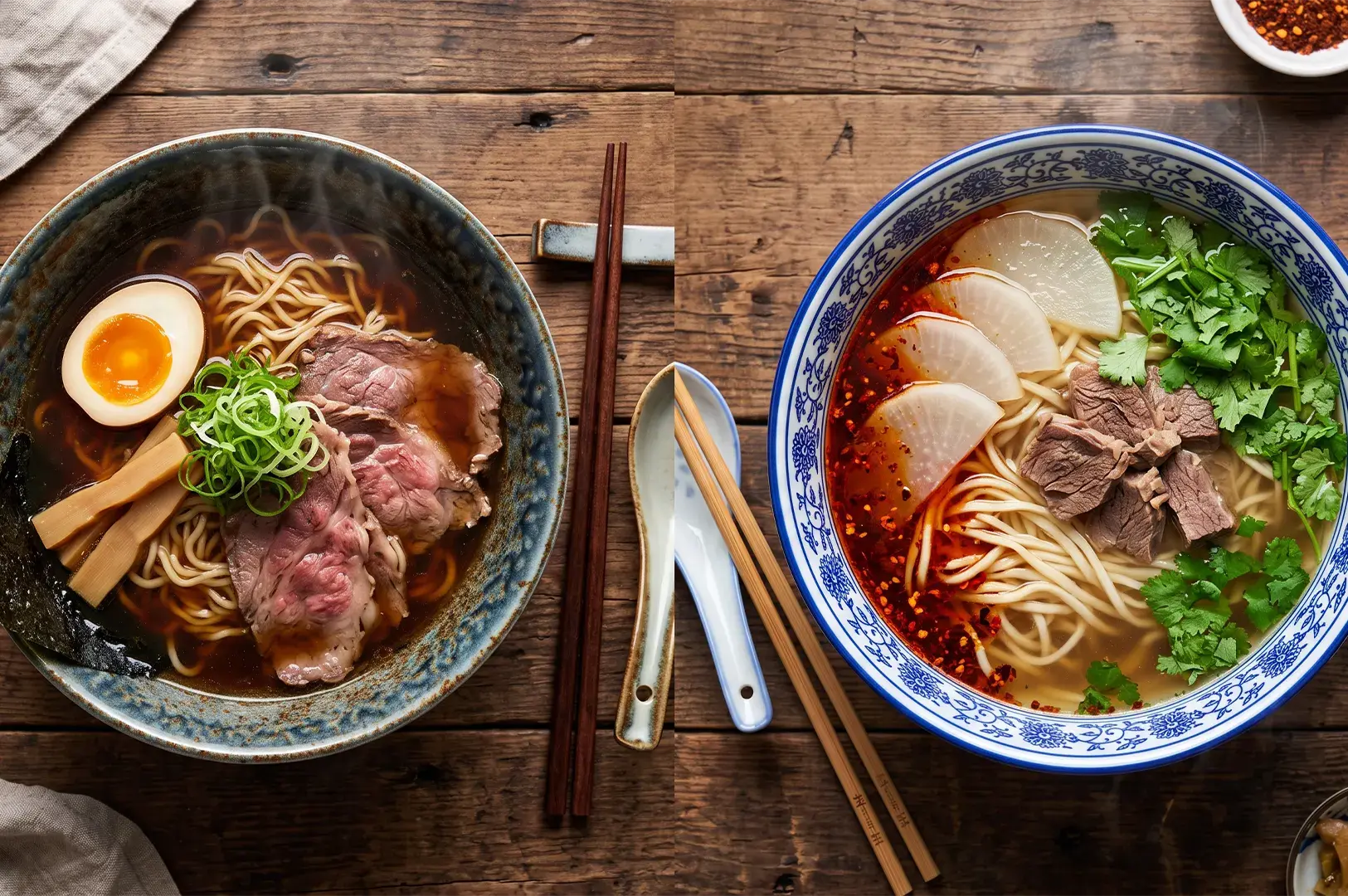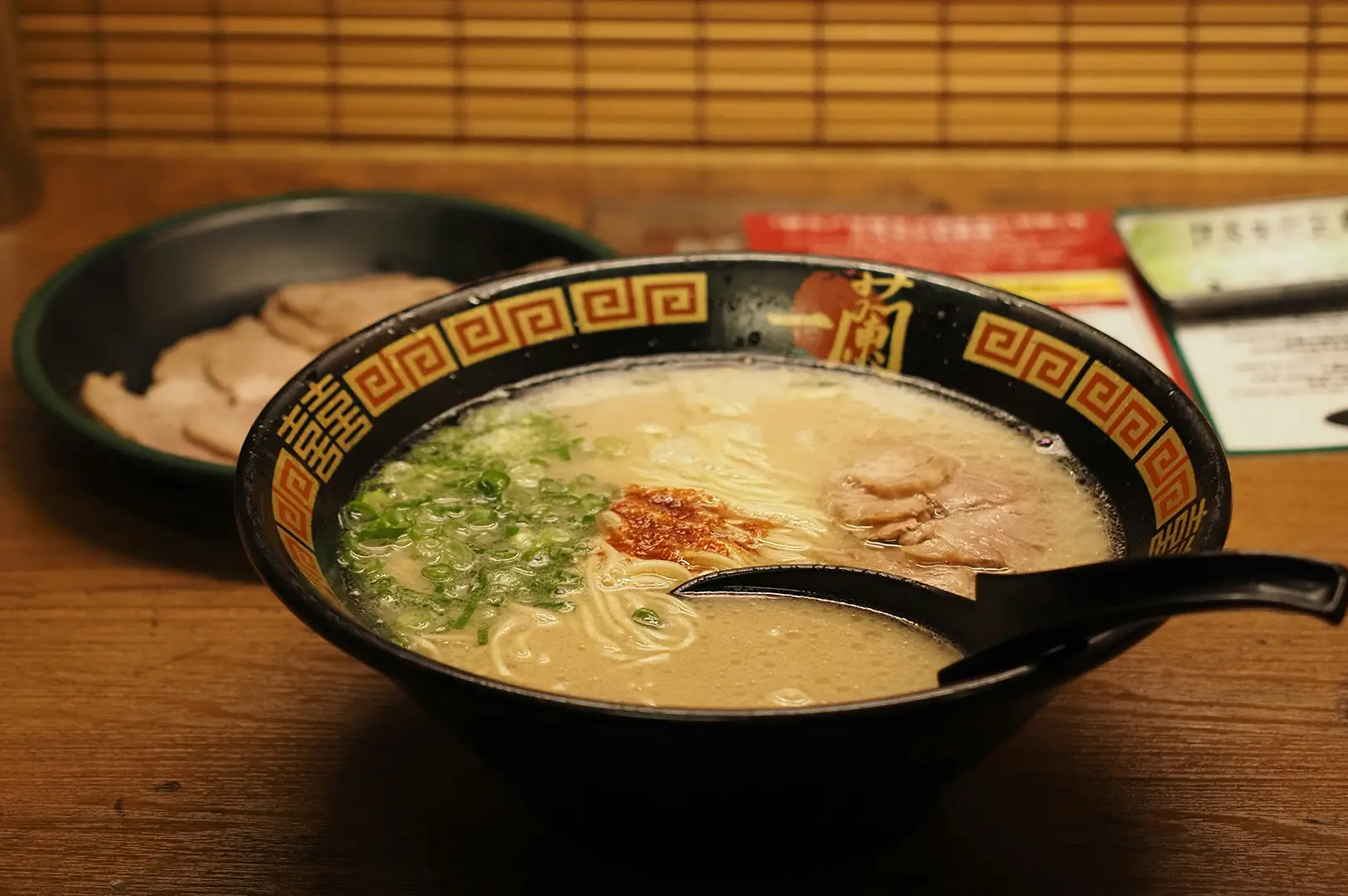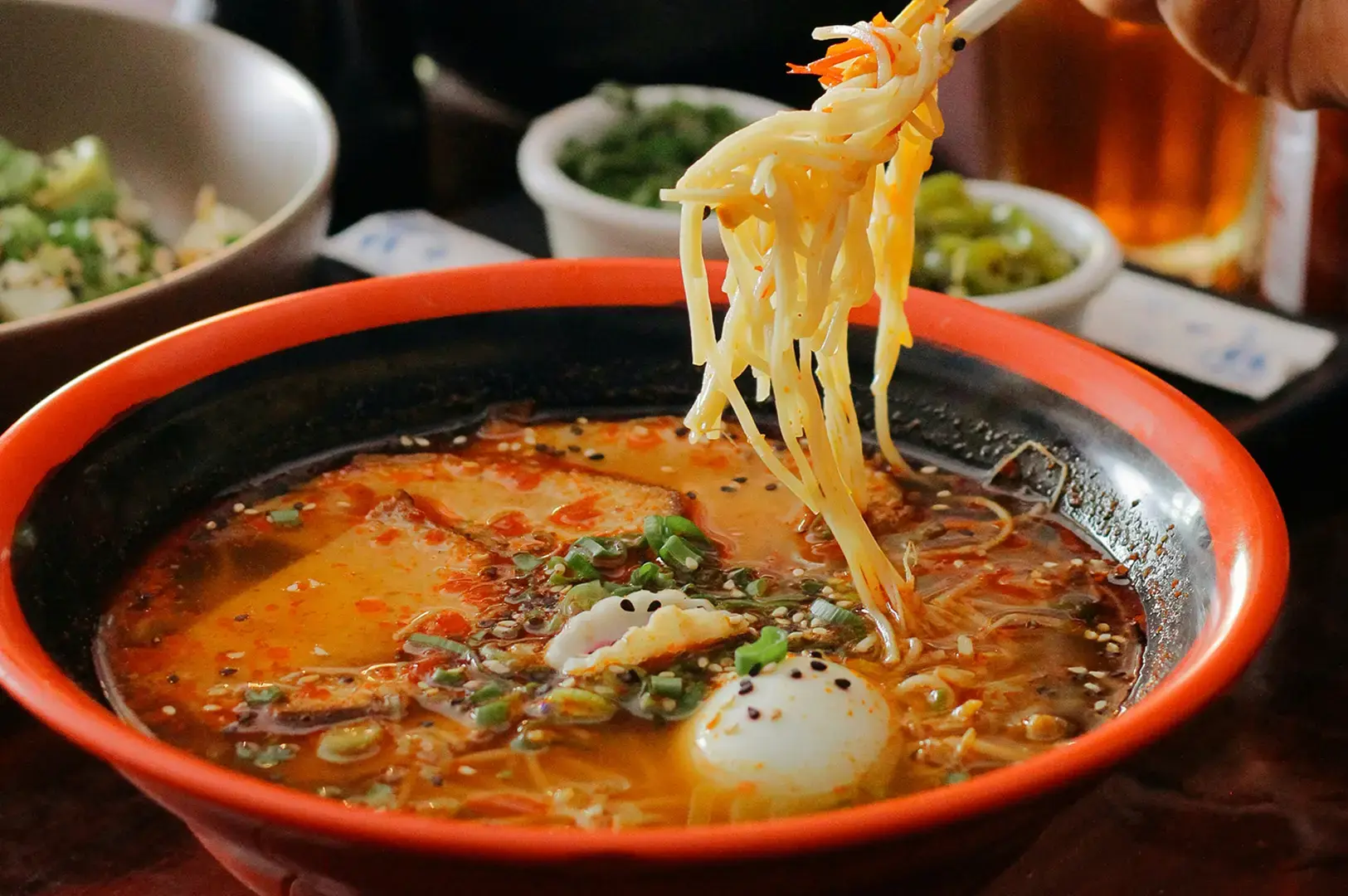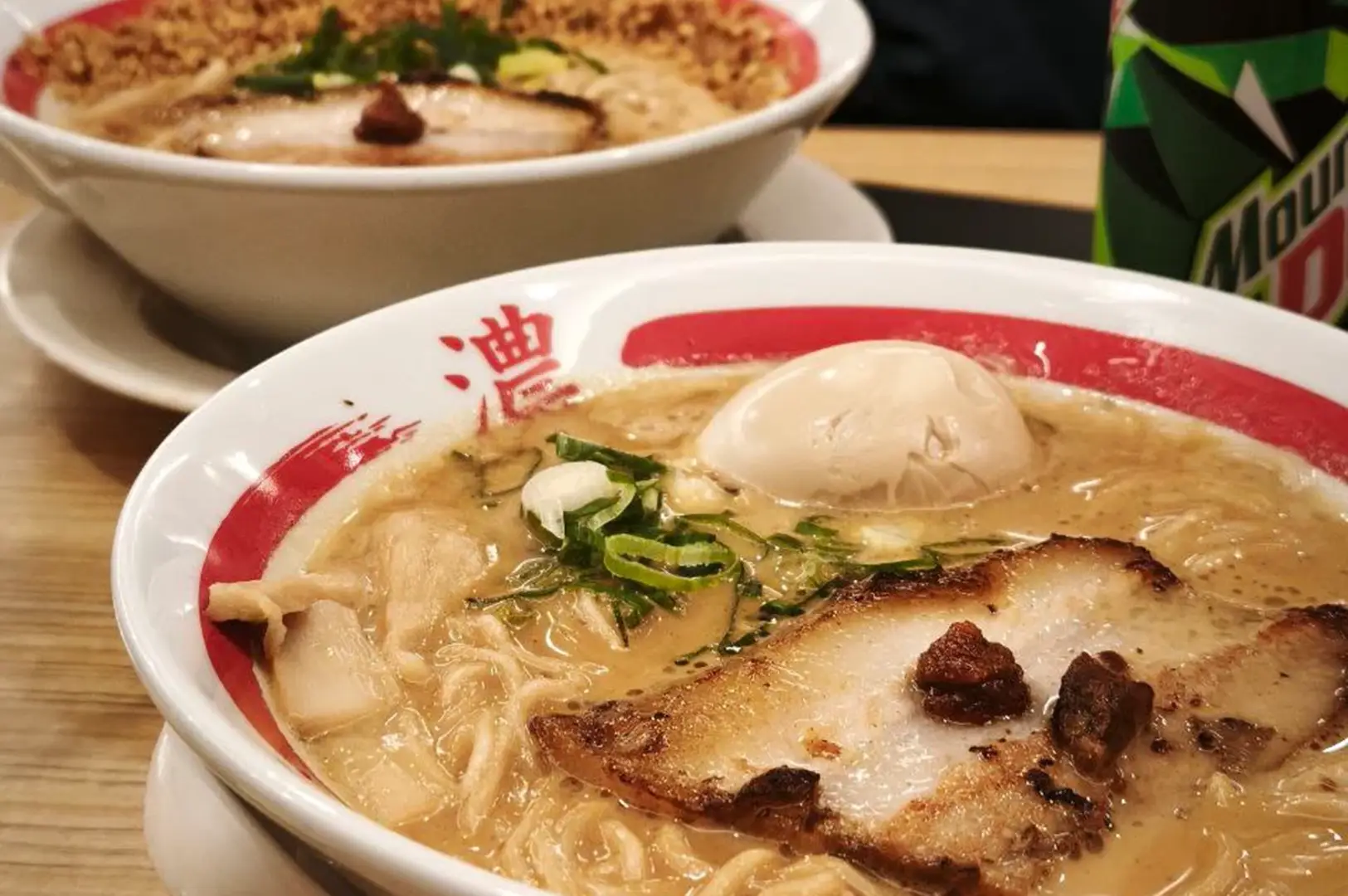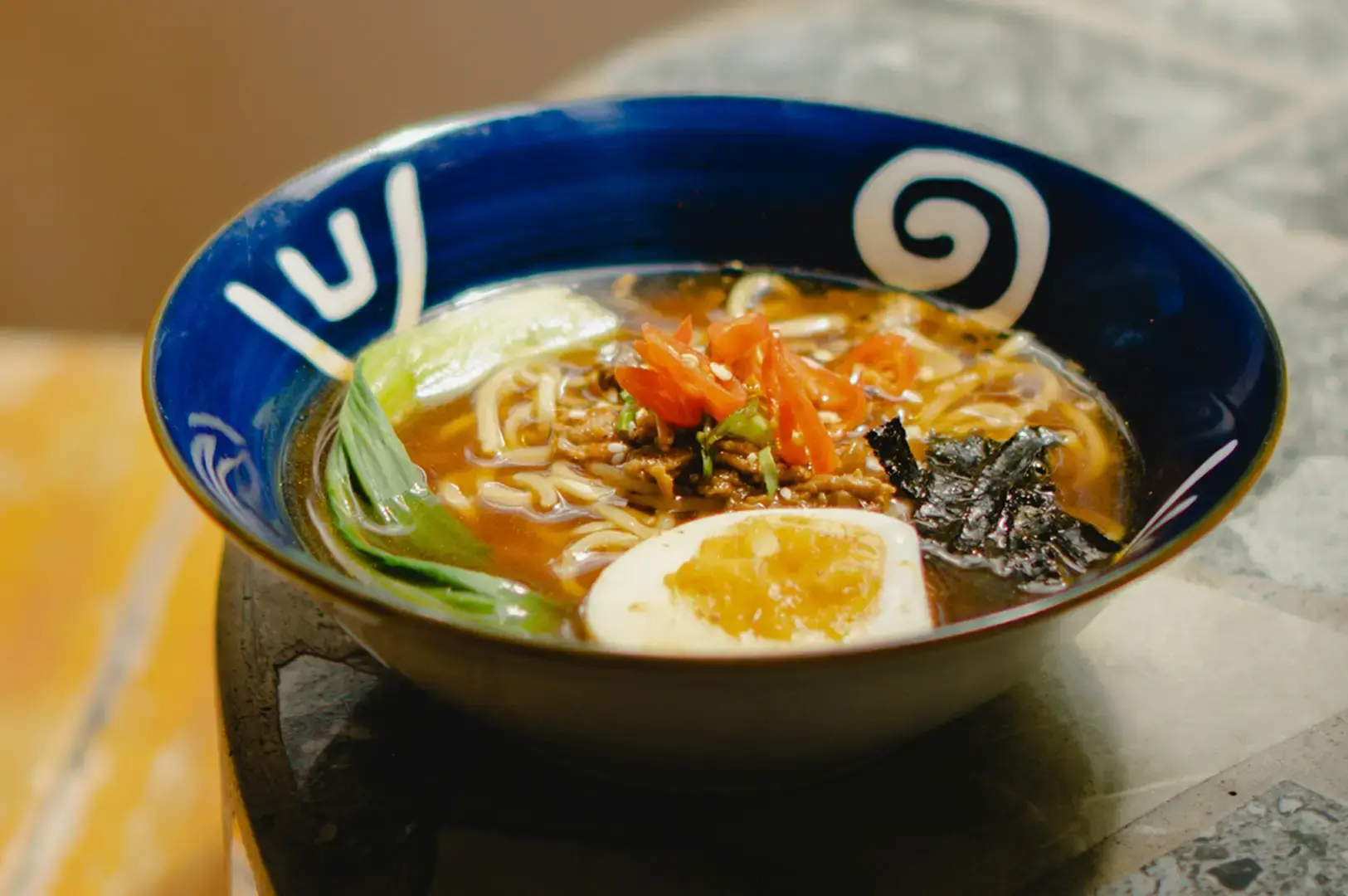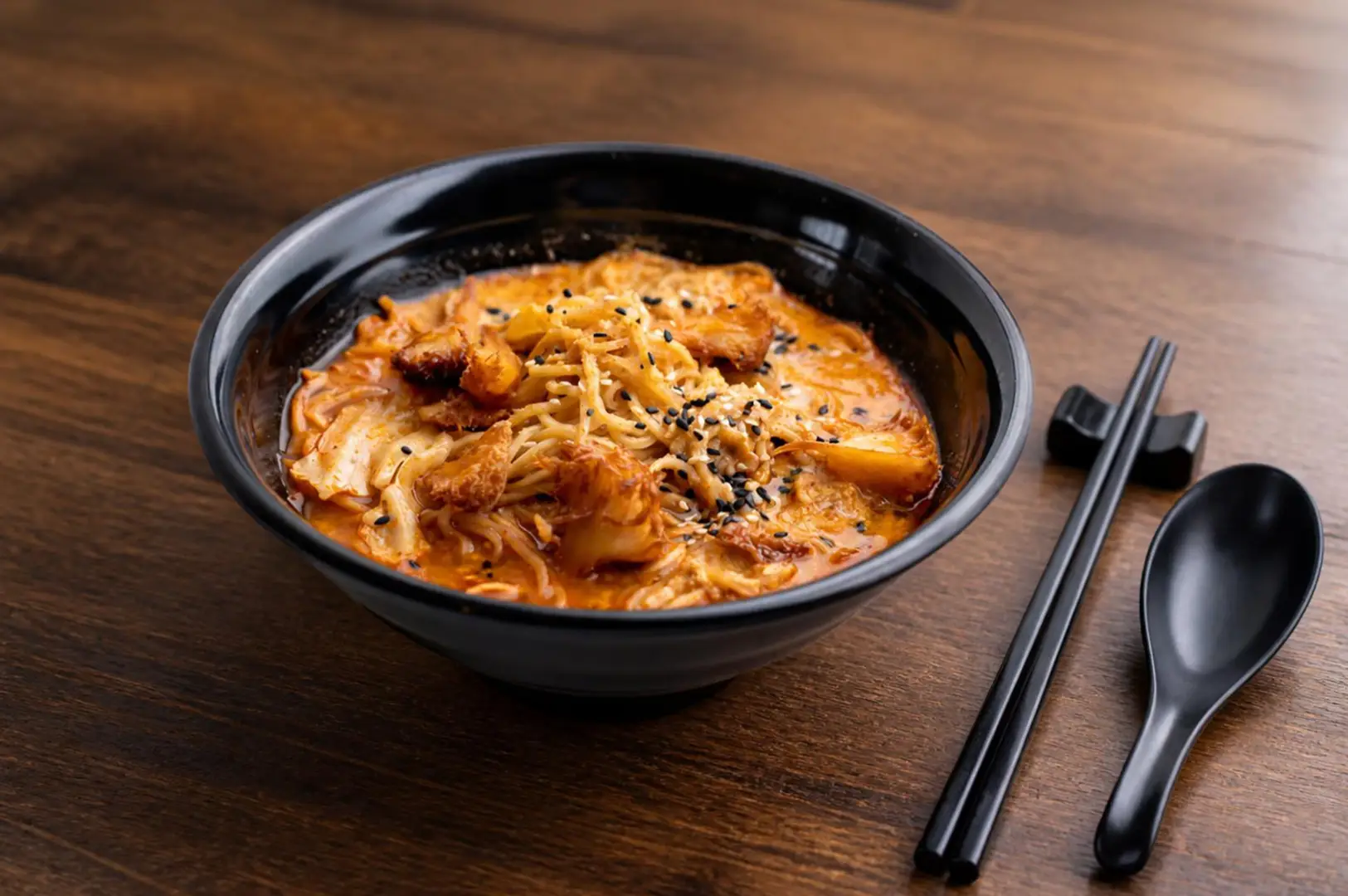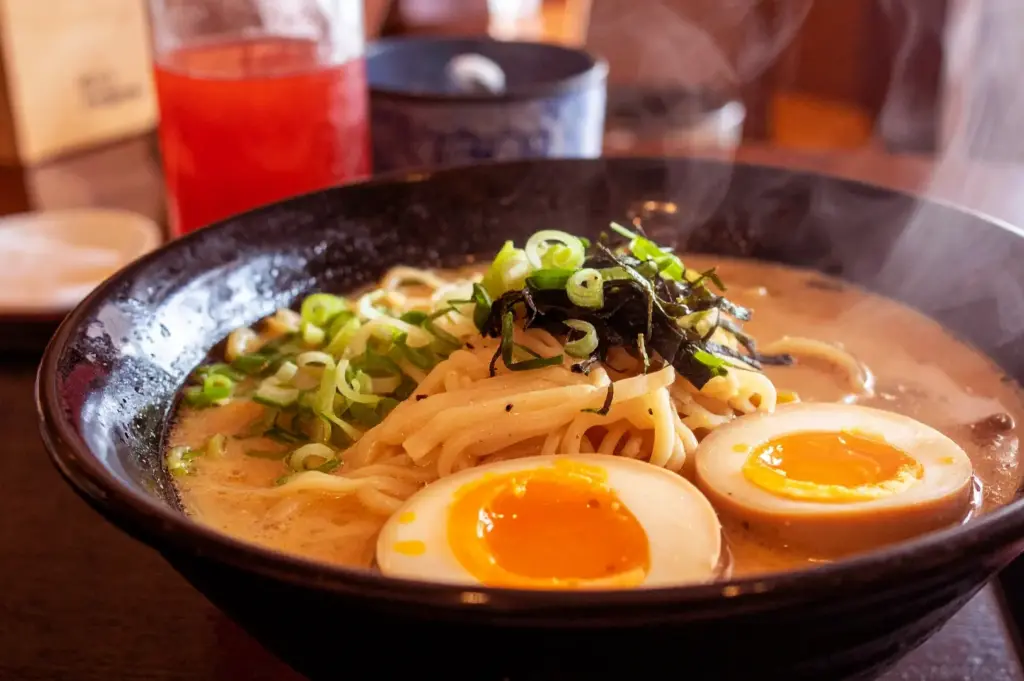
Ramen used to feel like an occasion.
We remember when a bowl of ramen in Singapore carried the mood of a planned meal. You chose the shop. You waited for a seat. You studied the menu as if you were entering a small piece of Japan for an hour. The broth arrived steaming, the noodles neatly arranged, and the bowl felt slightly separate from everyday eating.
Now, ramen has slipped into the rhythm of the city.
It is lunch between meetings. Dinner after a late train ride. A quiet bowl before heading home. Somewhere along the way, Singapore stopped treating ramen as a special Japanese meal and started treating it as comfort food.
That shift says as much about Singapore as it does about ramen.
From Destination Meal to Daily Option
In the beginning, ramen often felt like something we sought out. It belonged to Japanese restaurant clusters, mall basements, and places where diners arrived with intention.
Then the city changed around it.
Ramen shops became easier to find near offices, MRT stations, and shopping belts. Chains expanded. Independent shops found pockets of loyal regulars. A bowl that once felt like a weekend plan became something we could order on a weekday without overthinking it.
This matters because Singaporeans are practical eaters. We love discovery, but we also return to food that fits our schedules. Ramen succeeded because it learned to meet us where we already were.
Why Ramen Fits the Singapore Appetite
Singapore has always understood the comfort of noodles in hot broth.
Bak chor mee soup, fishball noodles, prawn mee, ban mian, mee soto — we already had a language for bowls that warm, fill, and steady the day. Ramen entered that landscape not as a complete stranger, but as a cousin with a different accent.
The structure made sense to us.
Broth for depth. Noodles for satisfaction. Protein, egg, oil, and seasoning for fullness. Ramen felt Japanese, but the act of eating it felt familiar.
That familiarity helped it move from novelty into habit.
The After-Work Bowl
There is a particular kind of ramen craving that arrives after office hours.
We know it well.
The day has been too long. The air outside is humid. The train is crowded. Somewhere between fatigue and hunger, the thought of a hot bowl becomes persuasive.
Ramen answers that moment neatly. It is fast, complete, and personal. You can eat it alone without awkwardness. You can share it with friends without planning too much. It feels comforting without becoming slow.
That flexibility is one reason it became part of Singapore’s dining routine.
Local Comfort, Japanese Shape
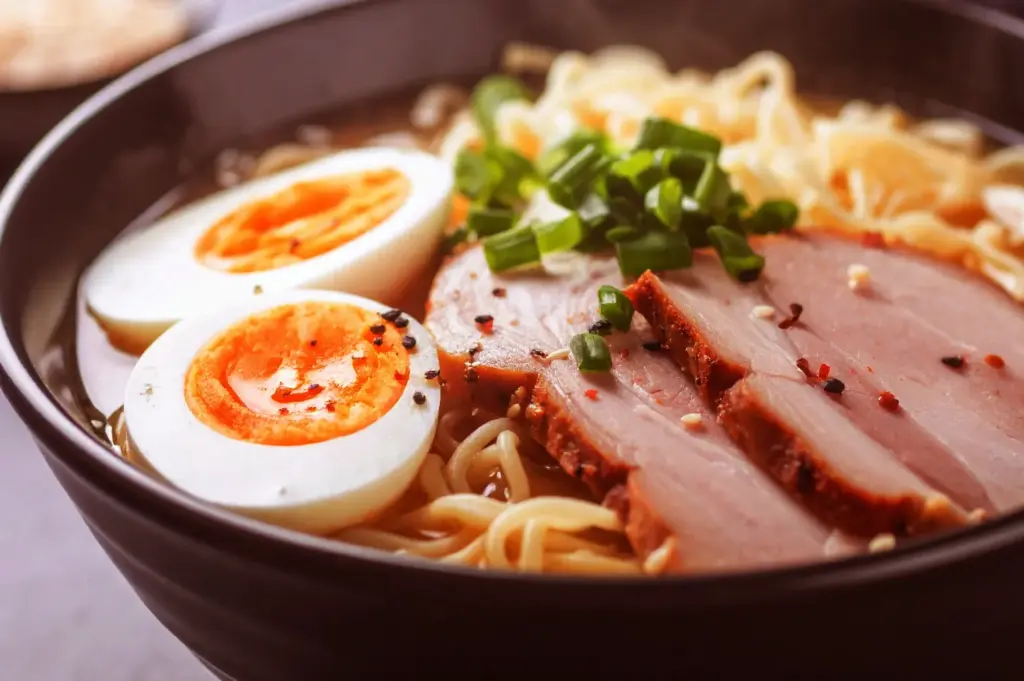
What is interesting is that ramen did not need to become fully local to feel at home here.
Some shops keep close to Japanese styles: tonkotsu, shoyu, miso. Others experiment with spice, seafood, or local ingredients. But the bigger adaptation is not always in the recipe.
It is in the role of ramen and beyond.
In Singapore, ramen became less about cultural performance and more about practical comfort. It no longer has to prove its authenticity every time. It simply has to satisfy the craving.
A Bowl That Found Its Place
That is how food becomes part of a city.
Not through one dramatic moment, but through repetition. A lunch break here. A rainy dinner there. A late bowl after work. A familiar shop near the station.
Ramen found its place in Singapore because it fit into the way we already eat: quickly, curiously, and often with a deep respect for a bowl that knows how to comfort.
It may have arrived as something special.
But it stayed because it became useful.
And in Singapore, that might be the highest form of love.