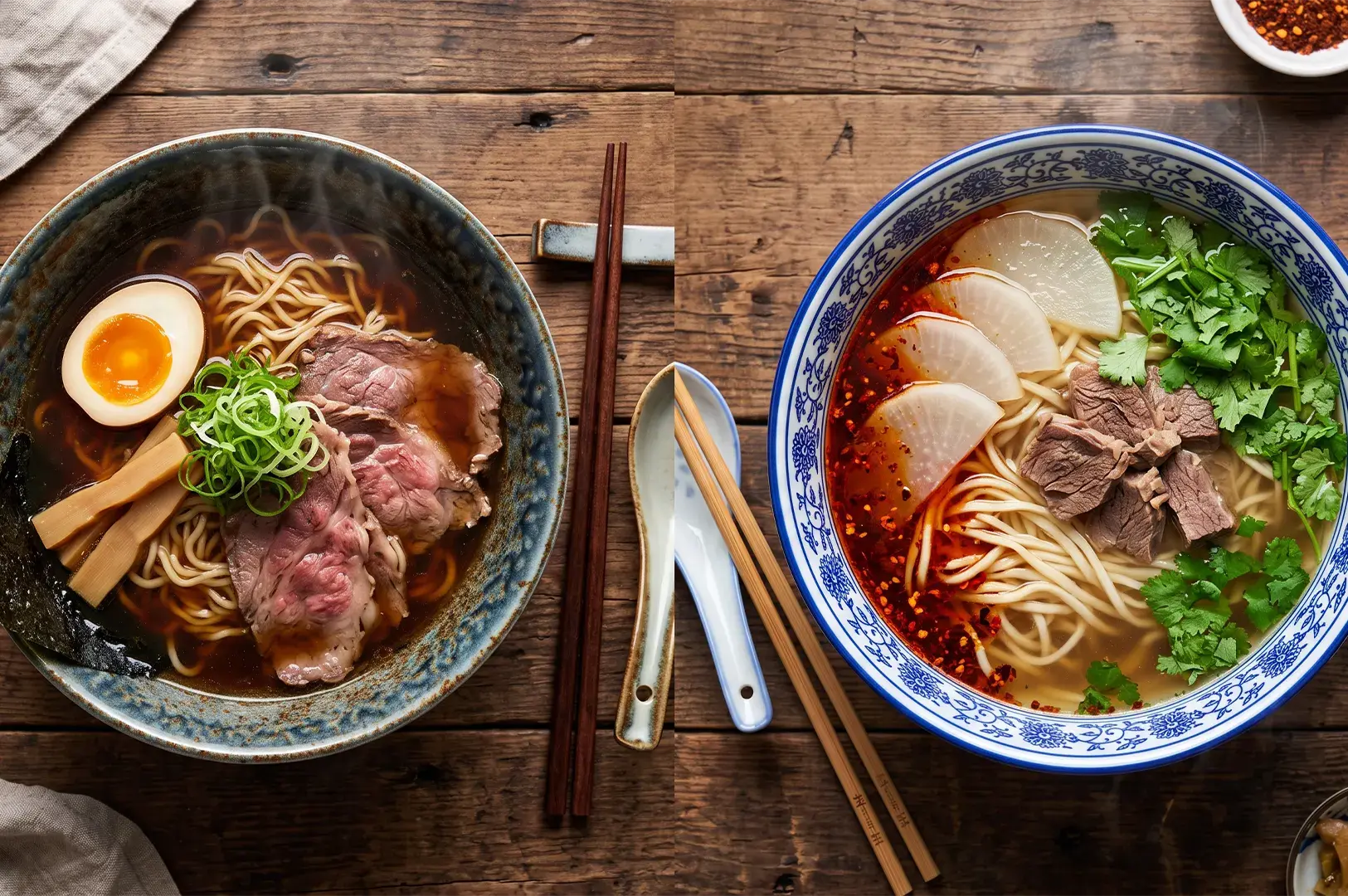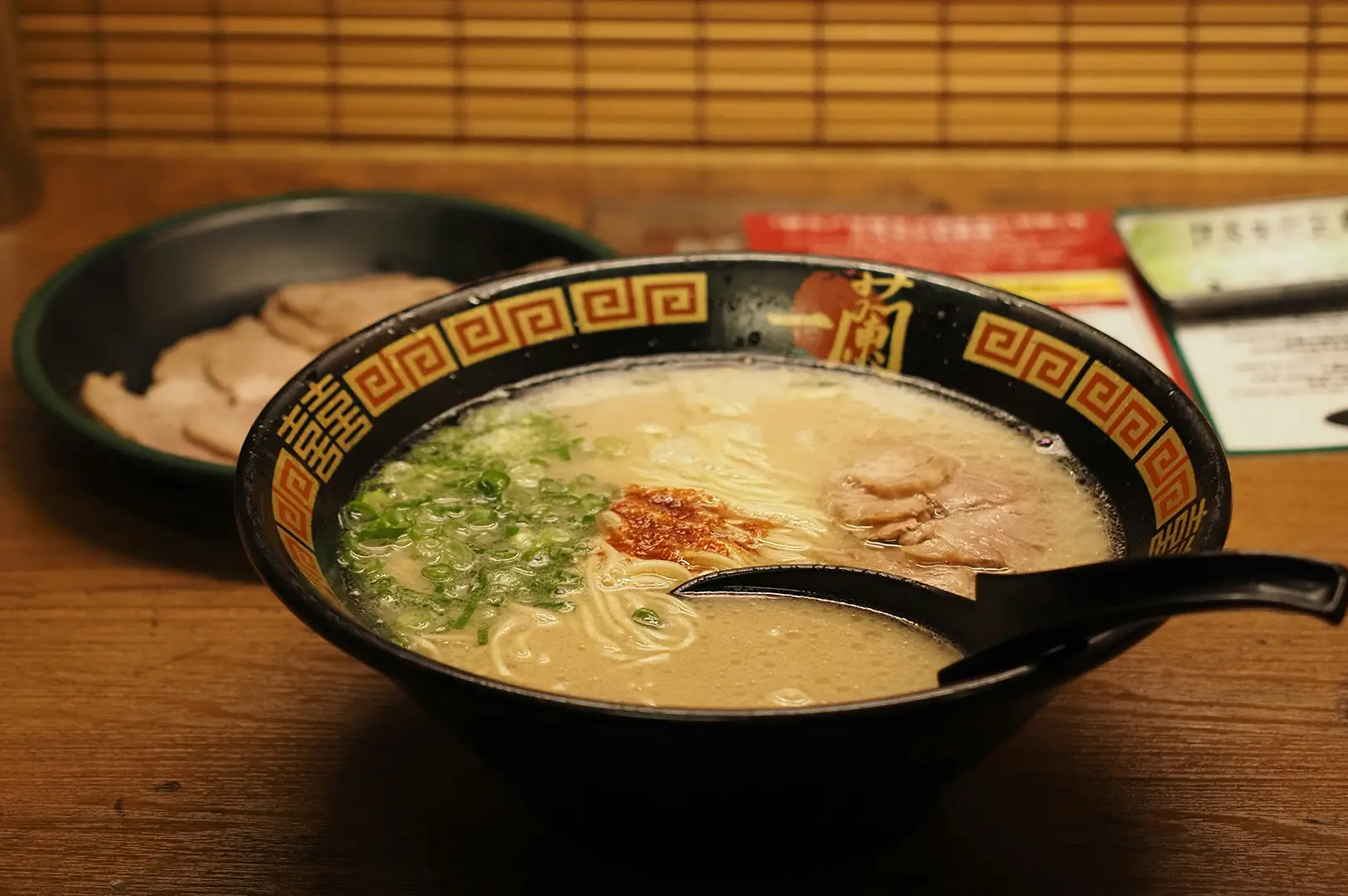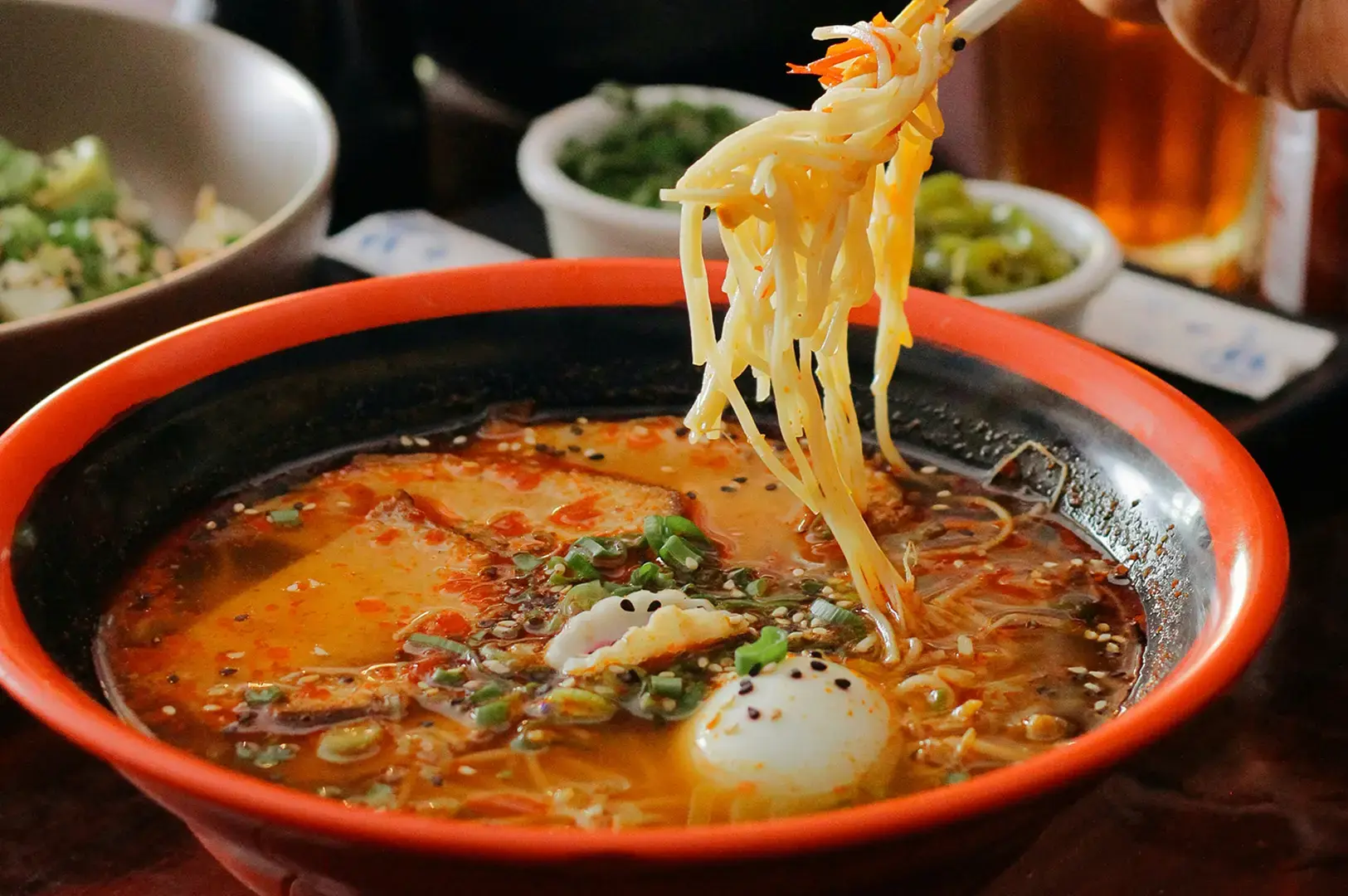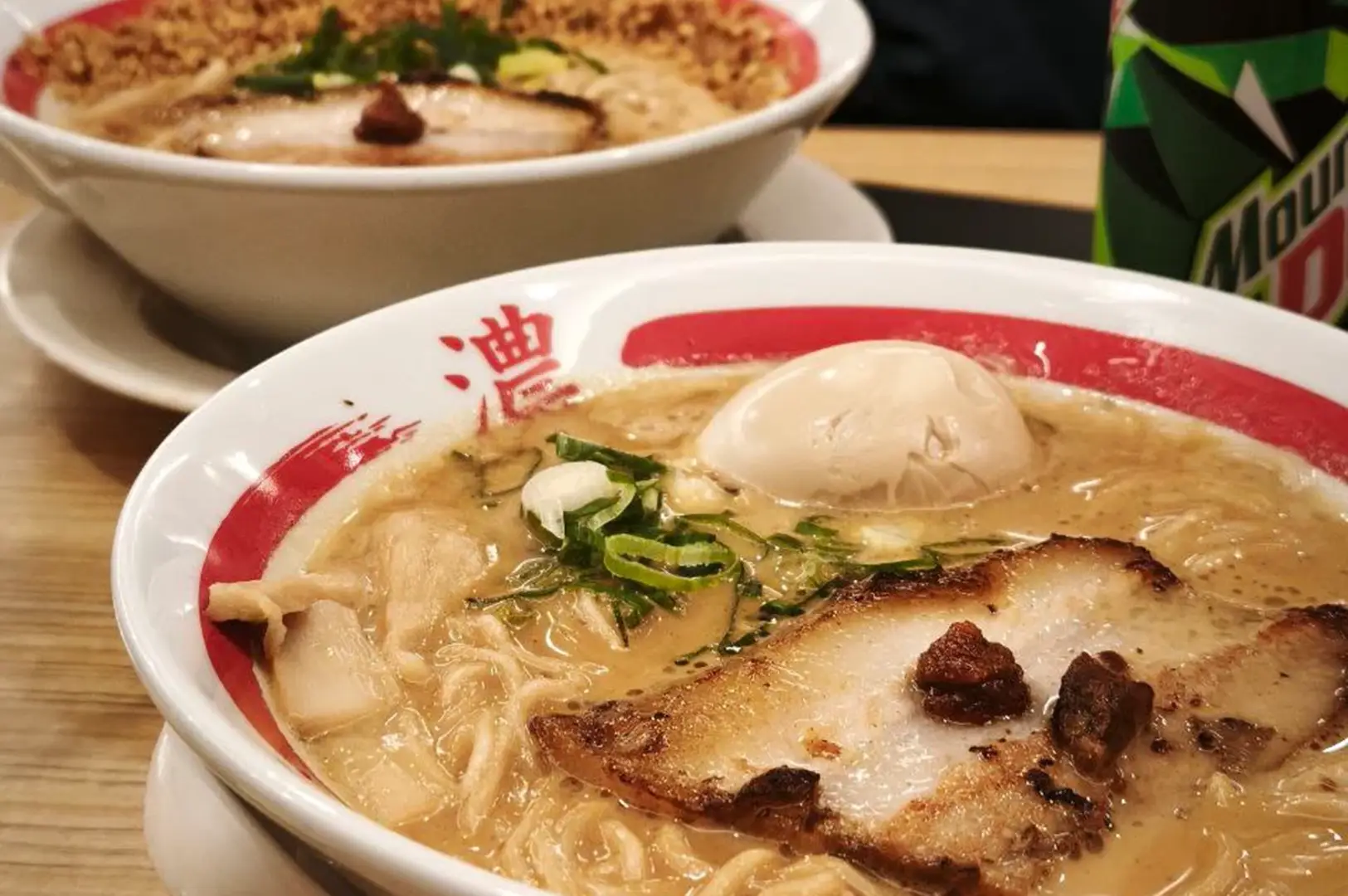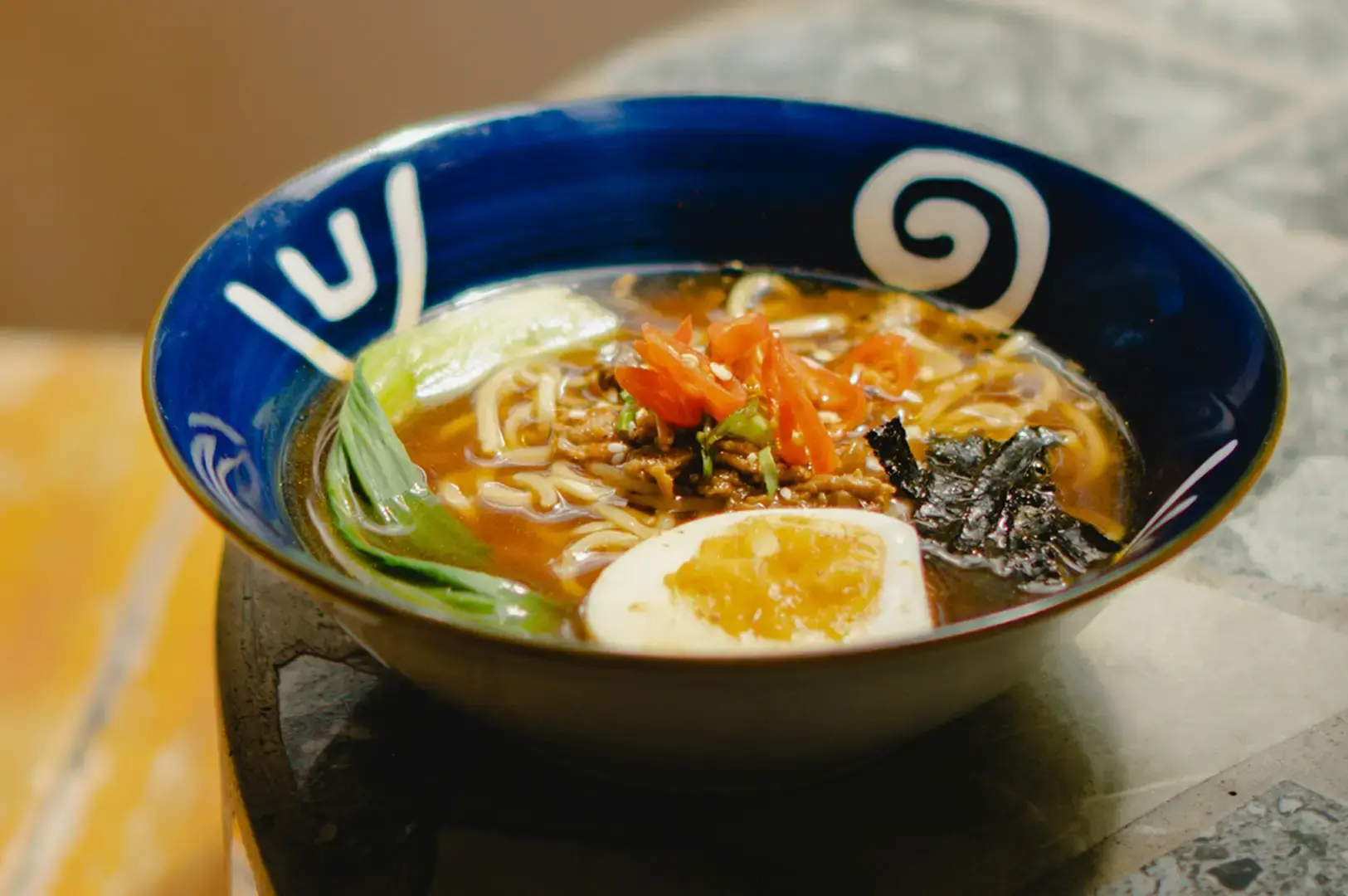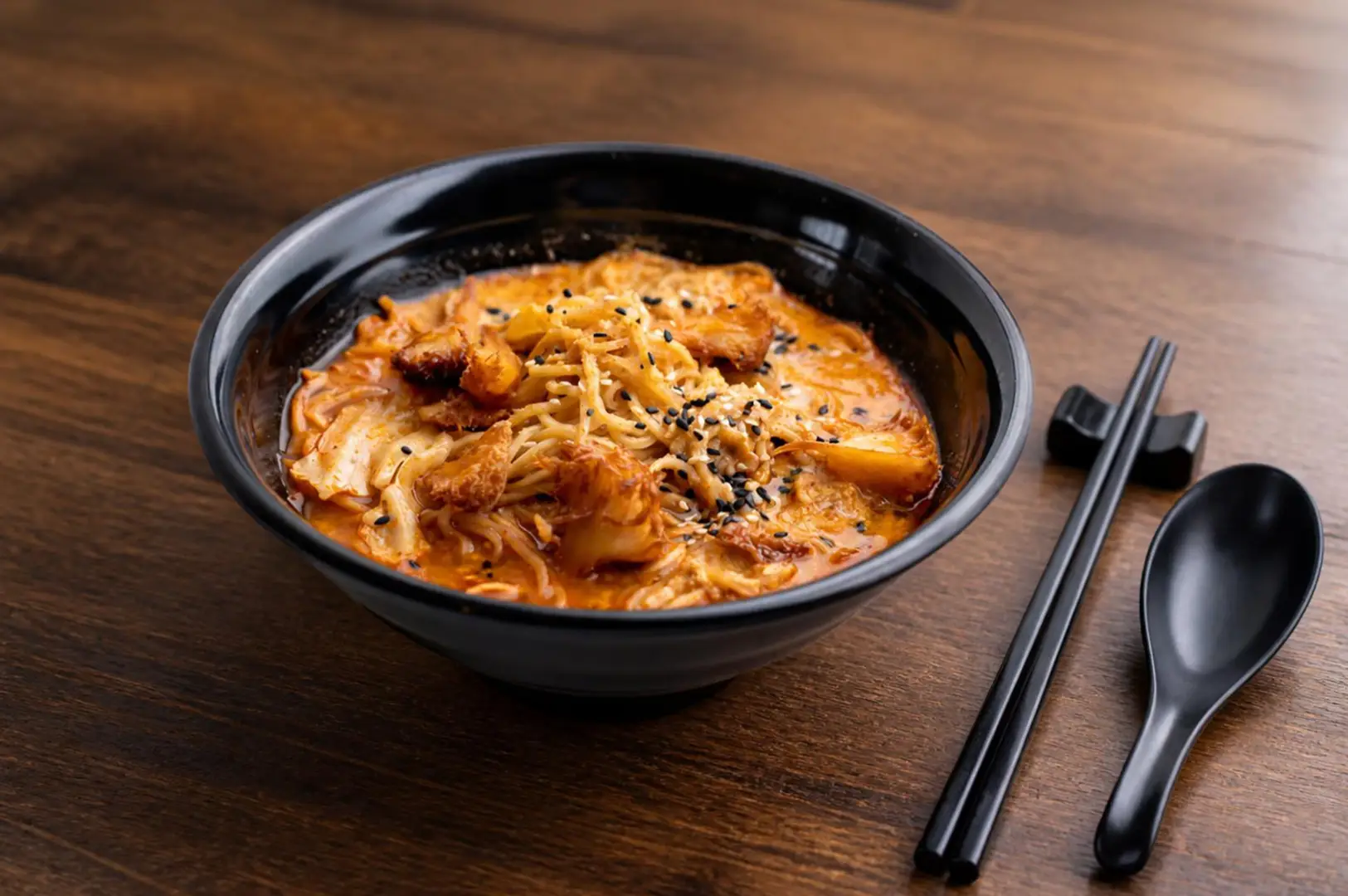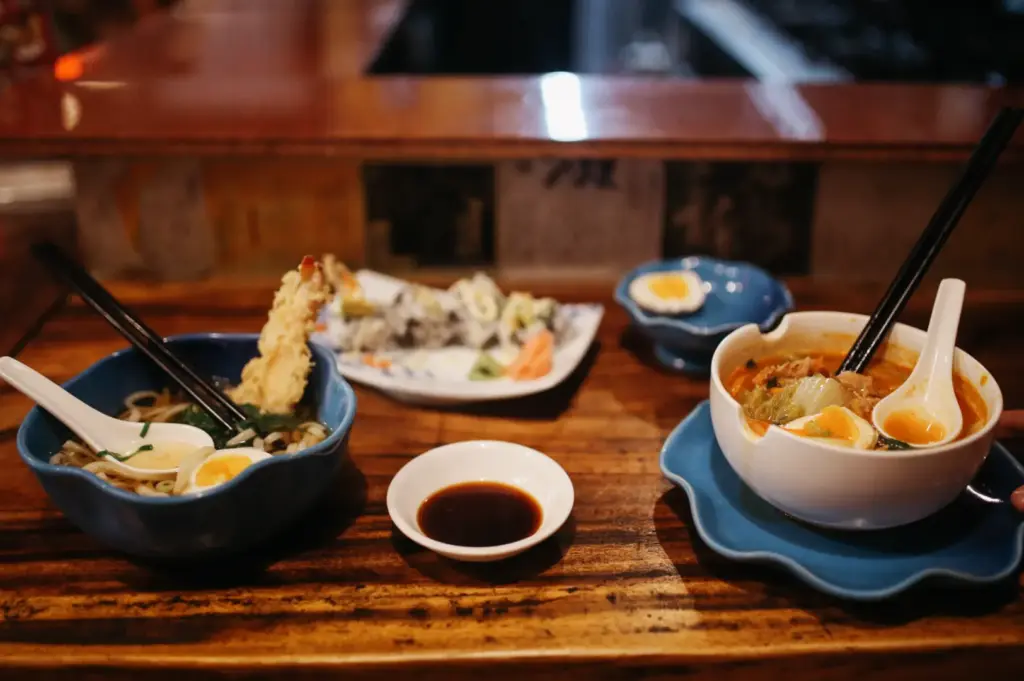
The most honest ramen cravings usually arrive after 10pm.
Not at lunchtime, when we are sensible. Not during dinner, when we still pretend to have plans. Late at night, when the city has changed its face and the day’s noise has finally settled into the body, ramen begins to make a different kind of sense.
Singapore is not truly a city that sleeps. It dims, perhaps. It softens around the edges. But somewhere, someone is still ending a shift, replying to one last message, missing the train by two minutes, or walking through a mall basement with no appetite for anything polite. That is when the thought appears: a hot bowl would fix something.
The Supper Instinct
We have always understood supper in Singapore as more than hunger.
It is prata after a long conversation. Bak chor mee after a late shift. Teh at a table that somehow becomes a confession booth. Supper is the meal we eat when the official day is over but the emotional day is not.
Ramen fits naturally into that space, even though it comes from elsewhere. It has the right shape for late-night eating: warm, direct, private, and complete. A bowl does not ask us to build a meal from several plates. It arrives with its own logic.
Broth. Noodles. Toppings. Steam. Silence. At night, that structure feels generous.
We should be careful not to romanticise exhaustion too much. Late-night ramen does not solve overwork. It does not fix long commutes, crowded trains, unpaid emotional labour, or the strange loneliness of living in a fast city. A bowl of noodles cannot carry all that.
But it can mark a boundary.
Before the bowl, we are still inside the day. After the first sip, something loosens. We become less hurried. We stop calculating the next task. We let the broth interrupt the mental noise.
Sometimes that is enough. Not healing, exactly. More like a reset button pressed quietly under the table.
After Work, We Crave Weight
There is a particular hunger that only appears after work. We want weight.
It is not always physical. Sometimes we are tired of being efficient. Tired of smiling correctly. Tired of sitting upright under office lights. By the time we step into the evening heat, we do not want a meal that feels delicate, because there’s this Strange Comfort of Eating Hot Ramen in Humid Singapore.
A late-night ramen bowl gives that weight without needing ceremony. Tonkotsu settles in the body like a heavy curtain. Miso feels round and reassuring. Shoyu, when done well, gives clarity without feeling thin. Even the act of lifting noodles can feel like returning to something simple and human.
We do not need to perform for ramen. We only need to eat it before the noodles soften.
The Night Changes the Bowl
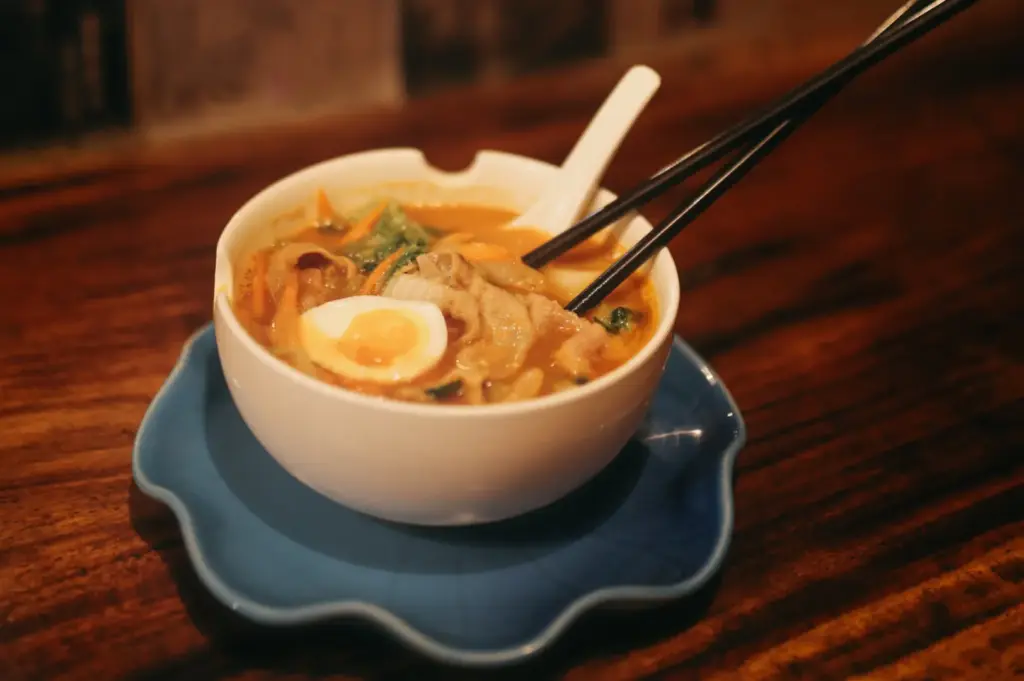
Ramen tastes different at night.
This may not be technical, but it feels true. The same broth that feels too rich at noon can feel necessary after dark. The same steam that seems excessive in humid weather becomes comforting after rain, air-conditioning, or exhaustion.
At night, our senses narrow. We notice the shine of oil on the broth, the slight resistance of noodles, the soft centre of an ajitama, the way spring onions cut through richness. The bowl becomes smaller than the city, but more understandable. That is part of its comfort. A city can be complicated. A ramen bowl has direction.
A Reset, Not an Escape
We should be careful not to romanticise exhaustion too much. Late-night ramen does not solve overwork. It does not fix long commutes, crowded trains, unpaid emotional labour, or the strange loneliness of living in a fast city. A bowl of noodles cannot carry all that.
But it can mark a boundary.
Before the bowl, we are still inside the day. After the first sip, something loosens. We become less hurried. We stop calculating the next task. We let the broth interrupt the mental noise.
Sometimes that is enough. Not healing, exactly. More like a reset button pressed quietly under the table.
Why We Return After Dark
The late-night ramen bowl stays with us because it understands unfinished days.
It is not glamorous. It is not always the best bowl we will ever eat. Sometimes the shop is too bright, the music too loud, the broth too salty. But the timing can make even an imperfect bowl feel strangely kind.
Ramen after dark meets us when our guard is lower. It gives warmth without asking for explanation. It turns hunger into ritual and fatigue into something softer.
The city may refuse to sleep. Many of us do, too.
But somewhere between the first sip and the final slurp, the night becomes easier to carry.