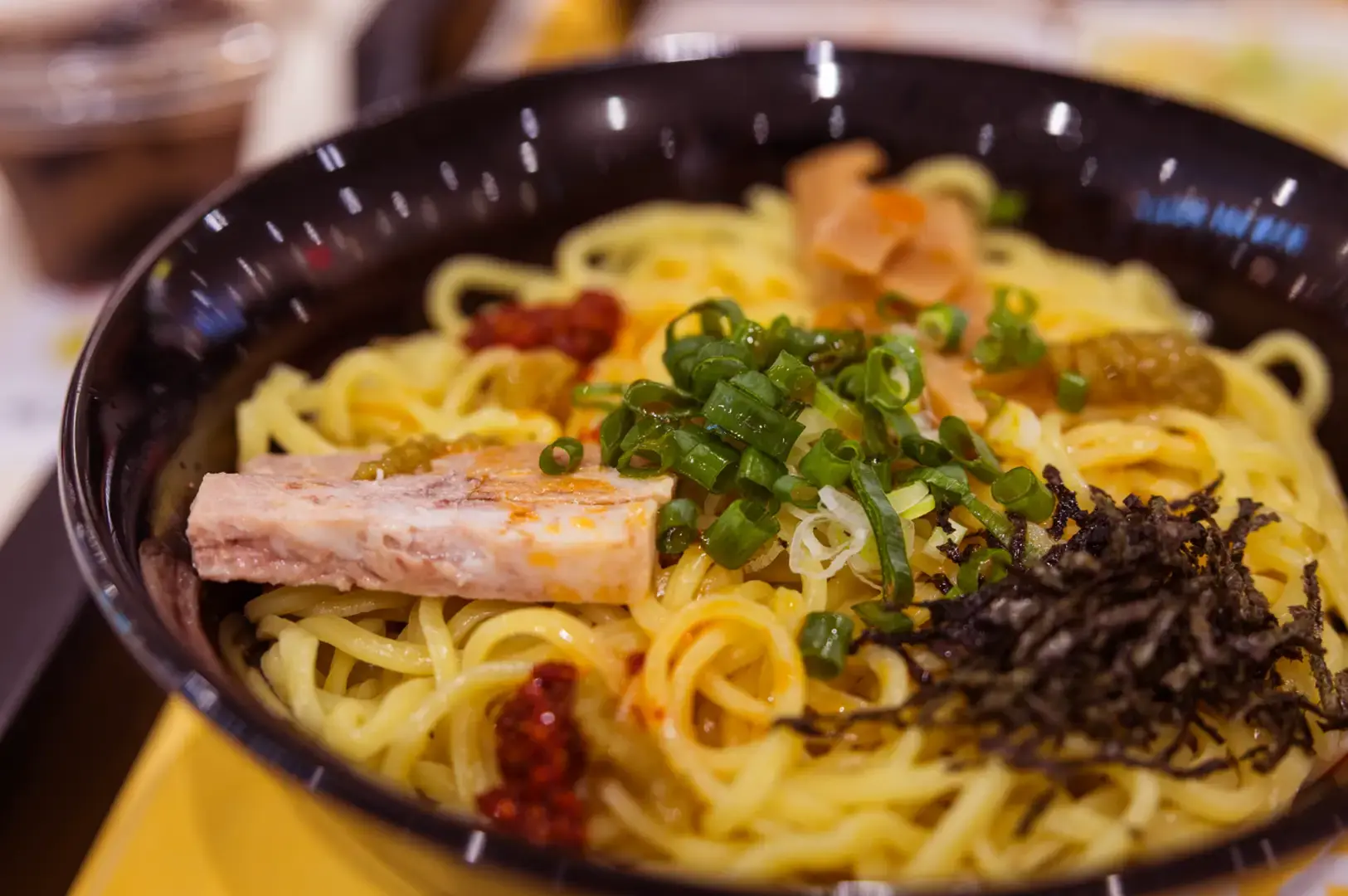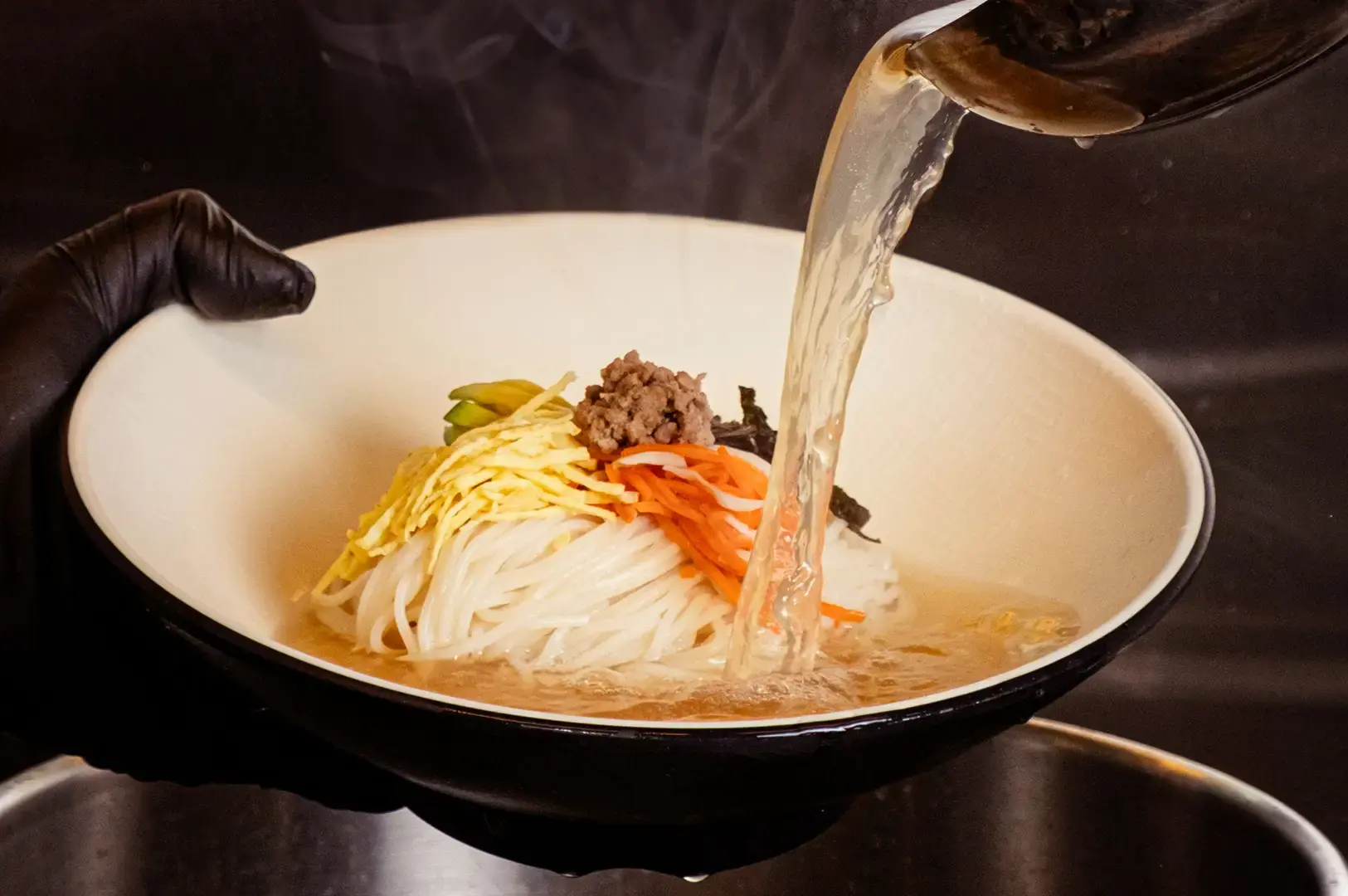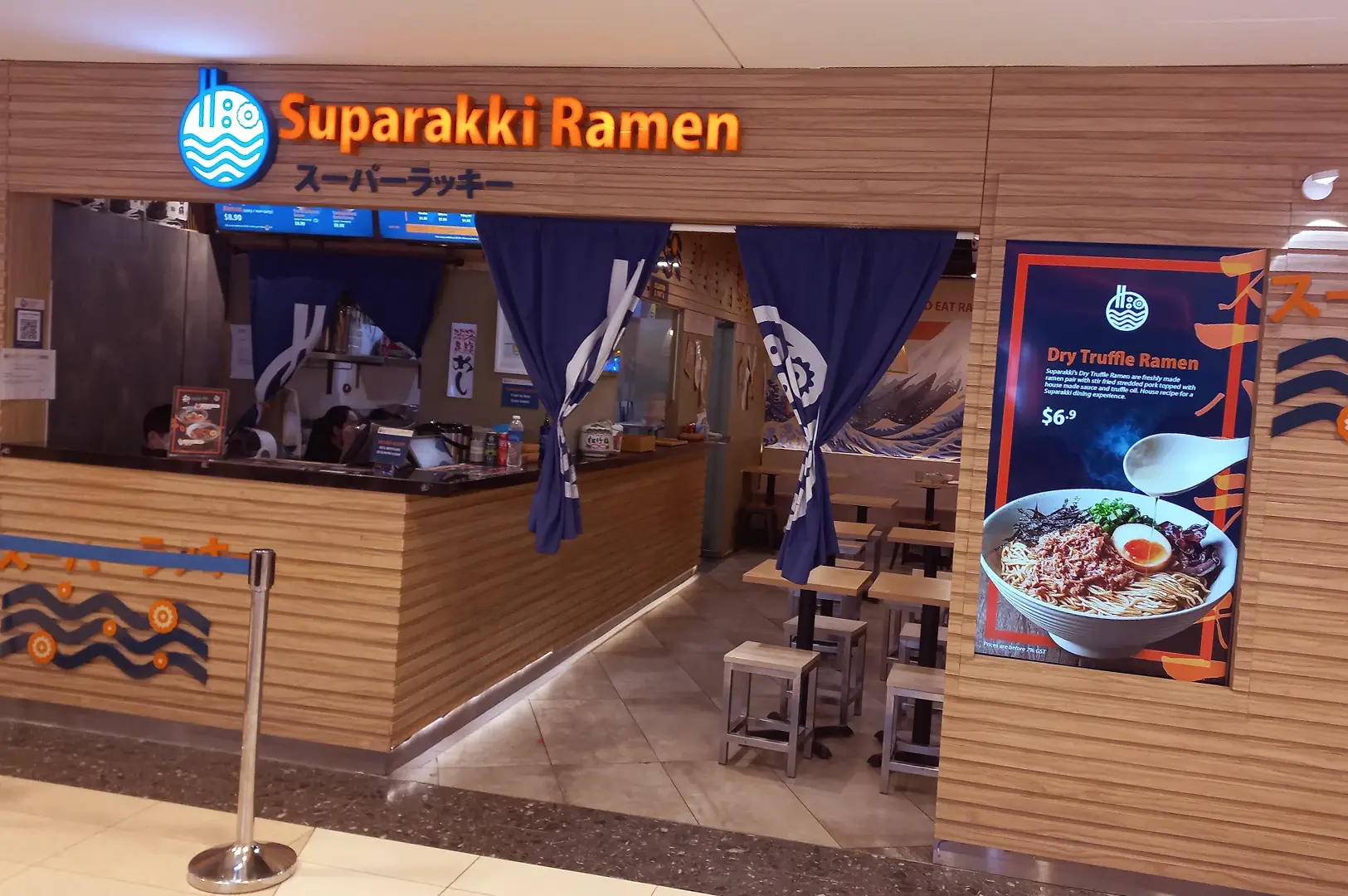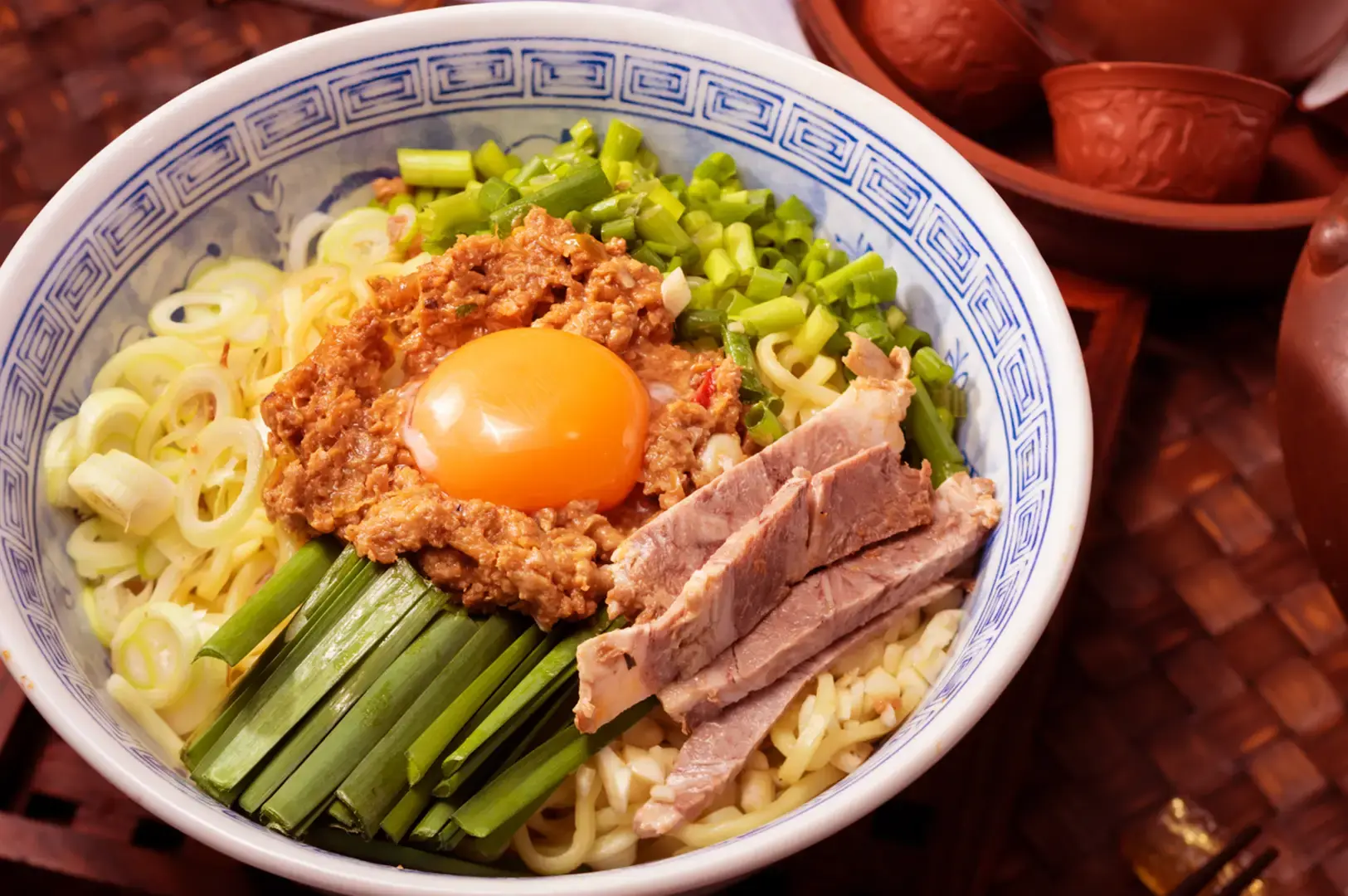
I didn’t plan to know this Singapore neighbourhood so well. It happened the way most things do: one lunch at a time, over a couple of years, mostly on the days I needed somewhere quiet to sit and think. Tanjong Pagar in Singapore is dense with ramen if you know where to look, but it isn’t showy about it. The good bowls hide below HDB blocks, tucked into hotel corners, at the far end of streets you’d only walk if you meant to.
I’ve eaten through all five of these more times than I can properly count. Some on rushed weekday breaks, some on slow rainy evenings when I wasn’t ready to go home yet. What follows isn’t a ranking so much as a map, where I’d send you depending on the kind of bowl, and the kind of day, you’re having.
1. Hakata Ikkousha Ramen (Tanjong Pagar Plaza)
Nearest MRT station: Tanjong Pagar, 4–6 minutes on foot
Price: Affordable price, $
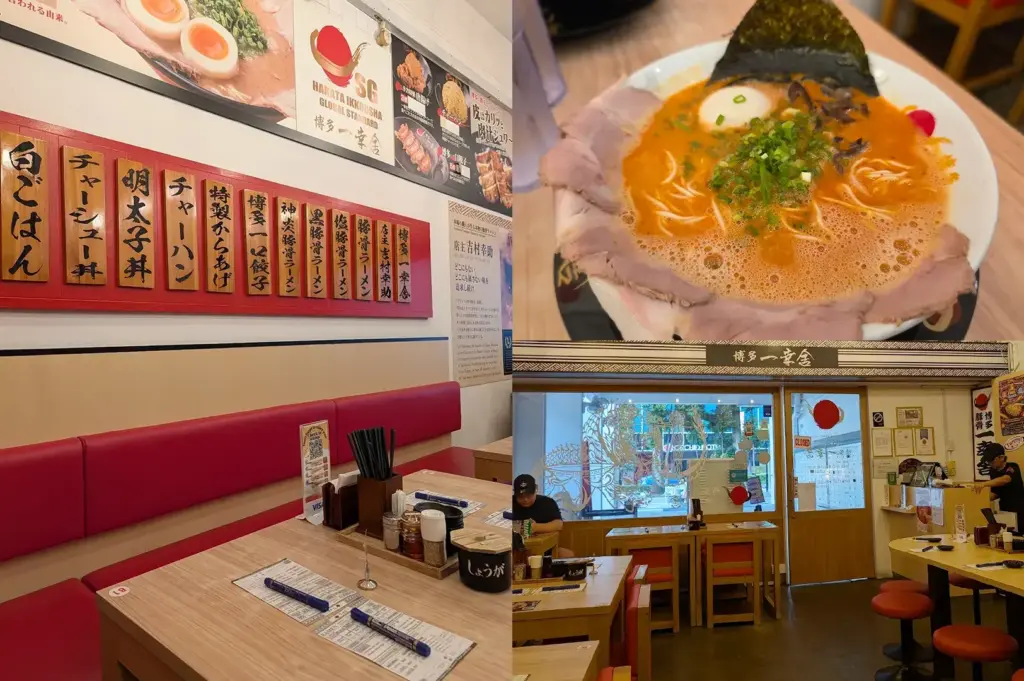
This is the one I send purists to. Ikkousha started in Fukuoka, Japan, and it carries that lineage without fuss, a proper Hakata tonkotsu with a rich pork broth, pork bones cooked long enough to turn the broth creamy and almost aerated, with a thin skin of foam on top that they’ll tell you is the point, not a flaw.
It sits below a building at Tanjong Pagar Plaza, not inside a polished mall, and I’ve always liked that about it. You come down a little from the street and into a small, warm room that smells of pork bone and garlic before you’ve even sat. The Tonkotsu Special ($19.50) gives you the full picture, that deep, milky broth, thin noodles with a firm bite, and chashu that gives way softly and tenderly. The standard Tonkotsu at $14.50 tells you almost the same story for less.
The room is small, and the lunch queue builds fast with long queues often forming. I’ve stood in it. But the broth is honest, flavourful, and the noodles hold their firmness right to the last mouthful, which is more than I can say for a lot of places. If you like a little heat, the God Fire is there in four levels, though I’d steer you gentle first.
Who Should Slurp Here: Tonkotsu traditionalists, solo lunches, anyone chasing a Fukuoka-style bowl.
Not Your Bowl If: The smell or richness of pork-bone broth isn’t your thing, or you want a leisurely meal with a big group.
Ramen Tale Intel: Order the standard Tonkotsu on your first visit, before any flavoured versions, it lets you judge the technique on its own. For spice, God Fire Level 1 or 2 keeps the tonkotsu readable underneath. Push higher and the broth disappears behind the chilli.
2. Enishi (International Plaza)
Nearest MRT station: Tanjong Pagar, 1–3 minutes on foot
Price: $ to $$
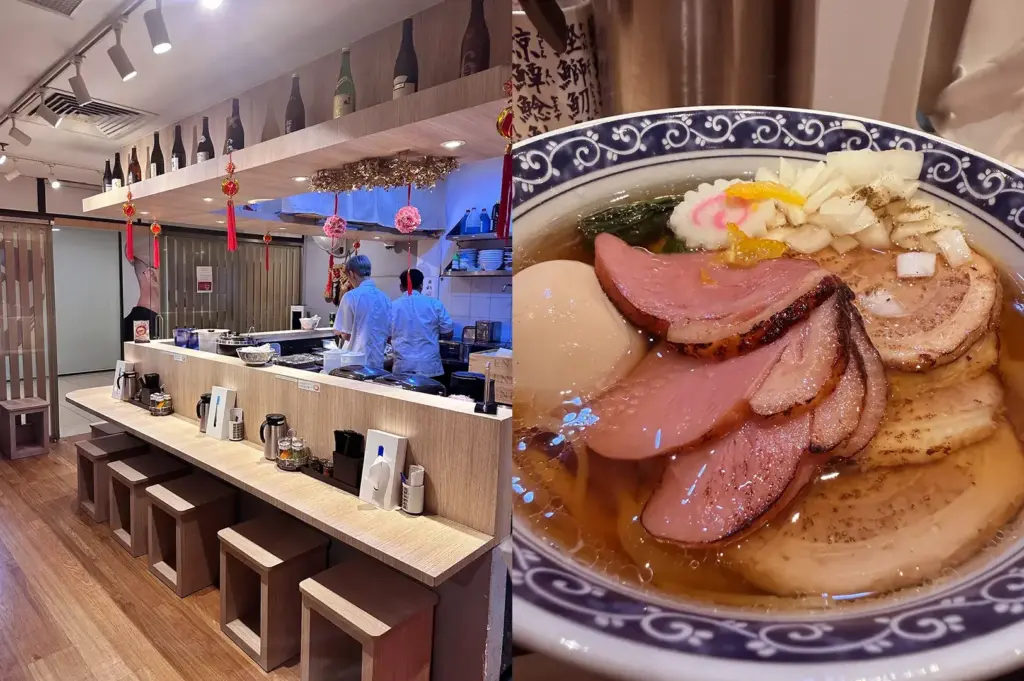
Enishi is the bowl I think about when I want to be reminded that ramen isn’t only pork soup.
It comes down from a Kobe restaurant that earned a Michelin Bib Gourmand, and the Tanjong Pagar branch is a tiny counter, nine or ten seats, no more. You sit close to the preparation, close to everyone else, and the whole thing feels less like a meal out than a small ceremony. There’s no soup-bone heaviness here. The kitchen builds its flavour on dashi, kombu, miso paste, and dried things, patient and clean.
The Dan Dan Noodles (~$19.80) are what I order almost every time. Chewy noodles, a peanut-forward sauce, minced pork, a soft egg, pickles cutting through it all. It’s complex in a way that unfolds as you eat, especially if you use the little vinegars they set out, a few drops shift the whole bowl toward the end. It’s not cheap for one bowl of noodles, and the peanut depth won’t be for everyone. The queue is the real cost, though. Ten seats means even a modest crowd turns into a proper wait.
I’ve learned to go right at opening, or after 1.30pm when the lunch rush thins. It’s worth arranging your day around.
For the Ramen Crowd Who: Serious ramen eaters, solo diners, anyone who’s done the tonkotsu rounds and wants something that thinks differently.
Skip the Slurp If: You’re in a group of more than two, you’re peanut-averse, or you don’t have patience for a queue.
A Little Ramen Advice: When the noodles are gone, ask for the small portion of rice to mix into what’s left of the Dan Dan sauce, it’s quietly one of the best parts. And save the fruit vinegars for the last third rather than the start; they lighten the finish beautifully.
3. Ramen Keisuke Tonkotsu King (Orchid Hotel)
Nearest MRT station: Tanjong Pagar, 2–4 minutes on foot
Price: $ to $$
Keisuke is where I take people who’ve never really sat down to a proper tonkotsu before.
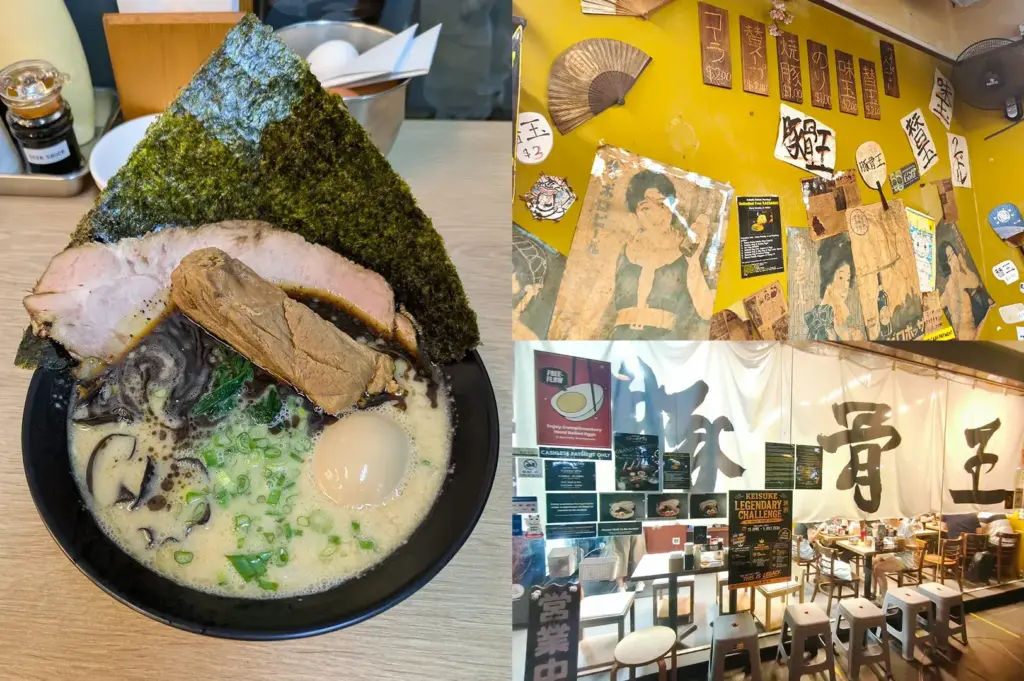
It’s one of the longest-standing ramen names around here, tucked into the ground floor of Orchid Hotel, and what sets it apart is how much of the meal is yours to shape. You choose your broth intensity, your noodle firmness, springy noodles with a firm bite, and there’s the ritual regulars know by heart: the bowls of complimentary hard-boiled eggs and seasoned bean sprouts already waiting on the table when you sit down.
The Black Spicy Tonkotsu with flavoured egg ($16.40) is my usual, a darker and more aromatic version of the house broth, the chashu soft enough to fold and tender. The room is cramped, the waits are common, and on a busy day the service can turn brisk. I won’t pretend otherwise. But once those free eggs and bean sprouts factor in, it feels like genuine value in a way few ramen shops do.
There’s a warmth to the whole place that survives the tight quarters. It’s the kind of bowl that fills you properly, the kind you leave feeling looked after.
For the Ramen Crowd: First-time tonkotsu diners, hungry office workers, anyone who likes adjusting their bowl to taste.
Not Your Bowl If: You want space and quiet, or you’re sensitive to salt and heavy, fatty broth.
Order Like a Regular: Don’t fill up on the free eggs before your ramen lands; one egg and a little bean sprout is plenty to enjoy the wait without dulling your appetite. If you eat slowly, order the noodles hard so they hold up.
4. Kajiken (Orchid Hotel)
Nearest MRT station: Tanjong Pagar, 2–4 minutes on foot
Price: $
A few doors down from Keisuke, in the same Orchid Hotel stretch, Kajiken makes the case that ramen doesn’t need soup at all.
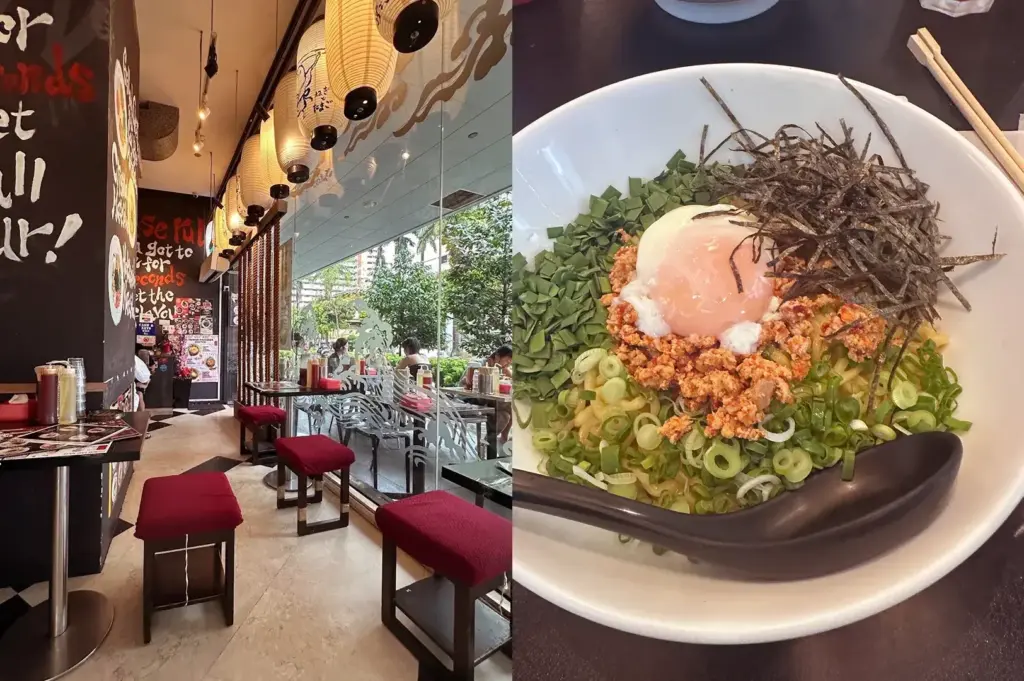
This is a mazesoba specialist, brothless ramen, thick noodles built to be tossed hard with sauce, egg, and toppings until everything coats everything else. The first time I ate here I didn’t quite understand it, mixed it half-heartedly, and wondered what the fuss was. My mistake. It only works if you commit to the stir.
The Original Mazesoba (~$17.77) is where to start, springy, chewy noodles, a creamy egg-slicked sauce, satisfying in a way that sneaks up on you. The Taiwan Nagoya-style version brings minced meat, spring onion, nori, and a chilli kick some people don’t see coming, so go in knowing. The karaage chicken is worth adding if you’re hungry. My only quibbles: the noodles occasionally arrive softer than I’d like, and the bamboo shoots carry a strong aroma that not everyone loves.
It’s concentrated, punchy food. If you need broth to feel like you’ve eaten ramen, this won’t scratch that itch. But if you love noodle chew above all, this is the bowl.
The Right Bowl For: Dry-noodle fans, people who care more about texture than soup, hungry solo eaters wanting something off the tonkotsu track.
Not Quite Your Broth If: You believe ramen must come with broth, or you want something light and delicate.
Insider tip: Mix the noodles thoroughly before your first bite, then add vinegar a little at a time as the richness builds. And when the noodles are done, order oimeshi, a small spoonful of rice into the leftover sauce. It’s the proper way to finish.
5. Torasho Ramen & Charcoal Bar (Tras Street)
Nearest MRT station: Tanjong Pagar, 4–6 minutes on foot
Price: $$ to $$$
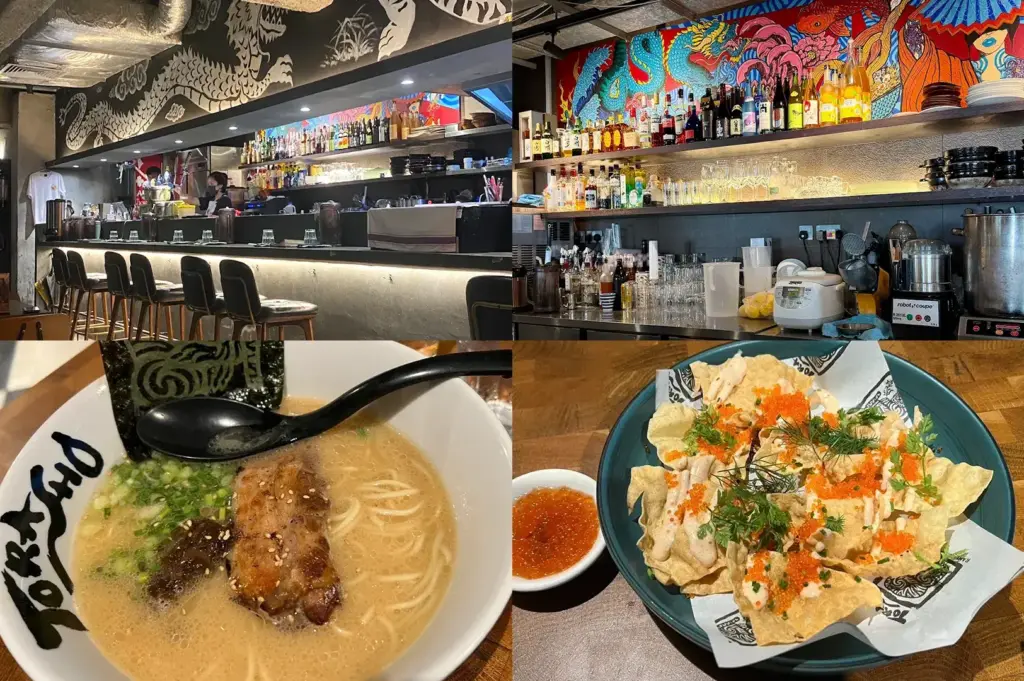
Torasho is the outlier, and the one I end up at when the night runs long. It’s a ramen shop wearing an izakaya’s clothes, a full charcoal-bar menu of skewers and small plates alongside the noodles, and a kitchen that clearly likes to experiment. On Fridays and Saturdays it stays open until 3am, which makes it the rare place in Tanjong Pagar where a real bowl of ramen is still possible well after midnight. That alone has earned my loyalty on more than one late evening.
The Tsukemen (~$19.18) is where I’d send anyone first, thick dipping noodles, a concentrated sauce, the most consistently good thing on the menu. Then there’s the cold Stupid Ramen, a thin-noodle dish piled with luxury seafood, ebi, uni, ikura fish, that’s as much spectacle as supper. It’s not the most consistent kitchen on this list. I’ve had broth arrive lukewarm, and the premium add-ons climb the bill quickly. But the range and the atmosphere make up for the wobble.
Come here for the room as much as the bowl, the clatter, the charcoal smoke, a drink at the counter while you wait.
Come Here For: Dates, groups, late-night cravings, anyone who wants skewers and a beer with their noodles.
The Dealbreaker: You want one tightly focused signature broth, or you’re watching the bill, premium toppings add up fast.
Before the First Slurp: Take a bar-counter seat if there’s one going; the view of the kitchen suits the place. Order the Tsukemen before any premium ramen to judge the noodles honestly. And if you’re set on Stupid Ramen, go earlier in the evening, the ingredient-heavy dishes can sell out late.
The Essence of Tanjong Pagar’s Ramen Shops
None of these five is trying to be the others, and that’s the quiet gift of eating around Tanjong Pagar.
When I want the real Hakata story, unadorned, it’s Ikkousha. When I want to be surprised, to remember ramen can be delicate and layered, it’s Enishi, queue and all. Keisuke is where I bring the uninitiated, for the comfort of a bowl you can make your own. Kajiken when I’m after chew over soup. And Torasho when the evening isn’t ready to end.
For more delicious ramen discoveries in the area, click this guide to the top ramen spots near Raffles Place that you simply can’t miss.
The Noodle Comment: If you visit any of these places, you might miss the sweet and salty notes that balance the umami flavour in the broths, or the fresh ingredients like black fungus and tender chicken that make each bowl a delicious experience. Each person who walks in is met with consistency: served with effort and a huge portion that satisfies the palate. These restaurants have become a favourite spot for friends to gather and enjoy the diverse offerings of Tanjong Pagar ramen.
I don’t think there’s a single best bowl here. There’s only the one that fits your afternoon, how much time you have, how hungry you are, whether you want quiet or some decent noise. Go early, before the crowds. The best bowls always seem to taste a little better in the hush before everyone else arrives.