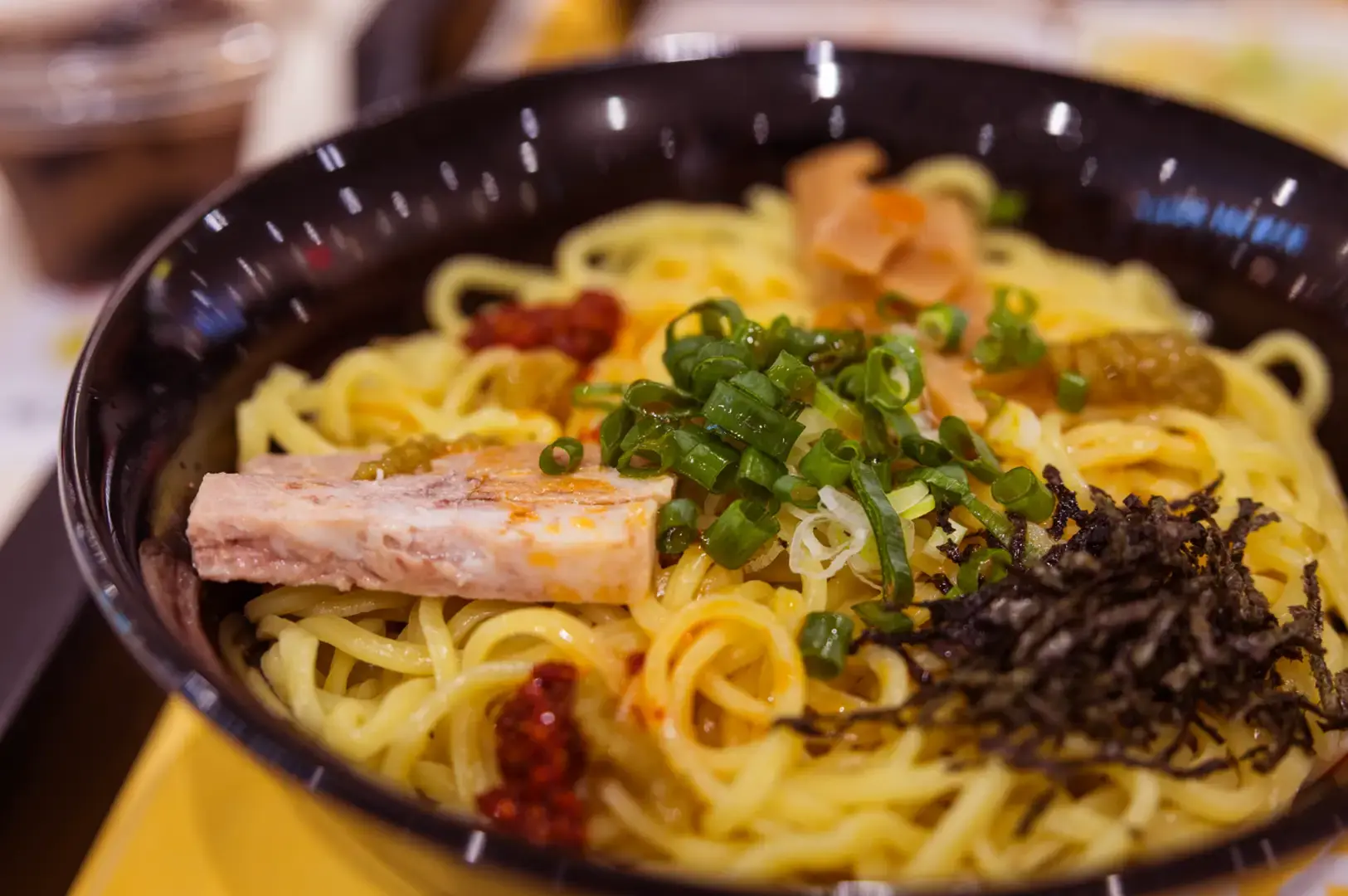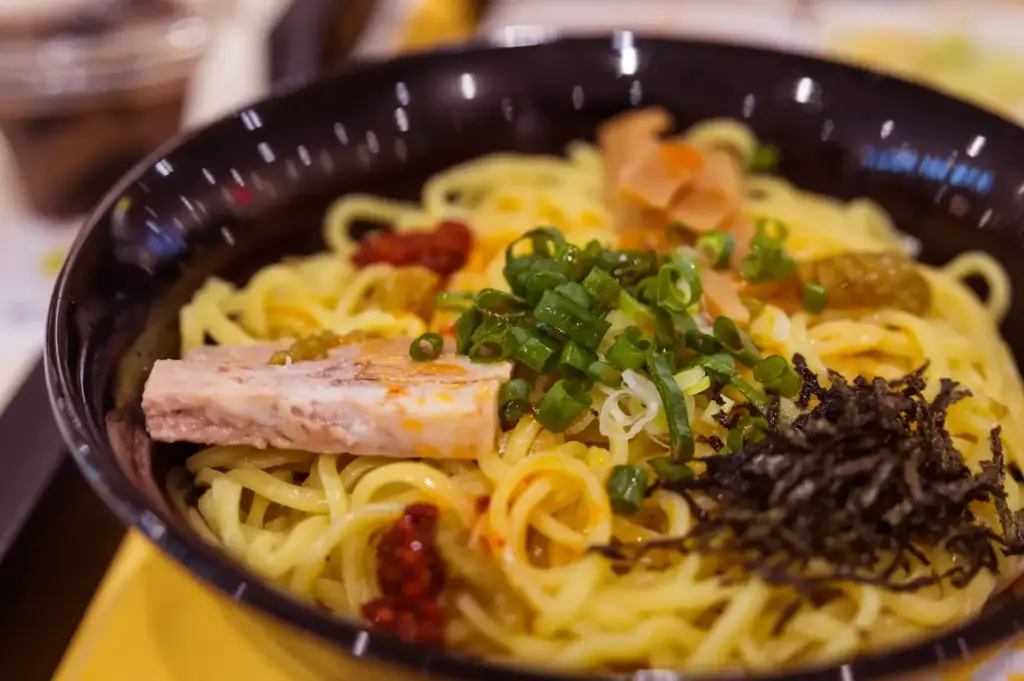
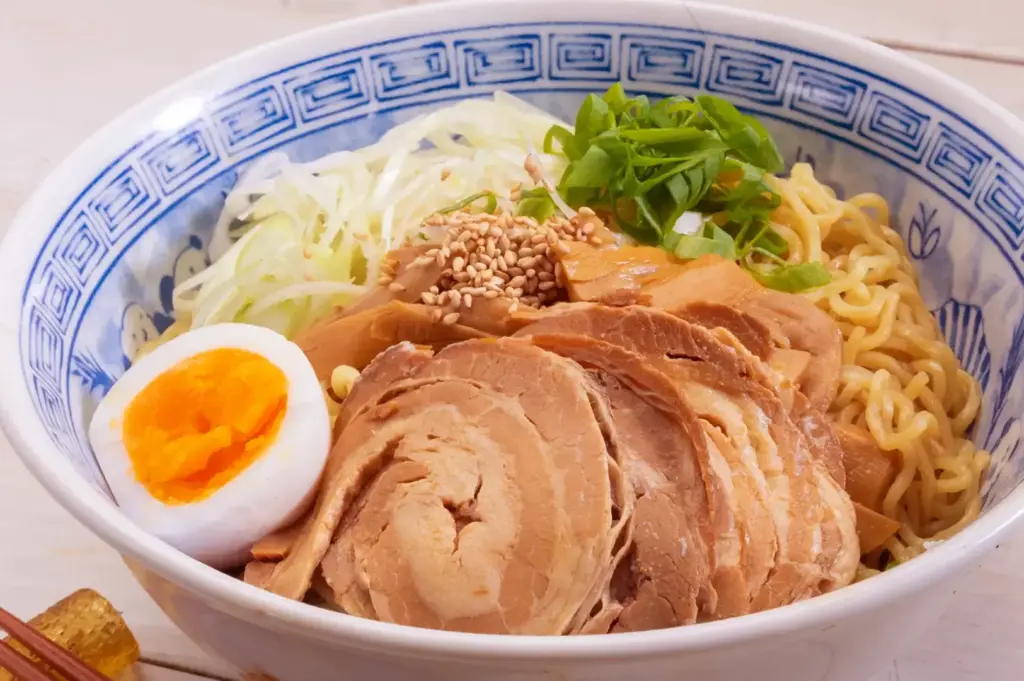
The first time I ordered abura soba, I stared at the bowl for a good while. No broth. Just a heap of hot ramen noodles, some chashu, a scatter of green onions and seaweed, and something dark glistening at the very bottom that I couldn’t quite make out. I’d walked in expecting soup. I got noodles that looked, to my confused eyes, a little lonely.
So I did what any impatient person does. I ate it as it was. A few bites from the top, no mixing. The noodles tasted plain, almost bare. By the bottom, it turned sharp and salty, all that hidden sauce hitting at once. I left thinking abura soba wasn’t for me. I was wrong. It just took a second bowl, and a kind uncle at the counter telling me to mix it, lah, for me to understand. Let me save you that first wasted bowl.
If you’re new to dry noodle dishes like abura soba, our guide on what to know before your first bowl in Singapore can help you get started. Hope you enjoy the read and maybe find a new favorite dish to serve at your own table!
What Is Japanese Abura Soba?
Abura soba is a Japanese soupless ramen, a delicious part of Japanese cuisine enjoyed widely across ramen restaurants in Japan and beyond. That’s the short version.
The name breaks down simply: abura means oil, soba here means noodles. So it’s oil noodles, hot ramen noodles tossed with a soy sauce–based tare and aromatic oil sitting at the bottom of the bowl, instead of swimming in broth. You mix it before you eat. Every strand ends up glossy, coated, seasoned with amazing seasonings and other ingredients.
If you’ve grown up on dry noodle dishes here, like bak chor mee, wanton mee, dry ban mian, you already know the rhythm. Sauce at the bottom, noodles on top, and the whole thing only makes sense once you toss it together. Abura soba is that idea, spoken in Japanese.
The one thing that trips people up is the word “soup less.” No soup doesn’t mean no flavor. If anything, soupless ramen can hit harder than a bowl with broth, because there’s nothing to dilute the tare and oil. It clings straight to the noodles, which should be chewy noodles with a springy bite.
Slurper's Tale: If your bowl looks bare when it arrives, that's normal. The flavor is hiding at the bottom, waiting for you to bring it up. A dull-looking abura soba is just an un-mixed one.
Abura Soba vs Maze Soba: Are They the Same?
This is where things get muddy, and honestly, even some menus in Singapore use the terms loosely.
They’re cousins. Both are dry noodle dishes, both get mixed, both build flavor from tare and oil rather than soup. But there’s a difference in emphasis I’ve come to notice after eating plenty of each.
Abura soba leans on the oil and the tare. It’s cleaner, more restrained, ramen noodles, soy sauce base, sesame oil, chashu, menma, spring onion, seaweed, with vinegar and chili oil on the side to adjust as you like.
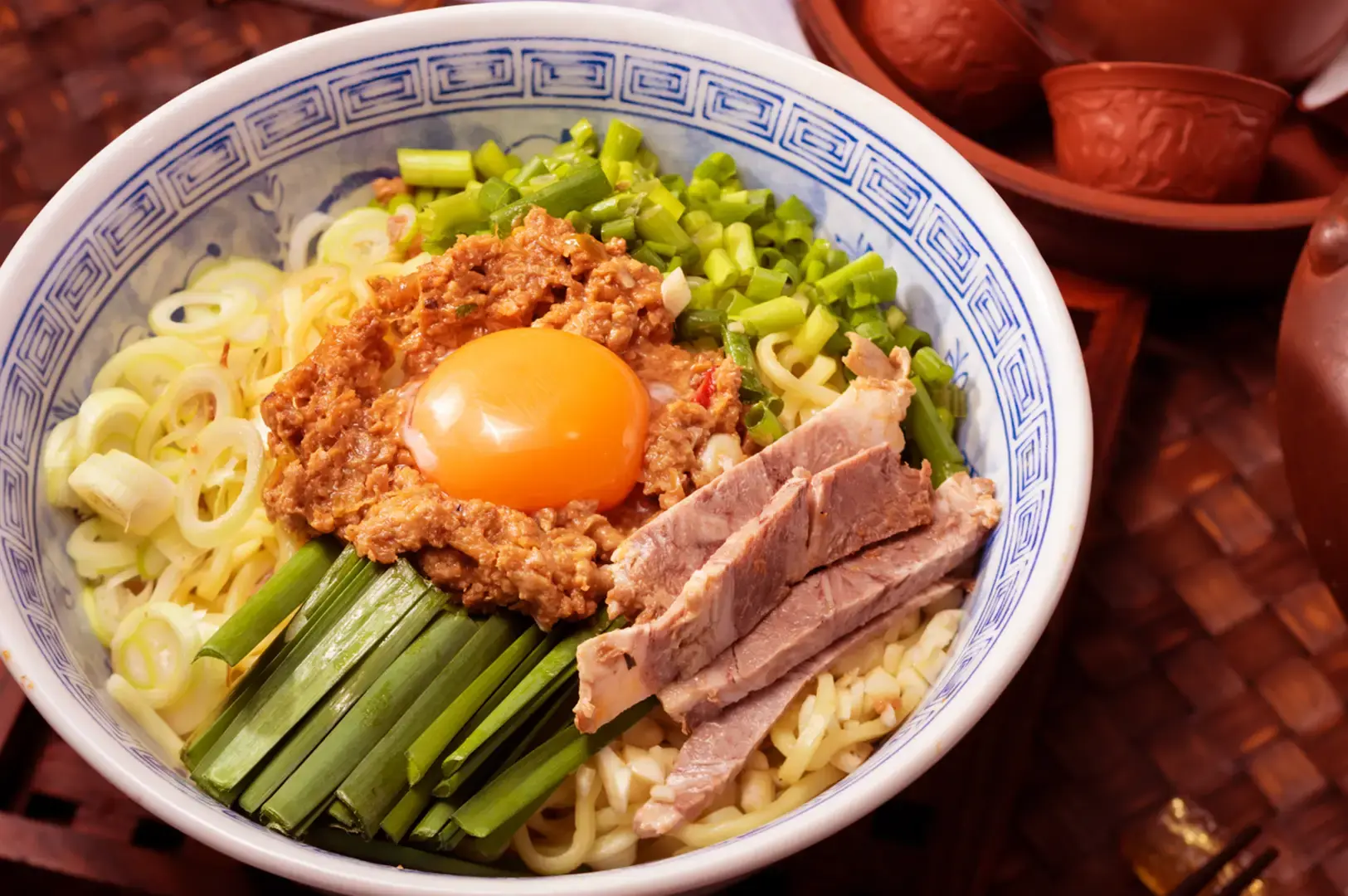
Maze soba (sometimes spelled mazesoba) is the louder sibling. It piles on toppings, minced pork, a raw egg yolk in the middle, garlic, chives, and often carries a Taiwanese style edge with chilli and more heat. The word literally means “mixed noodles,” and it wants you to stir everything into one rich, savory mess.
You’ll see shops in Singapore list them almost interchangeably. Ramen Hitoyoshi, for one, describes its mazesoba as also known as abura soba or oil noodles. So don’t get too hung up on the label. If you like the leaner, oil-forward bowl, ask for abura soba. If you want the works, go maze soba.
Are Abura Soba Noodles the Same as Soba Noodles?
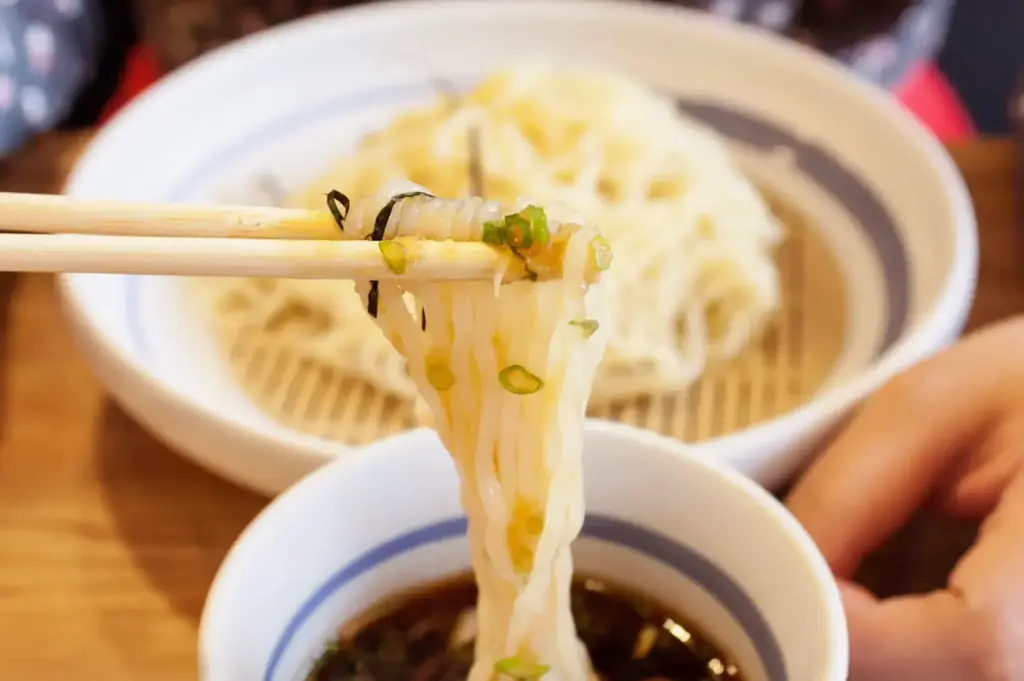
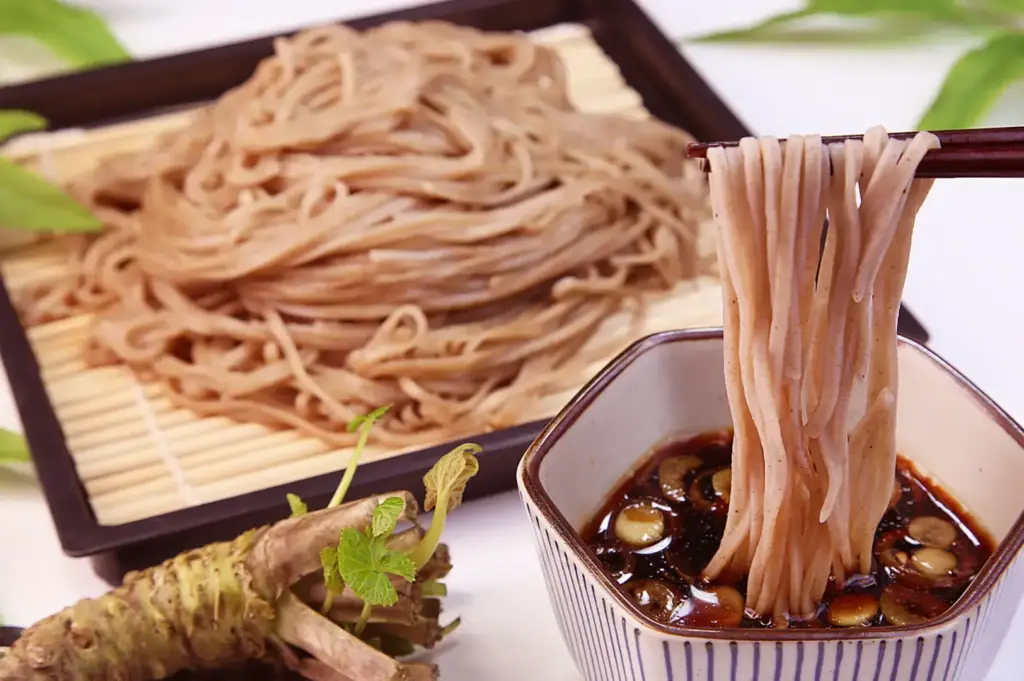
Despite the name, abura soba is not made with soba noodles. It doesn’t use the thin, greyish buckwheat noodles you’d find in a cold zaru soba. It uses ramen noodles, springy, wheat-based, chewy enough to hold all that sauce and oil.
The word soba in Japanese can loosely mean “noodles” in some dish names, which is where the tangle starts. But make no mistake: these aren’t buckwheat noodles, and they aren’t udon noodles either. They belong to the ramen family.
I mention this because the first time a friend of mine ordered it, she expected the earthy, delicate bite of buckwheat and got chewy ramen instead. Not a bad surprise, just not the one she’d braced for. Now you know.
Ramen Lover's Tip: The noodles carry the whole dish here. In soup ramen we obsess over broth; in abura soba, judge the noodles first. They should arrive hot, springy, and with real bounce, never soft or clumpy.
How to Eat Soup Less Ramen Noodles Properly
This is the part I got wrong, so let me be specific.
Step 1 — Look before you touch. Notice what’s in the bowl. Is it a clean abura soba, or a topping-heavy maze soba with a raw egg yolk and minced pork? It tells you how much you’ll want to add later.
Step 2 — Mix from the bottom. This is the whole game. Dig your chopsticks right down to where the tare and oil pool, and fold the noodles up through it. Keep going, twenty, thirty seconds, longer than feels natural. You want every strand shining.
Step 3 — Taste before you add anything. Don’t reach for the vinegar or chili oil yet. Try it as the kitchen made it. Only then decide what it needs.
Step 4 — Adjust gently. Too rich? A little vinegar cuts through the oil beautifully. Too flat? Chili oil brings heat and aroma. A touch of garlic if you want punch. Add small, mix, taste again. Don’t drown it.
Step 5 — Eat while it’s hot. With no broth to keep things warm, abura soba cools faster than you’d think. The noodles clump and the oil thickens once it drops in temperature. So mix, then eat with a bit of urgency.
Step 6 — Rice at the end, if they offer it. Some ramen restaurants give you a small scoop of rice to stir into whatever sauce, egg, and bits are left. It’s often the quiet highlight of the meal.
The Ramen's Note: Vinegar isn't there to make the dish sour, it's there to lighten it. Add a splash when the bowl starts feeling heavy around the halfway mark, not at the start.
What It Tastes Like, and What It Costs Here
Done well, abura soba is savory first, then rich as the oil coats everything, with an umami depth from the soy sauce tare. Good oil should smell of sesame, garlic, or scallions, not just sit there heavy. If all you taste is grease, that’s a bad bowl, not the dish’s fault.
For abura soba Singapore diners, the price is friendly. Most basic bowls land around S$10 to S$16. Signature or all-toppings maze soba climbs to S$15 to S$22. Add a side and a drink and you’re looking at maybe S$18 to S$30 for a full meal.
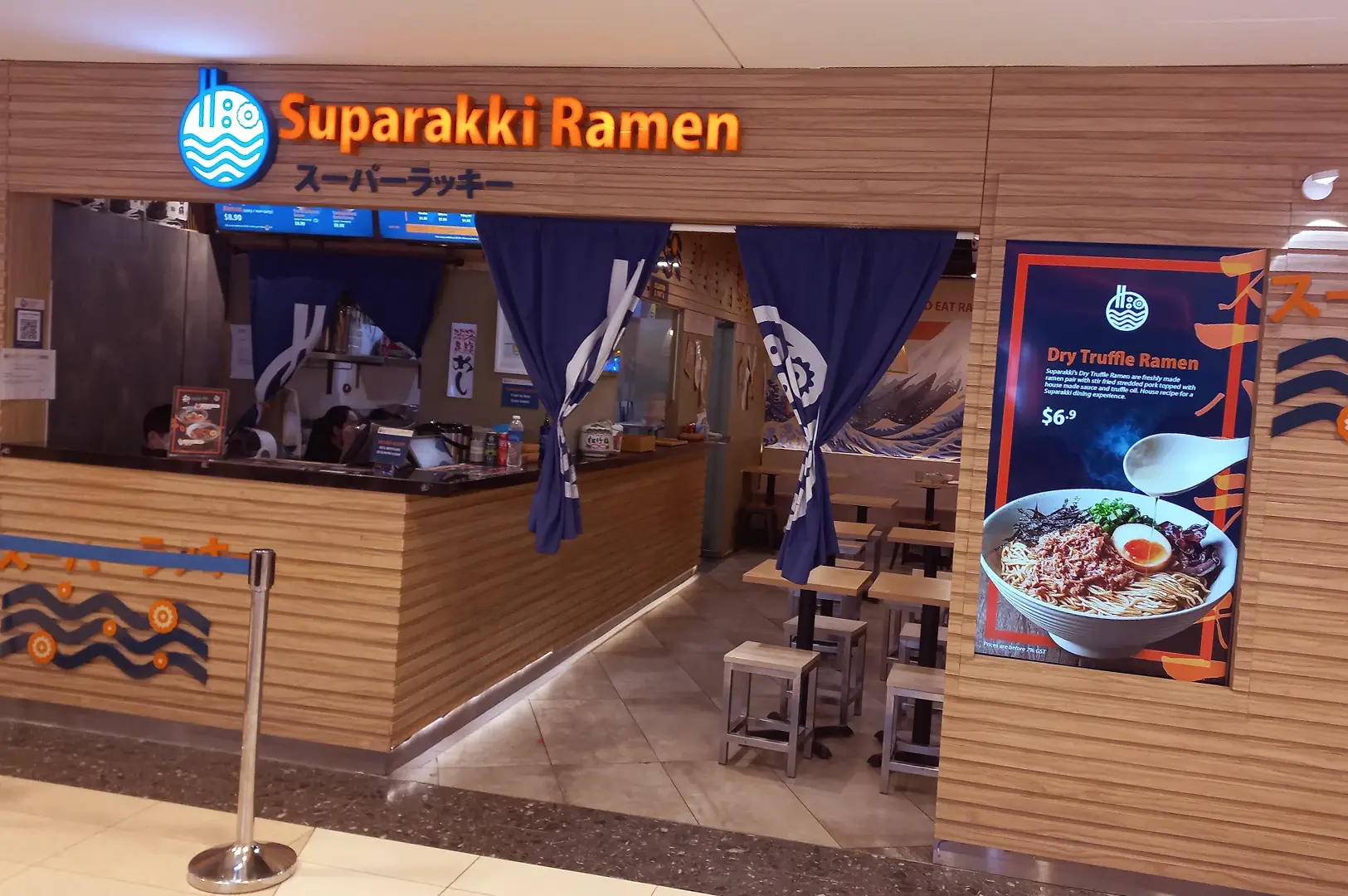
A few honest local pointers. Kajiken at Orchid Hotel in Tanjong Pagar is a proper dry ramen specialist, a solid first stop, and the abura soba won’t overwhelm you. Menya Kokoro brings the Tokyo maze soba style into malls like Suntec City and Plaza Singapura, which is convenient if you want easy access. And for halal-conscious readers, Godaime has been covered as Singapore’s first halal maze soba concept, with its Aburi Chicken Maze Soba, worth knowing, since traditional abura soba often uses pork chashu or lard in the oil.
Ramen Secrets: Common Pitfalls to Avoid with Abura Soba
The ones I made, and the ones I watch others make:
Not mixing enough. My original sin. Mix hard, from the bottom, until it’s glossy.
Adding vinegar and chili oil too early. Taste first. You can’t take it back out once it’s in.
Ordering the loaded bowl first. Start with a classic abura soba. Understand the base before you pile on cheese, curry powder, or extra chashu.
Expecting soup. It isn’t coming. Let that go and the bowl makes sense.
Letting it sit. Cold abura soba clumps and turns oily. Eat it hot.
Slurping the Soupless Ramen
That first bowl taught me more than any recipe could. The abura soba wasn’t the problem. My impatience was. So next time it arrives looking bare, don’t panic. Mix it properly, taste before you reach for the vinegar, and eat it while it’s still hot.
Get that right, and you’ll understand why I keep going back. I’m hooked. Whether you’re a fan of yakisoba or just discovering the rich world of Japanese noodles, this post brings you closer to the authentic tastes and traditions that make these ramen restaurants a must-visit.
Don’t forget to add some fresh vegetables or other ingredients to your bowl for a balanced meal with spice and flavor. Enjoy your abura soba experience!