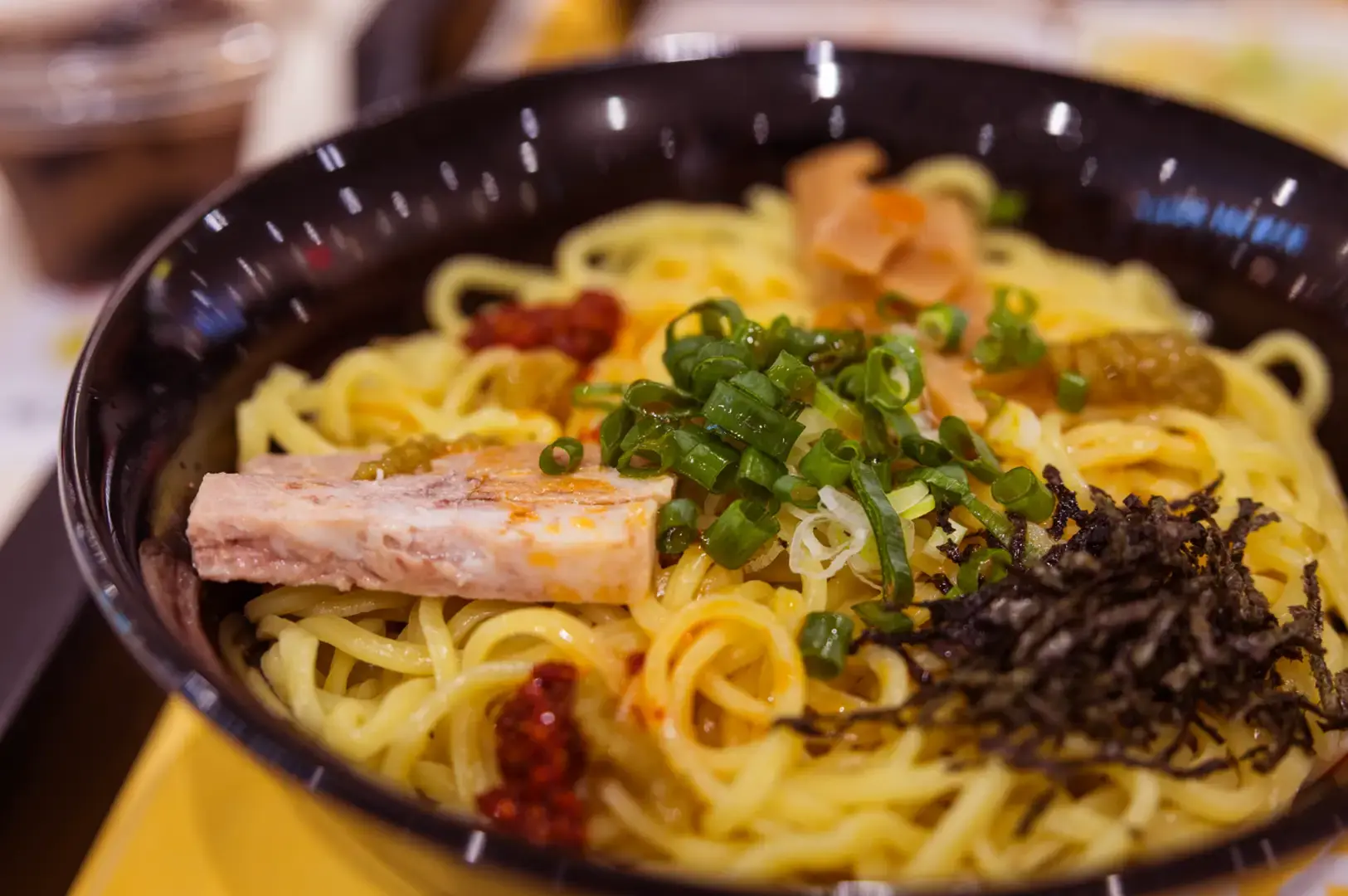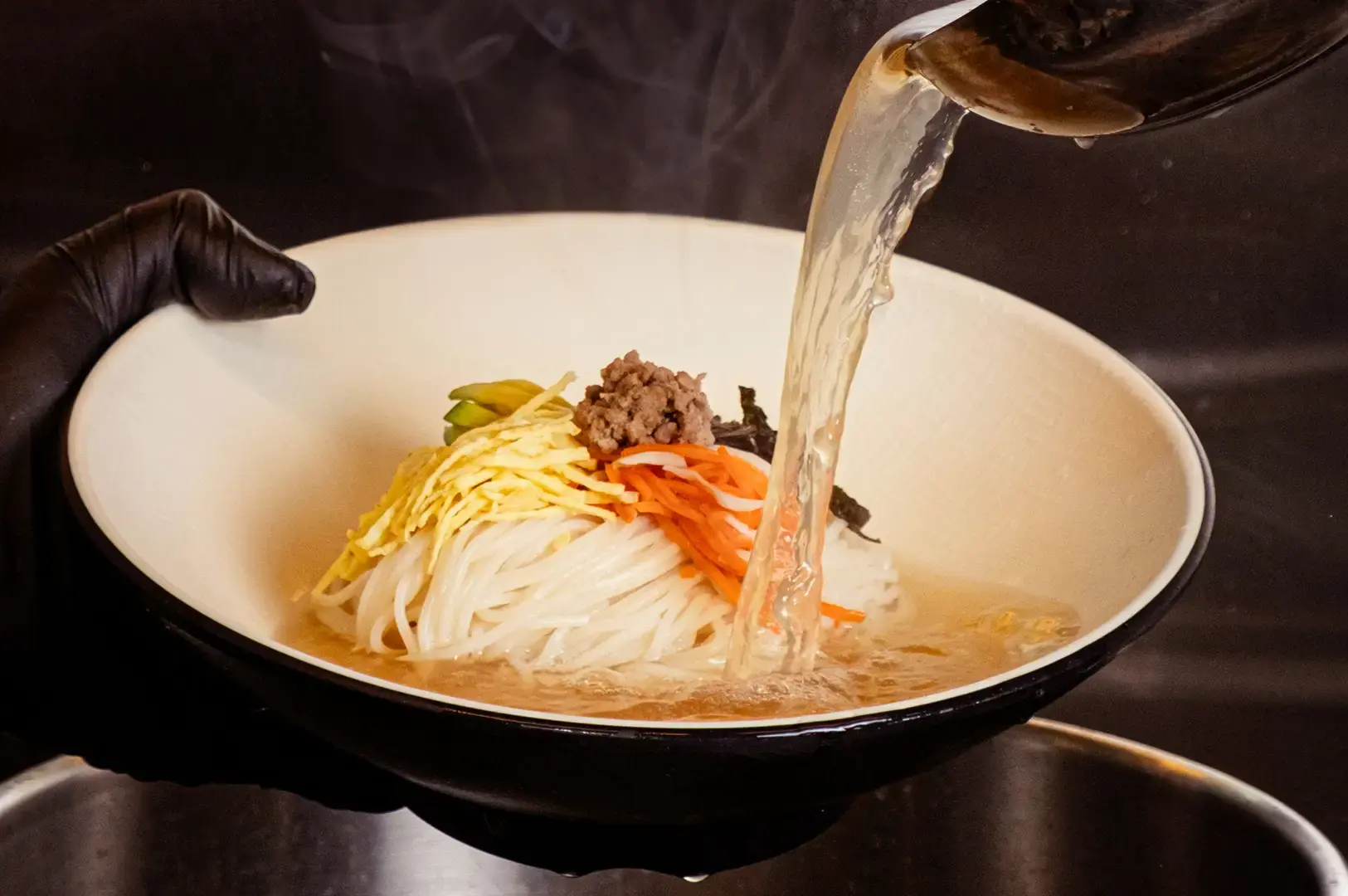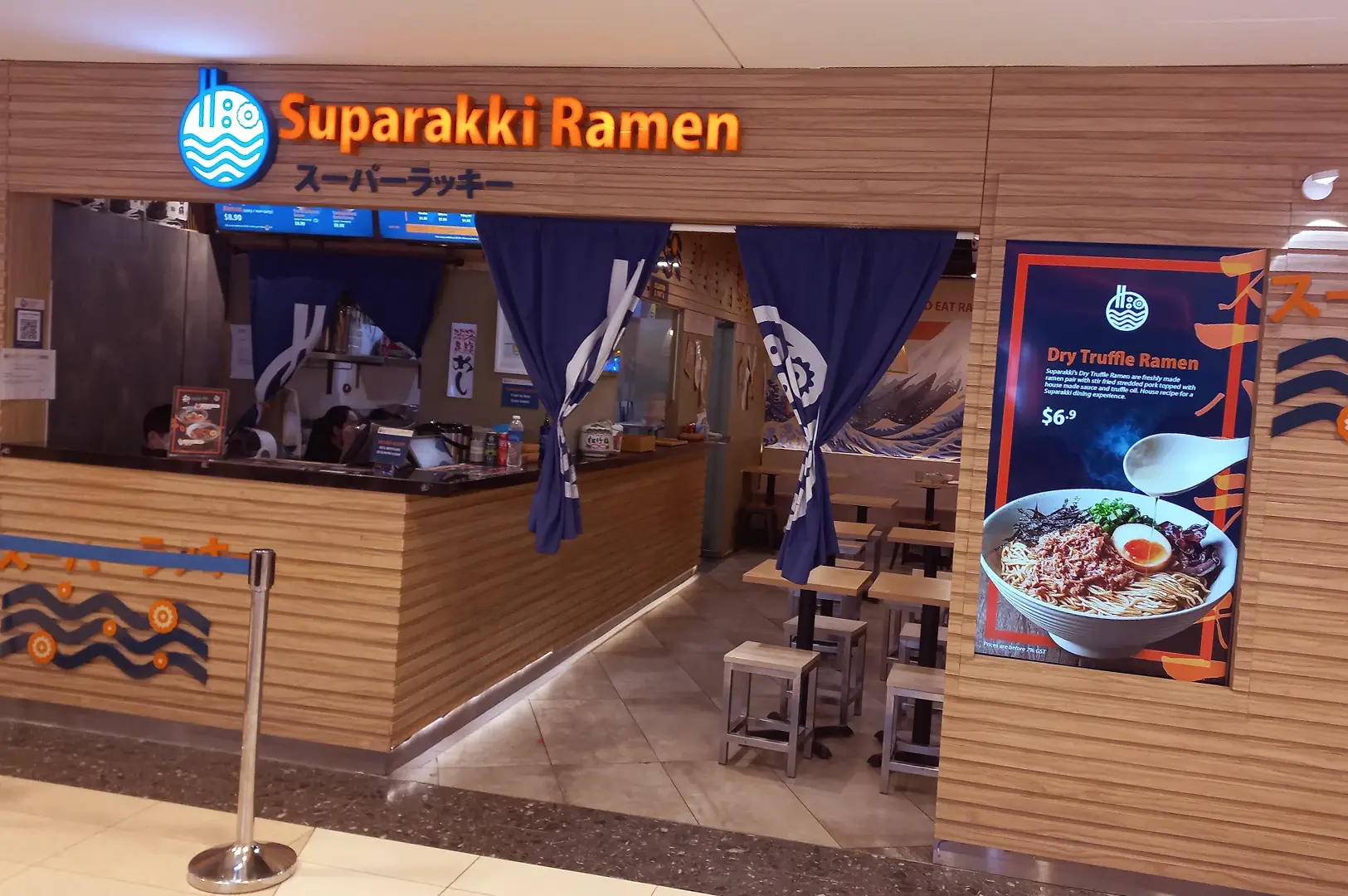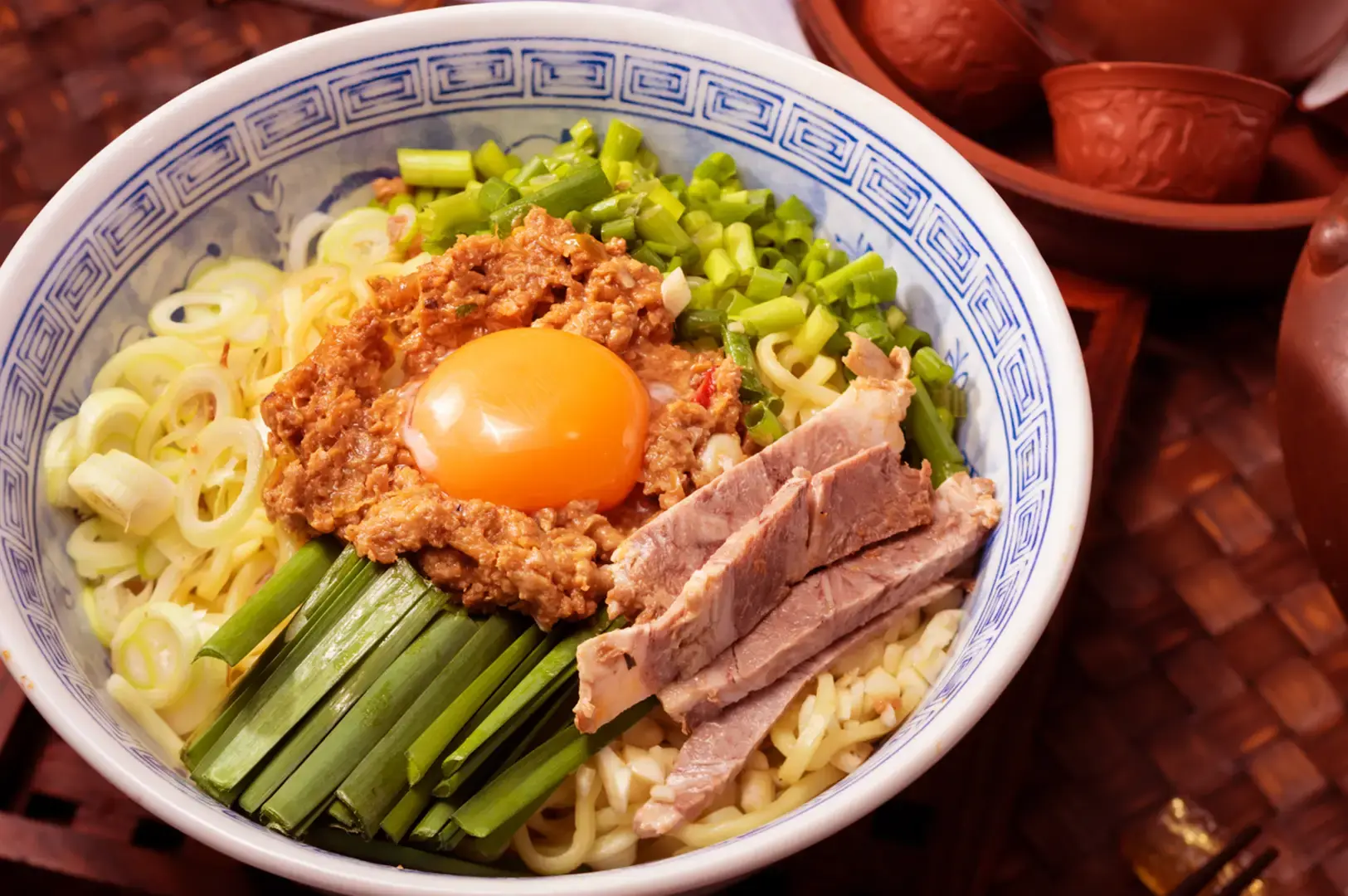
What do you remember first about a bowl of ramen?
Not the toppings, usually. Not the neat spiral of cooked ramen noodles, or the egg cut clean down the middle. If you close your eyes and think back to a ramen bowl that stayed with you, what returns is the broth, the warmth of it, the depth, the way it seemed to hold the whole meal together before you’d even lifted your chopsticks.
That is the quiet truth of ramen. Long before the ramen noodles are cooked and the toppings are arranged, a foundation is already being built inside a pot. The broth is the hidden architecture of the bowl. Everything that follows rests on it.
And that architecture carries a history, of geography, of migration, of decisions made and remade across generations. To understand ramen broth is to understand that a bowl of ramen was never simply noodles placed into soup. This goes way beyond the types of ramen you’ve probably already heard about.
Understanding Ramen Broths: Why the Soup Base Defines the Bowl
Ramen broths are not single things. They are built in layers, and each layer does a different kind of work.
There is the broth itself, the liquid drawn from bones, meat, vegetables, or seafood over hours of cooking.
There is the tare, the concentrated seasoning that sits at the base of the bowl and gives the ramen soup its direction.
There are the aromatic oils, a spoonful of something fragrant like sesame oil, poured to carry scent and richness across the surface.
And there are the seasonings added at the end, the final adjustments that tune one bowl to another.
Change any one of these and you change the whole. The same stock can become four different bowls depending on what meets it. This is why the soup base is less a component than an identity. It decides whether a bowl will be delicate or heavy, clear or clouded, sharp or slow.
1. Tonkotsu Ramen Broth: The Rich Craft of Pork Bones and Patience
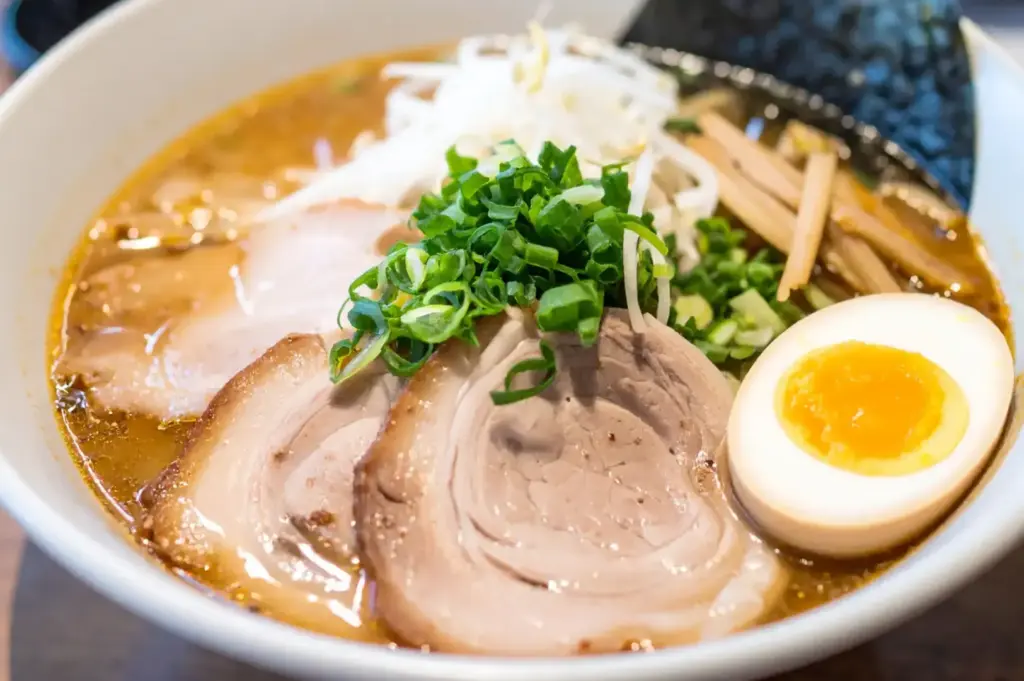
Nowhere is that patience more visible than in tonkotsu ramen broth.
It begins with pork bones, sometimes little more than that.
All the bones go into a large pot, covered in cold water, and then comes the long transformation. The first stage is violent: high heat, a hard boiling that forces the marrow and collagen out of the bone. This is where the broth turns extremely cloudy, milky white, thick enough to coat a spoon. Some cooks skim away the coagulated blood and impurities that rise early; others fold everything back in for richness. Then the heat drops, and the pot simmers on for hours, sometimes across a full day, often on low heat.
There is no shortcut to a proper tonkotsu broth. The cloudiness that people love is not a garnish but a record, proof of time spent, of bones broken down completely. Tonkotsu ramen is, in a sense, an argument that flavor is earned rather than added.
That tradition began in Fukuoka, in the Hakata style, and it has travelled far since. In Singapore, you can taste its continuity at places like Hakata Ikkousha, which carries its Fukuoka lineage without dilution, or Ippudo, which brought its own version of the style across borders.
2. Miso Ramen Broth: Fermentation, Depth, and Comfort of Miso Tare
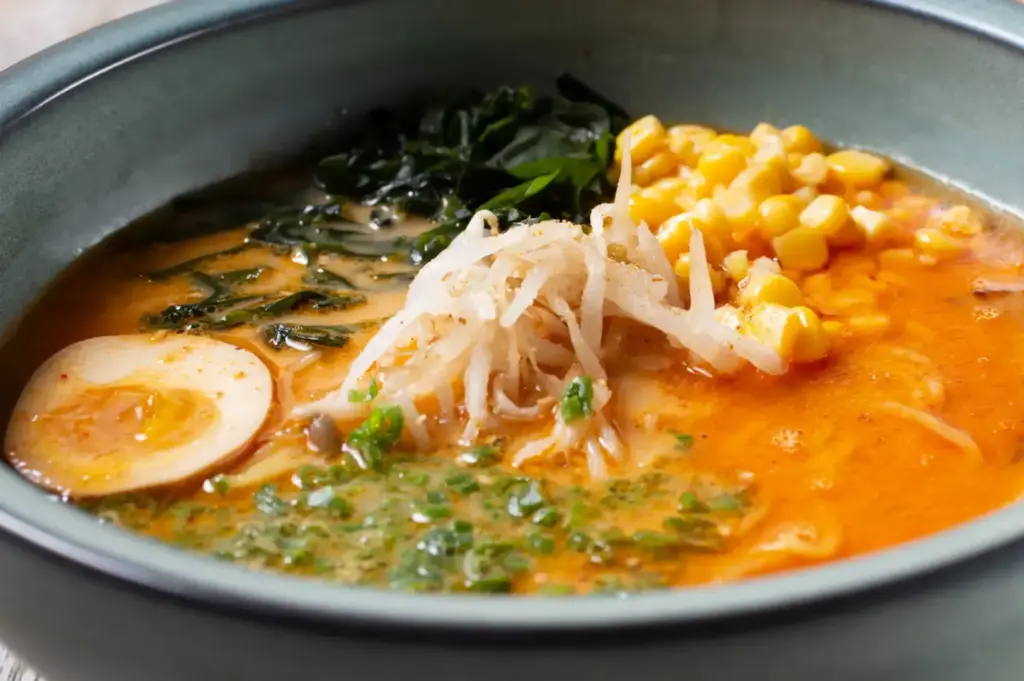
If tonkotsu is about extraction, miso ramen broth is about fermentation; a different kind of patience altogether.
Miso paste is the work of months, sometimes years: soybeans and grain broken down slowly by time and microbes into something deep and savory, packed with umami. When that miso is folded into a miso tare and stirred into hot broth, it brings an instant complexity that no amount of simmering alone could produce. The fermentation did that work long before the pot was ever lit.
Miso ramen tends to gather other things around it, garlic, ginger, onion, mushrooms, and a scatter of vegetables, building a bowl that is warming and full-bodied. It is comfort food in the most literal sense.
This is no accident of taste. Miso ramen was born in Hokkaido, in the north, where winters are long and cold and a thin soup would not do. The style reflects its climate: richer, heartier, made to hold heat against the weather outside.
3. Shoyu Ramen and Shio Ramen Broth: The Art of Balance
The heavier broths announce themselves. The lighter ones ask for closer attention.
Shoyu and shio broths do not hide behind fat or fermentation. They rely on balance, and balance is harder than richness. A clumsy hand shows immediately in a clear broth. Here, restraint becomes its own kind of craft.
a. Shoyu Ramen: The Relationship Between Soy Sauce and Dashi Stock
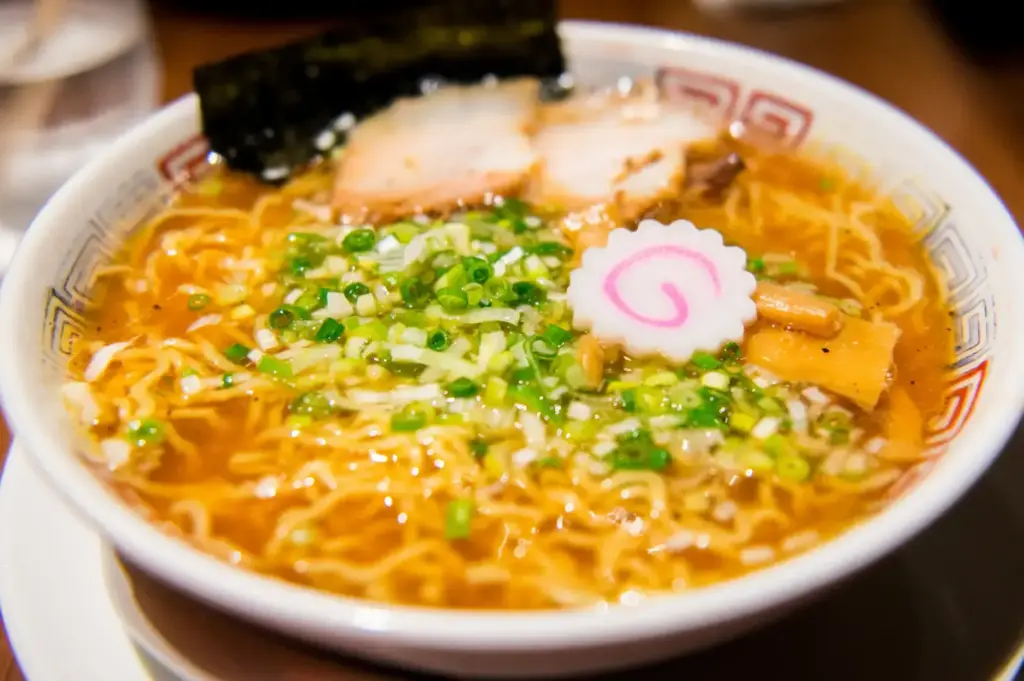
Shoyu ramen is a study in relationship. Soy sauce gives the shoyu broth its color and its backbone, but soy sauce alone would be flat and sharp. It needs a partner, and that partner is dashi stock, the delicate marriage of kombu and bonito flakes that underpins so much of Japanese cooking.
The art lies in the proportion. Too much soy and the bowl turns harsh; too little and it drifts toward nothing. A great recipe for shoyu ramen holds these two forces in careful tension, seasoning and stock leaning on each other.
Mirin is often added to the tare to balance the salty and umami flavors, adding a subtle sweetness that rounds out the dish.
b. Shio Ramen Broth: The Clarity of Salt and a Whole Chicken Carcass
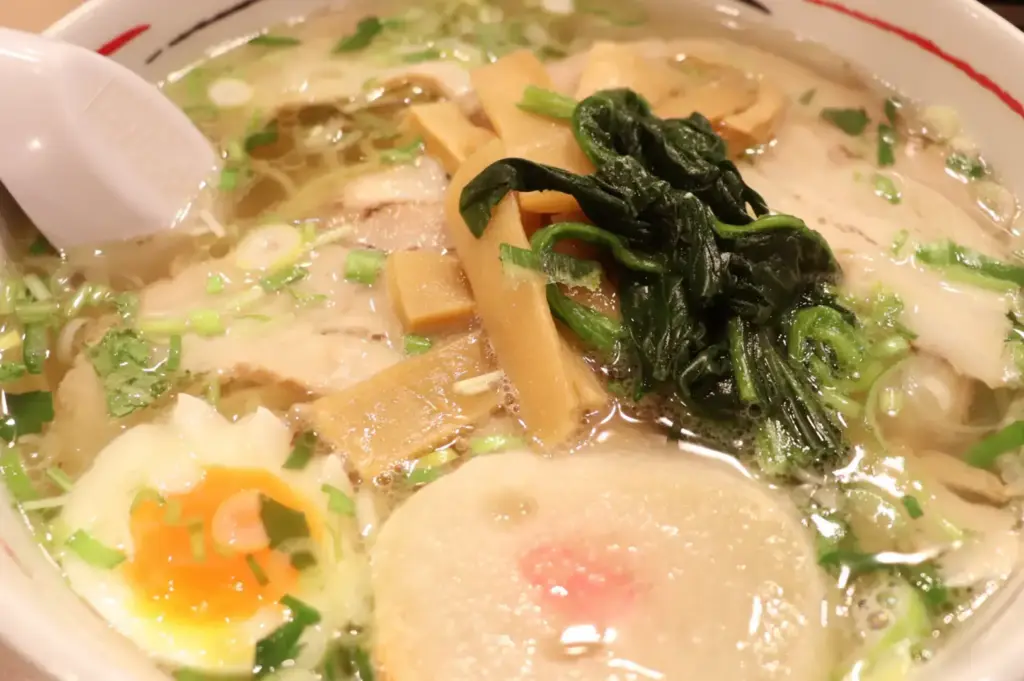
Shio means salt, and shio ramen broth is perhaps the most exposed of all. Salt seasons, but it does not mask. It cannot hide a weak stock the way a heavy tare can. So the salty quality of what goes into the pot becomes everything.
Most often that means chicken, a whole chicken carcass, sometimes chicken wings for their collagen and clean flavor, making a delicate chicken broth base rich in natural umami. The method matters as much as the material. You start with cold water, bring it up slowly, and simmer gently on low heat, never letting it reach a rolling boil. A hard boil clouds the soup; a gentle one preserves the clarity that shio ramen is prized for. The goal is a clear broth that tastes of exactly what it is made from, and nothing else.
How Ramen Shops Continue Reinventing a Bowl of Ramen
It would be tempting to treat all of this as fixed, four styles, settled long ago, preserved in place. But ramen has never worked that way.
Ramen shops have always experimented. Regional ingredients bend the tradition into new shapes. Ramen restaurants adapt to the tastes of the cities they land in, and each generation of cooks adds something the last did not imagine. The four broths were themselves once inventions.
That restlessness continues in unexpected places. Curry-inspired ramen is one recent thread, a meeting of two beloved Japanese comfort foods, where the warmth of the best Japanese curry Singapore has finds its way into a ramen soup base.
Many modern ramen dishes also feature a spicy kick, balancing heat with the deep flavors of the broth to create a lively, memorable dish.
Monster Curry, better known for its curry, is one example of how those worlds have begun to blur, another point on a long line of adaptation rather than its endpoint. It is simply one more answer to a question ramen has always been asking: what else can this bowl become?
Bringing Ramen Broth Into Your Own Kitchen
Some of us, having tasted enough, try to understand it from the inside; in our own kitchen, with a large pot or a slow cooker and more time than sense.
You add water to bones, bring it up, skim the surface, rinse things under cold running water, and wait. Most recipes will tell you the steps. Few can give you the hours. And that is the lesson hidden in the attempt: what separates a home broth from a restaurant’s is rarely skill alone. It is time, treated as an ingredient in its own right.
You may not eat the bowl you remember. But you will understand, at last, why the cook took so long.
What the Ramen Soup Remembers
A bowl of ramen is remembered not only for what sits above the surface, but for everything that happened before it arrived at your table.
The broth holds all of it; the geography of a northern winter, the trade route that carried the soy, the day a cook spent breaking down pork bones, the months a miso spent fermenting in the dark. It is a record, quietly kept, of decisions made by people you will never meet.
And it keeps changing. Every generation leans over the pot and adds something of its own. Perhaps that is the truest thing about ramen broth, not that it stays the same, but that it never quite finishes becoming.